


Featured ChoiceSave 62%
Save 57%
Save 50%
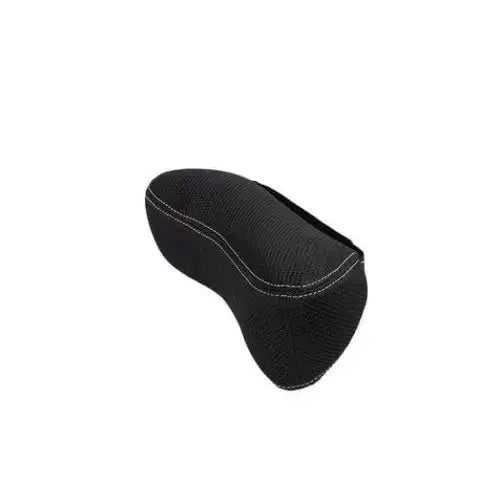
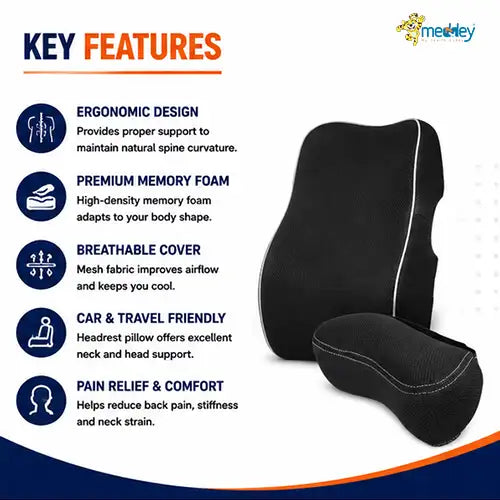

Save 50%
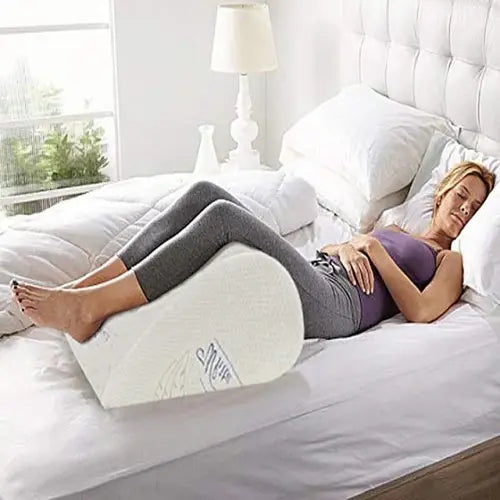
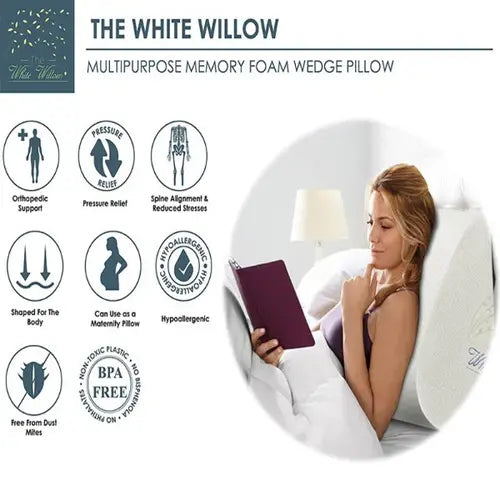

Save 52%

Save 17%


About this collection
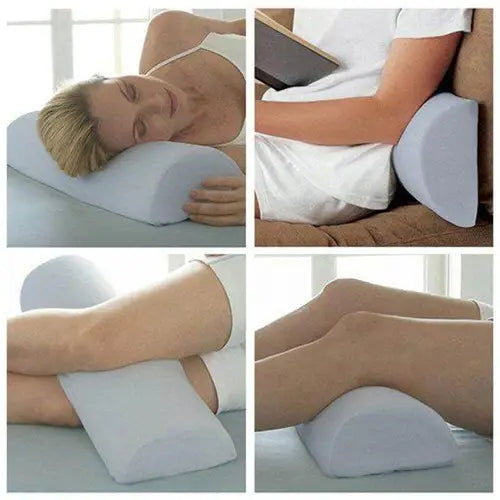
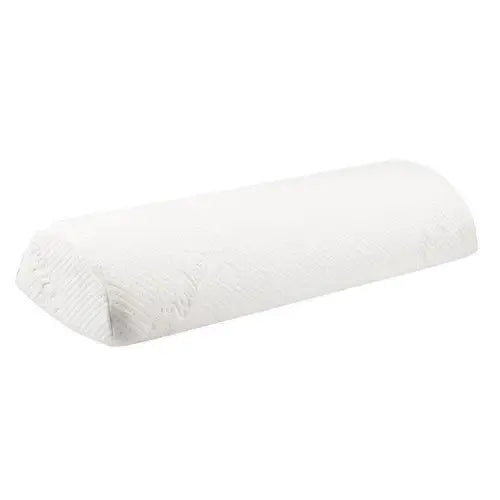
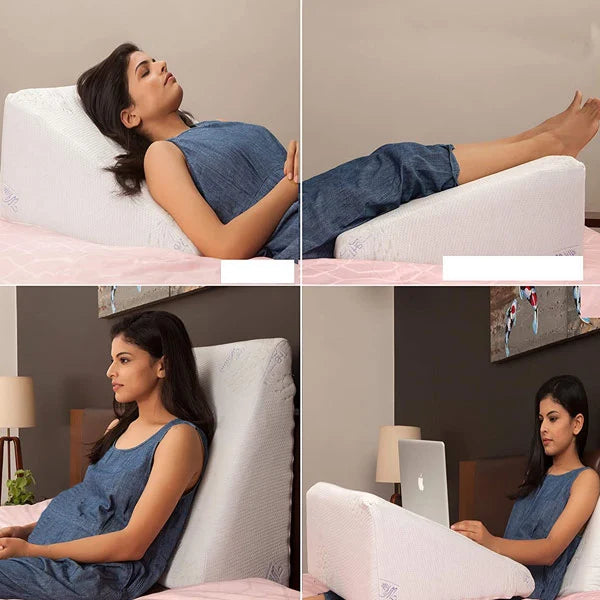
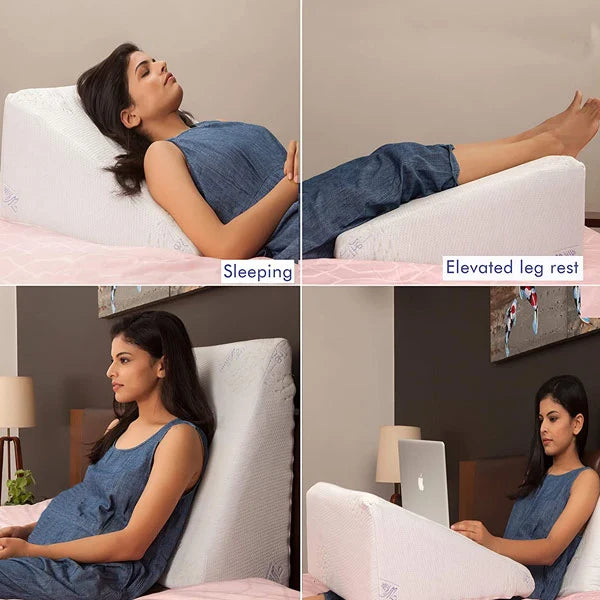
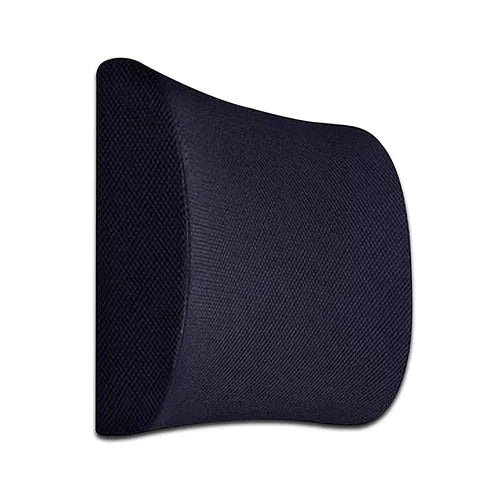
Backrest for Cervical & Lumbar Physiotherapy
Introduction
The Backrest for Cervical & Lumbar Physiotherapy provides practical support for the back during suitable physiotherapy, rehabilitation, posture training, and supported sitting activities. Its purpose is to create a comfortable support point for the back while a user performs appropriate exercises or remains seated during a therapy session. As a result, this type of physiotherapy backrest can form a useful part of a structured rehabilitation environment.
The cervical and lumbar regions play important roles in posture and everyday movement. Therefore, proper positioning can help users maintain a more organized sitting posture during selected activities. A suitable backrest can provide support around these areas while allowing the user to follow a planned physiotherapy routine.
Physiotherapists, rehabilitation professionals, and caregivers can consider this product when a user needs additional back support during appropriate activities. However, the correct position and application should always depend on the individual's needs and professional recommendations.
Product Overview
The Backrest for Cervical & Lumbar Physiotherapy focuses on practical back support for rehabilitation and therapy environments. It can provide a dedicated contact area for the back and help create a more structured seating arrangement. This feature can prove useful during selected posture, mobility, and physiotherapy activities.
The cervical area forms the upper section of the spine, while the lumbar area forms the lower section. Both regions contribute to body positioning and movement. Consequently, users often need suitable support when they sit for extended periods or perform controlled rehabilitation exercises.
A cervical and lumbar backrest can complement a physiotherapy setup by providing support while the user follows the therapist's instructions. The professional can assess the user's posture and determine how the product should fit into the treatment routine.
Furthermore, the product can suit different healthcare and rehabilitation environments. These may include physiotherapy clinics, rehabilitation centres, occupational therapy areas, wellness facilities, and suitable home-based rehabilitation setups.
Key Features
- Cervical support: Provides a suitable support area for the upper back and cervical region during appropriate activities.
- Lumbar support: Helps create a supportive contact area around the lower back.
- Physiotherapy application: Suitable for consideration in selected physiotherapy and rehabilitation setups.
- Posture-focused use: Can complement posture awareness and supported sitting activities.
- Practical design: Provides a dedicated back-support solution for suitable therapy environments.
- Rehabilitation support: Can form part of a broader rehabilitation setup under professional guidance.
- Multiple applications: Suitable for different positioning and support activities depending on user requirements.
- Professional use: Physiotherapists and rehabilitation professionals can consider the product for appropriate therapy routines.
- Home rehabilitation: May support selected home exercises when a healthcare professional recommends its use.
- Comfort-oriented support: Helps create a more organized and supportive sitting arrangement during suitable activities.
Cervical Support During Physiotherapy
The cervical region supports the head and connects the head with the rest of the spine. Because of its role in posture and movement, users can benefit from a carefully planned sitting position during selected rehabilitation activities. A cervical backrest can provide additional support when the user sits correctly.
During a physiotherapy session, the therapist may first assess the user's sitting posture. After that assessment, the professional can select a suitable position for the planned activity. A supportive backrest can then help maintain that setup while the user performs controlled movements or exercises.
In addition, cervical support can help create a more consistent treatment environment. However, the support should never force the neck into an uncomfortable position. The user should remain relaxed and follow the therapist's instructions throughout the activity.
If the user experiences unusual pain, numbness, dizziness, or significant discomfort, stop the activity and seek appropriate professional advice.
Lumbar Support for Rehabilitation
The lumbar region forms the lower section of the back and contributes to posture, trunk stability, and everyday movement. A suitable lumbar back support can provide a stable contact area during appropriate sitting and rehabilitation activities.
Physiotherapy programs often include posture education, mobility exercises, functional movements, and controlled strengthening activities. For many of these routines, the starting position matters. Therefore, therapists may use supportive equipment to help create a consistent position before an exercise begins.
The Backrest for Cervical & Lumbar Physiotherapy can complement these routines by supporting the back while the user follows the planned activity. The therapist can decide how the support should work with the user's individual posture and mobility requirements.
Moreover, a supportive seating arrangement can make a therapy environment more organized. The product should always work as part of the overall rehabilitation plan rather than as a replacement for professional treatment.
Applications in Physiotherapy
The physiotherapy backrest can support several suitable rehabilitation activities. A healthcare professional should decide which application fits the user's needs and physical condition.
- Posture training: Use during suitable activities that encourage awareness of sitting posture.
- Supported sitting: Provide back support during appropriate seated therapy activities.
- Rehabilitation exercises: Complement selected exercises that require a stable sitting position.
- Mobility activities: Support suitable routines where controlled trunk positioning forms part of the exercise.
- Occupational therapy: Consider for selected positioning and functional activities.
- Home physiotherapy: Use as part of a professional home rehabilitation plan when recommended.
- Clinic-based therapy: Include within an appropriate physiotherapy or rehabilitation setup.
- Comfort-focused positioning: Provide a dedicated back-support surface during suitable activities.
Benefits of a Cervical & Lumbar Backrest
A suitable backrest can offer practical support when users need a more organized sitting arrangement. Its main role involves supporting the back while the user performs an appropriate activity.
Better support: The backrest provides a dedicated contact area for the back. This arrangement can make supported sitting more convenient during suitable therapy activities.
Posture awareness: A structured seating setup can help users focus on their posture during selected exercises and rehabilitation routines.
Therapy convenience: Physiotherapy professionals can incorporate suitable support equipment into their existing treatment environment.
Versatile use: The product can support different activities depending on the user's needs and the therapist's recommendations.
Practical rehabilitation support: The backrest can complement other physiotherapy equipment and help create a more organized therapy setup.
Who Can Use This Physiotherapy Backrest?
Healthcare professionals can consider this product when a suitable back-support solution forms part of their rehabilitation setup. Home users should follow professional recommendations when they plan to use the product for therapy.
- Physiotherapists: For suitable positioning and rehabilitation activities.
- Rehabilitation centres: For supported seating and therapy environments.
- Hospitals and clinics: For appropriate rehabilitation and posture-support activities.
- Occupational therapists: For selected functional positioning activities.
- Wellness facilities: For suitable support-focused activities.
- Home users: For professional-guided rehabilitation routines where appropriate.
Common Use Cases
The Backrest for Cervical & Lumbar Physiotherapy can fit into different support and rehabilitation scenarios. The exact application depends on the product setup and the user's requirements.
- Physiotherapy sessions: Use during selected exercises that require comfortable back support.
- Posture education: Include in activities that teach users about suitable sitting alignment.
- Rehabilitation centres: Add to an appropriate therapy environment for supported positioning.
- Home rehabilitation: Use when a professional includes the backrest in a home therapy plan.
- Occupational therapy: Support selected functional activities that require seated positioning.
- Supported sitting: Provide a dedicated surface for the back during suitable daily or therapy activities.
- Therapy preparation: Help establish an appropriate sitting position before selected exercises.
How to Use the Backrest
Correct positioning can improve the practical use of a backrest. Always follow the manufacturer's instructions and any guidance provided by a physiotherapist.
- Place the backrest on a suitable and stable surface.
- Check that the support remains stable before the user begins the activity.
- Position the user comfortably with the back supported by the product.
- Check the cervical and lumbar areas for comfortable contact.
- Maintain a relaxed posture without placing unnecessary pressure on the backrest.
- Start the planned physiotherapy or rehabilitation activity according to professional instructions.
- Monitor comfort and body position during the activity.
- Clean and store the product according to the manufacturer's care recommendations after use.
Importance of Correct Positioning
Correct positioning plays an important role when using any back-support product. The support should contact the user's back comfortably without forcing the neck or spine into an uncomfortable position. A stable seating surface can also help the user maintain better control during selected exercises.
During a professional therapy session, the physiotherapist can observe the user's posture and make suitable adjustments. This approach helps the backrest complement the therapy routine instead of becoming a substitute for clinical guidance.
Individual requirements vary from person to person. Therefore, the therapist should decide the appropriate position, duration, and activity according to the user's needs.
Technical Specifications
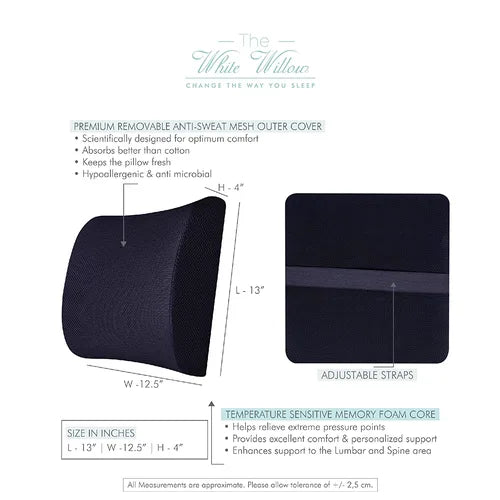
The available product information identifies this item as a Backrest for Cervical & Lumbar Physiotherapy. Exact dimensions and construction details should come from the current manufacturer or product specification. This approach avoids adding unverified technical information to the product page.
| Specification | Details |
|---|---|
| Product Name | Backrest for Cervical & Lumbar Physiotherapy |
| Product Type | Physiotherapy Backrest / Back Support |
| Support Areas | Cervical and Lumbar Areas |
| Primary Application | Physiotherapy and Rehabilitation Support |
| Use Type | Supported Sitting and Suitable Therapy Activities |
| Dimensions | Refer to Current Product Specification |
| Material | Refer to Current Product Specification |
| Weight | Refer to Current Product Specification |
Care and Maintenance
Regular maintenance can help preserve the condition of the physiotherapy backrest. Users should inspect the product before each session and follow the cleaning instructions supplied with the product.
- Inspect the backrest before each use.
- Check the product for visible damage, cracks, tears, or loose components.
- Clean the contact surface according to the manufacturer's instructions.
- Avoid unsuitable chemicals that may damage the product surface.
- Keep the product dry when the manufacturer's instructions require dry storage.
- Store the backrest in a clean and suitable location.
- Follow the manufacturer's recommended maintenance schedule and instructions.
Safety and Usage Considerations
The Backrest for Cervical & Lumbar Physiotherapy should support the intended activity without creating unnecessary pressure or discomfort. Users should follow the manufacturer's instructions and seek professional guidance when they plan to use the product for rehabilitation.
- Use the product on a stable and compatible surface.
- Inspect the equipment before use.
- Do not use the product if visible damage may affect safe use.
- Avoid forcing the neck or back into an uncomfortable position.
- Follow the physiotherapist's instructions during rehabilitation.
- Stop the activity if unusual pain, numbness, dizziness, or significant discomfort occurs.
- Seek appropriate medical advice when the user has a spinal, neurological, or musculoskeletal condition.
Backrest for Physiotherapy Clinics
Physiotherapy clinics need practical equipment that supports organized treatment sessions. A cervical and lumbar backrest can form part of a rehabilitation environment where therapists work on posture, movement, mobility, and functional activities.
The backrest can provide a consistent support point when a patient needs additional back contact during a suitable exercise. As a result, therapists can create a more organized seating arrangement before beginning a planned activity.
In addition, clinics can use this type of support equipment alongside other rehabilitation products. The final equipment setup should depend on the therapy program, available space, and patient requirements.
Home Physiotherapy and Rehabilitation
Home-based rehabilitation often requires practical equipment that helps users follow their prescribed activities. A lumbar back support or cervical support product may complement a home therapy routine when a qualified professional recommends it.
Users should not select exercises only because a product description mentions them. Instead, they should follow the rehabilitation plan provided by their physiotherapist or healthcare professional.
This approach helps users choose suitable activities and avoid unnecessary strain. Furthermore, professional guidance can help determine the correct sitting position and duration of use.
What to Consider Before Buying a Physiotherapy Backrest
Choosing the right physiotherapy backrest requires attention to the intended application. Buyers should review the product information and confirm that the backrest fits their therapy environment.
- Support requirements: Check whether the product suits the required cervical and lumbar support needs.
- Compatibility: Confirm that the backrest fits the intended chair or therapy surface.
- Comfort: Consider whether the support arrangement feels comfortable during the planned activity.
- Dimensions: Review current product dimensions before purchase.
- Material: Check the manufacturer's material information and cleaning requirements.
- Maintenance: Consider how easily the product can fit into the facility's cleaning routine.
- Professional guidance: Ask a qualified healthcare professional when the product will form part of a clinical rehabilitation program.
Why Choose a Cervical & Lumbar Backrest?
A dedicated Backrest for Cervical & Lumbar Physiotherapy offers a practical option for users who require additional back support during appropriate activities. Its focus on cervical and lumbar areas makes it relevant to therapy environments where posture and positioning matter.
The product can also complement a broader rehabilitation setup. For example, a physiotherapist may combine suitable seating support with exercise equipment, mobility training, posture activities, and other rehabilitation tools.
Most importantly, the backrest should serve as a support accessory rather than a standalone treatment. Professional assessment remains important when users have pain, limited movement, an injury, or another medical concern.
Frequently Asked Questions
1. What is a Backrest for Cervical & Lumbar Physiotherapy?
It is a support accessory designed for the cervical and lumbar areas of the back. Users can incorporate it into suitable physiotherapy, rehabilitation, posture, and supported sitting activities.
2. What does a cervical backrest do?
A cervical backrest provides supportive contact around the upper back and cervical region during suitable seated activities. Correct positioning remains important for comfortable use.
3. Can this product provide lumbar support?
Yes. The product focuses on both cervical and lumbar support. The actual positioning should depend on the product design and the user's individual requirements.
4. Is it suitable for physiotherapy clinics?
The backrest can be considered for physiotherapy clinics and rehabilitation centres where suitable back-support equipment forms part of the therapy setup.
5. Can I use this backrest at home?
Home users can consider the product when it fits the intended setup and a qualified professional recommends it as part of a rehabilitation routine.
6. Does this backrest cure back pain?
No. A backrest provides support and positioning assistance. It does not replace medical assessment or physiotherapy treatment for back pain or other conditions.
7. How should I position the backrest?
Place it on a compatible and stable surface, then position the user comfortably with the back supported. Follow the manufacturer's instructions for the exact setup.
8. Who should decide if I need this product?
A physiotherapist or another qualified healthcare professional can help determine whether this type of support suits a user's rehabilitation needs.
9. How do I clean the physiotherapy backrest?
Clean the product according to the manufacturer's instructions. Use suitable cleaning products for the surface material and avoid methods that may damage the equipment.
10. Can this product replace physiotherapy?
No. The backrest functions as a support accessory. It should complement, not replace, professional diagnosis, physiotherapy treatment, or a personalized rehabilitation plan.
Conclusion
The Backrest for Cervical & Lumbar Physiotherapy provides a practical support solution for suitable physiotherapy, rehabilitation, posture, and supported sitting activities. By creating a dedicated support area for the back, it can complement a well-planned therapy environment.
Its focus on the cervical and lumbar areas makes it relevant to rehabilitation settings where positioning plays an important role. Physiotherapists can determine how the product fits into a user's therapy routine, while home users should follow professional guidance when they plan to use the product for rehabilitation.
For reliable use, always follow the manufacturer's instructions, maintain the product properly, and choose a suitable setup. With appropriate positioning and professional guidance, this cervical and lumbar back support can become a useful addition to physiotherapy and rehabilitation environments.
Explore Medical Collections
All Categories
Abdominal & Maternity Support

Accessories

Accu-Chek Instant Strips: Use, Compatibility, Price & Blood Sugar Testing Guide
Accu-Chek Instant Strips: Uses, Features & Complete Guide

Accupressure Products for Pressure Point Therapy, Pain Relief & Wellness

accupuncture

Acupuncture Needles & Supplies

Advanced Physiotherapy Machines & Lumbar Physiotherapy

Airways

Ambulance

Anatomy Models
Anesthesia Machine

Anesthesia Products
Ankle Support, Braces & Walker Boots for Recovery
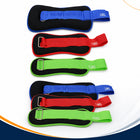
Ankle Weights & Exercise Weights for Home & Rehab
You may also need
FOR YOURecommended for you
Save 62%
Save 57%
Save 50%
Save 50%
Save 52%
Save 17%