


Featured ChoiceSave 18%

Save 20%
Save 33%

Save 22%
Save 22%

Save 22%

Save 25%
Save 29%

Save 11%

Save 29%

Save 26%

Save 26%

Save 33%


Save 27%
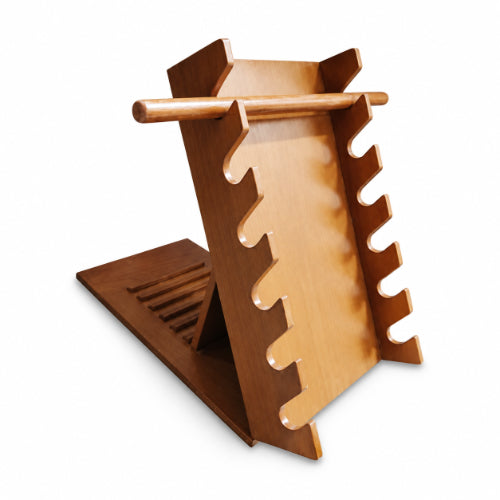


Save 32%
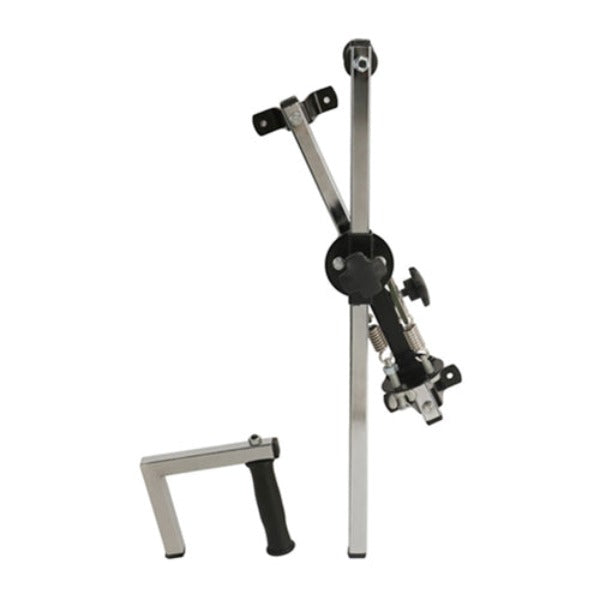
Save 14%
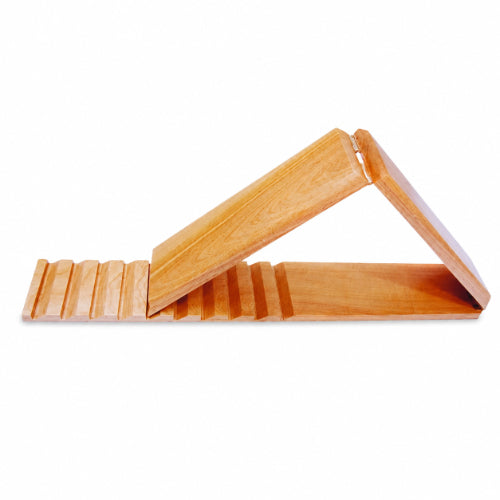
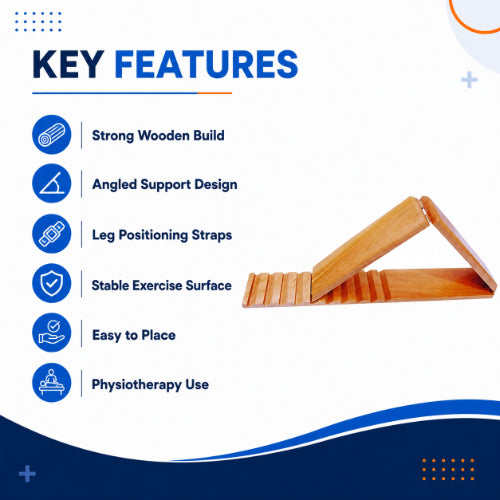

Save 50%


Save 43%


Save 28%


Save 27%
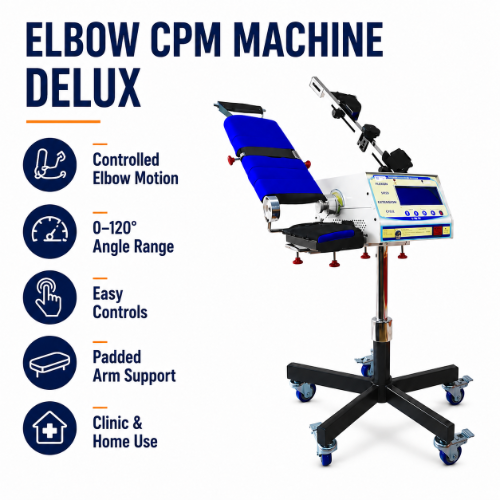

Save 39%
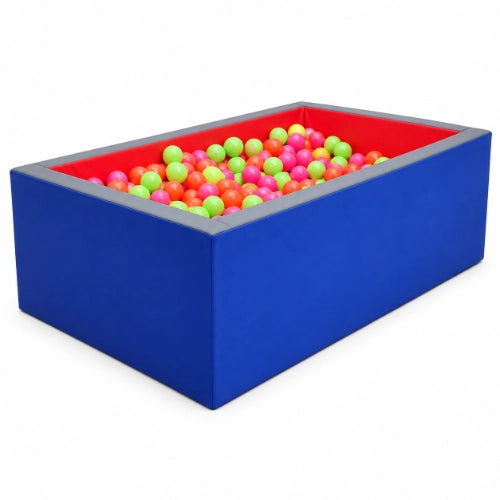


Save 39%
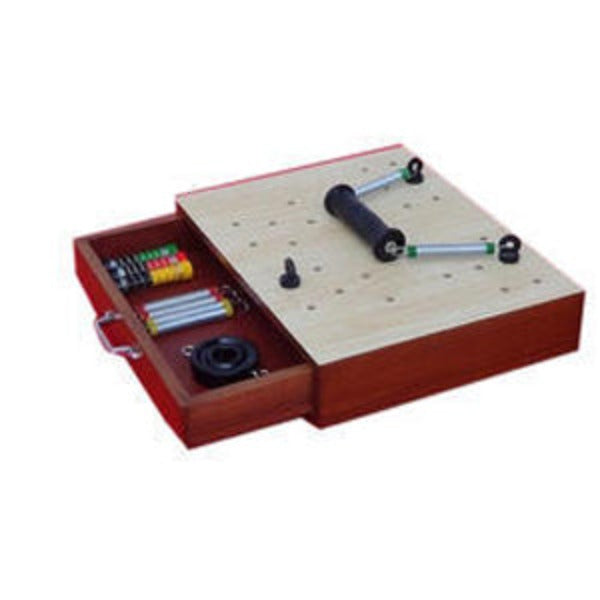
Save 39%
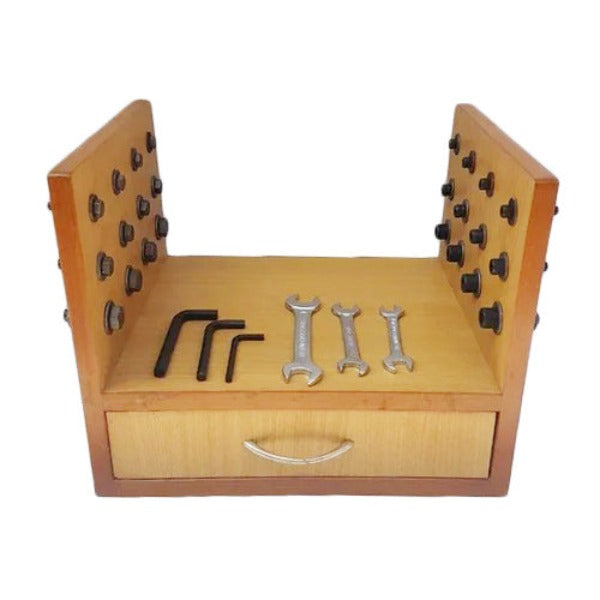
Save 29%

Save 22%

Save 28%
Save 22%

Save 27%

Save 30%

Save 35%

Save 25%

Sold out

Sold out

Sold out

About this collection
Physiotherapy Exercise Equipment for Home Recovery & Clinics
Physiotherapy exercise equipment can support movement, strength, balance and mobility during a planned rehabilitation programme. For someone recovering at home, this may include a pedal exerciser, walker, shoulder exercise tool, hand exerciser or balance board.
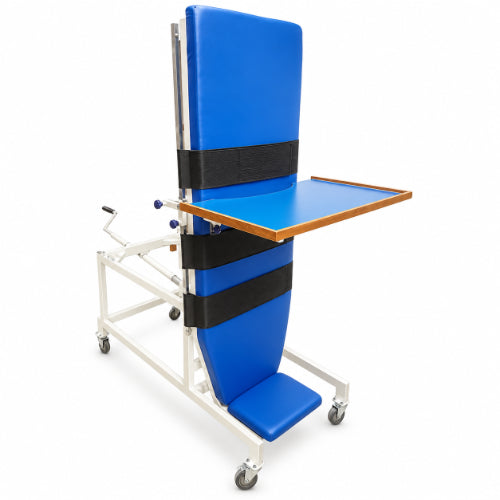
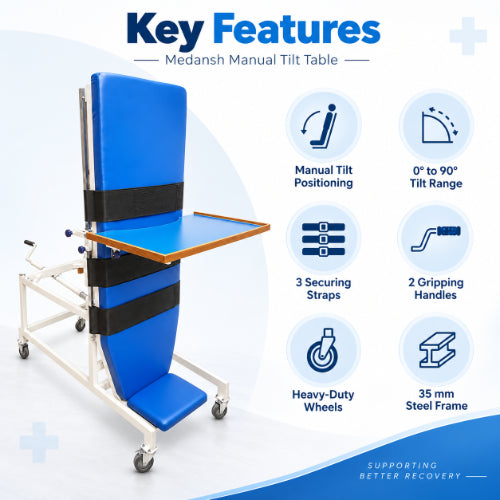
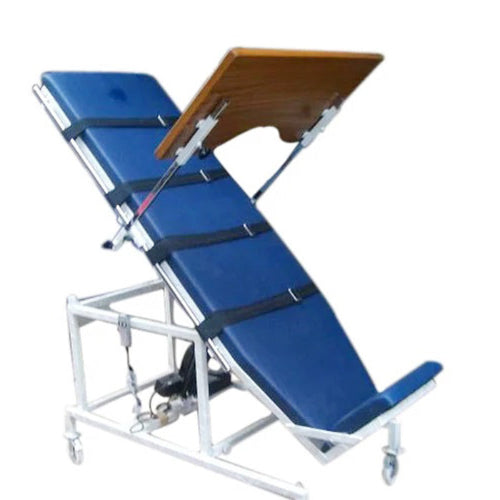
Clinics and rehabilitation centres may also use larger physiotherapy rehabilitation equipment such as parallel bars, tilt tables and structured exercise stations. The right choice depends on the person's current ability, recovery goal, available space and professional advice.
More advanced equipment is not automatically better. For household use, a simple and suitable rehabilitation tool can often be more practical when it matches the recommended exercise plan.
Choosing Physiotherapy Exercise Equipment for Home
When choosing physiotherapy exercise equipment for home, start with the movement or activity the person needs to practise. Some people may need support with walking, while others may be working on shoulder movement, leg strength, hand function or balance.
Home physiotherapy equipment should also suit the available space and the user's ability to operate it safely. Compact equipment may be easier to store and use in everyday home settings.
A simple way to choose rehabilitation equipment:
- Confirm the exercise or rehabilitation goal first.
- Check whether the person needs supervision while exercising.
- Measure the available floor, wall or storage space.
- Check height, resistance and adjustment options where applicable.
- Read the individual product specifications before ordering.
- Follow professional guidance when a rehabilitation plan requires it.
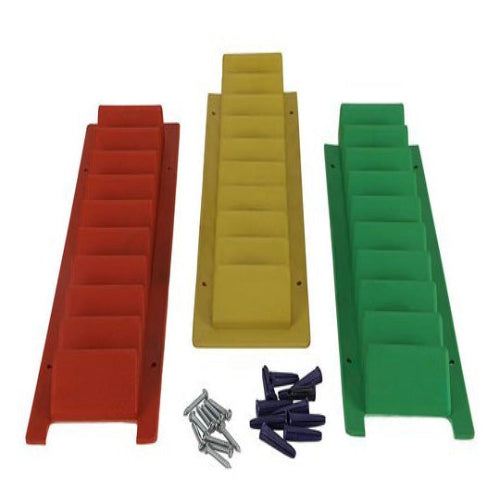
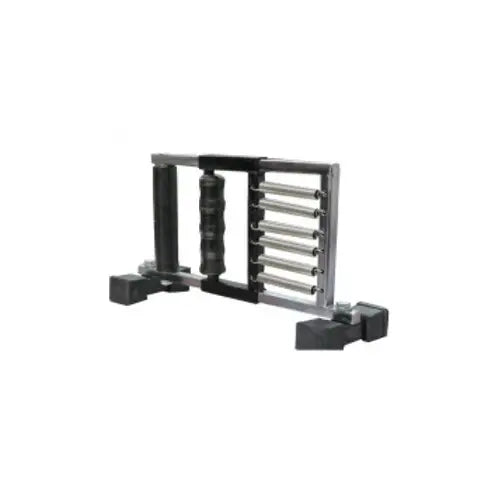
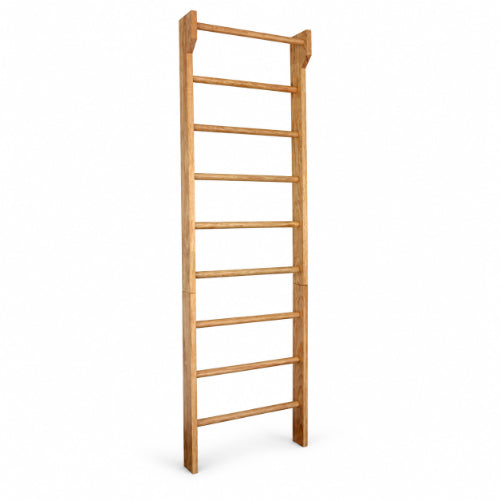
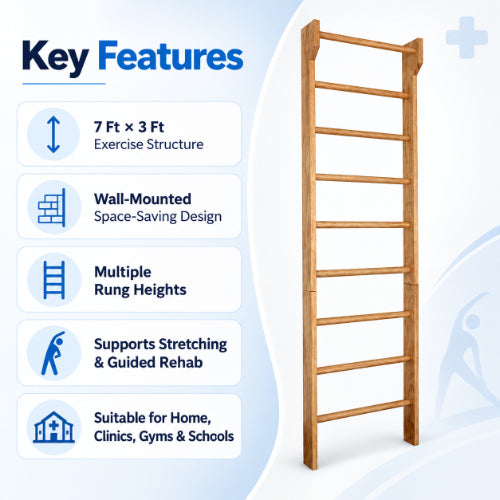
Example of a shoulder finger ladder used as physiotherapy exercise equipment.
Walking & Mobility Rehabilitation Equipment
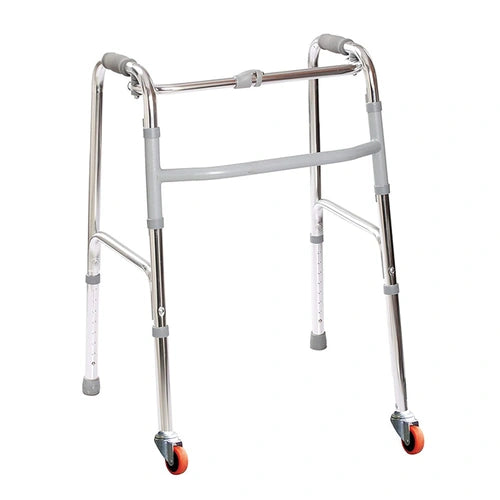
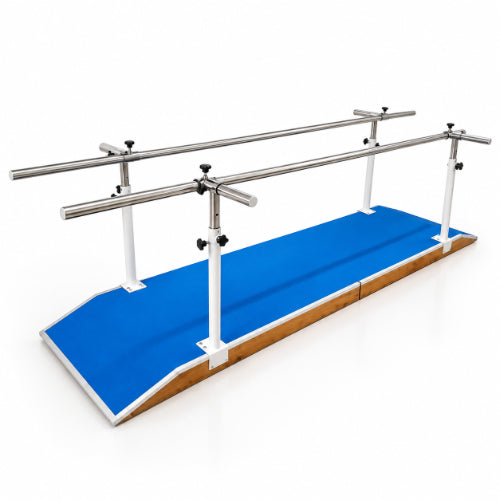
Walkers and parallel bars can support different stages of mobility practice. An aluminium walker with wheels may provide additional support for suitable users during everyday walking. Parallel bars provide hand support on both sides and are mainly used for supervised standing, stepping and walking practice.
Gait simply means the way a person walks. Gait-training equipment may be used while practising balance, weight shifting and controlled steps. Larger parallel-bar systems normally need more space and are therefore generally better suited to clinics, hospitals or dedicated rehabilitation areas.
Shoulder Physiotherapy Exercise Tools
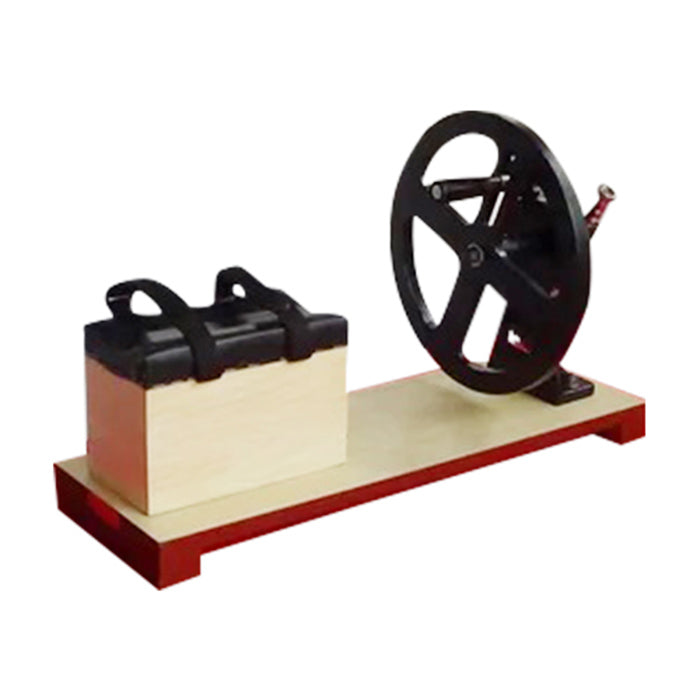
Shoulder physiotherapy rehabilitation equipment may include finger ladders, shoulder exercise ladders, pulleys and shoulder wheels. These tools can support controlled movement exercises when they are part of an appropriate rehabilitation programme.
Range of motion means how far a joint can comfortably move in different directions. A shoulder pulley allows one arm to assist the other during movement, while a shoulder wheel provides a circular movement pattern. Some models may also offer adjustable resistance.
Compact physiotherapy exercise tools can be practical for selected home programmes, while larger wall-mounted systems may be more suitable for physiotherapy clinics and rehabilitation centres.
Physiotherapy Exercise Equipment for Leg Strength & Movement
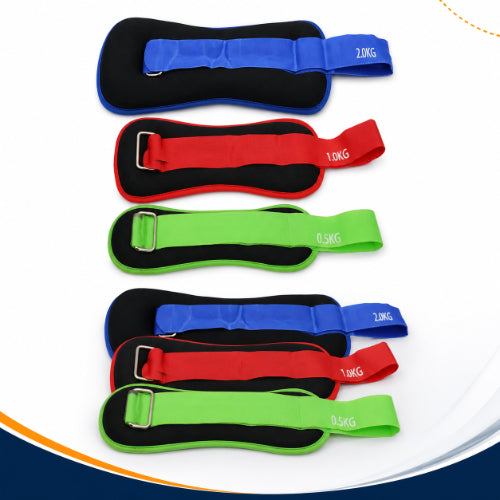
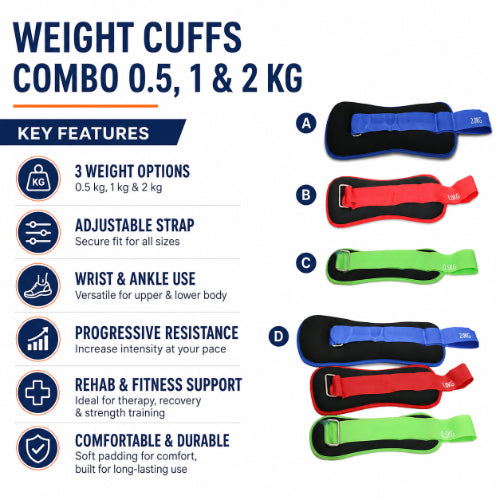
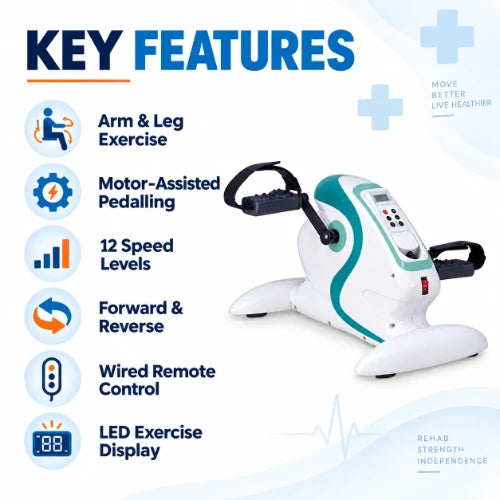
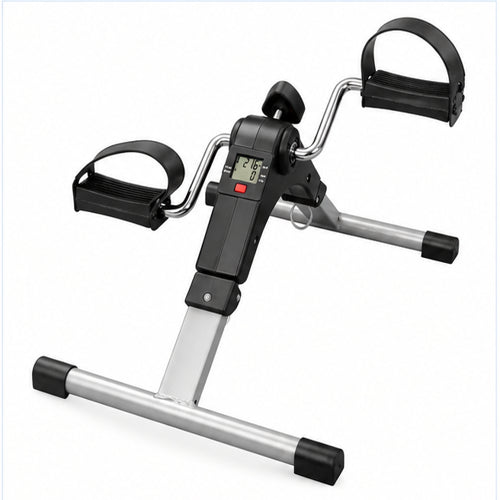
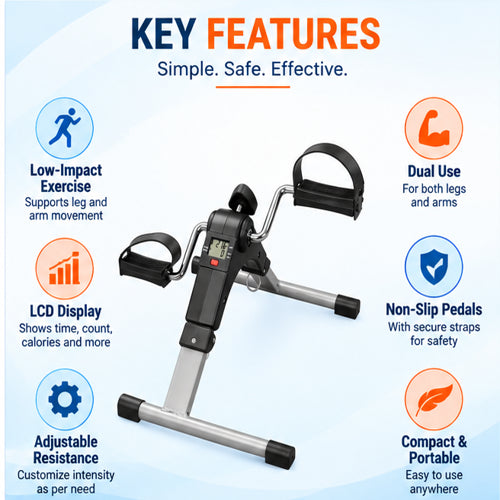
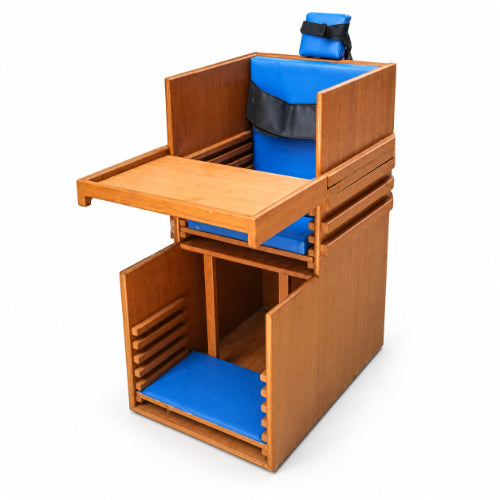
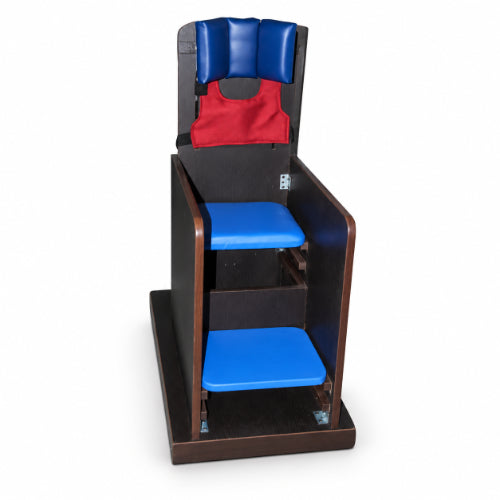
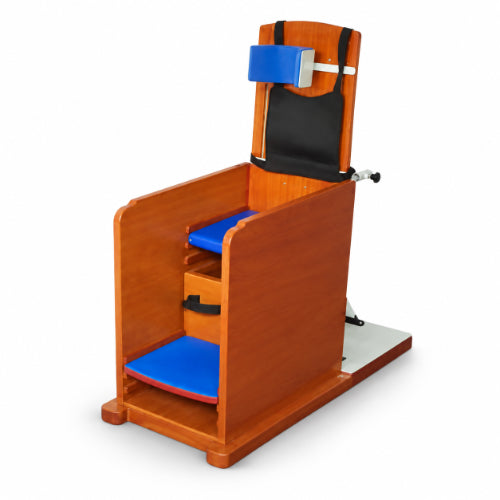
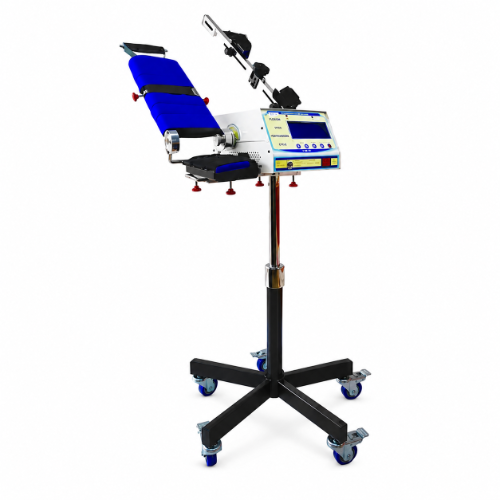
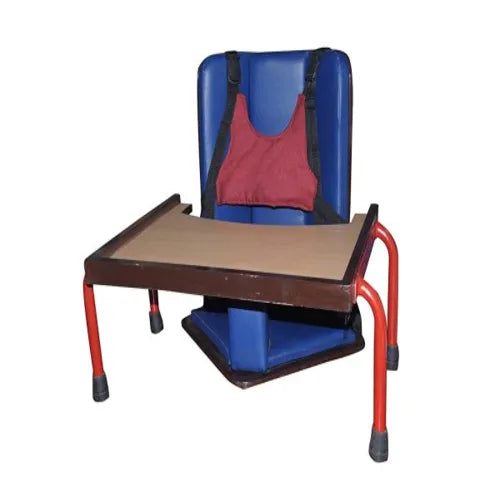
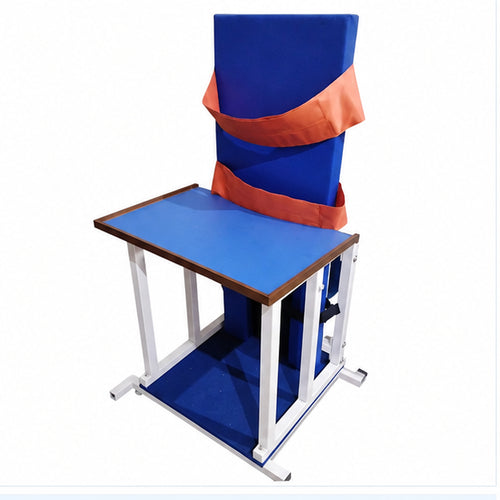
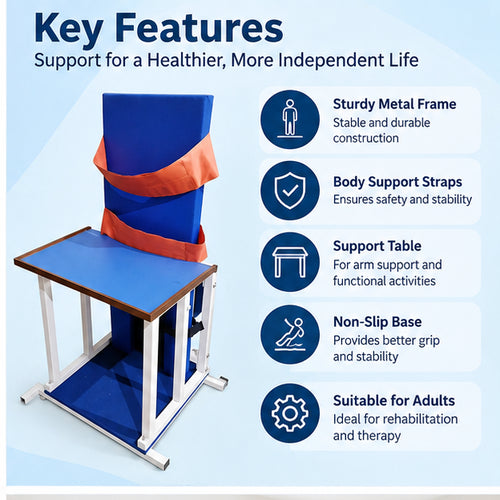
Physiotherapy exercise equipment for lower-limb training can include pedal exercisers, weight cuffs, heel exercisers, quadriceps boards and rehabilitation exercise chairs.
The quadriceps are the muscles at the front of the thigh. They help with movements such as straightening the knee, standing and walking. Resistance-based equipment should be adjusted according to the person's present ability and exercise plan rather than increasing resistance too quickly.
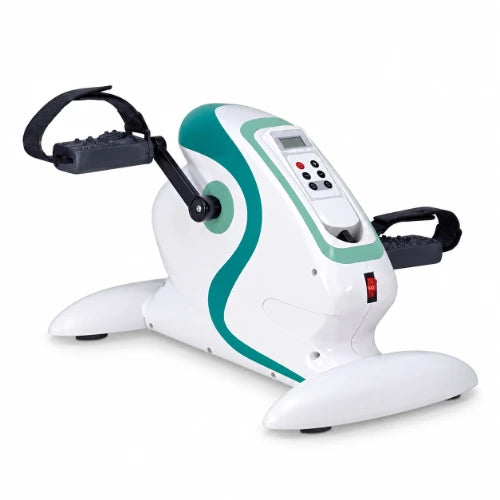
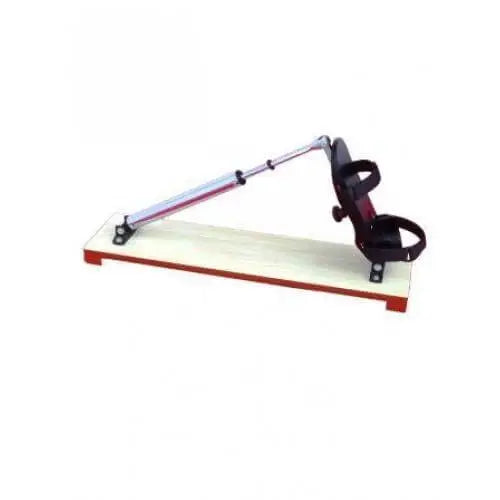
A compact pedal exerciser may be easier to manage as rehabilitation equipment for home because it requires relatively little space. Larger exercise chairs and specialised systems are generally more practical in clinics or supervised rehabilitation setups.
Balance, Hand & Functional Rehabilitation Equipment
Physiotherapy rehabilitation does not always require large machines. Balance boards, finger exercisers, hand-training boards, resistance tools and similar equipment may help users practise smaller and more targeted movements.
Balance equipment should be used on a suitable surface with the level of support or supervision appropriate for the user. Hand and finger exercise tools are available in different designs, so the exercise goal and the person's grip or movement ability should guide the choice.
Home Physiotherapy Equipment vs Clinic Equipment
| Equipment Type | Common Purpose | Typical Setting |
|---|---|---|
| Mini Pedal Exerciser | Arm or leg movement practice | Home or clinic |
| Aluminium Walker | Walking support | Home, hospital or rehabilitation setting |
| Shoulder Pulley / Ladder | Guided shoulder movement | Home or clinic |
| Shoulder Wheel | Controlled upper-limb exercise | Home rehabilitation room or clinic |
| Parallel Bars | Supported standing and walking practice | Clinic or supervised rehabilitation area |
| Quadriceps Exercise Equipment | Structured leg-strength exercises | Clinic or supervised setup |
Physiotherapy Exercise Equipment for Clinics
Clinics and rehabilitation centres usually need physiotherapy exercise equipment that can support different users throughout the day. Before choosing larger equipment, consider its adjustment range, available space, cleaning requirements, user capacity and whether wall or floor installation is required.
Household customers usually benefit from starting with smaller equipment that fits the person's specific rehabilitation programme. Clinics may require a broader range of rehabilitation equipment for mobility, strengthening, balance and supervised exercise.
Explore Related Physiotherapy & Rehabilitation Collections
For smaller exercise products such as resistance bands, exercise tools and balance products, browse Exercise & Rehabilitation Equipment .
For hand function, sensory activities and everyday-activity training products, explore Occupational Therapy Equipment .
Clinics looking for electrical therapy equipment can also browse Physiotherapy Machines .
Frequently Asked Questions
What is physiotherapy exercise equipment?
Physiotherapy exercise equipment includes tools used during planned exercises for movement, mobility, strength, balance or joint function. Examples include pedal exercisers, walkers, shoulder exercise tools, balance boards and rehabilitation stations.
Which physiotherapy equipment is suitable for home use?
Compact products such as pedal exercisers, selected shoulder exercise tools, hand exercisers and suitable mobility aids may be easier to use at home. The right option depends on the person's needs, available space and rehabilitation plan.
What are parallel bars used for in rehabilitation?
Parallel bars provide support on both sides while a person practises activities such as standing, weight shifting, stepping and walking with suitable supervision.
What is the difference between a shoulder pulley and a shoulder wheel?
A shoulder pulley uses a rope system so one arm can assist the other during movement. A shoulder wheel uses a rotating circular mechanism, and some models may also provide adjustable resistance.
Should I buy large rehabilitation equipment for home use?
Not necessarily. Parallel bars, large exercise chairs and tilt tables require more space and may need professional supervision. A physiotherapist can help determine whether this type of equipment is suitable for a particular home rehabilitation programme.
Can physiotherapy exercise equipment be used without professional guidance?
Some simple equipment may be suitable for independent home exercise when its use has already been explained. More advanced rehabilitation equipment should be used according to the manufacturer's instructions and professional advice when appropriate.
Need Help Choosing Physiotherapy Equipment?
If you are unsure about specifications, size, availability or physiotherapy exercise equipment for a home or clinic setup, contact Meddey Customer Care.
Call / WhatsApp: +91 85860 12345
Medical note: This information is for general product selection only. Rehabilitation needs vary from person to person. Use equipment according to the manufacturer's instructions and seek guidance from a qualified healthcare professional when appropriate.
Explore Medical Collections
All Categories
Abdominal & Maternity Support

Accessories

Accu-Chek Instant Strips: Use, Compatibility, Price & Blood Sugar Testing Guide
Accu-Chek Instant Strips: Uses, Features & Complete Guide

Accupressure Products for Pressure Point Therapy, Pain Relief & Wellness

accupuncture

Acupuncture Needles & Supplies

Advanced Physiotherapy Machines & Lumbar Physiotherapy

Airways

Ambulance

Anatomy Models
Anesthesia Machine

Anesthesia Products
Ankle Support, Braces & Walker Boots for Recovery
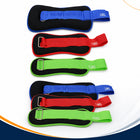
Ankle Weights & Exercise Weights for Home & Rehab
You may also need
FOR YOURecommended for you
Save 18%
Save 20%
Save 33%
Save 22%
Save 22%
Save 22%
Save 25%
Save 29%
Save 11%
Save 29%
Save 26%
Save 26%
Save 33%
Save 27%
Save 32%
Save 14%
Save 50%
Save 43%