


Featured ChoiceSave 40%
Save 44%
Save 29%


Save 23%

Save 40%
Save 18%

Save 25%
Save 6%


Save 46%


Save 28%
Save 30%

Save 18%
What customers say
★★★★★ 5.0 · 20 reviews
 Multi Colour Peg Board
“This is an excellent tool for enhancing hand-eye coordination and fine motor skills. It’s sturdy,”
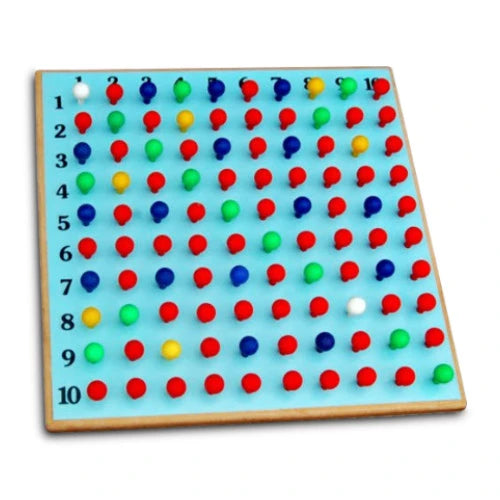
 Multi Color Peg Board (100 Pegs)
“Spacious, vibrant, and perfect for organizing!”
“This is excellent for enhancing fine motor skills and creativity. It’s durable, colorful, and ideal for lon...”
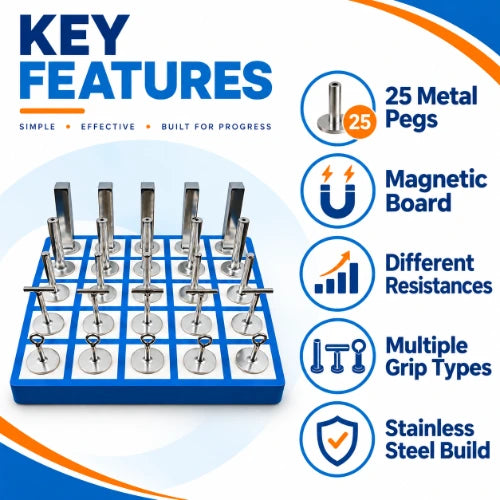
 Magnetic Peg Board for Hand Therapy with 25 Metal Pegs
“Durable, fun, and great for learning!”
“This is perfect for improving motor skills and creativity. The magnets are strong, making it easy to use fo...”
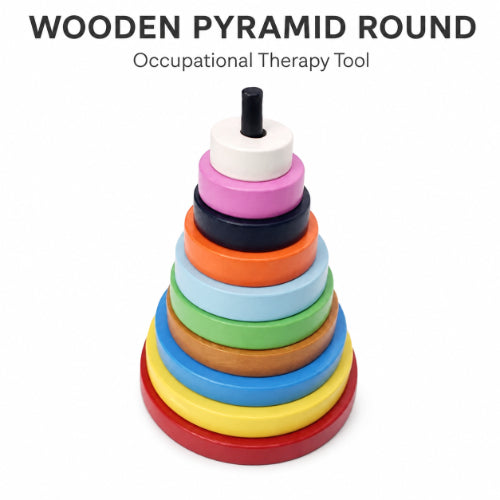
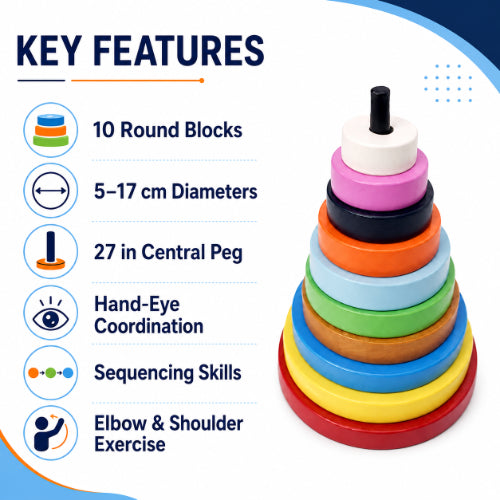
 Wooden Pyramid Round | Occupational Therapy Equipment
“Sturdy, effective, perfect for therapy!”
“This is excellent for enhancing coordination and motor skills. It’s sturdy, well-made, and a perfect tool f...”
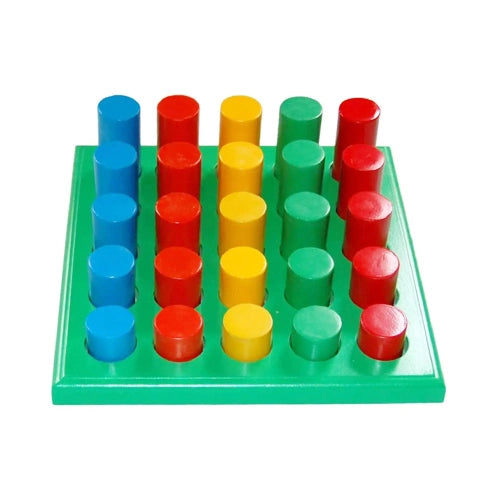
 Round Peg Board With 25 Pegs
“This is a great tool for improving hand-eye coordination and fine motor skills. It’s durable and ideal for ...”
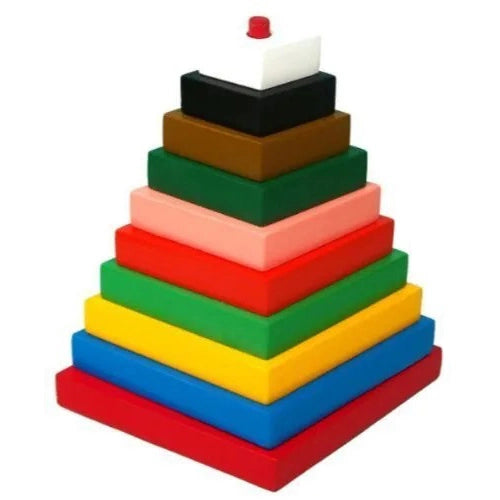
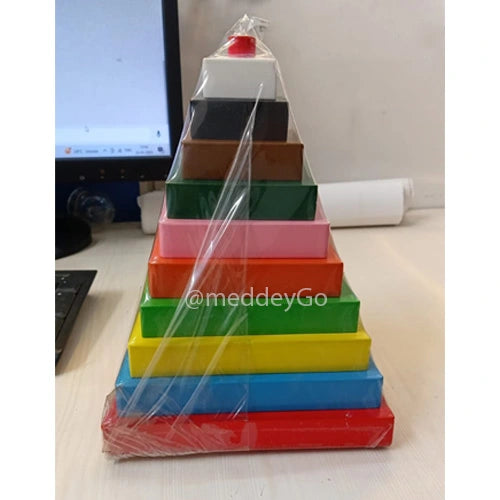
 Pyramid Square Multi Color
“Colorful, sturdy, perfect for therapy exercises!”
“The Pyramid Square Multi Color is a fantastic addition to therapy sessions. It's visually appealing, well-m...”
 Multi Color Square Peg Board with 25 Pegs for Occupational Therapy
“Bright colors, sturdy, and functional!”
“It’s colorful, sturdy, and great for therapy or learning activities. Highly recommended for kids and adults!”
 Multi Color Round Peg Board with 25 Pegs for Occupational Therapy
“Sturdy, colorful, and great for organizing!”
“This is a fantastic tool for improving coordination and motor skills. It’s colorful, sturdy, and keeps both...”
 Magnetic Peg Board (Magic Square)
“Great for creativity, durable, and educational!”
“This is an excellent tool for skill-building and creativity. It’s easy to use, colorful, and great for impr...”
 Depth Perception Peg Board Set
“Perfect for improving depth perception and coordination!”
“This is an excellent tool for improving spatial awareness and coordination. It’s well-made, engaging,”
peg board: uses, types, therapy activities and buying guides
Peg Board: Uses, Types, Therapy Benefits and Buying Guide for Occupational Therapy
This guide explains what a peg board is used for and what a peg board is in physiotherapy. It covers the different types, alternatives, peg board therapy activities, peg board price and the latest evidence.
Key Takeaways
- First, a peg board is a board with holes and pegs, and therapists use it to build finger dexterity, grip, hand-eye coordination and visual skills.
- A peg board for occupational therapy suits children and adults, so it supports stroke, hand injury and paediatric rehabilitation.
- According to a Cochrane overview of 40 reviews, a relatively high dose of repetitive task practice may help arm and hand function after stroke.
- In clinics, the Nine-Hole Peg Test is a widely used pegboard measure of finger dexterity, because it is a gold standard in multiple sclerosis research.
- Finally, Meddey lists peg boards from ₹1,494 to ₹6,499, as of 1 October 2026.
Contents
- Meaning of a peg board
- Uses of a pegboard
- Peg board in physiotherapy
- Different types of peg board
- What the latest evidence says
- Assessment with peg boards
- Therapy activities
- Peg board therapy for children
- Peg board therapy for adults
- Alternatives to a pegboard
- How to choose a peg board
- Peg board price
- Meddey peg boards and price
- Safety, hygiene and care
- Buying checklist
- Frequently asked questions
First, small hand movements shape almost every daily task, from buttoning a shirt to writing. Therefore, therapists often use a simple peg board to build and measure these skills. However, many buyers and students are unsure which type to choose and how to use it well.
This guide is for doctors, healthcare professionals, medical students and buyers of clinic and hospital supplies. In addition, it uses simple words and answers the questions people search for most. For more, you can also visit the peg board collection at Meddey.
Latest evidence note: A Cochrane overview of 40 systematic reviews found moderate-quality evidence that a relatively high dose of repetitive task practice may improve arm and hand function after stroke. Meanwhile, a review in the Multiple Sclerosis Journal describes the Nine-Hole Peg Test as the gold standard for measuring manual dexterity in multiple sclerosis. Therefore, peg boards help in both treatment and measurement.
What Is a Peg Board?
A peg board is a flat board with rows of holes and a set of pegs. First, the user picks up each peg and places it in a hole, and then removes it again. People also call it a pegboard, a dexterity board or an occupational therapy peg board.
Boards come in many shapes and sizes. In addition, the pegs can be round, square, shaped, magnetic or metal, so the same idea can train many different skills. As a result, the peg board is one of the most common tools in a therapy room.
Board First, a wooden or plastic base with holes in rows.
Pegs Next, small pieces that fit into the holes.
Colours or shapes Also, colours and shapes add sorting and matching tasks.
Tweezers or tongs In addition, a few kits add tools that raise the challenge.
Pattern cards Moreover, cards show designs to copy.
Timer Finally, a timer lets the therapist track speed.

What Is a Pegboard Used For?
A pegboard is used to train and assess the small muscles and the thinking skills of the hand. Therefore, therapists use an occupational therapy peg board in rehabilitation, in paediatric therapy and in learning programmes.
- Finger dexterity: First, picking up and placing small pegs trains the precise control of the fingers.
- Pincer grasp: Next, holding a peg between the thumb and index finger builds a skill needed for writing and self-care.
- Hand-eye coordination: Also, the eyes guide the hand to the correct hole.
- Visual perception: In addition, colour, shape and depth tasks sharpen what the eyes notice.
- Cognitive skills: Moreover, sorting, counting and copying patterns support attention, memory and planning.
- Grip and hand strength: Because magnetic and metal pegs add resistance, they suit hand therapy.
- Bilateral coordination: Finally, using both hands together improves teamwork between the hands.
For example, Meddey's own peg board collection says that peg boards build fine-motor control, hand-eye coordination, dexterity and grip, and that they suit stroke, hand injury and paediatric rehabilitation.
What Is a Peg Board in Physiotherapy?
In physiotherapy and occupational therapy, a peg board is a tool for hand and upper limb rehabilitation. Therefore, it helps people regain movement, control and strength after an injury or illness. Because many tasks need the whole arm, therapists may also raise or tilt the board to work the shoulder and elbow.
Conditions where it is used
- Stroke: First, it supports repeated, goal-based hand practice.
- Hand and wrist injuries: It helps after fractures, tendon repair or nerve injury, when the therapist agrees.
- Multiple sclerosis and Parkinson disease: Next, it helps follow dexterity over time.
- Developmental coordination differences in children: Also, it builds early fine motor skills.
- Arthritis: In addition, gentle use can keep the fingers moving, with guidance.
- Cerebral palsy: Finally, it supports grasp and release practice.
Therapist guidance matters. A peg board is a tool, not a treatment plan. Therefore, a physiotherapist or occupational therapist should choose the board, set the goals and grade the task.
What Are the Different Types of Peg Board?
Since peg boards differ by shape, peg design and purpose, the list below covers the main types that clinics use.
| Type | What it trains | Best for |
|---|---|---|
| Multi colour peg board | Counting, sequencing, colour recognition and pencil grip | Children and early learners |
| Round peg board | Size order and depth perception | Visual perception work |
| Square peg board | Placement and simple matching | Beginners and home programmes |
| Multi shape peg board | Shape learning, counting and size difference | Paediatric therapy |
| Geometric shape sorter | Stacking, sorting and visual classification | Early learning |
| Magnetic peg board | Grip, finger strength and graded resistance | Adult hand therapy |
| Depth perception peg board | Eye-hand coordination on two levels | Perception and neuro rehab |
| Bead and dowel board | Counting, colour patterns and pincer grasp | Paediatric and cognitive tasks |
| Finger dexterity board | Tweezer and pin tasks for each hand | Dexterity testing and training |
| Nine-hole peg test | Timed finger dexterity | Assessment in clinics and research |

In addition, boards may be made of wood or plastic. Wood feels natural and lasts long, while plastic is light and easy to wipe. As a result, many clinics keep both.
What the Latest Evidence Says
Evidence supports repeated, goal-based practice for hand recovery. However, it does not single out one board over another. Therefore, doctors should explain that the activity and the dose matter more than the product.
- Cochrane overview (stroke): The overview included 40 systematic reviews. However, it found moderate-quality evidence that a relatively high dose of repetitive task practice may be effective for arm and hand function. For more detail, you can read the summary on Cochrane.
- Task-oriented training: A review in the American Journal of Occupational Therapy found strong to moderate evidence for activity-based task-oriented training after stroke.
- Peg testing: The Nine-Hole Peg Test is widely used for dexterity in multiple sclerosis and after stroke, and a literature review found high to excellent intra-rater reliability (ICC 0.85 to 0.99) in these groups.
- Limit: Reliability is lower in people with spasticity, so results need careful reading.
What this means in practice. Use a peg board for meaningful, repeated practice with clear goals, and record progress. Do not expect the board alone to restore function.
Peg Boards as Assessment Tools
Peg boards also measure hand skill. For example, the Nine-Hole Peg Test uses a container with nine holes and nine pegs. The person places the pegs one at a time and then removes them, and the therapist records the time with a stopwatch.
- Scoring: First, a lower time means better dexterity.
- Each hand: Next, the therapist tests each hand on its own and compares them.
- Norms: Also, normative data exist for adults by age, sex and hand, and a 1985 study by Mathiowetz and colleagues gave early adult values.
- Use in MS: In addition, a review in the Multiple Sclerosis Journal reports that many people with MS have impaired dexterity. Therefore, you can read it on PubMed Central.
- Stroke use: Finally, StrokEngine summarises the test and its psychometric data on its Nine Hole Peg Test page.
Other pegboard tests, such as the Purdue Pegboard, are also used. However, standard tests need a fixed layout and a set method, so clinics should check the maker's specifications. Meddey also lists a Finger Dexterity Board that uses tweezers and pins for each hand, and a Hand Tool Test Board for skill testing.
Peg Board Therapy Activities
Peg board therapy uses simple tasks that can be graded up or down. Therefore, start easy, and make the task harder as the person improves.
| Activity | How to do it | Skill trained |
|---|---|---|
| Place and remove | Put pegs into any holes, then take them out | Grasp and release |
| Colour matching | Place pegs by colour in rows | Sorting and visual skills |
| Pattern copying | Copy a pattern card on the board | Planning and memory |
| Counting game | Place pegs in number order | Counting and sequencing |
| Timed trial | Fill the board as fast as safe and record time | Speed and tracking progress |
| Two-hand transfer | Pick with one hand and pass to the other | Bilateral coordination |
| Tweezer task | Use tweezers to place small pegs | Precision and control |
| Vertical board | Tilt or stand the board upright | Shoulder and elbow control |
How to grade the task
- Easier: First, use larger pegs, fewer pegs and a flat board.
- Harder: Next, use smaller pegs, tweezers, a timer or a tilted board.
- Add thinking: Then, ask the person to follow a pattern or count aloud.
- Add resistance: Finally, use magnetic pegs for stronger grip work.
Because sessions should be short and focused, the therapist should watch for fatigue, pain and poor posture. In addition, record the time, the number of pegs placed and the quality of movement.
Peg Board Therapy for Children
Peg board therapy is common in paediatric occupational therapy. Because young children learn through play, a peg board turns practice into a game. In addition, the colours, shapes and numbers support early learning.
- Pre-writing skills: First, the pincer grasp on a peg is similar to the grip on a pencil.
- Counting and colours: Next, numbered and coloured boards support early maths and language.
- Attention and turn-taking: Also, pattern games and shared play build focus and social skills.
- Confidence: In addition, simple wins make children keen to try harder tasks.
- School readiness: Finally, hand skills help with cutting, drawing, buttoning and self-care.
Therapists keep sessions short, and they praise effort. Meanwhile, they watch for signs of fatigue, frustration or poor posture and change the task when needed.
Peg Board Therapy for Adults
Adults use a peg board for peg board therapy after stroke, hand injury, nerve problems and long illness. Therefore, the aim is to regain control for daily tasks such as dressing, eating and writing.
- Early stage: First, start with large pegs and simple placement, often with the therapist's help.
- Middle stage: Next, add colour matching, patterns and a timer.
- Later stage: Then, use small pegs, tweezers or magnetic resistance for precision and strength.
- Home programme: A simple board can be used at home, if the therapist has taught the exercises.
- Review: Finally, record time and quality at set intervals to see progress.
As a result, the therapist can show the person real gains, which supports motivation.
What Can I Use Instead of a Pegboard?
Many everyday items can train the same skills. However, they may not give the same control over size, colour and difficulty. Therefore, use them as simple alternatives, and keep safety in mind.
| Alternative | Skill trained | Note |
|---|---|---|
| Clothes pegs on a card edge | Pinch strength | Choose springs of different strength |
| Buttons and a button board | Fine motor and daily skills | Watch for small parts with young children |
| Beads and string | Threading and bilateral use | Use large beads for beginners |
| Coins and a slot box | Pincer grasp | Keep away from children who mouth objects |
| Building blocks | Grasp and release | Use blocks suited to the child's age |
| Therapy putty | Grip and finger strength | Offers graded resistance |
| Tweezers and pom-poms | Precision | Use a bowl to sort by colour |
| Shape sorter | Visual perception and sorting | Good for early learning |
Homemade options are useful for practice at home. Meanwhile, a therapy-grade board is more durable, easier to clean and easier to grade. In addition, it helps keep a standard setup for tracking progress.
How to Choose a Peg Board
Because the best peg board depends on the person, the goal and the setting, use the checklist below.
| Question | What to consider |
|---|---|
| Who will use it? | Children need larger, brighter pegs, and adults in hand therapy may need magnetic or metal pegs |
| What is the goal? | Dexterity, grip strength, perception or counting |
| What size is the board? | A larger board suits gross hand control, and a small board suits fine control |
| What are the pegs made of? | Wood, plastic or metal affect weight and feel |
| Is it safe? | Check for small parts, sharp edges and non-toxic paint |
| How many users? | Busy clinics need durable boards that wipe clean |
| How many pegs? | More pegs give longer tasks, and fewer pegs suit short sessions |
Peg Board Price: What Affects It?
The peg board price depends on the material, the size, the number of pegs, the design and the purpose. For example, a basic wooden board with coloured pegs costs less than a magnetic board with metal pegs or a bead board with a storage drawer.
- Material: First, metal pegs and magnets add to the cost.
- Size and pegs: Next, larger boards and more pegs often cost more.
- Design: Also, special boards, such as depth perception sets, cost more than simple boards.
- Purpose: In addition, boards made for adult hand therapy can cost more than learning boards.
- Brand and support: Finally, established makers may charge more for quality and service.
As of 1 October 2026, Meddey's peg boards are listed from ₹1,494 for a round peg board to ₹6,499 for a magnetic board. Therefore, please see the next section for details.
Meddey Peg Boards and Price
Meddey lists peg boards in its peg board collection and its occupational therapy range. Therefore, the table shows prices as listed on 1 October 2026. However, prices and stock can change, so please check the live product page before you order.
Peg boards listed at Meddey
| Product | Key detail | Meddey price |
|---|---|---|
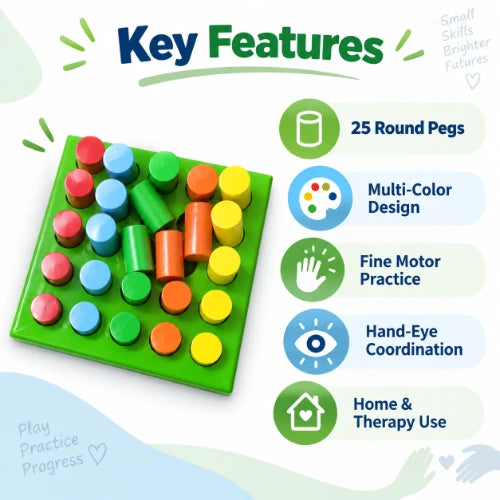
| Multi Color Round Peg Board with 25 Pegs | 25 colourful round pegs for hand, finger and placement tasks | ₹1,494 |
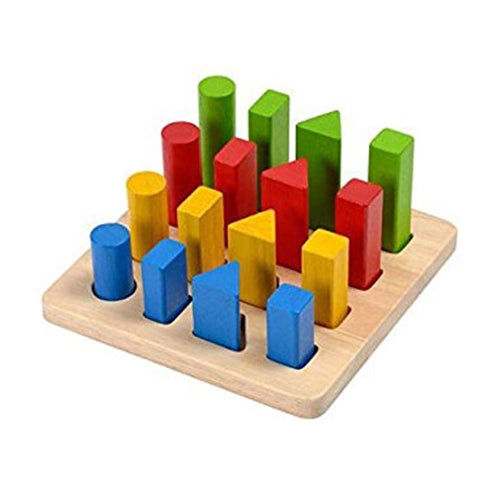
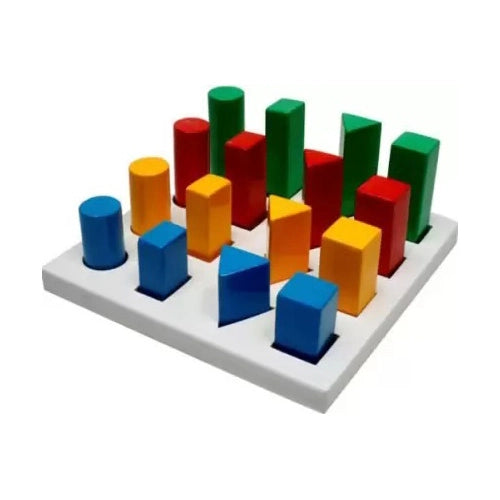
| Peg Board Occupational Therapy, 16 Pegs | Wooden geometric shape sorter with 16 solid wood pegs | ₹1,799 |
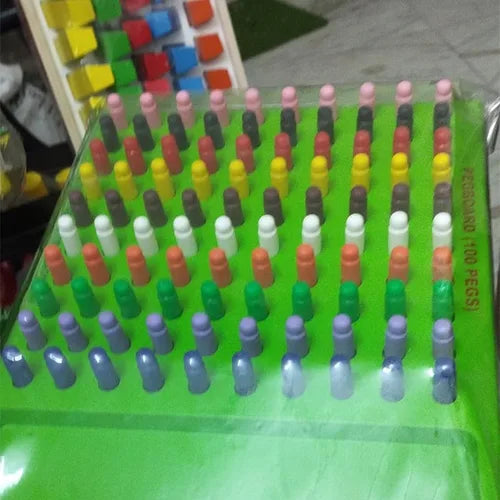
| Multi Color Peg Board (100 Pegs) | Large set of 100 pegs | ₹1,803 |
| Multi Shape Peg Board | 16 pegs, 4 of each shape, fine wood | ₹2,069 |
| Round Peg Board with 25 Pegs | Wooden laminated board, 5 rows in 5 sizes and colours | ₹2,208 |
| Finger Dexterity Board | Tweezer and pin tasks, tests each hand and both hands together | ₹2,440 |
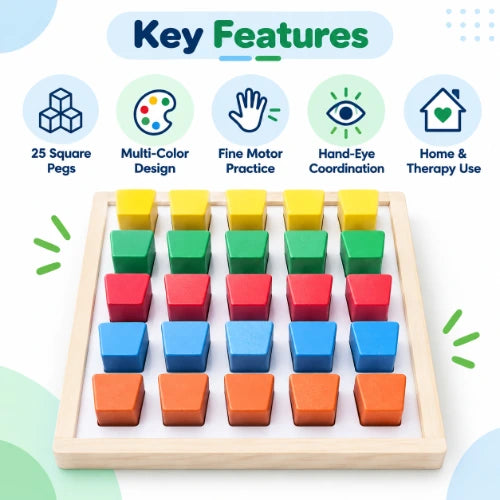
| Multi Color Square Peg Board with 25 Pegs | 25 colourful square pegs for placement and matching | ₹2,759 |
| Multi Colour Peg Board | Large board with numbered side for counting | ₹3,035 |
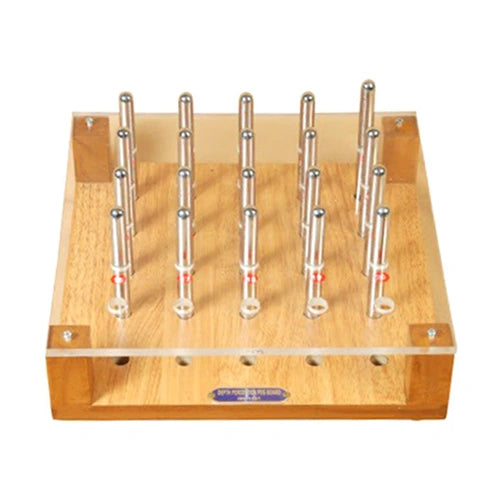
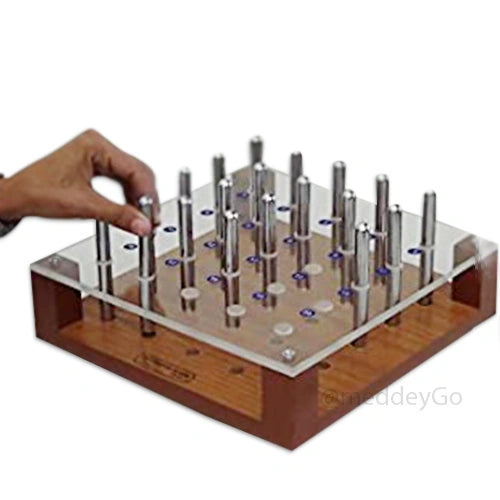
| Depth Perception Peg Board Set | 30 cm board, 25 holes of 12 mm, 20 chrome-plated iron pegs, two levels | ₹3,219 |
| Counting and Color Beads Peg Board | Wooden box with 10 dowels and 100 beads in 5 colours, with a storage drawer | ₹3,633 |
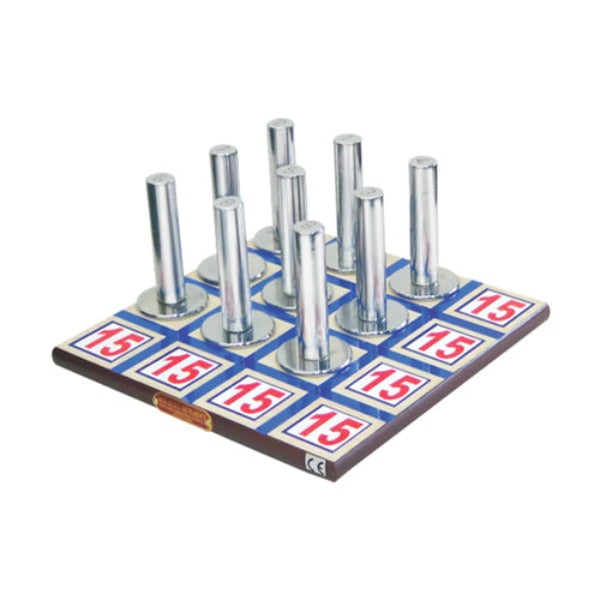
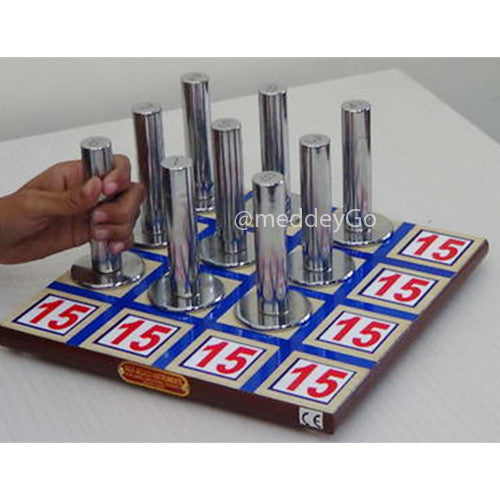
| Magnetic Peg Board (Magic Square) | 30 x 30 cm, nine magnets and nine numbered pegs | ₹5,949 |
| Magnetic Peg Board for Hand Therapy, 25 Metal Pegs | Chrome-plated pegs with different grip designs and graded magnet resistance | ₹6,499 |

Larger therapy setups
For larger therapy setups, Meddey also lists a Multi Activities Work Station for upper extremities at ₹44,160. In addition, please contact Meddey for bulk quotes for clinics and schools.
Price note: Prices and offers change often. Please confirm the live price before you order.
Safety, Hygiene and Care
- Check the age range: First, keep small pegs away from children who put objects in the mouth.
- Supervise: Next, an adult or therapist should watch young children during play.
- Inspect pegs: Also, throw away cracked pegs and boards with splinters.
- Handle magnets with care: In addition, keep magnetic items away from pacemakers and electronic devices, and follow the maker's advice.
- Clean between users: Moreover, wipe boards and pegs with a suitable cleaner, and let them dry.
- Store tidily: Finally, keep pegs in a box so none are lost.
Buying Checklist for a Peg Board
Goal First, decide whether the aim is dexterity, grip, perception or counting.
User age Next, match peg size and design to the user.
Material Also, choose durable, non-toxic and easy-to-clean materials.
Peg count In addition, check that the set has enough pegs for your tasks.
Grading Since people improve with practice, pick a board that can be made easier or harder.
Supplier Finally, confirm maker details, support and return policy.
Frequently Asked Questions About Peg Boards
What is a pegboard used for?
A pegboard trains and assess finger dexterity, grip, hand-eye coordination, visual perception and thinking skills in children and adults.
What is a peg board in physiotherapy?
A peg board is a tool for hand and upper limb rehabilitation, and it helps people regain control and strength after stroke, injury or illness, and a therapist grades the task.
What are the different types of pegboard?
Main types include multi colour, round, square, multi shape, magnetic, depth perception, bead and dowel, finger dexterity boards and the nine-hole peg test.
What can I use instead of a pegboard?
You can use clothes pegs, buttons, beads and string, coins in a slot box, building blocks, therapy putty or tweezers with pom-poms. A therapy board is easier to grade and clean.
What is the peg board price at Meddey?
As of 1 October 2026, Meddey lists peg boards from ₹1,494 for the Multi Color Round Peg Board to ₹6,499 for the Magnetic Peg Board with 25 Metal Pegs. Please check the live listing for the latest price.
Is a peg board only for children?
No. Children use peg boards for learning and fine motor skills, and adults use them in rehabilitation after stroke, injury or illness.
How long should a peg board session be?
Sessions are usually short and focused. The therapist sets the time based on the goal and watches for fatigue and pain.
Where to Buy a Peg Board Online in India?
Therapists, clinics, schools and families can buy peg boards from medical equipment suppliers. Therefore, before you buy, compare the type, peg design, material, size and price. Meddey lists a wide range of peg boards for occupational therapy, and its support team can help you choose.
View Peg BoardsOccupational Therapy RangeVisit MeddeyDisclaimer
This article is for general education. Therefore, it does not replace the advice of a doctor, physiotherapist or occupational therapist. A professional should assess any child or adult with hand weakness or coordination concerns. Also, prices and product details may change over time.
Explore Medical Collections
All Categories
Abdominal & Maternity Support

Accessories

Accu-Chek Instant Strips: Use, Compatibility, Price & Blood Sugar Testing Guide
Accu-Chek Instant Strips: Uses, Features & Complete Guide

accupuncture

Acupuncture Needles & Supplies

Advanced Physiotherapy Machines & Lumbar Physiotherapy

Airways

Ambulance

Anatomy Models
Anesthesia Machine

Anesthesia Products

Ankle Support for Home Use: Braces, Sleeves & Walker Boots

Ankle Weights & Exercise Weights for Home & Rehab

Anti-Bedsore Air Mattresses
You may also need
FOR YOURecommended for you
Save 40%
Save 44%
Save 29%
Save 23%
Save 40%
Save 18%
Save 25%
Save 6%
Save 46%
Save 28%
Save 30%
Save 18%