


Featured ChoiceSave 25%
Save 20%

Save 15%
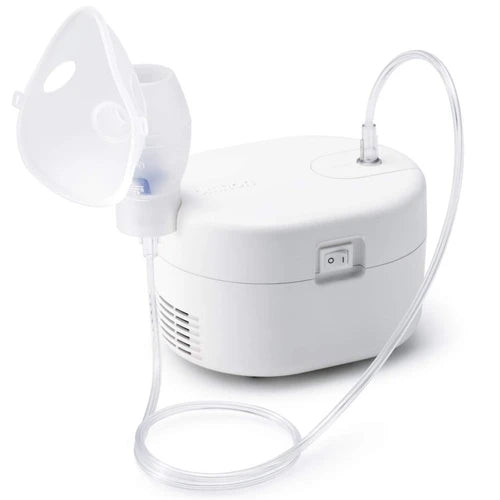
Save 20%
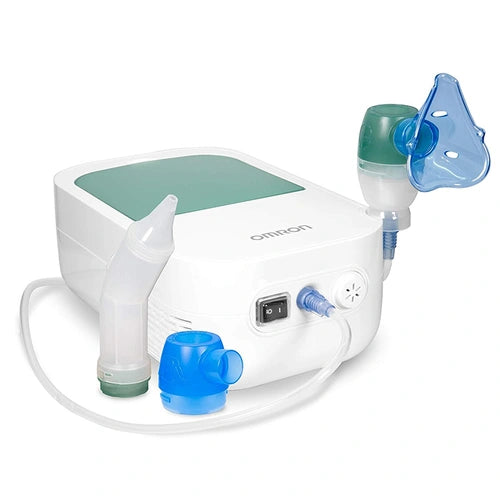
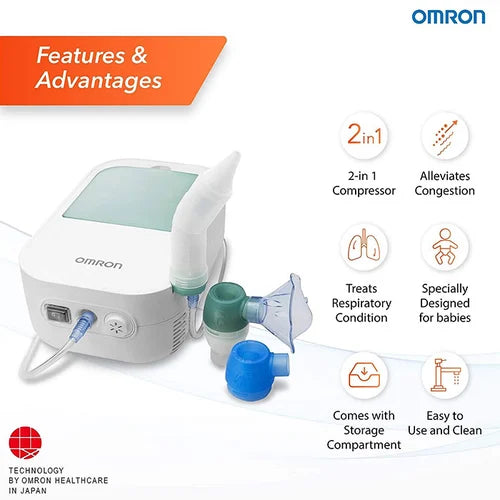
Save 29%

Save 39%

Save 14%

Save 10%

Save 18%

Save 16%
Save 6%

What customers say
★★★★★ 5.0 · 10 reviews
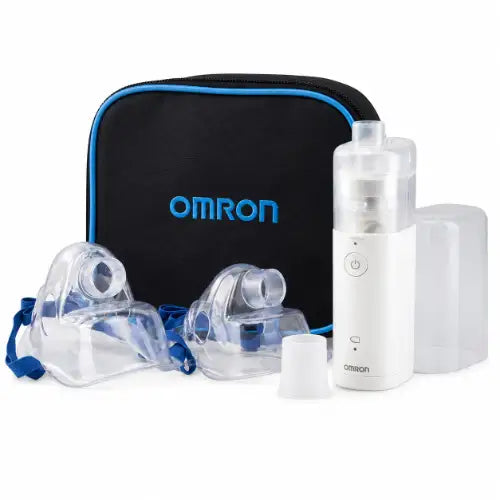
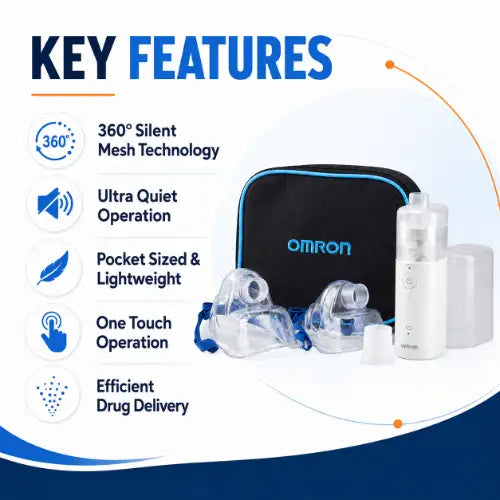
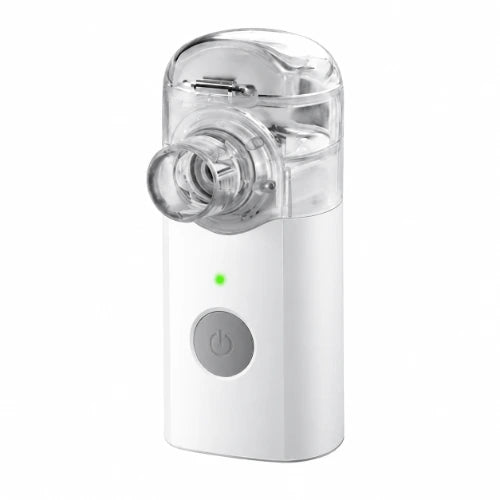
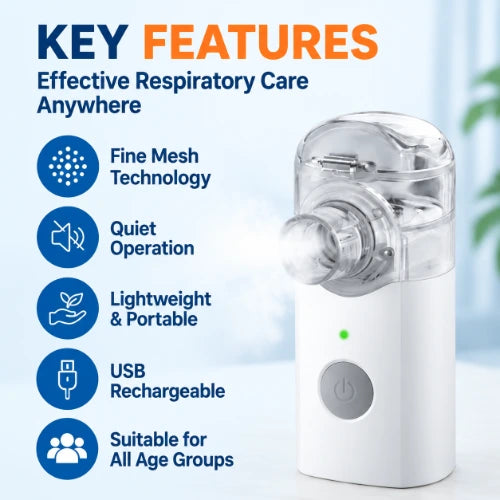
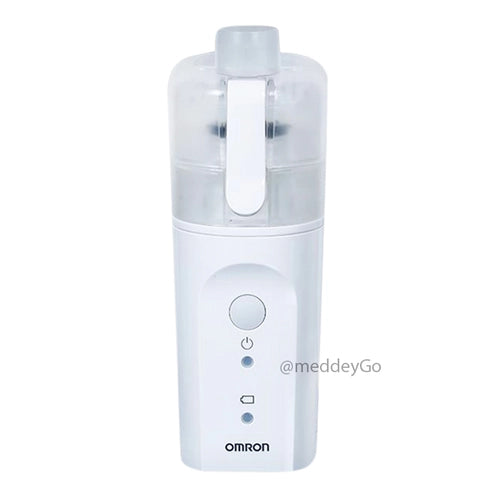
 Omron Portable Pocket Sized 360° Silent Mesh Nebulizer NE-U100
“Portable, silent, perfect for travel!”
“This is incredibly compact, silent, and provides fast, efficient nebulization on the go!”
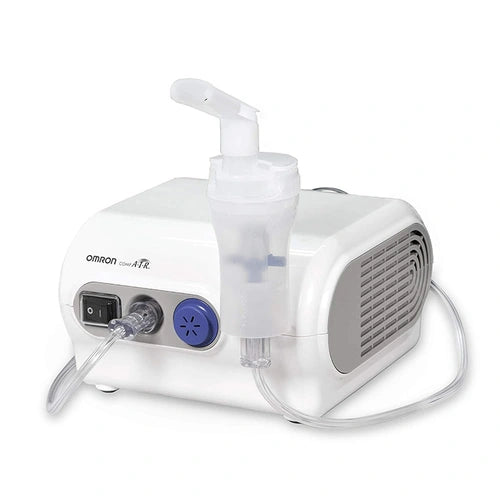
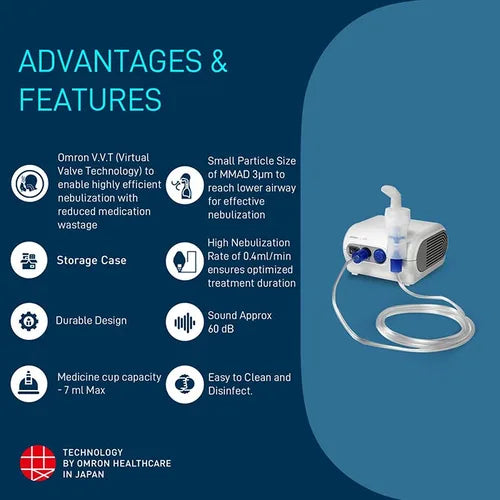
 Omron NE C28 Compressor Nebulizer With Virtual Valve Technology
“Powerful, quiet, great for treatment!”
“The Omron NE C28 Compressor Nebulizer with Virtual Valve Technology delivers fast and efficient nebulizatio...”
 Omron NEC 301 Duo Baby 2 in 1 Compressor Nebulizer Nasal Aspirator
“Effective, gentle, must-have for babies!”
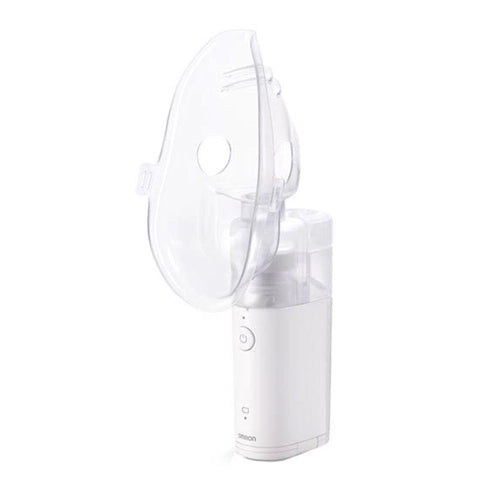
 OMRON NE-U200 Durable and Reliable Portable Nebulizer
“The OMRON NE-U200 Portable Nebulizer is compact, durable, and reliable, offering efficient nebulization wit...”
 Cool Mist Ultrasonic Mesh Nebulizer Nebulizer with Rechargeable Batteries
“Compact, quiet, great battery life!”
“The Cool Mist Ultrasonic Mesh Nebulizer with rechargeable batteries is compact, efficient, and perfect for ...”
 Heavy Duty-Piston Compressor Nebulizer For Hospital Use from Yuwell
“Sturdy, efficient, perfect for hospitals!”
“The Yuwell Heavy Duty Piston Compressor Nebulizer is built to last, offering strong performance and reliabi...”
Nebulizer Machine for Home, Kids & Respiratory Care
Nebulizer Machine: Types, Masks & Buying Guide
Nebulizer machines change prescribed liquid medicine into a fine mist for breathing in. For many families in India, keeping a nebulizer at home can be useful when a doctor has advised it for a child, parent, or older family member. This guide explains the main types, mask options, parts, cleaning needs, and buying checks in simple words.
Consult your doctor before using a nebulizer for a child or an older adult.
Always use a nebulizer only with the medicine, dose, and schedule prescribed by a doctor. Do not change the medicine, mix anything on your own, or use the nebulizer for someone else’s prescription.
What is a nebulizer machine used for?
A nebulizer machine is used to turn doctor-prescribed liquid medicine into mist so a person can breathe it in through a mask or mouthpiece. It does not decide the medicine or dose; it only delivers what a doctor has prescribed. Families often look for a Nebulizer Machine for Home Use when they want a nebulizer ready for a young child, an older adult, or another family member who has been advised to use one at home.

A home nebulizer usually has a main unit, a medicine chamber, a tube or connector, and a nebulizer mask or mouthpiece. The medicine goes into the chamber. The mist then reaches the person through the mask or mouthpiece.
For Indian homes, simple use matters. Many families want a nebulizer that is easy to clean, easy to store, and safe around children. Some homes also need a portable nebulizer machine because travel, school runs, power cuts, or shared family spaces can make fixed devices less convenient.
A simple look at the main parts
Before comparing types, it helps to know the parts. The names can sound technical, but the job of each part is simple.

- Main unit: This creates air pressure, vibration, or mesh movement depending on the nebulizer type.
- Medicine chamber: This small cup holds the prescribed liquid medicine.
- Tubing: In many compressor models, the tube carries air from the machine to the chamber.
- Mask: A nebulizer mask covers the nose and mouth. It is common for children and older adults who may not hold a mouthpiece well.
- Mouthpiece: This is placed in the mouth. Some adults prefer it when advised and when they can use it properly.
- Filters: Some compressor nebulizers have filters that need checking and replacement as per the manual.
- Power cord or battery: Some models plug into a socket. Some mesh models use rechargeable batteries.
The mask and chamber touch the user closely. So, they need regular cleaning and careful storage. Do not share masks between family members.
Main types of nebulizers for Indian homes
There are several types sold for home use. The right choice depends on who will use it, where it will be used, and how easy it is for the family to clean and maintain.

Compressor nebulizer or piston nebulizer
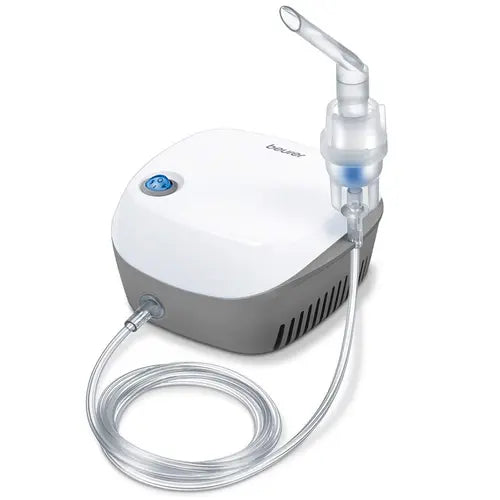
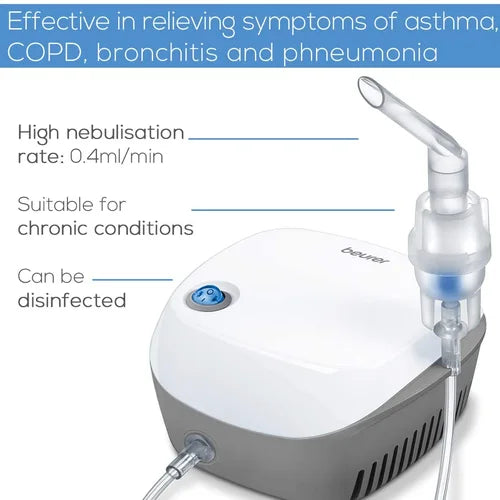
A compressor nebulizer, also called a piston nebulizer, is one of the most common home choices. It uses compressed air to turn prescribed liquid medicine into mist. The compressor pushes air through tubing into the medicine chamber, and the mist then comes through a mask or mouthpiece.


This type is usually larger than pocket-size models. It also makes more sound because the motor runs during use. Many families still choose it because it is simple, familiar, and often comes with adult and child mask options.
A compressor nebulizer usually works through a plug-in power cord. It is not as easy to carry as a small mesh nebulizer, but it can sit on a table at home. For older adults who use the nebulizer in one fixed place, this can be practical.
Cleaning is important. After use, clean and dry the chamber, mask, and tubing as per the manual. Many manuals ask users not to wash tubing from inside unless the instructions allow it. If you see moisture in the tube, follow the manual for drying.
What to check before buying a compressor nebulizer:
- Check if it includes adult and child masks.
- Check the sound level if it will be used near a sleeping child or older adult.
- Check if spare tubing, filters, and chambers are easy to get.
- Check if the chamber is easy to open and wash.
- Check if the nebulizer has a stable base for table use.
- Check the power cord length for your home setup.
- Check the warranty and service support in India.
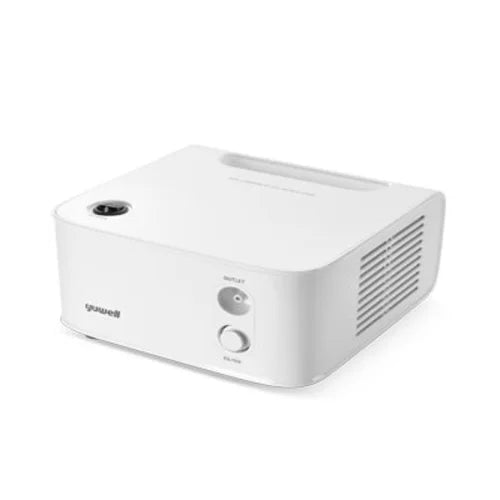
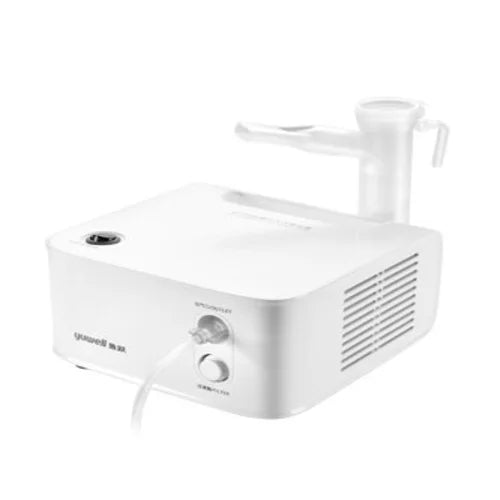
A heavy-duty compressor nebulizer is also available in this category. It is usually bigger and built for longer or more frequent use at home. Families should still choose it based on a doctor’s advice, the user’s routine, and the manual’s limits.
Mesh nebulizer machine
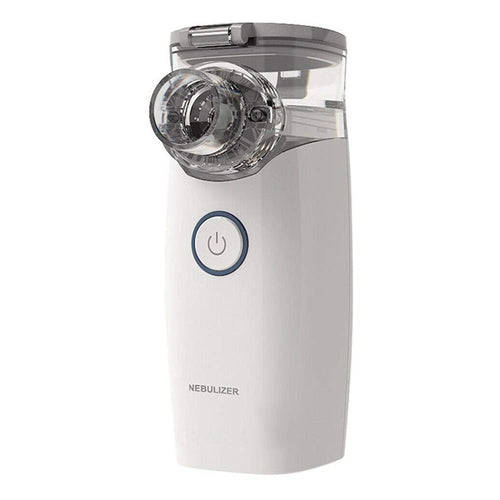
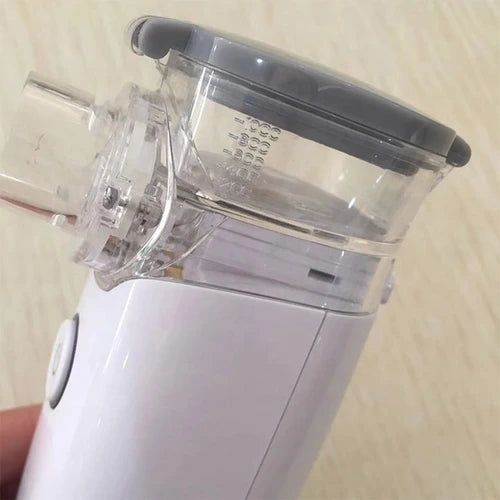
A mesh nebulizer machine uses a very fine mesh plate with tiny holes. The nebulizer moves the prescribed liquid through the mesh and makes a fine mist. Many mesh models are small, light, and easy to carry.


This is often the choice when families want a portable nebulizer. Some models are pocket-size and rechargeable. They can be useful during travel within India, visits to relatives, or times when the nebulizer must be carried in a bag.
A mesh nebulizer is usually quieter than a compressor type. It may also work quickly, depending on the model and the liquid prescribed. Since many models run on a rechargeable battery, families should check battery life before buying.
Cleaning needs care. The mesh plate is delicate. Do not poke it with pins, brushes, or sharp items. Follow the manual for washing, drying, and storing the medicine cup and mesh area.
What to check before buying a mesh nebulizer:
- Check battery backup and charging time.
- Check if it can be used while charging, if that matters to you.
- Check how easy the medicine chamber is to clean.
- Check if the mesh part is replaceable.
- Check if the kit includes a child mask, adult mask, and mouthpiece.
- Check the size if you want a true pocket-size nebulizer.
- Check the manual for allowed liquids and cleaning steps.
For parents of young children, low noise can be a big comfort factor. For caregivers of older adults, the light weight and simple handling may also help. But the battery must be charged, and the mesh needs careful cleaning.
Portable nebulizer and pocket-size rechargeable models
A portable nebulizer may be a mesh model or another compact design. In daily shopping language, people often use “portable nebulizer” for small, rechargeable nebulizers that fit easily into a travel pouch. These are popular with families who do not want to depend only on a plug-in nebulizer.


Portable models are usually quieter and lighter than compressor types. They may be faster than older bulky machines, but speed varies by model. A portable nebulizer machine can be useful in small flats, during travel, or when the user cannot sit near a wall socket.
Most portable models have fewer large parts. They may include a medicine chamber, mask, mouthpiece, rechargeable battery, charging cable, and sometimes a small storage pouch. They often do not need long tubing like a compressor nebulizer.
Cleaning should be done after every use as per the manual. Dry the chamber and mask fully before storage. If water stays inside, the nebulizer may not work well, and hygiene can become a concern.
What to check before buying a portable nebulizer:
- Check if it is rechargeable or uses replaceable batteries.
- Check charging cable type and battery indicator.
- Check if the nebulizer is easy to hold for an older adult.
- Check if the buttons are simple and visible.
- Check if spare masks and chambers are available.
- Check the storage case if you travel often.
- Check the manual for cleaning and drying steps.
A portable model is not always the best first choice for every home. If it will be used often and mostly in one room, a compressor model may still feel simple and dependable. If movement and low noise matter more, a mesh model may be better.
Ultrasonic nebulizer
An ultrasonic nebulizer uses high-frequency sound vibration to turn prescribed liquid medicine into mist. It does not use a compressor motor in the same way as a piston model. Because of this, many ultrasonic models are quieter.

This type is usually faster than some older compressor models, but speed depends on the product design. It can be lighter than a compressor nebulizer, though not always as pocket-friendly as a small mesh nebulizer. Some models are plug-in, while others may have battery options.
Clean the nebulizer carefully because it uses electronic parts and a liquid chamber. Do not put the main unit in water. Clean only the removable parts as the manual says, and dry them before the next use.
Parts may include a chamber, mask, mouthpiece, power unit, and sometimes connectors. Some ultrasonic models do not use long tubing. Always check the box contents before buying.
What to check before buying an ultrasonic nebulizer:
- Check if it is suitable for the doctor-prescribed medicine.
- Check if it is plug-in, battery-run, or rechargeable.
- Check cleaning steps before purchase.
- Check if spare chambers and masks are available.
- Check the noise level if used around children.
- Check size and weight if you plan to travel.
- Check the manual for use limits and care rules.
An ultrasonic nebulizer can be a good fit for families who want lower sound and simple use. But compatibility and cleaning instructions are important. Read the product manual carefully.
Infant nebulizer and baby-friendly models
An infant nebulizer is usually designed with smaller masks and a child-friendly shape. Some nebulizers come with soft child masks, cute designs, or quieter operation. The main goal is to make the setup easier for parents and caregivers.

For babies and young children, a mask is often easier than a mouthpiece. The mask should fit gently over the nose and mouth. It should not press too hard or leave marks.
Some baby nebulizer models are compressor-based. Some are mesh-based. The choice depends on noise level, portability, doctor guidance, cleaning comfort, and how often the nebulizer will be used.
Parents should look for simple assembly. A tired parent should be able to connect the chamber, mask, and tubing without confusion. The nebulizer should also be stable on a table, especially if the child moves.
What to check before buying an infant nebulizer:
- Check if the child mask size is suitable.
- Check if an adult mask is also included for family use.
- Check noise level, especially for night use.
- Check if the nebulizer has small loose parts that need careful storage.
- Check if the chamber is easy to wash and dry.
- Check if replacement child masks are easy to buy.
- Check if the manual gives clear steps for use and cleaning.
Never use a nebulizer for a child without a doctor’s prescribed medicine, dose, and schedule. If a child has breathing trouble, see a doctor or contact emergency services.
2-in-1 baby nebulizer with nasal aspirator
A 2-in-1 baby nebulizer with nasal aspirator combines two functions in one product. The nebulizer side turns prescribed liquid medicine into mist. The nasal aspirator side is a separate function meant for gentle suction as directed in the product manual and under suitable guidance.

This type is aimed at parents who want fewer devices at home. It may be useful when storage space is limited. But because it has more than one function, cleaning and attachment care become even more important.
Noise level depends on the design. Some may be compact and quiet, while others may sound more like a small compressor nebulizer. Portability also depends on whether the model is plug-in or rechargeable.
Parts may include the main unit, medicine chamber, baby mask, mouthpiece, suction attachment, collection cup, charging cable or power cord, and storage parts. Each function may have separate cleaning rules. Do not mix parts or use attachments without reading the manual.
What to check before buying a 2-in-1 baby nebulizer:
- Check that the baby mask is soft and well-sized.
- Check how the aspirator parts are removed and cleaned.
- Check if the nebulizer is rechargeable or plug-in.
- Check noise level before choosing it for a baby.
- Check if spare cups, masks, and attachments are available.
- Check if the manual clearly separates both functions.
- Check if you are comfortable cleaning more parts after use.
A 2-in-1 nebulizer can look convenient, but do not buy only because it has extra features. Buy it if the parts are easy to clean, the instructions are clear, and it fits your family routine.
Nebulizer mask kits for adults and children
Nebulizer mask kits are sold as replacement or add-on kits. They may include an adult mask, child mask, medicine chamber, tubing, and mouthpiece. Some kits are made for compressor nebulizers, while others fit selected portable or mesh models.

A nebulizer mask is the face mask used with the nebulizer. It helps carry the mist from the chamber to the person’s nose and mouth. The fit matters because a loose mask can leak mist, while a tight mask can feel uncomfortable.
For families, it is wise to keep separate masks for each user. Do not share masks. If more than one person has a doctor’s prescription, each person should have their own mask and, ideally, clearly marked parts.
Cleaning is simple but important. Clean and dry the chamber, mask, and tubing after use as per the manual. Replace worn parts, cracked masks, loose tubing, or cloudy chambers.
What to check before buying a nebulizer mask kit:
- Check if the kit fits your nebulizer.
- Check if both adult and child masks are included.
- Check tubing size and connector type.
- Check if the mask material feels soft.
- Check if the chamber can be opened for cleaning.
- Check if the mouthpiece is included.
- Check replacement frequency in the manual.
Which nebulizer for home use fits your family?
The best nebulizer for home use is the one that matches the user’s age, comfort, routine, and the doctor’s instructions. A family with a young child may care most about mask size and noise. A caregiver for an older adult may care more about simple buttons, stable table use, and easy cleaning.
Here is a simple comparison to help you think clearly.
| Type | How it works | Noise | Portability | Power | Cleaning focus | Good to check |
|---|---|---|---|---|---|---|
| Compressor nebulizer | Uses air pressure through tubing | Usually louder | Low to medium | Plug-in | Chamber, mask, tubing, filter | Spare parts, sound, stable base |
| Heavy-duty compressor | Similar air pressure system, built for longer use | Usually louder | Low | Plug-in | Same as compressor | Size, duty cycle, service support |
| Mesh nebulizer machine | Pushes liquid through fine mesh | Usually quiet | High | Often rechargeable | Mesh plate and chamber | Battery, mesh care, spare parts |
| Portable nebulizer | Compact design, often mesh-based | Usually quiet | High | Battery or rechargeable | Chamber and mask | Battery life, charging, travel case |
| Ultrasonic nebulizer | Uses high-frequency vibration | Usually quiet | Medium to high | Plug-in or battery | Chamber and removable parts | Compatibility, cleaning rules |
| Infant nebulizer | Child-size mask with compressor or mesh system | Varies | Varies | Plug-in or battery | Small mask and chamber | Mask size, noise, easy assembly |
| 2-in-1 baby nebulizer | Nebulizer plus separate aspirator function | Varies | Varies | Plug-in or rechargeable | More attachments | Clear manual, spare parts, cleaning effort |
Think about where the nebulizer will sit. In many Indian homes, plug points may be limited. If the nebulizer must be used in different rooms, a rechargeable option can feel easier.
Also think about who will clean it. If grandparents, parents, or domestic helpers may handle the parts, the nebulizer should be simple to open, wash, dry, and put back together. A nebulizer that looks advanced but is hard to clean may not suit daily family life.
Buying checklist for a home nebulizer in India
A nebuliser machine should be easy to use, easy to maintain, and suitable for the user. Do not buy only because a model looks modern. Buy after checking the real needs of your home.

Use this checklist before you choose:
- Doctor guidance: Confirm that a nebulizer is advised, and use only the prescribed medicine, dose, and schedule.
- User age: Choose correct mask size for a baby, child, adult, or older adult.
- Nebulizer type: Pick compressor, mesh, ultrasonic, infant, or 2-in-1 based on your routine.
- Noise level: Choose lower sound if the user is a child or gets disturbed easily.
- Speed: Check the manual for how the nebulizer works, but avoid choosing only by speed.
- Portability: Choose a portable nebulizer if you need travel use or room-to-room use.
- Power: Check if it is plug-in, battery-run, or rechargeable.
- Battery backup: For mesh models, battery life and charging time matter.
- Parts in the box: Look for chamber, tubing, mask, mouthpiece, filters, cable, and manual.
- Mask kit: Check if adult and child masks are included or sold separately.
- Cleaning steps: Read cleaning steps before buying, not after.
- Spare parts: Make sure masks, chambers, tubing, and filters are easy to replace.
- Storage: Choose a model that can be stored safely away from dust.
- Service support: Check warranty and support options in India.
- Manual language: A clear manual helps every caregiver use the nebulizer correctly.
Nebulizer care after you buy
A home nebulizer is not a “buy and forget” device. It needs cleaning, drying, storage, and part replacement. Choose one that your family can care for properly.
Using a nebulizer safely at home
Safe use starts with the prescription. Use the nebulizer only with the medicine, dose, and schedule prescribed by a doctor. Do not use leftover medicine, do not share prescribed medicine, and do not change the routine without medical advice.
Place the nebulizer on a clean, flat surface. Keep children from pulling the cord or tubing. Keep the nebulizer away from water while plugged in.
After use, clean and dry the chamber, mask, and tubing as per the manual. Do not share masks between users. Replace worn parts, cracked masks, loose tubing, blocked filters, or damaged chambers.
If anyone has breathing trouble, see a doctor or contact emergency services. Do not wait at home or depend on the nebulizer alone.
Cleaning and storage habits that help
Cleaning is one of the most important parts of home use. A dirty or wet chamber can create hygiene problems. Likewise, a damaged tube or mask can affect how the nebulizer works.

A simple family routine can help:
- Wash hands before handling the nebulizer parts.
- Use the prescribed liquid medicine only as advised.
- Empty the chamber after use as per the manual.
- Clean the chamber and mask as instructed.
- Dry parts fully before storing.
- Keep the main unit dry.
- Store the nebulizer in a clean box or pouch.
- Keep parts away from dust, kitchen smoke, and small children.
- Mark separate masks if more than one family member has a prescription.
- Replace parts when they look worn or as the manual says.
Do not guess cleaning steps. Compressor, mesh, ultrasonic, and 2-in-1 models may have different rules. The mesh plate in a mesh nebulizer machine needs extra care because it is delicate.
Common mistakes families should avoid
Many home users make small mistakes because the nebulizer looks simple. These mistakes can reduce hygiene, damage parts, or make use confusing.
Avoid these habits:
- Using the nebulizer without a doctor’s prescription.
- Changing the dose or schedule on your own.
- Sharing one mask among family members.
- Leaving the chamber wet after use.
- Washing the main electric unit.
- Poking the mesh plate with sharp items.
- Using cracked masks or loose tubing.
- Storing parts in open dusty areas.
- Forgetting to charge a portable nebulizer.
- Buying a nebulizer without checking spare parts.
- Ignoring the manual because the nebulizer seems easy.
For parents of young children, it helps to keep the full kit in one clean pouch. For caregivers of older adults, it helps to write simple steps on paper and keep them near the nebulizer.
Choosing masks and mouthpieces with care
A nebulizer mask should fit the user’s face gently. It should cover the nose and mouth without pressing too hard. Do not replace a child mask with a loose adult mask just because it is available.
A mouthpiece may be suitable for some adults when they can hold it correctly and follow the doctor’s instructions. But for babies, younger children, and some older adults, a mask may be easier. Always choose based on comfort, fit, and medical advice.
Nebulizer mask kits can be useful when parts become old or when a family needs separate masks. Check the connector size before buying. Not every mask kit fits every nebulizer machine.
Final takeaway
A nebulizer for home use should make prescribed use easier for your family, not more confusing. For Indian homes, the best choice is usually the nebulizer that fits the user’s age, power needs, noise comfort, cleaning routine, and spare-part availability.
If you want a simple table device, look at a compressor nebulizer. If you want low noise and travel comfort, compare portable mesh models. When buying for a baby, check mask size, sound level, and cleaning steps first.
Most of all, use the nebulizer only with the medicine, dose, and schedule prescribed by a doctor. Keep it clean, keep parts separate, and ask for medical help if breathing trouble occurs.
FAQ
What is the mask for a nebulizer called? It is usually called a nebulizer mask or face mask. It connects to the medicine chamber and helps the user breathe in the mist from the nebulizer.
What is a nebulizer mask used for? A nebulizer mask is used to carry mist from the chamber to the nose and mouth. It is often helpful for babies, young children, and older adults who may not use a mouthpiece comfortably.
What are the disadvantages of nebulizers? Compressor types can be larger and noisier than small mesh models. Nebulizers also need careful cleaning, mesh models depend on battery life, and the nebulizer only delivers medicine prescribed by a doctor.
Is a portable nebulizer good for home use? A portable nebulizer can be useful if your family needs a light nebulizer for travel or room-to-room use. Check battery life, cleaning steps, mask size, and spare parts before buying.
Is an infant nebulizer different from a regular nebulizer? An infant nebulizer usually has a smaller mask and a child-friendly design. Parents should check fit, noise, cleaning steps, and doctor instructions before use.
What parts come with a home nebulizer? Most kits include a main unit, medicine chamber, mask, mouthpiece, and tubing or connector. Some models also include filters, a charging cable, or adult and child masks.
Can one nebulizer mask be shared? No, do not share masks. Each user should have a separate mask, and worn parts should be replaced as per the manual.
How should a nebulizer be cleaned at home? Clean and dry the chamber, mask, and tubing after use as per the manual. Keep the electric unit dry and away from water while plugged in.
Explore more respiratory care options
Respiratory care
Explore Medical Collections
All Categories
Abdominal & Maternity Support

Accessories

Accu-Chek Instant Strips: Use, Compatibility, Price & Blood Sugar Testing Guide
Accu-Chek Instant Strips: Uses, Features & Complete Guide

accupuncture

Acupuncture Needles & Supplies

Advanced Physiotherapy Machines & Lumbar Physiotherapy

Airways

Ambulance

Anatomy Models
Anesthesia Machine

Anesthesia Products
Ankle Support for Home Use: Braces, Sleeves & Walker Boots
Ankle Weights & Exercise Weights for Home & Rehab

Anti-Bedsore Air Mattresses
You may also need
FOR YOURecommended for you
Save 25%
Save 20%
Save 15%
Save 20%
Save 29%
Save 39%
Save 14%
Save 10%
Save 18%
Save 16%
Save 6%