


Featured ChoiceSave 20%
Save 10%


Save 20%
Save 20%
Save 20%

Save 8%

Save 17%


Save 10%
Save 30%

Save 11%
Save 11%
Save 20%
What customers say
★★★★★ 5.0 · 24 reviews
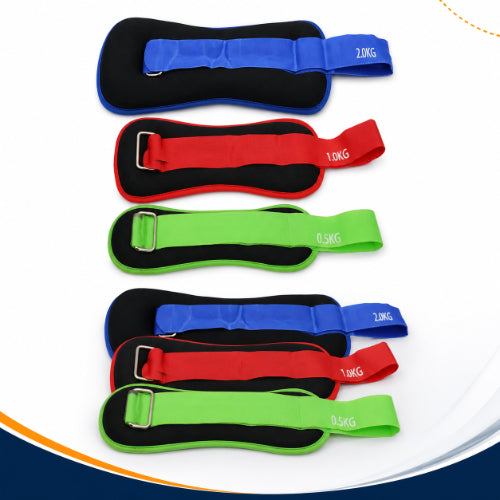
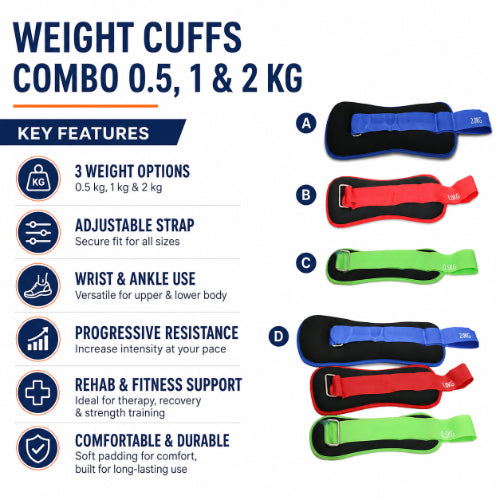
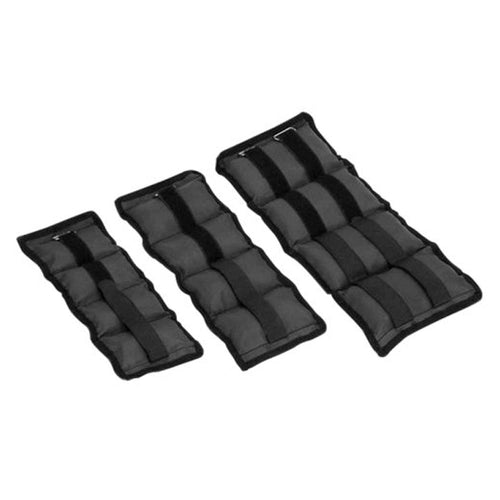
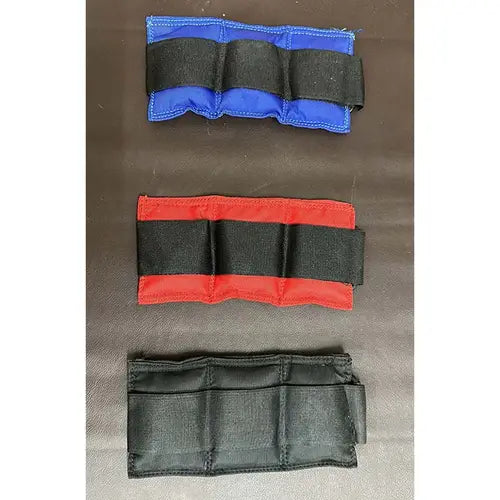
 Weight Cuffs Combo 0.5, 1 & 2 Kg | Rehabilitation Equipment
“Effective, comfortable, and great for workouts!”
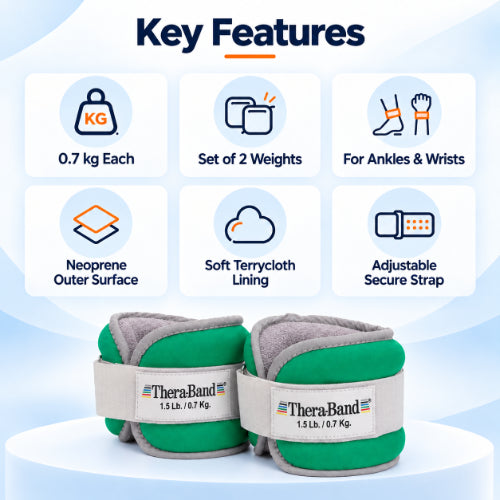
 Original Theraband Comfiort Ankle Weight 0.7Kg Green
“I have tried dozens of ankle weights, but nothing compares to these TheraBand Comfort Fit Ankle Weights! Th...”
“The Original Theraband Comfort Ankle Weight 0.7Kg Green is very comfortable to wear and perfect for light w...”
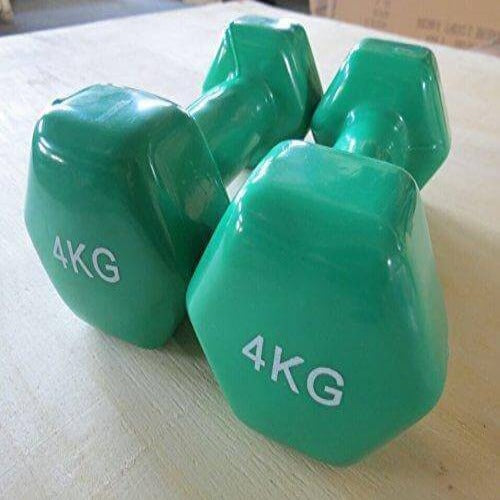
 Vinyl Dumbbell 4 Kg (1 Pair)
“The Vinyl Dumbbell 4 Kg (1 Pair) is perfect for more intense strength training. Solid build, comfortable gr...”
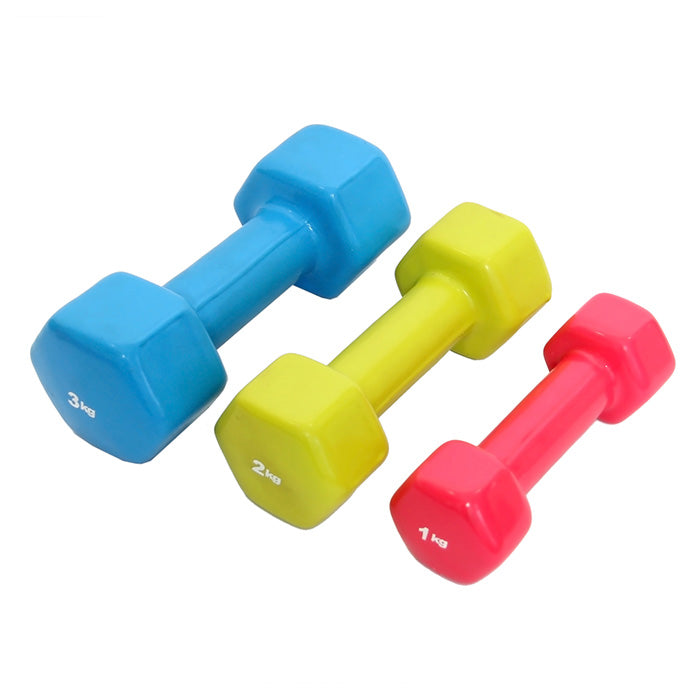
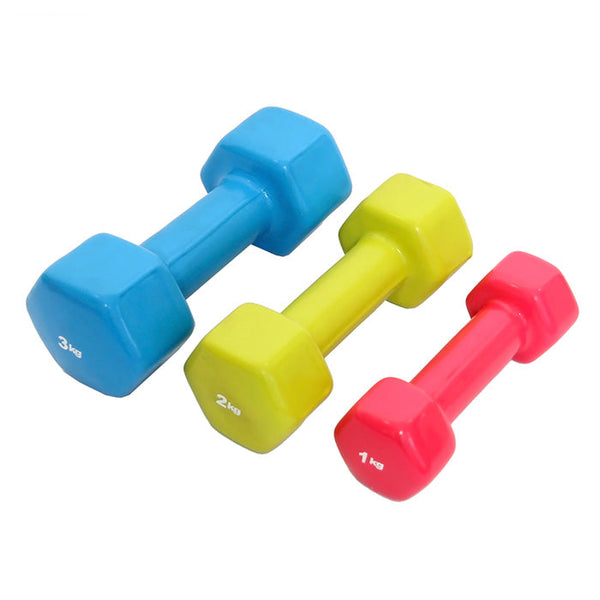
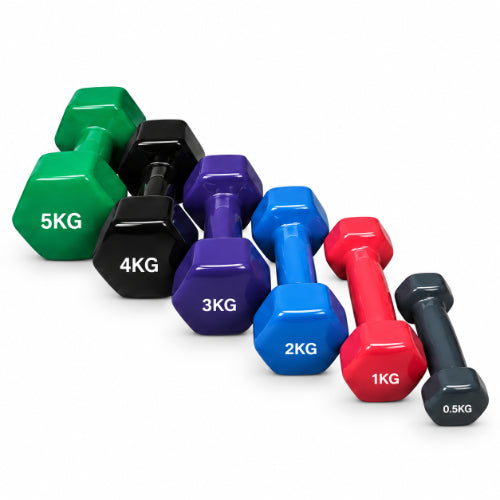
 Vinyl Dumbell (Pack of 1,2,3Kg)
“The Vinyl Dumbbell (Pack of 1, 2, 3 Kg) is great for varying workout intensities. The vinyl coating ensures...”
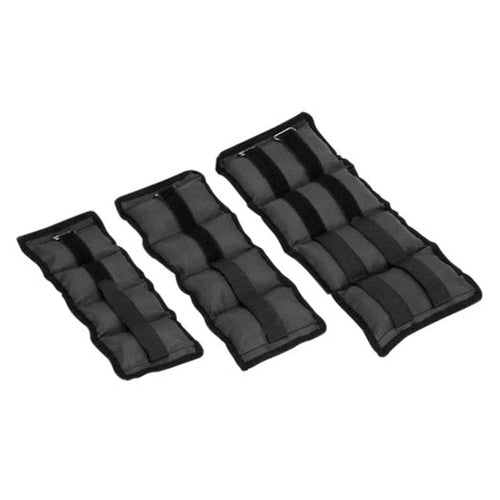
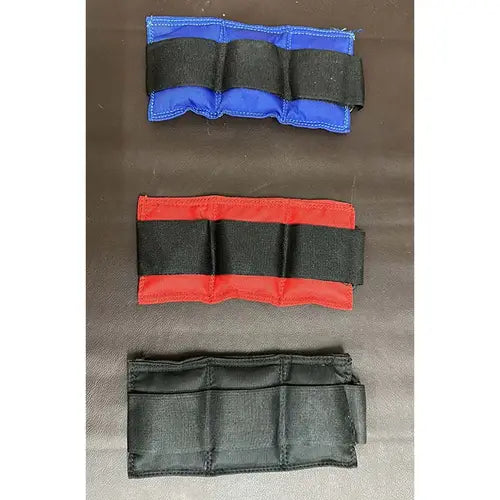
 Weight Cuff Combo of Half One Two Kg
“I’ve been using them for just a week, and I can already feel my muscles getting stronger! The fit is perfec...”
“The Weight Cuff Combo of Half, One, and Two Kg is perfect for adding adjustable resistance to any workout. ...”
 Weight Cuff Premium Quality 2Kg
“The Weight Cuff Premium Quality 2Kg is excellent for strength training. It’s well-made, comfortable to wear...”
“It’s well-made and feels sturdy, providing a comfortable yet secure fit during my workouts. The weight is p...”
Weight Cuff Premium Quality 4Kg
“The Weight Cuff Premium Quality 4Kg is perfect for more challenging strength training. It’s comfortable, hi...”
“This is a great addition to my training routine. They are well-made, durable, and provide excellent resista...”
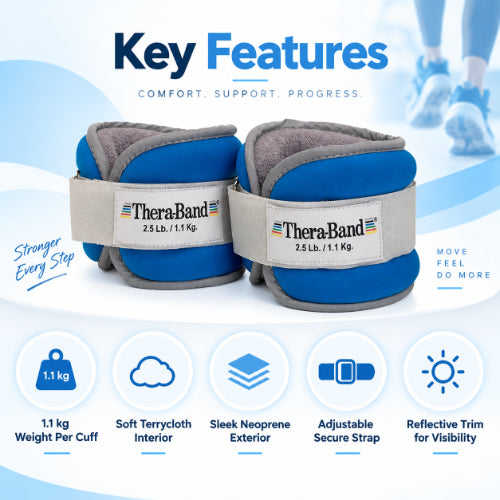
 Original Theraband Comfort Ankle Weight 1.1Kg Blue – Home Exercise Equipment
“The Original Theraband Comfort Ankle Weight 1.1Kg Blue is durable, comfortable, and provides excellent resi...”
“I’m really happy with the Original Theraband Comfort Ankle Weight (1.1Kg Blue). They’re just the right weig...”
Weight Cuff Deluxe Quality 1 Kg
“The Weight Cuff Deluxe Quality 1 Kg is durable, comfortable, and provides a perfect fit for effective stren...”
Weight Cuff Deluxe Quality Half Kg
“The Weight Cuff Deluxe Quality Half Kg is perfect for adding light resistance during exercises. It’s comfor...”
Ankle Weights & Exercise Weights for Home & Rehab
Ankle Weights & Ankle Cuffs: Sizes & Buying Guide
Ankle weights, weight cuffs, wrist weights, and light vinyl dumbbells are simple tools for home exercise in India. They are often used by families, older adults, and people doing rehabilitation movements at home as advised by a doctor or physiotherapist. This guide explains the sizes, materials, comfort points, and buying checks in clear words, so you can choose with more care.
Consult your doctor or physiotherapist before choosing or using weights.
If you are using any cuff after injury or surgery, follow your doctor’s or physiotherapist’s advice on the right weight and exercise. Do not guess. A small weight can still feel different when you strap it to the ankle or wrist.
What is an ankle cuff?
An ankle cuff is a soft weighted band that wraps around the ankle or wrist with a strap. It usually has a vinyl cover, a filler such as sand or a similar material, and a Velcro closure to hold it in place. You can buy ankle weights in sizes such as 0.5 kg, 1 kg, 2 kg, 3 kg, and 4 kg, and also as combo packs for home use.


An ankle weight is different from a dumbbell because you do not grip it in your hand. You wear it. This leaves your hand free, but it also means the fit must be secure and comfortable.
It is also different from basic wrist weights. Makers shape wrist weights mainly for the wrist. A cuff often works on either the ankle or the wrist, depending on the size, strap length, and cuff design.
Many home users search for Ankle Weights and Weight Cuffs together because the cuffs can look similar. In daily use, the names may overlap. The most important thing is to check how you should wear the item, what size it is, and whether the strap closes firmly around your ankle or wrist.
Understanding ankle weights, wrist weights, and dumbbells
Ankle weights are cuffs that go around the lower leg near the ankle. You wear wrist weights around the wrist. You hold dumbbells in your hand. All three add load in different ways, so they feel different during home movements.
Ankle weights for exercise are common in simple guided home movement plans. Still, the exact exercise and weight should come from a doctor or physiotherapist, especially after injury or surgery. Do not copy someone else’s plan, even if the weight looks small.
Ankle weights
You strap ankle weights around the ankle. You may use them while lying, sitting, or standing, only when your doctor has advised it. A secure fit matters because the ankle weight should not swing or slide during movement.
Ankle weights are available in common sizes such as 0.5 kg, 1 kg, 2 kg, 3 kg, and 4 kg. Some buyers look for ankle weights for women or ankle weights for men, but the better choice depends on body comfort, strap fit, and professional advice, not gender alone.
Adjustable ankle weights are another option. These may allow the user to change the load in steps, depending on the design. Search terms such as adjustable ankle weights and ankle weights adjustable usually refer to ankle weights that you can modify or tighten for a closer fit.
Wrist weights
You wear wrist weights around the wrist. They are not the same as hand-held dumbbells. They stay attached with a strap, so the user does not need to grip them throughout the movement.
For older adults, grip comfort can be an important point. A wrist cuff may feel different from a small dumbbell because the load sits around the wrist instead of in the palm. The right option depends on the activity advised and the person’s comfort.
Dumbbells
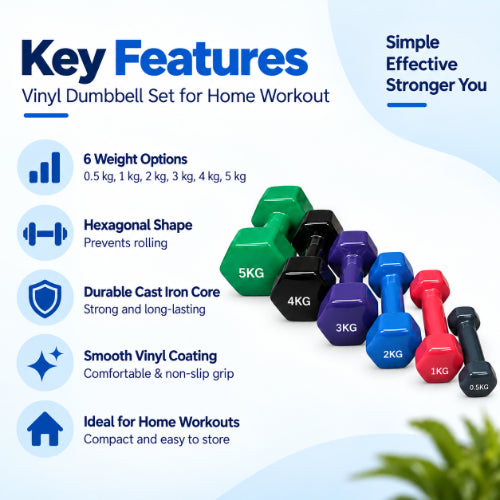
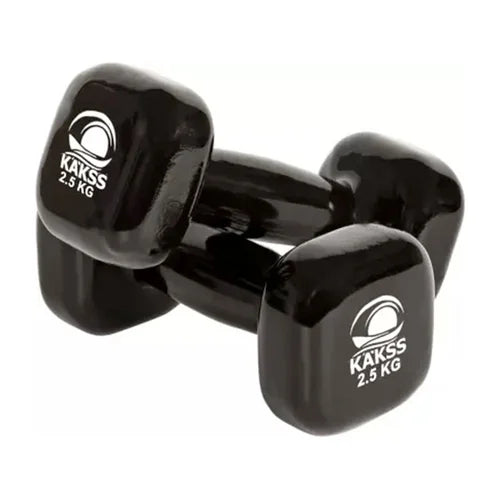
You hold dumbbells in your hand. Light vinyl dumbbells from 1 kg to 4 kg are common for home use. They are available singly and as sets, such as a small dumbbell set for family members with different needs.


A 1kg dumbbell is a light hand-held option. A 3kg dumbbell is also available for users whose doctor advised that size. Vinyl dumbbells have a coated outer surface that is easy to hold and simple to wipe after use.
Size options for home users in India
Choosing the right load is one of the most important buying points. More weight is not automatically better. For rehabilitation exercises at home, the correct size must come from your doctor or physiotherapist.
For families, it can be useful to know the available sizes before buying. This helps you avoid ordering an item that is too bulky, too loose, or wrong for your plan.
Common weight cuff and ankle weight sizes
Weight cuffs and ankle weights are commonly available in these options:


- 0.5 kg cuffs: Very light cuff option for ankle or wrist use when advised.
- 1 kg cuffs: A common light size for ankle use at home.
- 2 kg cuffs: A mid-range size for the ankle, to choose only when it suits the user.
- 3 kg cuffs: A heavier ankle cuff option compared with smaller sizes.
- 4 kg cuffs: A higher ankle cuff size that needs careful fit and guidance.
- Combo packs: Packs with more than one cuff size or pair, useful when different family members need different options.
These ankle weights are usually cuffs worn on the ankle or wrist with a strap. Many include a Velcro closure, so the user can fasten the cuff around the ankle or wrist. Always check whether the seller offers the cuff as a single piece, a pair, or a pack.
Comfort ankle weight sizes
Comfort ankle weights give a softer wearing feel. Theraband comfort ankle weights are available in 0.7 kg and 1.1 kg options. These sizes sit between some of the usual round-number ankle cuff sizes.

Comfort designs may suit users who want a softer edge or a more padded feel. Still, comfort does not replace the need for correct size selection. If the ankle area is sensitive, swollen, sore, or recovering, use only as advised.
Light vinyl dumbbell sizes
Light vinyl dumbbells are available from 1 kg to 4 kg. You can buy them singly or as a dumbbell set. This is useful when more than one person in the family uses different hand-held dumbbells.
Vinyl dumbbells have a coated surface. The coating gives a smoother touch than bare metal and is easy to wipe. They are simple to store at home, as long as you keep them away from children.
Choose a 1kg dumbbell only when your doctor advises that size. Choose a 3kg dumbbell only when your doctor advises that size. The same rule applies to all light vinyl dumbbells from 1 kg to 4 kg.
Why fit and comfort matter at home
An ankle weight that does not fit well can move around. It may rub the skin, slide down, or feel unbalanced. This is why strap length, closure quality, and ankle cuff shape matter as much as the kilogram number printed on the cuff.
Home users often share one ankle weight among family members. This is possible only when the strap can adjust well for each person. An ankle weight that fits one ankle may not fit another ankle or wrist.
Comfort also matters for older adults. Soft edges, a smooth cover, and a secure strap can make the ankle weight easier to wear. If the ankle weight feels sharp, loose, or uneven, stop using it and check the fit.
Sweat resistance is another practical point in India. A vinyl cover can resist sweat better than many cloth-only surfaces. It is also easier to wipe after use. A washable cover or easy-clean surface helps when you use the same item often at home.
Materials used in ankle weights and ankle cuffs
Most ankle weights have a few simple parts. Knowing these parts helps you judge quality before buying. It also helps you understand why one ankle weight may feel softer, firmer, wider, or easier to clean than another.
Vinyl cover
The outer cover is often vinyl. Makers use vinyl because it is smooth and easy to wipe. It also gives some resistance to sweat during normal home use.
A good cover should not feel too stiff on the skin. The stitching should look neat. If the edges are rough, the ankle weight may not feel comfortable around the ankle or wrist.
Filler inside the ankle cuff
The load inside the ankle cuff often comes from sand or a similar filler. The cover seals this filler inside. It spreads the load across the cuff instead of placing it in one hard block.
The feel can differ by cuff. Some ankle weights feel flat and broad. Others feel thicker. For home use, choose a shape that sits evenly and does not twist easily.
Strap and Velcro closure
The strap wraps around the ankle or wrist. Velcro fastens the ankle cuff. A wider strap can feel more secure for some users, but the right choice depends on the limb size and cuff design.
Check that the Velcro area is long enough for adjustment. The ankle weight should close without pulling too much. It should also not hang loose after fastening.
How to choose the right size without guessing?
Choose the size based on the advice you have received from a doctor or physiotherapist, especially after injury or surgery. If no professional has advised a size, start light and ask before using ankle weights for any guided rehabilitation movement. Do not choose only by looking at product photos or by copying another person at home.

The size printed on the ankle cuff tells only part of the story. A 1 kg ankle weight can feel different from a 1 kg dumbbell because the load sits on the body differently. A 2 kg cuff can also feel different on the wrist than on the ankle.
Use this simple buying checklist before you place an order:
- Confirm the advised size: Check whether you need 0.5 kg, 1 kg, 2 kg, 3 kg, 4 kg, 0.7 kg, 1.1 kg, or a light vinyl dumbbell size.
- Check single or pair: Some cuffs come as one piece. Some come as a pair. Combo packs may include more pieces.
- Read the strap length: The cuff must fit the ankle or wrist of the person who will use it.
- Check the closure: Velcro should fasten firmly and should not open during movement.
- Look at the cover: A washable cover or wipe-clean vinyl surface is practical for Indian homes.
- Check comfort details: Soft edges, even filling, and a smooth surface can make daily handling easier.
- Think about storage: Store the ankle weight safely after use, away from children.
If buying for an older adult, do not focus only on the number printed on the cuff. Check how easy it is to fasten. Also check whether the person can remove it safely when needed.
Adjustable ankle weights and fixed ankle cuffs
Adjustable ankle weights give some flexibility in load or fit, depending on the model. Fixed ankle cuffs come in one stated load. Both can be useful at home, but the right choice depends on the user’s advised plan and comfort.
With ankle weights adjustable by design, check how the weight changes. Some ankle weights may have removable inserts. Others may only offer a strap that adjusts the fit, not the load. Read the product details carefully.
Fixed ankle cuffs are simpler. If the ankle cuff says 1 kg, 2 kg, 3 kg, or 4 kg, that is its stated size. This can be easier when a doctor has told the user to use one exact size.
When an adjustable design may be practical
An adjustable design may be practical for a family where different users have different advised sizes. It may also help when storage space is limited. But you should still avoid changing the weight without guidance when you use ankle weights after injury or surgery.
Look closely at the fastening system. Adjustable ankle weights should still close securely. The inserts, if present, should not shift during movement.
When a fixed ankle cuff may be simpler
A fixed ankle cuff is easy to understand. You pick the stated load and fasten it. There are fewer parts to remove or misplace.
This can be useful for older adults who prefer simple cuffs. It can also reduce confusion in a household where one person uses one specific ankle cuff size. Label storage areas if you keep more than one size at home.
Ankle cuffs versus vinyl dumbbells
Ankle cuffs and vinyl dumbbells are not interchangeable in feel. You wear a cuff. You hold a dumbbell. This changes how you handle the load.


You can use a cuff on the ankle or wrist if the cuff suits that use. A dumbbell is for the hand only. If the plan given to you mentions a cuff, do not replace it with a dumbbell unless your doctor or physiotherapist says it is fine.
Light vinyl dumbbells from 1 kg to 4 kg can help when you need a hand-held option. They are available singly and in sets. A small dumbbell set may be easier for a family when different users have different advised sizes.
Here is a simple comparison:
| Product type | How you use it | Common options | What to check |
|---|---|---|---|
| Weight cuffs | Worn on ankle or wrist with strap | 0.5 kg, 1 kg, 2 kg, 3 kg, 4 kg, combo packs | Strap length, Velcro, cover, fit |
| Comfort ankle weights | Worn around the ankle | 0.7 kg and 1.1 kg | Soft feel, secure closure, comfort |
| Wrist weights | Worn around the wrist | Varies by product | Wrist fit, closure, skin comfort |
| Vinyl dumbbells | Held in the hand | 1 kg to 4 kg, single or set | Grip feel, coating, storage |
This comparison is not a ranking. It only shows the differences. The right cuff depends on the movement advised and the user’s comfort.
Buying for families and older adults
In many Indian homes, more than one person may use one purchase. This needs care. An ankle cuff that suits one person may not suit another.
For families, combo packs can make sense when different members need different sizes. For example, one person may need a lighter ankle weight, while another may need a different option. Keep each size clearly separated to avoid mix-ups.
For older adults, fastening and removal are important. A cuff that is hard to close may not be practical. A large Velcro area, soft cover, and clear kilogram marking can make use easier.
If the product is meant for a person doing rehabilitation exercises at home, do not buy based only on online ratings. First check the advised size and type. Then check the product details.
You can also browse wider Exercise Equipment options if you are setting up a small home exercise corner for family use. If your plan includes elastic options instead of ankle weights, see the Resistance Bands page as well. Use only the type of product advised for your situation.
Safety points before using ankle weights or cuffs
Safety should come before convenience. Use even light ankle weights with care. This is especially true for older adults and for anyone using ankle weights after injury or surgery.

Keep these points in mind:
- Start light. Do not move to a higher size just because it is available.
- Follow medical advice. A doctor or physiotherapist should recommend the right weight and exercise, especially after injury or surgery.
- Do not use on swollen joints without advice. Avoid using ankle weights on swollen, injured, or sore joints unless a doctor or physiotherapist has advised it.
- Avoid long walking with ankle weights. Do not wear ankle weights while walking long distances.
- Avoid stairs with ankle weights. Do not wear them on stairs, as the extra load may affect your movement.
- Stop if pain occurs. Remove the ankle cuff and ask for advice before using it again.
- Keep away from children. Store ankle weights and dumbbells where children cannot play with them.
- Check before each use. Make sure the strap, Velcro, stitching, and cover are in good condition.
Do not use a damaged ankle weight. If filler leaks, the strap tears, or the Velcro stops holding, replace the item. Never use a loose or damaged ankle cuff.
Cleaning and storage at home
Cleaning is simple when the cover is vinyl or wipe-friendly. After use, wipe the surface with a clean damp cloth. Let it dry fully before storing.
Do not soak an ankle weight unless the product instructions clearly allow washing that way. Water may affect the filler or stitching. If the cover is removable and washable, follow the washing instructions given with the product.
Store ankle weights in a dry place. Keep them away from direct heat and sharp objects. Do not leave them on the floor where someone may trip.
For vinyl dumbbells, wipe the outer surface and dry it before storage. If you have a set, keep the sizes together but clearly arranged. This makes it easier to pick the correct dumbbell when needed.
Common buying mistakes to avoid
Many buyers focus only on the kilogram number. That is not enough. Fit, comfort, closure, and cleaning matter too.
Another mistake is buying a product because it looks compact in a photo. Product images can be hard to judge. Always read the size, load, and pack details.
Avoid these common issues:
- Buying without checking whether it is single or pair: This can lead to confusion when the product arrives.
- Ignoring strap length: A cuff must close securely around the actual ankle or wrist.
- Choosing by gender label only: Ankle weights for women and ankle weights for men should still follow fit, comfort, and professional advice.
- Assuming all adjustable ankle weights change their load: Some only adjust in strap tightness.
- Skipping cleaning details: A washable cover or wipe-clean vinyl surface is useful in warm weather.
- Using the same product for everyone: Different family members may need different sizes or product types.
A careful purchase saves trouble later. Read the description slowly. If buying for someone else, measure or check their comfort needs before ordering.
A simple product selection guide
Before choosing between ankle weights, weight cuffs, wrist weights, and dumbbells, start with the purpose given to you. If your doctor or physiotherapist has named a specific product type, follow that. Do not replace one type with another on your own.
For home users in India, practical buying usually comes down to five points: load, fit, material, cleaning, and storage. Each point matters. A cuff that has the right load but has a poor strap may still be a poor choice.
If you need cuffs for ankle or wrist use
Look for ankle cuffs available in 0.5 kg, 1 kg, 2 kg, 3 kg, or 4 kg. Check whether the cuff is suitable for both ankle and wrist use. Some cuffs may be better shaped for one area.
Choose a strap that can close firmly. The Velcro should have enough contact area. The ankle cuff should sit flat and should not twist easily.
If you need a comfort ankle weight
Comfort ankle weights are meant to feel softer around the ankle. Theraband comfort ankle weights come in 0.7 kg and 1.1 kg options. Consider them when those sizes match the advice you received.
Check the edge finish and padding. A soft cuff can still feel wrong if the strap is too short or too loose. Fit remains important.
If you need hand-held dumbbells
Choose light vinyl dumbbells from 1 kg to 4 kg. They are available singly and as sets. A single piece may be enough when only one size is needed, while a set may suit families with different advised sizes.

Check the grip shape and coating. The dumbbell should feel stable in the hand. Store it safely after use.
Product terms explained in plain language
Online listings can use many similar words. This can be confusing. Here are the terms in simple language.
Ankle weights are weighted cuffs that go around the ankle. A strap and Velcro usually fasten them.
Weight cuffs are weighted bands that may go on the ankle or wrist, depending on the design. They often have a vinyl cover and filler inside.
Wrist weights are weighted cuffs for the wrist. You wear them instead of holding them.
Adjustable ankle weights may let you adjust the load or fit. Read the product details to see what is adjustable.
Vinyl dumbbells are hand-held exercise tools with a vinyl coating. Light options from 1 kg to 4 kg are common for home use.
Combo packs include more than one cuff or size. They can be useful when different family members need different options.
FAQs
What is an ankle cuff?
An ankle cuff is a soft weighted band worn around the ankle or wrist with a strap. It usually has a vinyl cover, filler inside, and Velcro for closing.
How do I choose a starting size?
Choose a starting size based on advice from a doctor or physiotherapist. If you are unsure, ask before using it, especially after injury or surgery.
Is an ankle weight the same as a wrist weight?
No. You wear an ankle weight around the ankle, while you wear a wrist weight around the wrist. You can use some weight cuffs on either area if the product design allows it.
How do I wear an ankle cuff?
Wrap the cuff around the ankle or wrist and close the strap with Velcro. It should feel secure, but not too tight or painful.
How do I clean ankle weights or ankle cuffs?
Wipe the vinyl cover with a clean damp cloth and let it dry before storing. If the cover is washable, follow the product instructions.
Can one ankle cuff be used by the whole family?
It depends on the fit and the advised size for each person. Check the strap length and do not assume one ankle cuff is suitable for everyone.
Are vinyl dumbbells sold as single pieces or sets?
Light vinyl dumbbells from 1 kg to 4 kg may come singly or as a dumbbell set. Always check the pack details before buying.
Final takeaway
Ankle weights, weight cuffs, wrist weights, and light vinyl dumbbells are simple tools, but you should choose them carefully. For home users in India, the key points are the right size, secure fit, strap length, comfort, cleaning, and safe storage.
If the product is for rehabilitation exercises at home, follow the weight and exercise advice given by your doctor or physiotherapist, especially after injury or surgery. Start light, avoid use on swollen or sore joints without advice, do not wear ankle weights for long walks or stairs, stop if pain occurs, and keep all ankle weights and dumbbells away from children.
Explore more exercise options
Exercise equipment for homeTheraband resistance bandsHand exercise equipmentHome gym equipment
Explore Medical Collections
All Categories
Abdominal & Maternity Support

Accessories

Accu-Chek Instant Strips: Use, Compatibility, Price & Blood Sugar Testing Guide
Accu-Chek Instant Strips: Uses, Features & Complete Guide

accupuncture

Acupuncture Needles & Supplies

Advanced Physiotherapy Machines & Lumbar Physiotherapy

Airways

Ambulance

Anatomy Models
Anesthesia Machine

Anesthesia Products
Ankle Support for Home Use: Braces, Sleeves & Walker Boots
Ankle Weights & Exercise Weights for Home & Rehab

Anti-Bedsore Air Mattresses
You may also need
FOR YOURecommended for you
Save 20%
Save 10%
Save 20%
Save 20%
Save 20%
Save 8%
Save 17%
Save 30%
Save 10%
Save 11%
Save 11%
Save 20%