


Featured ChoiceSave 75%

Save 50%
Save 58%
Save 50%
Save 27%

Save 12%

Save 27%

Save 26%


Save 37%

Save 36%

What customers say
★★★★★ 5.0 · 10 reviews
 Polar Care Kodiak® Ice Machine – Motorized Cold Therapy System
“With its easy-to-use design and long-lasting ice retention, this machine is perfect for reducing inflammati...”
“This ice therapy machine is lightweight, quiet, and delivers excellent cooling performance. The wrap-around...”
 Beurer BY 40 Electric Breast Pump
“It's quiet, easy to use, and incredibly efficient. The adjustable settings make it comfortable, and I love ...”
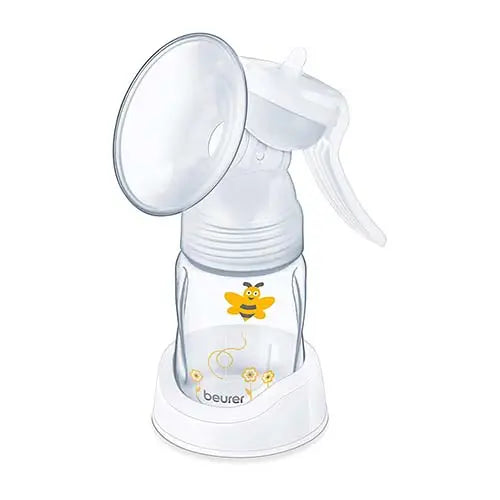
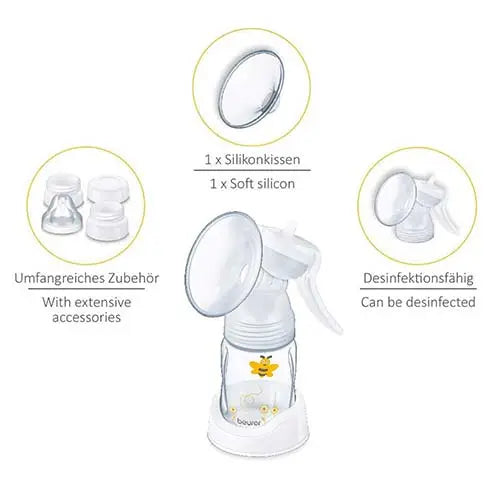
 Beurer BY 15 Manual Breast Pump
“Easy to use, compact, and comfortable. Ideal for quick and efficient pumping sessions. A great manual option!”
“It's lightweight, easy to use, and works perfectly for on-the-go moms. The suction is gentle yet effective,”
Healthcare Products for Home Care & Personal Support
Healthcare Products for Everyday Home Care
Healthcare products can make everyday home care, recovery and personal support easier to organise. Different families may need different products, ranging from maternal-care equipment and patient-support aids to recovery systems and selected care consumables.
Household buyers should begin with the person's actual need rather than choosing the product with the most features. For example, someone recovering at home may need bedside support, while another user may be comparing breast pumps or suitable recovery equipment.
Caregivers can also use selected products to organise daily routines more comfortably. However, specialised medical equipment requires appropriate professional guidance, particularly when it forms part of treatment, monitoring or catheter care.

How to Choose Healthcare Products for Home Use
Start by identifying the main task. A product for daily living has a different purpose from equipment designed for recovery, personal care or professional monitoring. Therefore, the right choice should match the user's real requirement.
Next, consider how often the item will be used. Reusable equipment may need cleaning, storage and maintenance, whereas disposable products need suitable handling and replacement.
Ease of use also matters in a home environment. Clear controls, practical dimensions and simple cleaning instructions can make healthcare products easier for family members or caregivers to manage.
Finally, check whether a product needs healthcare-professional guidance. Some home-care items are straightforward to use, while specialised recovery, drainage or monitoring equipment may require additional instructions.
Important Buying Points
- Purpose: identify whether the product supports recovery, daily living, maternal care, monitoring or another care need.
- User: check who will use the product and whether assistance is required.
- Size: review product dimensions before buying larger bedside or patient-care equipment.
- Consumables: confirm whether replacement pads, lancets or other supplies may be needed.
- Cleaning: follow the manufacturer's cleaning and maintenance instructions.
- Storage: make sure the product can be stored safely between uses.
- Professional guidance: seek suitable advice for specialised medical or recovery equipment.
Healthcare Products by Home-Care Need
Recovery & Comfort Equipment
Recovery requirements can vary from person to person. Heat and cold systems, paraffin equipment and other suitable therapy products may form part of a professionally guided recovery programme.
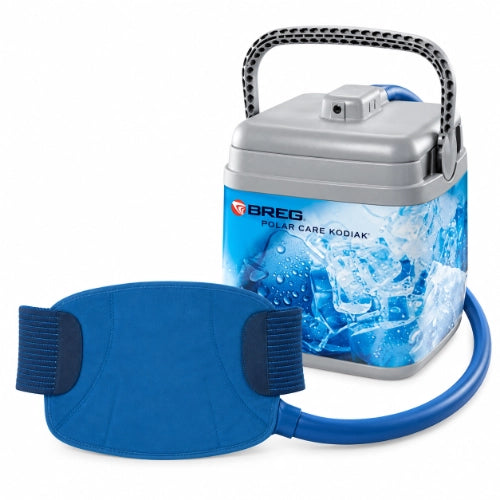
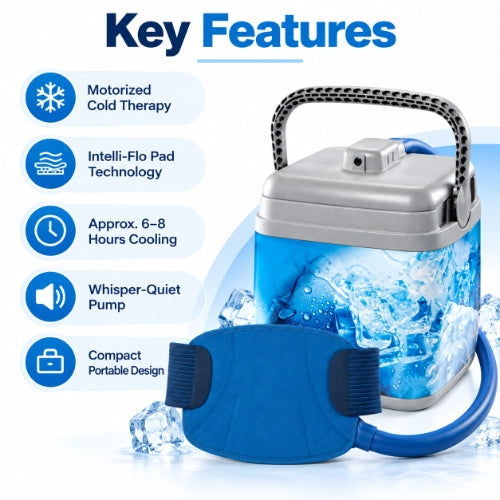
Cold-therapy option: Polar Care Kodiak® Ice Machine – Motorized Cold Therapy System
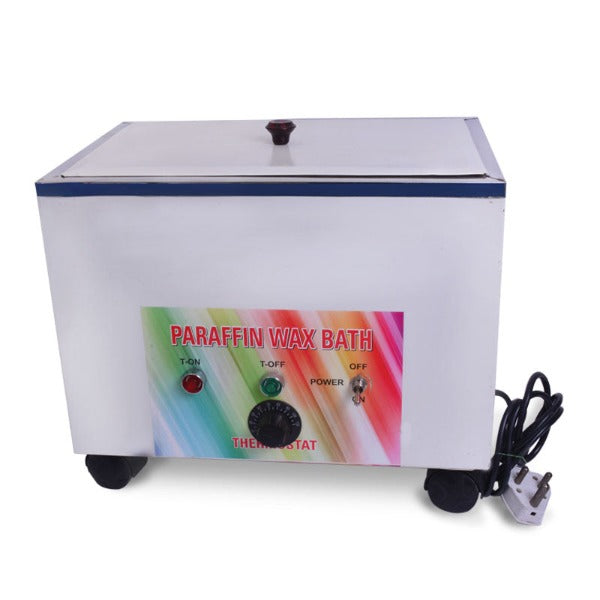
Heat-therapy choice: Medansh Paraffin Wax Bath Machine with 1 year warranty
The Polar Care system circulates chilled water through a compatible treatment pad. Meanwhile, a paraffin wax bath uses warmed paraffin for suitable heat-therapy applications. Follow product instructions and professional recommendations where applicable.
Bedside & Patient Support
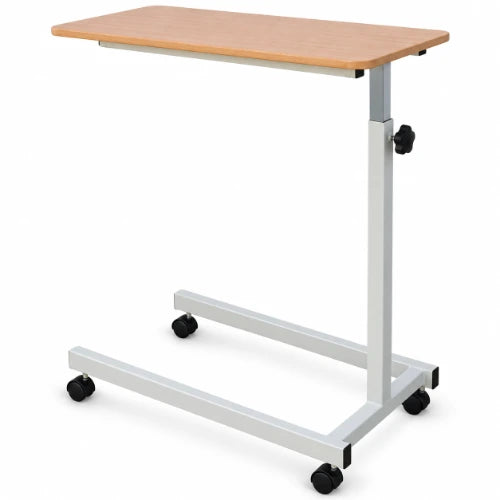
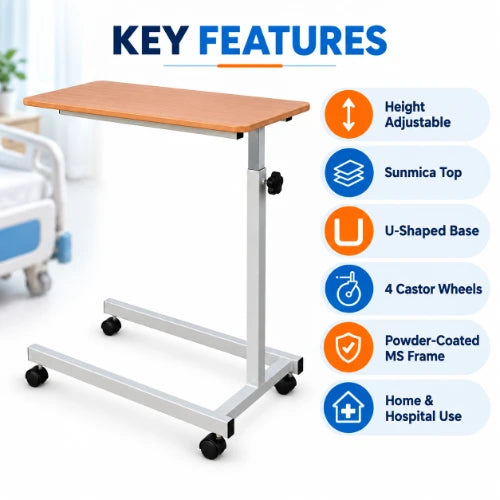
Some healthcare products focus on practical daily living rather than monitoring. An over-bed table, for example, can create a convenient surface near a person who spends extended time in bed.
Bedside-support option: Height Adjustable Over Bed Table Trolley with Sunmica Top & Knob
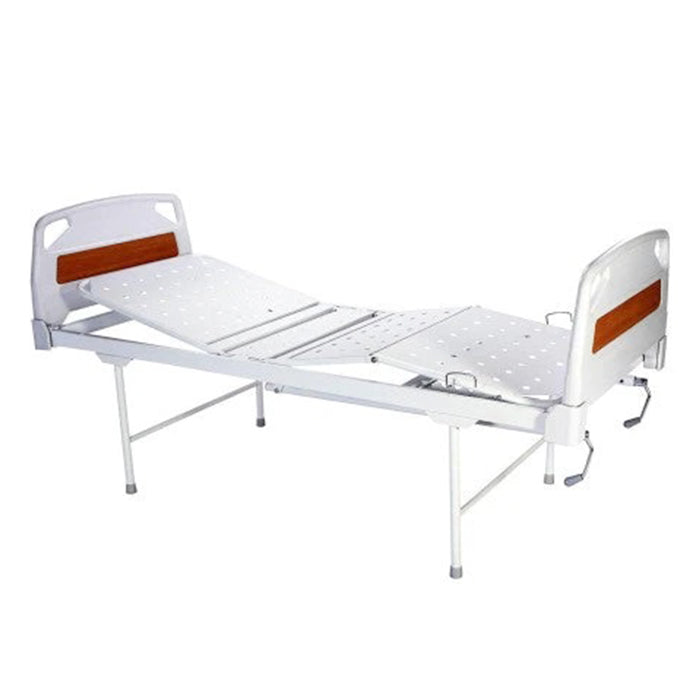
Patient-bed option: Full Fowler Bed With ABS Panel
Before ordering larger patient-support equipment, measure the room and available movement space. In addition, check bed dimensions, adjustment features and the user's care requirements.
Maternal & Personal Care
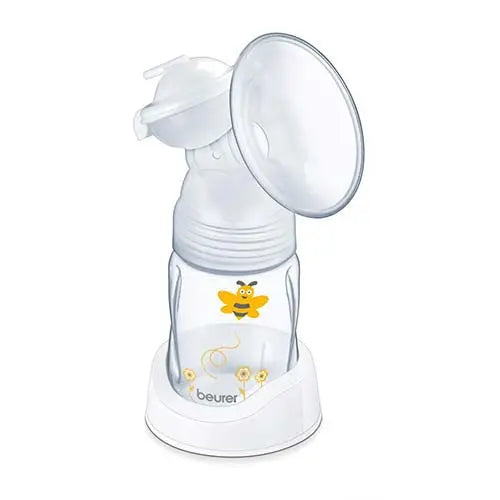
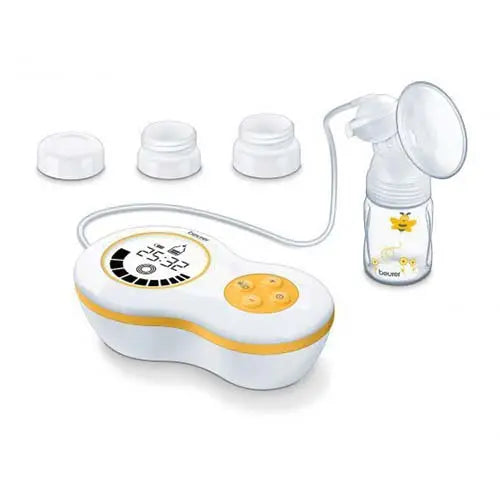
Maternal-care products can support selected feeding and expressing routines at home. Manual and electric breast pumps work differently, so buyers should compare portability, controls and personal preference.
Electric model: Beurer BY 40 Electric Breast Pump
Portable manual choice: Beurer BY 15 Manual Breast Pump
For either type, review the included accessories and manufacturer's hygiene instructions. Moreover, make sure the chosen setup suits the intended frequency of use.
Care Consumables
Consumable healthcare products need a different buying approach from reusable equipment. Pack size, sterility, compatibility and single-use instructions may be more important than advanced features.
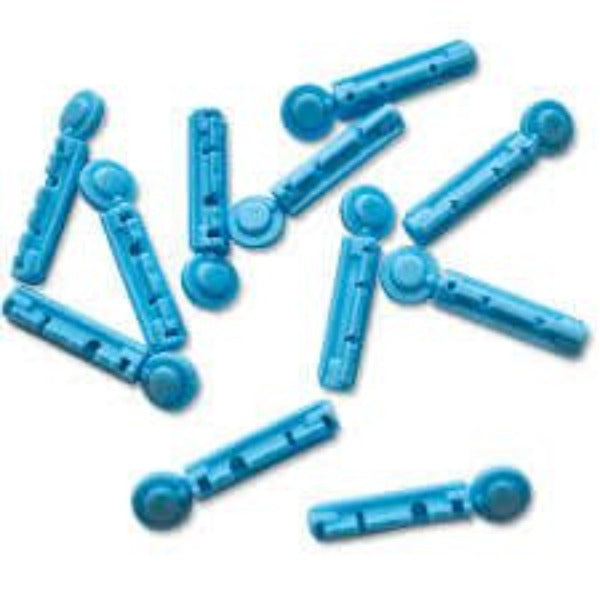
Blood-testing consumable: Generic Round Blood Lancets - Pack Of 100
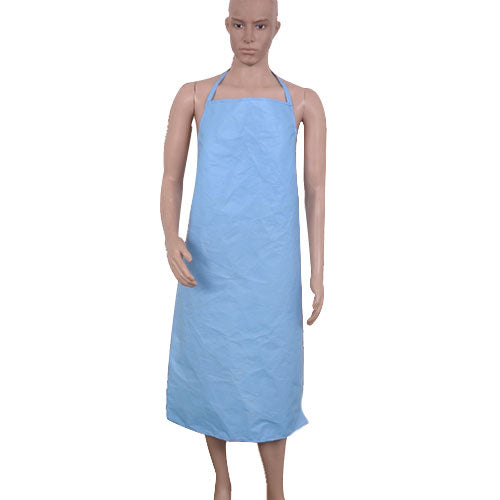
Protective-use option: Disposable Laminated Apron Blue (Pack of 20)
Lancets are intended for one-time use and should not be shared. Likewise, disposable products should be handled according to their instructions and appropriate local disposal practices.
Healthcare Products for Home Recovery
Home recovery can involve more than one type of support. Some people need suitable cold or heat therapy, whereas others benefit more from practical bedside equipment or adjustments to the care environment.
For this reason, families should avoid buying equipment simply because it is labelled as a recovery product. Instead, match the product to the person's current needs and any advice provided by their healthcare professional.
Comfort also matters during a longer recovery period. A stable bedside table can make meals, reading and other routine activities easier to organise. Meanwhile, appropriate recovery equipment may support a clinician-recommended care programme.
As needs change, review whether the current setup still works well. A product that was useful immediately after an illness or procedure may not remain necessary throughout every stage of recovery.
Personal Healthcare Products for Caregivers
Caregivers often manage several daily tasks. Therefore, practical healthcare products can help organise selected routines around the home, provided they suit the person receiving care.
For larger equipment, check how easily caregivers can position, clean or move the product. Portable items may help when care takes place in different rooms. By contrast, stable fixed equipment can be more suitable when the care area remains in one location.
Simple controls may also reduce unnecessary complexity. In addition, easy-to-clean surfaces can make routine maintenance more manageable.
Professional advice remains important when a person's needs involve wounds, catheters, medical monitoring or prescribed recovery protocols. Home-care convenience should never replace necessary clinical guidance.
Specialised Patient-Care Products
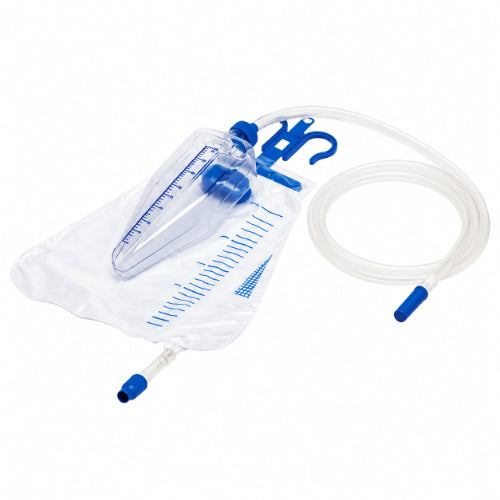
Some items in a broad personal-care range require closer professional involvement. A urometer, for example, helps measure urine output in a catheterised patient and should form part of professionally guided catheter care.
Guided patient-care product: Romsons Urometer DB 1068 Urine Measuring Bag (Pack of 10)
Household caregivers should follow the instructions provided by the treating doctor or nurse. Avoid unnecessary disconnection or changes to catheter equipment unless a qualified professional has advised them.
Healthcare Products for Clinics & Professional Settings
Although household users remain the primary audience for this collection, Meddey's live range also contains selected products intended mainly for healthcare professionals.
Professional buyers should evaluate clinical purpose, specifications, maintenance needs and applicable facility requirements rather than relying only on general consumer features.
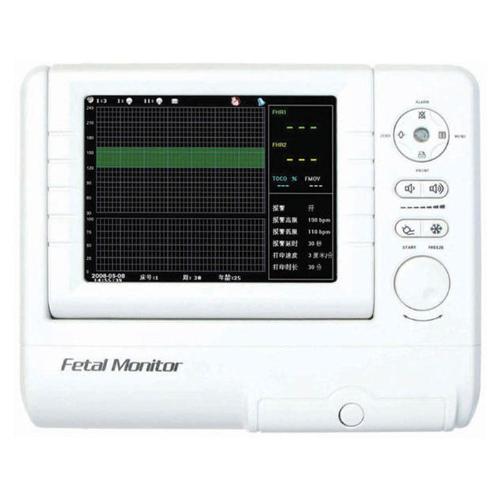
Professional monitoring equipment: Fetal Monitor with CTG Flight 800
A fetal monitor is specialised clinical equipment, so it should not be treated as a general household wellness device. Selection and use should follow appropriate professional requirements.
Reusable vs Disposable Healthcare Products
| Product Type | Main Consideration | Examples | Before Buying |
|---|---|---|---|
| Reusable equipment | Cleaning, maintenance and storage | Breast pumps, recovery systems, bedside equipment | Check instructions, accessories and available space |
| Care consumables | Pack size, compatibility and disposal | Lancets, protective disposable items | Confirm whether the item is single use |
| Patient-support equipment | Dimensions, stability and accessibility | Over-bed tables and patient beds | Measure the room and check user requirements |
| Specialised medical equipment | Clinical purpose and professional guidance | Fetal monitoring and urometer systems | Confirm suitability with a qualified professional |
Healthcare Products vs Medical Devices
The terms can overlap, but they do not always mean exactly the same thing. Healthcare products form a broad group that can include daily-care aids, recovery products, consumables and medical devices.
A medical device usually has a more specific monitoring, diagnostic or therapeutic purpose. For example, a blood pressure monitor records blood pressure, while an over-bed table mainly supports everyday bedside activities.
Consequently, buyers searching for a specific measurement should usually visit the dedicated Meddey category rather than relying only on a broad personal-care collection.
Explore Related Meddey Collections
For regular blood-pressure monitoring at home, browse BP Machines .
People managing blood-glucose monitoring can explore Glucometers for dedicated meters and related products.
For heating and cooling options, visit Hot & Cold Therapy .
Users looking specifically for oxygen-saturation monitoring can browse Pulse Oximeters .
Families setting up a larger patient-care area may also explore Hospital Beds .
Storage, Cleaning & Maintenance
Good storage can help keep healthcare products ready for use. Choose a clean, dry location unless the manufacturer provides different storage instructions.
Reusable products may need regular cleaning, while electrical devices can require cable, battery or accessory checks. Meanwhile, disposable products should follow the handling and disposal directions supplied with them.
Never assume that one cleaning method suits every product. Instead, follow the manufacturer's instructions because materials, electronics and patient-contact parts can have different requirements.
Finally, inspect reusable equipment periodically. If a component looks damaged, worn or unsuitable for continued use, check the relevant product guidance before using it again.
Frequently Asked Questions
What are healthcare products?
Healthcare products can include devices, daily-care aids, recovery equipment, personal-care items and selected consumables used for health-related support at home or in professional settings.
Which healthcare products are useful at home?
The right products depend on the household's needs. Common examples include monitoring devices, recovery equipment, breast pumps, daily-living aids and suitable patient-support products.
How should I choose healthcare products for home care?
Identify the main care task first. Afterwards, compare ease of use, dimensions, cleaning requirements, accessories and whether the product needs professional guidance.
Are healthcare products the same as medical devices?
Not always. Medical devices usually have a specific monitoring, diagnostic or therapeutic purpose, whereas the broader healthcare-products category can also include simple daily-care and support items.
Can caregivers use healthcare products at home?
Many products can support suitable home-care routines. However, caregivers should follow the manufacturer's instructions and seek professional guidance for specialised medical equipment.
Can medical products be shared between family members?
It depends on the product. Some reusable equipment can be cleaned according to manufacturer instructions, while single-use items such as blood lancets should never be shared.
What is the difference between a manual and electric breast pump?
A manual breast pump relies on hand operation, while an electric model uses powered suction. Portability, frequency of use, controls and personal comfort can influence the choice.
What should I check before buying an over-bed table?
Measure the available space, especially the clearance around and underneath the bed. Also review the table's height range, stability, wheels and intended use.
Are cold-therapy machines suitable for home recovery?
Selected cold-therapy systems can form part of an appropriate home-recovery programme. Follow the manufacturer's instructions and the treatment guidance provided by a qualified healthcare professional.
How should disposable healthcare products be handled?
Follow the product instructions and appropriate disposal practices. Items designed for single use should not be cleaned and reused unless their manufacturer specifically states otherwise.
Need Help Choosing Healthcare Products?
For current specifications, availability or help comparing suitable home-care and personal-support options, contact Meddey Customer Care on WhatsApp at +91 85860 12345 .
Medical note: Healthcare products can support monitoring, recovery, comfort and daily care, but they do not replace professional diagnosis or treatment. Follow manufacturer instructions and seek qualified medical advice when care needs, symptoms or measurements cause concern.
Explore Medical Collections
All Categories
Abdominal & Maternity Support

Accessories

Accu-Chek Instant Strips: Use, Compatibility, Price & Blood Sugar Testing Guide
Accu-Chek Instant Strips: Uses, Features & Complete Guide

accupuncture

Acupuncture Needles & Supplies

Advanced Physiotherapy Machines & Lumbar Physiotherapy

Airways

Ambulance

Anatomy Models
Anesthesia Machine

Anesthesia Products

Ankle Support for Home Use: Braces, Sleeves & Walker Boots

Ankle Weights & Exercise Weights for Home & Rehab

Anti-Bedsore Air Mattresses
You may also need
FOR YOURecommended for you
Save 75%
Save 50%
Save 58%
Save 50%
Save 27%
Save 12%
Save 27%
Save 26%
Save 37%
Save 36%