


Featured ChoiceSave 23%
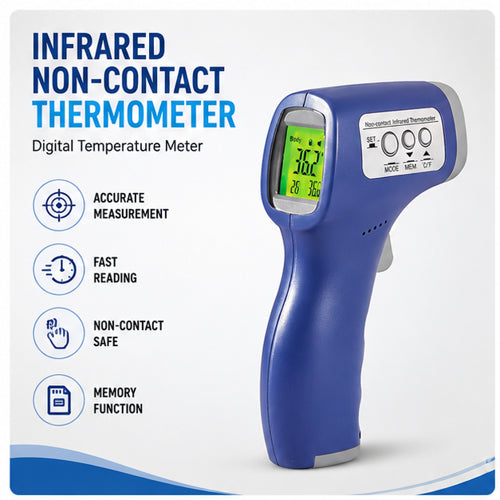
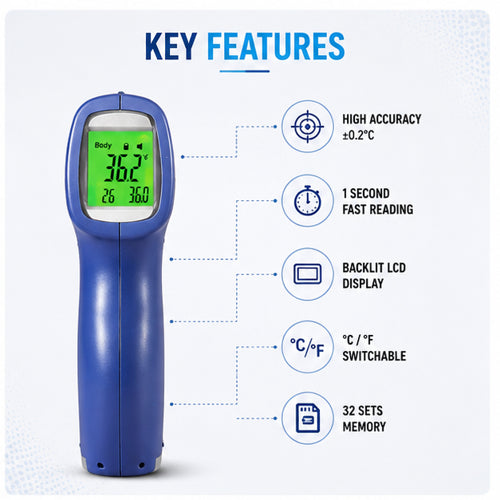

Save 6%
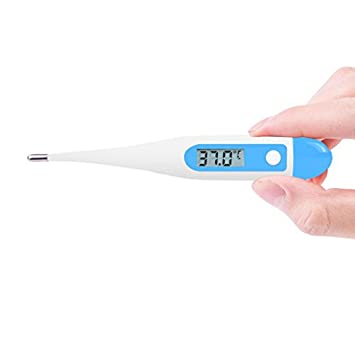

Save 12%
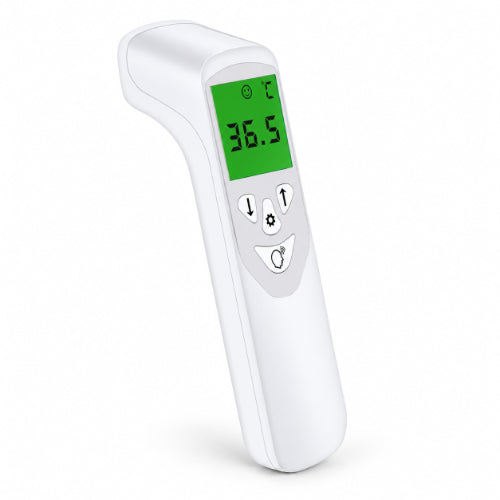

Save 22%

What customers say
★★★★★ 5.0 · 6 reviews
 Infrared Non-Contact Thermometer | Digital Temperature Meter
“It’s incredibly easy to use – just point and click for an instant, accurate reading. The non-contact featur...”
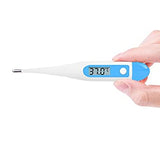 Digital Thermometer Fixed Tip
“The Digital Thermometer Fixed Tip is highly accurate and easy to use. A great tool for quick temperature re...”
“This Digital Thermometer with a fixed tip is a great buy! It’s compact, easy to use, and gives fast, accura...”
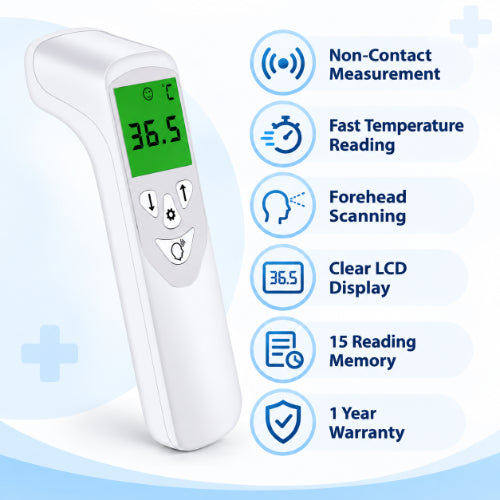
 Non Contact Infrared Thermometer With 1 Year Warranty - Naulakha
“The Naulakha Non-Contact Infrared Thermometer is easy to use, provides instant and accurate readings, and t...”
“I’m very satisfied with the Naulakha Non-Contact Infrared Thermometer! It provides fast and accurate readin...”
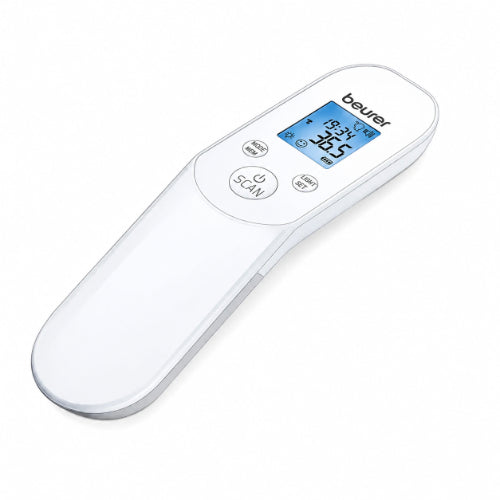
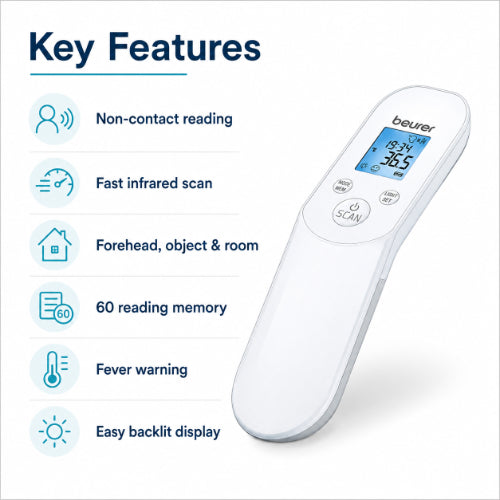
 Beurer FT 85 Clinical Non Contact Thermometer
“This is outstanding! It gives quick and highly accurate temperature readings without any contact, which is ...”
Thermometers – Reliable Temperature Measurement for Healthcare and Everyday Monitoring
Thermometers are important temperature measurement devices used in hospitals, clinics, diagnostic centres, nursing facilities, pharmacies, workplaces, and home healthcare environments. They help users measure body temperature and monitor changes that may require further observation or professional medical attention. Depending on the design, a thermometer may provide a convenient method for routine temperature checks, patient monitoring, family healthcare, or clinical assessment.
The Thermometers category brings together practical temperature measurement solutions for different healthcare requirements. These products can include digital thermometers, electronic thermometers, infrared temperature measurement devices, contact-style thermometers, and other temperature-monitoring solutions. Therefore, buyers can select a suitable thermometer according to the intended application, measurement method, user requirements, and operating environment.
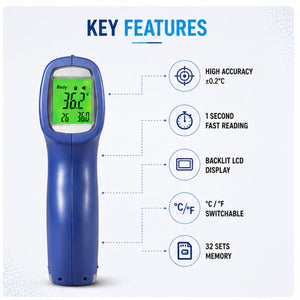
Moreover, modern thermometers are designed with convenience in mind. Depending on the product, features may include digital displays, quick readings, simple controls, compact construction, easy handling, and practical cleaning. As a result, thermometers can support regular temperature checks without requiring complicated procedures. Explore the Infrared Non-Contact Thermometer or the Naulakha Non-Contact Infrared Thermometer to review examples of available temperature-measurement products.
Explore Our Thermometers Category
Choosing the right thermometer depends on where and how you plan to use it. For example, a household may require a simple digital thermometer for routine checks, while a healthcare facility may prefer a device designed for frequent patient monitoring. Similarly, contactless infrared thermometers can offer convenient temperature screening when users want to reduce direct contact during measurement.
Our thermometer category is designed to support different temperature-monitoring needs. Each product should be selected according to its intended use, manufacturer's instructions, measurement method, and applicable healthcare requirements. Furthermore, users should follow the recommended procedure to obtain consistent readings.
Whether you need a thermometer for home healthcare, clinical use, patient observation, workplace screening, or general temperature monitoring, this category provides access to practical temperature measurement solutions. In addition, buyers can compare product design, display type, measurement method, usability, and other listed features before selecting a suitable option. For related clinical equipment, explore Meddey's medical devices collection and medical devices and healthcare equipment.
Types of Thermometers
Thermometers are available in different designs to meet different temperature-monitoring requirements. Understanding the basic differences can help buyers choose a product that matches their intended application.
Digital Thermometers
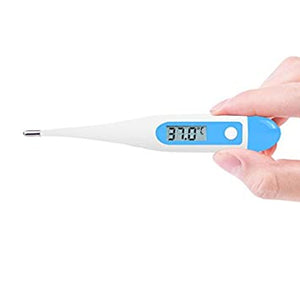
Digital thermometers use electronic sensing technology to measure temperature and display the result on a digital screen. They are commonly used for routine temperature checks because they are compact, convenient, and generally simple to operate. Depending on the model, digital thermometers may support different measurement locations and operating methods.
Digital thermometers use electronic sensing technology to measure temperature and display the result on a digital screen. They are commonly used for routine temperature checks because they are compact, convenient, and generally simple to operate. Depending on the model, digital thermometers may support different measurement locations and operating methods.
Infrared Thermometers
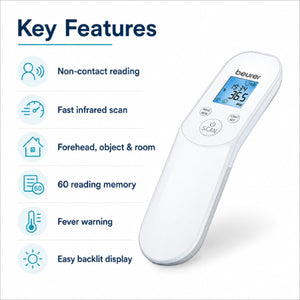
Infrared thermometers measure temperature without requiring the same type of direct contact used by many traditional thermometers. Their contactless design can be useful for quick screening and convenient temperature checks. However, users should maintain the recommended distance and follow the manufacturer's instructions because environmental conditions and incorrect positioning can affect readings. View the Infrared Non-Contact Thermometer with Digital Temperature Meter for a product example.
Infrared thermometers measure temperature without requiring the same type of direct contact used by many traditional thermometers. Their contactless design can be useful for quick screening and convenient temperature checks. However, users should maintain the recommended distance and follow the manufacturer's instructions because environmental conditions and incorrect positioning can affect readings. View the Infrared Non-Contact Thermometer with Digital Temperature Meter for a product example.
Contact Thermometers
Contact thermometers require the sensing portion of the device to be positioned at the recommended measurement site. They can provide a practical solution for routine temperature monitoring when the product instructions specify contact-based measurement. Proper placement and hygiene remain important during repeated use.
Contact thermometers require the sensing portion of the device to be positioned at the recommended measurement site. They can provide a practical solution for routine temperature monitoring when the product instructions specify contact-based measurement. Proper placement and hygiene remain important during repeated use.
Clinical Temperature Measurement Devices
Clinical-use thermometers can support healthcare professionals during routine patient observation and temperature assessment. These products may be selected for hospitals, clinics, nursing facilities, examination rooms, and other supervised healthcare environments according to their intended use and specifications. Facilities comparing different clinical products can also explore the general healthcare equipment collection.
Clinical-use thermometers can support healthcare professionals during routine patient observation and temperature assessment. These products may be selected for hospitals, clinics, nursing facilities, examination rooms, and other supervised healthcare environments according to their intended use and specifications. Facilities comparing different clinical products can also explore the general healthcare equipment collection.
Key Features of Thermometers
- Temperature Measurement: Thermometers help measure body temperature for routine observation and monitoring.
- Digital Display: Many electronic models provide a clear digital display for convenient reading.
- Compact Construction: Portable designs can make temperature checks easier at home, in clinics, or during travel.
- Simple Operation: Many thermometers use straightforward controls that support convenient day-to-day operation.
- Contact and Contactless Options: Different thermometer designs allow users to select a measurement method that suits their requirements.
- Easy Handling: Lightweight and compact designs can support repeated temperature checks.
- Suitable for Different Settings: Depending on the model, thermometers can support home, clinical, institutional, and workplace applications.
- Convenient Monitoring: A thermometer provides a practical way to observe temperature changes over time.
- Hygiene-Friendly Use: Appropriate cleaning and disinfection practices can help maintain safe use of reusable thermometer devices.
- Multiple Product Choices: The category includes different designs so buyers can select products based on application and measurement preference.
For other routine monitoring needs, you can also explore Meddey's pulse oximeters. These devices serve a different purpose by measuring oxygen saturation and pulse rate rather than body temperature.
Thermometer Technical Specifications
Specifications can differ between thermometer models. Therefore, buyers should review the individual product listing before purchase. The following table provides the main specification areas to consider when selecting a thermometer.
| Specification | Details / Selection Consideration |
|---|---|
| Product Category | Thermometers |
| Measurement Purpose | Body temperature monitoring and routine temperature assessment |
| Measurement Method | Varies by model; may include contact or infrared measurement |
| Display | Digital or model-specific display |
| Operation | Product-specific electronic operation |
| Power Source | Depends on the selected thermometer model |
| Application | Home care, clinics, hospitals, healthcare facilities, and routine monitoring |
| User Group | Adults, children, patients, caregivers, and healthcare professionals as applicable to the selected model |
| Cleaning | Follow the manufacturer's cleaning and disinfection instructions |
Because specifications vary between products, always confirm the exact measurement range, accuracy, operating conditions, battery requirements, warranty, accessories, and intended patient group on the individual product page before placing an order. You can review the listed features of the Naulakha infrared thermometer and compare them with the requirements of your intended application.
Benefits of Using Thermometers
Regular temperature monitoring can help users observe changes in body temperature. Therefore, thermometers can become a useful part of routine healthcare and patient observation.
- Supports routine body temperature checks.
- Provides a convenient method for observing temperature changes.
- Compact designs can make storage and transportation easier.
- Digital displays can make readings easier to observe.
- Different measurement methods provide flexibility for different applications.
- Useful for home healthcare and supervised patient monitoring.
- Can support temperature screening in suitable environments.
- Easy-to-use designs can help caregivers perform routine checks.
- Clinical models can support healthcare professionals during patient observation.
- Proper cleaning can support hygienic repeated use of suitable reusable devices.
Temperature checks may be one part of a wider patient observation routine. For additional monitoring equipment, browse the medical devices available at Meddey and select each product according to its specific intended use.
Applications of Thermometers
Thermometers can serve a wide range of temperature-monitoring applications. However, the appropriate use depends on the specific product and its manufacturer's instructions.
Hospitals
Thermometers can support routine patient temperature monitoring in wards, examination areas, recovery areas, and other appropriate hospital settings. Healthcare facilities can explore the medical and healthcare equipment collection for additional equipment options.
Thermometers can support routine patient temperature monitoring in wards, examination areas, recovery areas, and other appropriate hospital settings. Healthcare facilities can explore the medical and healthcare equipment collection for additional equipment options.
Clinics and Doctor's Offices
Healthcare professionals can use suitable thermometers as part of routine patient assessment and general observation.
Healthcare professionals can use suitable thermometers as part of routine patient assessment and general observation.
Home Healthcare
Families and caregivers can use suitable thermometers for routine temperature checks at home while following product instructions. Review the digital infrared thermometer for an example of a contactless temperature measurement product.
Families and caregivers can use suitable thermometers for routine temperature checks at home while following product instructions. Review the digital infrared thermometer for an example of a contactless temperature measurement product.
Nursing Facilities
Temperature monitoring can form part of routine patient observation in nursing homes and supervised care environments.
Temperature monitoring can form part of routine patient observation in nursing homes and supervised care environments.
Diagnostic and Healthcare Centres
Appropriate thermometer models can assist with basic temperature assessment during healthcare visits and patient observation. Related products are available in the general equipment collection.
Appropriate thermometer models can assist with basic temperature assessment during healthcare visits and patient observation. Related products are available in the general equipment collection.
Workplace and General Screening
Suitable non-contact thermometer designs may support temperature screening where such screening is appropriate and permitted by workplace procedures. Users should follow the instructions for the selected non-contact infrared thermometer.
Suitable non-contact thermometer designs may support temperature screening where such screening is appropriate and permitted by workplace procedures. Users should follow the instructions for the selected non-contact infrared thermometer.
How to Choose the Right Thermometer
Selecting a thermometer becomes easier when you first identify the intended use. For example, a family looking for a basic temperature-monitoring device may prefer a simple digital thermometer. On the other hand, a healthcare facility that requires quick screening may consider an infrared model when its use matches the facility's requirements.
First, consider the measurement method. Decide whether you need a contact or contactless device. Each method has different handling requirements, so always follow the manufacturer's instructions.
Next, consider the intended user. Some thermometers are designed for general home use, while others may have features intended for clinical environments. Therefore, check the stated intended use before purchase.
Also, check the display and operation. A clear display and simple controls can make routine temperature checks more convenient, especially when caregivers need to take repeated readings.
Finally, review the product specifications. Check the measurement range, accuracy, battery type, operating conditions, cleaning requirements, warranty, included accessories, and other product-specific details before ordering. Compare the product information for the Infrared Non-Contact Thermometer and the Naulakha infrared thermometer where relevant.
By considering these factors together, buyers can select a thermometer that better matches their practical temperature-monitoring needs.
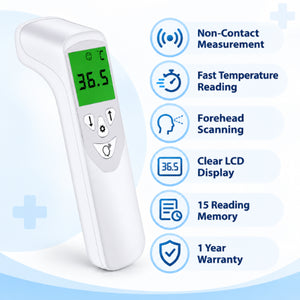
How to Use a Thermometer
Correct technique plays an important role in obtaining a useful temperature reading. The exact procedure varies according to the thermometer type, so users should always read the manufacturer's instructions first.
- Prepare the Device: Check the thermometer before use. Make sure it is clean, intact, and ready for operation.
- Switch On the Thermometer: Turn on the device according to the manufacturer's instructions and confirm that the display functions correctly.
- Choose the Correct Measurement Method: Follow the specified measurement site and technique for the selected thermometer.
- Position Correctly: Place or aim the thermometer according to the instructions. Incorrect positioning can affect the reading.
- Wait for the Result: Allow the device to complete the measurement according to its operating instructions.
- Read the Display: Observe the temperature shown on the device.
- Record the Result if Required: For patient monitoring, recording readings can help healthcare professionals observe temperature changes over time.
- Clean and Store the Device: Follow the manufacturer's instructions for cleaning, disinfection, and storage after use.
Tips for Consistent Temperature Measurement
Several practical factors can influence temperature readings. Therefore, users should maintain a consistent measurement technique whenever possible.
- Read the manufacturer's instructions before using the thermometer.
- Use the recommended measurement site and technique.
- Keep the device clean and properly maintained.
- For infrared models, follow the recommended measurement distance and positioning.
- Avoid using a damaged thermometer.
- Check battery condition when the device shows low-power warnings or behaves unexpectedly.
- Use the same measurement method when comparing readings over time.
- Allow the device to operate within the environmental conditions specified by the manufacturer.
- Clean reusable components according to the recommended procedure.
- If a reading appears unusual or does not match the person's condition, repeat the measurement correctly and seek professional advice when appropriate.
Care, Cleaning and Maintenance
Regular care can help maintain the condition and usability of a thermometer. However, cleaning methods vary between models. Therefore, users should follow the manufacturer's instructions instead of applying unsuitable cleaning agents or methods.
- Keep the thermometer clean and dry when not in use.
- Clean contact surfaces according to the manufacturer's recommendations.
- Do not immerse electronic components unless the product specifically permits it.
- Avoid using harsh chemicals that the manufacturer does not recommend.
- Store the thermometer in a clean and protected location.
- Replace batteries according to the product instructions.
- Check the thermometer for visible damage before use.
- For healthcare facilities, follow the organisation's infection-control and equipment-cleaning procedures.
Why Choose Thermometers from Meddey?
Meddey provides a broad range of healthcare, medical, physiotherapy, diagnostic, and patient-care products for professional and home healthcare requirements. The Thermometers category is designed to make temperature-monitoring products easier to explore according to different use cases.
Furthermore, buyers can compare individual product specifications and select a thermometer based on measurement method, intended use, design, features, and other listed details. This approach helps customers choose products that match their practical requirements. You can also explore general healthcare equipment and medical devices for other clinical needs.
Whether you need a thermometer for routine home monitoring, clinical temperature checks, patient observation, or suitable screening applications, review the individual product information carefully before purchasing.
Thermometer Buying Guide
Before purchasing a thermometer, consider the environment where you will use it and the type of temperature monitoring you need. A home user may value simple operation and compact storage, while a clinic may focus more on repeated use, cleaning requirements, and suitability for patient assessment.
In addition, consider whether you need a contact or contactless measurement method. Contactless models may provide convenient screening, while contact models may suit situations where the product instructions specify direct measurement.
The display is another useful consideration. A clear digital display can make the result easier to read. Similarly, simple controls can help caregivers perform measurements without unnecessary complexity.
Battery requirements also matter. Check the required battery type and replacement procedure before purchase. If the thermometer will be used frequently, consider the manufacturer's information about power management and operating requirements.
Finally, always check the individual product page for exact specifications. Product dimensions, measurement range, accuracy, response time, accessories, warranty, and intended use can differ between models. Review Meddey's Infrared Non-Contact Thermometer or Naulakha Non-Contact Infrared Thermometer for model-specific information.
Important Safety and Medical Note
A thermometer provides a temperature measurement, but a temperature reading alone does not establish a medical diagnosis. Users should consider the person's symptoms, overall condition, medical history, and professional advice when interpreting a reading.
If a person has concerning symptoms, appears seriously unwell, or has a temperature reading that causes concern, contact an appropriate healthcare professional. For children, infants, older adults, or people with significant medical conditions, seek professional guidance when the situation requires it.
Always use the thermometer according to its intended purpose and manufacturer's instructions. Do not modify the device, use damaged components, or rely on an unsuitable measurement method. For other forms of monitoring, such as oxygen saturation and pulse rate, see the pulse oximeter collection; these devices measure different parameters and are not substitutes for a thermometer.
Frequently Asked Questions About Thermometers
What is a thermometer used for?
A thermometer measures temperature. In healthcare, it commonly helps users monitor body temperature during routine observation, home care, clinical assessment, and other suitable applications.
What types of thermometers are available?
Different thermometer designs are available, including digital contact thermometers and infrared contactless thermometers. The exact options depend on the product range and intended application. Examples include the Infrared Non-Contact Thermometer and the Naulakha infrared thermometer.
Are digital thermometers suitable for home use?
Many digital thermometers are designed for convenient routine temperature monitoring. However, users should check the individual product's intended use and instructions before purchase.
What is an infrared thermometer?
An infrared thermometer uses infrared sensing technology to measure temperature without the same type of direct contact required by many contact thermometers. Correct distance and positioning remain important.
Can a thermometer be used for children?
Some thermometer models are suitable for children, but suitability depends on the product design, measurement method, age group, and manufacturer's instructions. Always select a model intended for the relevant user group.
How should a thermometer be cleaned?
Cleaning requirements depend on the thermometer model. Follow the manufacturer's cleaning and disinfection instructions and avoid exposing electronic components to unsuitable liquids.
How do I choose a thermometer for a clinic?
Consider the intended clinical application, measurement method, frequency of use, cleaning requirements, display, power source, product specifications, and manufacturer instructions. Also confirm that the selected model suits the intended patient group and environment. You can explore related products in Meddey's medical devices collection.
Where can thermometers be used?
Depending on the model, thermometers can be used in homes, clinics, hospitals, nursing facilities, healthcare centres, workplaces, and other suitable environments for temperature monitoring.
Explore Thermometers Online
Explore the Thermometers category to find temperature measurement solutions for home healthcare, clinical environments, patient observation, and other suitable applications. Compare the available products according to their measurement method, design, features, specifications, and intended use.
You can review the Infrared Non-Contact Thermometer and the Naulakha Non-Contact Infrared Thermometer for examples of available products.
Before placing an order, review the individual product information carefully and confirm the exact specifications, accessories, warranty, and usage instructions for the selected thermometer.
Important Product Information
Thermometer specifications can vary by model. Therefore, always refer to the individual product listing and manufacturer's instructions for exact measurement range, accuracy, operating procedure, cleaning method, power requirements, intended use, warranty, and other technical information. This category description provides general product information and does not replace professional medical advice or product-specific instructions. For related healthcare equipment, explore the general equipment collection or the medical devices and healthcare equipment collection.
Explore Medical Collections
All Categories
Abdominal & Maternity Support

Accessories

Accu-Chek Instant Strips: Use, Compatibility, Price & Blood Sugar Testing Guide
Accu-Chek Instant Strips: Uses, Features & Complete Guide

accupuncture

Acupuncture Needles & Supplies

Advanced Physiotherapy Machines & Lumbar Physiotherapy

Airways

Ambulance

Anatomy Models
Anesthesia Machine

Anesthesia Products
Ankle Support for Home Use: Braces, Sleeves & Walker Boots
Ankle Weights & Exercise Weights for Home & Rehab

Anti-Bedsore Air Mattresses
You may also need
FOR YOURecommended for you
Save 23%
Save 6%
Save 12%
Save 22%