


Featured ChoiceSave 22%

Save 33%

Save 8%


Save 30%

Save 18%
Save 12%

Save 28%


Save 23%

Save 50%



Save 50%

Save 50%

Save 52%


Save 30%

Sold out
What customers say
★★★★★ 5.0 · 58 reviews
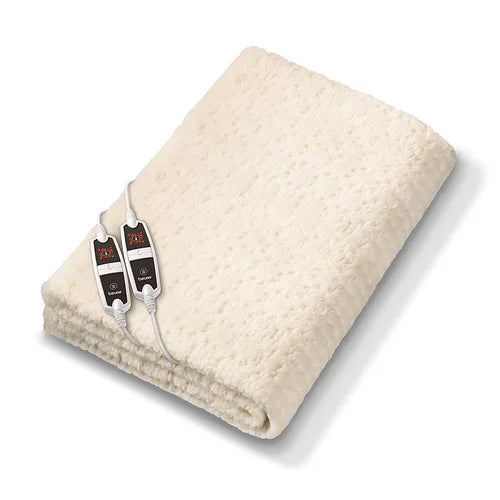
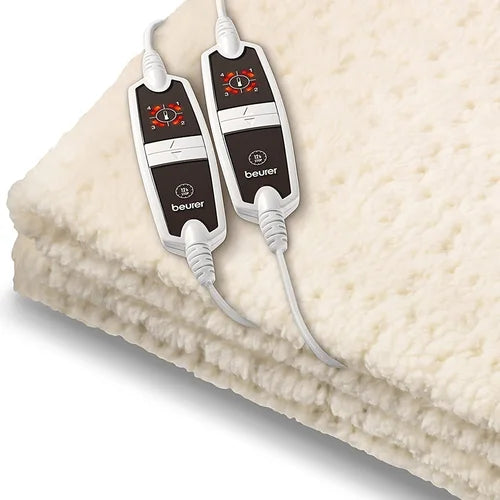
 Beurer Full Mattress Heating Blanket
“With multiple heat settings and overheat protection, this blanket is safe and easy to use. The automatic sh...”
“The Beurer Full Mattress Heating Blanket provides even, consistent warmth, perfect for cold nights and wint...”
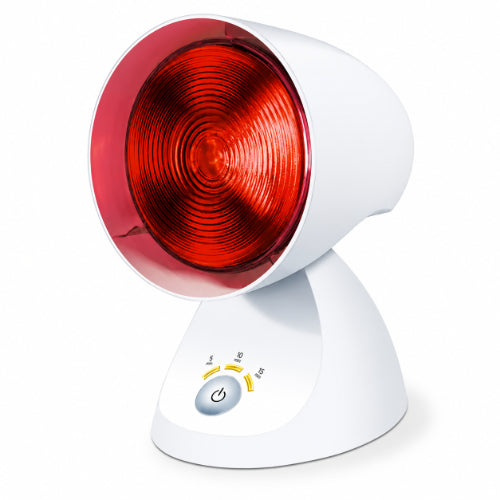
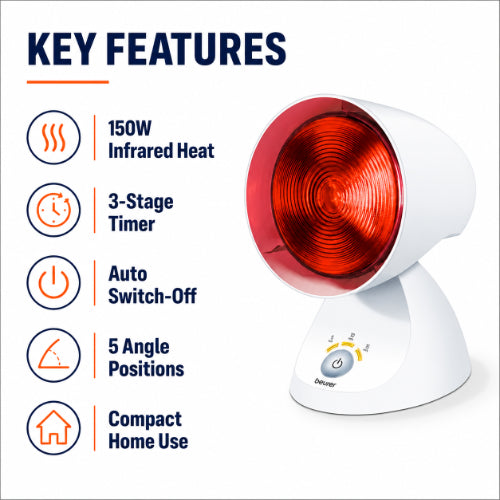
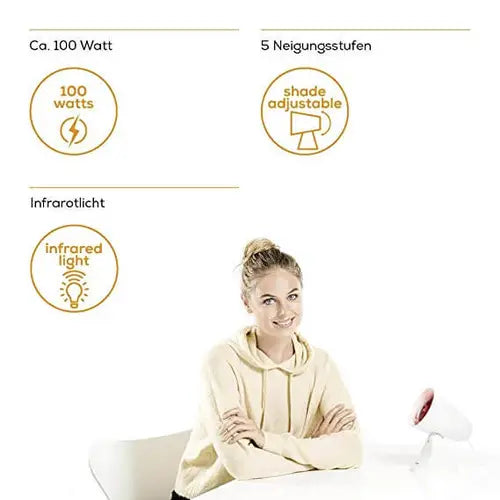
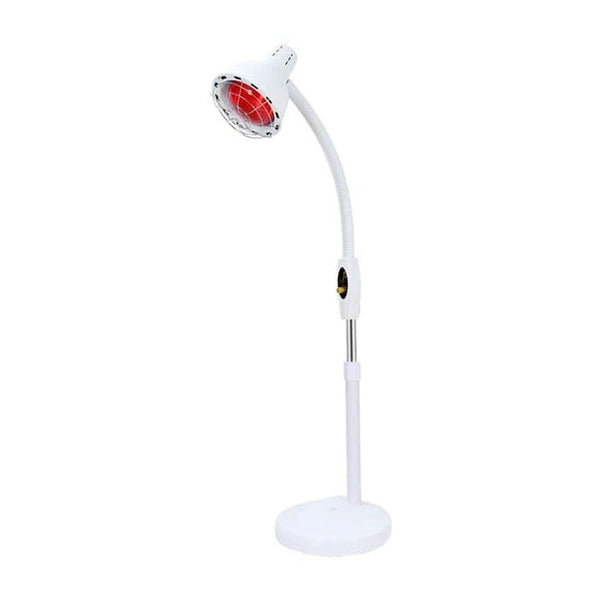
 Beurer IL35 Infrared Heat Lamp 150W with 3-Stage Timer
“Lightweight, adjustable angles, and powerful heating make this a great choice for pain relief and wellness.”
“This infrared lamp delivers deep heat penetration, perfect for muscle relaxation and improved circulation. ...”
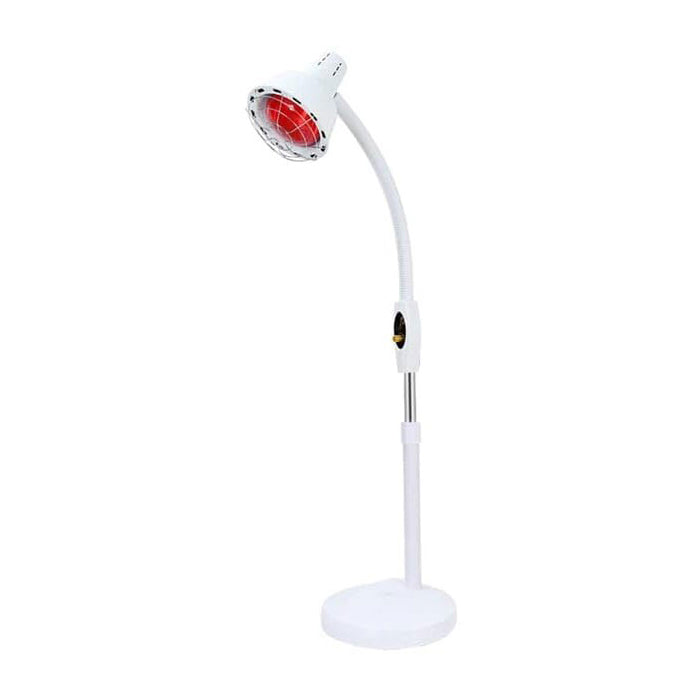
 Beurer Deep Penetration Infrared Heat Lamp
“This infrared heat lamp is easy to use, well-designed, and delivers consistent warmth. Perfect for soothing...”
“The Beurer Deep Penetration Infrared Heat Lamp works wonders for muscle pain, joint stiffness, and sinus re...”
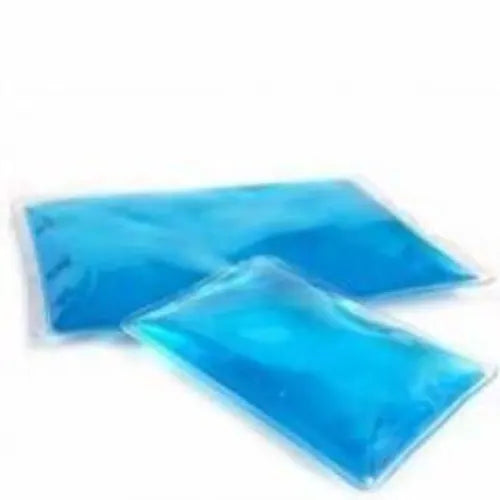
 Hot and Cold Gel Pack
“Lightweight, comfortable to use, and retains temperature well. Ideal for back pain, swelling, and post-work...”
“This gel pack is flexible, durable, and provides instant relief whether used hot or cold. A must-have for s...”
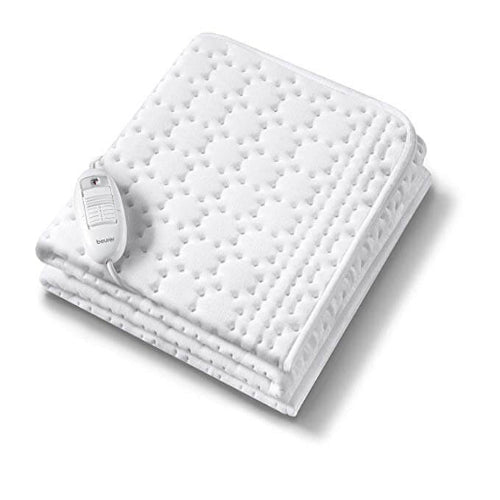
 Beurer Heating Blanket Single Bed
“Say goodbye to cold beds! This fast-heating, comfortable blanket keeps you warm all night. Highly recommend...”
“Made from breathable, skin-friendly material, this blanket is durable and machine washable, ensuring long-l...”
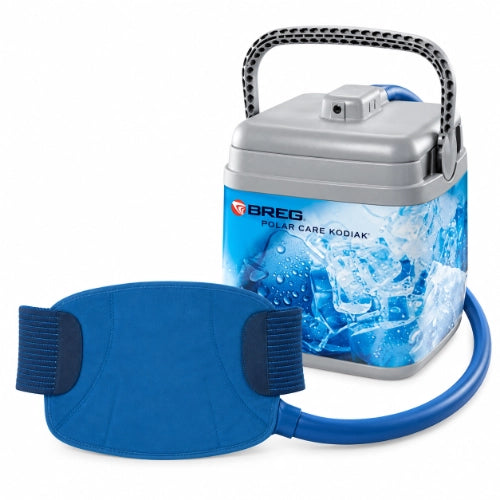
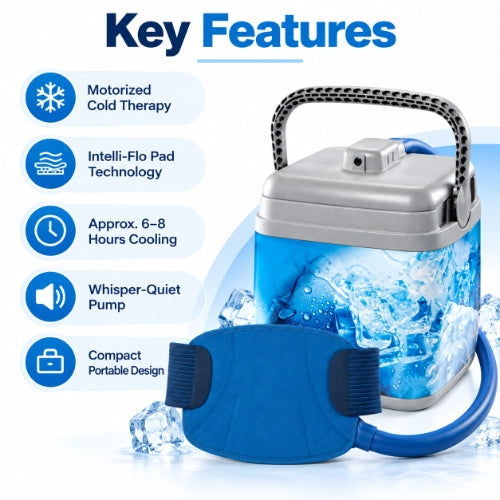
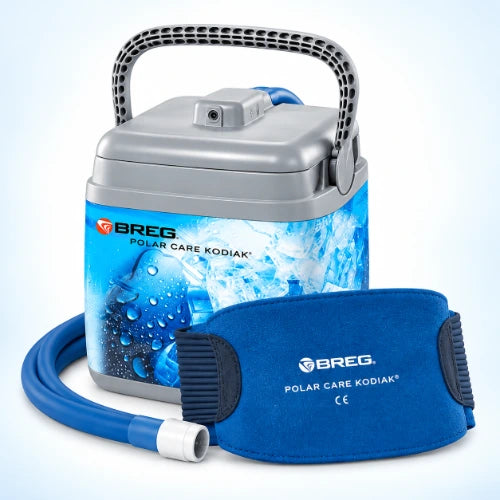
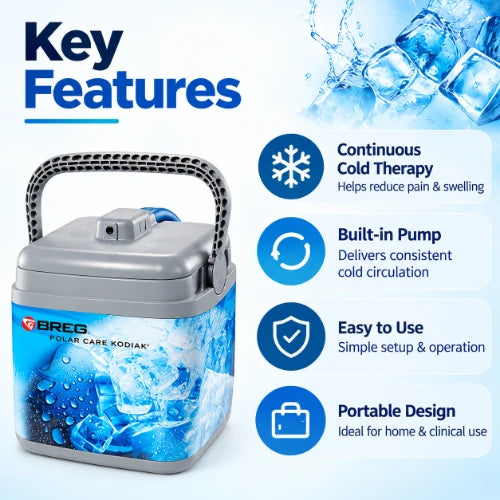
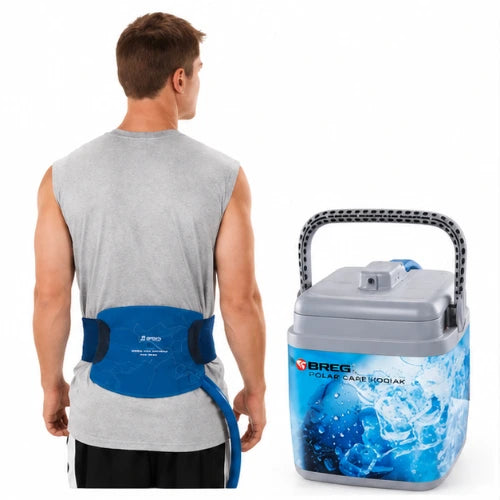
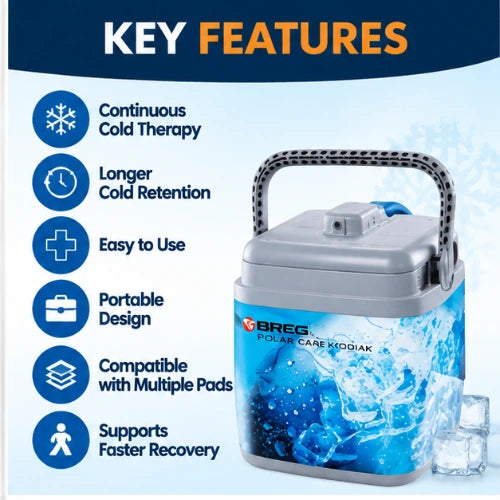
 Polar Care Kodiak® Ice Machine – Motorized Cold Therapy System
“With its easy-to-use design and long-lasting ice retention, this machine is perfect for reducing inflammati...”
“This ice therapy machine is lightweight, quiet, and delivers excellent cooling performance. The wrap-around...”
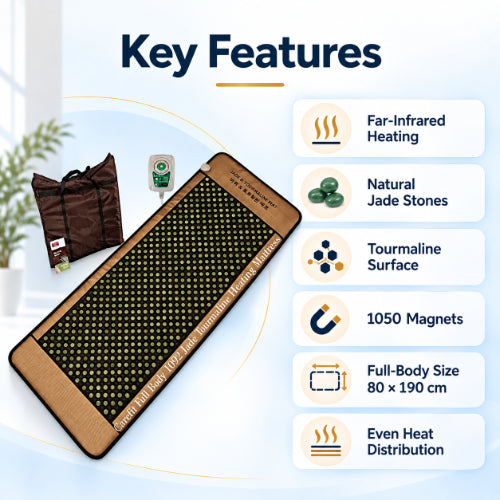
 Infrared Natural Jade and Tourmaline Heating 1050 Magnets
“Soft yet sturdy, this heating pad is lightweight, flexible, and easy to set up. Ideal for back pain, should...”
“With 1050 built-in magnets, this pad combines infrared heat and magnetic therapy to promote better circulat...”
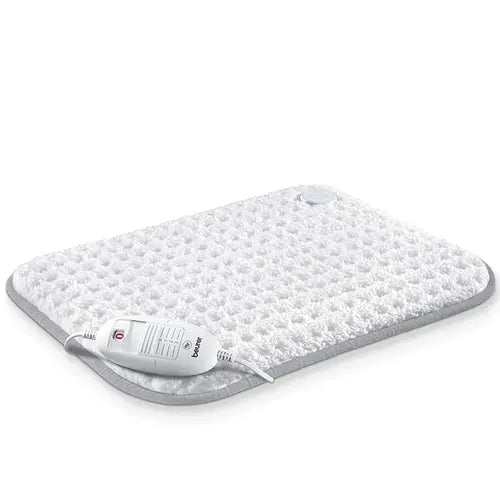
 Beurer Super Fluffy Heat Pad with 3 Temperature Settings
“This heat pad is lightweight, easy to clean, and heats up fast. A must-have for winter, muscle relief, and ...”
“The super fluffy fabric feels great on the skin, and the heat distributes evenly. A great companion for coz...”
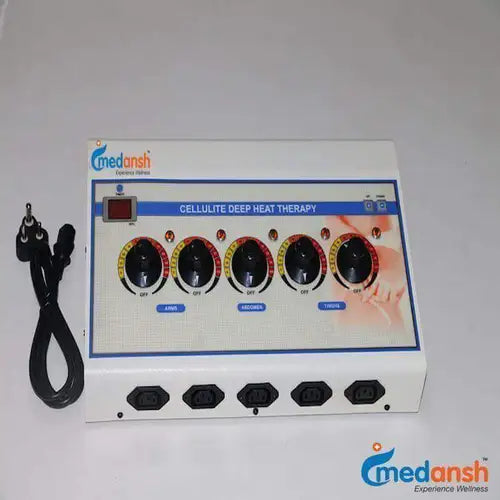
 Medansh DEEP HEAT THERAPY
“This deep heat therapy machine is easy to use, heats up quickly, and delivers effective warmth. Ideal for p...”
“The Medansh Deep Heat Therapy device is perfect for sore muscles, joint pain, and stiffness. The heat penet...”
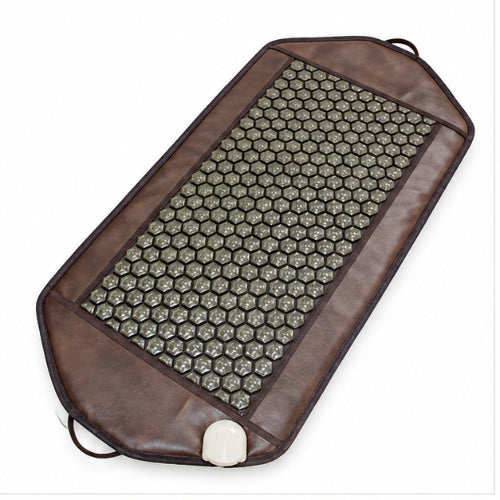
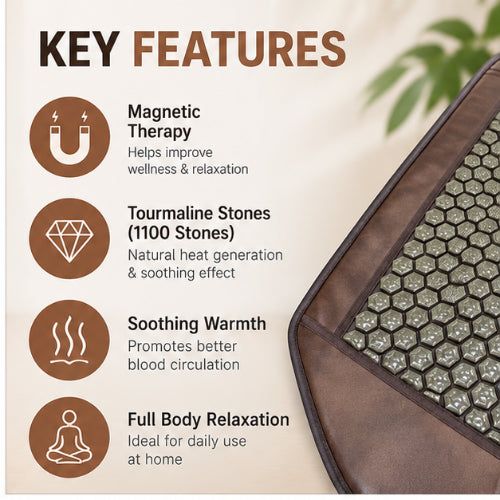
 Magnetic Tourmaline Massage Mattress with 1100 Stones
“A great investment for health and wellness, this mattress helps with detoxification, pain relief, and impro...”
“Soft, lightweight, and easy to set up, this massage mattress delivers soothing comfort while lying down. Id...”
Ice Pack & Hot Cold Therapy Products for Home
Ice Pack for Pain and Swelling: Types, Uses & Buying Guide
Ice pack use is one of the simplest home steps for short-term pain and swelling after a bump, strain, sprain, flare-up, or overuse. The right ice pack can cool the sore area, numb discomfort, and help you rest more comfortably while your body settles down. This guide explains the main types, how to use an ice pack safely, when heat may be better, and what to look for when buying one for home use.
Consult your doctor or physiotherapist before using any ice pack, hot cold pack or heat product.
Cold and heat are helpful tools, but they are not a full treatment plan for serious injuries. If pain is severe, swelling is sudden or spreading, the area looks deformed, you cannot bear weight, or symptoms do not improve, it is best to contact a healthcare professional.
Can ice packs help with swelling?
Yes, ice packs can help with swelling, especially soon after a minor injury or after overusing a joint or muscle. Ice therapy narrows blood vessels for a short time, slows fluid buildup, and numbs the area so pain feels less sharp. Mayo Clinic recommends ice packs for sprains for 15 to 20 minutes at a time, repeated during the first 48 hours or until swelling goes down. (mayoclinic.org)
An ice pack for swelling is most useful when the area is puffy, warm, sore, or recently injured. Think of a twisted ankle, a bumped knee, a sore wrist after gardening, or swelling after a long walk. Cold is also often used during a joint flare, because it may calm pain and swelling without adding warmth to an already irritated area. The Arthritis Foundation notes that ice therapy is commonly best for pain and swelling after exercise, during a flare, or in the first 48 to 72 hours after an injury. (arthritis.org)
Cold is not magic, though. It does not “heal” a torn ligament or fix a serious injury by itself. It is a comfort and swelling-control tool. For many minor aches, it works best with rest, gentle movement when safe, compression, elevation, and good judgment.
What an ice pack is and how it works
An ice pack is a cold item placed on a sore body part to lower skin and tissue temperature for a short time. It may be a frozen gel ice pack, a bag filled with ice cubes, a flexible reusable ice pack, a cold wrap, or even a bag of frozen vegetables wrapped in a towel. The goal is controlled cooling, not freezing the skin.

When you place an ice pack for pain on an injured or irritated area, it can reduce pain signals and slow swelling for a while. This is why many people reach for an ice pack for knee soreness after a twist, an ice pack for back pain after a strain, or an ice pack bag for a larger area like the shoulder or thigh. The cooling effect is temporary, so people usually use it in short sessions rather than leave it on for a long time.
The most important point is safety. Cold should feel cool, then very cold, and sometimes slightly numb. It should not burn, sting badly, or make the skin look white, gray, blistered, or waxy. Cleveland Clinic warns that ice or cold packs placed directly on skin can lead to cold injury, including frostnip or frostbite. (my.clevelandclinic.org)
Common types of ice pack for home use
Different ice packs work better for different body parts and situations. A small ice pack that fits the wrist may not cover the lower back well. A large rigid one may cool strongly but feel awkward around a knee. Choosing the right shape and material makes ice therapy easier to use and safer to repeat.

Gel ice pack
A gel ice pack is one of the most common choices for home care. It contains a gel-like filling inside a sealed pouch. Many gel ice packs stay flexible after freezing, so they can mold around curved areas such as the knee, ankle, shoulder, elbow, or neck.

A gel ice pack is useful when you want even contact without sharp ice cubes pressing into the skin. It is also less messy than a plastic bag of ice. Some are made only for cold use, while others are marked as safe for both heat and cold. Always check the product instructions before microwaving or heating any product.
Reusable ice pack
You freeze a reusable ice pack, use it, and freeze it again. This is a practical choice if your household often deals with sports soreness, mild strains, headaches, joint aches, or post-exercise swelling. Reusable ice packs can also save freezer space compared with keeping loose bags of ice.
The main benefit is convenience. You can keep one or two in the freezer, ready for the next sore knee, ankle, or back. If you use ice therapy often, consider buying more than one so a fresh one is ready while another is warming up after use.
Hot cold pack
A hot cold pack, sometimes called a hot and cold therapy pack, is designed for both cooling and warming. You freeze it when you need ice therapy and warm it according to the instructions when you need heat. This type can be helpful if your pain changes from swollen and sharp to stiff and achy over time.
For example, you might use cold in the first day or two after a minor strain, then later use gentle heat for tight muscles once swelling has settled. A hot cold pack is also useful for homes that do not want separate products for every need. Just be careful to follow heating instructions exactly, because overheated gel can burn skin.
Wraps and strap-on ice packs
Wrap-style ice packs use straps, sleeves, or fabric pockets to hold the ice pack in place. They are especially handy for joints because they stay put while you rest on the sofa, sit at a desk, or elevate a leg. Many people like a wrap-style ice pack for knee swelling because it covers the joint and does not slide off as easily as a loose one.
Wraps may also offer light compression, depending on the design. That can feel supportive, but it should never be tight enough to cause tingling, numbness, throbbing, or color change in the fingers or toes. If a wrap feels too tight, loosen it right away.
Ice pack bag
An ice pack bag is a refillable bag that you add ice and sometimes water to. It is a simple, old-style option that can work well for larger areas. Some people like it because they can control the amount of ice and empty it after use.
The downside is that it can leak if not closed well, and it may feel heavier or less flexible than a gel ice pack. Use a cloth barrier with it, just as you would with any ice pack. Never place a cold ice bag directly on bare skin.
Ice pack uses for common aches
You can use an ice pack on many parts of the body, as long as you protect the skin and the problem suits ice therapy. The goal is not to make the area painfully cold. The goal is short, steady cooling that helps calm pain and swelling.
Common home uses include:
- Sprains and strains: Cold often helps in the first 24 to 48 hours after mild ankle, wrist, or muscle injuries.
- Bumps and bruises: A wrapped ice pack may reduce soreness and swelling after a minor knock.
- Knee swelling: An ice pack for knee pain can help after overuse, a minor twist, or a flare that leaves the joint warm and puffy.
- Back soreness: An ice pack for back pain may help after a fresh strain or after activity that causes sharp, irritated pain.
- Post-exercise soreness: Cold may be useful when a joint feels swollen or inflamed after a workout.
- Headaches or facial discomfort: A small ice pack can feel soothing for some people, but avoid strong pressure and protect the skin.
Cold is often best when pain is new, sharp, warm, or swollen. Heat is often better when pain feels stiff, tight, or crampy without swelling. If you are unsure, start gently, pay attention to how your body reacts, and stop if symptoms worsen.
How to use an ice pack safely
Using an ice pack is simple, but small mistakes can cause skin irritation or cold injury. The safest method is to use short sessions, a barrier cloth, and regular skin checks. Cleveland Clinic recommends using a barrier, such as a washcloth or layers of paper towel, between the ice pack and skin, and keeping most icing sessions to no more than 20 minutes. (health.clevelandclinic.org)

Follow these basic steps:
- Check the skin first. Do not apply cold over open wounds, skin infection, rash, or areas that already feel numb.
- Wrap it. Place a thin towel, cloth, or cover between the ice pack and your skin.
- Set a timer. Use cold for 10 to 20 minutes, depending on the area and your comfort.
- Watch the skin. Remove it if the skin becomes very pale, blotchy, painful, or numb in an unusual way.
- Let the skin warm again. Wait at least one to two hours before another session unless your clinician gave different instructions.
- Combine with rest and elevation. For swelling, raising the area can help fluid drain while the cold calms discomfort.
Do not fall asleep with an ice pack on. This is one of the easiest ways to leave cold on too long. If you are tired, set an alarm or ask someone nearby to check on you.
How long should you keep an ice pack on?
For most minor aches and injuries, keep an ice pack on for about 10 to 20 minutes at a time. Mayo Clinic gives a common range of 15 to 20 minutes for sprains, while Cleveland Clinic notes that the maximum icing time generally should not go past 20 minutes. (mayoclinic.org)
Smaller or bony areas, such as fingers, toes, ankles, elbows, and knees, may need the shorter end of that range. Larger, more muscular areas, such as the thigh or lower back, may tolerate closer to 20 minutes. Children, older adults, and people with sensitive skin may also need shorter ice pack sessions.
A simple rule for home use is: cool, do not freeze. If the area feels painfully cold or numb in a way that worries you, stop early. More time is not always better, and too much cold can irritate the skin or slow comfort instead of helping it.
How often can I use an ice pack in a day?
You can often use an ice pack several times a day for a minor injury, as long as you leave enough time between sessions and your skin returns to normal. Mayo Clinic describes icing a sprain for 15 to 20 minutes, 4 to 8 times a day during the first 48 hours or until swelling improves. (mayoclinic.org)
For everyday home use, many people do well with a session every two to three hours during the early stage of swelling. Cleveland Clinic also advises spacing 20-minute icing sessions at least one to two hours apart. (health.clevelandclinic.org)
Do not keep reapplying an ice pack if the skin stays numb, red, pale, or sore from the last session. Also, do not use frequent icing to push through a serious injury. If you cannot walk, grip, bend, or move normally after a reasonable rest period, get medical advice.
Ice therapy and hot and cold therapy timing
Hot and cold therapy works best when you match the temperature to the problem. An ice pack usually suits swelling and new irritation. Heat usually suits stiffness, tight muscles, and older aches without swelling.
Here is a simple way to decide:
| Situation | Better first choice | Why it may help |
|---|---|---|
| New sprain, strain, bump, or bruise | Ice pack | Helps numb pain and limit swelling |
| Warm, puffy, irritated joint | Ice pack | Helps calm swelling and discomfort |
| Stiff back or neck without swelling | Heat | Helps relax tight muscles |
| Morning joint stiffness | Heat | Helps the area feel looser |
| Pain after overdoing activity yesterday with swelling | Cold first | Swelling usually responds better to cold |
| Ongoing ache with no swelling | Heat or gentle movement | Warmth may reduce stiffness |
The Arthritis Foundation says heat can help relax stiff joints, while cold is a better choice for sudden swelling and redness from overuse. (arthritis.org) This is why a hot cold pack can be useful: one product can support both sides of home comfort care.
Is ice or heat better for pain?
Ice is usually better for new pain with swelling, warmth, bruising, or sharp irritation, while heat is usually better for stiffness, muscle tightness, and long-lasting aches without swelling. In simple terms: use cold to calm things down and use heat to loosen things up.

For example, if your knee is swollen after a twist, an ice pack for knee swelling is usually the better first choice. If your lower back feels stiff the morning after yard work and there is no swelling or fresh injury, gentle heat may feel better. If pain gets worse with either one, stop and switch approaches or ask a professional for advice.
Avoid heat on a fresh injury that is still swelling, because warmth can increase blood flow and may make swelling feel worse. Avoid cold on areas with poor feeling or poor circulation unless a clinician says it is safe. Neither ice nor heat should be painful.
When should you use a hot pack instead of an ice pack?
Use a hot pack instead of an ice pack when the main problem is stiffness, muscle tension, or an older ache that is not swollen, red, or hot to the touch. Heat can help the body feel more relaxed and may make gentle movement easier.


You may use a hot water bag, warm towel, or heating pad briefly for this kind of stiffness, but they should be warm, not scalding. Like cold, heat works best in short sessions. The Arthritis Foundation notes that heat can help warm joints and ease stiffness, and its guidance also mentions applying heat for no more than 15 to 20 minutes at a time. (arthritis.org)
Do not use heat if the area is swollen, newly injured, numb, or inflamed. Also avoid falling asleep with heat on your body. Burns can happen quickly when skin is exposed to heat for too long.
Ice pack for knee, back, shoulder, and ankle pain
Different body parts need different ice pack shapes. One that works well on the ankle may not be wide enough for the lower back. A wrap that fits the knee may not sit well on the shoulder. Matching the ice pack to the body area makes home care easier and more comfortable.
Ice pack for knee pain and swelling
For the knee, choose a flexible gel ice pack or wrap that bends around the joint. A strap-on wrap can be helpful because the knee is curved and moves easily. If swelling is around the front of the knee, cover the front and sides without pulling the straps too tight.
Sit or lie down while icing the knee. If swelling is present, raise the leg on pillows so the knee is supported. Avoid placing a heavy one directly on the kneecap for too long, especially if the area is bony or tender.
Ice pack for back pain
For back pain, a larger flat one often works better than a small one. Use cold when the pain feels fresh, sharp, or irritated after a strain. Place a towel-covered ice pack against the sore area while lying down or sitting with support.
Cold may not be the best choice for all back pain. If your back mainly feels stiff or tight, gentle heat may help more. If back pain travels down the leg, causes numbness, weakness, bladder or bowel changes, or follows a serious fall, seek medical care rather than relying on an ice pack.
Ice pack for shoulder, elbow, wrist, and ankle
For the shoulder, a flexible ice pack or wrap is often easiest because the area is rounded. For the elbow, wrist, or ankle, a smaller gel ice pack may fit better. An ice pack bag can work, but it may feel bulky on small joints.
With ankles and wrists, be extra careful about skin checks because these areas are bony and may cool quickly. Use a thin towel and shorter sessions if needed. If swelling is heavy or movement is very limited, get checked for a sprain, fracture, or other injury.
Ice pack safety tips for home users
Ice therapy is common, but you should still treat it with care. The biggest mistake is putting an ice pack directly on skin or leaving it on too long. Cleveland Clinic advises removing it if tingling, redness, or pale skin appears, because those can be signs that the cold is too much. (health.clevelandclinic.org)
Use this safety checklist each time:
- Always use a barrier. A towel, cloth cover, or thin fabric layer helps protect the skin.
- Do not press too hard. Cold plus pressure can irritate skin and nerves.
- Check every few minutes. Look for unusual redness, paleness, blotching, blisters, or numbness.
- Keep sessions short. Most home sessions should stay within 10 to 20 minutes.
- Avoid broken skin. Do not place ice over cuts, burns, infected skin, or open wounds.
- Do not sleep with cold on. You may not notice early warning signs while asleep.
- Stop if pain increases. Cold should soothe or numb, not create strong burning pain.
- Use clean covers. Wash reusable sleeves or towels, especially after sweaty workouts.
If your skin does get too cold, remove the ice pack and let the area warm gradually. Do not rub the skin hard. If blisters, severe pain, lasting numbness, or strange skin color appears, seek medical help.
Who should avoid ice therapy?
Some people should avoid ice therapy or use it only with medical guidance. This includes people with poor circulation, reduced skin feeling, certain nerve problems, or conditions that make cold exposure risky. NHS-related patient guidance commonly warns against ice use when the area is numb, when there are bleeding or weeping wounds, with diabetes, or with circulation problems. (royalwolverhampton.nhs.uk)
Be cautious with ice packs if you have:
- Diabetes, especially if you have numbness or nerve damage in the feet or hands
- Poor circulation or blood vessel problems
- Raynaud’s disease or strong cold sensitivity
- Numbness, tingling, or reduced feeling in the area
- Fragile skin, thin skin, or a history of cold injury
- Open wounds, skin infection, or recent skin treatment in the area
- Trouble communicating pain or temperature changes
- A young child or older adult who may be more sensitive to cold
If you are unsure whether cold is safe for you, ask a clinician. This is especially important if you have a long-term health condition or if the pain is related to surgery, a fracture, or a serious injury.
How to choose the best ice pack for pain and swelling
The best ice pack for pain and swelling is the one that fits the body part, stays cold long enough, feels comfortable, and is easy for you to use safely. You do not always need the most expensive option. A simple reusable ice pack may be enough for most homes.

Before buying, think about how you will use it:
- Body area: Choose small ones for wrists and ankles, medium ones for knees and shoulders, and larger ones for the back or thigh.
- Flexibility: Flexible gel ice packs mold better around joints than hard plastic blocks.
- Cover or sleeve: A built-in fabric cover can make safe use easier.
- Straps: Wraps are helpful for knees, elbows, and shoulders because they hold it in place.
- Hot and cold use: A hot cold pack is useful if you want one item for both ice therapy and heat therapy.
- Freezer time: Check how long it takes to freeze and how long it stays cold.
- Durability: Look for strong seams if you plan to use it often.
- Cleaning: A wipe-clean surface or washable cover is helpful for sports, travel, or shared family use.
For a general family first-aid drawer, a good setup is one small flexible gel ice pack, one medium reusable ice pack, and one larger one for the back or thigh. If someone in the home plays sports or has frequent knee problems, add a wrap-style ice pack for knee use.
How do reusable gel packs work?
Reusable gel packs work by using a sealed gel filling that holds cold after being placed in the freezer. The gel cools down, stores that cold, and slowly releases it when placed against the body through a cloth barrier. Many stay bendable when frozen, which helps them sit more comfortably on joints.
Some can also be heated in warm water or a microwave if the label says they are safe for heat. These are useful for hot and cold therapy, but the instructions matter. Heating one for too long can make it dangerously hot or cause leaking.
Store them flat when possible so they freeze in a shape that is easy to use. Check them often for cracks, leaks, or hard lumps. Throw away any item that leaks, smells odd, or has a damaged cover.
Simple care and storage tips
Good care helps an ice pack last longer and stay safe. After each use, wipe the outside with mild soap and water if needed, then dry it before returning it to the freezer. If it has a removable sleeve, wash the sleeve according to the label.
Keep ice packs away from sharp tools, freezer edges, and heavy items that can puncture them. Do not fold a frozen one sharply, because the outer layer may crack. If you use an ice pack bag, empty it after use and let it dry fully to reduce odor or mildew.
It also helps to keep one clean towel or cover with your ice packs. That way, you are not tempted to place it directly on your skin when you are in pain and want fast relief.
FAQs about ice pack use
Can I put an ice pack directly on skin?
No. You should not put an ice pack directly on skin. Use a towel, cloth cover, or thin fabric barrier every time. Direct cold can injure the skin within minutes, especially if it is very cold or left in one spot.
How long should you keep an ice pack on?
Most people should use an ice pack for 10 to 20 minutes at a time. For sprains, 15 to 20 minutes is a common recommendation. Stop sooner if the area becomes painfully cold, very numb, pale, blotchy, or uncomfortable.
How often can I use an ice pack in a day?
For a minor injury, you may be able to use an ice pack several times a day, often every two to three hours during the first day or two. Let your skin return to normal between sessions. If swelling or pain is not improving, get medical advice.
Can ice packs help with swelling after exercise?
Yes, an ice pack for swelling after exercise may help when a joint or muscle feels puffy, warm, or irritated. It is most useful when soreness feels like inflammation rather than simple muscle tiredness. If swelling happens often after normal activity, it is worth checking the cause.
Is ice or heat better for pain?
Ice is usually better for new pain with swelling, while heat is usually better for stiffness and tight muscles. If the area is hot, red, or swollen, start with cold. If the area is stiff but not swollen, gentle heat may feel better.
When should you use a hot pack instead of an ice pack?
Use heat when the problem is stiffness, tightness, or an older ache without swelling. Keep heat warm, not hot, and use it for a short session. Do not use heat on a fresh injury that is still swelling.
Can I use an ice pack for back pain?
Yes, an ice pack for back pain may help if the pain is fresh, sharp, or caused by a strain. Use a larger wrapped ice pack for 10 to 20 minutes. If the pain spreads down your leg, causes weakness or numbness, or follows a serious fall, seek medical care.
What is the best ice pack for knee swelling?
A flexible gel ice pack or wrap-style reusable ice pack is often easiest for knee swelling. It should cover the sore area, bend around the joint, and stay in place without tight pressure. Use a cloth barrier and keep the session short.
Is a hot cold pack worth buying?
A hot cold pack is worth considering if you want one product for both ice therapy and heat therapy. You can freeze it for swelling or gently warm it for stiffness if the label says it is safe for both. Follow the product directions every time.
When should I stop using an ice pack and get help?
Stop using an ice pack and seek advice if pain is severe, swelling is getting worse, the area looks deformed, you cannot move or bear weight, the skin changes color, or numbness does not go away. Also get help after a serious fall, suspected fracture, deep wound, or injury that does not improve.
Key takeaways before you buy or use an ice pack
An ice pack is a simple home tool for short-term pain and swelling, especially after minor injuries, overuse, or joint flares. Use it for short sessions, always protect your skin, and choose one that fits the body part you need to treat. Cold is usually best for swelling and fresh pain, while heat is usually better for stiffness and tight muscles.
If you are buying one product, a flexible reusable gel ice pack or hot cold pack is a practical choice for many homes. For support around a joint, choose a wrap. If you want a simple option for larger areas, an ice pack bag can work well as long as you wrap it and use it carefully.
The most important rule is to listen to your body. An ice pack should make pain and swelling feel more manageable, not create burning, skin changes, or lasting numbness. Used wisely, it can be a helpful part of everyday home comfort care.
Explore more heat and cold options
Heating padsInfrared heat lampsPain managementHeat therapy products
Explore Medical Collections
All Categories
Abdominal & Maternity Support

Accessories

Accu-Chek Instant Strips: Use, Compatibility, Price & Blood Sugar Testing Guide
Accu-Chek Instant Strips: Uses, Features & Complete Guide

Accupressure Products for Pressure Point Therapy, Pain Relief & Wellness

accupuncture

Acupuncture Needles & Supplies

Advanced Physiotherapy Machines & Lumbar Physiotherapy

Airways

Ambulance

Anatomy Models
Anesthesia Machine

Anesthesia Products
Ankle Support for Home Use: Braces, Sleeves & Walker Boots
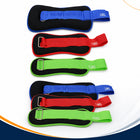
Ankle Weights & Exercise Weights for Home & Rehab
You may also need
FOR YOURecommended for you
Save 22%
Save 33%
Save 8%
Save 30%
Save 18%
Save 50%
Save 12%
Save 28%
Save 23%
Save 50%
Save 50%
Save 52%
Save 30%