


Featured ChoiceSave 20%

Save 25%

Save 25%

Save 17%
Save 19%

Save 25%

Save 26%

Save 16%

Save 26%


Save 7%
Save 17%

Save 19%
Save 20%

Sold out


Sold out

Sold out

Sold out
Sold out

Sold out

About this collection
Understanding the Basics of BP Machines
A BP machine is a practical blood pressure device used to measure systolic pressure, diastolic pressure, and pulse rate in clinics, hospitals, pharmacies, and homes. For India’s healthcare market, the right blood pressure monitoring machine is not only a patient-care tool; it is also a procurement decision involving accuracy, usability, service support, availability, and budget. This guide explains how a blood pressure monitor works, how to choose between common options, and how buyers can evaluate a bp machine without being led only by brand name or price.

How does a BP machine work?
A BP machine works by using a bp cuff to temporarily compress the artery, then reading pressure changes as blood flow returns. In a manual mercury or aneroid model, the user listens through a stethoscope and observes a gauge. In an automatic bp machine, the device inflates and deflates the cuff, detects pulse wave changes, and calculates the reading electronically.
Most home devices use the oscillometric method. This means the blood pressure reading machine senses vibrations in the cuff caused by blood flow and converts them into systolic and diastolic values. The output is usually shown in millimetres of mercury, written as mmHg, along with pulse rate.
For procurement teams, this basic working principle matters because the device is only as useful as its cuff fit, sensor quality, validation, calibration status, and user technique. A sophisticated display does not automatically mean better clinical reliability. A simple validated upper-arm monitor may perform better in day-to-day use than a feature-heavy device that is difficult to position correctly.
The American Heart Association recommends automatic cuff-style upper-arm monitors for home use and stresses correct cuff size, supported posture, and consistent measurement habits. European guidance also favours validated upper-arm devices for home monitoring and notes that wrist readings can be more position-sensitive.
Why BP monitoring is a priority in India
India has a large and growing need for accessible blood pressure monitoring. Hospitals, nursing homes, clinics, pharmacies, corporate health teams, and families all use BP devices for screening and routine tracking. In cities, buyers may compare multiple brands online before purchase. In semi-urban and rural markets, availability through distributors, medical stores, and service networks often has equal importance.
For a hospital administrator, BP measurement affects outpatient flow, emergency triage, pre-operative assessment, nursing rounds, and chronic disease follow-up. For a distributor, a bp machine is a high-demand product category, but it is crowded with models that look similar to the buyer. For a healthcare technology consultant, the challenge is to match device type to use case instead of recommending one product for every environment.
Home monitoring has also become more common because patients with hypertension, diabetes, kidney disease, cardiac risk, pregnancy-related BP concerns, or post-discharge follow-up may need repeated readings outside the clinic. The Indian Guidelines on Hypertension 2025–2026 note that self-monitored or home blood pressure measurement can provide useful information for evaluation and treatment monitoring.
This does not mean a home bp monitor replaces a doctor. It supports better records, better conversations, and earlier attention when readings are unusual. The value comes from repeated, correctly taken readings over time, not from one isolated number taken in a hurry.
Main types of BP machines
BP machines can be grouped by how they measure pressure, how much skill they require, and where they are used. The right choice depends on the setting, user training, expected patient volume, and maintenance capacity.
Manual mercury and aneroid machines
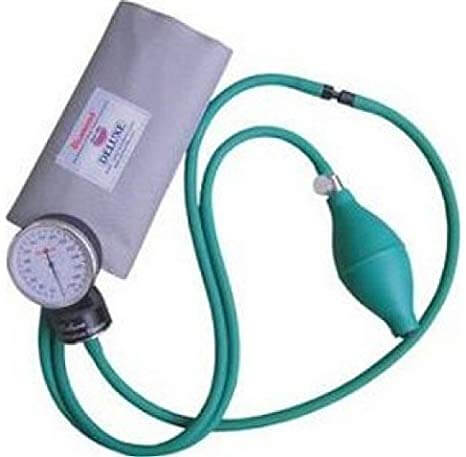
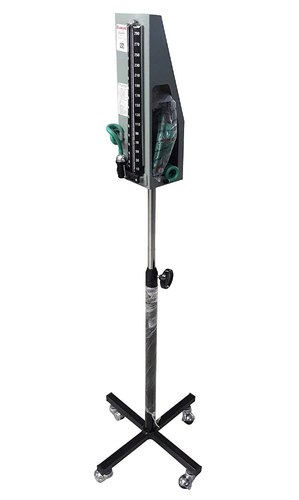
Traditional BP instruments are still seen in many Indian clinics. A manual device uses a cuff, bulb, gauge, and stethoscope. Mercury models were long treated as a reference standard, while aneroid models use a dial gauge and are easier to move.
These devices can be very useful in trained hands. They do not depend on complex electronics, and many clinicians prefer them for cross-checking digital readings. However, they require listening skill, regular calibration, and proper technique. In busy wards, outpatient departments, or camps, variation between users can become a practical problem.
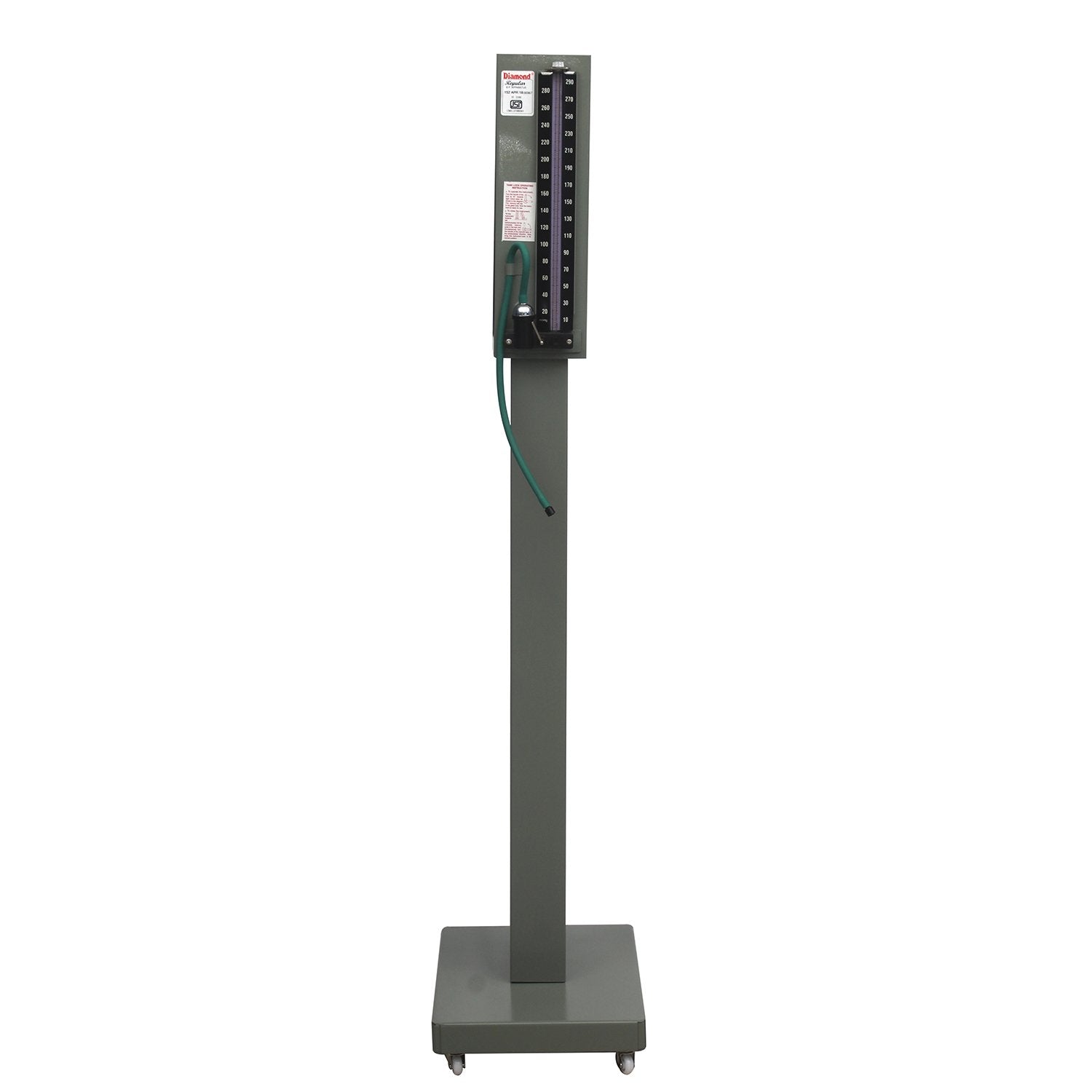
The diamond bp machine is a common example of a manual-style device category in India. Buyers often search for diamond bp machine price because these instruments are widely known in clinics and medical stores. The price varies by model, seller, gauge type, cuff quality, and whether the buyer is purchasing one unit or hospital quantities, so procurement teams should request current quotations rather than depend on static online listings.
Digital upper-arm machines
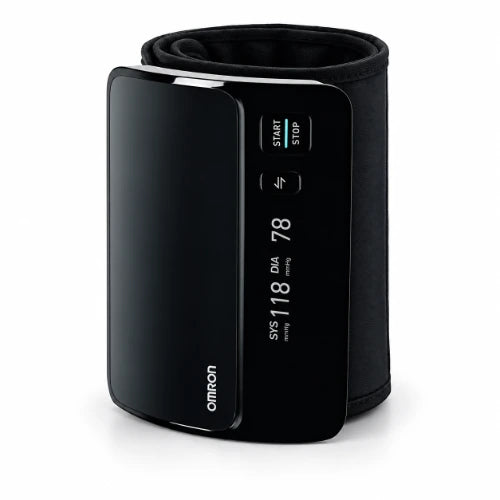
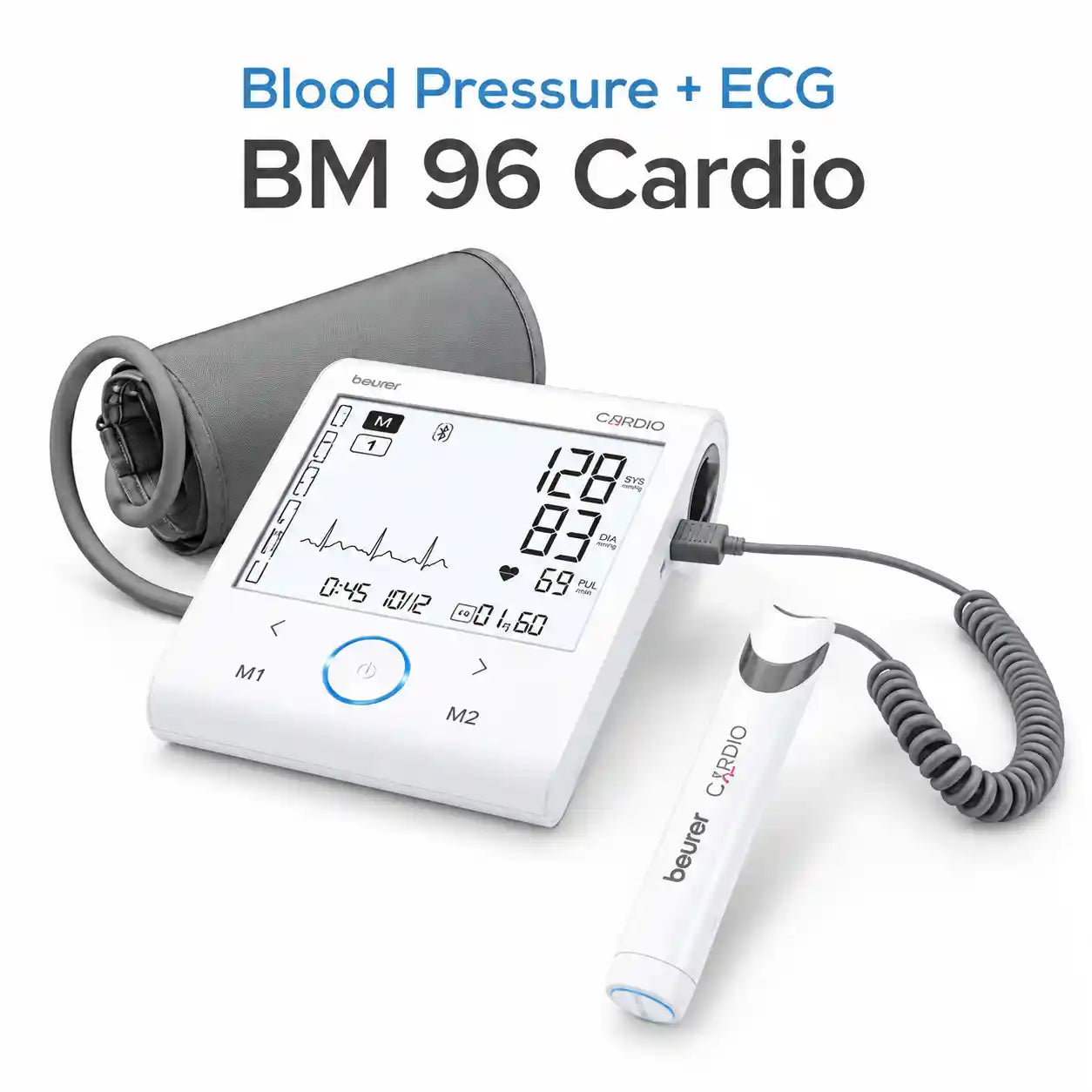
Digital upper-arm monitors are the most common choice for home and semi-professional use. The cuff goes around the upper arm, the user presses a button, and the machine automatically inflates, measures, deflates, and displays results. Popular searches in India include omron bp machine, Dr. Morepen BP-02 Fully Automatic Blood Pressure Monitor, Dr Trust bp machine, Beurer bp machine, AccuSure bp machine, Medtech bp machine, and Dr Odin bp machine.
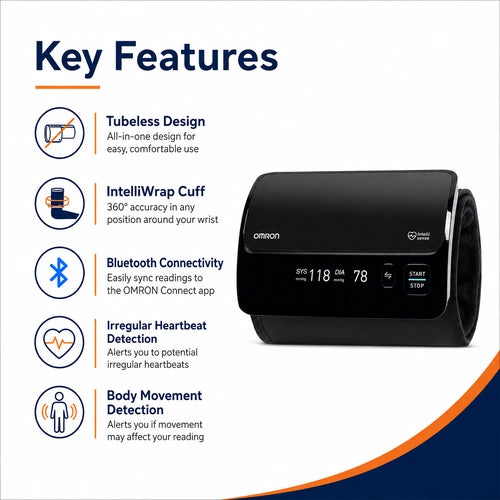
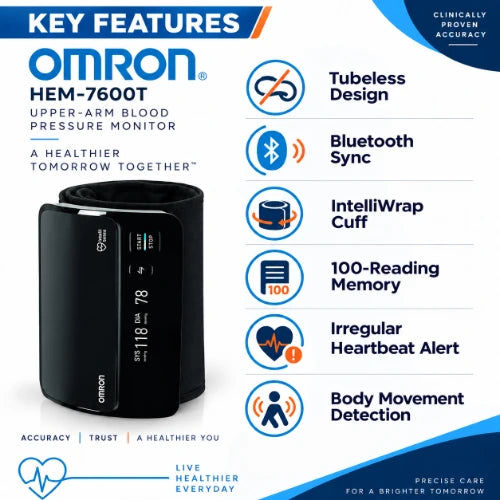
The main advantage is ease of use. A family member can learn the process quickly, and a nurse can take repeated measurements with less manual effort. Many devices include memory storage, irregular heartbeat indication, body movement alerts, cuff wrapping guides, and averaging functions.
The limitation is that digital devices must be used as instructed. A loose cuff, unsupported arm, talking during measurement, wrong cuff size, or movement can change the result. For institutional use, digital monitors should be periodically checked against a calibrated reference device.
Wrist BP machines
A wrist monitor places the cuff around the wrist rather than the upper arm. It is compact, portable, and may be helpful for some users with very large upper arms or discomfort with arm cuffs. It is also easier to carry for travel.
However, wrist devices are more sensitive to position. If the wrist is not held at heart level, the reading may be misleading. This is why many professional recommendations prefer upper-arm devices for routine home blood pressure monitoring.
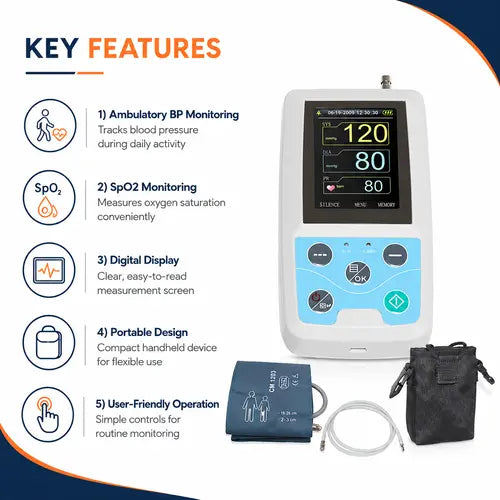
Ambulatory BP monitoring machines
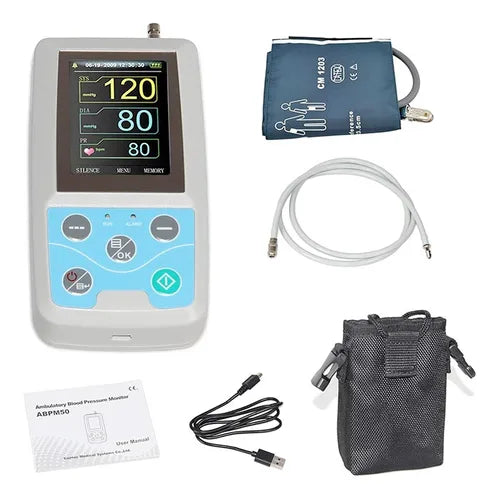
An ambulatory bp monitoring machine records blood pressure at regular intervals across a longer period, commonly during normal daily activity and sleep. It is typically used under medical supervision when a clinician wants a fuller picture than clinic or home readings can provide. It may help evaluate patterns such as white-coat effect, masked hypertension, or night-time BP changes.
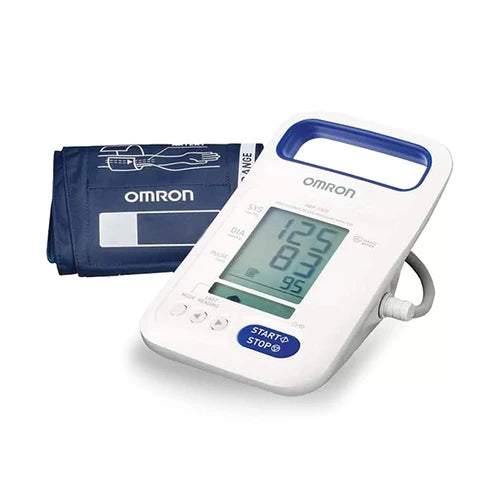
For hospitals and specialist clinics, ambulatory monitoring is a separate procurement category. The device must be comfortable, durable, and supported by reliable software reports. For distributors, it is positioned differently from a home monitor because the buyer expects clinical workflow integration, not just a single reading.
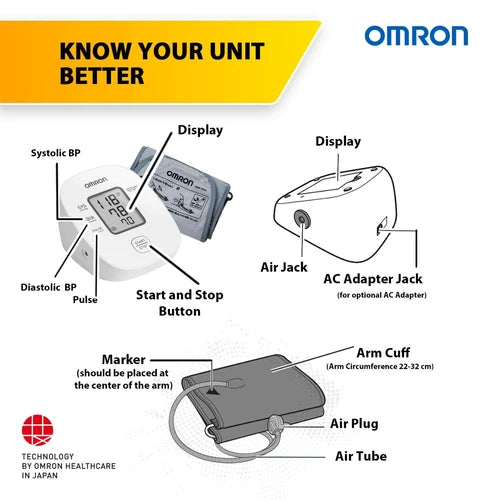
Key components of a blood pressure device
A blood pressure device may look simple from outside, but several parts influence the result and user experience.
-
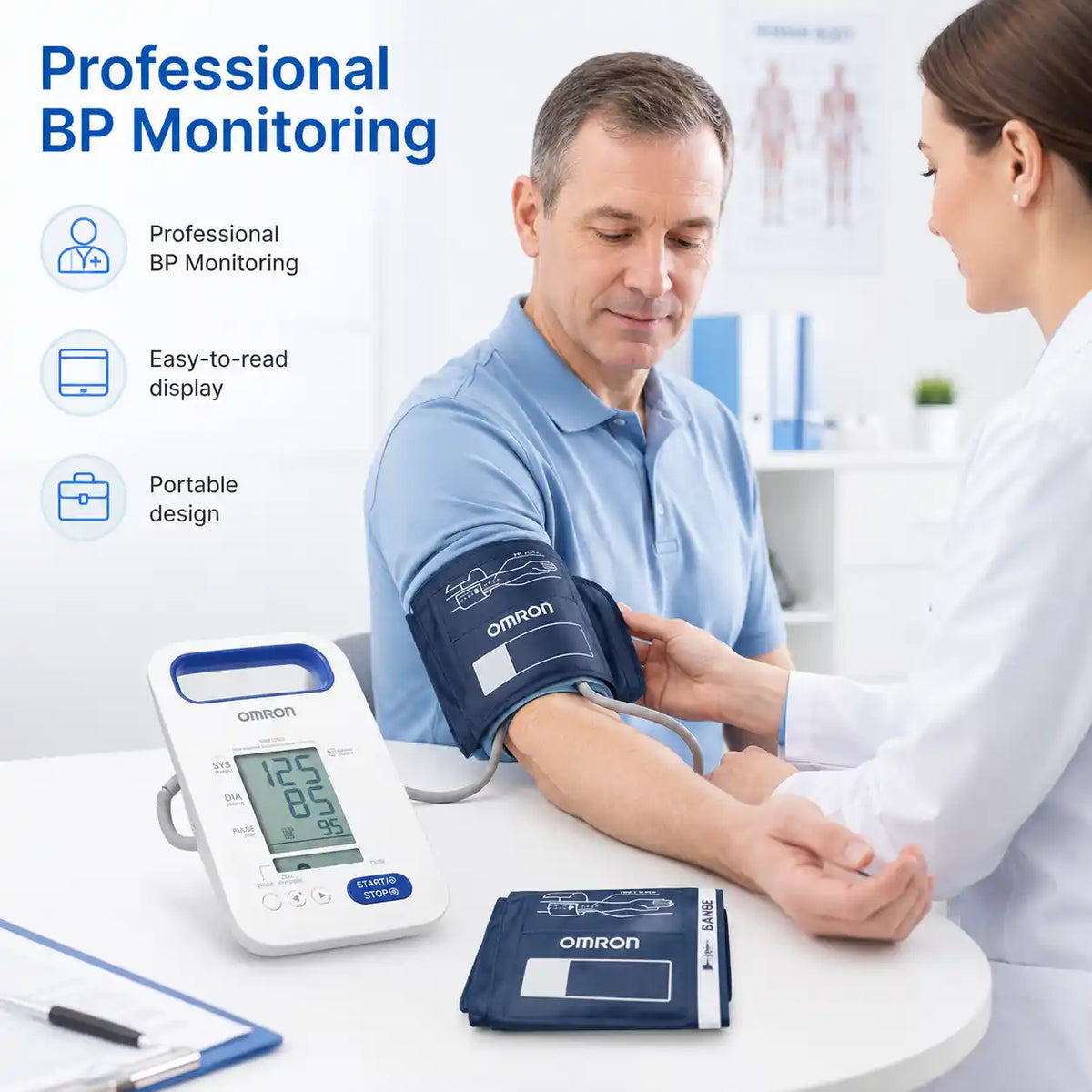
Cuff: The bp cuff must fit the arm circumference correctly. A cuff that is too small or too large can affect readings. Hospitals should stock more than one cuff size if they serve adults with varied body types.
-
Pump and valve: In automatic devices, the pump inflates the cuff and the valve controls deflation. Smooth inflation improves comfort, especially for older adults.
-
Sensor or gauge: Digital machines rely on pressure sensors. Manual machines rely on a gauge and auscultation. Both need accuracy checks.
-
Display: A large display is useful for senior citizens and OPD counters. Backlight can help in low-light settings.
-
Memory: Home users benefit from stored readings. Clinics may need manual logs or digital records depending on workflow.
-
Power source: Battery operation helps in areas with power cuts. An adaptor can reduce battery cost in clinics.
-
Cuff connector and tubing: These small parts affect durability. In high-volume settings, connectors, tubes, and cuffs face more wear than the main unit.
For procurement, the cuff is often under-evaluated. Yet it is the patient-contact component and may be the first part to fail or become unhygienic. A low bp machine price can become expensive if replacement cuffs are difficult to source.

How to Use a Home BP Machine
Using a home bp monitor correctly is as important as buying a good device. Even a reliable machine can give confusing results if the user measures immediately after walking, talking, eating, or drinking tea or coffee.
A practical routine is simple:
-
Prepare before the reading. Sit quietly for about five minutes. Avoid exercise, smoking, and caffeine shortly before measurement unless your doctor gives different instructions.
-
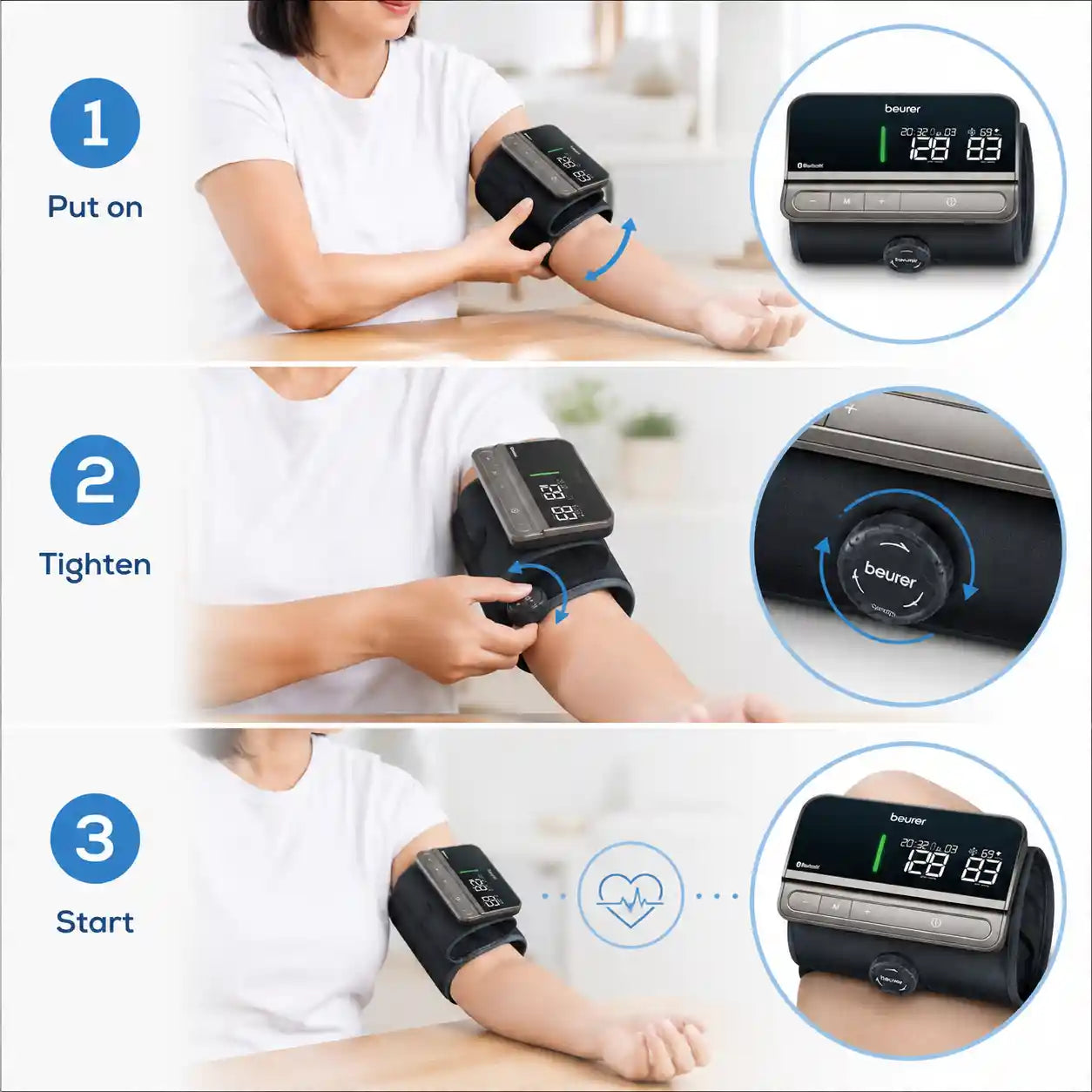
Use the right arm position. Sit with the back supported, feet flat on the floor, and arm resting on a table at heart level.
-
Place the cuff on bare skin. Do not wrap the cuff over thick clothing. The lower edge of the cuff should sit above the elbow as described in the device manual.
-
Stay still and silent. Movement and conversation can affect the reading.
-
Take more than one reading if advised. Many clinicians prefer two readings taken a minute apart and recorded with time and date.
-
Maintain a BP log. Record systolic, diastolic, pulse, arm used, and any relevant note such as missed medicine, stress, fever, or poor sleep.
-
Share readings with a doctor. Do not change medication based only on a home reading unless your doctor has given a clear plan.
AHA guidance similarly highlights correct cuff size, supported posture, bare-arm measurement, and a consistent method for home readings.
For Indian families, it is helpful to keep the monitor at a fixed location, such as the dining table or bedside table, rather than measuring in different postures each day. Consistency reduces avoidable variation. For elderly users living alone, choose a model with a large start button, clear display, and simple memory function.
Which BP machine is best wrist or arm?
For most routine home and clinic use, an upper-arm automatic bp machine is usually the better first choice because it is less position-sensitive and more widely recommended by professional guidance. A wrist monitor may be considered when an upper-arm cuff is difficult to fit, but the user must be trained to keep the wrist at heart level every time.
This question appears often in India because wrist devices look modern and convenient. They are easy to pack and may appeal to younger buyers purchasing for parents. But convenience should not come at the cost of repeatability.
A hospital, distributor, or consultant should evaluate wrist and arm devices as different tools rather than direct substitutes. In a cardiology OPD, upper-arm devices are more suitable for routine measurement. For a travelling patient who cannot tolerate an arm cuff, a wrist monitor may be better than no monitoring, provided the patient understands the method.
Upper-arm monitor strengths
-
Better fit with common clinical measurement practice
-
Stronger alignment with most home BP guidance
-
Easier to standardise in hospitals and clinics
-
Wider range of models and cuff sizes
-
Better option for family sharing when cuff size is suitable
Wrist monitor strengths
-
Compact and travel-friendly
-
Easier for some users to apply without help
-
Useful when upper-arm measurement is difficult
-
Less bulky for occasional checks outside home
Practical recommendation
If the buyer asks, “Which machine is best for BP checking?” the safest general answer is: choose a validated upper-arm blood pressure monitor with the correct cuff size, simple operation, and local service support. If the buyer asks, “Which machine is good for BP?” for home use, the answer should include the user’s age, arm size, eyesight, ability to follow instructions, budget, and whether a doctor has recommended home monitoring.
Understanding BP readings
A BP machine usually shows three values: systolic pressure, diastolic pressure, and pulse rate. Systolic pressure is the higher number and reflects pressure when the heart contracts. Diastolic pressure is the lower number and reflects pressure when the heart relaxes between beats. Pulse rate shows heartbeats per minute.
The device may also show symbols such as irregular heartbeat detection, hypertension indicator, cuff error, or movement error. These indicators are helpful prompts, not a diagnosis. If a patient repeatedly sees irregular heartbeat alerts or unusually high readings, the right action is to consult a healthcare professional.
For home monitoring, trends matter more than one reading. A single high reading after climbing stairs, rushing to work, or arguing on the phone may not represent the true pattern. On the other hand, repeated high readings should not be ignored. A structured log gives the doctor a clearer view.
Hospitals should train staff to repeat abnormal readings after proper rest when clinically appropriate. Distributors can improve customer satisfaction by providing simple usage cards in English and local languages. Consultants can include measurement protocol training in technology adoption plans, especially when devices are deployed across multiple branches.
Features that matter more than marketing claims
The Indian BP monitor market includes entry-level home devices, mid-range digital monitors, premium connected models, manual instruments, and professional ambulatory systems. Marketing language can make every product sound advanced. A structured feature review helps buyers separate useful functions from cosmetic additions.
Accuracy and validation
Accuracy should be the first filter. Look for devices that have evidence of clinical validation or are listed by credible validation bodies where applicable. At minimum, institutional buyers should ask suppliers for model-specific documentation, not only brand-level claims.
The WHO-supported India Hypertension Control Initiative training material states that accuracy is of prime importance when selecting a blood pressure measuring device and notes that many market devices are intended for home use rather than high-volume office use.
Cuff size availability
A standard adult cuff may not fit everyone. Hospitals, diagnostic centres, and wellness camps should consider small, standard, large, and extra-large cuff options. A device that performs well with one cuff size may create workflow problems if alternate cuffs are unavailable.
Ease of use
One-touch operation is valuable for home users and OPD assistants. For senior citizens, large numbers, clear symbols, and minimal buttons reduce errors. For clinics, quick cuff application and fast readings improve patient flow.
Memory and averaging
Memory storage helps patients show readings to doctors. Averaging helps reduce over-reaction to one value. Some models store readings for two users, which is useful in Indian households where parents may share one machine.
Movement and cuff alerts
Body movement detection and cuff wrapping alerts can reduce avoidable errors. They are especially useful for home users who may not have training. However, the alert only helps if the user understands what it means.
Connectivity
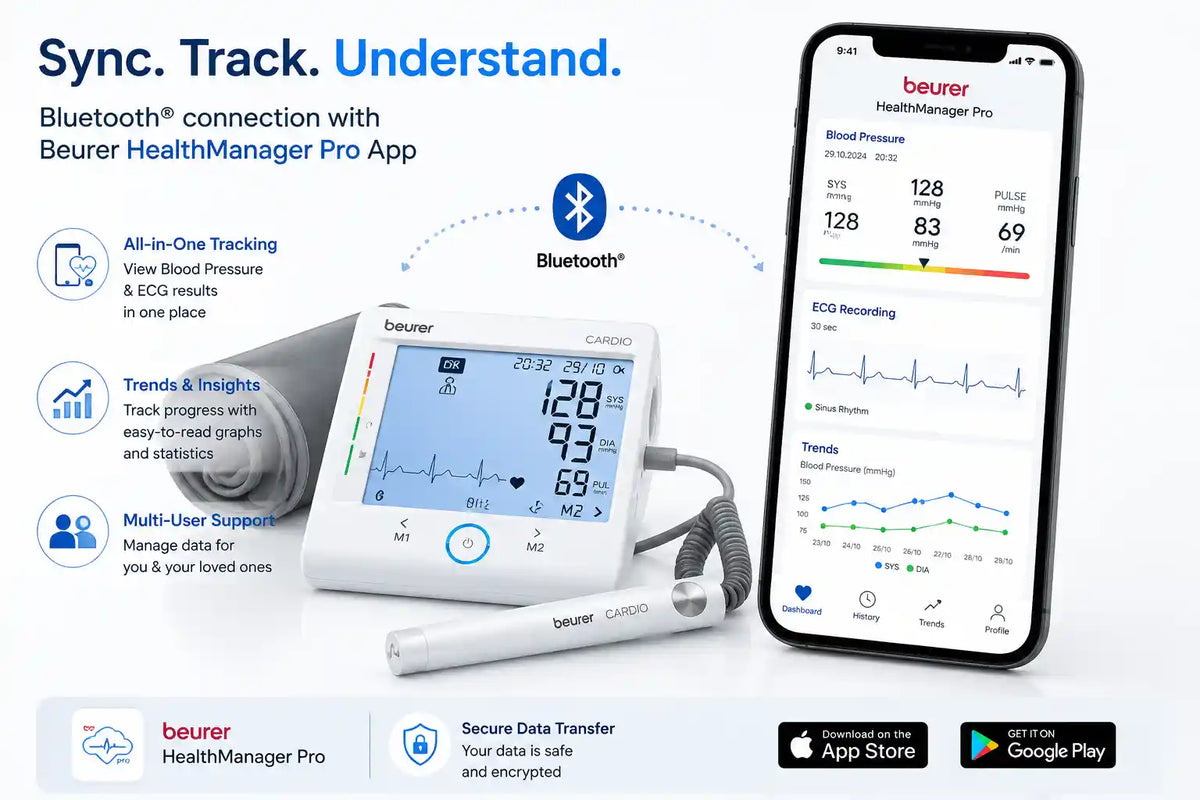
Bluetooth or app-based models can support digital health programmes, remote monitoring, and chronic care platforms. But connectivity should be purchased for a real workflow, not as a status feature. If the clinic does not use digital records, a basic monitor with reliable readings may be more practical.
Service and replacement parts
In India, after-sales support is a serious factor. A device used in a ward, clinic chain, or distributor network must have accessible service, warranty clarity, replacement cuffs, and responsive supply. A low initial bp machine rate can lose value if downtime is frequent.
Common BP machine brands seen in India
India has a mixed market with multinational, Indian, and distributor-led brands. The best brand depends on the intended use, budget, model, and service access in the buyer’s city.
Omron BP machine
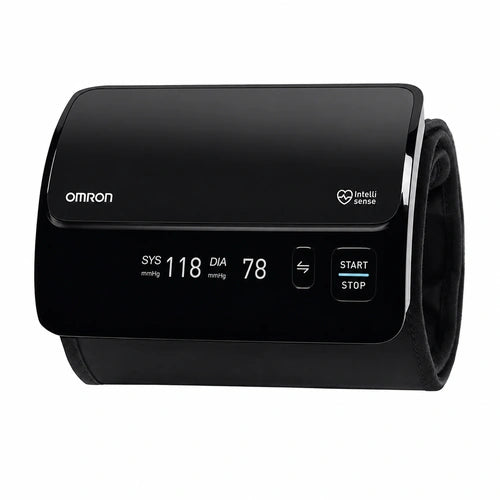
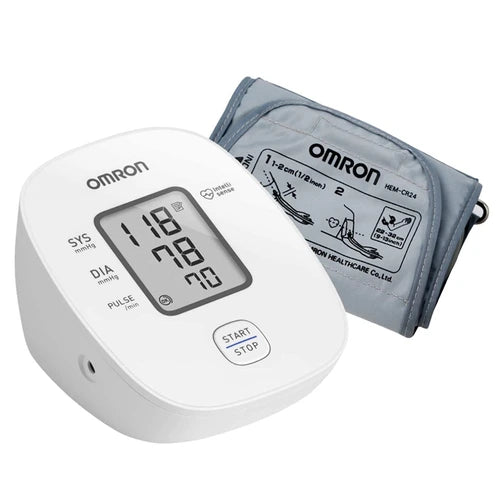
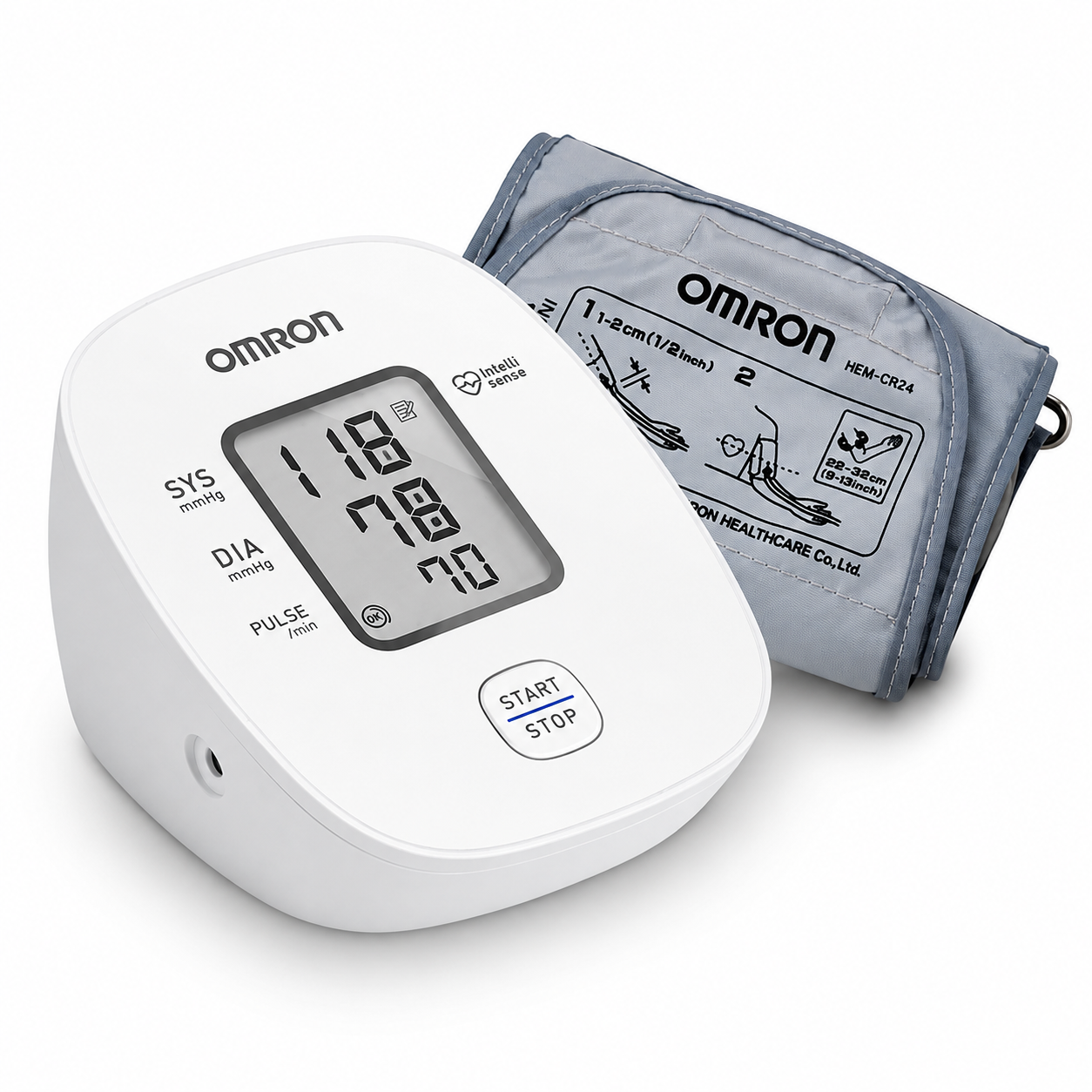
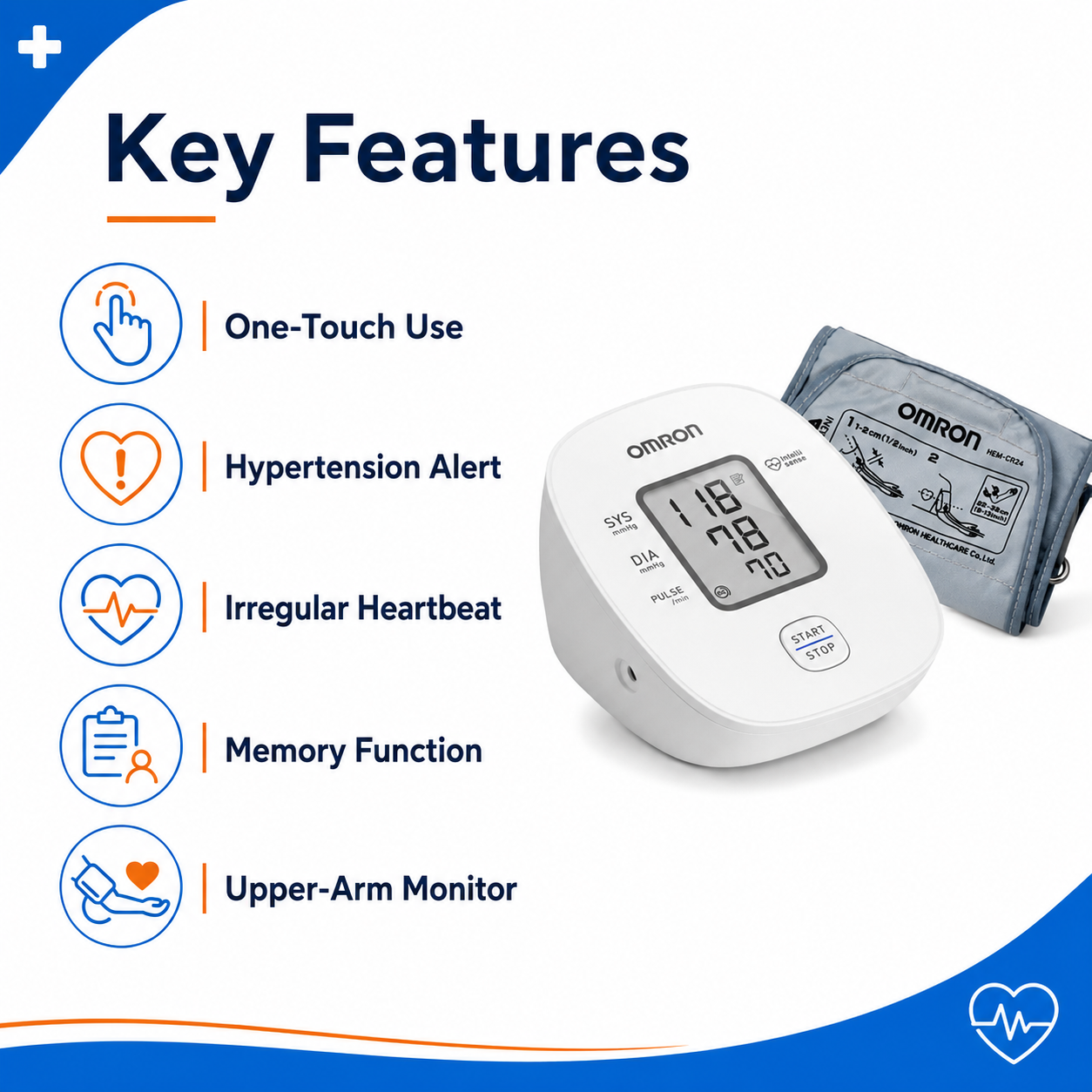
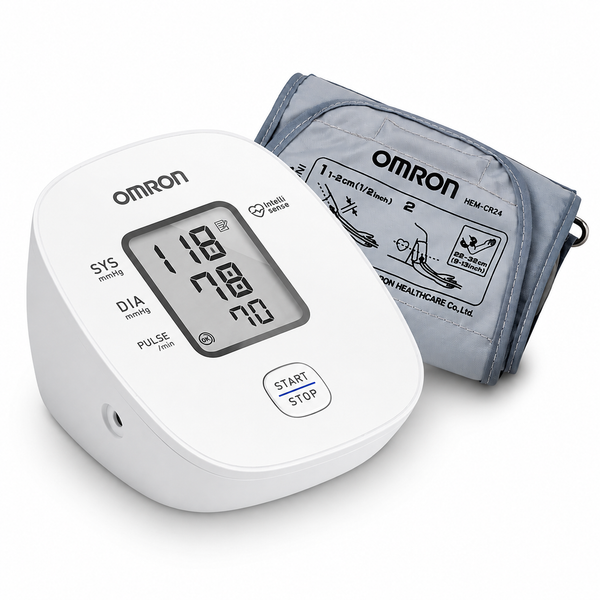
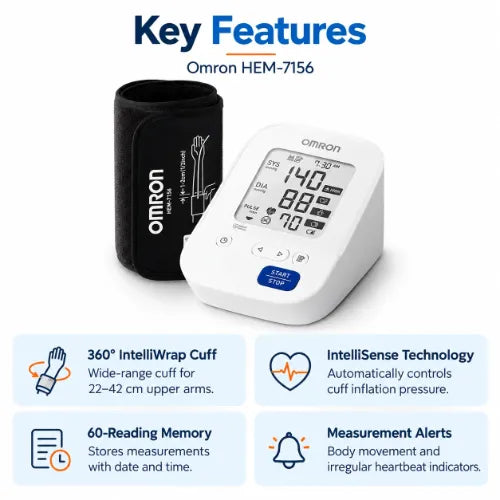
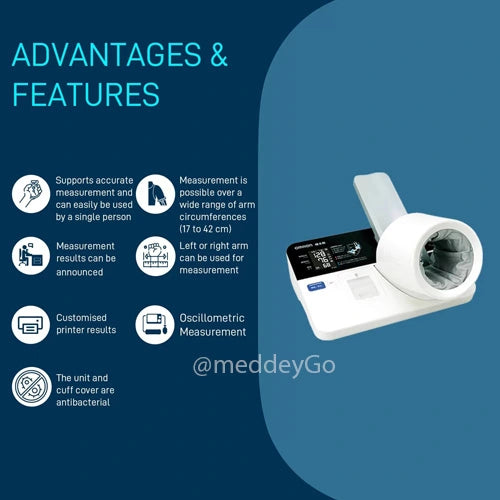
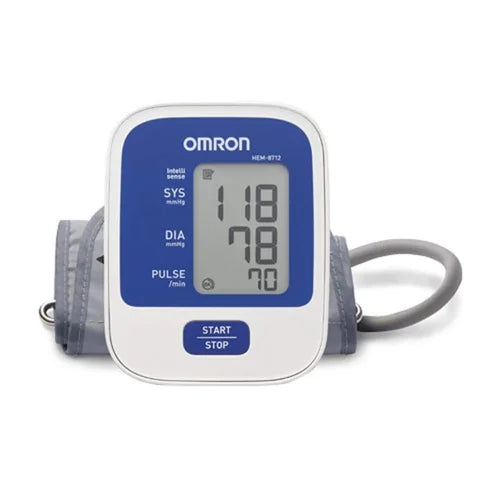
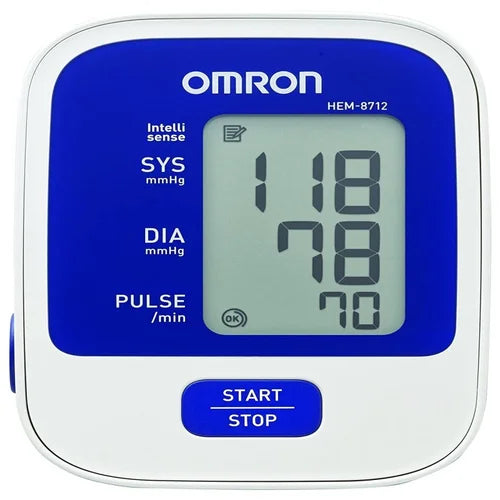
The omron bp machine category is widely recognised in India, especially for upper-arm digital monitors. The Omron HEM 7120 Fully Automatic Digital BP Monitor is known as a simple upper-arm model with one-touch operation. Omron’s official India product page for HEM-7120 lists features such as cuff wrapping guide, body movement detection, hypertension indicator, irregular heartbeat detection, IntelliSense technology, and last measurement storage, with a recommended retail price shown as INR 2,334 at the time the page was crawled.
Omron is often selected by buyers who want a familiar brand and are willing to pay for perceived reliability. For hospitals and distributors, the brand can be easier to position because customer awareness is strong. The procurement check should still be model-specific.
Dr. Morepen BP machine
Dr. Morepen is another common name in India’s home monitoring market. The Dr. Morepen BP-02 Fully Automatic Blood Pressure Monitor is an upper-arm model promoted with comfort inflation technology, hypertension indication, memory, average functions, and irregular heartbeat detection. The official Dr. Morepen listing showed the BP-02 at an MRP of ₹1,455 and noted a one-year warranty at the time it was crawled.
This category often appeals to price-sensitive home buyers. For distributors, Dr. Morepen may be positioned for households that want a known Indian-market brand at an accessible price point. For institutional procurement, service coverage and batch consistency should be checked before volume purchase.
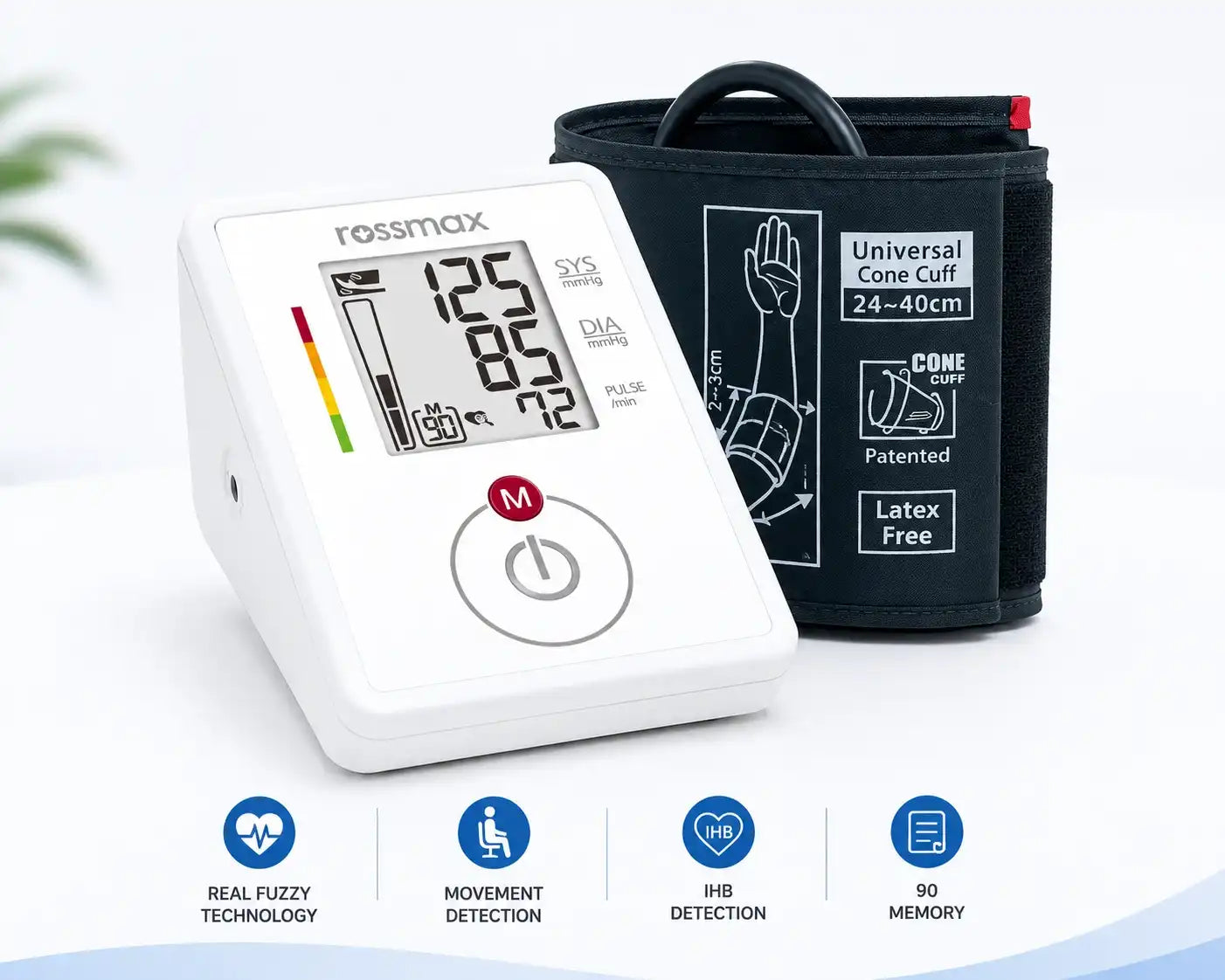
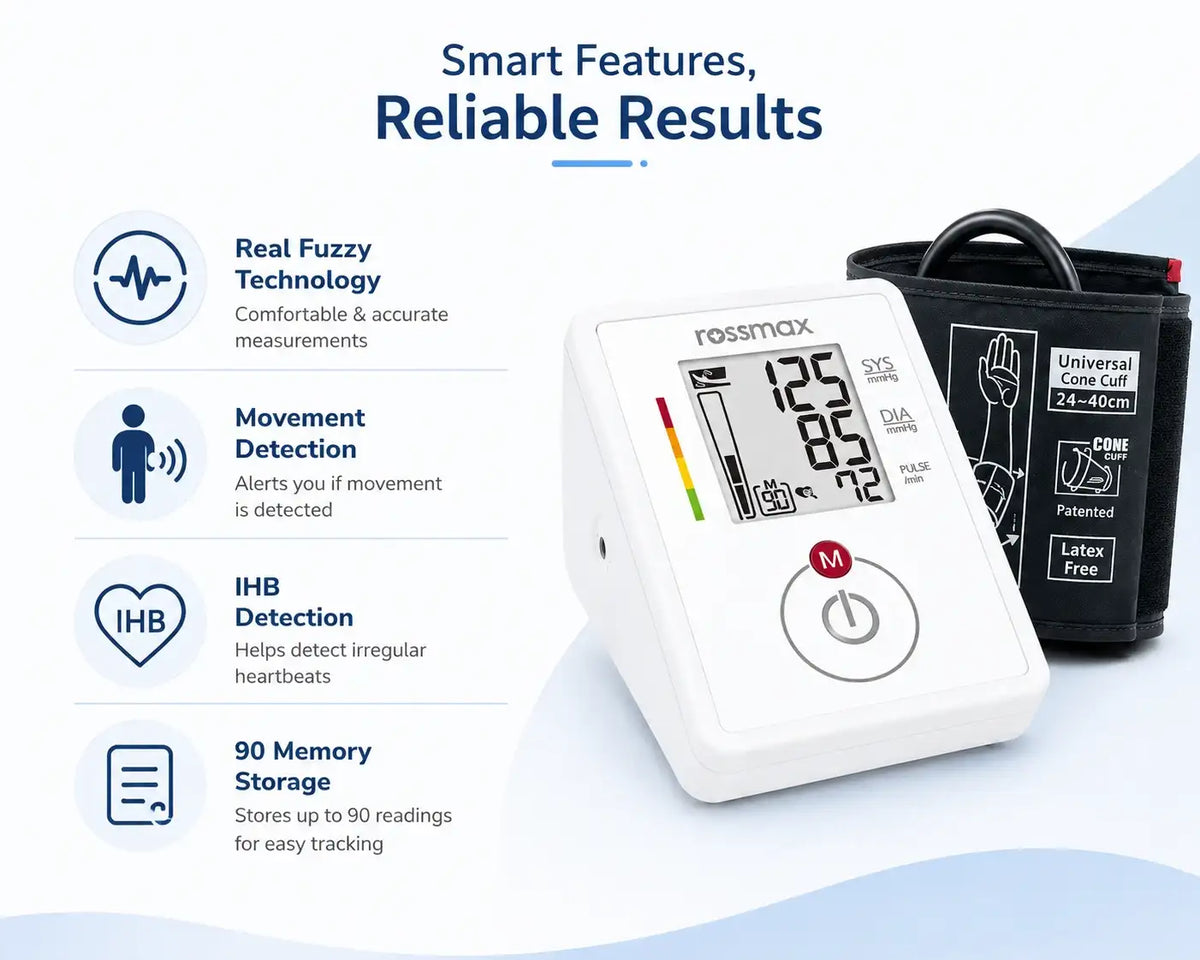
Rossmax BP machine
A rossmax bp machine may be considered by buyers looking for digital or aneroid-style options depending on local availability. Rossmax is often seen in medical equipment channels, and some buyers compare it with Omron, Dr. Morepen, and manual instruments. The important procurement question is not only the brand, but the exact model, cuff availability, warranty terms, and validation information.
Dr Trust BP machine
The dr trust bp machine category is visible in online Indian marketplaces and pharmacy channels. Many models focus on consumer-friendly features such as large display, talking function, memory, or dual-user support. These features can help elderly users, but buyers should still prioritise measurement quality and usability over feature count.
Beurer BP machine
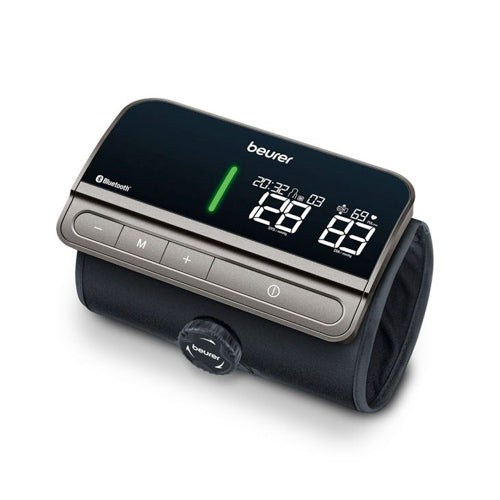
A beurer bp machine is typically positioned in the branded digital health device segment. Buyers may consider it when they want a European consumer-health brand with upper-arm or wrist options. As with any imported or premium-positioned device, procurement teams should check warranty handling in India and replacement cuff availability.
AccuSure BP machine
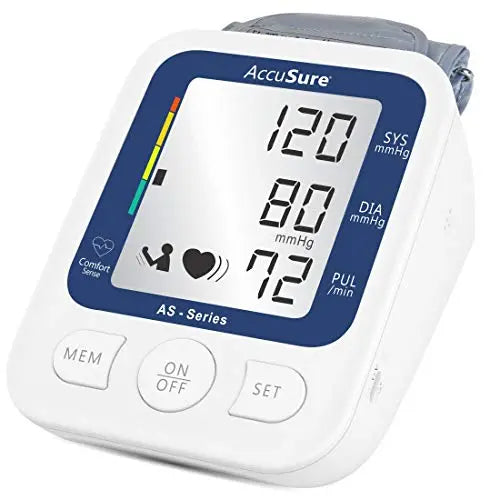
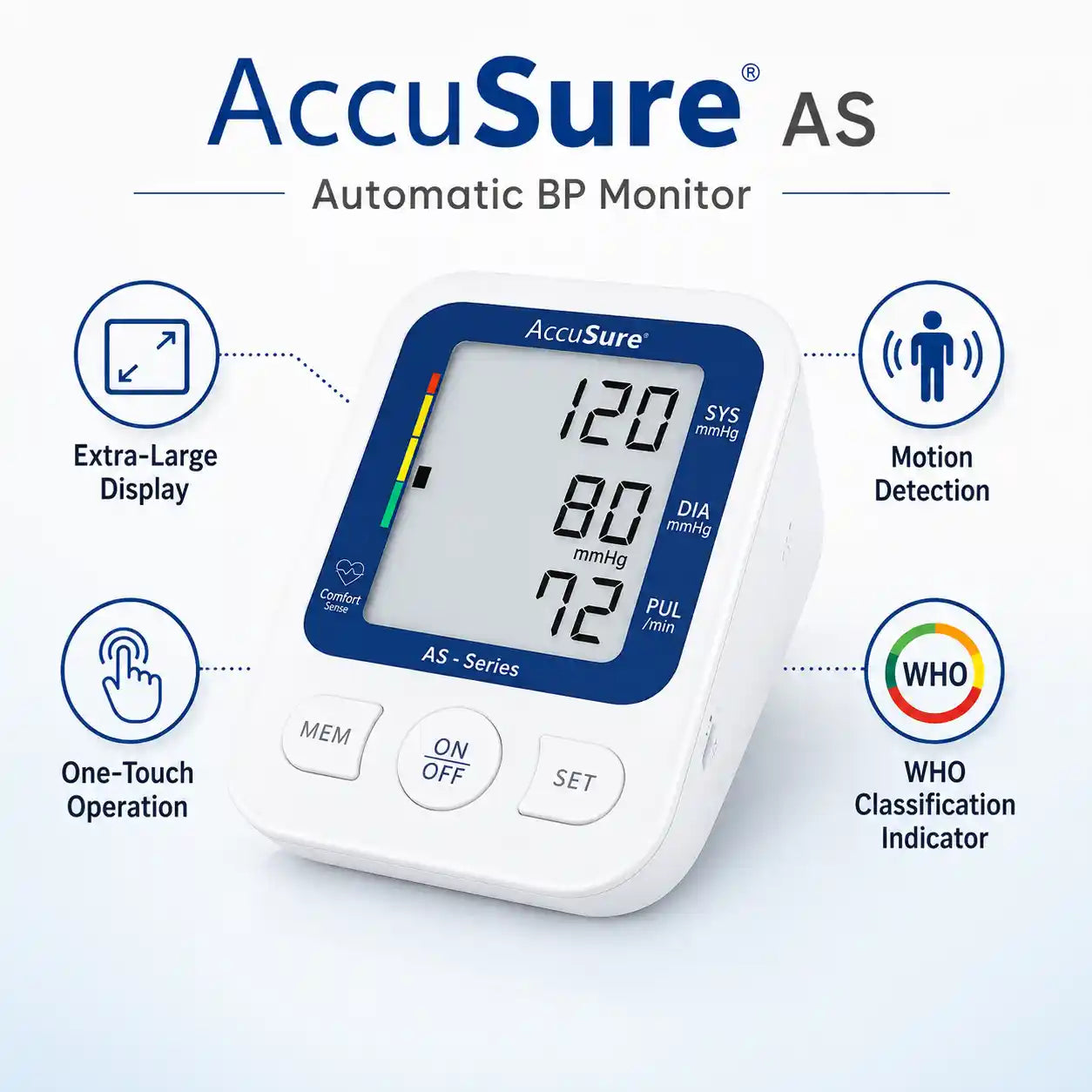
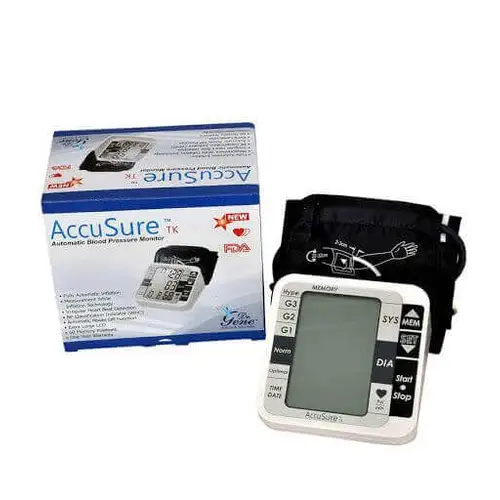
The AccuSure bp machine range is present in India’s BP monitor segment and includes models with consumer-friendly features. AccuSure’s product category page highlights motion detection technology, which alerts users to excessive movement for more reliable readings.
For distributors, AccuSure may be considered when building a value-focused portfolio. For buyers, model selection should focus on cuff fit, service, and clear instructions.
Medtech BP machine
The Medtech bp machine category is relevant for buyers who prefer Indian-market medical devices with accessible pricing. These products are often compared with Dr. Morepen, AccuSure, and Dr Trust in retail channels. For institutional use, request current product specifications and service commitments before purchase.
Dr Odin BP machine
The dr odin bp machine category appears in Indian online comparison and marketplace listings. It may appeal to buyers looking for lower-cost digital options. As with all budget devices, the key is to avoid choosing only on discount. Ask for warranty details, seller credibility, and a clear return or service process.
Diamond BP machine
The diamond bp machine is associated with manual BP instruments in India, especially in clinical settings. Buyers searching diamond bp machine price should compare the specific model, gauge type, cuff quality, and seller authenticity. Manual devices can be useful for trained professionals, but they are not ideal for untrained home users who cannot use a stethoscope accurately.
Which BP machine is better, Dr. Morepen or Omron?
For many Indian home buyers, Omron is often the stronger choice when brand trust, model range, and long-term confidence are the top priorities, while Dr. Morepen is often attractive when budget and basic home monitoring are the main requirements. The better option depends on the exact model, cuff size, warranty, seller authenticity, and how consistently the user can follow proper measurement technique.
A fair comparison should not treat every Omron model as superior or every Dr. Morepen model as budget-only. The Omron HEM 7120 Fully Automatic Digital BP Monitor is a simple upper-arm automatic monitor with practical guidance features. The Dr. Morepen BP-02 Fully Automatic Blood Pressure Monitor is also an upper-arm automatic monitor with memory and comfort-oriented inflation features. Both are designed for home-style monitoring, not as a complete replacement for clinical judgement.
For hospital procurement, neither brand should be chosen only because it is popular online. Ask these questions:
-
Is the model intended for home use, clinic use, or high-volume institutional use?
-
Is the cuff size suitable for your patient population?
-
Can replacement cuffs and adaptors be sourced quickly?
-
Does the supplier provide GST invoice, warranty support, and batch availability?
-
Can the device be checked against a calibrated reference device before deployment?
-
Is staff training included in the rollout?
For distributors, the comparison can support segmentation. Omron may serve customers asking for a widely recognised premium or mid-range option. Dr. Morepen may serve customers seeking affordable home tracking from a familiar Indian-market brand. Both categories can exist in the same portfolio if positioned clearly.
Top Recommended BP Machines in India
Top Recommended BP Machines in India should be understood as use-case recommendations rather than a single ranking. Prices, stock, discounts, and model names change frequently across Apollo Pharmacy, Tata 1mg, brand stores, medical shops, and local distributors. Recent online listings show wide price variation: Apollo Pharmacy listed examples such as AccuSure, Omron HEM-7121 J, Beurer BM 28, Dr. Morepen BP-02, and Dr Trust models, while Tata 1mg listed digital BP monitors from Omron, Dr Morepen, Medtech, and other brands.
A practical India-focused shortlist can be built like this:
|
Buyer need |
Suitable category |
Examples to evaluate |
|---|---|---|
|
Simple home monitoring for parents |
Upper-arm automatic bp machine |
Omron, Dr. Morepen, AccuSure, Dr Trust |
|
Budget-conscious family purchase |
Basic digital upper-arm monitor |
Dr. Morepen BP-02, AccuSure, Medtech, Dr Odin |
|
Brand-conscious buyer |
Mid-range upper-arm monitor |
Omron HEM series, Beurer selected models |
|
Clinic cross-check by trained staff |
Manual aneroid or professional digital |
Diamond, Rossmax, calibrated clinical models |
|
High-volume hospital use |
Professional-grade monitor with service support |
Model-specific evaluation required |
|
Specialist BP pattern assessment |
Ambulatory bp monitoring machine |
Clinician-supervised ABPM systems |
This table is not a medical endorsement. It is a procurement framework. Before bulk purchase, request sample testing, verify warranty handling, check replacement cuff cost, and confirm current availability.
Understanding BP machine price and BP machine rate
The search terms bp machine price and bp machine rate are among the most common buyer queries in India. Price matters because many purchases are made for elderly parents, small clinics, health camps, nursing homes, and distributor inventories. But the lowest price does not always deliver the lowest total cost.
Several factors influence price:
-
Manual versus digital technology
-
Upper-arm versus wrist design
-
Brand positioning
-
Cuff quality and cuff size options
-
Memory capacity and multi-user support
-
Movement detection and cuff wrapping alerts
-
Bluetooth or app connectivity
-
Adaptor inclusion
-
Warranty duration
-
Seller channel and discount season
-
GST invoice and institutional supply terms
As a general observation from current Indian online pharmacy and comparison listings, many basic digital home BP monitors appear in the broad low-to-mid-thousand rupee range, while premium connected models and specialised devices cost more. However, live pricing changes often, and institutional buyers should rely on formal quotations rather than screenshots or old marketplace prices. Smartprix’s BP monitor list, updated in September 2026, also illustrates how online prices vary across brands and models.
For hospitals, rate contracts can be more efficient than repeated small orders. For distributors, margin should be balanced with returns risk and after-sales load. For consultants, price benchmarking should include accessories, warranty, training, and replacement cycles.
Procurement checklist for hospitals and clinics
A hospital administrator needs a procurement process that protects patient care and controls cost. BP machines are relatively small devices, but they are used frequently and can influence clinical decisions.
Use this checklist before purchase:
-
Define the setting: OPD, ward, ICU step-down, pharmacy counter, health camp, home-care kit, or doctor chamber.
-
Estimate volume: A device used 10 times a day has different durability needs than one used 100 times a day.
-
Specify device type: Manual, digital upper-arm, wrist, or ambulatory.
-
Confirm cuff sizes: Include large cuffs if the patient population requires them.
-
Ask for validation documents: Prefer model-specific evidence where available.
-
Check service support: Confirm warranty, service centre access, and turnaround time.
-
Request consumable pricing: Cuffs, tubes, adaptors, and batteries matter.
-
Test usability: Ask nurses and technicians to use sample units before finalising.
-
Standardise training: Measurement technique must be consistent across staff.
-
Plan calibration or verification: Schedule periodic checks against a reference device.
-
Control seller quality: Buy from authorised or reliable channels to reduce counterfeit or grey-market risk.
-
Record asset details: Maintain serial numbers, warranty dates, and department allocation.
This structured process prevents a common problem: buying a product because it looked economical, then spending more time managing errors, complaints, or replacements.
Distribution strategy for BP machines in India
For medical equipment distributors, BP monitors are a high-volume category but also a differentiation challenge. Many buyers ask for “one good bp machine” without understanding the differences. The distributor’s role is to simplify choice while protecting trust.
A strong portfolio can include:
-
Entry-level home monitors for price-sensitive buyers
-
Mid-range upper-arm monitors for families and clinics
-
Manual devices for trained medical professionals
-
Premium connected devices for digital health users
-
Replacement cuffs and adaptors for recurring demand
-
Ambulatory systems for specialist clinics, where relevant
The sales conversation should begin with use case, not brand. A retired person in Jaipur monitoring BP twice a week needs something different from a diagnostic centre in Bengaluru measuring dozens of patients daily. A small nursing home in Kanpur may value durability and service more than Bluetooth connectivity. A corporate wellness programme in Mumbai may need reporting and data capture.
Distributors can also improve market share by offering simple education: printed usage instructions, short demonstration videos, local-language leaflets, and post-sale support. In a category where wrong technique creates dissatisfaction, education reduces returns and builds loyalty.
Technology trends in blood pressure monitoring
The BP monitoring market is moving from isolated measurement toward connected care. This shift is relevant for consultants and hospital technology teams planning chronic disease programmes.
Connected home monitoring
Bluetooth-enabled monitors can transfer readings to mobile apps. This helps users maintain logs and share trends with doctors. In India, connected monitoring can support teleconsultations, home-care services, and chronic disease packages. The challenge is adoption: not every elderly user is comfortable with apps, and not every clinic has a workflow to review incoming data.
Remote patient monitoring
Hospitals and digital health platforms may use home BP readings as part of remote monitoring for hypertension, cardiac follow-up, pregnancy care, and post-discharge care. The success of such programmes depends on device reliability, patient training, alert protocols, and clinician workload management.
Data quality and interoperability
A reading is useful only if it is accurate, time-stamped, and linked to the right patient. Consultants should evaluate how data flows from device to app to electronic medical record, if such integration is required. Privacy and consent must also be managed carefully.
Cuffless and wearable BP concepts
Wearable and cuffless BP technologies are developing, but they should be approached carefully for clinical decision-making. Traditional cuff-based devices remain the practical standard for most home and clinic use. Newer wearable solutions may become more relevant as validation improves, but procurement teams should not replace validated cuff devices solely because a wearable product appears innovative.
Common mistakes when buying or using a BP machine
Many BP monitor problems are preventable. The device may not be defective; the buying process or usage method may be weak.
Common mistakes include:
-
Buying only on discount without checking warranty
-
Choosing a wrist device for a user who cannot position it correctly
-
Using one cuff size for every patient in a clinic
-
Measuring over clothing
-
Talking during measurement
-
Measuring immediately after walking, climbing stairs, or drinking tea
-
Ignoring repeated error symbols
-
Not replacing worn cuffs
-
Keeping no record of readings
-
Comparing two devices without using the same posture and rest period
-
Assuming home readings are a diagnosis
-
Making medicine changes without medical advice
Hospitals should address these mistakes through standard operating procedures. Distributors should address them through pre-sale counselling and after-sale education. Consultants should include them in training materials because technology adoption fails when the human process is ignored.
Practical buying guide for different users
Different buyers need different decision rules. A single answer cannot serve a home user, hospital, distributor, and consultant equally.
For home users
Choose a simple upper-arm home bp monitor from a reliable seller. Make sure the cuff fits the main user. Prefer a large display if the user is elderly. Keep a written or digital log and take the monitor to a doctor visit occasionally for technique review.
For hospitals
Do not buy home-use devices for high-volume areas without evaluation. Test sample units with nurses, verify cuff options, and include service terms in the purchase order. Standardise the brand or model where possible to reduce training and accessory complexity.
For clinics and nursing homes
A mix of digital and manual devices may be useful. Digital machines improve speed, while a manual device can help cross-check unusual readings when used by trained staff. Maintain spare cuffs and batteries.
For distributors
Segment the portfolio by buyer need. Position an omron bp machine, Dr Morepen model, rossmax bp machine, dr trust bp machine, beurer bp machine, accusure bp machine, medtech bp machine, dr odin bp machine, and diamond bp machine based on use case, not only price. Keep current catalogues and avoid over-promising accuracy without documentation.
For consultants
Evaluate the full workflow. The recommendation should include device type, validation status, training, data recording method, maintenance plan, and escalation protocol for abnormal readings. Technology selection is only one part of the BP monitoring programme.
Final takeaway
A bp machine is a small device with a large role in preventive care, chronic disease management, and everyday clinical workflow. The best choice is not always the most expensive model or the most advertised brand; it is the device that fits the user, produces repeatable readings, has the right cuff, and can be supported over time.
For most Indian homes and routine clinic use, a validated upper-arm automatic bp machine is a practical starting point. For trained professionals, manual devices such as the diamond bp machine category still have a role. For specialist evaluation, an ambulatory bp monitoring machine offers deeper insight under medical supervision.
If you are building a procurement plan, distribution portfolio, or technology recommendation, focus on accuracy, cuff fit, usability, service, and training. That is how a basic blood pressure monitor becomes a dependable part of better healthcare delivery.
Explore Medical Collections
All Categories
Abdominal & Maternity Support

Accessories

Accu-Chek Instant Strips: Use, Compatibility, Price & Blood Sugar Testing Guide
Accu-Chek Instant Strips: Uses, Features & Complete Guide

Accupressure Products for Pressure Point Therapy, Pain Relief & Wellness

accupuncture

Acupuncture Needles & Supplies

Advanced Physiotherapy Machines & Lumbar Physiotherapy

Airways

Ambulance

Anatomy Models
Anesthesia Machine

Anesthesia Products
Ankle Support, Braces & Walker Boots for Recovery

Ankle Weights & Exercise Weights for Home & Rehab
You may also need
FOR YOURecommended for you
Save 20%
Save 25%
Save 25%
Save 17%
Save 19%
Save 25%
Save 26%
Save 16%
Save 26%
Save 7%
Save 17%
Save 19%
Save 20%