


Featured ChoiceSave 18%

Save 50%


Save 5%

Save 21%

Save 25%

Save 40%

Save 12%


Save 20%
Save 20%
Save 52%

Save 19%

Sold out

Sold out
About this collection
Finding the Right Seat Cushion for Coccyx and Lower Back Pain
Tailbone (coccyx) pain, sciatica, and general lower back discomfort are often made worse by long periods sitting on a hard or flat surface, since normal chairs put direct pressure on the coccyx and surrounding tissue. A shaped or cut-out cushion redistributes that pressure away from the tailbone, while a lumbar backrest supports the lower spine's natural curve. These are comfort and pressure-relief aids, not medical treatments — persistent or worsening tailbone or back pain is worth having assessed by a doctor or physiotherapist.
Types of Cushions in This Collection
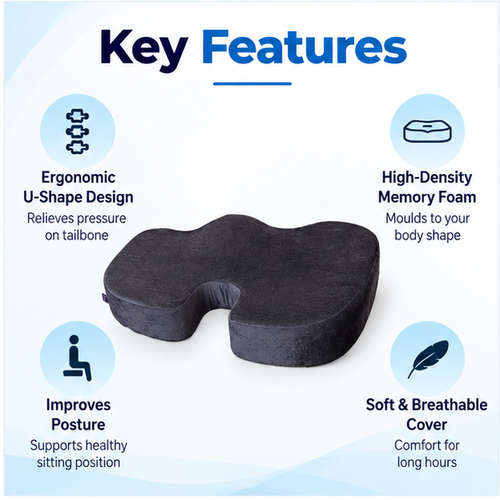
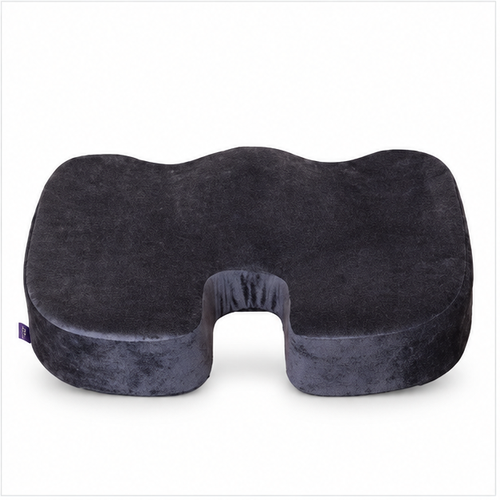
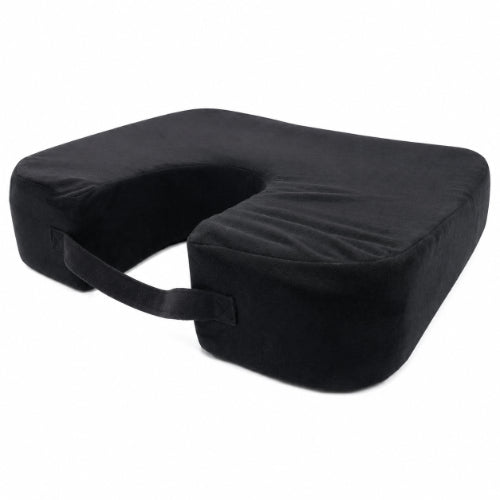
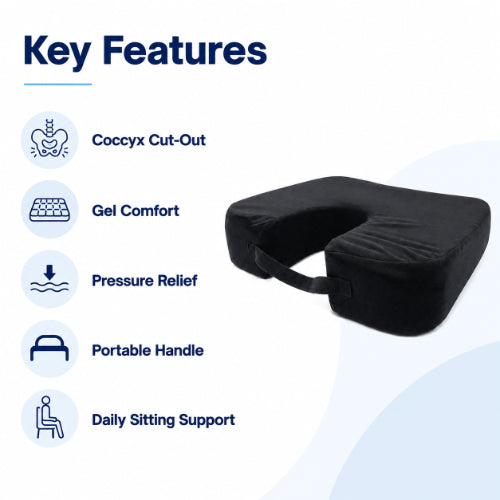
Coccyx (U-cut or wedge) cushions
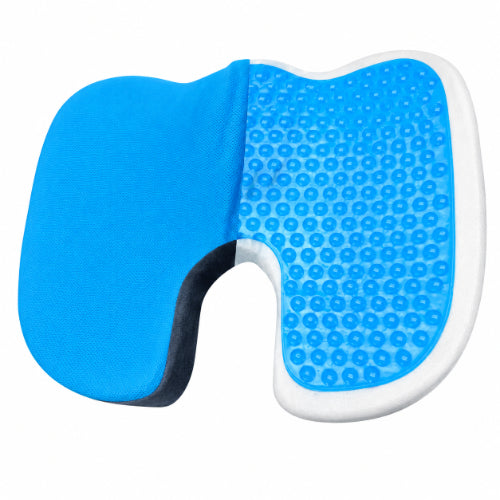
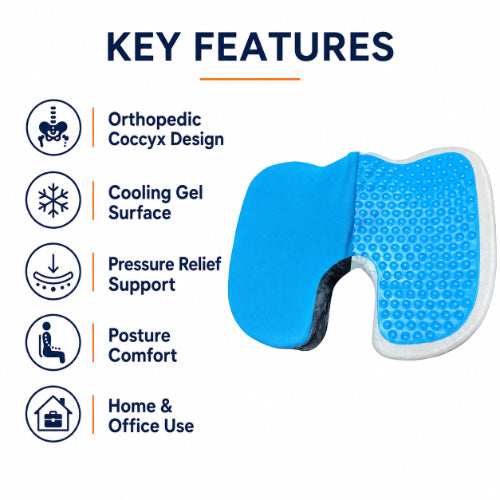
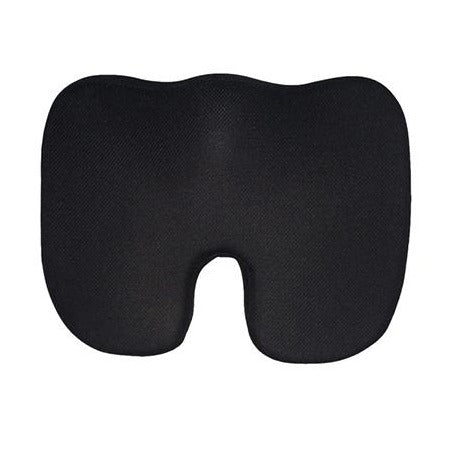
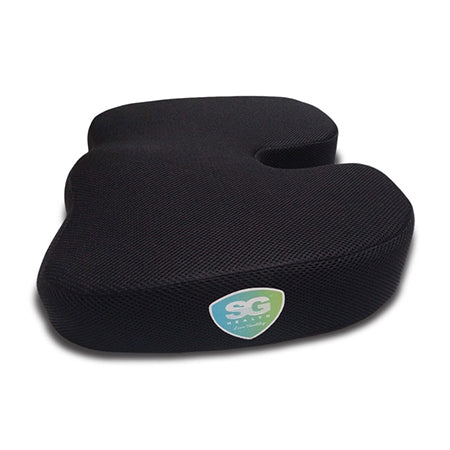
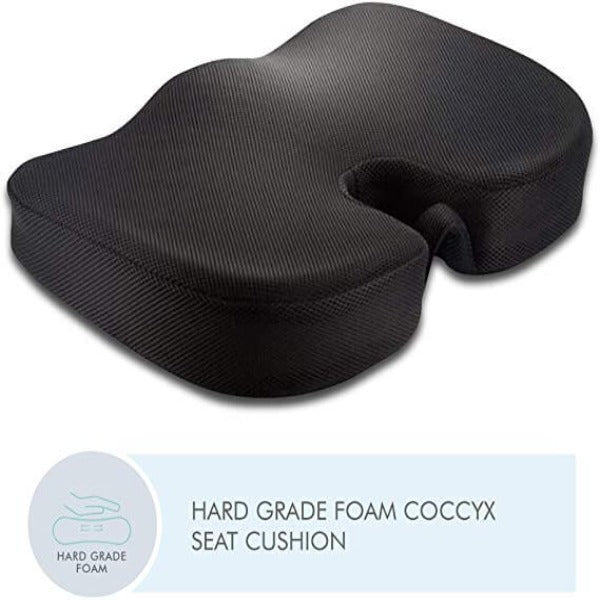
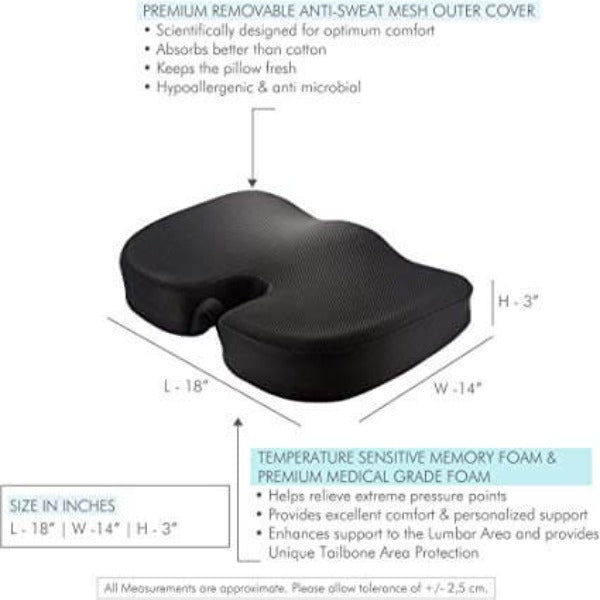
Shaped with a cut-out or channel at the back so the tailbone itself doesn't bear direct weight, while the surrounding foam supports the thighs and hips. Available in memory foam, gel-infused foam, and firmer hard-foam versions.
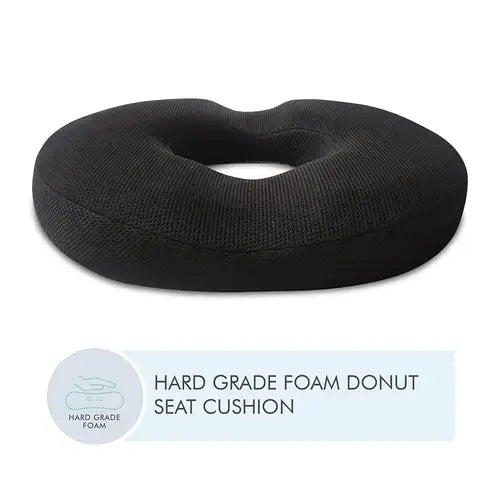
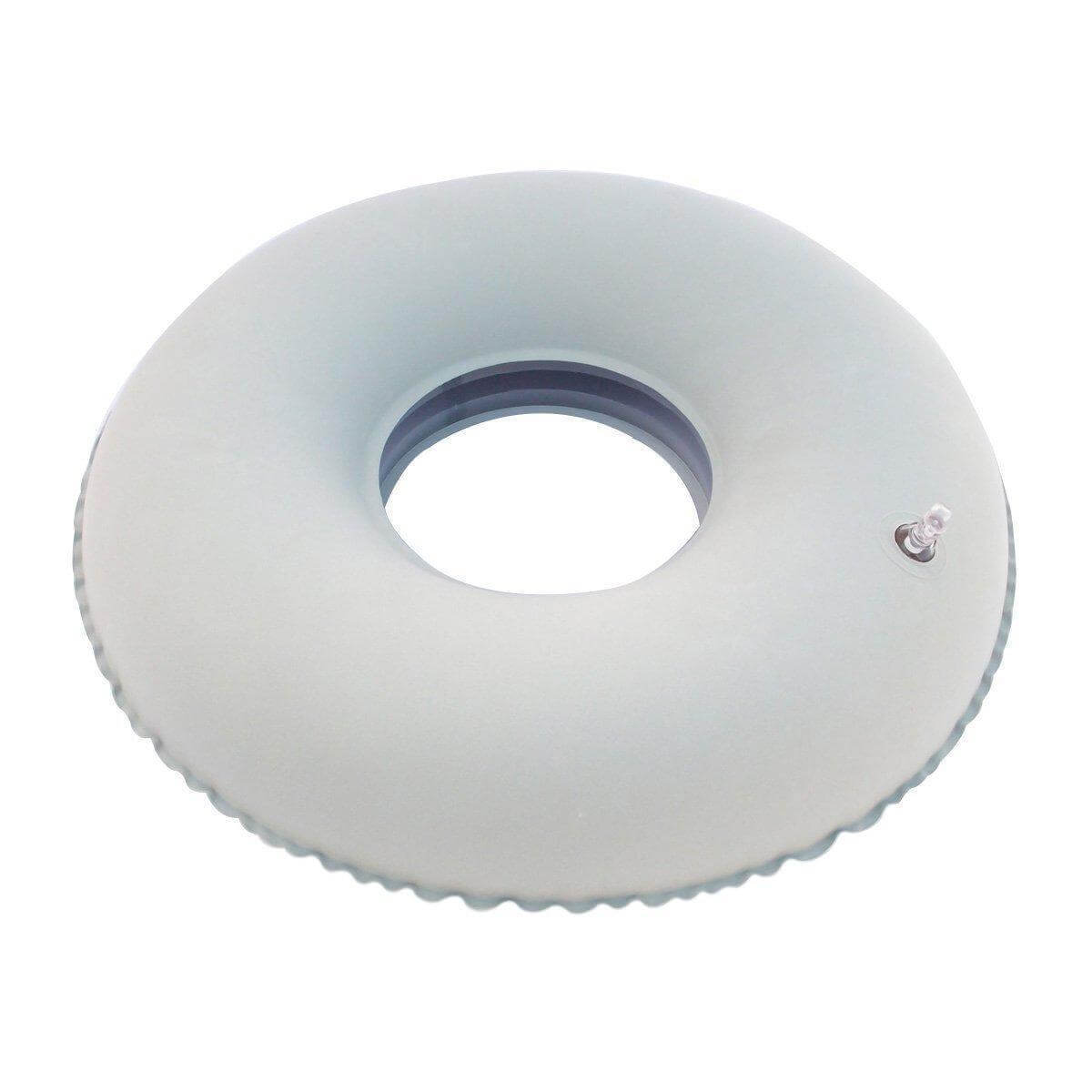
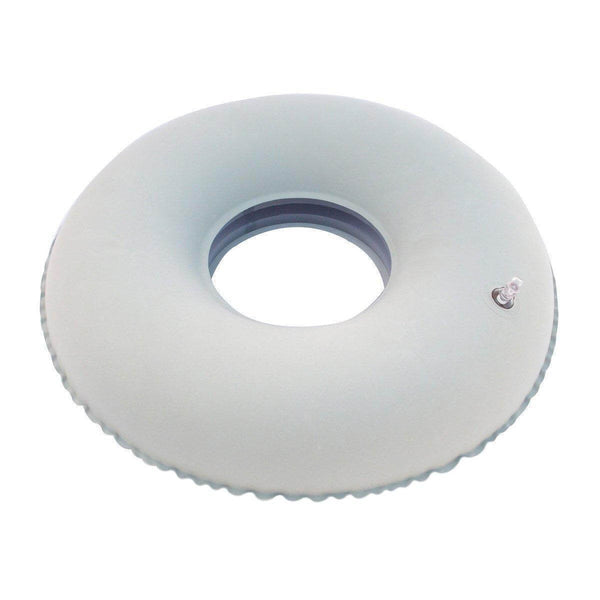
Donut (ring) cushions
A full ring shape with an open centre, commonly used for tailbone pain, post-partum recovery, or haemorrhoid discomfort, where any central pressure needs to be avoided entirely rather than just reduced.
Lumbar backrest cushions
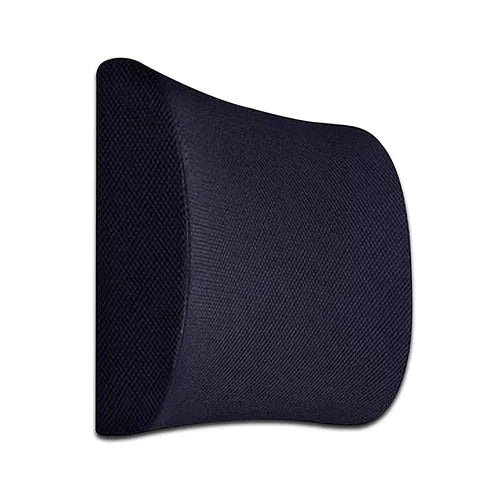
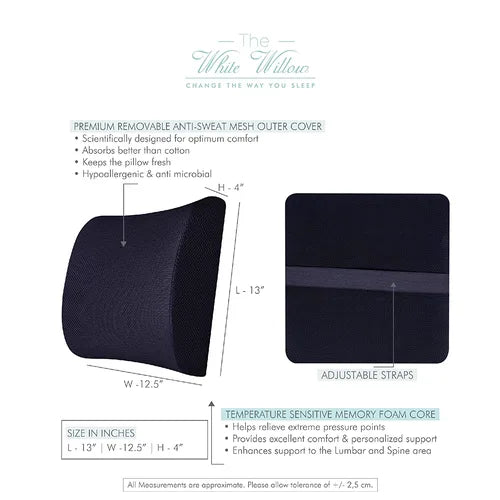
Fitted to the backrest of a chair or car seat rather than the seat itself, supporting the inward curve of the lower spine to reduce slouching over long sitting periods.
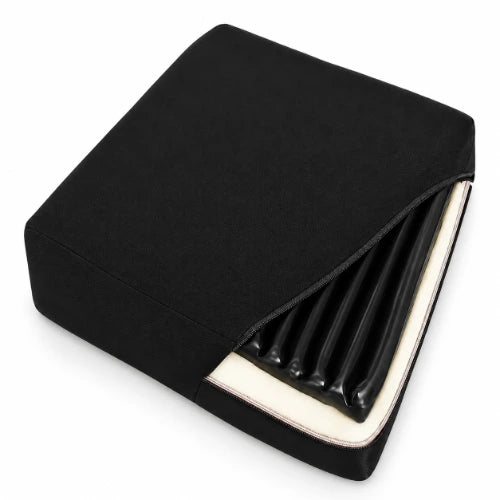
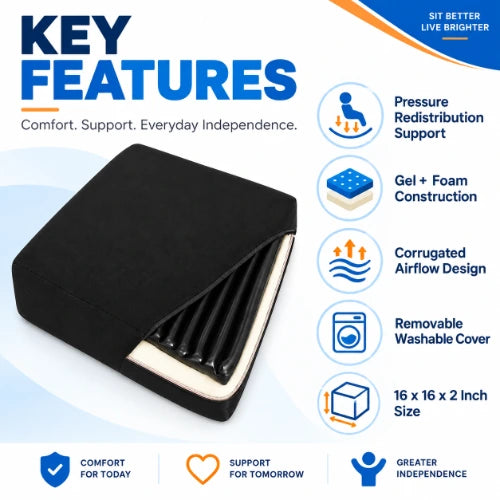
Gel wheelchair and pressure-relief cushions
Corrugated or gel-cell cushions designed to reduce sustained pressure on the skin for wheelchair users, relevant to bedsore/pressure-sore prevention rather than coccyx pain specifically.
Memory Foam vs. Gel vs. Hard Foam
Memory foam contours to body shape and is generally the most widely comfortable option for everyday use. Gel-infused cushions add a cooling feel and can offer more targeted pressure distribution, often at a higher price point. Hard (firmer) foam cushions hold their shape under sustained use and don't compress over time the way softer foam can, which suits heavier daily use or firmer seating preferences.
How to Choose
- Match the shape to the problem — a U-cut cushion for general coccyx pressure relief; a full donut for pain that needs zero central pressure; a lumbar backrest if the issue is lower-back support rather than tailbone pressure.
- Where will you use it — an office chair, car seat, wheelchair, or a firm dining chair each have different depth and strap requirements; several cushions in this range include a strap to keep them from sliding on car seats.
- Portability — if you move between a desk, car, and home seating through the day, a lighter foam cushion is easier to carry than a denser gel one.
- Cover material — a removable, washable cover matters for cushions used daily.
FAQs
What's the difference between a coccyx cushion and a donut cushion?
A coccyx (U-cut) cushion has a channel or notch cut into the back edge, reducing but not fully eliminating pressure on the tailbone. A donut cushion is a full ring with an open centre, removing central pressure entirely — usually the better choice for more acute or severe tailbone pain.
Will a cushion alone fix my back or tailbone pain?
A cushion reduces pressure and can make sitting more comfortable, but it doesn't address the underlying cause of pain. For ongoing or worsening pain, see a doctor or physiotherapist for a proper assessment.
Can I use a coccyx cushion in the car?
Yes — many of these cushions are compact enough for a car seat; check the specific product for a non-slip base or securing strap if that matters for your seat.
How do I clean a memory foam cushion?
Most come with a removable outer cover that can be washed separately; the foam insert itself usually should not be machine washed. Check the specific product's care instructions.
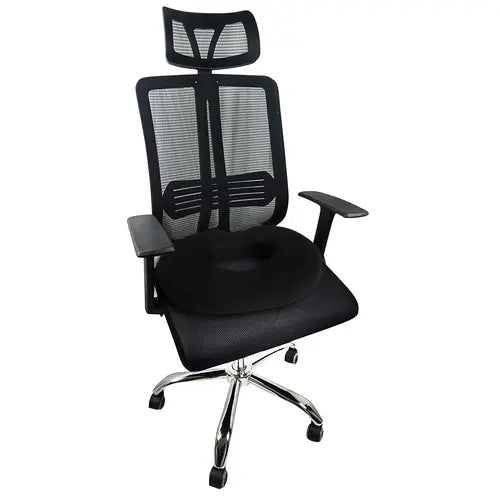
[IMAGE: U-shaped memory foam coccyx cushion on an office chair]Explore Medical Collections
All Categories
Abdominal & Maternity Support

Accessories

Accu-Chek Instant Strips: Use, Compatibility, Price & Blood Sugar Testing Guide
Accu-Chek Instant Strips: Uses, Features & Complete Guide

Accupressure Products for Pressure Point Therapy, Pain Relief & Wellness

accupuncture

Acupuncture Needles & Supplies

Advanced Physiotherapy Machines & Lumbar Physiotherapy

Airways

Ambulance

Anatomy Models
Anesthesia Machine

Anesthesia Products
Ankle Support, Braces & Walker Boots for Recovery
Ankle Weights & Exercise Weights for Home & Rehab
You may also need
FOR YOURecommended for you
Save 18%
Save 50%
Save 5%
Save 21%
Save 20%
Save 25%
Save 12%
Save 40%
Save 20%
Save 52%
Save 19%