


Featured ChoiceSave 50%
Save 28%
Save 45%

Save 35%
Save 20%
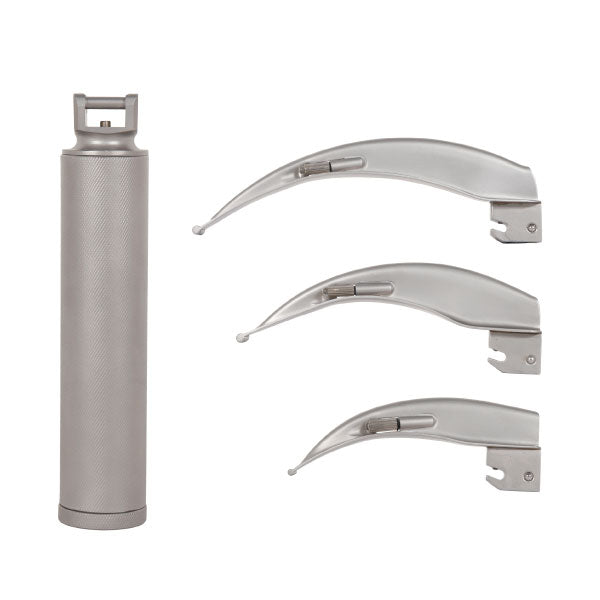
Save 15%
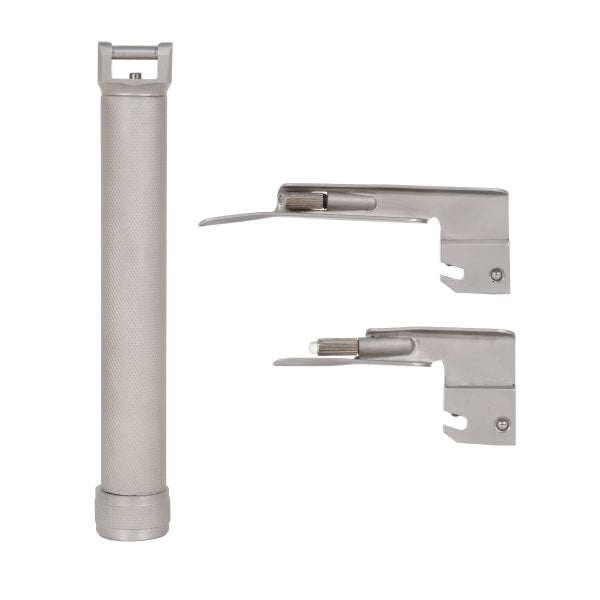
Save 20%
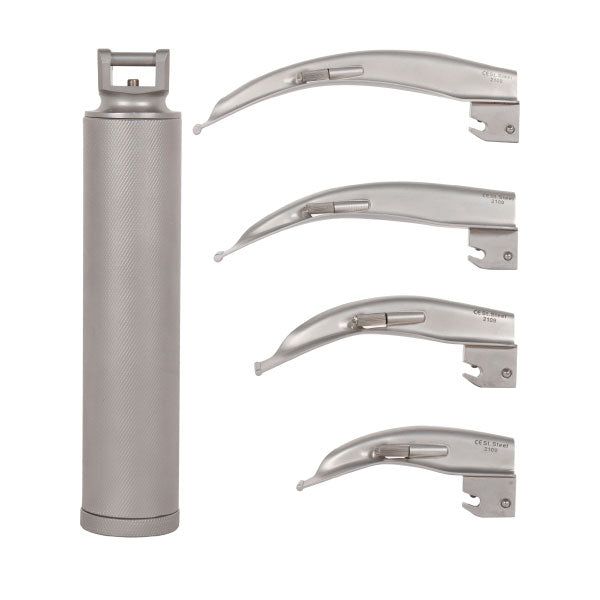
ENT Instruments for Ear, Nose & Throat Examination
ENT Instruments for Ear, Nose & Throat Examination
ENT instruments help trained doctors examine and treat problems involving the ear, nose and throat. An ENT setup may include an otoscope, ear specula, nasal specula, tongue depressors, forceps, laryngoscopes and other examination tools.
Doctors choose different tools for each part of the body. For example, an otoscope gives a clear view of the ear canal, while a nasal speculum helps during a nose examination.
Choosing the right instrument starts with the task. Buyers should compare size, material, light source, fit, cleaning needs and ease of handling before they order.
Types of ENT Instruments
Ear, nose and throat care involves several different areas. As a result, doctors need different tools for different examinations.
Ear Examination Instruments
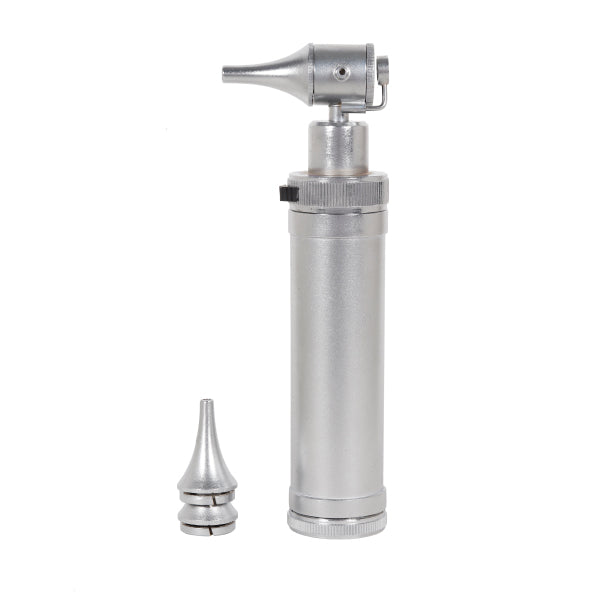
An ear examination needs good light and a clear view of the ear canal. An otoscope combines light with magnification and works with suitable ear specula.
ENT examination option: Otoscope Heine Type Premium Quality
Meddey's otoscope comes with reusable specula and a magnifying lens. Doctors can select a suitable speculum size according to the examination and patient.
Throat & Laryngeal Instruments
Throat and airway procedures may need tools that improve the doctor's view and access. A laryngoscope provides light and uses a blade to support suitable airway or throat procedures.
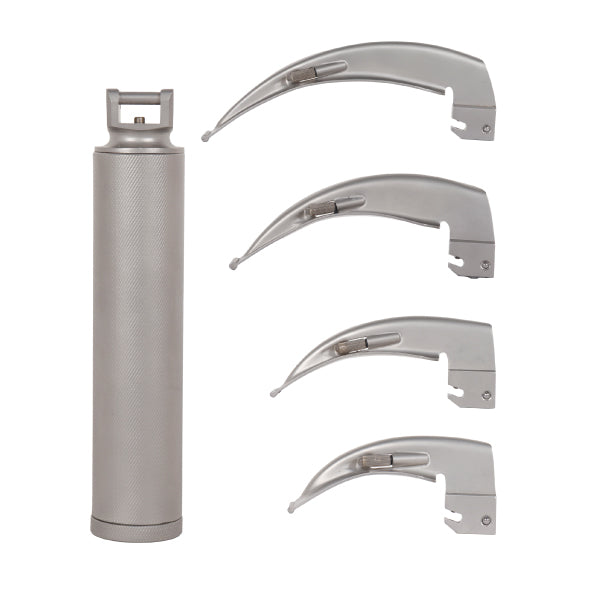
Premium option: Laryngoscope Premium with Blade Size 1, 2, 3, 4
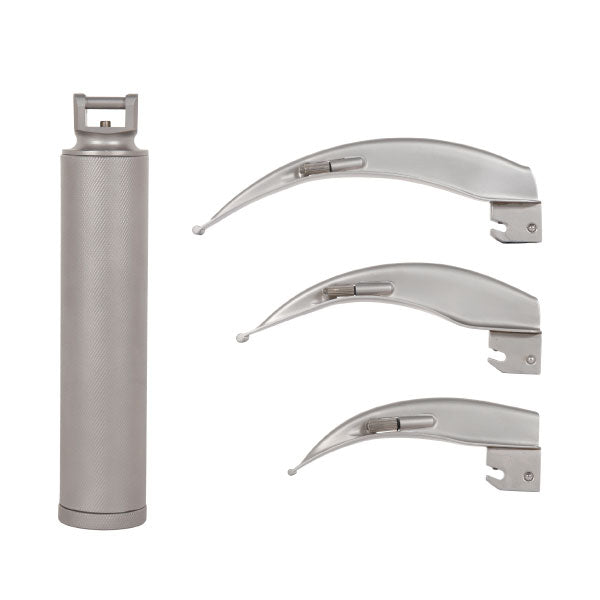
Economy option: Laryngoscope Economy Blade Size 1, 2, 3, 4
Doctors should choose the blade size that suits their intended use. They should also check the light, handle and blade connection before each procedure.
Nose Examination Instruments
Nose examination tools help doctors view or reach the nasal cavity. Common examples include nasal specula, suitable forceps and other slim tools that support careful access.
The right tool depends on the task. A routine examination may need a different instrument from a dressing or foreign-body procedure.
General Procedure Tools
Some general surgical tools can also support selected ENT procedures. Forceps and scissors may form part of a wider procedure tray even when they are not dedicated ENT examination devices.
Hospitals should separate specialist ENT tools from general surgical instruments when planning stock. This makes it easier for staff to choose the correct item for each task.
Common ENT Instruments and Their Uses
| Instrument | Main Use | Common Setting |
|---|---|---|
| Otoscope | Helps doctors view the ear canal and eardrum | ENT clinic, hospital, GP clinic and training centre |
| Ear Speculum | Helps provide access during an ear examination | ENT examination room |
| Nasal Speculum | Helps open the nostril for a clearer view | ENT clinic and hospital |
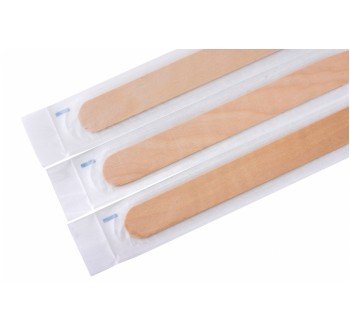
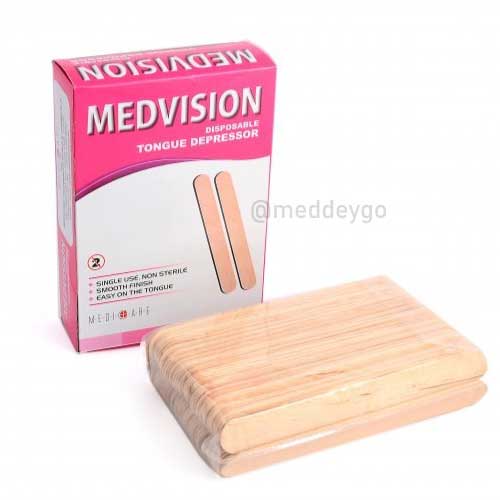
| Tongue Depressor | Helps improve the view of the mouth and throat | ENT clinic and general examination room |
| Laryngoscope | Provides light and access for suitable throat or airway procedures | Hospital and operation theatre |
| ENT Forceps | Help doctors grasp or handle material during suitable procedures | ENT clinic and procedure room |
How to Choose ENT Instruments
Start with the part of the body that the doctor needs to examine. Ear care needs different tools from nose, throat or airway procedures.
After that, think about how often the team will use the instrument. Busy clinics may prefer strong reusable tools, while some accessories may work better as single-use items.
Size matters as well. Ear specula, laryngoscope blades and similar parts come in different sizes, so staff should select the correct option for the patient and task.
Cleaning needs should also guide the purchase. Reusable tools require proper care between patients, while single-use items should go through the correct waste route after use.
Important Buying Checks
- Purpose: confirm whether the tool is for the ear, nose, throat or airway.
- Size: check blade, speculum or instrument size where needed.
- Material: choose a material that suits the intended use and care method.
- Light: make sure diagnostic tools provide a clear view.
- Fit: confirm that blades, tips and other parts match the main device.
- Reuse: check whether staff can clean and reuse the item.
- Storage: keep tools dry, clean and safe from damage.
ENT Instruments for Ear Examination
An otoscope is one of the most common ENT instruments for ear checks. It combines light and magnification so a trained doctor can inspect the ear canal and eardrum.
Staff should choose the correct ear speculum size before the examination. They should also clean reusable parts according to the maker's instructions.
Doctors may use other ear tools for selected tasks. These can include probes, curettes or forceps when the procedure requires them.
ENT Instruments for Nose Examination
A nasal speculum helps a doctor see inside the nose by gently widening the nostril. This can improve the view during a basic nasal examination.
Some nose procedures may also need suitable forceps. The doctor should choose an instrument that fits the exact task rather than using a general tool as a substitute.
Regular checks help keep reusable tools in good condition. Clinic staff should look for damage, poor alignment or rough movement before use.
ENT Instruments for Throat & Airway Care
Simple throat checks may use tools such as tongue depressors. More advanced airway work may need a laryngoscope and the correct blade size.
Meddey lists laryngoscope options with several blade sizes. This gives professional buyers a choice when matching equipment to their work.
Before a procedure, staff should check the light, blade connection and overall condition of the device. Proper preparation supports safer and smoother use.
Professional-use note: Trained healthcare professionals should handle ENT examination and procedure tools. Patients should not place clinical instruments inside the ear, nose or throat without proper medical guidance.
Current Products Listed in This Collection
The live collection also contains several broader medical instruments. These products have valid clinical uses, but they are not all dedicated ear, nose or throat examination tools.
Cheatle Forceps
Cheatle forceps help staff handle clean or sterile materials during suitable medical procedures. They serve a wider medical role rather than a dedicated ENT examination role.
Suture Cutting Scissors
Suture-cutting scissors help medical staff remove suitable sutures. They belong to general surgical equipment rather than a dedicated ENT examination set.
Disposable Cusco Speculum
A Cusco vaginal speculum supports gynaecological examination. Its purpose is different from that of a nasal or ear speculum, even though all of these products use the word “speculum.”
Reusable vs Single-Use ENT Instruments
Reusable tools can support repeated clinic use when staff clean and care for them correctly. Stainless-steel hand tools often work well for this type of repeated use.
Single-use products follow a simpler route after a procedure. Staff should discard them after one use when the maker labels them as disposable.
Some diagnostic devices combine reusable and replaceable parts. An otoscope, for example, may use separate specula, so the team should check the care instructions for every part.
Cleaning & Storage of ENT Instruments
Always start with the manufacturer's care instructions. A powered or lighted device may need a different cleaning method from a stainless-steel hand tool.
Clinic staff should inspect reusable instruments for rust, damage, loose joints or poor alignment. A quick check before storage can also help identify problems early.
After cleaning, keep instruments in a dry and organised place. Trays, cases or suitable cabinets can help protect them from dirt and accidental damage.
ENT Instruments for Clinics, Hospitals & Training
ENT clinics often need a focused set of tools for regular ear, nose and throat checks. Hospitals may need a wider range because they handle outpatient care, emergency cases and theatre work.
Medical colleges can also use ENT instruments during supervised practical training. Students can learn instrument names, basic uses and safe handling before working in a clinical setting.
Buying teams should consider workload, fit and replacement needs before placing a large order. This approach helps departments buy tools that match their real daily work.
Explore Related Meddey Collections
Doctors who need a wider range of examination and procedure tools can explore Medical Instruments .
Teams looking for airway-related products can visit Anesthesia Products .
Procedure rooms that need more general supplies may browse Surgical Products .
Hospitals sourcing everyday medical supplies can also explore General Medical Supplies .
Frequently Asked Questions
What are ENT instruments?
ENT instruments are medical tools that help trained professionals examine or treat the ear, nose and throat.
Which tools are common in an ENT examination?
Common tools include otoscopes, ear specula, nasal specula and tongue depressors. Doctors may add other tools depending on the examination.
What does an otoscope do?
An otoscope gives the doctor light and magnification to inspect the ear canal and eardrum.
Why is a nasal speculum used?
A nasal speculum gently widens the nostril so a trained doctor can see the nasal cavity more clearly.
Are all ENT instruments reusable?
No. Some products allow repeated use after proper cleaning, while others are single-use items that staff must discard after use.
How do I choose an ENT instrument?
First identify the intended examination or procedure. Then compare the size, material, fit, light source and cleaning needs.
Can people use ENT instruments at home?
Professional tools generally require trained handling. Patients should avoid placing medical instruments inside the ear, nose or throat unless a healthcare professional gives clear guidance.
What should a clinic check before buying an otoscope?
Check the light, magnification, power source, speculum sizes, available parts and storage needs before choosing a model.
Do laryngoscopes count as ENT instruments?
Laryngoscopes support suitable throat and airway procedures. Doctors may use them in ENT, anaesthesia and other hospital settings depending on the procedure.
How should a clinic store reusable ENT tools?
Keep clean instruments in a dry and organised area. Follow the maker's instructions and the clinic's own care rules.
Need Help Choosing ENT Instruments?
For current specifications, availability or help comparing ear, nose and throat equipment, contact Meddey Customer Care on WhatsApp at +91 85860 12345 .
Clinical note: ENT tools support professional examination and care. They do not replace medical training, diagnosis or the manufacturer's instructions.
Explore Medical Collections
All Categories
Abdominal & Maternity Support

Accessories

Accu-Chek Instant Strips: Use, Compatibility, Price & Blood Sugar Testing Guide
Accu-Chek Instant Strips: Uses, Features & Complete Guide

accupuncture

Acupuncture Needles & Supplies

Advanced Physiotherapy Machines & Lumbar Physiotherapy

Airways

Ambulance

Anatomy Models
Anesthesia Machine

Anesthesia Products

Ankle Support for Home Use: Braces, Sleeves & Walker Boots
Ankle Weights & Exercise Weights for Home & Rehab

Anti-Bedsore Air Mattresses
You may also need
FOR YOURecommended for you
Save 50%
Save 28%
Save 45%
Save 20%
Save 35%
Save 20%
Save 15%