


Featured Choice








What customers say
★★★★★ 5.0 · 7 reviews
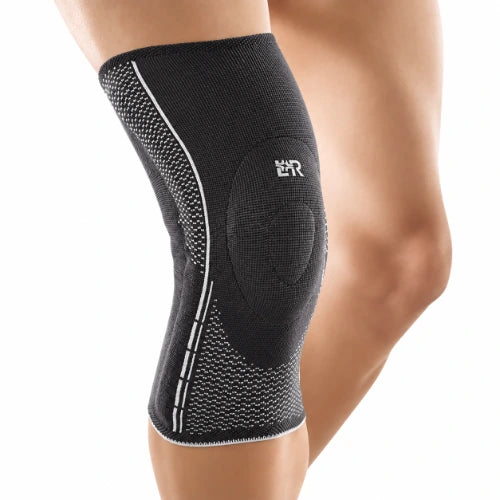
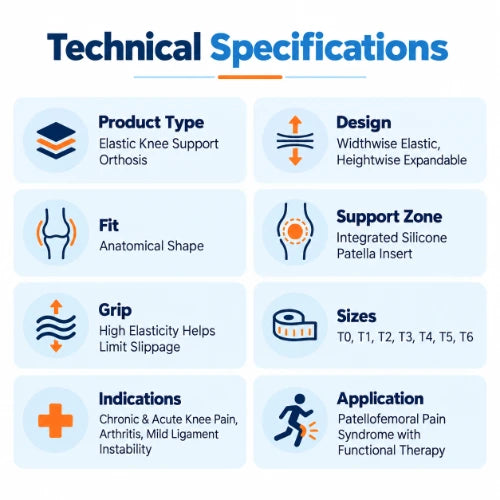
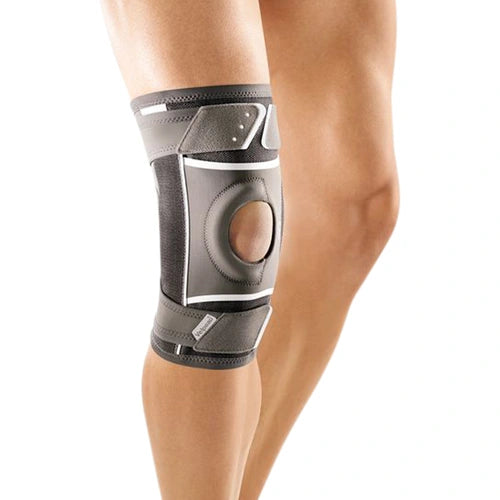
 Velpeau Genu Comfort Elastic Knee Support for Knee Pain & Stability
“Flexible, supportive, ideal for knee pain!”
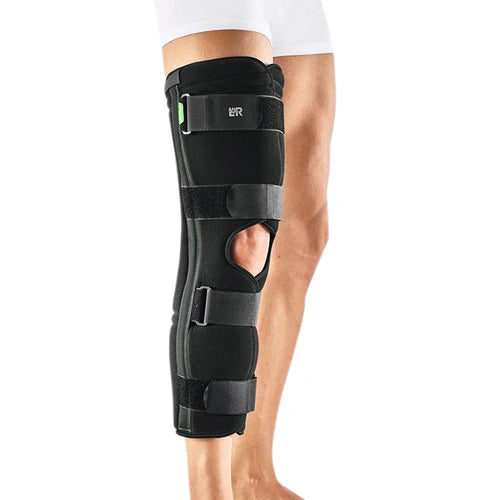
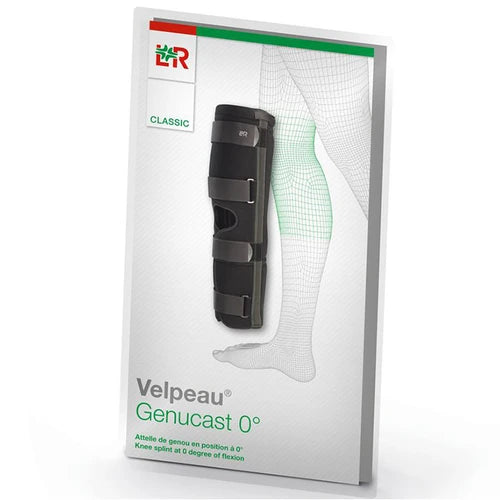
 Velpeau Genucast 0° Knee Immobiliser
“Sturdy, supportive, great for recovery!”
 Patellar Knee Support Ligation City from Velpeau France
“The Patellar Knee Support Ligation City from Velpeau France is fantastic for knee stability. It provides gr...”
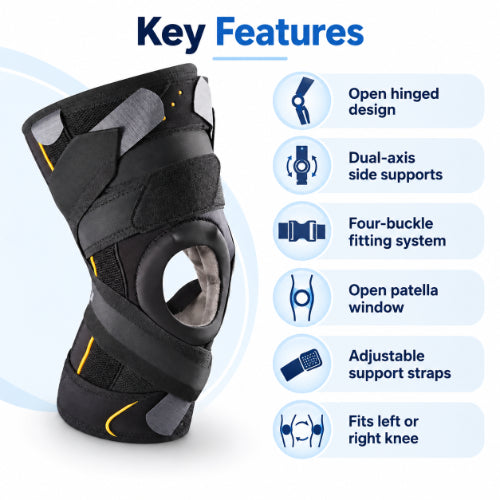
 Velpeau Ligaction Pro Open Hinged Knee Brace for Ligament Support
“Comfortable, secure, ideal for stability!”
“The Open Patellar Knee Support Ligation Pro from Velpeau France is excellent for knee pain relief. It offer...”
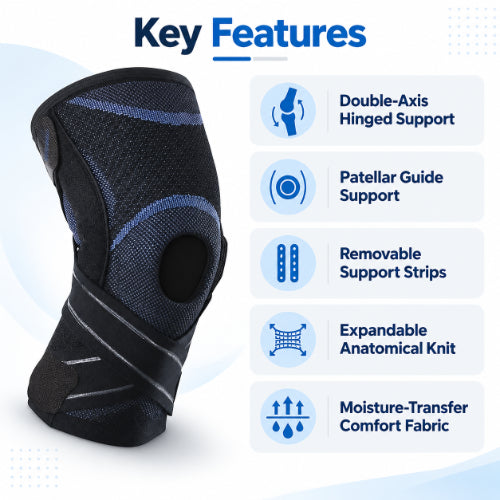
 Velpeau Ligaction Comfort Expandable Knee Brace for Knee Stability
“Comfortable, adjustable, great for stability!”
“The Expandable Knee Brace Ligation Comfort from Velpeau France is outstanding! It fits perfectly, provides ...”
Knee Braces & Supports
Knee Braces & Support: Types, Benefits & Buying Guide
Knee braces and support products can help people manage daily movement when the knee needs added support, compression, or guidance during activity. However, the range can feel confusing because knee support, knee sleeves, hinged knee braces, patella supports, stabilising braces, and post-injury braces serve different purposes. The right option depends on the person’s comfort, activity, fit, and advice from a qualified healthcare professional. This guide explains common types, features, materials, sizing, care, and buying considerations so you can compare options with confidence.
Knee braces do not diagnose or cure a knee condition. If pain is severe, swelling develops suddenly, the knee feels unstable, or walking becomes difficult, seek medical advice rather than relying only on a support.
Can you use knee braces and support every day?
Knee braces and support may be worn during selected daily activities when the product suits the person’s needs and instructions. Some people prefer a soft knee sleeve for light compression during walking, while others need a more structured brace recommended after an injury or procedure. The purpose should be clear before choosing a product: comfort, support during movement, or a specific rehabilitation plan.
Daily use is not identical for everyone. Fit, skin sensitivity, circulation, swelling, activity level, and the type of brace all affect comfort. A support that feels fine for a short walk may become uncomfortable after several hours. Start by following the product instructions and any guidance from a clinician, and check the skin after removing the brace.
Before buying, consider when the support will be worn, how long it will stay on, and whether it must fit under clothing. The best knee support is not necessarily the tightest or most rigid option. It is the one that fits correctly and matches the intended activity without creating new discomfort.
Why knee support matters during daily activities
The knee helps the body stand, walk, climb steps, sit down, and change direction. Because these actions repeat throughout the day, discomfort can affect work, exercise, household tasks, and recreation. Knee braces and support products offer an external layer around the joint. Depending on their design, they may provide compression, a feeling of stability, warmth, or controlled movement.
People may explore knee support during recovery, sport, exercise, or everyday activities that place repeated demands on the joint. A soft sleeve can feel convenient under clothing, whereas a brace with side supports may provide a more structured fit. Still, a brace should complement a suitable care plan rather than replace strengthening, rest, or professional assessment when those are needed.
Support can also remind the wearer to move thoughtfully, but it should not be treated as permission to ignore pain. If symptoms increase, the brace slips repeatedly, or movement feels less secure, stop and review the fit and intended use. Consistent comfort and appropriate guidance matter more than choosing a product with the longest feature list.
What are knee braces and support?
Knee braces and support is a broad term for wearable products designed to fit around the knee. Common examples include elastic knee sleeves, compression supports, open-patella braces, wraparound supports, hinged braces, and adjustable stabilising designs. They differ in how they fit, how much structure they provide, and how easy they are to put on or remove.
A knee sleeve generally slides over the leg and offers a close, flexible fit. A wraparound support opens with straps, which can make adjustment easier for some users. Hinged braces include side structures and are typically selected for more specific support needs under professional guidance. Open-patella designs have an opening around the kneecap, while closed-patella designs cover the front of the knee.
Names are not always standardised across brands, so read the product description carefully. Confirm the intended use, material, sizing method, adjustment features, and care instructions. If a clinician has recommended a particular brace style, use that recommendation to narrow the options instead of choosing based on appearance alone.
Common types of knee braces and support
Soft knee sleeves are flexible and often easy to wear during ordinary activities. They may suit people looking for a close-fitting layer with mild compression and warmth. The fabric should sit smoothly without rolling, bunching, or restricting movement. A sleeve is not the same as a rigid stabilising brace, so it may not meet needs that require more controlled support.
Wraparound knee supports use straps or fasteners to secure the product around the joint. This design can make fitting easier for people who find pull-on sleeves difficult. Adjustable straps also let the wearer manage the fit, but they should not be tightened so much that they cause numbness, tingling, skin marks, or discomfort.
Hinged knee braces include supports along the sides and may be used when a more structured design is appropriate. Because brace design and fit can affect movement, ask a qualified professional whether this style matches your needs. Patella-focused supports are designed around the kneecap area, while sports braces may combine flexible fabric, straps, and stabilising elements. Check the manufacturer’s stated purpose before selecting any type.
- Knee sleeves: Flexible fabric for a close, low-profile fit.
- Wraparound supports: Adjustable straps for easier fitting.
- Open-patella supports: An opening around the kneecap area.
- Hinged braces: A more structured design for selected support needs.
Knee sleeve versus knee brace
A knee sleeve and a knee brace can look similar, but they are not interchangeable in every situation. A sleeve is usually made from stretch fabric and offers a simpler, low-profile fit. Many people choose it for comfort during routine movement or exercise when light compression is appropriate. It is generally easy to put on and can fit beneath loose trousers or sports clothing.
A brace may include straps, reinforced panels, side supports, or hinges. These features can create a more structured fit, though they can also add weight, bulk, and setup time. A brace may be more suitable when a clinician recommends specific support, but additional structure does not automatically make it better for every person.
When comparing the two, focus on the task and the recommendation you have received. Ask whether you need flexible compression or a more structured design, whether you need adjustable straps, and whether the product allows the required range of movement. If you are unsure, speak with a healthcare professional before choosing a brace for an injury.
Open patella and closed patella designs
An open-patella knee support has an opening or shaped area around the kneecap. Some designs also use a ring or reinforced border to help position the support around the front of the knee. Wearers may find the opening comfortable, but the effect depends on the product’s construction and the individual’s fit.
A closed-patella design covers the front of the knee with fabric or padding. This creates a more continuous surface and may feel comfortable to people who prefer full coverage. Neither style is automatically right for everyone; the best choice depends on the product instructions, the wearer’s comfort, and any advice from a clinician.
Check that the fabric does not bunch behind the knee when sitting or bending. The kneecap opening should remain in the intended position during movement. If the support twists, slides down, or creates pressure around the kneecap, reassess the size and placement instead of tightening it excessively.
How to choose the right knee support
Start by identifying the reason you want knee support. Are you looking for a flexible layer during walking, a product for sport, an adjustable fit, or a brace recommended as part of rehabilitation? Clear goals make product comparison easier and reduce the chance of buying a design that does not meet your needs.
Next, review the manufacturer’s sizing chart. Some products use the circumference of the knee, while others require measurements above or below the joint. Take measurements exactly where the brand instructs and compare them with the chart. Do not assume your usual clothing size will translate to a knee brace size, because brands and materials differ.
Finally, consider the practical details: how easy it is to put on, whether straps can be adjusted, whether seams irritate the skin, and whether the support stays in place while sitting and walking. If you need a brace for a diagnosed injury or after surgery, follow the clinician’s instructions and confirm the exact type and wearing schedule before purchasing.
Sizing and fit: what to check
A correct fit is essential for comfort. A support that is too loose may slip, wrinkle, or rotate during movement. A support that is too tight may cause discomfort, pressure marks, tingling, numbness, or changes in skin colour. Use the sizing chart supplied for the exact product rather than relying on a general size guide from another brand.
Measure with a flexible tape and keep it snug without compressing the skin. If the product asks for measurements at more than one point, record each one. When your measurement falls between sizes, follow the manufacturer’s advice or contact the seller for guidance. Do not select a smaller size simply to obtain stronger compression.
After putting on the support, check that it sits in the intended position and that the fabric lies flat. Walk a short distance and bend the knee gently if that movement is appropriate for you. The support should not slide significantly, cut into the skin, or interfere with circulation. Remove it and seek advice if you experience persistent discomfort or unusual sensations.
Materials, breathability and comfort
Knee supports may use elastic knit, neoprene-style materials, breathable fabric blends, foam padding, or combinations of textile and structural components. Stretch fabrics allow movement and can make a sleeve easy to wear. Thicker materials may feel warmer or provide a more substantial fit, while mesh panels can improve airflow in selected designs.
Comfort depends on more than the fabric name. Seam placement, edge finishing, the shape behind the knee, and moisture management all affect how the support feels during prolonged wear. People who sweat during exercise may prefer a washable, breathable design. Those with sensitive skin should check material information and stop using a product that causes persistent irritation.
Think about the climate and routine in which you will wear the support. A thick brace may feel warm during outdoor activity, while a low-profile sleeve may be easier to wear under clothing. Always follow cleaning instructions because harsh washing, high heat, or improper drying can affect elasticity and fasteners.
Knee braces for walking and daily use
Walking places repeated demands on the knee, particularly when moving between flat ground, stairs, slopes, and uneven surfaces. Some people choose a knee sleeve for a comfortable, flexible fit during routine walking. Others may need a more structured brace based on professional advice. Product choice should reflect the individual’s condition and activity rather than a general assumption that all knee discomfort requires a brace.
For daily use, look for a design that stays in position without constant adjustment. A bulky brace may catch on clothing or feel restrictive when sitting. If you wear the support for commuting or work, consider whether it can be put on independently and whether it remains comfortable throughout the day.
Do not use a support to push through worsening pain or instability. If walking becomes difficult, the knee locks, swelling increases, or the joint gives way, seek professional assessment. A brace can be one part of a broader plan, but it does not replace diagnosis, suitable exercise, or other care recommended by a clinician.
Knee support for sports and exercise
Sports and exercise involve different movement patterns. Running, gym training, court sports, cycling, and recreational games may place different demands on the knee. A flexible support may be convenient for some activities, while a structured brace may be recommended for specific situations. No single knee brace is best for every sport or every athlete.
Check whether the product allows the bending, extension, and direction changes required for your activity. It should stay secure without creating pressure or limiting movement beyond what the instructions allow. Test comfort during a low-intensity session before relying on the support for a longer activity, provided exercise is appropriate for your condition.
Warm up, use suitable technique, and follow any rehabilitation plan supplied by a professional. A brace should not be considered a guarantee against injury. If pain, swelling, or instability appears during activity, stop and assess the problem instead of relying on tighter straps or a more rigid product.
Adjustable knee braces and wraparound support
Adjustable knee braces use straps, hook-and-loop fasteners, or other closures to secure the product. This design can help users fine-tune the fit and may be easier to put on than a pull-on sleeve. It can also be useful when a fixed-size sleeve is difficult to position, although the product still needs to match the wearer’s measurements.
Fasten straps according to the instructions and keep tension even. Over-tightening can create pressure and discomfort, while loose straps may allow the support to move out of position. Check the fasteners regularly for lint, wear, or reduced grip, since worn closures can affect how securely the brace stays in place.
Before buying, consider the number and placement of straps, how easily you can reach them, and whether you can adjust the product independently. If you have limited hand mobility or need help dressing, a simpler closure system may be more practical. For post-injury use, confirm the brace style and adjustment instructions with your clinician.
Hinged knee braces and stabilising designs
Hinged knee braces typically have side supports designed to provide a more structured feel than a simple fabric sleeve. Some models allow movement through a defined range, while others have different hinge and strap arrangements. The intended purpose varies by design, so check the manufacturer’s specifications and seek professional advice when the brace is being considered for an injury.
A hinged brace may be bulkier than a soft sleeve and may need more careful positioning. Make sure the hinge areas align with the knee as directed by the manufacturer. If the brace shifts, rubs the skin, or makes walking uncomfortable, do not compensate by tightening every strap; review the fit and ask for help.
These products should not be selected only because they appear stronger. A more structured design can be unnecessary for a person who needs only light support, and it may not be appropriate for every injury. Follow the treatment plan and use the brace for the activities and duration recommended by a qualified professional.
Knee braces during rehabilitation
Rehabilitation plans differ depending on the reason for symptoms, the procedure or injury involved, and the person’s recovery stage. Some people may be advised to use a specific brace temporarily, while others may be encouraged to focus on movement and exercises without additional support. The correct choice should come from the treating professional rather than a general online guide.
If a brace has been prescribed, ask how to put it on, how to check the fit, when to remove it, and which activities are allowed. Confirm whether the brace must remain in a particular position and whether its settings should be changed only by a professional. Do not alter hinge limits or straps beyond the instructions you have received.
Rehabilitation often involves gradual progress and regular review. A brace does not replace the exercises, mobility work, or follow-up appointments included in a care plan. Contact the treating team if the brace becomes uncomfortable, causes skin problems, no longer fits because swelling changes, or makes the prescribed movements difficult.
Knee support for older adults
Older adults may value knee supports that are simple to put on, comfortable during routine movement, and easy to clean. Grip strength, balance, skin sensitivity, swelling, and the ability to bend down can influence which design is practical. A pull-on sleeve may be convenient for some people, while an adjustable wraparound style may be easier for others.
Choose a support that does not create a tripping hazard or interfere with footwear, walking aids, or clothing. The wearer should be able to sit and stand comfortably, and a caregiver should be able to check the skin if assistance is needed. If the person has reduced sensation or circulation problems, ask a healthcare professional before using a compression product.
New or worsening knee pain, repeated falls, sudden swelling, or an inability to bear weight needs professional attention. Do not rely on a brace alone to manage these concerns. A suitable support may assist a broader plan, but safe mobility also depends on appropriate footwear, the home environment, and any recommended strength or balance exercises.
Knee braces for work and active routines
People who stand for long periods, walk around a workplace, or perform repetitive tasks may look for a knee support that remains comfortable throughout a shift. The best design depends on the job’s movement requirements, the floor surface, clothing, and any relevant medical advice. A low-profile sleeve may fit more easily beneath workwear, while adjustable braces may suit people who need a customisable fit.
Consider whether the product can be cleaned frequently and whether its material dries within a practical timeframe. Check that the support does not slip when moving between sitting, standing, and walking. If work requires kneeling, climbing, lifting, or quick changes in direction, make sure the product’s intended use matches those activities and follow workplace safety guidance.
Persistent symptoms should not be masked just to finish a shift. Discuss repeated pain or instability with a qualified professional and consider whether duties, footwear, rest periods, or movement patterns also need review. Knee support is one possible tool, not a substitute for addressing the cause of ongoing discomfort.
Compression and support: understanding the difference
Compression refers to the close pressure created by a fitted textile or support. Some wearers find that a compression sleeve feels secure and comfortable during movement. However, compression levels differ between products, and a product’s marketing description may not provide enough information to judge its suitability for a particular medical need.
Structural support refers to design elements such as straps, side panels, hinges, or reinforced sections. These components may create a more secure or guided fit, depending on the model. Compression and structural support can appear together, but they are not the same feature and should not be treated as interchangeable.
If you have a condition affecting circulation, sensation, skin integrity, or swelling, ask a healthcare professional before using a tight support. Remove the product if you notice persistent pain, numbness, tingling, unusual colour changes, or skin irritation. Follow the product instructions and do not assume that stronger compression always provides better results.
How to wear knee braces and support
Read the instructions before first use. Identify the top and bottom of the support, locate any patella opening or hinge, and check which side faces the skin. Put the product on in the position described by the manufacturer. If you have been given specific instructions by a clinician, follow those directions over general advice.
Smooth out wrinkles and make sure straps are evenly fastened. The support should sit in the intended location without digging into the back of the knee. Stand or move gently only if that activity is safe for you, and check whether the brace remains in position. If you cannot fit it correctly or it causes pain, remove it and ask for help.
Do not sleep in a knee brace unless your healthcare professional or the product instructions specifically allow it. The suitable wearing schedule depends on the product and the reason for use. Check the skin after removal, especially during the first few uses, and follow guidance about cleaning and drying before wearing it again.
Cleaning, care and maintenance
Regular cleaning helps keep knee support comfortable and in good condition. Follow the label because fabric blends, padding, hinges, and hook-and-loop closures may require different care. Some soft supports can be hand-washed or machine-washed on a gentle cycle, while structured braces may need spot cleaning and removal of certain components before washing.
Close straps before cleaning so they do not catch on fabric, and remove detachable parts only when the instructions permit it. Use the recommended detergent and avoid bleach, harsh chemicals, or high heat unless the manufacturer specifically allows them. Allow the support to dry completely before use; damp fabric can irritate skin and may develop an unpleasant smell.
Inspect the product regularly for stretched fabric, torn seams, damaged hinges, worn straps, or fasteners that no longer grip. Replace a support if it no longer fits or stays in place as intended. Keep the product in a clean, dry location away from direct heat and follow any instructions for storage or maintenance.
Common mistakes when buying knee braces
One common mistake is choosing a size based only on a person’s usual clothing size. Knee support sizing varies by brand and design, so measurements should be taken according to the product chart. Another mistake is selecting the tightest possible option in the belief that it must provide better support. Excessive tightness can cause discomfort and may be unsafe for some users.
Buyers sometimes choose a brace based on appearance or a broad label such as sports support, without checking its actual purpose. A simple sleeve, patella support, and hinged brace are different products. Review the intended use, materials, adjustment system, and limitations before ordering, and seek professional advice for a diagnosed injury or post-operative requirement.
Another frequent issue is ignoring cleaning, comfort, and long-term maintenance. A product that is difficult to put on, overheats the skin, or slips during movement may not be practical for regular use. Think about the daily routine, check return and warranty terms, and confirm that the selected product matches the wearer’s needs.
Knee braces and support price: value considerations
Knee braces and support prices vary according to material, design, adjustability, structural components, brand, and included accessories. A basic elastic sleeve generally differs in construction from a hinged or highly adjustable brace. Because products serve different purposes, comparing only the lowest price may lead to choosing a support that does not meet the intended need.
Consider value over the period you expect to use the product. Fabric durability, washability, replacement availability, fastener quality, and the ability to maintain a comfortable fit all matter. If the support is intended for a specific rehabilitation plan, suitability and professional guidance should take priority over saving a small amount on a different design.
Before purchasing, check the size chart, product details, package contents, delivery terms, warranty information, and return conditions. Ask the seller whether the listed price includes all straps or components shown in the product description. A clear comparison helps you understand what you are paying for and reduces the chance of receiving a product that does not fit.
When should you ask a healthcare professional?
Ask a qualified healthcare professional if you are unsure which brace type is appropriate, particularly after an injury, surgery, or a period of reduced mobility. Professional advice is also important when symptoms persist, the knee repeatedly gives way, or a support seems to change how you walk. The right approach may include assessment, exercise, changes to activity, or other treatment alongside a brace.
Seek urgent medical assessment for severe pain, major swelling after an injury, visible deformity, inability to bear weight, a locked knee, or a hot and red joint with fever. A support should not delay care for these warning signs. If you experience numbness, tingling, colour changes, or increased pain while wearing a brace, remove it and seek advice promptly.
Keep a note of when symptoms occur and which activities affect them. This information can help the clinician understand your needs and decide whether a sleeve, adjustable support, or more structured brace is suitable. Do not use online product descriptions as a diagnosis or change a prescribed rehabilitation plan without consulting the treating team.
Buying checklist for knee braces and support
Before selecting a product, use a simple checklist to compare the available options. First, identify the purpose and confirm whether a clinician has recommended a particular type. Next, measure the knee or leg exactly as the manufacturer directs and compare the result with the sizing chart.
Review the material, closure system, breathability, and ease of putting the product on. Consider whether you need a pull-on sleeve or adjustable straps, whether the support must fit under clothing, and how easy it is to clean. Look for clear instructions and check whether the product description explains its intended use and limitations.
Finally, check price, availability, delivery, warranty, and return conditions. Confirm the package contents and inspect the product when it arrives. If the brace does not fit as expected or creates discomfort, stop using it and seek guidance rather than forcing it to work.
- Confirm the intended use and any professional recommendation.
- Measure carefully and choose from the product sizing chart.
- Check material, straps, comfort, and ease of use.
- Review cleaning, warranty, returns, and package contents.
- Stop use and seek advice if the brace causes unusual discomfort.
Frequently asked questions about knee braces and support
Which knee brace is best? There is no single best knee brace for everyone. The suitable choice depends on the purpose, fit, activity, and any professional recommendation. A flexible sleeve may suit some routine activities, while a structured brace may be needed for a specific care plan.
Can I wear knee support all day? Wearing time depends on the design and reason for use. Follow the manufacturer’s instructions and any guidance from your healthcare professional. Check the skin regularly and stop using the support if you develop persistent discomfort or unusual sensations.
Should knee support feel tight? It should fit securely without causing pain, numbness, tingling, or colour changes. Do not choose a smaller size just to increase compression. Follow the size chart and adjustment instructions.
Can I exercise while wearing a knee brace? That depends on your condition, the activity, and the product. If the brace is part of a rehabilitation plan, follow the clinician’s guidance about allowed activities. Stop if pain or instability worsens.
How do I choose the correct size? Use the measurement points and sizing chart specified by the manufacturer. Different styles use different measurements, so do not rely only on clothing size or a size chart from another brand.
How should I wash a knee support? Follow the care label. Some fabric sleeves can be washed gently, while structured braces may require spot cleaning. Let the product dry fully before wearing it again.
Final takeaway on knee braces and support
Knee braces and support products come in a range of styles, from flexible sleeves and compression supports to adjustable, patella-focused, and hinged designs. The right option depends on the intended activity, fit, comfort, material, and any advice from a healthcare professional. A higher price or more complex structure does not automatically make a product the right choice.
Focus on accurate sizing, easy adjustment, comfortable materials, safe use, cleaning requirements, and clear product information. If you need a brace because of an injury, surgery, repeated instability, or persistent pain, ask a qualified professional which type is suitable and how it should be worn. Use the product as directed and do not ignore worsening symptoms.
Most importantly, treat knee support as one part of a sensible approach to mobility and comfort. The best product is one that fits properly, suits your routine, and supports an appropriate care plan without creating unnecessary pressure or restricting movement more than intended.
Knee braces and support for different lifestyles
Lifestyle can influence which knee support feels practical. Someone who spends most of the day at a desk may prioritise a lightweight design that is easy to put on before a walk. A person with an active routine may focus more on secure positioning, moisture management, and whether the support remains comfortable during repeated movement. People who travel frequently may prefer a product that packs easily and can be washed without complicated steps.
Think about the whole day rather than one activity alone. Consider commuting, sitting for long periods, climbing stairs, exercise, and changing clothes. If you use a mobility aid or have difficulty bending to reach the knee, look for a closure system you can manage safely or ask a caregiver for assistance. The support should make the routine more manageable, not add avoidable difficulty.
If the knee problem affects several areas of daily life, discuss your goals with a healthcare professional. They can help you understand whether a support is appropriate and whether other changes may be useful. A product that suits another person may not suit your measurements, symptoms, or activity level.
Checking your knee support after purchase
When the product arrives, compare it with the order details and read the instructions before use. Check seams, straps, hinges, padding, and closures for visible damage. Confirm that the size on the label matches the size ordered and that all listed components are included. Keep the packaging and purchase details until you are satisfied that the support fits correctly.
Try the support in a safe setting and follow the instructions for positioning. Check whether it stays in place during gentle, appropriate movement and whether the edges rub or fold. Remove it and inspect your skin after the first period of wear. Mild fabric marks may occur with some products, but persistent redness, pain, numbness, tingling, or unusual colour changes should not be ignored.
Keep the product instructions for future reference, especially if the support has adjustable straps or structural components. If the fit is wrong, contact the seller about the available exchange or return process before modifying the product. Cutting fabric, altering hinges, or changing the construction can affect fit and function. Replace worn or damaged supports when they no longer perform as intended.
Explore more support and rehabilitation products
Knee braces & supportOrthopedic supportsPhysiotherapy & rehabilitation
Explore Medical Collections
All Categories
Abdominal & Maternity Support

Accessories

Accu-Chek Instant Strips: Use, Compatibility, Price & Blood Sugar Testing Guide
Accu-Chek Instant Strips: Uses, Features & Complete Guide

accupuncture

Acupuncture Needles & Supplies

Advanced Physiotherapy Machines & Lumbar Physiotherapy

Airways

Ambulance

Anatomy Models
Anesthesia Machine

Anesthesia Products

Ankle Support for Home Use: Braces, Sleeves & Walker Boots

Ankle Weights & Exercise Weights for Home & Rehab

Anti-Bedsore Air Mattresses
You may also need
FOR YOURecommended for you