


Featured ChoiceSave 28%







About this collection
c
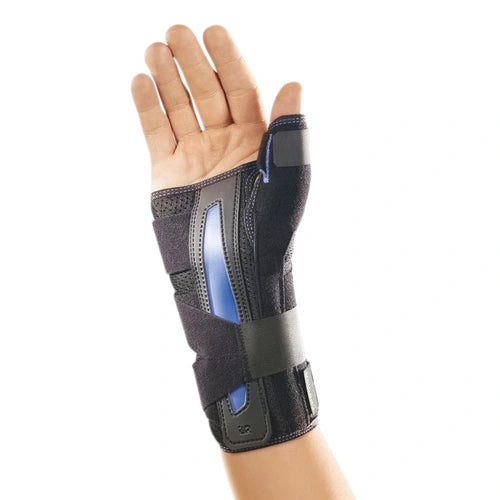
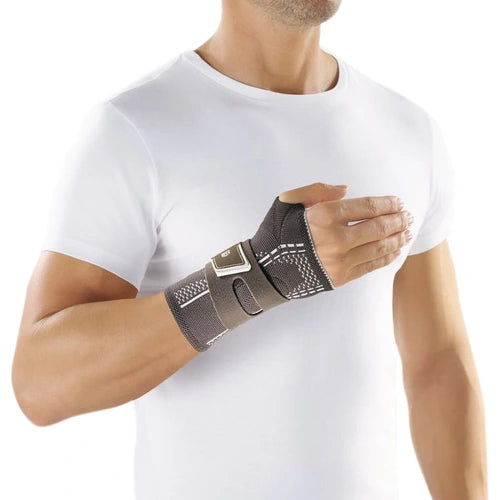
The Wrist & Hand Supports collection provides practical support options for people who need additional stability, comfort and controlled positioning around the wrist, hand and thumb. Wrist and hand supports can assist users during daily activities, work, sports, exercise and rehabilitation when a healthcare professional recommends external support. Different designs address different support requirements, so users can choose a suitable option according to the affected area, required level of support and intended activity.
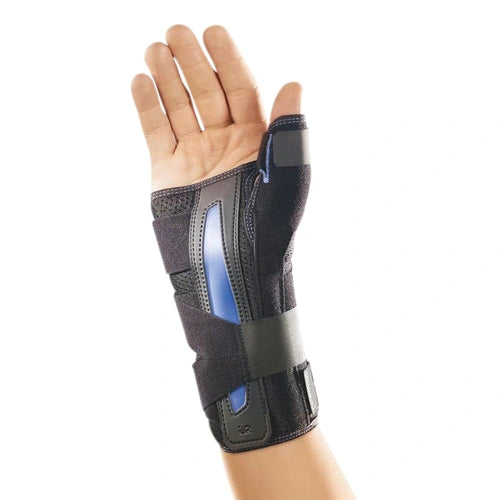
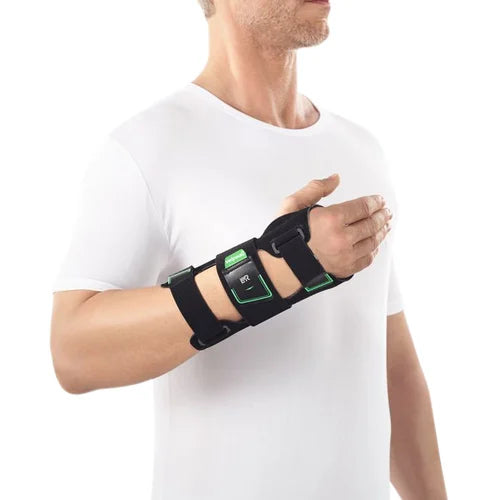
A wrist support can help provide controlled support around the wrist while allowing the user to perform suitable movements. Depending on the design, a support may include elastic fabric, adjustable straps, rigid or semi-rigid components, thumb openings or additional reinforcement. These features help create different levels of stability and comfort for different users and situations.
The hand support range can also include products designed to support the hand, thumb or wrist-hand area. Some models focus on flexibility and everyday comfort, while others provide more structured positioning. This variety makes the category useful for home healthcare, physiotherapy, rehabilitation, occupational therapy, sports support and general orthopedic care.
Before selecting a support, users should consider the area requiring support, the desired fit, the activity involved and any guidance provided by a qualified healthcare professional. Correct sizing and proper positioning can improve comfort and help the support perform as intended.
Product Overview
Wrist & Hand Supports cover a broad range of orthopedic and rehabilitation support products designed for the wrist, hand and thumb region. These products help users manage everyday support requirements by providing external stability around the selected area. Depending on the model, users may find lightweight elastic supports, compression-style designs, adjustable braces and more structured support options.
The wrist plays an important role in everyday movement. People use the wrist and hand while writing, typing, lifting, carrying, exercising, operating tools and performing many routine activities. Repetitive movement or physical demands can make additional support useful in certain situations. A suitable wrist brace or hand support can provide a more controlled environment around the joint while still allowing appropriate movement.
This category is designed to offer different support solutions rather than one universal product. Users can compare design, material, adjustability, coverage and intended use before selecting the appropriate option. For clinical or rehabilitation applications, users should follow the recommendations of their healthcare professional.
Why Choose Wrist & Hand Supports?
The wrist and hand perform frequent movements throughout the day. A support can provide additional external stability when a person needs controlled positioning or assistance during suitable activities. The exact purpose depends on the product design and the user's individual requirements.
- Provides targeted support around the wrist, hand or thumb.
- Offers different levels of stability for different requirements.
- Can support suitable daily activities when correctly fitted.
- May help users maintain a more controlled wrist position.
- Adjustable designs can provide a more personalized fit.
- Lightweight options can suit routine activities and mobility.
- Suitable designs can complement physiotherapy and rehabilitation routines.
- Different construction styles allow users to select support according to their needs.
Key Features of Wrist & Hand Supports
Targeted Wrist Support
Many products in this category focus directly on the wrist joint. Their construction helps provide external support around the wrist while maintaining a suitable level of movement for the intended use.
Hand and Thumb Coverage
Some supports extend beyond the wrist to cover part of the hand or thumb. These designs can provide more targeted support when the user requires coverage across a larger area.
Adjustable Fit
Adjustable straps or fastening systems allow users to modify the fit according to the product design. A suitable fit helps keep the support in its intended position without creating unnecessary pressure.
Comfort-Focused Construction
Many wrist and hand supports use flexible or padded materials to improve comfort during suitable periods of wear. Material and construction vary between models, so users should review individual product details before purchase.
Support for Different Activities
The collection can include products suitable for everyday support, work-related activities, exercise, sports, physiotherapy and rehabilitation. The appropriate product depends on the activity and the level of support required.
Types of Wrist & Hand Supports
Different wrist and hand support designs serve different purposes. Understanding the basic categories can help users compare products before making a purchase.
Wrist Braces
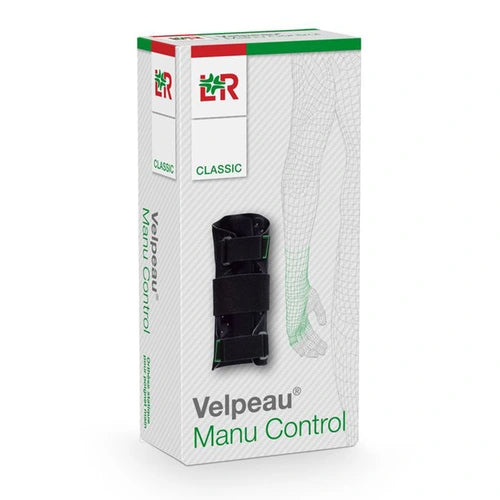
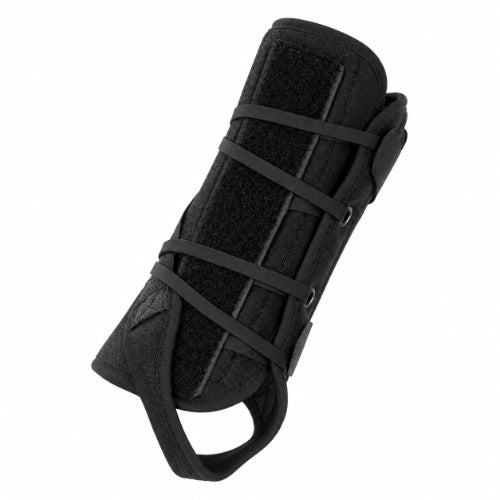
A wrist brace generally provides support around the wrist and may use straps, elastic material or reinforcement depending on the model. Some designs focus on flexibility, while others offer more structured positioning.
Wrist Supports
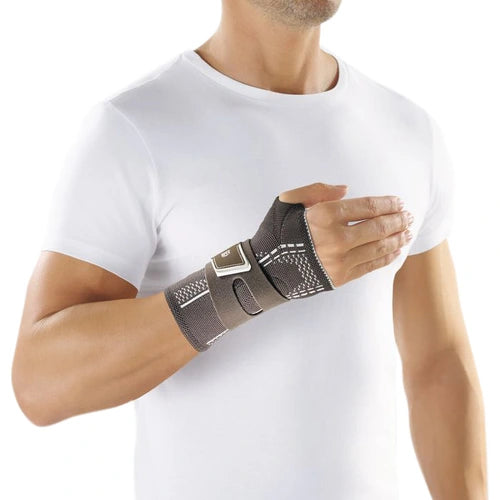
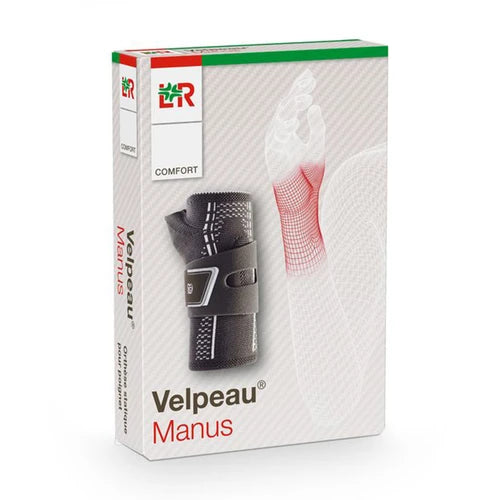
A wrist support can provide a simple and convenient option for users who need external support during suitable activities. These products often use flexible materials and can be easier to wear for routine tasks.
Thumb Supports
Thumb support products extend around the thumb and may also cover part of the wrist. Their design can help provide controlled positioning for the thumb and surrounding area.
Hand Braces
Hand braces can provide support across part of the hand and wrist. Depending on the model, they may use adjustable closures, reinforced sections or supportive materials.
Compression-Style Supports
Compression-style wrist supports use stretchable materials to provide a close-fitting design. Users should choose the correct size and follow the product instructions to maintain appropriate comfort.
Benefits of Using Wrist & Hand Supports
A suitable support can provide practical assistance when the wrist or hand requires additional external stability. The benefits depend on the product design, fit and intended use.
- Controlled Support: Supports can provide external stability around the wrist or hand.
- Improved Positioning: Certain structured designs help maintain a more controlled position.
- Everyday Convenience: Lightweight products can suit appropriate daily activities.
- Adjustable Fit: Selected models allow users to adjust fastening according to the design.
- Rehabilitation Support: Healthcare professionals may incorporate suitable supports into rehabilitation routines.
- Activity Support: Certain models can provide support during appropriate sports, exercise or work activities.
- Multiple Design Choices: Users can choose between flexible, compression, adjustable and structured options.
These benefits do not mean that every wrist or hand support suits every user. Product selection should always consider the individual's needs, comfort, activity and professional guidance where applicable.
Who Can Use Wrist & Hand Supports?
Wrist and hand supports can serve different user groups depending on the product and intended purpose. Suitable users may include:
- People seeking additional wrist support during suitable everyday activities.
- Office workers who perform repetitive hand and wrist movements.
- Sports and fitness users who require suitable external support.
- Physiotherapy and rehabilitation patients when a professional recommends support.
- Occupational therapy users requiring task-specific wrist or hand support.
- Individuals recovering from certain wrist or hand problems under professional guidance.
- Healthcare facilities that require orthopedic support products.
- Home healthcare users looking for suitable wrist or hand support products.
The correct product depends on the user's specific situation. People with an injury, persistent discomfort, swelling, numbness or reduced movement should seek advice from a qualified healthcare professional before selecting or using a support.
Suitable Applications
- Everyday wrist support
- Home healthcare
- Physiotherapy sessions
- Rehabilitation programmes
- Occupational therapy activities
- Sports and fitness activities
- Work-related wrist support
- Computer and desk-based activities
- Post-activity support where appropriate
- Hand and thumb positioning activities
- Clinical and rehabilitation environments
- Orthopedic support requirements
- Supervised recovery and mobility activities
- General support requirements based on professional recommendation
How to Choose the Right Wrist & Hand Support
Selecting the right wrist support involves more than choosing the first available brace. Different designs provide different levels of coverage and support. Consider the following factors before purchase.
1. Identify the Area Requiring Support
First, determine whether you need support around the wrist, hand, thumb or a combination of these areas. A product with the correct coverage can provide more appropriate support than a product designed for a different body area.
2. Consider the Required Support Level
Some users need flexible support for everyday activities, while others may require a more structured design. Follow professional guidance when you need support as part of rehabilitation or recovery.
3. Check the Size
Correct sizing plays an important role in comfort and fit. Always check the individual product's size chart and measurement instructions before ordering.
4. Review the Material
Materials can affect flexibility, breathability, durability and overall comfort. Review the product information to understand the construction before selecting a support.
5. Consider the Intended Activity
A support used during desk work may have different requirements from one used during exercise or rehabilitation. Choose a design that matches the intended activity and follow the manufacturer's instructions.
Wrist & Hand Support Buying Guide
| Support Type | Typical Coverage | Key Consideration |
|---|---|---|
| Wrist Support | Wrist area | Flexibility and everyday support |
| Wrist Brace | Wrist with varying hand coverage | Level of stability and adjustability |
| Thumb Support | Thumb and wrist area | Thumb positioning and fit |
| Hand Brace | Hand and wrist | Coverage and structured support |
| Compression Support | Wrist or hand area | Correct size and comfortable fit |
Technical Specifications
Because Wrist & Hand Supports is a product category containing different models, technical specifications can vary from one product to another. Always review the individual product page for exact specifications.
| Product Category | Wrist & Hand Supports |
| Support Area | Wrist, Hand and/or Thumb depending on model |
| Design Types | Flexible, Compression, Adjustable and Structured Designs |
| Fastening | Varies by Product |
| Material | Varies by Product Model |
| Size Options | Varies by Product; Check Individual Product Size Chart |
| Intended Use | Support, Stability, Positioning and Suitable Activity Assistance |
| Application | Home, Physiotherapy, Rehabilitation, Sports and Healthcare Settings |
How to Use a Wrist & Hand Support
Proper use helps maintain comfort and allows the support to remain in its intended position. Always follow the instructions supplied with the specific product.
- Check the Product: Inspect the support before use and make sure the material, straps and closures appear intact.
- Confirm the Correct Size: Select the size recommended by the product's sizing information.
- Position the Support: Place the support around the wrist, hand or thumb according to the product instructions.
- Adjust the Fastening: Secure the straps or closure system so that the support remains comfortably positioned.
- Check Comfort: Make sure the support does not create unnecessary pressure or discomfort.
- Use as Directed: Follow the recommended wearing duration and professional guidance when applicable.
- Remove and Inspect: Remove the support after the intended period and inspect the skin and product condition.
Care and Maintenance
Proper care can help maintain the condition of a wrist or hand support. Cleaning instructions vary according to the material and construction, so users should always follow the manufacturer's instructions.
- Clean the support according to the manufacturer's recommended method.
- Avoid harsh cleaning products unless the manufacturer specifically approves them.
- Allow washable supports to dry completely before use when applicable.
- Do not expose materials to excessive heat unless the product instructions allow it.
- Inspect straps, seams, closures and supportive components regularly.
- Stop using a damaged support and replace it when necessary.
- Store the product in a clean and dry location.
- Keep the support away from unnecessary moisture and contaminants.
Safety Information
A wrist or hand support should fit comfortably and should not cause unnecessary pressure, irritation or discomfort. Users should follow the instructions supplied with the product and seek professional advice when they have a medical condition, injury or ongoing symptoms.
- Do not use a support as a substitute for professional medical advice.
- Choose the correct size according to the manufacturer's sizing guidance.
- Do not overtighten adjustable straps.
- Check the skin regularly during use.
- Discontinue use if significant discomfort or skin irritation develops.
- Consult a qualified healthcare professional for injury-related support requirements.
- Follow the specific instructions supplied with the selected product.
What to Check Before Buying a Wrist Support
Choosing a suitable wrist brace becomes easier when you compare the important product details before purchase. Consider the following points:
- Support Area: Confirm whether the product supports the wrist, hand, thumb or multiple areas.
- Size: Check the manufacturer's measurement guide carefully.
- Material: Review the fabric or construction to understand flexibility and care requirements.
- Closure: Look at the fastening system and determine whether you can adjust it comfortably.
- Activity: Select a product that matches your intended use.
- Coverage: Make sure the product covers the area that requires support.
- Care Requirements: Check whether the product requires hand washing, special drying or other care.
- Professional Guidance: Follow healthcare professional recommendations for clinical or rehabilitation use.
Frequently Asked Questions
1. What are Wrist & Hand Supports?
Wrist & Hand Supports are orthopedic support products designed to provide external support around the wrist, hand, thumb or related areas. Different models offer different levels of flexibility, coverage and stability.
2. What is a wrist support used for?
A wrist support can provide additional external stability during suitable activities. Healthcare professionals may also recommend specific supports as part of rehabilitation or recovery plans.
3. How do I choose the correct wrist brace size?
Check the sizing instructions provided for the individual product. Different manufacturers and models can use different measurement methods, so users should follow the specific size chart rather than relying on a general size.
4. Can I wear a wrist support during daily activities?
Some wrist supports are designed for suitable daily activities. The appropriate wearing schedule depends on the product and individual requirements. Follow the manufacturer's instructions and professional advice when applicable.
5. Can wrist supports be used during sports?
Certain wrist supports may suit appropriate sports or fitness activities. Users should select a product designed for the intended activity and ensure that it allows suitable movement and comfort.
6. Are wrist braces suitable for rehabilitation?
Healthcare professionals may recommend specific wrist or hand braces as part of a rehabilitation programme. The correct design depends on the individual's condition, goals and required level of support.
7. Can I sleep while wearing a wrist support?
Whether a support is suitable during sleep depends on the product and the user's circumstances. Do not assume that every wrist support is appropriate for overnight use. Follow professional or manufacturer guidance.
8. How should I clean a wrist support?
Cleaning requirements vary by product. Follow the manufacturer's care instructions and avoid cleaning methods that could damage the material, straps or supportive components.
9. What is the difference between a wrist support and a wrist brace?
The terms can overlap, but product designs differ. A wrist support may emphasize flexible or compression-style support, while a wrist brace may provide more structured positioning. Always check the individual product specifications.
10. Where can Wrist & Hand Supports be used?
Suitable products can be used in home healthcare, physiotherapy, rehabilitation, occupational therapy, sports and other appropriate settings. The correct application depends on the selected product and the user's needs.
Explore Wrist & Hand Supports for Different Needs
The Wrist & Hand Supports category gives users access to different support styles in one convenient collection. Whether you need a flexible wrist support for routine activities, a structured wrist brace for controlled positioning, or a thumb and hand support for targeted coverage, comparing the individual product features can help you identify a suitable option.
When selecting a hand support, consider the area that requires coverage and the type of activity you plan to perform. A lightweight design may work well for suitable everyday use, while a more structured product may provide greater external support when recommended by a professional. The best choice depends on the product's construction and the user's individual requirements.
For healthcare facilities, physiotherapy clinics, rehabilitation centres and home users, this category provides a practical starting point for exploring wrist and hand support solutions. Review each product's specifications, sizing information, features and instructions before purchase to make an informed selection.
Final Thoughts
Wrist & Hand Supports provide practical options for users who require external support around the wrist, hand or thumb. The category includes different designs, materials, coverage areas and fastening systems, allowing users to compare products according to their intended use.
A suitable wrist support can help provide controlled external stability during appropriate activities, while a wrist brace may offer a more structured design depending on the model. Hand and thumb supports can provide additional coverage when the support requirement extends beyond the wrist.
Correct sizing, positioning and care remain important for comfortable use. Always follow the product instructions and seek guidance from a qualified healthcare professional when you need support for an injury, rehabilitation programme or specific medical requirement.
Explore the Wrist & Hand Supports collection to compare suitable support options and select a product based on its design, coverage, fit, intended activity and individual requirements.
Important Product Information
Wrist and hand support products can differ significantly in design, material, dimensions, size, level of support, fastening system and intended use. The category description provides general information about Wrist & Hand Supports. Please check the individual product page for exact specifications, sizing, materials, instructions, warranty and other product-specific details. For medical or rehabilitation requirements, consult a qualified healthcare professional before selecting or using a support.
Wrist & Hand Supports
Explore suitable wrist braces, hand supports, thumb supports and wrist support solutions for home healthcare, physiotherapy, rehabilitation, sports and everyday support needs.
Explore Medical Collections
All Categories
Abdominal & Maternity Support

Accessories

Accu-Chek Instant Strips: Use, Compatibility, Price & Blood Sugar Testing Guide
Accu-Chek Instant Strips: Uses, Features & Complete Guide

Accupressure Products for Pressure Point Therapy, Pain Relief & Wellness

accupuncture

Acupuncture Needles & Supplies

Advanced Physiotherapy Machines & Lumbar Physiotherapy

Airways

Ambulance

Anatomy Models
Anesthesia Machine

Anesthesia Products
Ankle Support, Braces & Walker Boots for Recovery
Ankle Weights & Exercise Weights for Home & Rehab
You may also need
FOR YOURecommended for you
Save 28%