


Featured ChoiceSave 52%
Save 58%

Save 10%

Save 52%
What customers say
★★★★★ 5.0 · 3 reviews
Cervical Pillows: Improving Neck Pain Relief
How to Choose the Right Cervical Pillow
A cervical pillow is designed to support the natural curve of your neck while you sleep, helping your head, neck, and upper spine stay better aligned. For Indian buyers, the right choice depends not only on neck pain concerns but also on sleeping position, mattress firmness, body frame, heat comfort, washability, and whether the pillow suits humid weather. This guide explains what Cervical Pillows do, who may benefit from them, and how to compare options without getting lost in marketing claims. You may also see the misspelled term “crevical pillows” while searching online. In most cases, sellers and shoppers mean cervical pillows: contoured or supportive neck support pillows made for better sleeping posture. To choose the right cervical pillow, start with your usual sleeping position, then match the pillow’s height, firmness, contour, and material to your neck curve and mattress. A good pillow should fill the space between your neck and the mattress without forcing your chin upward, dropping your head too low, or twisting your spine. Medical guidance commonly emphasizes keeping the head and neck aligned with the body when sleeping on the back or side, and avoiding positions that strain the neck. For most people, the best cervical pillows are not the tallest, fanciest, or firmest ones. They are the ones that keep the cervical spine neutral through the night. If you wake up with stiffness, pressure near the skull base, shoulder tightness, or a “pillow hangover,” your current pillow may be too high, too flat, too soft, or simply not suited to your sleep style.

What a cervical pillow actually does
A cervical pillow supports the neck’s natural inward curve, also called the cervical curve. Unlike a flat pillow, many contoured cervical pillows have a raised neck roll, a lower head cradle, or shaped edges that help reduce awkward bending during sleep. This is why people often search for a cervical pillow neck support solution when they experience morning stiffness. The goal is not to “cure” every type of neck pain. Neck pain can come from many causes, including poor posture, muscle strain, stress, osteoarthritis, spinal stenosis, disc problems, and other medical conditions. A pillow can only address the sleeping posture part of the problem. If your pain is severe, spreading into the arm, associated with numbness, or linked to an injury, you should consult a doctor or physiotherapist rather than relying only on crevical pillows or home adjustments. A well-matched cervical pillow can help in three practical ways:
- Better neck alignment: It keeps the neck from bending too far upward, downward, or sideways.
- More relaxed muscles: When the pillow fills the neck gap properly, muscles do less work while you sleep.
- Fewer pressure points: Good shaping can reduce concentrated pressure under the head, neck, or shoulder.
This is especially relevant in India, where many people sleep on firm coir, foam, latex, or orthopedic mattresses. A pillow that feels perfect on a soft hotel mattress may feel too high on a firm mattress at home. Always judge the pillow on the mattress you actually use.
Does a cervical pillow really work?

A cervical pillow can work for some people, especially when neck discomfort is linked to poor sleep posture, but results vary by body type, diagnosis, pillow design, and consistency of use. Clinical studies have found that certain cervical or customized pillows may reduce morning neck pain or improve sleep quality for selected adults, but no single pillow works for everyone. This means you should approach Cervical Pillows as a support tool, not a guaranteed treatment. If your pain is mostly worse after sleep and improves during the day, pillow fit may be an important factor. If pain remains constant, radiates into the arms, or comes with tingling or weakness, a pillow alone is unlikely to be enough. It is also normal to need a short adjustment period. A contoured pillow may feel unusual for a few nights if you have used a soft cotton or fibre pillow for years. However, “different” should not mean painful. If a pillow increases pain, creates jaw pressure, pushes your head forward, or makes side sleeping uncomfortable, it may not be the right fit.
Buyer’s guide to cervical pillows in India
The Indian market now offers many options, from budget foam pillows to branded memory foam, latex, gel-infused, orthopedic, and cervical chiropractic pillows. Online marketplaces list a wide range of Cervical Pillows from Indian and international brands, with options across sizes, firmness levels, and designs. Flipkart, for example, lists cervical pillows from brands such as Tynor, Fovera, MyArmor, Caldwell, and others, while Wakefit cervical pillows are also available through major Indian retail channels. But availability is only the first step. The real question is fit. Use the following criteria before you buy crevical pillows online or offline.
Sleep position
Your sleeping position is the most important selection factor. Back sleepers usually need a medium-low pillow with a supportive neck roll and a gentle head cradle. The pillow should support the curve under the neck without pushing the chin toward the chest. Side sleepers generally need a slightly higher pillow because the pillow must fill the gap between the shoulder and the neck. If the pillow is too low, the head tilts downward. If it is too high, the head tilts upward. Both positions can strain the neck and upper shoulder. Stomach sleepers have the hardest time with cervical support because the neck remains rotated for long periods. Many medical and physiotherapy resources advise avoiding sleeping on the front when neck pain is present. If you cannot change immediately, choose a very low pillow or no pillow under the head, and consider gradually training yourself to sleep on the side or back.
Fill type
Fill type affects comfort, durability, heat retention, and support. In India, you will commonly find these options:
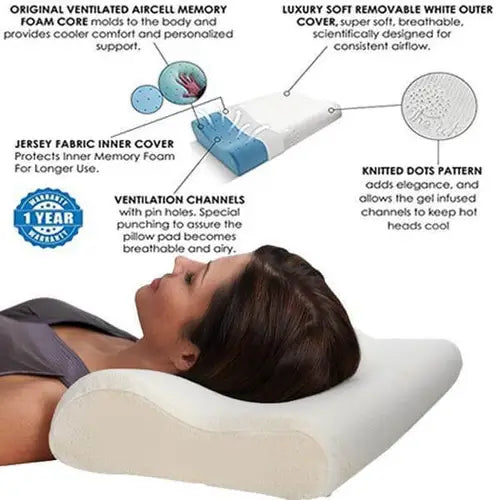
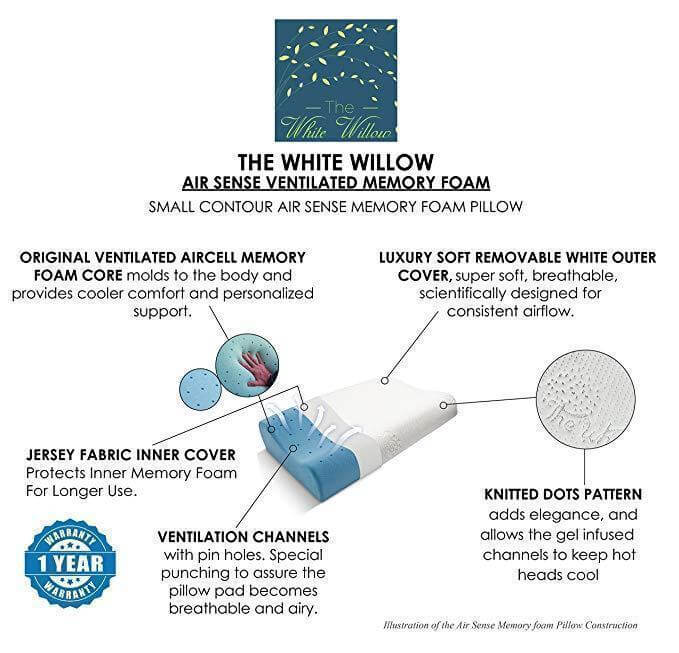
- Memory foam: Moulds to the head and neck, offers pressure relief, and is common in contoured cervical pillows. It may feel warm in humid cities unless it has ventilation or a breathable cover.
- Latex: More responsive and bouncy than memory foam. It often feels cooler and more resilient, but it can be costlier and may feel firm to some users.
- Polyurethane foam: Often used in medical or orthopedic neck support pillows. It can be supportive and budget-friendly, but quality varies widely.
- Microfibre or fibre fill: Softer and washable in many cases, but it may flatten faster and may not hold a cervical contour as well.
- Water-based or adjustable fill: Less common in India, but adjustable pillows allow height changes. Some research has found benefits with specific water-based pillow designs for benign cervical pain, though these are not always easy to find locally.
If you sweat easily or live in coastal cities like Mumbai, Chennai, Kochi, Kolkata, or Visakhapatnam, look for breathable covers, open-cell foam, latex, removable pillowcases, or cooling fabric. A supportive pillow is not useful if heat makes you toss and turn all night.
Loft
Loft means pillow height. This is where many buyers make mistakes. A high pillow is not automatically more supportive; it can push the neck out of alignment. A very low pillow can leave the neck unsupported, especially for side sleepers with broader shoulders. A simple test is to lie down and ask someone to observe your head position from the side or behind. Your nose, chin, neck, and torso should look naturally aligned. You should not feel as if your head is being tipped forward, backward, or sideways. For back sleeping, medium-low loft often works well. For side sleeping, medium to medium-high loft may be better, depending on shoulder width and mattress softness. On a firm mattress, your shoulder does not sink much, so side sleepers may need a slightly higher pillow. On a soft mattress, the shoulder sinks more, so a lower pillow may work.
Firmness
Firmness controls how much the pillow compresses under your head. Too soft, and the pillow collapses. Too hard, and it can create pressure under the skull, ear, or jaw. Most buyers with neck discomfort do well with medium-firm support. This gives enough structure to hold the neck but enough cushioning for comfort. Firm cervical chiropractic pillows and tri core cervical pillows may suit people who specifically want strong contour support, but they can feel intense for first-time users. If you are buying for an adult person, someone with sensitive skin, or someone with shoulder pain, avoid extremely hard options unless recommended by a clinician. Comfort matters because a pillow only helps if the person can actually sleep on it through the night.
Materials
Look beyond the outer shape and check materials carefully. A pillow used in Indian homes should handle heat, sweat, dust, hair oil, and frequent pillowcase changes. A removable, washable cover is a major advantage. Useful material features include:
- Breathable cover fabric for humid climates.
- Hypoallergenic claims if you are sensitive to dust, though claims should be checked carefully.
- Washable outer cover rather than washable foam, because most foam cores should not be soaked.
- Non-slip base or stable shape if you move a lot during sleep.
- Durable foam density if you want the pillow to retain shape longer.
Many Indian buyers also use cotton pillow covers over the provided cover. That is fine, but avoid thick decorative covers that change the contour or reduce breathability.
Sizing
Cervical pillows come in different widths, heights, and contour shapes. A pillow should be wide enough that you can turn slightly without falling off the support zone. Standard rectangular options are familiar, but butterfly-shaped, wave-shaped, and neck-roll styles are also common. Check product dimensions before buying. Photos can be misleading, and “universal size” does not mean universal comfort. If you are petite, a large high-contour pillow may over-support your neck. If you have broad shoulders, a small low pillow may not fill the side-sleeping gap. For children, avoid adult cervical pillows unless advised by a healthcare professional. Children have different proportions, and an adult contour may be too high.
Shop cervical pillows at Meddey
Compare current cervical pillow options by design and price. Click any product to open its Meddey product page.
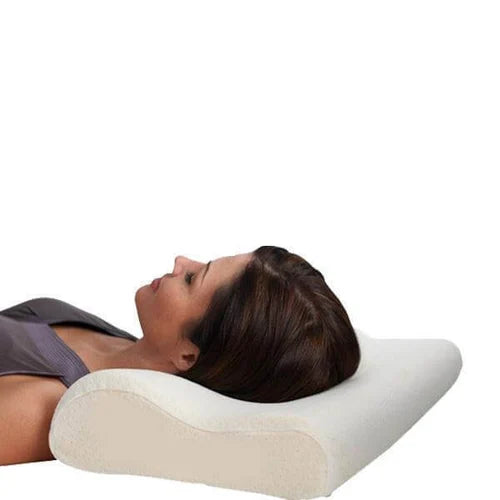
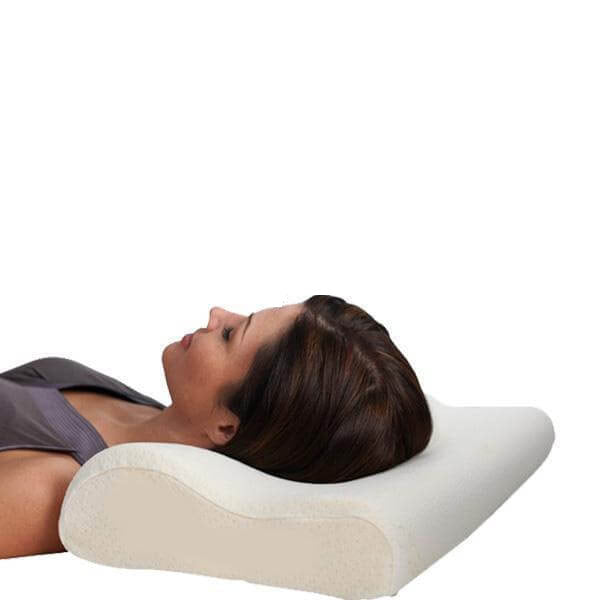
 Neck Support Cervical Memory Foam Pillow - 23x13x3.5 Inch
₹1,549 ₹3,199
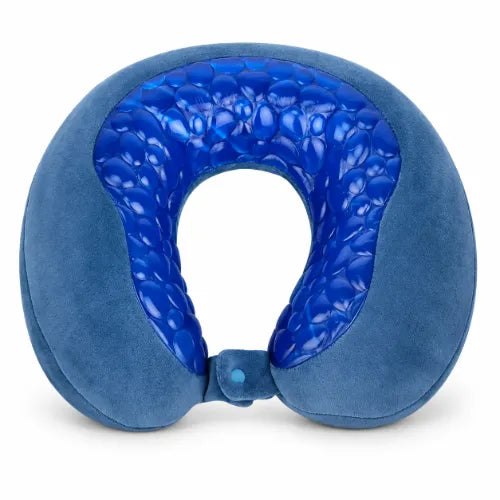
View product Viaggi Memory Foam Cervical Pillow
₹2,949 ₹2,999
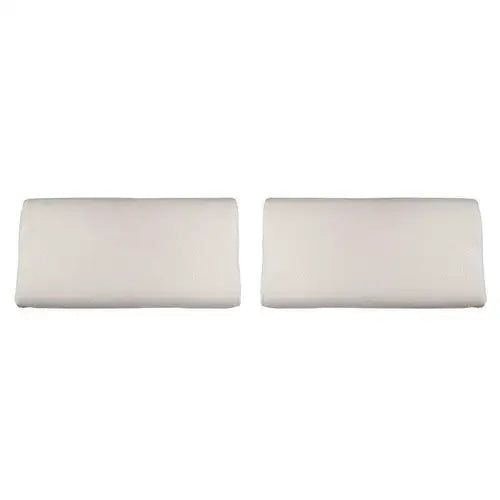
View product Neck Support Cervical 2 Piece Memory Foam Pillow - 24x13x3.5 Inch
₹2,679 ₹6,398
View product Viaggi Memory Foam Cervical Pillow | Neck Support
₹1,900 ₹2,100
View product
Prices and offers can change. Check the live product page for the latest price and availability.
Matching pillow type to your neck concern
Different neck conditions need different levels of support. This does not replace medical advice, but it can help you shortlist sensibly.
Morning neck stiffness
Pillow features to consider
Medium-firm contoured cervical pillow with neck roll
What to avoid
Very high or very flat pillows
Side sleeping with shoulder tension
Pillow features to consider
Higher loft, wider pillow, pressure-relieving foam
What to avoid
Narrow pillows that let the head drop
Back sleeping
Pillow features to consider
Low to medium loft with gentle cervical curve
What to avoid
Thick pillows that push chin down
Hot sleepers in India
Pillow features to consider
Latex, ventilated foam, breathable cover
What to avoid
Dense foam with non-breathable covers
Travel
Pillow features to consider
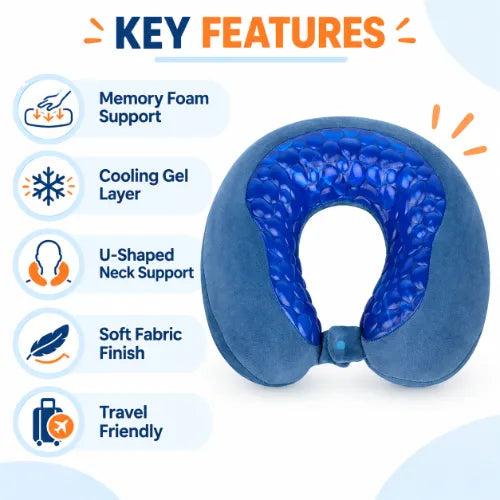
Compact neck support pillow or roll
What to avoid
Bulky pillow that is hard to carry
Cervical spondylosis
Pillow features to consider
Firm supporting pillow if comfortable, plus medical guidance
What to avoid
Extreme contour without professional advice
Cervical stenosis
Pillow features to consider
Doctor-guided support and neutral alignment
What to avoid
Aggressive neck extension or high rolls
People searching for pillows for cervical stenosis should be especially careful. Cervical stenosis can involve narrowing around the spinal canal or nerve pathways, and symptoms can vary. A neutral, comfortable position is generally safer than forcing the neck into a dramatic curve, but your doctor or physiotherapist should guide you if you have diagnosed stenosis, numbness, balance issues, or arm weakness. For a cervical spondylitis pillow or cervical spondylosis pillow, the practical aim is similar: support without strain. Some patient guidance notes that a firm supporting pillow helps some people with cervical spondylosis, but comfort and posture still matter.
Common cervical pillow shapes

The shape of the pillow determines how it supports your neck. When comparing the best cervical pillows, focus on how the shape interacts with your body rather than how medical the design looks.
Contoured cervical pillows
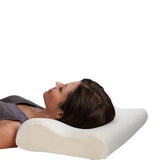
Contoured cervical pillows are the most common choice. They usually have a wave shape, with one side higher than the other. Back sleepers may use the lower side, while side sleepers may prefer the higher side. These pillows are useful if you want guided neck support but still want a familiar pillow feel. Many memory foam cervical pillows in India follow this design. They are also a good starting point for people new to crevical pillows because the support is noticeable without being too rigid.
Cervical rolls
A cervical roll is a cylindrical support placed under the neck, often used with or inside a regular pillowcase. Some physiotherapy advice suggests a supportive roll, such as a rolled towel, to support the hollow of the neck. Rolls can be useful for back sleepers, but they may not suit everyone. If the roll is too large, it can overextend the neck. If it moves during sleep, support becomes inconsistent.
Butterfly or orthopedic pillows
Butterfly pillows have shaped side wings and a central head area. They may suit people who switch between back and side sleeping. Some also include armrest-like curves, which can feel comfortable for side sleepers. However, the shape must match your body. If the side wings are too high or the central dip is too deep, the pillow may restrict natural movement.
Tri core cervical pillows
Tri core cervical pillows usually refer to firmer therapeutic pillows with distinct support zones. They are often chosen by people who want strong cervical positioning. Some users appreciate the structured feel, while others find it too firm. If you are new to cervical support, transition carefully. Start with short periods or choose a moderate contour before moving to a firmer therapeutic design.
How Indian sleeping habits change the decision
Choosing Cervical Pillows in India is slightly different from choosing one in a showroom abroad. Climate, mattress style, sleeping habits, and home routines all affect comfort. Many Indian households use firm mattresses, cotton bedsheets, ceiling fans, and seasonal bedding. In summer or monsoon, heat and humidity can make dense foam uncomfortable. In winter in North India, the same foam may feel firmer at first because some memory foams respond to temperature. Sleeping habits also vary. Some people sleep on a diwan, floor mattress, cotton gadda, coir mattress, or a firm orthopedic mattress. Some share a bed with children, move frequently, or use multiple pillows for reading and sleeping. The pillow you use for watching TV or scrolling on your phone should not necessarily be the pillow you sleep on. Before buying, ask yourself:
- Where do I sleep most nights? Test the pillow on that surface, not just in a store.
- Do I sleep with a fan or AC? Heat retention matters more without AC.
- Do I use hair oil at night? Choose a washable cover and darker outer cover if staining is a concern.
- Do I change position often? Pick a wider pillow with balanced support zones.
- Will I return it if it fails? Check return and exchange policies before ordering online.
Online platforms can be convenient, and major Indian marketplaces list many cervical and orthopedic pillows with doorstep delivery. Still, pillow comfort is personal, so return policy, trial period, and genuine seller details matter.
Signs that your current pillow is wrong

You may not need a medical pillow just because an advertisement says so. But you should review your current pillow if you notice repeated discomfort after sleep. Watch for these signs:
- You wake with neck stiffness that improves after movement.
- Your pillow looks flattened, lumpy, or uneven.
- You fold the pillow to make it higher.
- You push your hand under the pillow for support.
- Your chin feels tucked toward your chest when lying on your back.
- Your head drops toward the mattress when lying on your side.
- You wake up with shoulder tightness or headache near the base of the skull.
- You use two or three pillows because one does not support you.
Using too many pillows can bend the neck awkwardly. NHS neck pain advice suggests using a low, firm pillow and avoiding sleeping on the front when neck pain is present. The exact pillow height still depends on your body and mattress, but the principle is simple: support the neck without forcing it.
Mistakes to avoid when buying crevical pillows
The biggest mistake is buying only by star rating. Reviews are useful, but they come from people with different body sizes, mattresses, and pain causes. A five-star pillow for a broad-shouldered side sleeper may be too high for a petite back sleeper. Another mistake is assuming “orthopedic” always means better. In India, the word is used widely in marketing. It may indicate a supportive design, but you still need to check material, height, contour, firmness, and return terms. Avoid these buying errors:
- Choosing the highest pillow for neck pain: Height can worsen strain if it pushes the head out of line.
- Buying very soft pillows for support: Soft pillows may feel cosy but collapse under the neck.
- Ignoring mattress firmness: Pillow height and mattress sink work together.
- Expecting instant results: Some people need a few nights to adjust.
- Keeping a painful pillow: Discomfort that worsens is not a “healing sign.”
- Using one pillow for every family member: Neck support is individual.
- Buying without checking size: Product images can make pillows look larger or smaller than they are.
The right crevical pillows should feel supportive, stable, and sleepable. If the pillow feels like a device you must tolerate, it may not be right for daily use.
A simple at-home fit test
Once your pillow arrives, test it before removing tags or missing the return window. Do the test on your regular mattress.
- Lie on your back for five minutes. Your forehead and chin should feel level, not tipped sharply up or down.
- Check the neck gap. The pillow should support the hollow under your neck without creating pressure.
- Turn to your side. Your nose should point straight ahead, not upward or downward.
- Relax your shoulders. If one shoulder is jammed upward, the pillow may be too high or narrow.
- Breathe normally. If your throat feels compressed, your head may be pushed forward.
- Spend at least a few nights testing. Mild unfamiliarity is acceptable; increasing pain is not.
If possible, ask a family member to take a side-view photo while you lie down. You are looking for a straight, relaxed line from head to spine. This is often more revealing than how the pillow feels in your hands.

Care and maintenance for longer pillow life
A cervical pillow loses value if it loses shape. Memory foam and latex cores should usually be protected from moisture, direct washing, and harsh sunlight unless the care label says otherwise. The cover, however, should be washed regularly. In Indian weather, maintenance matters because sweat, humidity, dust, and hair oil can build up quickly. Use a breathable pillow protector if it does not change the contour too much. Air the pillow in shade, keep it dry, and avoid placing heavy items on top of it during the day. Replace the pillow when it no longer rebounds, develops permanent dips, smells musty, or stops supporting your neck. A premium pillow that has collapsed is no better than a cheap one.
When to ask a doctor or physiotherapist
Many people buy cervical pillows for mild stiffness or posture-related discomfort. That is reasonable, but medical guidance is important when symptoms suggest something more serious. Seek professional advice if you have:
- Pain after a fall, accident, or sudden injury.
- Numbness, tingling, or weakness in the arm or hand.
- Pain that travels from the neck into the shoulder or arm.
- Loss of balance, clumsiness, or walking difficulty.
- Fever, unexplained weight loss, or severe night pain.
- Diagnosed cervical stenosis, disc disease, or nerve compression.
- Pain that does not improve despite posture and pillow changes.
Doctors and physiotherapists may recommend posture changes, exercises, medication, imaging, ergonomic changes, or specific pillow support depending on the cause. A pillow can support treatment, but it should not delay proper care.
FAQ about cervical pillows
Which type of pillow is best for cervical pain? The best pillow for cervical pain is usually one that keeps your neck neutral in your main sleeping position. For many people, that means a medium-firm contoured cervical pillow, but side sleepers may need more height than back sleepers. If you have diagnosed cervical stenosis, spondylosis, nerve symptoms, or severe pain, ask a clinician before choosing a strong contour. Do doctors recommend cervical pillows? Doctors and physiotherapists may recommend cervical pillows when poor sleep posture contributes to neck discomfort. They generally focus on neutral alignment rather than one specific brand. Some medical resources advise using a supportive pillow and keeping the head and neck aligned while sleeping. What does a cervical pillow do for you? A cervical pillow supports the natural curve of your neck, helps reduce awkward bending, and may reduce morning stiffness when pillow fit is a contributing factor. It can also make back or side sleeping more stable by filling the gap between your neck and mattress. Are cervical pillows good for side sleepers? Yes, they can be good for side sleepers if the loft is high enough to fill the shoulder gap. A side sleeper should look for a wider, medium to medium-high pillow that keeps the head level with the spine. Are cervical pillows good for back sleepers? Back sleepers often do well with a low to medium contoured pillow that supports the neck curve without pushing the head forward. A gentle neck roll and shallow head cradle can work well. Can I use a cervical pillow for cervical spondylitis or spondylosis? You may use a supportive pillow if it feels comfortable and keeps your neck neutral, but do not force the neck into a position that increases pain. A cervical spondylitis pillow or cervical spondylosis pillow should be chosen with extra care, especially if symptoms are chronic or radiating. Are memory foam crevical pillows better than latex? Memory foam crevical pillows offer slow contouring and pressure relief, while latex feels more responsive and may sleep cooler. Neither is universally better. Choose based on comfort, heat sensitivity, firmness preference, and budget. How long does it take to adjust to a cervical pillow? Some people adjust in a few nights, while others may need longer. Mild unfamiliarity is common. Sharp pain, increased stiffness, or poor sleep that continues is a sign the pillow may not suit you.
Explore the complete cervical pillow range
View all cervical pillows
The practical takeaway
The right cervical pillow is the one that supports your neck in a neutral, relaxed position on your actual mattress. For Indian buyers, the best choice also handles heat, humidity, washing needs, sleeping habits, and realistic online return policies. Do not buy crevical pillows only because they are labelled orthopedic, doctor-recommended, or premium; buy based on fit. If you are unsure, start with a medium-firm contoured design that suits your sleep position, check the dimensions carefully, and test it for alignment. For mild posture-related stiffness, a well-chosen pillow may make sleep more comfortable. For persistent or nerve-related pain, use the pillow as support while getting proper medical advice.
Explore Medical Collections
All Categories
Abdominal & Maternity Support

Accessories

Accu-Chek Instant Strips: Use, Compatibility, Price & Blood Sugar Testing Guide
Accu-Chek Instant Strips: Uses, Features & Complete Guide

accupuncture

Acupuncture Needles & Supplies

Advanced Physiotherapy Machines & Lumbar Physiotherapy

Airways

Ambulance

Anatomy Models
Anesthesia Machine

Anesthesia Products

Ankle Support for Home Use: Braces, Sleeves & Walker Boots

Ankle Weights & Exercise Weights for Home & Rehab

Anti-Bedsore Air Mattresses
You may also need
FOR YOURecommended for you
Save 52%
Save 52%
Save 58%
Save 10%