


Featured ChoiceSave 31%

Save 12%
Save 42%

Save 22%

Save 30%

Save 42%

Save 37%

About this collection
Sensory swings provide controlled movement for children during supervised play, sensory activities and occupational therapy. Meddey's range includes platform, tube, tyre, disc and T-shaped therapy swings, along with a professional vestibular swing system for clinics and sensory rooms.
For household buyers, the main priorities are safe installation, enough clear space and adult supervision. Meanwhile, occupational therapists can select different swing styles according to the child's abilities, comfort and therapy goals. A sensory swing is a movement tool, not a treatment by itself.
Quick Guide to Choosing Sensory Swings
- Want a wide sitting surface: Consider a platform swing.
- Want several body positions: A tube swing can allow supervised sitting or tummy-down activities.
- Prefer a simple familiar design: A tyre swing may suit supervised movement and play.
- Want a compact hanging swing: A disc swing provides a smaller sitting and holding area.
- Want a different active position: A T swing allows several supervised holding and sitting positions.
- For a clinic setup: A complete vestibular swing system provides a dedicated professional movement area.
What Are Sensory Swings?
Sensory swings are suspended swings used for controlled movement activities. Unlike a normal playground swing, therapy swings may have different shapes so a therapist can choose different sitting, lying or holding positions.
Swinging mainly creates vestibular input. The vestibular system is located in the inner ear and helps the brain understand movement, direction and balance.
Some swing activities can also involve proprioceptive input. Proprioception simply means information from muscles and joints that helps the brain understand where the body is and how it is moving.
However, every child can respond differently to movement. Therefore, faster or stronger swinging is not automatically better.

Sensory Swings for Home Use
Families may use sensory swings at home for supervised movement and therapist-recommended activities. However, the room and suspension point need to be suitable before the swing is installed.
First, check the ceiling beam, frame or other structural support. Next, make sure there is enough open space around the swing. Finally, keep furniture, sharp corners and other hard objects outside the movement area.
If the swing forms part of an occupational-therapy programme, follow the movements suggested by the child's therapist instead of copying advanced activities from social media or videos.
Compare Different Therapy Swings
| Swing Type | Design | May Suit |
|---|---|---|
| Platform Swing | Wide flat suspended platform | Different supervised sitting and body positions |
| Bolster Swing | Long padded cylindrical shape | Structured movement and postural activities |
| Tube Swing | Inflatable circular tube | Multi-directional movement and different body positions |
| Disc Swing | Compact disc-style seat | Supervised linear or turning movement |
| Tyre Swing | Round tyre-style design | Familiar movement-based play and sensory activities |
| T Swing | T-shaped padded structure | Active holding and movement activities |
| Vestibular Swing System | Professional suspended therapy system | Occupational therapy clinics and sensory rooms |
Platform Sensory Swing
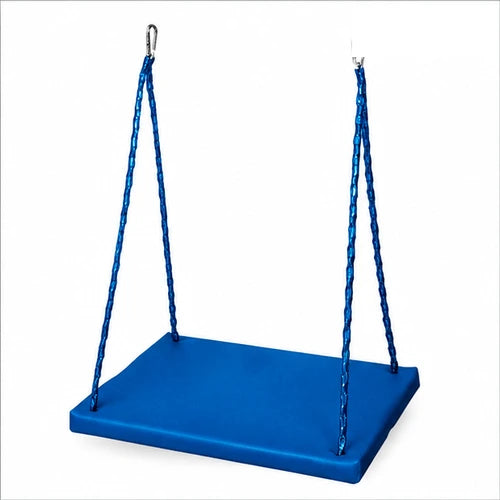
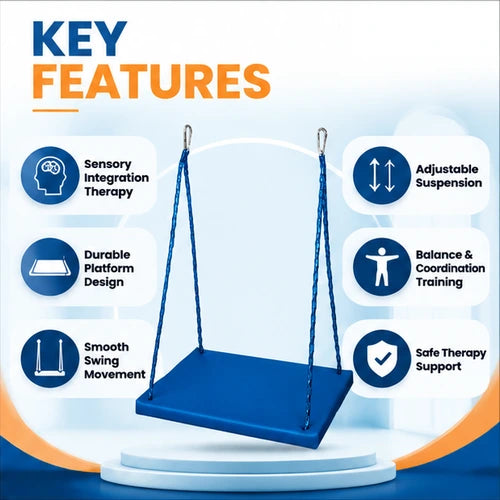
A platform swing uses a broad, flat surface suspended by ropes. Meddey's current model measures approximately 24 × 36 inches and uses adjustable ropes. The larger platform gives a child more room than a small single-seat swing.
As a result, therapists can choose different supervised positions according to the planned activity. At home, the broad surface may also make gentle movement easier to introduce when the setup is secure.
View Platform SwingTube Swing for Sensory Integration
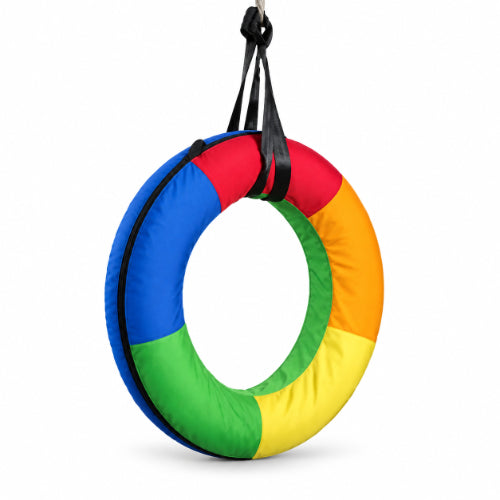
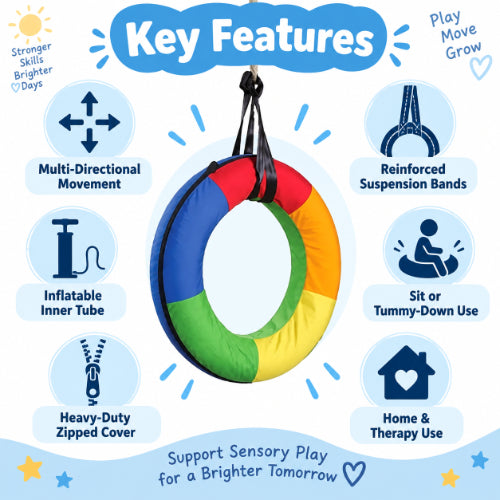
The Meddey Tube Swing Deluxe uses an inflatable circular inner tube, a zipped polyamide cover and reinforced suspension bands. Polyamide is a strong synthetic fabric commonly used when durability is important.
A child may sit on the tube or use another therapist-selected position during a supervised activity. Because the swing can move in several directions, adults should begin slowly and watch the child's response.
View Tube Swing DeluxeTyre Sensory Swing
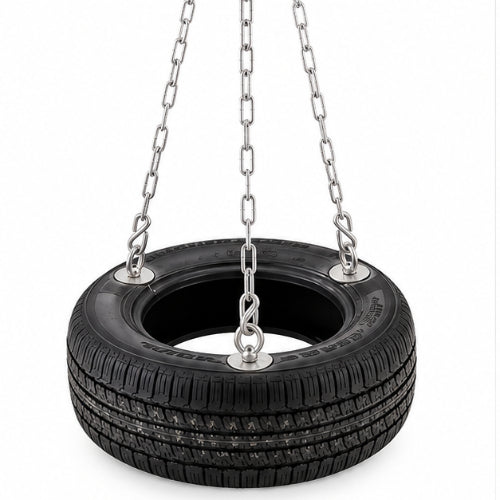
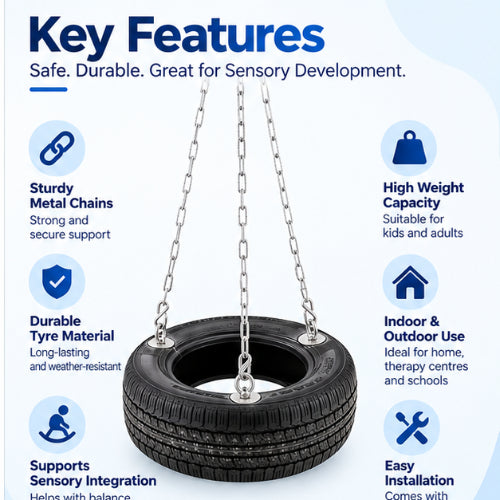
The current Meddey Tyre Swing Deluxe is listed for children aged 4–12 years. Its familiar round design can make it easy for families to understand, while therapists may include it in suitable sensory and movement activities.
Nevertheless, this product should still be treated as supervised equipment rather than an unsupervised playground swing when it is used for therapy-related activities.
View Tyre Swing DeluxeDisc Swing for Kids
A disc swing uses a smaller suspended seat than a platform swing. Meddey's current Disc Swing Deluxe measures approximately 27 × 27 × 6 inches and is listed for children above 3 years. :contentReference[oaicite:3]{index=3}
Because the sitting surface is smaller, the experience can feel different from a broad platform. Therefore, the child's balance, grip and comfort should be considered when selecting this style.
View Disc Swing DeluxeT Swing for Sensory Activities
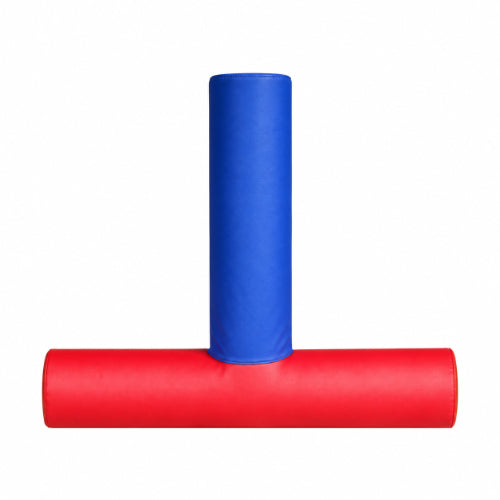
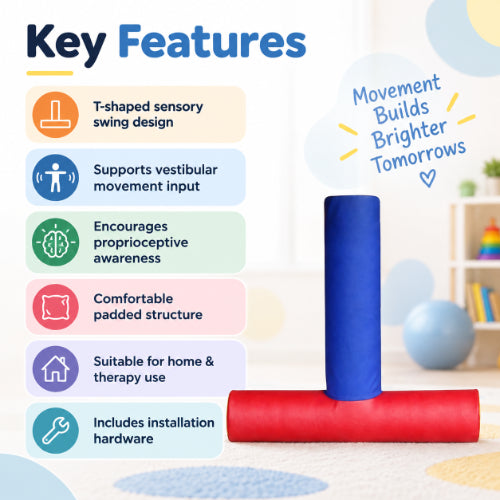
A T swing has a padded T-shaped structure that allows different supervised holding and sitting positions. Meddey's newer T Swing page explains both vestibular and proprioceptive input in simple terms and recommends controlled movement with adult supervision.
In addition, Meddey states that installation hardware is included with the current model. However, buyers should still confirm that the mounting structure itself is suitable before use.
View T Swing DeluxeBolster Swing for Occupational Therapy
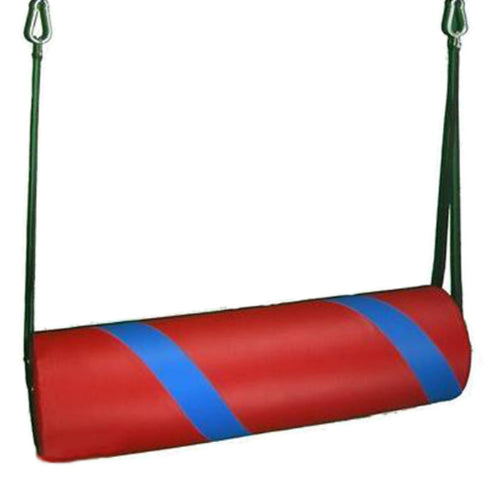
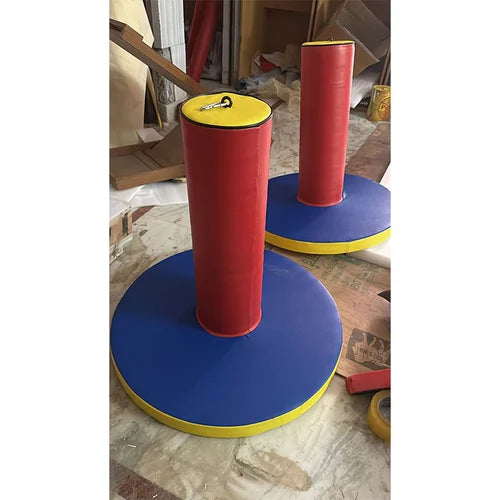
A bolster swing uses a long cylindrical shape rather than a flat seat. The current Meddey product lists a length of about 37 inches and a diameter of about 8 inches. It also includes ropes and hooks. :contentReference[oaicite:4]{index=4}
This style can support planned postural and movement activities under suitable guidance. However, claims such as automatically improving balance or motor planning should be avoided because outcomes depend on the full therapy programme.
View Bolster SwingVestibular Swing System for Clinics
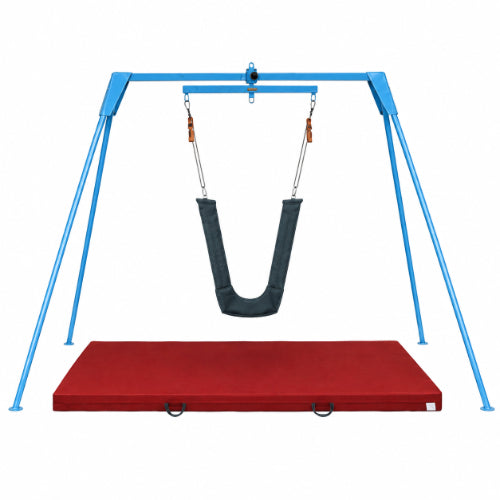
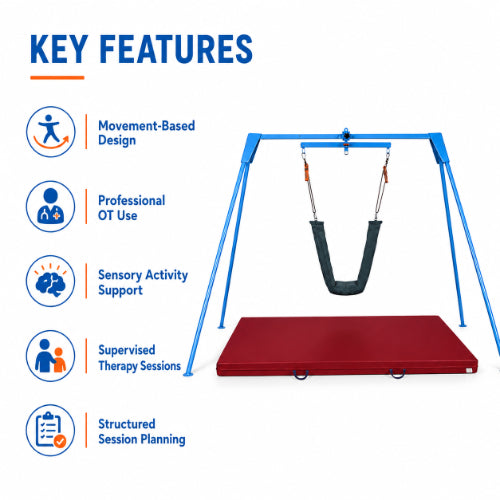
The Vestibular Swing System is the most clinic-focused option in this collection. It provides a dedicated suspended setup for occupational therapy, sensory rooms and structured movement activities.
Unlike a single household swing, this system is designed as part of a professional therapy environment. Therefore, clinics should confirm dimensions, suspension hardware, installation requirements and exact load limits before purchase.
View Vestibular Swing SystemWhat Does Sensory Integration Mean?
Sensory integration describes how the brain receives, combines and responds to information from the senses. Movement and body position are part of this information.
Ayres Sensory Integration, often shortened to ASI, is a structured occupational-therapy approach. It involves individual assessment, therapist-led activities and adjustment of challenges according to the child.
Therefore, simply hanging a swing at home is not the same as receiving Ayres Sensory Integration therapy.
What Does Research Say?
Research supports some professionally delivered sensory-integration programmes, especially when they are individualized and follow established ASI principles.
However, the evidence does not justify claiming that a particular swing cures autism, ADHD or sensory-processing difficulties. A sensory swing is one possible tool inside a much broader therapy programme.
For families, the safest approach is to use the equipment according to the child's individual needs and any guidance from a qualified occupational therapist.
Sensory Swings for Occupational Therapy
Occupational therapists can use different sensory swings when movement forms part of an individual therapy plan. The swing type, direction, speed and duration can all change the experience.
For example, one child may feel comfortable with slow forward and backward movement, while another may become uncomfortable with faster movement. Therefore, therapists observe the child's response and change the activity when needed.
For broader OT products, browse Meddey's Occupational Therapy Equipment collection.
Sensory Swings vs General Sensory Equipment
This collection should focus specifically on suspended movement equipment. Items such as tactile mats, sensory wall panels and sensory kits belong more naturally in Meddey's broader Sensory Therapy Products collection.
Likewise, foam tunnels, balance boards and gait ladders can be useful therapy equipment, but they are not swings. Keeping them in more relevant collections makes this page clearer for shoppers and search engines.
Sensory Swings and Pediatric Therapy Equipment
Swings are only one part of pediatric therapy equipment. Clinics may also use balance products, positioning equipment, crawling tools and other movement equipment.
For a wider selection, visit Meddey's Pediatric & Sensory Integration Therapy collection.
How to Install a Sensory Swing Safely
- Use only a strong structural suspension point.
- Do not attach the swing to decorative ceiling material alone.
- Follow the installation instructions for the exact product.
- Check ropes, straps, hooks and attachment points before use.
- Keep enough clear space around the complete movement area.
- Use suitable floor padding where required.
- Confirm the exact load capacity rather than guessing.
- Stop using equipment if any suspension component looks damaged.
Safety Tips for Sensory Swings
Children should use sensory swings with responsible adult or professional supervision. Start with slow, controlled movement and watch the child's response throughout the activity.
Stop the activity if the child becomes dizzy, sick, frightened, unusually tired or uncomfortable. More movement should never be used simply because a child appears to enjoy swinging.
Important: Therapy swings are movement equipment. Secure installation, supervision and enough clear space are essential. For a child with specific developmental, neurological or sensory needs, ask an occupational therapist which activities are appropriate.
Sensory Swings Price in India
The price of sensory swings varies according to design, materials, suspension system, size and whether the product is intended for home use or a professional therapy setup.
A single tyre, tube or platform swing can cost much less than a complete vestibular swing system. Therefore, compare the intended use and installation requirements rather than choosing only by price.
Prices and stock can change, so use the linked Meddey product pages for current availability and offers.
Frequently Asked Questions
What is a sensory swing?
A sensory swing is suspended movement equipment used during supervised play, sensory activities or occupational therapy.
What is vestibular input?
Vestibular input is movement information received through the body's balance system in the inner ear.
What is proprioceptive input?
It is information from muscles and joints that helps the brain understand body position and movement.
Can sensory swings be used at home?
Yes, when the swing has a suitable installation point, enough clear space and responsible adult supervision.
Are sensory swings only for children with autism?
No. Therapy swings are movement tools. Occupational therapists choose activities according to individual needs rather than one diagnosis alone.
Do sensory swings treat autism or ADHD?
No swing should be presented as a standalone treatment or cure for autism, ADHD or another developmental condition.
Which swing is best for sensory integration?
There is no single best type for every child. Platform, tube, tyre, disc, bolster and T swings create different movement experiences.
What is the difference between a platform and tube swing?
A platform swing has a broad flat surface. A tube swing uses a circular inflatable structure that allows different supervised body positions.
Should I choose a swing without speaking to a therapist?
For general supervised play, families can compare products normally. However, when the swing is being purchased for a specific therapy goal, professional guidance can help select suitable activities and equipment.
How much room does a therapy swing need?
The exact space depends on the product and movement direction. Always allow clear space beyond the swing itself because the user will move around the suspension point.
Choosing the Right Sensory Swings
The right sensory swings depend on the available space, installation point, child's size, supervision and intended activities. For homes, a simple platform, tube or tyre design may be easier to understand and manage. Meanwhile, clinics may want several swing styles or a complete vestibular system.
Most importantly, choose equipment that can be installed safely and used with controlled movement. The goal is not to create the fastest or strongest swinging experience, but to provide an appropriate activity for the user.
Need help choosing a sensory swing?
Contact Meddey Customer Care for current product specifications, installation information, availability or clinic requirements.
Call / WhatsApp: +91 85860 12345
Contact Meddey Customer Care for current product specifications, installation information, availability or clinic requirements.
Call / WhatsApp: +91 85860 12345
Disclaimer: This guide provides general product-selection information. Sensory swings do not replace individual occupational-therapy or medical assessment.
Explore Medical Collections
All Categories
Abdominal & Maternity Support

Accessories

Accu-Chek Instant Strips: Use, Compatibility, Price & Blood Sugar Testing Guide
Accu-Chek Instant Strips: Uses, Features & Complete Guide

Accupressure Products for Pressure Point Therapy, Pain Relief & Wellness

accupuncture

Acupuncture Needles & Supplies

Advanced Physiotherapy Machines & Lumbar Physiotherapy

Airways

Ambulance

Anatomy Models
Anesthesia Machine

Anesthesia Products
Ankle & Foot Supports
Ankle Weights & Exercise Weights for Home & Rehab
You may also need
FOR YOURecommended for you
Save 31%
Save 12%
Save 42%
Save 22%
Save 30%
Save 42%
Save 37%