


Featured Choice




















What customers say
★★★★★ 5.0 · 22 reviews
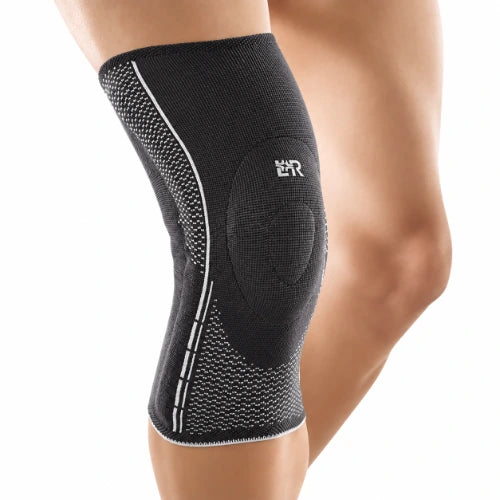
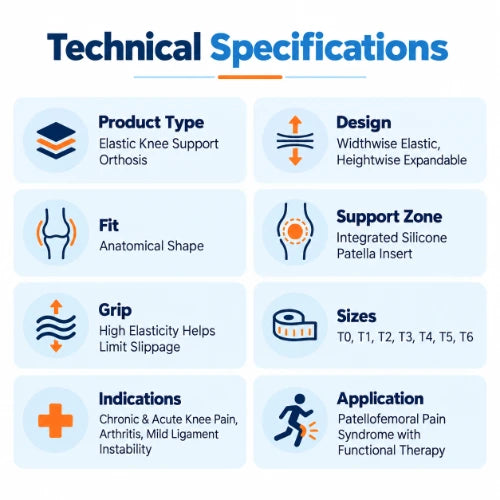
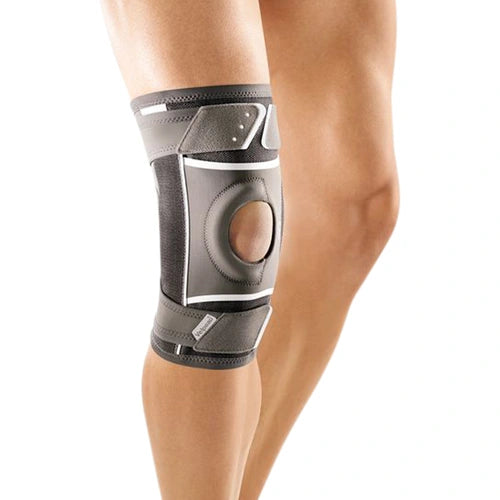
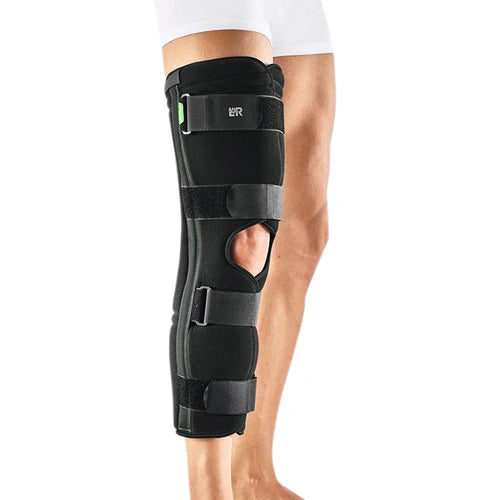
 Velpeau Genu Comfort Elastic Knee Support for Knee Pain & Stability
“Flexible, supportive, ideal for knee pain!”
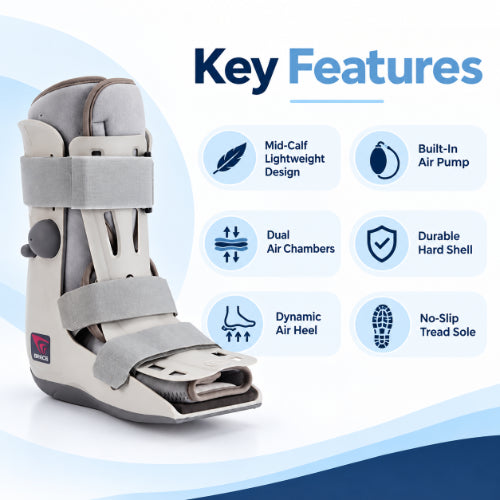
 Genesis Mid-Calf Full Shell Walker from Breg USA
“Sturdy, comfortable, perfect for recovery!”
“The Genesis Mid-Calf Full Shell Walker from Breg USA provides excellent support and comfort, helping speed ...”
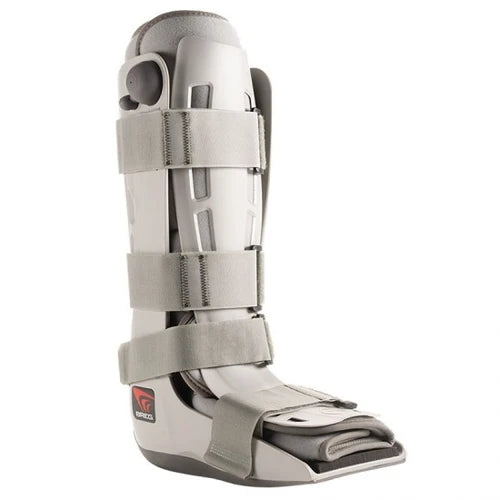
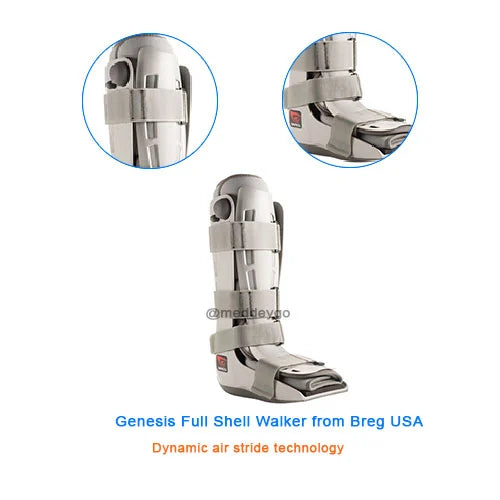
 Genesis Full Shell Walker from Breg USA
“Durable, supportive, perfect for recovery!”
“The Genesis Full Shell Walker from Breg USA is incredibly sturdy and provides great support for my foot inj...”
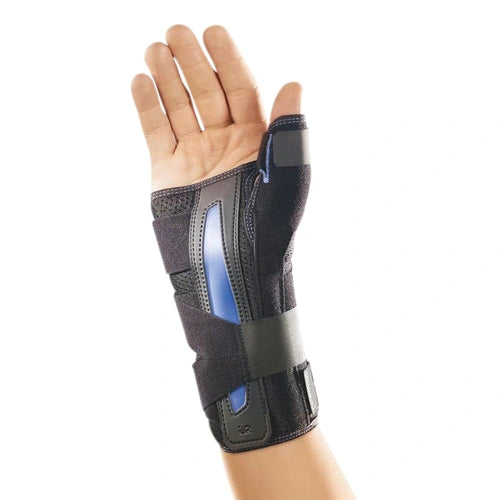
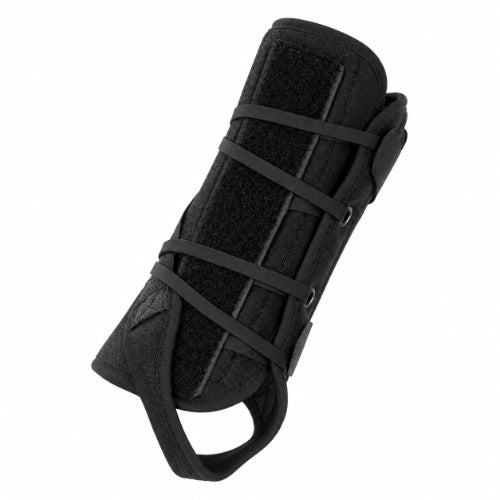
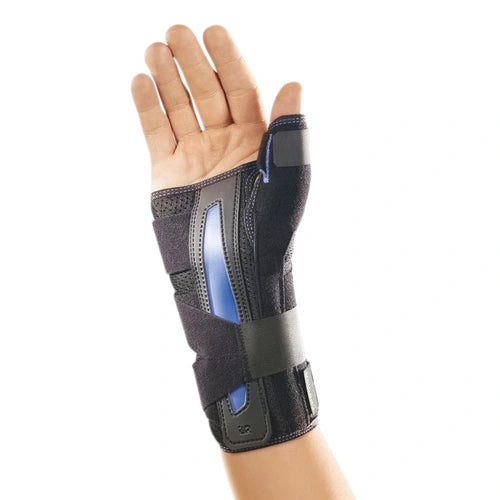
 Wrist Support Manu Xpro Right from Velpeau France
“Comfortable, supportive, great for recovery!”
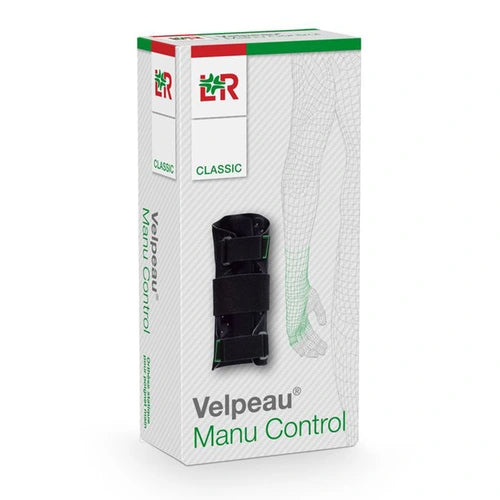
 Wrist Support Manu Control Classic from Velpeau France
“Perfect fit, supportive, highly recommended!”
“The Wrist Support Manu Control Classic from Velpeau France offers great stability and comfort, effectively ...”
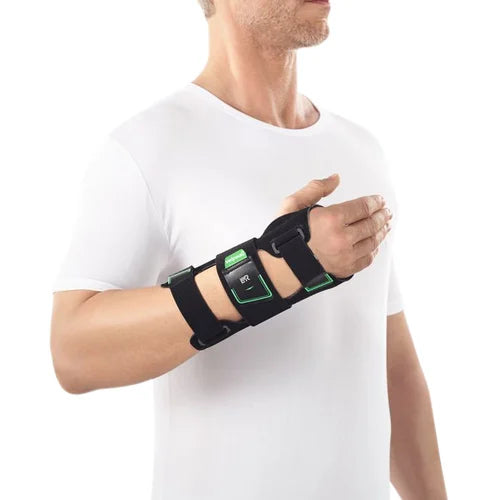
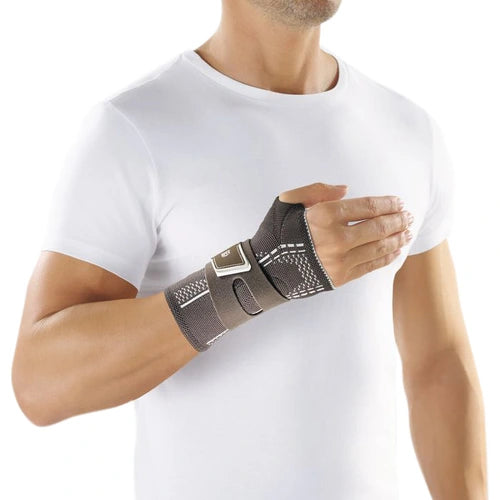
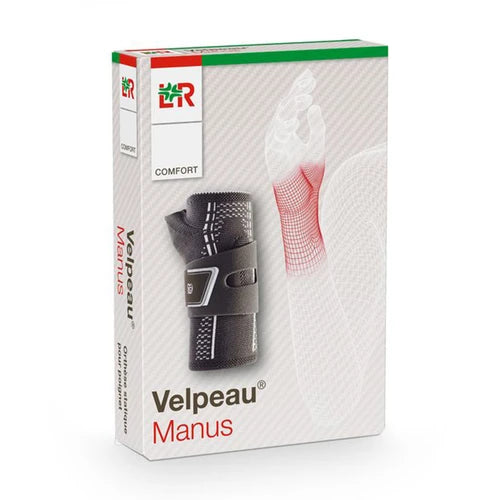
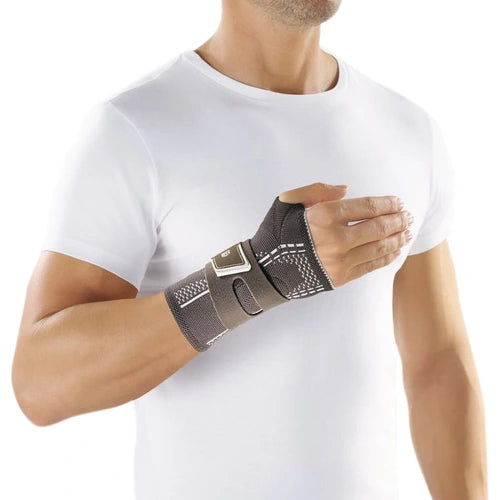
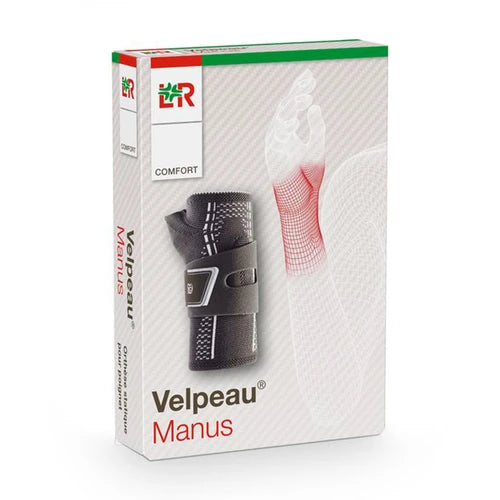
 Wrist Support Manu Comfort Left from Velpeau France
“Comfortable, supportive, great fit overall!”
“The Wrist Support Manu Comfort Left from Velpeau France offers great comfort and secure support, helping to...”
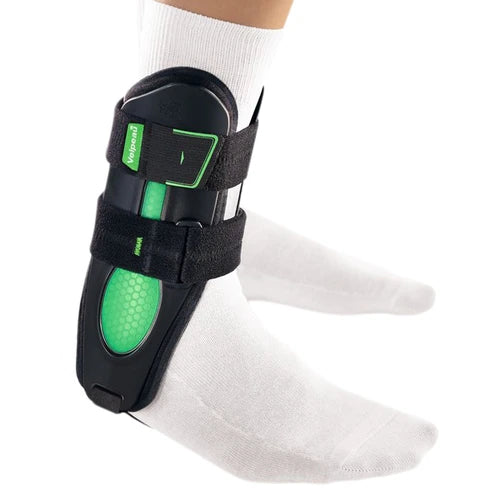
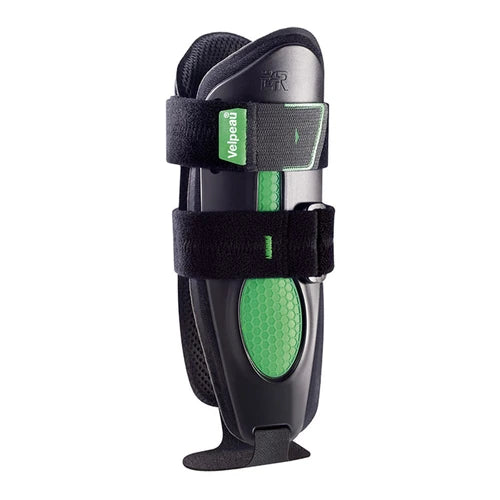
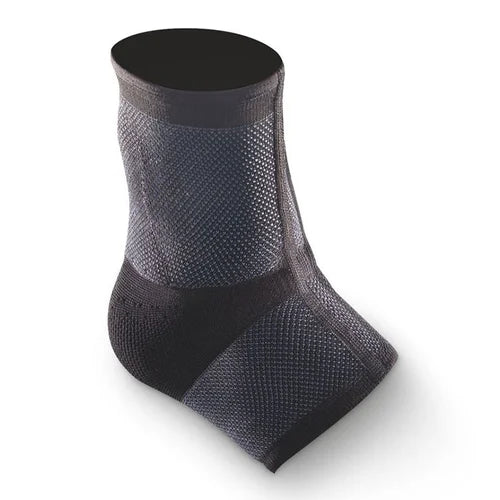
 Ankle Brace Freecast Adjust Universal Size from Velpeau, France
“Adjustable, comfortable, great for ankle!”
 Wrist Support Manu Xpro Left from Velpeau France
“Durable, comfortable, excellent wrist support!”
 Wrist Support Manu Comfort Right from Velpeau France
“Soft, supportive, great for recovery!”
“The Wrist Support Manu Comfort Right from Velpeau France is soft, comfortable, and provides excellent suppo...”
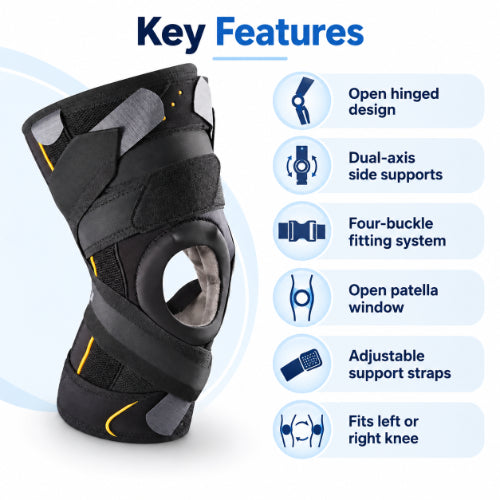
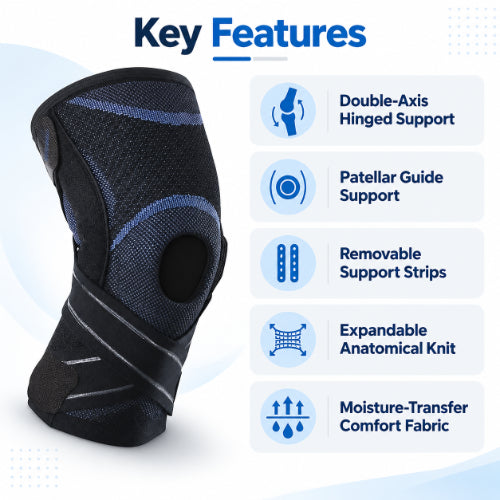
 Patellar Knee Support Ligation City from Velpeau France
“The Patellar Knee Support Ligation City from Velpeau France is fantastic for knee stability. It provides gr...”
Splints for Home Use: Wrist, Knee & Ankle Support
Splints for Home Use: Types, Wrist & Finger Guide
Splints for home use can be useful when you need comfortable, removable support for a joint or limb during everyday activity. The right splint can help limit unwanted movement, protect a sore area from extra strain, and make simple tasks feel more manageable while you follow professional guidance. This guide explains common types of splints, how to think about wrist and thumb options, when to be cautious, and how to care for one without making unsupported promises about outcomes.
What is a splint used for?
People use a splint to stabilize, protect, or limit movement in a specific part of the body, often after strain, sprain, irritation, or another musculoskeletal concern. Unlike a fully fixed cast, many are removable or adjustable, which makes them practical for short-term home routines when a medical professional has advised support. They may also help reduce unnecessary motion during daily tasks. You should choose and wear them according to the reason you need them, not just because a joint feels uncomfortable.


The key idea is control. Support does not need to make an area completely rigid in every situation. Some aim to restrict motion strongly, while others offer lighter guidance and compression. This is why a wrist splint, thumb splint, knee splint, ankle splint, or arm splint may each look and feel different. They all fall under the wider category of splints.
Consult your doctor or physiotherapist before using splints.
Splints for home use work best when the goal is clear
Splints for home use are most helpful when you know what you are trying to support. A person typing for long periods may need a different wrist support splint than someone protecting the wrist after a recent knock. Someone looking at knee supports for steadiness during light activity has different needs from someone considering traction equipment, which people generally associate with emergency-style immobilization rather than casual household use.


Before choosing a splint, define the situation in plain language. Are you trying to reduce bending? Keep the wrist in a more neutral position? Add compression around a joint? Avoid bumping a tender area while you move around the house? The answer should guide the type you pick, how structured it needs to be, and whether a removable design is appropriate.
A practical home-use checklist can help:
- Location: Identify the exact area that needs support, such as the wrist, thumb, knee, or ankle.
- Purpose: Decide whether the main need is stability, motion control, compression, positioning, or temporary protection.
- Fit: Choose the correct side, size, and shape. Left and right versions matter for some wrist and thumb designs.
- Wear time: Follow the wearing schedule your doctor gave you, especially for overnight use or longer daily wear.
- Skin checks: Look for redness, rubbing, pressure marks, numbness, tingling, or color changes.
- Activity match: Use it for the tasks it suits, and avoid treating one design as a solution for every situation.
What is the difference between a splint and a brace?
The difference between a splint and a brace is often about how much movement it allows, how it fits, and the purpose it serves. A splint usually aims to hold a body part in a more controlled position, while a brace may provide support while still allowing more functional movement. In everyday shopping language, the terms can overlap, so the most important details are the design, the level of rigidity, and the instructions for use.

A rigid wrist model with a stay may limit bending more than a soft sleeve. A knee splint may restrict movement more than flexible knee supports. The ankle version may feel more structured than an ankle brace and sleeve, depending on the materials, straps, and intended use.

Think of it this way: “splint” often points toward positioning and movement control, while “brace” often points toward support during activity. That said, names are not always consistent. Read the description carefully, check whether it has rigid inserts, and make sure it suits your reason for wearing it.
Wrist splints and wrist support options
Wrist discomfort is one of the most common reasons people look for splints at home. A wrist splint may help keep the wrist in a steadier position during tasks that would otherwise involve repeated bending, gripping, or twisting. For some people, the right wrist support can also make rest periods more comfortable because it discourages positions that place extra strain on the area.


Wrist supports vary widely. Some are slim and flexible for light daily support. Others include a more structured stay to limit bending. Some designs include thumb coverage, while others leave the thumb free for typing, writing, cooking, or light household tasks.
Velpeau wrist supports include Manu Xpro and Manu Comfort range options for left and right use, which matters because wrist anatomy and strap direction are not always interchangeable. A left wrist support should sit correctly on the left side, while a right wrist support should align properly on the right. Choosing the correct side helps the stay, straps, and fabric panels sit where they are meant to sit.

Which splint is best for wrist pain?
The best option for wrist pain is usually the one that matches the cause of discomfort, fits your wrist without pressure points, and supports the activities you actually need to do. For general support, many people look for a wrist splint that keeps the wrist closer to neutral without blocking all practical hand use. If symptoms are new, severe, spreading, or linked to an accident, professional guidance is more important than simply buying the firmest option.
A flexible design may suit mild task-based support, while a firmer wrist support may be better when you need more movement control. If your issue involves the thumb side of the wrist, a thumb splint or wrist-and-thumb design may be more appropriate than a wrist-only support. If you need to wear support while using a keyboard or tools, check whether it lets you grip safely and comfortably.
A useful way to compare wrist options is to ask:
- Does it hold the wrist in a comfortable position? The wrist should not feel forced into an awkward angle.
- Does it match the affected side? Choose the correct side for left and right designs, such as the Velpeau Manu range.
- Does it allow necessary hand use? Too much restriction can make daily tasks difficult.
- Does it stay in place? One that slides around may rub or fail to provide consistent support.
- Can you adjust it? Swelling and comfort can change through the day, so adjustable straps are often useful.
Wearing a wrist splint during the day or night
Many people ask, “how long should you wear a wrist splint?” The safest answer is that wear time depends on why you are using it, what instructions you received, and how your skin and symptoms respond. People wear some wrist splints only for specific tasks, some for rest periods, and some overnight when advised for certain wrist conditions.


The question “can you sleep with a splint on?” also depends on the design and the reason for using it. People commonly use some wrist designs at night because sleep positions can bend the wrist without you noticing. However, one worn overnight should not cause numbness, tingling, increasing pressure, or visible skin irritation.
If you wear one for longer stretches, build in regular checks unless your doctor told you otherwise. Remove it only when appropriate, inspect the skin, and make sure the straps have not shifted. If discomfort increases when it is on, the fit, type, or wearing schedule may need review.
Thumb and arm splint choices
A thumb splint supports the thumb area and may also include the wrist, depending on the style. This can be useful when the thumb needs more targeted control than a wrist-only support provides. Because you use the thumb for gripping, pinching, opening jars, holding a phone, and many work tasks, comfort and correct positioning are especially important.

An arm splint is a broader term. It may refer to support that extends along part of the forearm or helps control movement across a larger area. In some situations, a shoulder immobilizer can limit arm movement and hold the arm closer to the body, but that is a more specific category, so use it as directed.
The right choice depends on the area that needs support. Wrist-only discomfort may not require thumb coverage. Thumb-side discomfort may need a thumb splint. A larger arm concern may call for a more substantial arm brace or shoulder immobilizer, depending on the instructions you received.
Knee, ankle, and lower-limb splint options
A knee splint and knee supports give different levels of support around the knee. The splint may be more structured and may focus on limiting motion. Knee supports may provide compression, warmth, or a feeling of steadiness during light activity. The terms can overlap in descriptions, so look beyond the name and check the design.


You may use an ankle splint when the goal is to restrict certain ankle movements more than a soft sleeve would. An ankle brace and sleeve may feel more flexible and may suit lighter support or compression, depending on its construction. As with wrist supports, the correct option depends on the reason for use, the level of movement control needed, and whether the fit remains comfortable through daily activity.

Traction splints are a separate category. This equipment is not a general comfort item for casual home use; it typically belongs to serious leg injury management, so use it only with training or clear professional direction. If you see these listed alongside home support products, treat them as specialized equipment rather than an everyday support choice.
For lower-limb splints, pay close attention to walking safety. A device that changes how your foot, ankle, or knee moves can affect balance. If it makes you feel unsteady, creates new pain, or changes your walking pattern in a concerning way, stop relying on it for activity and seek guidance.
A note on finger splints
Finger splints can be useful in certain situations, but there are none currently in stock. If you are searching for one, check availability before planning around a specific model.
How tight should a splint be?
A splint should feel secure enough to stay in place, but not so tight that it causes numbness, tingling, skin color changes, increasing pain, or throbbing pressure. Straps should hold it steady without digging into the skin. Because swelling and comfort can change, especially after an injury or during a long day, the fit may need small adjustments.

A simple fit test is to fasten it, wait a few minutes, and then check how the area feels. You should be able to relax without feeling pinched. The edges should not cut into the skin, and any rigid stay should sit smoothly rather than pressing into one spot.
Use this quick comfort check:
- Pressure: It feels supportive, not crushing.
- Sensation: There is no new numbness, tingling, or pins-and-needles feeling.
- Color: Skin beyond it looks normal for you.
- Temperature: The area does not feel unusually cold compared with the other side.
- Movement: Parts meant to remain free can still move comfortably.
- Skin: There are no sharp rub marks, blisters, or sore pressure points.
Do not assume tighter means better. Over-tightening can create new problems and may make it harder to tolerate. A well-fitted orthopedic splint should support the intended area while still respecting circulation, skin comfort, and normal sensation.
When should you not use a splint?
You should not use a splint as a substitute for urgent assessment when symptoms suggest a serious problem. Avoid self-managing with one if there is major deformity, severe swelling, an open wound, loss of sensation, worsening pain, or a limb that looks pale, blue, or unusually cold. It can be part of first aid or ongoing support, but it is not a replacement for proper evaluation when warning signs are present.
You should also be cautious if it makes symptoms worse. If a wrist support increases tingling, a knee splint changes your balance, or an ankle support creates new pressure spots, it may not be right for you. Stop and reassess the fit, type, and reason you are using it.
There are also times when too much support can work against your goal. If you keep a joint immobilized longer than advised, stiffness and reduced confidence in movement can become concerns. Follow the wear schedule you received and avoid wearing one simply because it feels reassuring.
How do you clean a splint?
Start by checking the care instructions, because fabric, foam, plastic, metal stays, and hook-and-loop straps may require different care. You can wipe down or gently hand wash many removable splints, but some parts may need to stay dry or come off before cleaning.
For most home care routines, mild cleaning is better than harsh treatment. Avoid strong chemicals, high heat, aggressive scrubbing, and machine drying unless the instructions specifically allow them. Heat can distort materials, weaken adhesives, or change how it fits.
A practical cleaning routine looks like this:
- Remove detachable rigid parts if allowed. Do this only if the design allows it.
- Close straps before washing. This helps prevent snagging and lint buildup.
- Use mild soap and cool or lukewarm water. Avoid bleach or strong cleaners.
- Rinse well. Soap left in fabric can irritate skin.
- Air dry fully. Do not wear it damp for long periods.
- Inspect before reuse. Check for worn straps, cracked stays, rough edges, or compressed padding.
Cleaning is not just about appearance. Sweat, skin oils, and lint can change comfort and may increase rubbing. A clean, dry splint is easier to wear consistently and easier to inspect for wear.
Matching splints to daily routines
The best splint is not always the most rigid one. It is the one that supports your goal while fitting into real life. If you cook, type, drive, care for others, or use tools, it must be practical enough to wear during the intended activity without creating new risks.

For wrist use, consider whether you need the thumb free. With knee supports, consider whether stairs, sitting, and light walking feel manageable. For an ankle brace and sleeve, consider footwear and whether it changes your footing. For a shoulder immobilizer, consider clothing, sleeping position, and whether you have clear instructions for wear time.
A home-use decision guide can make selection easier:
| Need | Product direction to consider | Practical reminder |
|---|---|---|
| Wrist positioning | Wrist splint or wrist support splint | Choose the correct left or right side when required |
| Thumb involvement | Thumb splint | Make sure grip tasks are still safe |
| Larger arm control | Arm splint or shoulder immobilizer | Follow the recommended wearing schedule |
| Knee steadiness | Knee supports or knee splint | Check walking comfort and balance |
| Ankle motion control | Ankle splint or ankle brace and sleeve | Confirm footwear compatibility |
| Specialized leg immobilization | Traction splint | Not for casual home use |
Common mistakes when buying splints for home use
One common mistake is buying by name alone. Two items both called splints may provide very different levels of support. One may be soft and flexible, while another includes a rigid stay and multiple straps.
Another mistake is ignoring sizing. A support that is too large may slide, bunch, and fail to support the intended area. A support that is too small may create pressure, especially around the edges or straps.

People also sometimes wear one for every task once they buy it. That is not always necessary or helpful. You may not need a wrist splint for typing during every quiet rest period, unless your doctor told you to follow that schedule. A knee splint used for a specific activity may not be appropriate for all movement.
Finally, do not overlook side-specific design. Velpeau wrist supports in the Manu range include left and right options, and choosing the wrong side can affect comfort and positioning. If a design shows left or right, treat that as an important fit detail, not a minor preference.
Red flags that need attention
Wearing one should not create a new problem. If it does, the first step is to stop and check the fit. If warning signs remain, seek appropriate guidance rather than trying to push through.
Watch for:
- New numbness or tingling
- Increasing pain or tightness
- Skin that becomes pale, blue, or unusually cold
- Swelling that worsens around the edges
- Rubbing that breaks or irritates the skin
- A rigid part pressing into one spot
- Straps that loosen repeatedly and make it slide
- Any feeling that the support is changing your balance or control
These signs do not always mean the choice is wrong, but they do mean it deserves attention. Sometimes a strap adjustment solves the issue. Other times, the size, style, or entire category may need to change.
A simple way to choose with confidence
Start with the body part, then the purpose, then the fit. This order keeps the decision practical. It also helps you avoid choosing a splint because it looks sturdy while missing the support pattern you actually need.
For example, if the concern is wrist position during computer work, a wrist support that allows practical hand use may be more useful than an overly bulky option. If the problem includes the thumb, a thumb splint may make more sense. If the issue is the knee, compare a knee splint with knee supports by looking at structure, straps, and how much movement each design allows.
When comparing splints, read the details slowly. Look for material, side, sizing method, intended use, and care instructions. If it includes removable stays or adjustable straps, understand how those features affect daily wear.
Conclusion: splints are useful when fit, purpose, and guidance work together
Splints can make home support more manageable when you choose them for a clear reason, fit them correctly, and use them with sensible limits. Whether you are comparing a wrist splint, thumb support, knee splint, ankle splint, arm support, shoulder immobilizer, or specialized traction equipment, the goal is the same: comfortable support that matches the situation.
The most reliable approach is to avoid guessing. Choose the correct type and side, follow the recommended wear schedule, keep it clean, and pay attention to pressure, skin, sensation, and comfort. Used thoughtfully, splints for home use can support daily routines without overcomplicating them.
Explore Medical Collections
All Categories
Abdominal & Maternity Support

Accessories

Accu-Chek Instant Strips: Use, Compatibility, Price & Blood Sugar Testing Guide
Accu-Chek Instant Strips: Uses, Features & Complete Guide

accupuncture

Acupuncture Needles & Supplies

Advanced Physiotherapy Machines & Lumbar Physiotherapy

Airways

Ambulance

Anatomy Models
Anesthesia Machine

Anesthesia Products
Ankle Support for Home Use: Braces, Sleeves & Walker Boots
Ankle Weights & Exercise Weights for Home & Rehab

Anti-Bedsore Air Mattresses
You may also need
FOR YOURecommended for you