


Featured ChoiceSave 18%

Save 20%
Save 33%

Save 22%
Save 22%

Save 25%
Save 29%

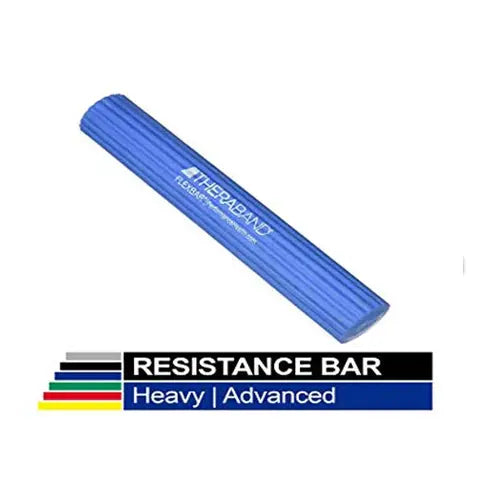
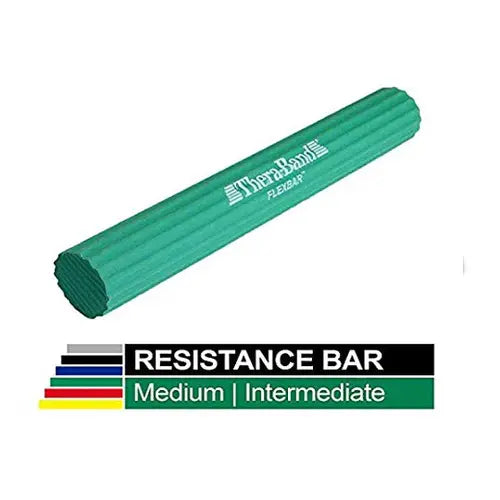
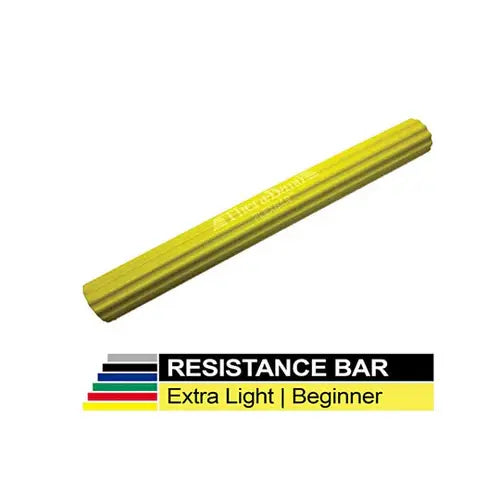
Save 29%
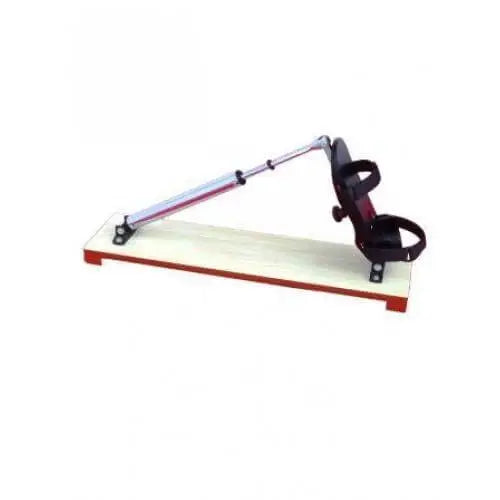

Save 26%

Save 26%

Save 33%


Save 27%


Save 32%
Save 14%

Save 28%


Save 27%

Save 39%


Save 39%
Save 29%

Save 22%

Save 28%
Save 22%

Save 27%

Save 30%

Save 35%

Save 25%

Save 50%
Save 50%



Save 15%


Sold out

Sold out

Sold out

What customers say
★★★★★ 5.0 · 38 reviews
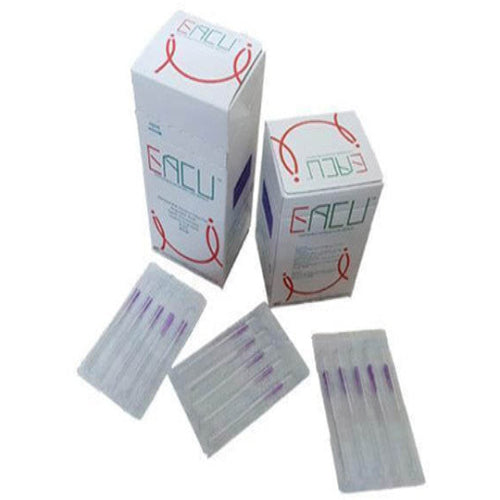
 EACU Accupuncture and Dry Needle
“This is a fantastic tool for pain relief. It’s easy to use and provides targeted therapy for muscle tension...”
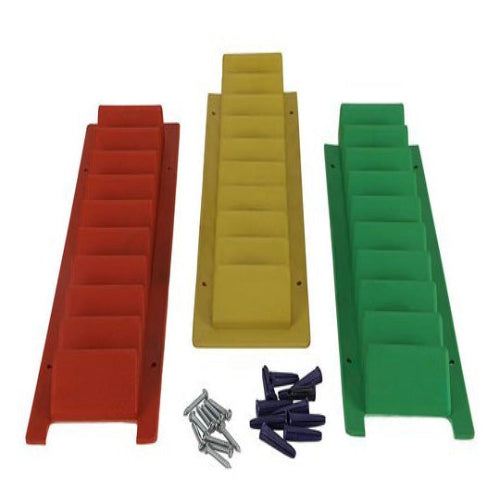
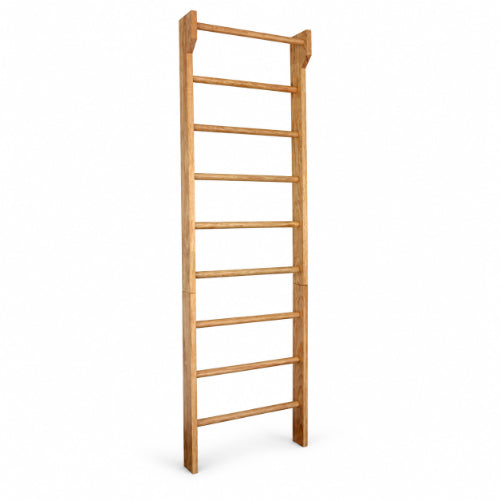
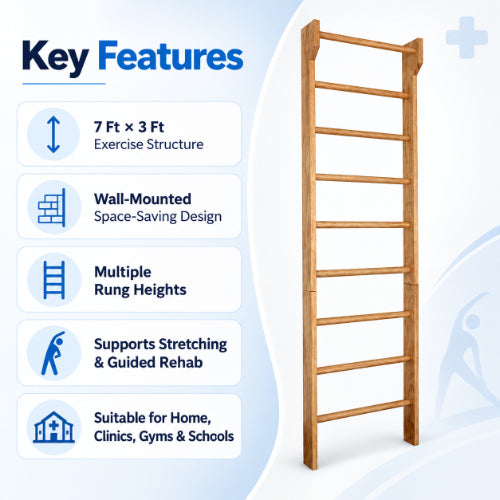
 Shoulder Finger Ladder
“Great for shoulder rehabilitation exercises!”
“This is a fantastic tool for shoulder rehab and improving mobility. It’s easy to use,”
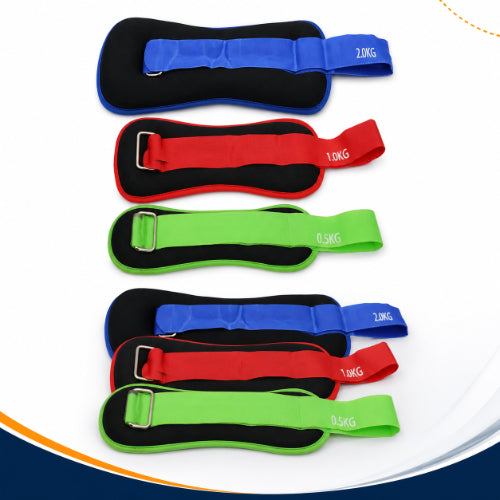
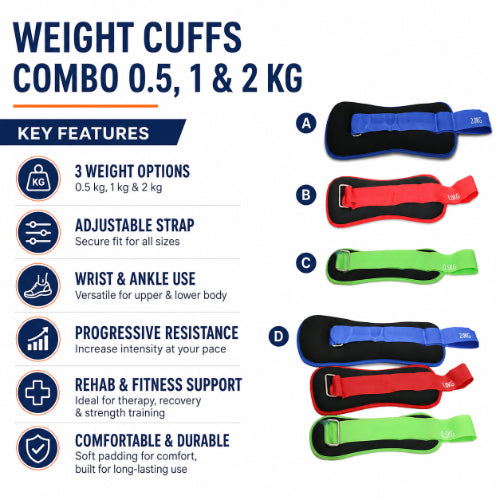
 Weight Cuffs Combo 0.5, 1 & 2 Kg | Rehabilitation Equipment
“Effective, comfortable, and great for workouts!”
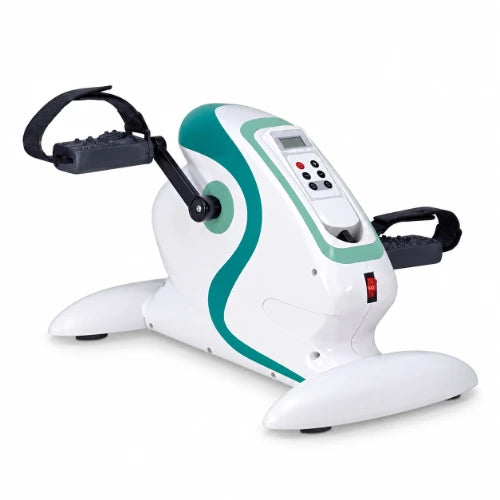
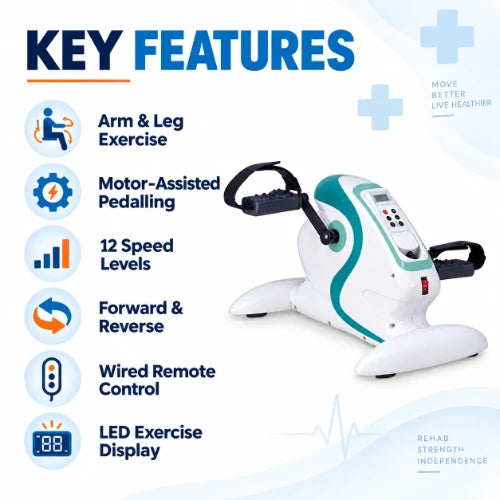
 Motorized Pedo Cycle for Arm & Leg Exercise with Remote Control
“It’s easy to use, adjustable, and provides a smooth pedaling experience. The motor assistance makes it grea...”
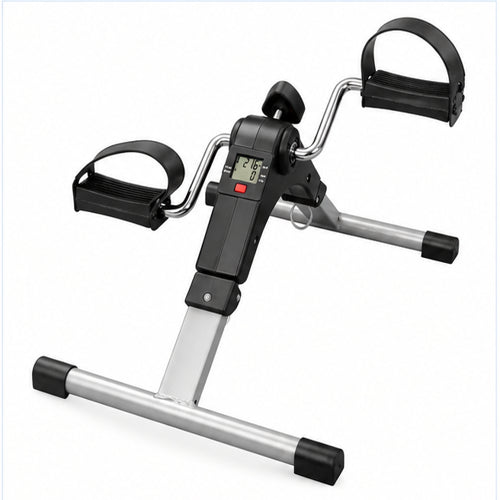
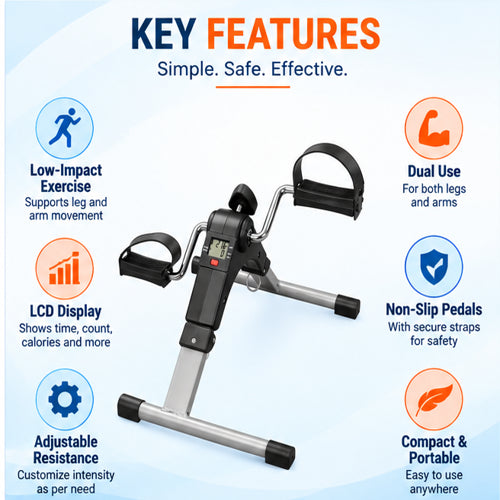
 Mini Pedo Pedal Exerciser Cycle
“LCD monitor is clear and easy to read. Great for tracking time, speed, and calories burned”
“Good product for light exercise at home or office. I use it daily under my desk – great for circulation, th...”
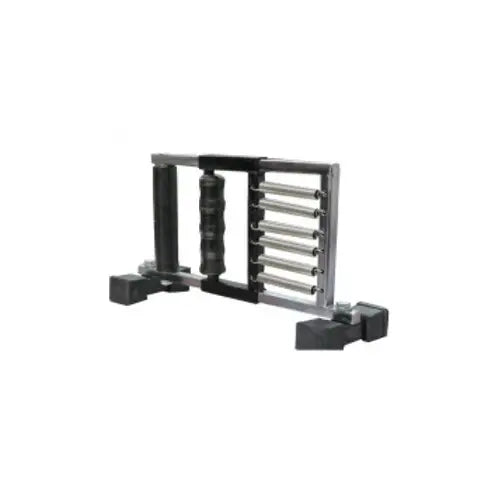
 Finger Exerciser With Metal Base
“Perfect for improving finger strength and mobility!”
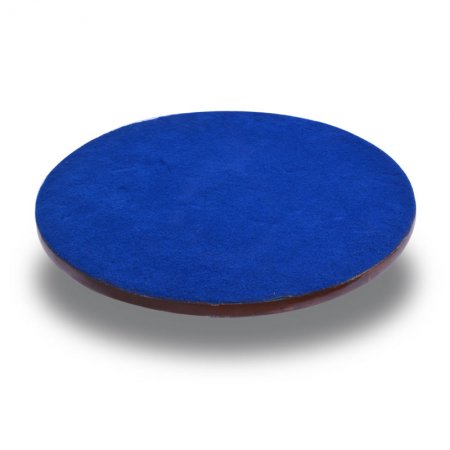
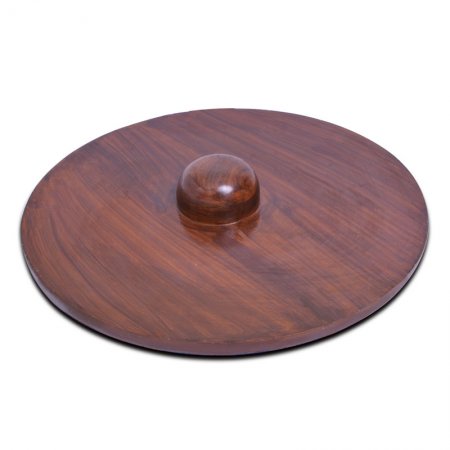
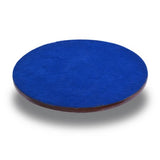 Wooden Wobble Board
“Great for improving balance and stability!”
“The Wooden Wobble Board is an excellent tool for improving balance and stability. It’s sturdy, easy to use,”
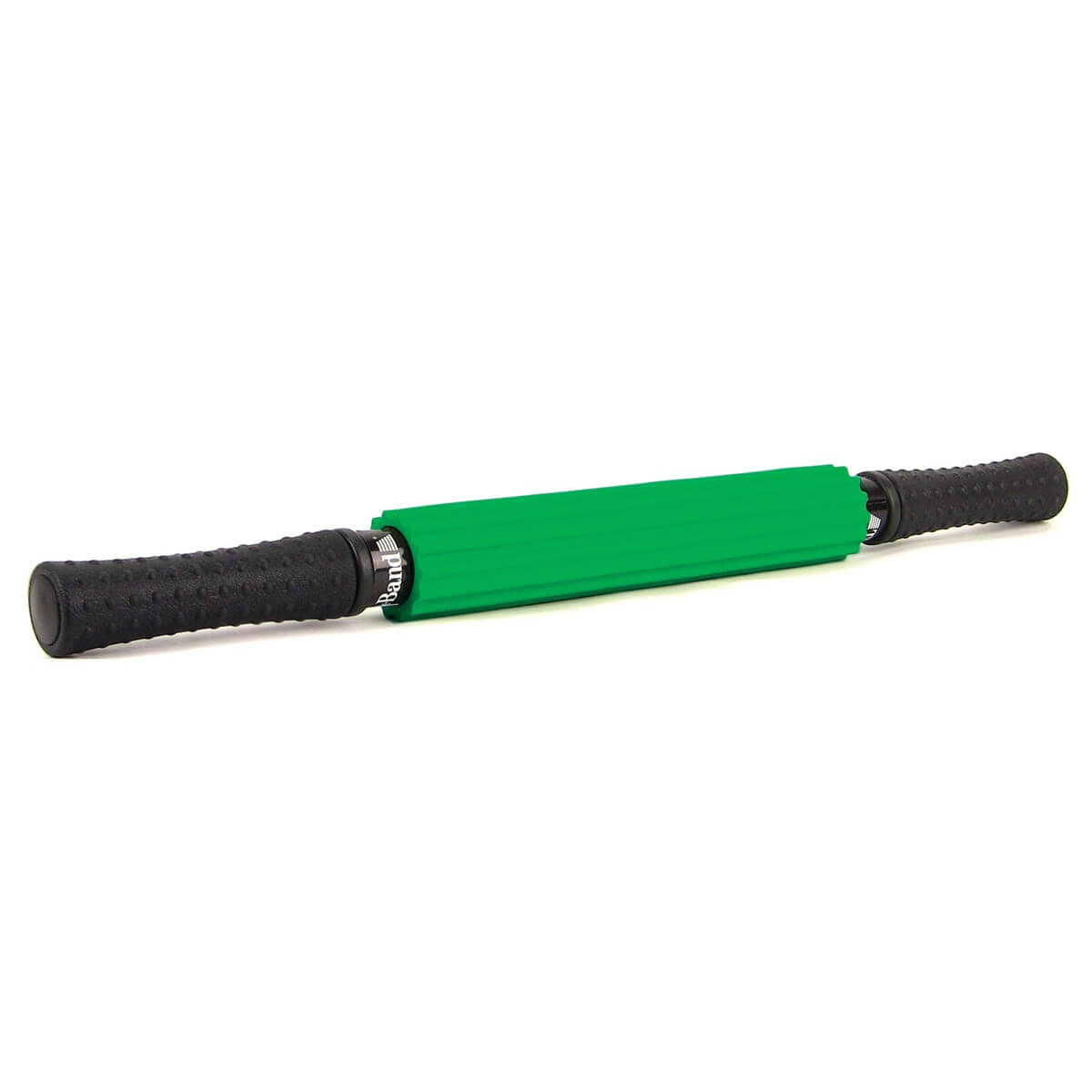
 Theraband Roller Massager
“Provides great pressure relief, easy to use for muscle relaxation!”
“This is fantastic for relieving muscle tension and improving blood circulation. It’s easy to use,”
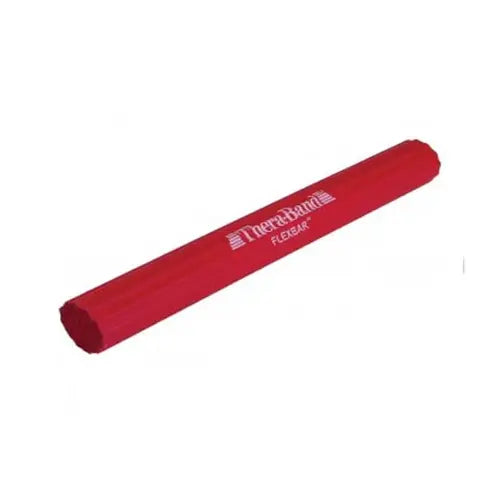
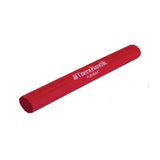 Theraband FlexBar
“Great for building strength and aiding in rehab exercises!”
“This is fantastic for improving strength and rehabilitation. It’s durable, easy to use,”
 Heel Exerciser with Wooden Base
“This is an effective tool for relieving heel pain and improving foot flexibility. The design is sturdy”
Physiotherapy Equipment & Rehabilitation Tools for Home & Clinics
Physiotherapy Equipment for Home Use: Types, Uses & Price
Physiotherapy equipment for home use can support recovery, strength, balance, mobility, and daily exercise when it is chosen with proper guidance. In India, common home options include resistance bands, hot and cold packs, hand exercise tools, pedal exercisers, knee supports, walkers, and simple balance tools, while advanced machines should usually be used only under a physiotherapist’s advice. This guide explains the main types, common uses, safety points, and Meddey prices so patients and caregivers can make practical decisions.
Please consult your physiotherapist or doctor before starting any new exercise or using any device at home.

What physiotherapy equipment is useful at home?
The most useful physiotherapy equipment at home is usually simple, safe, and matched to the patient’s condition. For many people, basic physiotherapy accessories such as resistance bands, therapy balls, exercise mats, ankle weights, hand grippers, and hot or cold packs are enough for a home exercise plan. Machines such as TENS units, pedal exercisers, CPM machines, and traction devices may be helpful in selected cases, but they should not be used without professional advice.
Home physiotherapy is not about filling a room with machines. It is about choosing the right rehab tools for the goal: pain relief, joint movement, muscle strength, walking practice, balance, or hand function. A person recovering from knee surgery may need different knee physiotherapy equipment than someone with wrist stiffness, back pain, or stroke-related weakness.
In India, many families also consider space, storage, budget, and whether an older person can use the item safely. A foldable walker, a compact pedal exerciser, or portable physiotherapy equipment may be more practical than large clinic-style units. Before buying physiotherapy equipment online, it is wise to ask the treating physiotherapist what is actually needed, how often it should be used, and when to stop.


Main categories of physiotherapy equipment for home use
You can group physiotherapy equipment by purpose. Some items help with exercise, some with walking, and some with pain control. Understanding these categories makes it easier to avoid buying a product that looks useful but does not match the condition.
Exercise and strengthening equipment
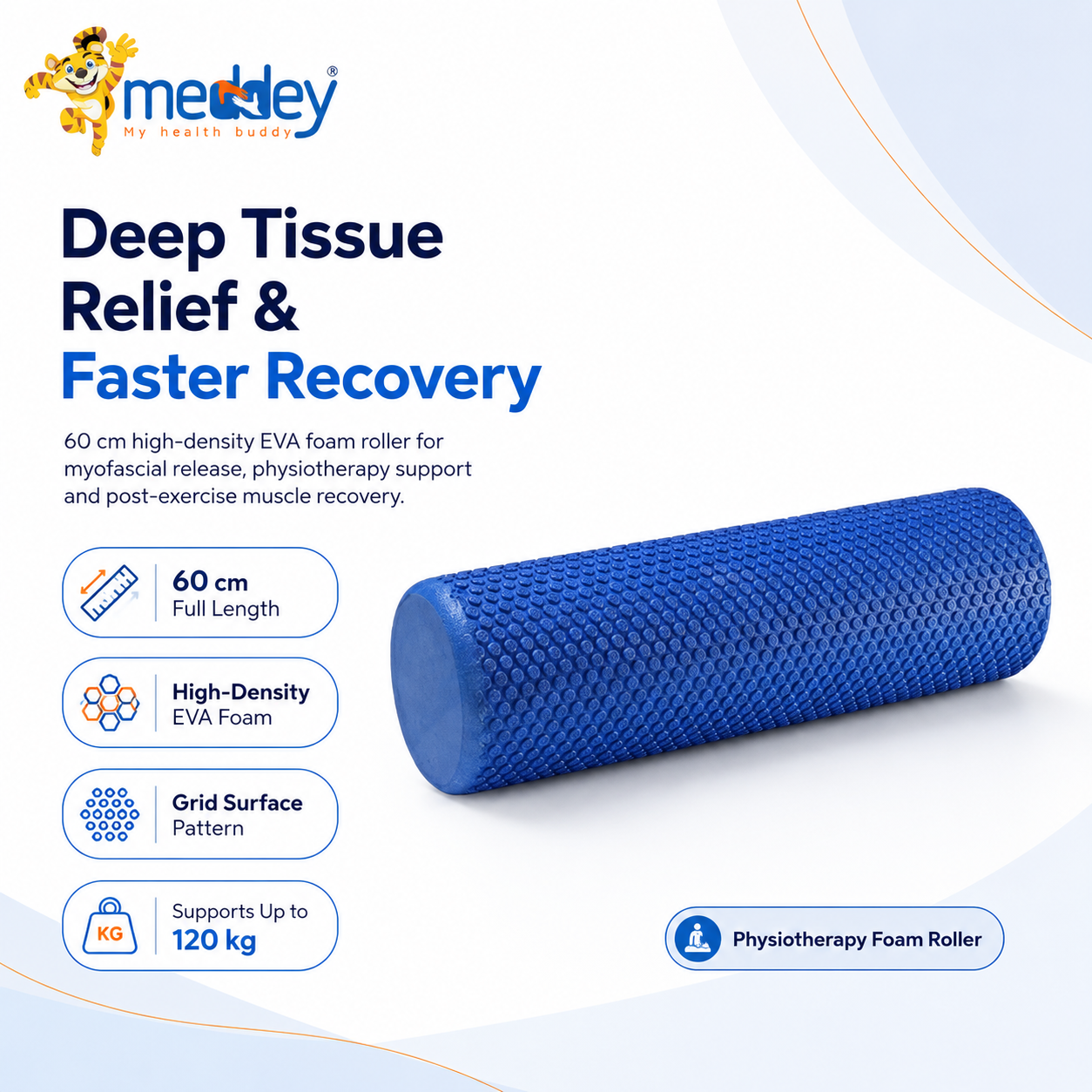
Physiotherapy exercise equipment helps people improve strength, flexibility, and control. This category includes resistance bands, ankle weights, dumbbells, hand grippers, therapy balls, exercise mats, balance boards, and pedal exercisers. These are often the first tools used in home rehabilitation because they are simple and do not require much space.
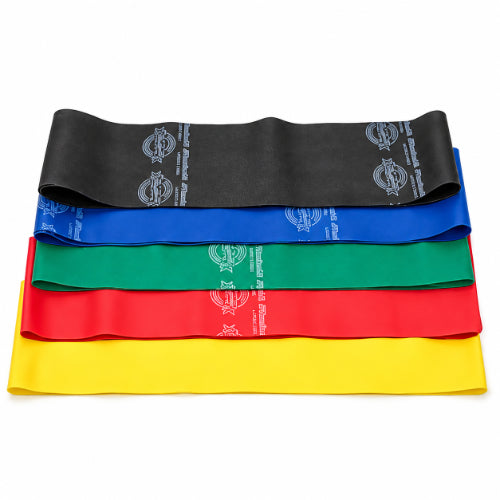
Resistance bands are common physiotherapy exercise equipment for the shoulder, knee, hip, and ankle. They come in different resistance levels, so the same exercise can be made easier or harder. An exercise mat gives a stable surface for stretching, core work, and leg exercises.
A pedal exerciser is a compact physiotherapy exercise machine that you can use while sitting. It may support gentle knee and hip movement, especially for older adults or people who cannot use a full exercise bike. Use it only if the person can sit safely and move the legs without sharp pain.


Pain relief and electrotherapy devices
People use some physiotherapy products for pain relief or muscle stimulation. Common examples include TENS machines, IFT machines, ultrasound therapy units, hot packs, cold packs, and wax baths. In clinics, trained staff usually handle these devices.
For home use, a basic TENS unit is one of the more common portable physiotherapy equipment options. It sends mild electrical impulses through pads placed on the skin. However, it is not suitable for everyone, including some people with pacemakers, certain heart conditions, pregnancy-related concerns, or reduced skin sensation. A physiotherapist or doctor should guide its use.
Hot and cold therapy tools are simpler. Heat may help with stiffness in some cases, while cold packs may help after swelling or minor strain. Use these carefully because too much heat or cold can irritate or injure the skin.
Mobility aids and walking support
Mobility aids help a person move more safely. This category includes walking sticks, crutches, walkers, rollators, transfer boards, wheelchairs, and bedside support rails. These are not always called physiotherapy exercise instruments, but they are important in rehabilitation.
The main purpose is to reduce fall risk and support independence. For example, a walker may help an older person move from bed to bathroom, while a stick may support someone with mild balance issues. The height, grip, and type of aid matter. A poorly fitted walking stick or walker can create shoulder, wrist, or back strain.
Parallel bars physiotherapy is common in clinics for gait training, balance practice, and early walking after injury or surgery. At home, full parallel bars are usually needed only in special cases because they take space and require supervision. Many patients can practise walking safely with a walker, caregiver support, and a clear floor plan instead.
Hand, wrist, and finger rehabilitation tools
People use hand physiotherapy equipment after injury, surgery, stroke, arthritis stiffness, tendon problems, or nerve weakness. Common tools include therapy putty, hand grippers, finger exercisers, peg boards, therapy balls, spring exercisers, and wrist rollers.
A physiotherapy gel ball is a soft ball used for gentle gripping, squeezing, and finger movement. It may help improve hand strength and coordination when used correctly. Therapy putty works in a similar way but can be pinched, stretched, and rolled for different hand movements.
Wrist roller physiotherapy is often used for forearm and wrist strengthening. A wrist roller usually has a handle, rope, and small weight. The user rolls the handle to lift and lower the weight. It can be useful, but it should be introduced slowly because the wrist and elbow can become irritated if the resistance is too high.


What physiotherapy equipment do physiotherapists use?
Physiotherapists use a mix of assessment tools, treatment machines, exercise tools, manual therapy supports, and mobility aids. In a clinic, equipment may include treatment couches, electrotherapy machines, ultrasound units, traction units, exercise bikes, parallel bars, quadriceps tables, balance tools, resistance bands, weights, and hand exercise tools. At home, the list is usually smaller and focused on safe exercises that the patient can repeat between supervised sessions.
A physiotherapist does not choose equipment only by body part. They look at pain level, movement range, muscle strength, balance, age, diagnosis, surgery history, safety, and home setup. For example, two people with knee pain may receive different product recommendations. One may need a resistance band and step practice, while another may need a walker, knee brace, and supervised strengthening.
A home patient does not need all professional tools. Buying too many items can create confusion and increase the chance of wrong use. It is better to start with a short list recommended by the physiotherapist and add more only if the treatment plan changes.
Common physiotherapy equipment for legs and knees
Physiotherapy equipment for legs is often used after knee pain, hip weakness, ankle injury, fracture recovery, ligament injury, stroke, joint replacement, or long bed rest. The aim is usually to improve movement, strength, walking ability, and confidence.
Knee physiotherapy equipment
Knee physiotherapy equipment may include resistance bands, ankle weights, knee supports, ice packs, exercise mats, pedal exercisers, and step-up blocks. For early recovery, the focus may be gentle movement and swelling control. Later, the focus often shifts to strengthening the quadriceps, hamstrings, hips, and calf muscles.
You can use a simple towel roll under the knee for certain exercises, but only if advised. A firm chair can help with sit-to-stand practice. A small step can help with controlled stepping when the patient is ready. These ordinary items can work with physiotherapy exercise instruments to make a safe home programme.
A physiotherapist may also use a goniometer to measure knee bending and straightening. This helps track progress. At home, patients should avoid comparing their recovery with others because age, surgery type, pain, swelling, and general health can change the speed of improvement.
Physiotherapy leg machine options
The term physiotherapy leg machine can refer to different devices. It may mean a pedal exerciser, continuous passive motion machine, leg press, exercise cycle, quadriceps table, or electrical muscle stimulator. Each machine has a different purpose.
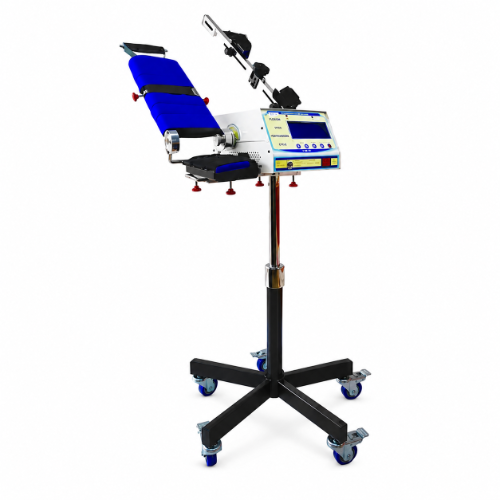
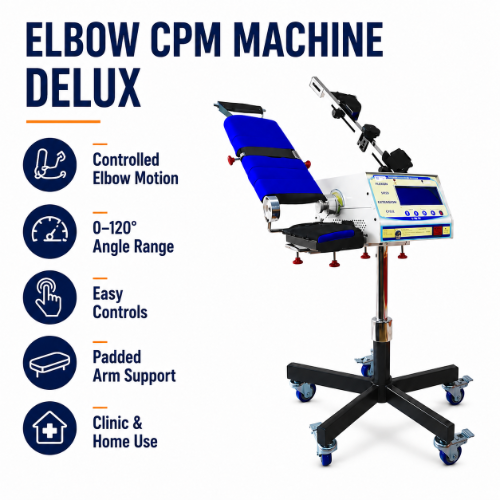
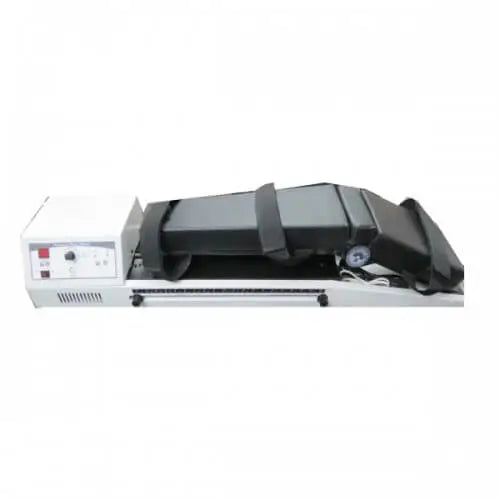
A pedal exerciser supports gentle repeated leg movement. The CPM machine moves a joint slowly through a set range, commonly after selected surgeries when prescribed. A leg press strengthens the lower limb but is more common in gyms and clinics than in Indian homes. Therapists may use electrical stimulation for weak muscles in specific cases.
The important point is that a leg machine is not automatically better than simple exercise equipment. Many patients improve with bodyweight exercises, bands, walking practice, and gradual strengthening. Machines may help when there is a clear reason to use them, but they should not replace proper assessment.

Quadriceps table physiotherapy
You commonly see quadriceps table physiotherapy in clinics. A quadriceps table allows controlled strengthening of the thigh muscles using weights and levers. It may help with knee rehabilitation, but you must select the load and angle carefully.
For home use, a full quadriceps table is usually not practical unless the person has long-term rehab needs and enough space. It is larger and more expensive than basic tools. Many home programmes use simpler alternatives such as straight leg raises, terminal knee extension with a band, mini squats, sit-to-stand practice, and step exercises.
A quadriceps table can be useful in professional settings because it allows graded strengthening. However, it is not a must-have item for every patient. The decision should depend on the physiotherapist’s plan, not only on the availability of the machine.

Hand and wrist physiotherapy equipment for rehabilitation
Hand recovery often needs patience because small muscles and joints can become stiff quickly. Physiotherapy hand exercise equipment can help with grip, pinch, finger extension, wrist control, and coordination. The best tools are often small and affordable.
Common hand physiotherapy equipment includes:
- Therapy putty: Used for squeezing, pinching, rolling, and finger strengthening.
- Physiotherapy gel ball: Used for gentle grip practice and finger movement.
- Hand gripper: Used for stronger grip training when the hand is ready.
- Finger exerciser: Used for separate finger movement and resistance work.
- Wrist roller: Used for wrist and forearm strengthening.
- Peg board or coins: Used for fine motor practice and coordination.
These tools should not cause sharp pain, numbness, or swelling. A person recovering after surgery, fracture, tendon injury, or nerve problem should follow medical restrictions. Too much squeezing too early can delay healing in some conditions.
For daily practice, short sessions are often easier than one long session. A patient may do a few minutes of gentle finger movement several times a day if advised. The focus should be quality of movement, not force.

Larger physiotherapy equipment sometimes used at home
Some families consider larger physiotherapy rehab equipment when recovery is long or when travelling to a clinic is difficult. These items can help in selected cases, but they need space, budget, and safe supervision.
Tilt table physiotherapy
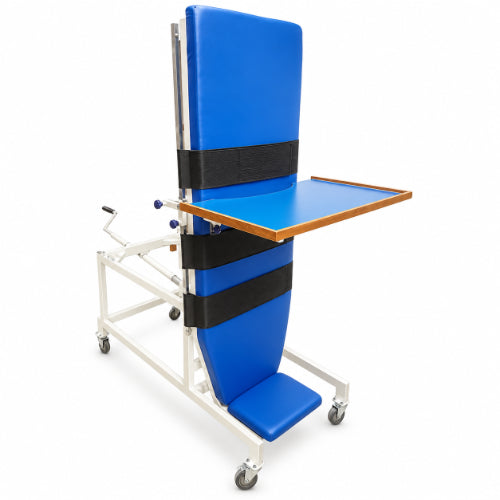
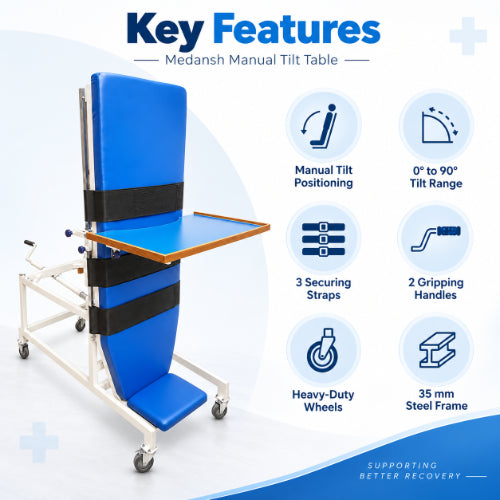
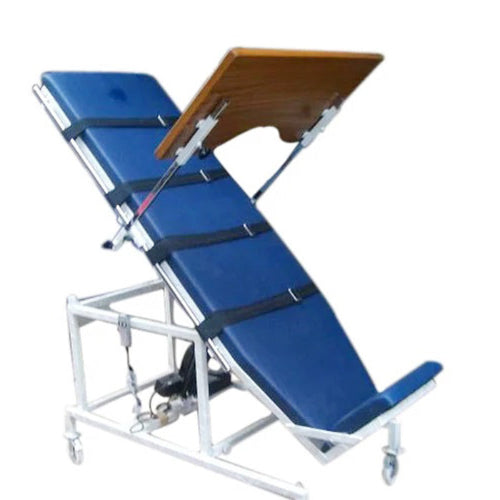
Tilt table physiotherapy helps a person move gradually from lying down to an upright position. It may be used for patients who have been in bed for a long time, have poor standing tolerance, or need supported weight-bearing. A physiotherapist secures the person on the table and raises the angle slowly.
A tilt table is not a general home exercise product. It is large, costly, and should be used only under professional guidance. Incorrect use can cause dizziness, low blood pressure symptoms, or safety risks.
In many home situations, simpler methods may be enough, such as sitting at the edge of the bed, supported standing, walker practice, or supervised transfers. A physiotherapist can decide whether a tilt table is needed or whether safer alternatives are suitable.


Parallel bars physiotherapy
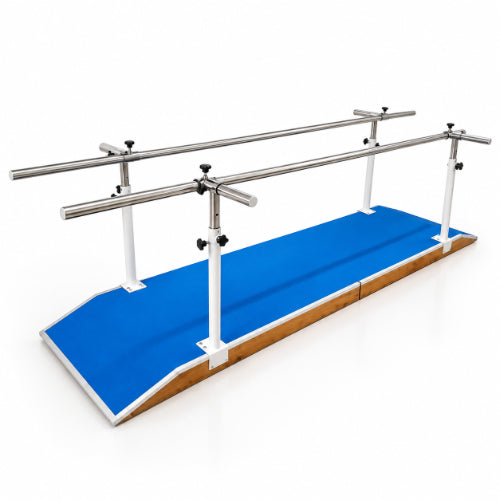
Parallel bars help with walking training, balance work, weight shifting, and confidence building. They provide support on both sides, which can help people relearn safe steps after injury, surgery, stroke, or neurological illness.
At home, parallel bars require a clear area and stable installation. They are more common in clinics, hospitals, and rehab centres. If a family is considering them, they should check available space, floor grip, bar height, and whether the patient has supervision.
For many patients, a walker, wall support, or caregiver-assisted gait training may be more practical. The goal is not to copy a clinic but to create a safe environment for useful practice.

Treatment couches and standing frames
A treatment couch gives a stable surface for exercises, stretching, and manual therapy. Some families buy one if the patient needs regular home sessions and the bed is too soft or too low. However, it takes space and may not be needed for simple exercise plans.
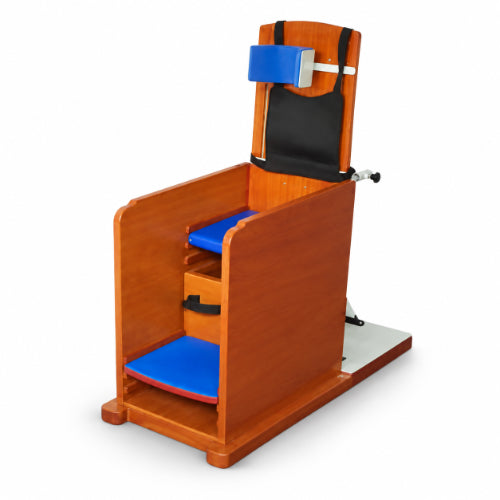
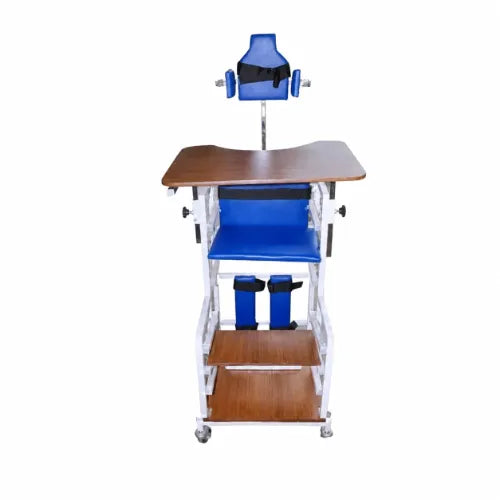
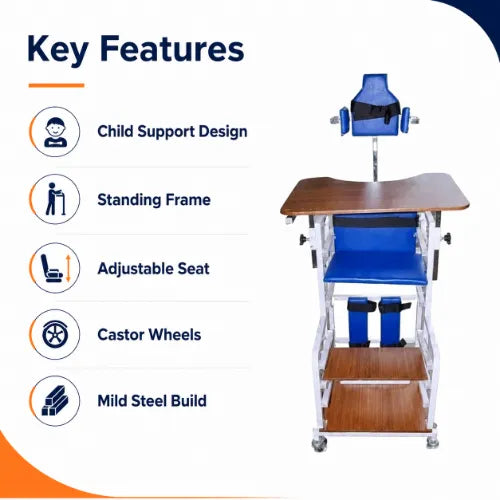
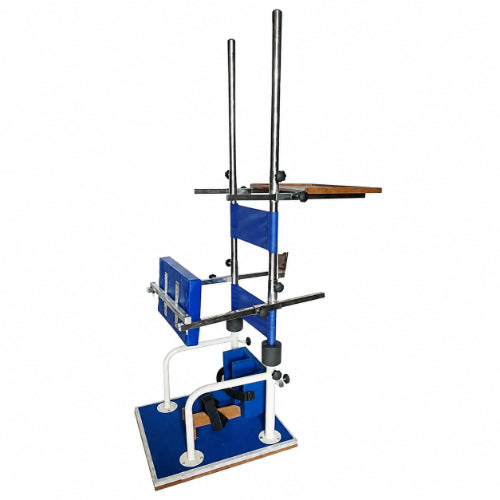
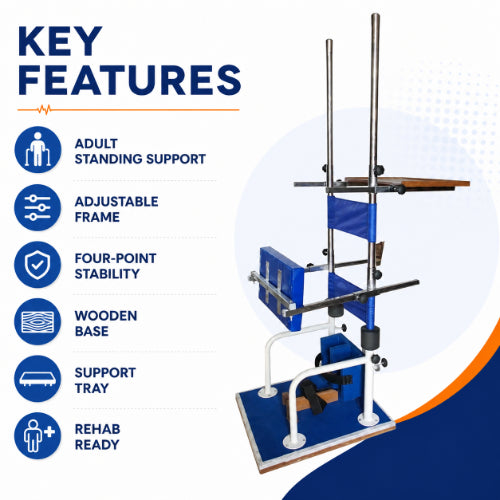
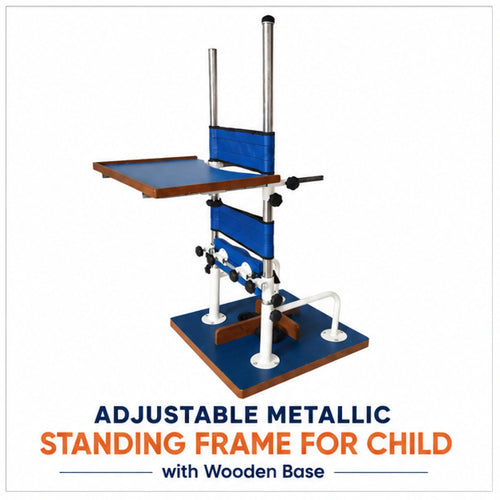
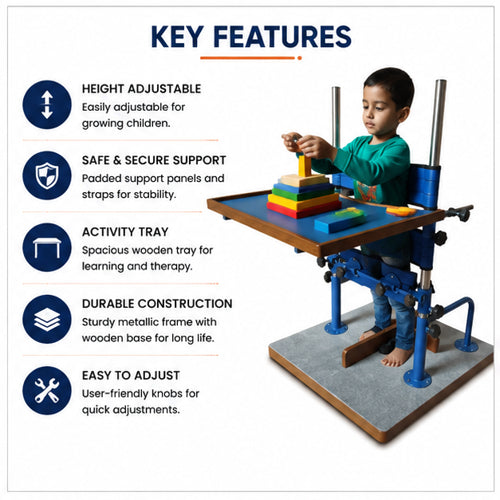
Standing frames may help selected patients who cannot stand independently. These are more specialised and should be recommended by a physiotherapist, occupational therapist, or rehabilitation doctor. They must match the patient’s height, posture, and medical condition.


Which machine is used in physiotherapy?
There is no single machine used in physiotherapy because treatment depends on the condition and goal. Common machines include TENS, IFT, ultrasound therapy, electrical muscle stimulation, traction, CPM, exercise cycles, treadmill systems, and strengthening machines. At home, the most practical machines are usually compact items such as a TENS unit, pedal exerciser, or small exercise cycle, but only when they fit the treatment plan.
TENS is often linked with pain relief. You usually find IFT in clinics, and professionals may use it for pain and muscle-related conditions. Trained professionals use ultrasound therapy, so do not treat it as a casual home device. Professionals use traction machines for selected spine-related problems, but they need careful assessment.
Exercise machines also count as equipment physiotherapy users may see in clinics. A treadmill may help gait training, while a stationary cycle may help lower-limb endurance. However, walking in a corridor, practising sit-to-stand, and doing band exercises can be just as important in many home programmes.
When people ask which machine is best, the better question is: which tool helps this person meet a safe rehab goal? A machine should not be chosen only because it is labelled as the latest physiotherapy equipment. Newer does not always mean suitable.
Price range of physiotherapy equipment in India
Prices in India vary by brand, city, supplier, build quality, warranty, taxes, and whether the product is meant for home or clinic use. The table below shows current Meddey prices for the physiotherapy equipment discussed in this guide. Basic hand and exercise accessories start from under ₹1,000, while larger items such as tilt tables, standing frames, and parallel bars cost more.
| Equipment type | Common home use | Meddey price |
|---|---|---|
| Physio gel stress relief ball (pack of 2) | Grip and hand movement | ₹644 |
| Finger exerciser with metal base | Grip strength and finger control | ₹690 |
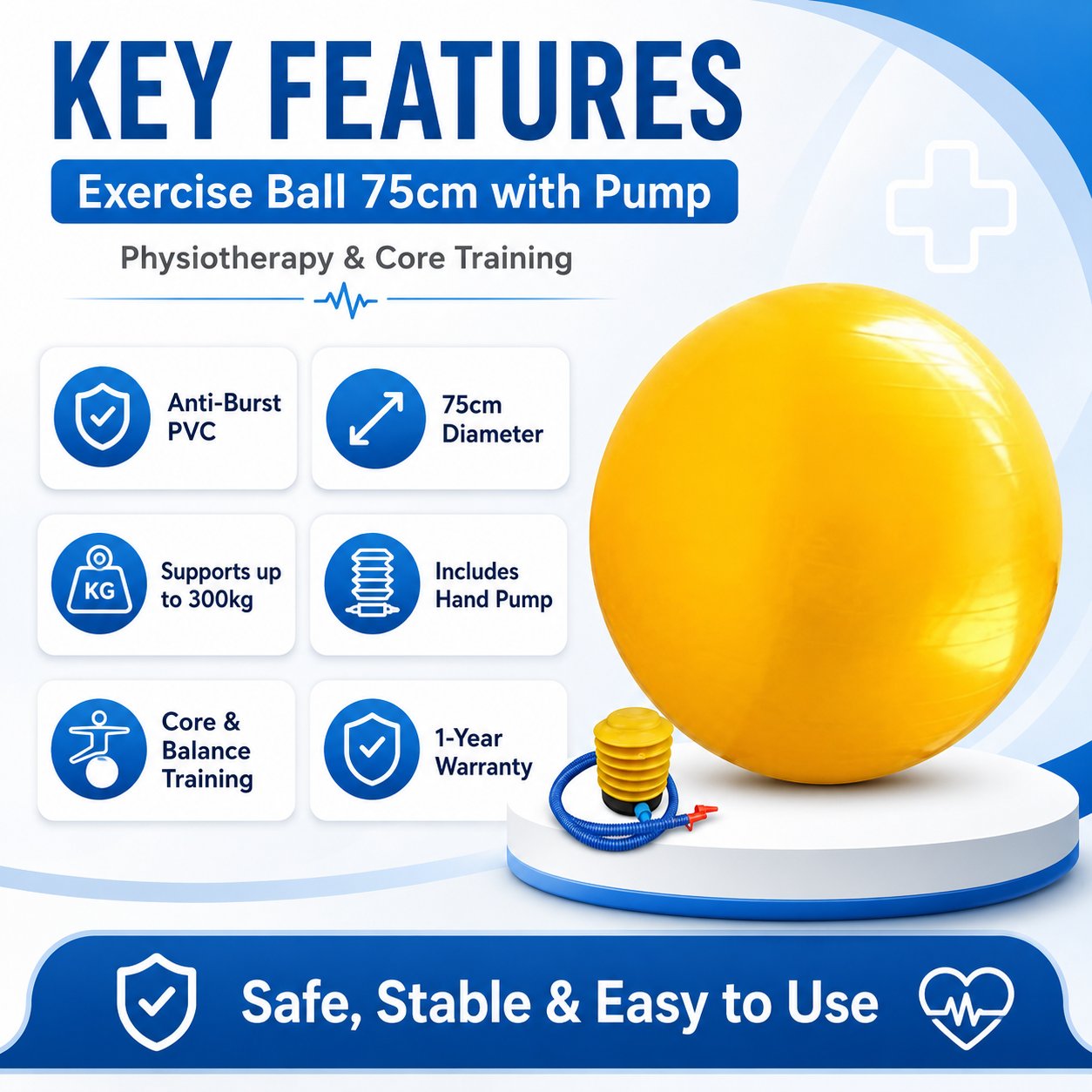
| Exercise ball 75 cm with pump | Core and balance exercises | ₹1,059 |
| Balance board for ankle rehab | Balance and ankle exercises | ₹1,299 |
| Mini pedo pedal exerciser | Gentle leg movement and endurance | ₹1,949 |
| Weight cuffs combo (0.5, 1 and 2 kg) | Leg strengthening | ₹2,799 |
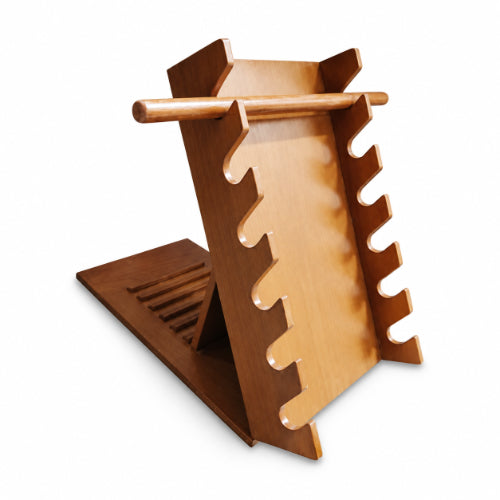
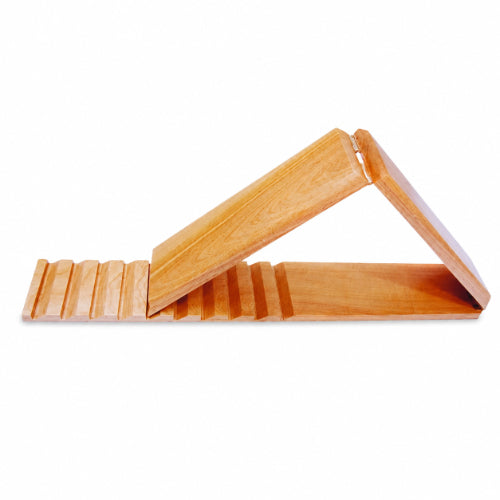
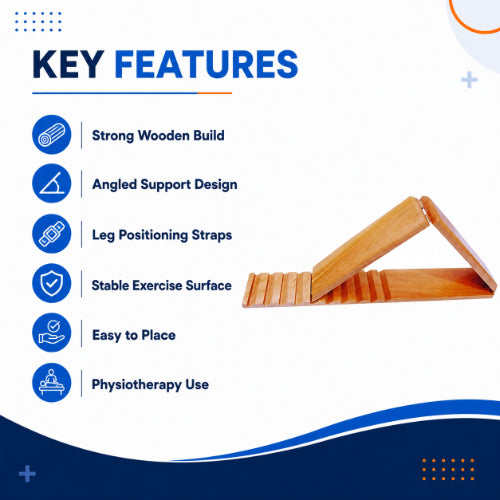
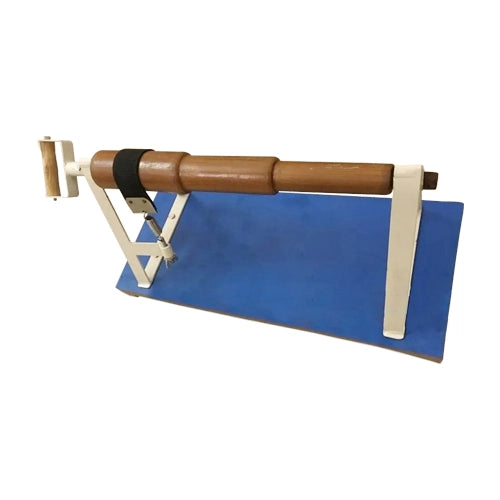
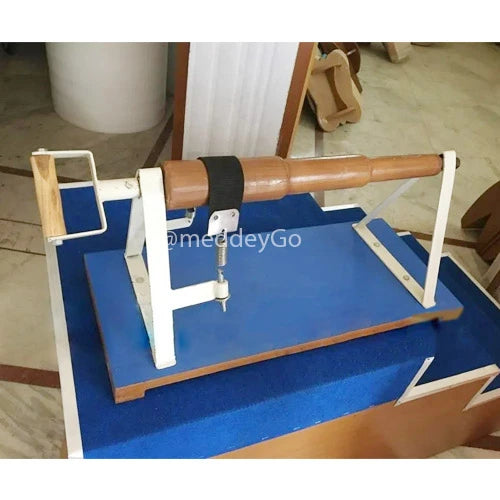
| Wooden quadriceps board | Knee and thigh strengthening | ₹3,450 |
| Aluminium walker with wheels | Safer walking support | ₹3,999 |
| Wrist roller | Wrist and forearm strengthening | ₹4,700 |
| Adjustable standing frame (adult) | Supported standing | ₹11,749 |
| Parallel bar system | Gait and balance training | ₹11,999–₹15,999 |
| Knee CPM machine | Joint movement when prescribed | ₹14,999 |
| Tilt table (manual and motorized) | Supported standing and upright tolerance | ₹20,000–₹32,499 |
Prices are current Meddey listing prices and may change. The lower end usually covers simpler models. The higher end may include stronger frames, better controls, added accessories, service support, or clinic-grade construction. For home use, the most expensive option is not always necessary.
How to plan your budget in three groups
A practical way to plan the budget is to separate items into three groups:
- Must-have items: Tools directly prescribed for current exercises, such as a band, walker, or hand ball.
- Useful but optional items: Products that may make exercise easier, such as a better mat or adjustable ankle weights.
- Specialised items: Machines such as TENS, CPM, traction units, tilt tables, and parallel bars that need professional advice.
This approach helps families avoid buying equipment that is rarely used after the first few days.

How much is 1 hour of physiotherapy?
In India, there is no fixed national fee for one hour of physiotherapy. The cost of home physiotherapy visits commonly varies by city, session length, travel distance, condition complexity, and provider type, so it is best to confirm the fee before booking. In-clinic sessions may be lower in some locations, but costs differ widely between small towns, tier-2 cities, metro areas, hospitals, and specialist clinics.
The fee for one hour is not the only cost to consider. A patient may need several sessions over days or weeks. There may also be travel costs, caregiver time, equipment purchases, and follow-up reviews. A low session fee may not be good value if the plan is unclear, while a higher fee should still include proper assessment, safe exercise instruction, and progress review.
For home physiotherapy in India, the cost may increase when the therapist travels far, the patient needs complex neurological or post-surgical care, or devices must be carried to the home. Some services charge per visit rather than exactly per hour. Patients should ask what is included: assessment, exercise teaching, machine use, written home plan, and progress tracking.
How to choose physiotherapy equipment safely
Buying physiotherapy instrument options without guidance can lead to waste or injury. The safest choice is based on diagnosis, stage of recovery, and what the patient can do today. A person with acute swelling needs a different plan from someone building strength after months of weakness.
Use this checklist before buying physiotherapy equipment for home use:
- Confirm the goal: Is the item for pain relief, strength, flexibility, walking, balance, or hand function?
- Ask if it is safe for the condition: Some machines are not suitable for certain medical conditions.
- Check the correct size: Walkers, sticks, bands, and supports must fit the user.
- Consider space: Large equipment needs a flat area, safe flooring, and room for a caregiver if needed.
- Check weight capacity: This is important for walkers, parallel bars, tilt tables, chairs, and benches.
- Review the instructions: The user should understand how to set up, use, clean, and store the product.
- Start with low resistance: Exercise tools should not force the joint or muscle too early.
- Avoid pain-focused pushing: Mild effort may be expected, but sharp pain, swelling, dizziness, or numbness is a warning sign.
- Plan follow-up: The physiotherapist should review whether the item is still useful as recovery changes.
If the patient is an older adult, has balance problems, or is recovering from surgery, supervision matters. Even simple equipment can be unsafe if used on a slippery floor or without support. Footwear, lighting, clutter-free space, and a stable chair are part of the rehab setup.

Buying physiotherapy equipment online in India
Physiotherapy equipment online is easy to find in India through marketplaces, medical supply websites, pharmacy platforms, and local dealers. The challenge is not availability; it is choosing the correct product. Similar-looking items may differ in material quality, resistance level, warranty, and safety.
Before placing an order, read the product details carefully. Check size, load limit, resistance level, included accessories, return policy, and whether replacement parts are available. For electrical devices, check power requirements, pad availability, warranty terms, and after-sales support.
For larger physiotherapy products such as tilt tables, parallel bars, traction units, or treatment couches, it may be better to speak with the supplier before buying. Delivery, installation, and service support can matter as much as the product itself. A low price can become costly if parts are unavailable or the product is difficult to repair.
When comparing brands, avoid relying only on star ratings. Look for clear specifications, safety instructions, customer support, and whether the product matches the physiotherapist’s recommendation. If two products seem similar, choose the one that is easier to use correctly and maintain.
Which brand is best for physiotherapy equipment?
There is no single best brand for all physiotherapy equipment because the right choice depends on the product type, budget, service support, and intended use. A good brand for resistance bands may not be the best choice for electrotherapy machines, and a clinic-grade machine may be unnecessary for home use. For Indian buyers, the more useful question is whether the product is safe, durable, easy to use, and supported after purchase.
When comparing brands, consider these points:
- Purpose fit: The product should match the exercise or treatment plan.
- Build quality: Frames, handles, joints, bands, and wires should feel stable and safe.
- Clear instructions: Home users need simple guidance for setup and use.
- Warranty and service: This is important for electrical devices and large machines.
- Spare parts: Pads, cables, straps, knobs, and bands may need replacement.
- Professional acceptance: Ask whether physiotherapists commonly use or recommend the product type.
- Budget: A higher price is useful only if it gives needed safety, durability, or service.
For small physiotherapy accessories, brand may matter less than correct resistance and safe use. For machines, brand and service support matter more. If possible, discuss options with a physiotherapist before buying expensive equipment.
Home physiotherapy equipment setup for common conditions
Different conditions need different equipment. The examples below are general and should not replace individual medical advice. They can help families understand why a physiotherapist may suggest one tool and not another.
After knee pain or knee surgery
A home plan may include an exercise mat, towel roll, resistance band, ankle weights, ice pack, stable chair, and walker if needed. Early exercises may focus on knee movement, swelling control, and gentle muscle activation. Later exercises may include sit-to-stand, step-ups, resistance band work, and balance practice.
A pedal exerciser may help some people regain comfortable movement, but it should not be used if the knee cannot bend enough or if it increases pain. A quadriceps table may be used in clinics for graded strengthening, but home alternatives are often enough.
After stroke or neurological illness
Rehabilitation may focus on sitting balance, standing, walking, hand function, and daily activity practice. Equipment may include a walker, ankle-foot orthosis if prescribed, therapy ball, parallel bars in a clinic, balance tools, and hand exercise equipment. Safety is very important because weakness, poor sensation, or poor balance can increase fall risk.
A tilt table may be used in some cases under supervision. At home, the therapist may first work on bed mobility, sitting tolerance, transfers, and supported standing. The plan should be gradual.
For wrist, hand, and finger stiffness
Useful tools may include therapy putty, a physiotherapy gel ball, finger exerciser, wrist roller, warm water bowl, and small objects for coordination practice. The programme may include opening and closing the hand, thumb movements, gentle stretching, grip practice, and daily task training.
The resistance should be light at first. If swelling or pain increases, the exercise may be too hard or too frequent. People with arthritis should also avoid long squeezing sessions that irritate the joints.
For older adults with weakness or poor balance
Useful equipment may include a walker, walking stick, firm chair with armrests, non-slip mat, resistance band, ankle weights, and balance support. The home environment matters as much as the equipment. Loose rugs, wet floors, poor lighting, and clutter can increase fall risk.
Exercises may include sit-to-stand, heel raises, side stepping, supported marching, and gentle strengthening. A caregiver may need to supervise. The aim is safe movement, not speed.
Latest physiotherapy equipment and what it means for home users
The latest physiotherapy equipment may include advanced electrical stimulation systems, robotic gait trainers, digital balance platforms, smart exercise devices, wearable sensors, and app-connected rehab tools. These technologies can be useful in certain clinics and hospitals. However, most home users do not need advanced technology to make progress.
For home rehabilitation, consistency often matters more than novelty. A resistance band used correctly every day may be more useful than an expensive device that is difficult to operate. A walker adjusted to the right height may be more important than a complex balance machine.
That does not mean newer products are unhelpful. Some portable devices can make home care easier, especially when they are simple, safe, and guided by a therapist. The key is to choose technology because it solves a real problem, not because it is new.
Safety rules for home physiotherapy equipment
Safety should guide every purchase and every exercise session. Home users may not notice warning signs that a trained physiotherapist would catch. This is why clear instructions and follow-up are important.
Follow these basic safety rules:
- Get an assessment first. Pain, weakness, swelling, or stiffness can have many causes.
- Use the equipment only as instructed. Do not copy exercises from random videos if they conflict with medical advice.
- Stop if symptoms worsen. Sharp pain, chest pain, dizziness, breathlessness, numbness, or sudden swelling needs attention.
- Keep the area clear. Remove loose rugs, wires, toys, and wet patches before walking or balance practice.
- Check equipment condition. Bands can snap, walker tips can wear out, and electrical wires can loosen.
- Avoid unsupervised risky exercises. Balance drills, walking practice, and transfer training may need a caregiver nearby.
- Progress slowly. Increasing weight, speed, or time too quickly can irritate healing tissues.
Electrical machines need extra caution. Do not place electrode pads without guidance. Never use damaged wires or pads. Do not use machines near water. People with implanted devices, heart conditions, epilepsy, pregnancy, cancer-related concerns, or reduced sensation should ask a qualified professional before using electrotherapy.

Starter list of physiotherapy equipment for Indian homes
A simple starter kit can cover many basic needs, but it should still match the patient’s plan. For many Indian homes, space and budget are important. Compact items are often easier to store and use regularly.
A basic starter kit may include:
- Exercise mat
- Resistance band set
- Physiotherapy gel ball or therapy putty
- Hot or cold pack
- Stable chair with armrests
- Small towel roll
- Ankle weights if advised
- Walking stick or walker if prescribed
- Simple notebook to track exercises and symptoms
In a knee-focused plan, add a step board only when the therapist says the patient is ready. For hand recovery, add finger exercisers or a wrist roller if needed. For general weakness, a pedal exerciser may be considered if the patient can use it safely.
A more advanced home kit may include a TENS unit, exercise cycle, balance board, or larger physiotherapy equipment. These should be added only when there is a clear reason. If a product is not used for the current goal, it can wait.
Final takeaway on physiotherapy equipment for home use
Physiotherapy equipment for home use can make rehabilitation more organised, but it works best when it is simple, safe, and guided by a proper plan. Most people do not need a large collection of machines. They need the right few tools, correct technique, and regular progress checks.
In India, prices can range from under ₹1,000 for basic hand exercise tools to much higher amounts for larger machines. Before buying, ask what problem the item will solve, whether it is safe for the condition, and how it will be used at home. The best equipment is not always the most advanced; it is the one that helps the patient practise safely and consistently.
Explore more home physiotherapy tools at Meddey
Exercise equipmentBalance trainingOccupational therapy toolsPain management
Explore Medical Collections
All Categories
Abdominal & Maternity Support

Accessories

Accu-Chek Instant Strips: Use, Compatibility, Price & Blood Sugar Testing Guide
Accu-Chek Instant Strips: Uses, Features & Complete Guide

accupuncture

Acupuncture Needles & Supplies

Advanced Physiotherapy Machines & Lumbar Physiotherapy

Airways

Ambulance

Anatomy Models
Anesthesia Machine

Anesthesia Products
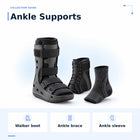
Ankle Support for Home Use: Braces, Sleeves & Walker Boots
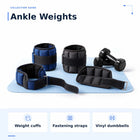
Ankle Weights & Exercise Weights for Home & Rehab

Anti-Bedsore Air Mattresses
You may also need
FOR YOURecommended for you
Save 18%
Save 20%
Save 33%
Save 22%
Save 22%
Save 25%
Save 29%
Save 29%
Save 26%
Save 26%
Save 33%
Save 27%
Save 32%
Save 14%
Save 28%
Save 27%
Save 39%
Save 39%
Save 29%