
1
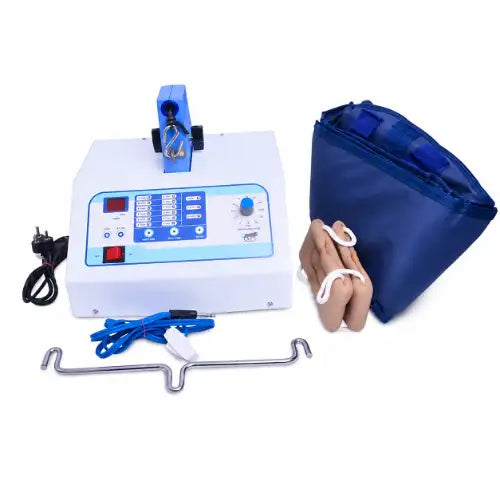
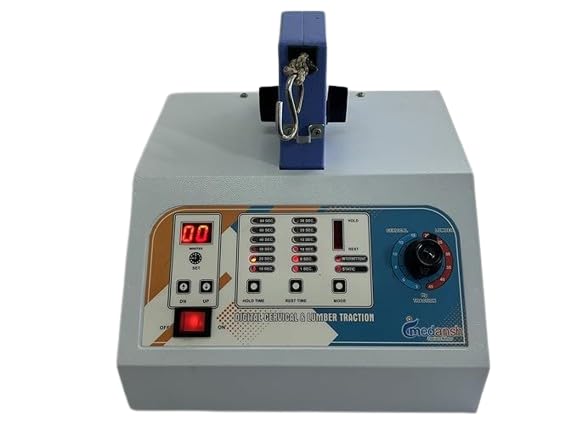
Medansh Digital Cervical and Lumbar Traction Machine with 1 Year Warranty


Double-tap to zoom · drag to pan · swipe to browse
Medansh Digital Cervical and Lumbar Traction Machine with 1 Year Warranty
In Stock
Check delivery
See if we deliver to you and when.
Delivering to
Delivery applicable
Free Shipping
on orders ₹999+
Warranty
1 Year Brand Warranty
100% Genuine
Products
Dedicated
Support
Secure
Payments
Need help choosing or using this product?
Our team can help with product questions and orders.
Chat with support
Choose options

- 5–60 kg standard traction force: The operator can adjust the force according to the treatment plan.
- Static traction mode: The machine can provide a steady pulling force for the selected period.
- Intermittent traction mode: The machine can alternate between pull and rest phases.
- 0–99 minute treatment timer: The operator can set the total session time.
Check delivery
See if we deliver to you and when.
Delivering to
Delivery applicable
- 5–60 kg standard traction force: The operator can adjust the force according to the treatment plan.
- Static traction mode: The machine can provide a steady pulling force for the selected period.
- Intermittent traction mode: The machine can alternate between pull and rest phases.
- 0–99 minute treatment timer: The operator can set the total session time.
Check delivery
See if we deliver to you and when.
Delivering to
Delivery applicable
About this product
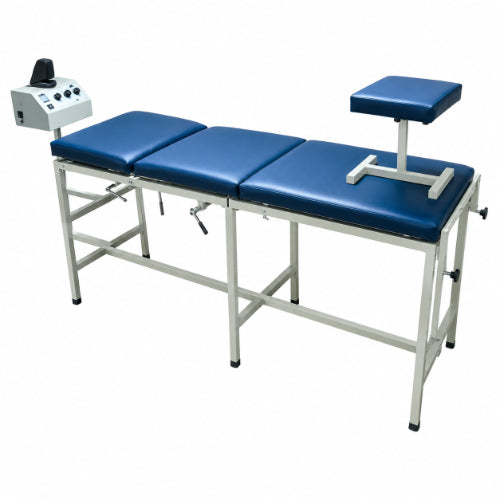
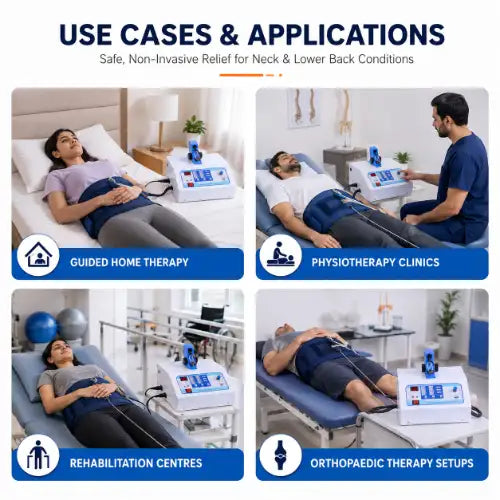
The digital cervical and lumbar traction machine by Medansh is designed for controlled neck and lower-back traction. It can suit a guided home therapy setup when a physiotherapist or doctor has recommended traction and explained the correct settings.
In simple words, the machine applies a controlled pulling force. You can use the same unit for cervical traction, which means the neck, and lumbar traction, which means the lower back.
In addition, the machine offers digital controls, static and intermittent modes, adjustable force, a treatment timer and a patient stop switch. Therefore, it gives users a more controlled setup than a basic manual traction device.
Can You Use This Traction Machine at Home?
A household buyer may consider this machine when a healthcare professional has recommended traction as part of a treatment plan.
However, the machine is not an ordinary home exercise product. A physiotherapist or doctor should first decide whether traction is suitable for you.
Next, the professional should explain the correct treatment area, force, mode and session time. Therefore, you should not choose these settings simply by trial and error.
Important for home users: Keep the treatment settings given by your physiotherapist or doctor. Do not increase the traction force or session time on your own.
Why Choose One Machine for Neck and Lower-Back Traction?
Some traction devices work only on one body area. In contrast, this Medansh unit supports both cervical and lumbar traction.
Therefore, a household using professionally guided traction for different treatment needs may not need two separate machines.
Cervical Traction Cervical means the neck area. The machine can provide controlled traction when the correct neck setup is used.
Lumbar Traction Lumbar means the lower back. The correct belt, position and force depend on professional advice.
One Digital Unit One machine supports both treatment areas with adjustable digital controls.
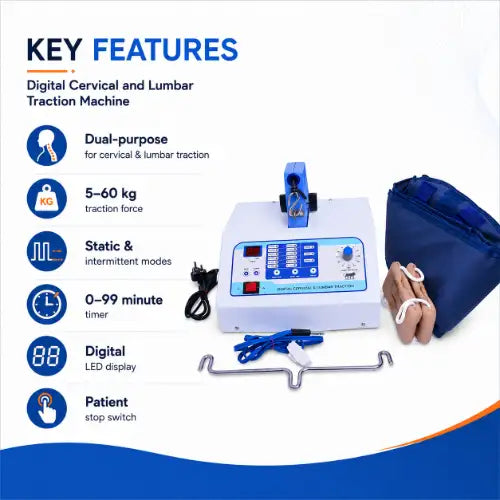
Key Features of the Digital Cervical and Lumbar Traction Machine
- 5–60 kg standard traction force: The operator can adjust the force according to the treatment plan.
- Static traction mode: The machine can provide a steady pulling force for the selected period.
- Intermittent traction mode: The machine can alternate between pull and rest phases.
- 0–99 minute treatment timer: The operator can set the total session time.
- Digital LED display: The screen helps the operator check important settings during the session.
- Up to 30 stored treatment patterns: The memory can store commonly used programme settings.
- Auto tension adjustment: The system helps maintain the selected traction force during operation.
- Patient stop switch: The patient can stop the session if unusual discomfort develops.
- Dual-purpose design: The same machine supports cervical and lumbar traction.
- Electric operation: The machine works on 220–240V AC power.
- 1-year warranty: The current product listing and warranty information for this optimized listing specify a one-year warranty.
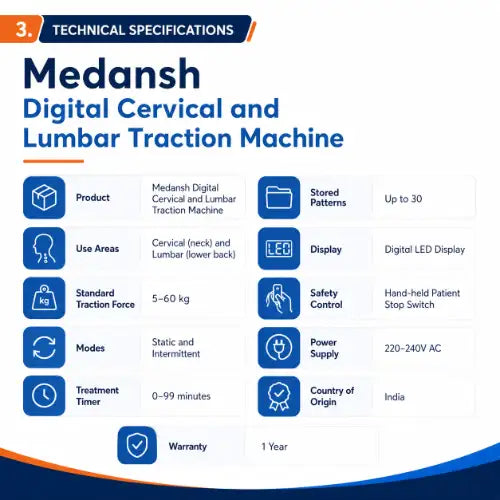
Technical Specifications
| Specification | Details |
|---|---|
| Product | Medansh Digital Cervical and Lumbar Traction Machine |
| Use Areas | Cervical (neck) and lumbar (lower back) |
| Standard Traction Force | 5–60 kg |
| Modes | Static and intermittent |
| Treatment Timer | 0–99 minutes |
| Stored Patterns | Up to 30 treatment patterns |
| Display | Digital LED display |
| Safety Control | Hand-held patient stop switch |
| Power Supply | 220–240V AC |
| Brand | Medansh |
| Country of Origin | India |
| Warranty | 1 Year |
About higher traction force: The manufacturer also refers to force up to 90 kg with a specific dabbler-pulley setup. However, 5–60 kg is the standard stated machine range. Confirm the required pulley configuration before purchase if this feature matters to you.
What Do Static and Intermittent Traction Mean?
These terms may sound technical, but the difference is simple.
Static traction uses a steady pulling force for the selected period.
Intermittent traction, on the other hand, changes between a pulling phase and a lower-force or rest phase.
Therefore, the physiotherapist can choose the mode that fits the treatment plan. Home users should follow the mode and timing already recommended for them.
How Does a Traction Machine Work?
First, the user takes the correct position for cervical or lumbar traction. The exact position depends on the treatment area and accessories.
Next, a trained professional selects the force, mode and treatment time. The machine then applies the controlled pulling force.
During the session, the LED display helps the operator monitor the settings. In addition, the patient keeps the stop switch within reach.
However, traction does not physically push a slipped disc back into place. It also does not guarantee permanent pain relief or recovery.
What Is the Patient Stop Switch?
The patient stop switch is a hand-held safety control.
Before the session starts, the user should know how to operate it. Therefore, the patient can stop the machine if unusual pain or discomfort develops.
However, the switch does not replace professional guidance. Instead, it adds another level of control during the session.
What Should Home Buyers Check Before Ordering?
Before buying a digital cervical and lumbar traction machine for home use, check whether the product matches the treatment plan.
In particular, ask these questions:
- Has a physiotherapist or doctor recommended traction?
- Do you need cervical, lumbar or both types of traction?
- Who will set the traction force?
- Who will explain the correct position and accessories?
- Do you understand the static and intermittent modes?
- Is a suitable treatment area available at home?
- Can you safely connect the machine to the required power supply?
- Do you know how to use the patient stop switch?
Therefore, do not choose a traction machine only because it has a higher force range. Instead, choose the setup that matches professional advice and your actual treatment needs.
Is Traction Suitable for Every Neck or Back Problem?
No. Neck and lower-back pain can have many causes. As a result, traction may suit some people but not others.
For example, a person should not assume that back pain, sciatica or a disc-related diagnosis automatically means traction is required.
Therefore, ask a healthcare professional to assess the problem first. The professional can then decide whether traction should form part of the wider treatment plan.
Safety note: Tell your healthcare professional about serious spine problems, weak bones, previous spine surgery or other major medical conditions before starting traction. Stop the session and seek advice if you develop new or worsening pain, numbness, tingling or other unusual symptoms.
Also Suitable for Physiotherapy Professionals
Although this page explains the product mainly for household buyers, the machine also suits professional physiotherapy use.
For example, it may suit:
- Physiotherapy clinics
- Rehabilitation centres
- Orthopaedic therapy setups
- Professional home-visit physiotherapy setups
- Other professionally managed rehabilitation environments
In addition, the stored treatment patterns and digital controls may help professionals who work with repeated treatment settings.
What to Check Before Buying
Before ordering the digital cervical and lumbar traction machine, compare:
- Cervical and lumbar compatibility
- 5–60 kg standard traction-force range
- Static and intermittent modes
- Treatment timer
- Digital LED display
- 30-pattern memory
- Patient stop switch
- Required traction accessories
- Power requirements
- Warranty and after-sales support
Finally, confirm that the machine matches the advice given by the healthcare professional who will guide the treatment.
Frequently Asked Questions
What is a digital cervical and lumbar traction machine?
It is an electric physiotherapy machine that can provide controlled traction for the neck and lower back.
Can I use the Medansh traction machine at home?
It can suit a guided home therapy setup. However, a physiotherapist or doctor should first confirm that traction is suitable and explain the correct settings.
Can I set the traction force myself?
You should not select the force by guesswork. Instead, follow the settings recommended by your physiotherapist or healthcare professional.
Can the same machine work for both neck and lower-back traction?
Yes. The unit supports both cervical, meaning neck, and lumbar, meaning lower-back, traction with the correct setup.
What is the standard traction-force range?
The standard stated range is 5–60 kg. Therefore, a professional can select the required force within that range according to the treatment plan.
What is static traction?
Static traction uses a steady pulling force for the selected period.
What is intermittent traction?
Intermittent traction alternates between pulling and lower-force or rest phases during the session.
How long can the machine timer run?
The stated treatment timer can run from 0–99 minutes. However, the healthcare professional should choose the appropriate session time.
How many treatment patterns can the machine store?
The machine can store up to 30 treatment patterns in its memory.
What does the patient stop switch do?
It gives the patient a way to stop the session if unusual discomfort or another concern develops.
Does traction guarantee relief from back or neck pain?
No. Results can differ from one person to another. Therefore, traction should form part of a treatment plan only when a healthcare professional considers it suitable.
Can physiotherapy clinics use this machine?
Yes. In addition to guided home setups, the machine also suits physiotherapy and rehabilitation professionals.
Medansh Digital Traction for Guided Home & Physiotherapy Use
This machine combines cervical and lumbar use, a 5–60 kg standard traction range, static and intermittent modes, digital controls, programme memory and a patient stop switch. For home use, first confirm the treatment plan and settings with a qualified healthcare professional.
You may also need
FOR YOURecommended for you
Save 55%

Save 39%

Save 8%

Save 37%

Save 55%

Save 38%

Save 40%

Save 33%