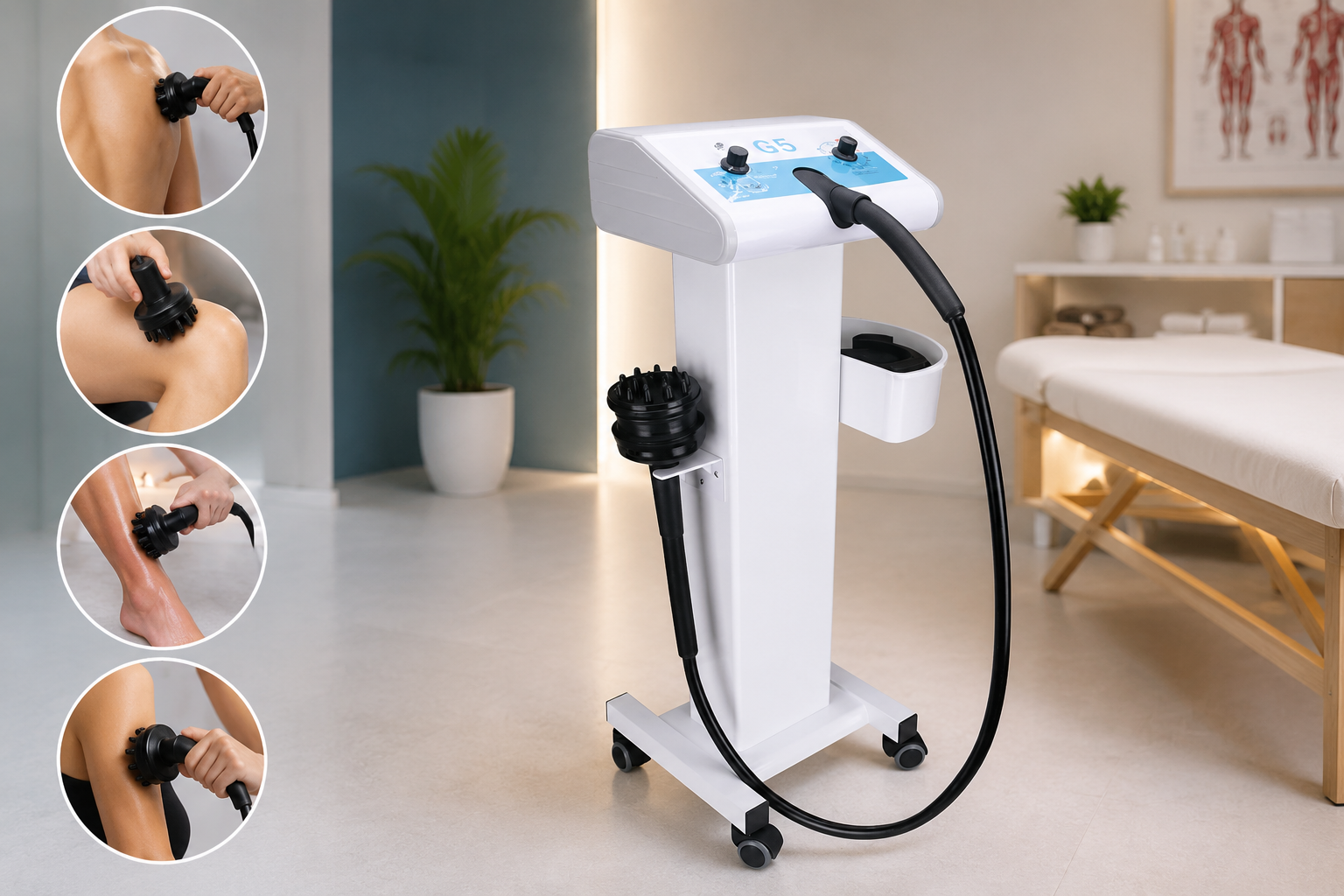


The latest physiotherapy practices involve investment in multi-purpose treatment machines which offer more therapeutic variety without incurring high equipment costs. An ultrasonic TENS combo machine combines two widely used physiotherapy modalities—therapeutic ultrasound and Transcutaneous Electrical Nerve Stimulation - TENS—into a single platform, allowing therapists to use techniques for pain relief and soft tissue healing in one piece of equipment.
With increasing patient requirements and diversity in musculoskeletal issues to treat at a physiotherapy center, clinics need equipment that will provide a lot of treatment variations, but that will not take up much space.
Whether it is athletes, patients who had surgery, those with chronic pain, or orthopedic rehabilitation cases, the decision to select the correct combination therapy machine makes a huge difference. It is important to understand what the differences between these therapies are, as well as how they can complement each other.
What is an Ultrasonic TENS Combo Machine & Why is it important for our Health?
The ultrasonic TENS combination device is a physiotherapy instrument that combines the benefits of ultrasound therapy and electrical therapy. This eliminates the need for separate purchases since more than one type of physiotherapy can be achieved using a single device.
Ultrasound therapy concentrates on tissue regeneration and restoration using high-frequency vibrations applied to the affected areas. On the other hand, TENS therapy aims at pain control by stimulating the sensory nerves using electrical pulses. Some of the advantages associated with such a combination include:
-
Reduced equipment investment
-
Improved treatment room organization
-
Faster therapist workflow
-
Greater treatment flexibility
-
Simplified equipment maintenance
In physiotherapy clinic equipment selection, combo systems play an important role because they assist in maximizing the available space while enhancing the treatment possibilities. In addition, therapists will be able to shift from pain management treatment to tissue healing processes without having to transfer the patient from one piece of equipment to another.
Read Deeply to Understand Ultrasound Therapy
How Ultrasound Therapy Works
Therapeutic ultrasound uses high-frequency sound waves that penetrate soft tissues beneath the skin surface. These sound waves create thermal and non-thermal effects that influence tissue repair and recovery.
Thermal effects help increase local tissue temperature, improving circulation and tissue extensibility. Non-thermal effects support cellular activity involved in healing processes and tissue regeneration. Because ultrasound can reach deeper structures than many surface treatments, it is widely used for soft tissue rehabilitation.
Conditions Commonly Treated
Ultrasound therapy is frequently used for:
-
Tendon injuries
-
Ligament sprains
-
Frozen shoulder
-
Plantar fasciitis
-
Muscle tightness
-
Soft tissue injuries
-
Scar tissue management
-
Sports injury rehabilitation
Benefits for Physiotherapy Clinics
Clinics use therapeutic ultrasound because it supports:
-
Improved tissue healing
-
Increased blood circulation
-
Reduced muscle stiffness
-
Enhanced tissue flexibility
-
Better preparation for exercise therapy
Many physiotherapists incorporate ultrasound before manual therapy or rehabilitation exercises to improve patient comfort and treatment effectiveness. In musculoskeletal pain treatment programs, ultrasound often serves as an adjunct therapy that complements exercise-based rehabilitation rather than replacing it.
Read Carefully to Understand TENS Therapy
How TENS Therapy Works
TENS involves passing small amounts of electrical impulses via electrodes placed on the skin surface. This therapy helps modulate pain signals sent by the sensory nerves and causes the body to produce more endorphins. The effectiveness of TENS comes from its ability to operate via several processes, such as pain signal alteration and stimulation of endorphin release. TENS is very popular due to its non-invasive nature.
Conditions Commonly Treated
TENS therapy is commonly used for:
-
Chronic back pain
-
Neck pain
-
Osteoarthritis
-
Post-operative pain
-
Sports injuries
-
Joint discomfort
-
Muscle soreness
-
Chronic musculoskeletal conditions
Why Clinics Use 4 Channel TENS Systems
A 4-channel TENS machine allows therapists to treat multiple body regions simultaneously. Benefits include:
-
Treatment of larger anatomical areas
-
Simultaneous bilateral treatment
-
Increased therapist productivity
-
Greater patient throughput
-
Flexible electrode placement options
In cases where busy rehab clinics operate, four-channel units offer greater versatility than conventional two-channel devices due to their flexibility in dealing with complex pain patterns and/or several affected areas.
Ultrasonic Therapy vs TENS: Key Differences
|
Feature |
Ultrasound Therapy |
TENS Therapy |
|
Treatment Goal |
Promote tissue healing |
Reduce pain perception |
|
Technology Used |
High-frequency sound waves |
Electrical nerve stimulation |
|
Target Tissue |
Muscles, tendons, ligaments, soft tissue |
Sensory nerves |
|
Pain Management |
Indirect pain reduction through healing |
Direct pain modulation |
|
Healing Support |
Strong focus on tissue repair |
Limited direct healing effect |
|
Typical Session Use |
Injury rehabilitation and recovery |
Pain control and symptom management |
Both modalities are useful, but they have different applications within the clinical setting. Ultrasound focuses on assisting in tissue recovery and regeneration. It is used whenever the goal is to enhance tissue integrity, flexibility, and the recovery process.
On the contrary, TENS is mainly used for its analgesic properties. The use of TENS allows patients to perform rehabilitation exercises and carry out their routine activities comfortably. Since patients need both recovery and symptom management, clinics are better off with a combination device.
Why Physiotherapy Clinics Prefer Combo Machines
Reduced Equipment Costs
Purchasing one combination system is often more cost-effective than acquiring separate ultrasound and TENS units. Maintenance, training, and servicing requirements may also be simplified.
Better Space Utilization
Small clinics frequently face treatment room space limitations. A single combination device reduces equipment clutter and improves workspace organization.
Increased Treatment Options
Clinicians can deliver multiple therapy approaches using the same device. This flexibility helps therapists customize treatment plans according to patient presentation and recovery goals.
Improved Patient Satisfaction
Patients appreciate receiving comprehensive care within a single appointment. Combining pain management therapy with tissue rehabilitation can create a more streamlined treatment experience.
Greater Return on Investment
Whether operating a small physiotherapy clinic, sports rehabilitation center, or multi-specialty rehabilitation facility, maximizing equipment utilization contributes to stronger ROI.
Many clinics specifically choose an ultrasonic 4-channel TENS combo machine because it expands treatment flexibility while supporting efficient patient scheduling and broader clinical applications.
Which Patient Conditions Benefit Most from an Ultrasound TENS Combo?
Sports Injuries
Athletes often require both pain reduction and tissue healing support. TENS may help manage acute discomfort, while ultrasound assists in the rehabilitation of injured soft tissues.
Post-Surgical Rehabilitation
Following orthopedic procedures, therapists may use TENS to address pain while introducing ultrasound during later rehabilitation stages to support tissue recovery.
Chronic Pain Conditions
Patients with persistent neck pain, back pain, or osteoarthritis may benefit from TENS-based symptom management alongside therapeutic interventions targeting underlying tissue dysfunction.
Orthopedic Rehabilitation
Conditions involving tendons, ligaments, and joint structures often require a combination of healing-focused and pain-focused approaches.
Geriatric Physiotherapy
Older adults frequently present with multiple musculoskeletal issues. A combo machine enables therapists to tailor treatments efficiently for varying needs. In practice, clinicians may use:
-
Ultrasound alone for tissue healing
-
TENS alone for pain management
-
Combined protocols when both goals are clinically appropriate
Essential Features to Look for in a Physiotherapy Combo Machine
Adjustable Ultrasound Output
Variable intensity and frequency settings allow therapists to tailor treatment according to tissue depth and clinical objectives.
Multiple TENS Programs
Preset stimulation modes support treatment flexibility for acute, chronic, and post-operative pain presentations.
Independent Channel Control
Independent adjustment of each channel enhances customization and treatment precision.
User-Friendly Interface
An intuitive interface reduces setup time and minimizes training requirements for clinical staff.
Preset Clinical Protocols
Built-in treatment programs improve consistency and help therapists deliver evidence-based interventions efficiently.
Safety Features
Important features include: Automatic shutoff, Overheating protection, Output monitoring, and Safety alarms. These functions help ensure safe operation and reduce equipment-related risks.
Portable and Durable Design
A high-quality physiotherapy combo machine should withstand frequent clinical use while remaining portable enough for flexible treatment room deployment. When evaluating an ultrasonic 4-channel TENS combo machine, clinics should prioritize reliability, treatment versatility, and long-term durability rather than focusing solely on purchase price.
Buying Guide: How Clinics Should Choose the Right Combo Machine
Clinic Size
Smaller clinics may prioritize compact systems, while larger facilities may require advanced functionality and higher treatment capacity.
Patient Volume
High-volume clinics often benefit from four-channel systems that support more efficient workflows.
Treatment Specialization
Sports rehabilitation centers, orthopedic clinics, and pain management practices may have different equipment requirements based on patient demographics.
Budget Considerations
Consider total ownership costs, including maintenance, accessories, calibration, and future servicing.
Warranty and Service Support
Reliable after-sales support minimizes downtime and protects clinical operations.
Regulatory Compliance
Ensure equipment meets applicable regulatory standards and quality certifications required in your region. A thoughtful purchasing process helps clinics select rehabilitation clinic devices that align with both current and future service demands.
Common Mistakes Clinics Make When Purchasing Electrotherapy Equipment
One of the most common mistakes is purchasing equipment solely based on initial cost. Lower-priced devices may lack durability, treatment flexibility, or adequate service support. Another frequent issue is overlooking channel capacity. Clinics often underestimate the productivity advantages offered by four-channel systems.
Training requirements are also important. Even advanced orthopedic physiotherapy equipment delivers limited value if staff are not comfortable using its features effectively. Some buyers fail to evaluate warranty coverage and technical support availability. Equipment downtime can disrupt schedules and reduce revenue. Finally, clinics sometimes ignore future patient demand. Selecting scalable rehabilitation technology helps avoid premature equipment replacement as services expand.
FAQs
What is the advantage of an ultrasonic TENS combo machine over separate devices?
A combo machine integrates therapeutic ultrasound and TENS therapy into one platform, reducing equipment costs, saving treatment room space, and improving workflow efficiency. It allows therapists to deliver multiple treatment modalities without switching between separate devices.
Is a 4-channel TENS machine better than a 2-channel model?
A 4-channel TENS machine offers greater flexibility because it can treat multiple areas simultaneously. This improves therapist efficiency, supports more complex treatment protocols, and is particularly beneficial in busy rehabilitation clinics.
Can ultrasound and TENS therapy be used on the same patient?
Yes. Many patients receive both treatments during their rehabilitation program. Therapists may use TENS for pain relief and ultrasound for tissue healing, depending on the patient's condition, treatment goals, and clinical assessment.
Which clinics benefit most from combo therapy machines?
Physiotherapy clinics, sports injury rehabilitation centers, orthopedic practices, pain management facilities, and multi-specialty rehabilitation clinics often benefit most because they treat diverse patient populations with varying therapeutic needs.
What features are most important when buying a physiotherapy combo machine?
Key features include adjustable ultrasound settings, multiple TENS programs, independent channel control, safety systems, preset protocols, durable construction, and reliable service support. These factors influence both clinical effectiveness and long-term equipment value.
Conclusion
Ultrasound therapy and TENS therapy serve different but complementary roles within modern physiotherapy practice. While therapeutic ultrasound focuses on tissue healing and recovery, TENS primarily supports pain relief and symptom management. For many clinics, combining both modalities within a single ultrasonic TENS combo machine provides greater treatment flexibility, improved workflow efficiency, and stronger return on investment.
When evaluating combination systems, decision-makers should consider patient volume, clinical specialization, channel capacity, safety features, and long-term service support. By selecting equipment that aligns with operational needs and treatment goals, physiotherapy clinics can confidently invest in technology that enhances both patient care and clinic performance.