


Featured ChoiceSave 57%
Save 9%
Save 36%
Muscle Stimulators: Uses, Safety, Daily Use and Buying Guide for Healthcare Professionals
This guide explains how muscle stimulators work and whether they help. It also covers safety, side effects, daily use, and how to choose the right muscle stimulator machine for a clinic or home programme.
Key Takeaways
- First, muscle stimulators use skin pads and mild electrical pulses to make a muscle contract, and they support rehab but do not replace exercise.
- In practice, the best evidence is in rehab after surgery, such as knee replacement, where NMES may improve quadriceps strength when added to standard care.
- However, a 2021 meta-analysis found that many outcomes did not reach the minimal clinically important difference, so the benefit needs more proof.
- For safety, people with a pacemaker or other implanted device should not use skin electrodes, and pregnancy, epilepsy and broken skin need medical advice.
- Finally, choose an electrical muscle stimulation device by channels, modes, timer, pads, warranty and service, and not by price alone.
Contents
- What are muscle stimulators?
- How does electrical muscle stimulation work?
- Uses of muscle stimulators
- Do muscle stimulators actually work?
- EMS vs TENS vs IFT
- Types of muscle stimulators
- What are the best muscle stimulators?
- Muscle stimulators available at Meddey
- Muscle stimulator price: what decides the cost?
- Steps to use a muscle stimulator
- Can I use a muscle stimulator every day?
- Is it safe to use a muscle stimulator?
- Side effects of electric muscle stimulators
- Buying checklist
- Frequently asked questions
After surgery, a fracture or a stroke, muscles can lose strength very fast. Therefore, muscle stimulators have become a common tool in physiotherapy clinics, and many patients now ask for them at home. However, the market is full of big claims, so doctors and students need clear facts about what these devices can and cannot do.
This guide is for doctors, physiotherapists, nurses, medical students and buyers of clinic equipment. In addition, it uses simple words and answers the most common questions. People also search for this device as a stimulator machine or an electrical muscle stimulation machine, and the same rules apply. To see products, you can visit the muscle stimulators collection at Meddey.
Latest evidence note: A 2021 meta-analysis of nine randomised trials with 691 patients looked at NMES after total knee replacement. It found that NMES could improve quadriceps strength, mid-term pain and mid-term function. However, many results were below the minimal clinically important difference. Therefore, NMES is a useful add-on, not a stand-alone cure.
What Are Muscle Stimulators?
A muscle stimulator is a device that sends mild electrical pulses through pads on the skin to make a muscle contract. Clinicians call this electrical muscle stimulation (EMS) or neuromuscular electrical stimulation (NMES). As a result, a muscle can work even when the patient cannot move it well on their own.
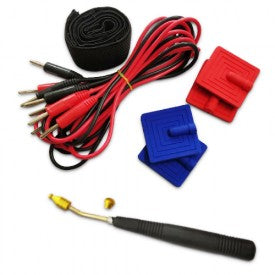
A typical muscle stimulator machine has one or two channels, an intensity control, a timer, several modes and a set of leads and pads. Meanwhile, more advanced units let the user change the frequency, the pulse width and the on-off timing.
For students, one line is enough. A muscle stimulator uses electrical pulses to make a muscle contract, so that it stays active during rehab.
How Does Electrical Muscle Stimulation Work?

Muscles contract when a nerve sends them a signal. Electrical muscle stimulation copies this signal from outside the body. First, the pads pass a small current through the skin. Next, the current triggers the motor nerve under the pads. Then, the nerve makes the muscle contract, and the muscle relaxes when the pulse stops.
Main settings
- Intensity: This decides how strong the contraction feels. It should be strong but comfortable.
- Frequency (Hz): This tells how many pulses come each second.
- Pulse width: This is the length of each pulse.
- On and off time: The muscle contracts during the on time and rests during the off time.
- Mode: Common modes are continuous, surge and reciprocal.
Faradic and galvanic currents
Some units offer faradic and galvanic modes. Faradic current is pulsed and usually produces a muscle contraction, while galvanic current is a steady direct current used in special techniques such as iontophoresis. Therefore, read the manual to see which mode suits which task.
Uses of Muscle Stimulators
Clinicians use muscle stimulators as one part of a rehab plan. Below are the main uses.
After knee or ACL surgery NMES may help the quadriceps recover strength when it is added to normal rehab.
Stroke and nerve injury Also, it can help re-educate weak muscles under professional guidance.
Immobilisation and bed rest In addition, it may help slow muscle loss when a limb cannot move for a long time.
Sports rehab Moreover, therapists use it to activate muscles after injury and to support training.
Muscle spasm and soreness Some clinicians use low settings to relax tight muscles.
Swelling and circulation Finally, gentle contractions may support blood flow in selected cases.
However, results differ between patients. Therefore, EMS works best together with exercise, education and other care.
Do Muscle Stimulators Actually Work?
The honest answer is yes, in some settings, and with limits. The strongest evidence is in rehab, where a muscle is weak because of surgery, injury or disuse. In these cases, NMES may help the muscle contract more than the patient can manage alone.
What the research shows
A 2021 meta-analysis after total knee replacement found that NMES could improve strength, pain and function, but many outcomes did not reach a clinically important level. Similarly, a 2025 meta-analysis studied NMES after ACL surgery, because quadriceps weakness is a common barrier to rehab. Earlier reviews describe mixed results, and they show that the settings and the timing matter.
Where the claims go too far
Some sellers claim that a muscle stimulator can give you toned abs or weight loss without exercise. However, there is little good evidence for these cosmetic claims. Therefore, treat EMS as a support for rehab and training, and not as a shortcut.
Tip: Use the device together with active exercise as soon as the patient can move. Then, reduce the stimulation as strength returns.
EMS vs TENS vs IFT: What Is the Difference?
People often call every electrotherapy device a "stimulator machine". However, each type has a different main goal.
| Device | Main goal | Feel |
|---|---|---|
| EMS or NMES (muscle stimulator) | Make muscles contract | Visible muscle contraction |
| TENS | Reduce pain | Tingling, without strong contraction |
| IFT (interferential) | Pain relief and swelling control in deeper tissue | Deeper, gentle tingling |
| Combo units | Two or more of the above | Depends on the mode |
Therefore, choose EMS when muscle activation is the aim, and choose TENS when pain relief is the aim. Many clinics buy a combo unit to cover both. You can also see the TENS machines at Meddey.
Types of Muscle Stimulators
There is no single official list, but most devices fall into a few clear groups.
1. Portable rehab stimulators These are small, battery-powered, one or two-channel units. Therefore, they suit clinics, home visits and guided home use.
2. Clinical faradic and galvanic units These offer several current types and finer control. As a result, trained therapists use them for detailed programmes.
3. Combo units These add TENS, IFT or ultrasound to muscle stimulation. Also, they save space in a busy clinic.
4. Sports and training stimulators These target strength and recovery in athletes. Still, they need careful settings.
5. Whole-body EMS systems These stimulate many muscle groups at once, mostly in fitness studios. However, they carry extra risks, so professional supervision is a must.
6. Cosmetic stimulators These are sold for toning. Since the evidence is weak, doctors should not treat them as rehab devices.
What Are the Best Muscle Stimulators?
No single muscle stimulator is best for everyone. Instead, the best device matches the patient, the goal and the skill of the user. For a first-time home user under guidance, a simple two-channel unit with a timer is often enough. On the other hand, a clinic may prefer a unit with more modes and better build quality.
| Setting | Suitable device | Key features to check |
|---|---|---|
| Guided home rehab | Portable two-channel EMS unit | Simple controls, timer, adjustable intensity |
| Physiotherapy clinic | EMS unit or 2-in-1 with TENS | Several modes, two independent channels, warranty |
| Detailed clinical programmes | Faradic and galvanic unit | Current types, precise settings, trained user |
| Busy multi-therapy clinic | Combo unit | IFT, TENS and EMS in one, preset programs |
Therefore, when someone asks "what are the best muscle stimulators", the right answer is another question: who will use the device, and for which patient?
Muscle Stimulators Available at Meddey
Meddey lists several muscle stimulators in its muscle stimulators collection. The table below shows the products and their prices as listed on Meddey on 29 September 2026. However, prices and stock can change, so please check the live product page before you order.
| Product | Type | Key detail | Meddey price |
|---|---|---|---|
| Muscle Stimulator Machine, EMS for Strengthening | Portable EMS | Adjustable intensity, multiple programs, compact | ₹1,449 |
| EMS Physiotherapy Device for Rehabilitation | Portable EMS | 2 channels, 1 to 100 Hz, 50 to 300 µs, 5 to 60 minute timer, 2 AA batteries | ₹1,472 |
| Mini Muscle Stimulator, Portable | Faradic and galvanic | Compact, two stimulation modes | ₹1,499 |
| Muscle Stimulator, 2-Year Warranty | Portable EMS | Longer warranty for daily clinic use | ₹1,564 |
| Mini TENS 2 Channel and Muscle Stimulator | 2-in-1 | TENS plus muscle stimulation, 4 electrode pads | ₹1,655 |
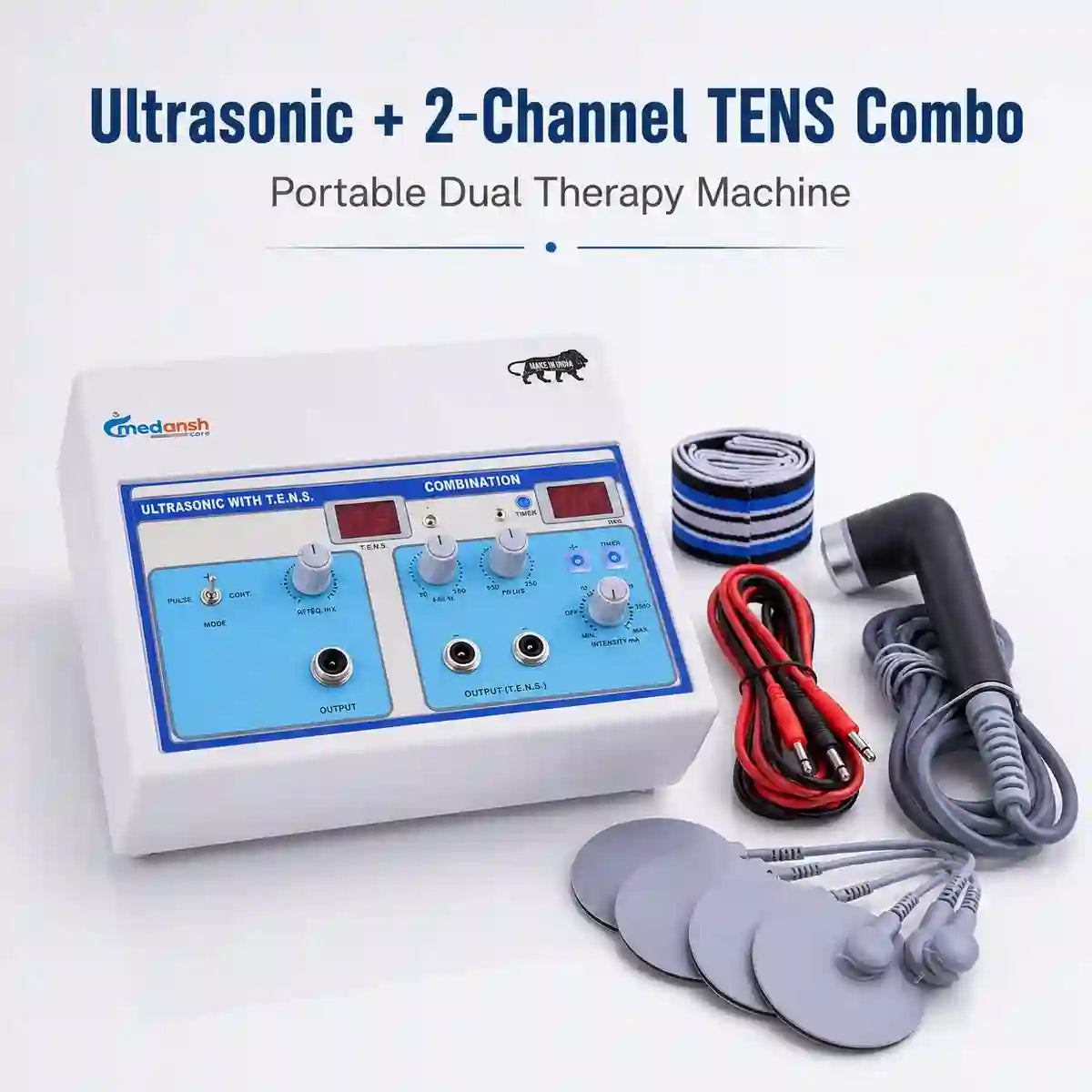
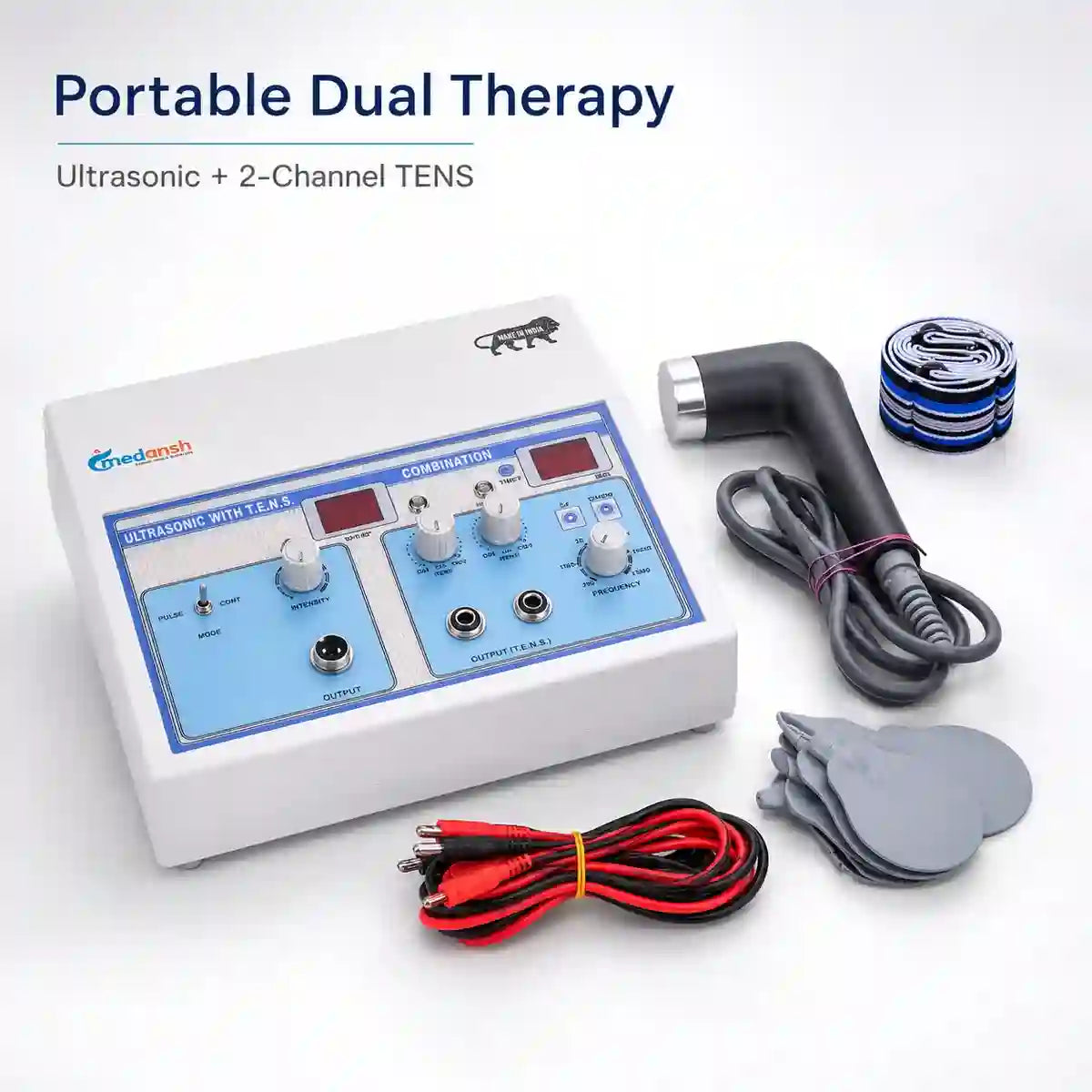
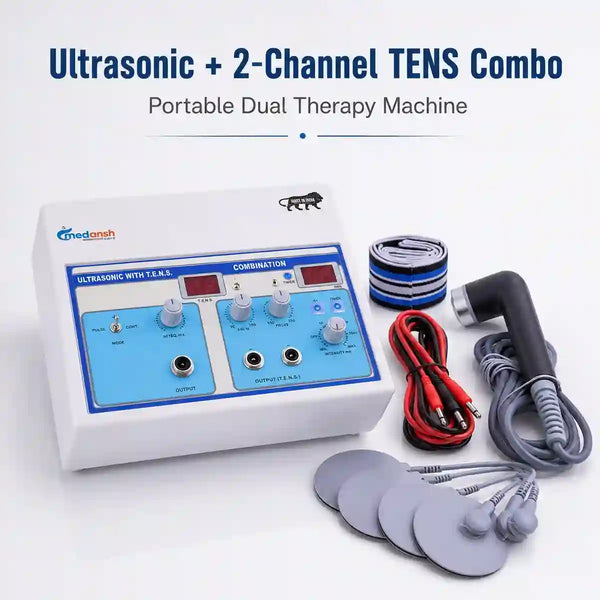
| Medansh Portable TENS 2 Channel with Muscle Stimulator | 2-in-1 | Galvanic and surge faradic output, separate intensity control | ₹2,979 |
| Medansh Diagnostic Muscle Stimulator | Clinical unit | Iontophoresis, galvanic and faradic modes | ₹4,999 |
| Medansh Therapeutic Muscle Stimulator with TENS and Timer | Clinical 2-in-1 | Muscle stimulation and TENS with a built-in timer | ₹9,501 |
Always read the product page for the full specification before you choose.
Muscle Stimulator Price: What Decides the Cost?
The price of a muscle stimulator machine depends on the number of channels, the modes, the build quality, the warranty and the brand. Therefore, two devices that look alike can differ a lot in price. At Meddey, portable EMS units start at ₹1,449 and clinical units reach ₹9,501, as listed on 29 September 2026.
What pushes the price up?
- First, more channels and more modes raise the cost.
- Second, clinical current types, such as faradic and galvanic, add value.
- Third, a built-in timer and preset programs make the unit easier to use.
- In addition, a longer warranty raises the price.
- Finally, brand and service support also affect the final cost.
Do not forget the running costs
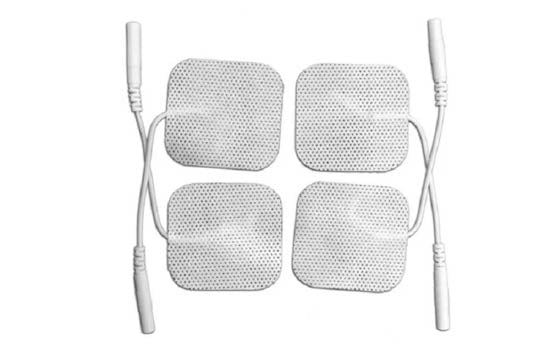
Besides the device, you will need spare pads and leads. For example, Meddey lists adhesive electrodes at ₹400 and a leads and pads accessory kit at ₹735. Therefore, check the cost of pads before you buy.
Price note: Prices and offers change often. Therefore, please check the live listing, or contact Meddey for help.
Steps to Use a Muscle Stimulator
The steps below give a general idea. However, always follow the device manual and your clinician's advice.
1. Check safety first
Before use, check for a pacemaker or other implant, pregnancy, epilepsy, heart disease, blood clots and broken skin. If any of these apply, ask a doctor first.
2. Prepare the skin
Next, wash and dry the skin. Do not use lotion, and remove hair if it stops the pads from sticking.
3. Place the pads
Then, place the pads on the target muscle as your therapist shows you. Keep them a few centimetres apart, and never place them on the front of the neck, over the eyes or on broken skin.
4. Set the device
After that, turn the intensity to zero before you connect the leads. Then, choose the mode and set the timer.
5. Raise the intensity slowly
Slowly increase the intensity until you see a firm but comfortable muscle contraction. It should not cause sharp pain or a cramp.
6. Finish
Finally, turn the intensity down before you remove the pads. Then, check the skin and store the pads on their liner.
Can I Use a Muscle Stimulator Every Day?
It depends on the goal and the device. In supervised rehab, therapists often plan sessions several times a week, and in some cases every day. However, the exact plan should come from a clinician, because the right dose depends on the muscle, the stage of healing and the patient's strength.
Why more is not always better
Too much stimulation can cause muscle soreness, fatigue and skin irritation. In addition, very intense stimulation of large muscle areas has been linked to muscle damage, and reviews have reported cases of rhabdomyolysis after whole-body EMS. Therefore, start with low settings, keep sessions short and build up slowly.
Note: Do not use a muscle stimulator while driving, while sleeping or in water. Also, stop if you feel severe muscle pain, dark urine, dizziness or unusual weakness, and call a doctor.
Is It Safe to Use a Muscle Stimulator?
Muscle stimulators are generally considered low risk when a trained person uses them correctly on suitable patients. However, some people should not use them without medical advice, and misuse can cause harm.
Who needs medical advice first
- Anyone with a cardiac pacemaker, defibrillator or other implanted electronic device, because skin electrodes can cause shock, burns or interference.
- Those with epilepsy or a serious heart condition.
- Women who are pregnant, especially when pads would go over the abdomen or lower back.
- Patients with blood clots or thrombophlebitis, since contractions may move a clot.
- Also, anyone whose skin in the treatment area is broken, infected or numb.
- Finally, people with undiagnosed pain, until a doctor has checked the cause.
In practice, a short screening checklist before the first session helps clinics catch these risks early. Moreover, staff should record the settings and the patient's response after each visit, so that the next session can build on it safely.
Safety point: Never place pads on the front of the neck, over the eyes, on the mouth or on broken skin. Also, keep the device away from children and follow the manual.
What Are the Side Effects of Electric Muscle Stimulators?
Most side effects are mild and short. Still, users and clinicians should know them.
- Skin redness, itching or irritation under the pads.
- Allergy to the pad adhesive or gel.
- Skin burns or bruising, mostly with poor pad contact or very high intensity.
- Muscle soreness or fatigue after a session, similar to new exercise.
- Muscle cramp or tetany if the intensity or the duration is too high.
- Very rarely, serious muscle damage (rhabdomyolysis) after extreme, unsupervised use.
To lower the risk, use the lowest effective intensity, keep sessions short, check the skin after each session and replace worn pads. In addition, stop and ask a doctor if pain or skin damage appears.
Buying Checklist for an Electrical Muscle Stimulation Device
Define the use First, decide if the unit is for home, clinic or training.
Channels and pads Next, choose one, two or more channels and check the pad size and number.
Modes and settings Also, look for adjustable frequency, pulse width and several modes.
Timer and controls In addition, a clear timer and simple buttons help new users.
Power and size Since portability matters, check the battery type, weight and carry case.
Warranty and service Finally, confirm warranty, spare pads and after-sales help.
As a simple rule, buy spare pads with the device. Then, keep the manual and the settings advice from your therapist together.
Frequently Asked Questions About Muscle Stimulators
Do muscle stimulators actually work?
Yes, in some settings. For example, NMES may help the quadriceps recover after knee surgery when added to rehab. However, many results are small, and the device does not replace exercise.
What are the best muscle stimulators?
There is no single best device. However, a simple two-channel unit with a timer suits most guided home users, while clinics may prefer units with more modes and better warranty.
What are the side effects of electric muscle stimulators?
The main side effects are skin redness, itching, allergy to pads, soreness and fatigue. In rare cases, burns, cramps or serious muscle damage can occur, mostly with misuse.
Is it safe to use a muscle stimulator?
It is generally low risk when used correctly on suitable patients. However, people with pacemakers, epilepsy, pregnancy or broken skin need medical advice before use.
Can I use a muscle stimulator every day?
Sometimes, as advised by a clinician. However, too much use can cause soreness and skin problems, so start low, keep sessions short and check the skin after each session.
What is a muscle stimulator machine price in India?
At Meddey, portable EMS units start at ₹1,449 and clinical units reach ₹9,501, as listed on 29 September 2026. Please check the live listing for the latest price.
Is an electrical muscle stimulation machine the same as a TENS machine?
No. EMS makes muscles contract, while TENS mainly reduces pain. However, many devices combine both functions in one unit.
Can a muscle stimulator replace exercise?
No. It supports rehab and training, but active exercise is still the main way to build strength and function.
Where to Buy Muscle Stimulators Online in India?
Clinics and families can buy muscle stimulators from medical equipment stores. Before you buy, compare the channels, modes, timer, pads, warranty and service. Meddey lists portable, combo and clinical units, and its support team can help you choose.
View Muscle StimulatorsPhysiotherapy MachinesVisit MeddeyDisclaimer
This article is for general education. Therefore, it does not replace maker instructions, medical advice or clinical judgement. A trained healthcare professional should decide if a muscle stimulator is suitable and which settings are safe. Also, prices and product details may change over time.
Explore Medical Collections
All Categories
Abdominal & Maternity Support

Accessories

Accu-Chek Instant Strips: Use, Compatibility, Price & Blood Sugar Testing Guide
Accu-Chek Instant Strips: Uses, Features & Complete Guide

accupuncture

Acupuncture Needles & Supplies

Advanced Physiotherapy Machines & Lumbar Physiotherapy

Airways

Ambulance

Anatomy Models
Anesthesia Machine

Anesthesia Products
Ankle Support for Home Use: Braces, Sleeves & Walker Boots
Ankle Weights & Exercise Weights for Home & Rehab

Anti-Bedsore Air Mattresses
You may also need
FOR YOURecommended for you
Save 57%
Save 9%
Save 36%