


Featured ChoiceSave 30%
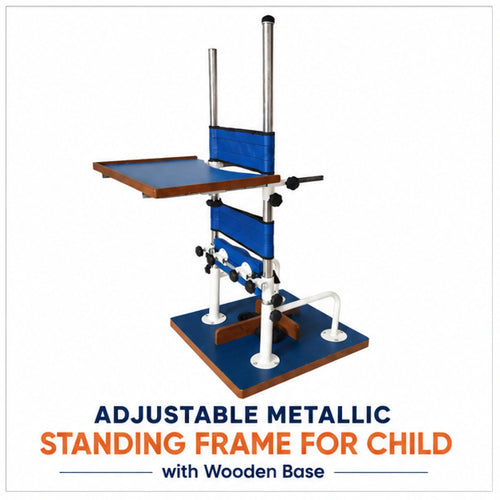
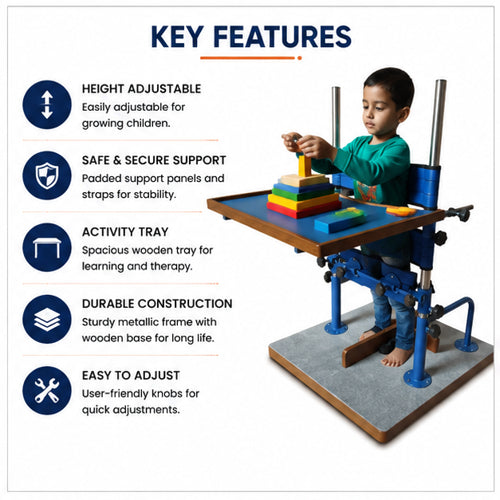

Save 27%
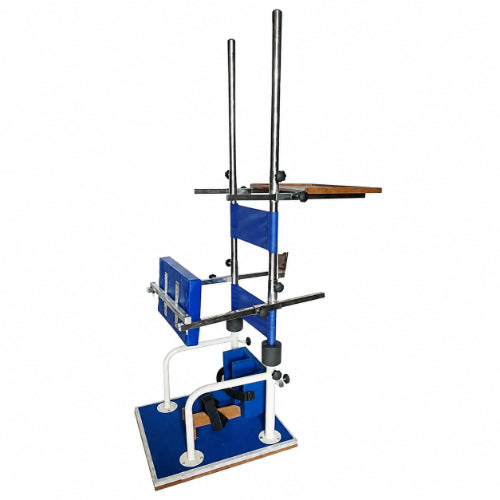
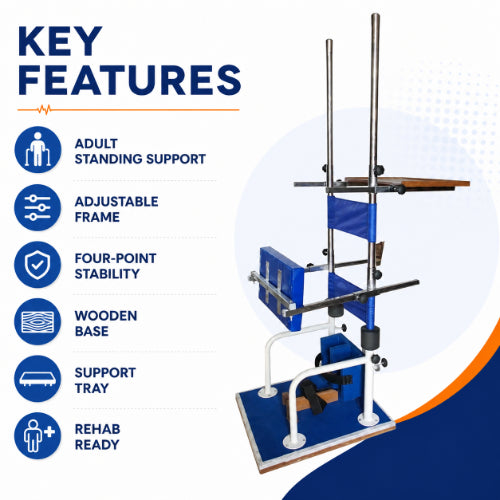

Save 50%

Save 25%

Save 30%

Save 22%

About this collection
Standing Frame – Adult Rehabilitation & Supported Standing Equipment
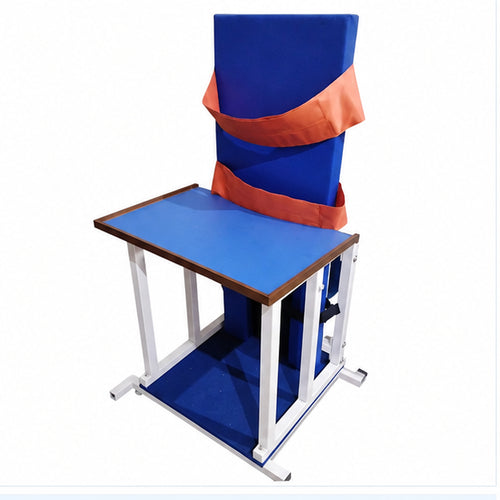
The Standing Frame provides structured support for adults who need assistance while maintaining an upright standing position during rehabilitation. Its supportive design helps healthcare professionals create a controlled standing environment for suitable therapy and weight-bearing activities. Therefore, this rehabilitation standing frame can serve as a practical addition to physiotherapy clinics, rehabilitation centres, neurological care facilities and supervised home rehabilitation programs.
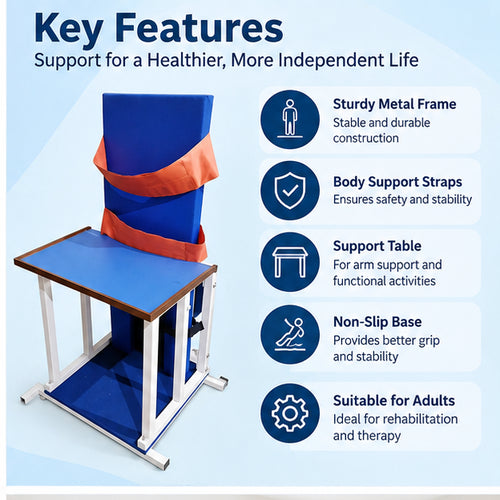
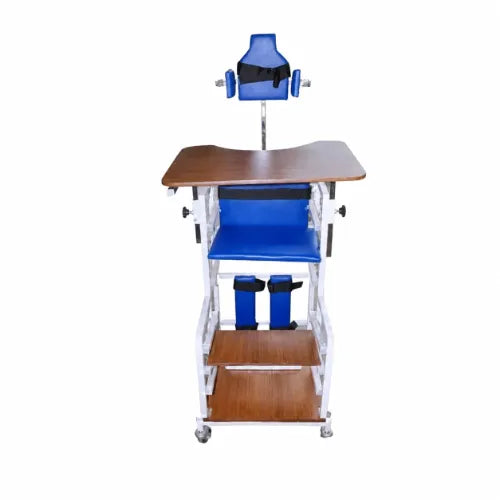
The frame uses a four-point support system together with a heavy wooden base. This combination creates a stable foundation for supported standing sessions. In addition, the base includes a foot divider and non-slip matting to help maintain appropriate foot positioning and provide better grip during use.
Its adjustable, made-to-order design allows the setup to accommodate individual sizing requirements. As a result, rehabilitation professionals can consider the user's body size and positioning needs when preparing the frame. Proper assessment and professional supervision remain important before starting a standing program.
Product Overview
A Standing Frame is a rehabilitation support device that helps an individual maintain an upright position when independent standing remains difficult. Some adults may experience reduced lower-limb strength, limited balance, poor postural control or other physical challenges that make unsupported standing difficult. In such situations, external support can help create a more controlled standing position.
The adult standing frame provides a structured setup for supervised standing and weight-bearing activities. The four-point support arrangement helps provide external stability, while the heavy wooden base creates a firm foundation. Furthermore, the foot divider helps guide foot placement, and the non-slip matting adds grip around the foot-support area.
Healthcare professionals can include the frame within a broader rehabilitation plan when supported standing forms part of the user's goals. Depending on the individual's needs, the therapist may use standing sessions alongside strengthening exercises, mobility training, balance activities and other rehabilitation techniques.
The adjustable construction also adds flexibility. Because the frame can be prepared according to individual sizing requirements, professionals can confirm suitable measurements before use. This approach helps create a more appropriate setup for the user and supports safer positioning during supervised therapy sessions.
Key Features of the Standing Frame
The Standing Frame for Adults combines practical support features with a stable base to assist supervised standing activities. Important features include:
- Four-Point Support: Provides structured external support to help maintain an upright standing position.
- Heavy Wooden Base: Creates a stable foundation for supported standing and rehabilitation sessions.
- Adjustable Design: Allows the frame to be prepared according to individual sizing requirements.
- Foot Divider: Helps guide suitable foot positioning while the user stands.
- Non-Slip Matting: Provides additional grip around the foot-support area.
- Adult Rehabilitation Use: Designed for adults who require external standing support during suitable rehabilitation programs.
- Weight-Bearing Support: Can form part of selected standing and weight-bearing activities under professional guidance.
- Made-to-Order Sizing: The adjustable format allows professionals to confirm suitable sizing requirements before use.
Together, these features create a practical setup for supported standing. However, the frame should always match the user's physical requirements, and a qualified rehabilitation professional should guide its use.
Supported Standing for Adult Rehabilitation
Standing plays an important role in many rehabilitation programs. However, some adults cannot maintain an upright position without assistance. Reduced muscle strength, impaired balance, limited lower-limb control and other physical challenges can make independent standing difficult.
A standing frame for adults gives the user external support while allowing the therapist to introduce an upright position in a controlled environment. This can make the frame useful during selected rehabilitation activities where supported weight-bearing forms part of the treatment plan.
During a supervised session, the therapist can position the user within the frame and check the alignment and support points. The professional can then monitor tolerance throughout the activity. If the user experiences discomfort, unusual fatigue or another concern, the session should stop and the professional should reassess the setup.
Supported standing should not replace other rehabilitation activities. Instead, the rehabilitation standing frame can complement an individual's wider therapy program when a qualified professional considers it appropriate.
Benefits of Using a Standing Frame
A standing frame can provide several practical benefits when a rehabilitation professional includes supported standing in an appropriate therapy program. These benefits relate to positioning, weight-bearing practice and participation rather than independent treatment of a medical condition.
- Supports Upright Positioning: External support helps the user maintain a standing position during supervised activities.
- Encourages Supported Weight Bearing: The frame can provide a controlled setup for selected weight-bearing programs.
- Provides Foot Positioning Support: The foot divider helps maintain a more organized foot position during standing.
- Adds Stability: The heavy wooden base provides a firm foundation for the standing setup.
- Supports Rehabilitation Sessions: Therapists can incorporate supported standing into broader physiotherapy and rehabilitation programs.
- Allows Individual Adjustment: The adjustable format can accommodate suitable sizing requirements.
- Encourages Upright Participation: An upright position may allow suitable users to participate in selected activities from standing level.
The actual benefits depend on the user's condition, physical abilities, positioning needs and rehabilitation goals. For this reason, professional assessment should guide the selection and use of a standing frame.
Who Can Use a Standing Frame?
The adult standing frame is intended for people who need external support while standing during a professionally planned rehabilitation program. A therapist or other qualified rehabilitation professional should assess the user's standing ability before use.
Depending on individual assessment, a standing frame may form part of rehabilitation programs for adults with lower-limb weakness, selected neurological rehabilitation needs, spinal cord injury rehabilitation or post-stroke standing practice. The suitability of the frame varies from person to person.
Professionals should consider factors such as body size, balance, joint position, strength, tolerance and required support before selecting and adjusting the equipment.
The following settings may consider a Standing Frame for Rehabilitation:
- Physiotherapy clinics
- Rehabilitation centres
- Neurological rehabilitation programs
- Spinal cord injury rehabilitation settings
- Selected post-stroke rehabilitation programs
- Adult lower-limb rehabilitation programs
- Supervised home rehabilitation when recommended by a professional
Applications of the Rehabilitation Standing Frame
The Standing Frame can support several supervised rehabilitation applications. Therapists can adapt the activity according to the user's abilities and the goals of the rehabilitation plan.
Physiotherapy and Rehabilitation
Physiotherapy clinics can use a standing frame when supported standing forms part of an individual's rehabilitation program. The therapist can monitor positioning and gradually introduce suitable standing activities according to the user's tolerance.
Neurological Rehabilitation
Some neurological rehabilitation programs include supported standing as one component of therapy. The frame can provide external support while a professional works with the user on posture, weight-bearing and upright participation.
Spinal Cord Injury Rehabilitation
A standing frame may form part of selected spinal cord injury rehabilitation programs. Professional assessment remains essential because the user's strength, sensation, joint range and support requirements can vary considerably.
Supported Home Rehabilitation
When a professional recommends home-based standing therapy, a suitable standing frame can provide a structured support system. Caregivers should receive appropriate training and follow the rehabilitation professional's instructions during every session.
Technical Specifications
| Product Type | Adult Vertical Standing Frame |
| Brand | Medansh |
| Support System | Four-Point Support |
| Base | Heavy Wooden Base |
| Foot Support | Foot Divider & Non-Slip Matting |
| Fit | Adjustable / Made to Order |
| Primary Use | Supported Standing & Rehabilitation |
| Country of Origin | India |
Product configuration and sizing can vary according to the user's requirements and product variant. Please confirm the exact measurements, adjustment range, weight capacity and other model-specific details with the supplier before purchase.
How to Use the Standing Frame
A standing frame requires proper setup and supervision. Follow the rehabilitation professional's instructions for every session.
- Complete an Assessment: Ask a qualified physiotherapist or rehabilitation professional to assess the user's standing ability and support requirements.
- Confirm the Size: Check the frame's required sizing and adjustment before positioning the user.
- Prepare the Base: Place the standing frame on a stable, level surface before use.
- Position the Feet: Place the user's feet appropriately within the foot-support area and use the foot divider as intended.
- Check the Supports: Confirm that the required support points remain secure before starting the standing activity.
- Begin Gradually: Start the session according to the professional's recommended standing duration and tolerance.
- Monitor the User: Observe posture, comfort and tolerance throughout the session.
- Finish Safely: End the session according to the rehabilitation plan and remove the user carefully.
Never leave a user unattended in the standing frame unless a qualified professional has specifically established an appropriate protocol. Stop use if the user experiences pain, dizziness, unusual fatigue or other concerning symptoms.
Safety and Professional Use
A Standing Frame provides support, but correct fitting and supervision remain essential. Every user has different physical abilities and positioning requirements. Therefore, a qualified professional should determine whether supported standing is suitable.
- Use the frame only on a stable and suitable surface.
- Confirm the frame's adjustment before placing the user inside.
- Check the user's foot position before beginning the activity.
- Follow the rehabilitation professional's recommended standing duration.
- Monitor the user throughout the standing session.
- Stop use if pain, dizziness, unusual fatigue or significant discomfort occurs.
- Inspect the frame and support components regularly for signs of damage or wear.
This product serves as a rehabilitation support device. It does not independently diagnose, treat or cure a medical condition. Professional assessment should guide all clinical use.
Care and Maintenance
Regular care helps keep the rehabilitation standing frame clean and ready for supervised use. Wipe accessible surfaces with an appropriate soft cleaning material after sessions. Follow the manufacturer's recommendations for cleaning products and methods.
Inspect the frame regularly. Check the support structure, base, foot-support area and other accessible components for visible damage, looseness or excessive wear. If you identify a problem, remove the equipment from use until a qualified person checks it.
Keep the standing frame in a clean and dry location when it is not in use. Avoid unnecessary exposure to moisture and conditions that could damage the frame or affect its stability.
Why Choose a Standing Frame for Rehabilitation?
Choosing the right rehabilitation equipment requires attention to stability, user requirements, adjustment options and intended use. A Standing Frame can provide a structured option for professionals who need external support during selected standing activities.
The four-point support system provides a defined support structure, while the heavy wooden base helps create a stable foundation. The foot divider and non-slip matting further support foot positioning and grip. Moreover, the adjustable design allows professionals to consider individual sizing requirements before use.
For clinics and rehabilitation centres, a standing frame can become part of a broader equipment setup for physiotherapy and neurological rehabilitation. For suitable home programs, the equipment can provide a dedicated standing-support solution when a professional recommends its use.
When researching standing frame price, buyers should compare more than the purchase cost. They should also consider the frame's support system, adjustment options, base construction, sizing, intended user group and after-sales support. Confirming these details helps ensure that the selected equipment matches the user's rehabilitation requirements.
Frequently Asked Questions
What is a Standing Frame used for?
A Standing Frame provides external support for adults who need assistance while maintaining an upright position during supervised rehabilitation and standing activities.
Is this Standing Frame designed for adults?
Yes. The referenced adjustable model is an adult vertical standing frame intended for supported standing and rehabilitation.
Does the Standing Frame have a wooden base?
Yes. The adult adjustable model includes a heavy wooden base designed to provide a stable foundation during supported standing activities.
Is the Standing Frame adjustable?
Yes. The frame is described as adjustable and made to order so that suitable sizing requirements can be considered before purchase.
Does it provide foot support?
Yes. The frame includes a foot divider and non-slip matting to help support suitable foot positioning and grip.
Can a Standing Frame be used after a stroke?
A standing frame may form part of a suitable post-stroke rehabilitation program for selected users. A qualified rehabilitation professional should assess the individual before use and determine the appropriate support and standing plan.
Can the Standing Frame be used at home?
It may be suitable for supervised home rehabilitation when a qualified professional recommends it. Caregivers should follow the professional's instructions and provide appropriate supervision.
Conclusion
The Standing Frame provides a structured solution for supported standing and rehabilitation activities. Its four-point support system, heavy wooden base, foot divider and non-slip matting create a practical setup for adults who require external support while standing.
The adjustable and made-to-order design also allows professionals to consider individual sizing requirements. As a result, the frame can fit into different rehabilitation environments, including physiotherapy clinics, rehabilitation centres and selected supervised home programs.
For safe and effective use, a qualified rehabilitation professional should assess the user, confirm the appropriate setup and guide the standing program. With proper assessment, fitting and supervision, a Standing Frame for Adults can form a useful part of a broader rehabilitation and supported weight-bearing program.
Shop Standing Frame for Adult Rehabilitation
Choose the Standing Frame when you need structured support for supervised adult standing and rehabilitation activities. The four-point support system, heavy wooden base, foot divider and non-slip matting provide useful features for a controlled standing setup.
The adjustable, made-to-order design also allows professionals to confirm suitable sizing requirements before purchase. For physiotherapy clinics, rehabilitation centres and appropriate home programs, this rehabilitation standing frame can support selected standing and weight-bearing activities under professional guidance.
Important Product Information
The description is based on the available product information for the adult adjustable standing frame. Exact dimensions, adjustment range, user weight capacity, materials, accessories and other model-specific details can vary according to the product configuration and individual sizing requirements. Please confirm the exact specifications with the supplier before purchase. Standing therapy should follow assessment and guidance from a qualified rehabilitation professional.
Explore Medical Collections
All Categories
Abdominal & Maternity Support

Accessories

Accu-Chek Instant Strips: Use, Compatibility, Price & Blood Sugar Testing Guide
Accu-Chek Instant Strips: Uses, Features & Complete Guide

Accupressure Products for Pressure Point Therapy, Pain Relief & Wellness

accupuncture

Acupuncture Needles & Supplies

Advanced Physiotherapy Machines & Lumbar Physiotherapy

Airways

Ambulance

Anatomy Models
Anesthesia Machine

Anesthesia Products
Ankle Support, Braces & Walker Boots for Recovery
Ankle Weights & Exercise Weights for Home & Rehab
You may also need
FOR YOURecommended for you
Save 30%
Save 27%
Save 50%
Save 25%
Save 30%
Save 22%