
1
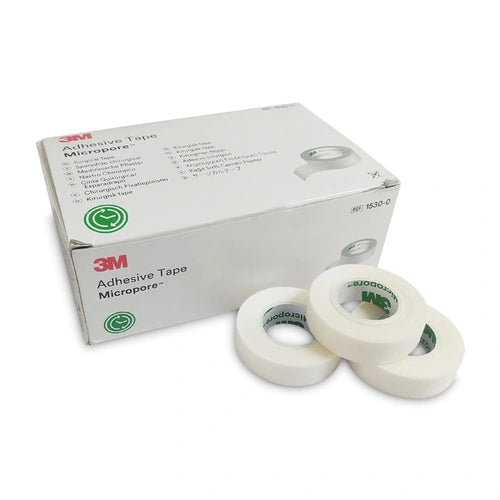
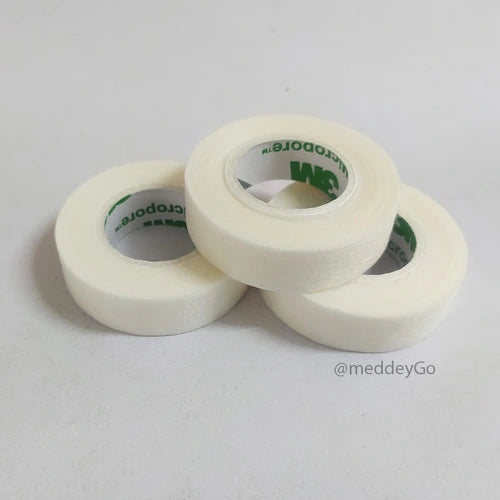
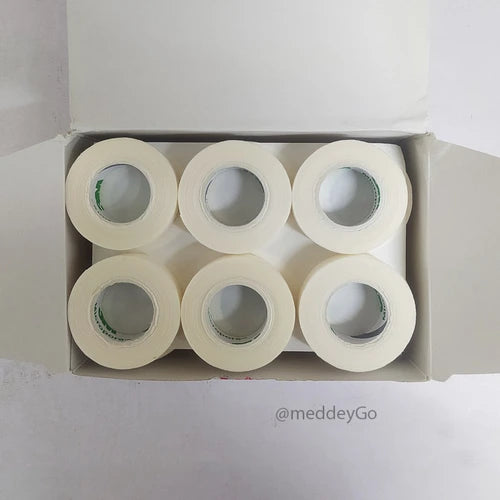
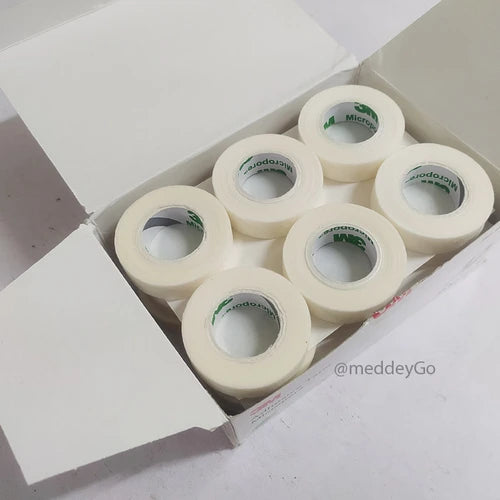
3M Micropore Surgical Tape – Gentle and Reliable Adhesion


Double-tap to zoom · drag to pan · swipe to browse
3M Micropore Surgical Tape – Gentle and Reliable Adhesion
In Stock
SIZE:0.5 INCH
Check delivery
See if we deliver to you and when.
Delivering to
Delivery applicable
Free Shipping
on orders ₹999+
100% Genuine
Products
Dedicated
Support
Secure
Payments
Need help choosing or using this product?
Our team can help with product questions and orders.
Chat with support
Choose options

- Hypoallergenic and latex-free — gentle on sensitive and fragile skin.
- Breathable, porous backing — lets skin and the wound underneath breathe rather than staying sealed.
- Secure, reliable adhesion — holds through normal movement, yet removes cleanly without skin trauma.
- Tears easily by hand — quick, one-handed application without needing scissors.
SIZE:0.5 INCH
Check delivery
See if we deliver to you and when.
Delivering to
Delivery applicable
- Hypoallergenic and latex-free — gentle on sensitive and fragile skin.
- Breathable, porous backing — lets skin and the wound underneath breathe rather than staying sealed.
- Secure, reliable adhesion — holds through normal movement, yet removes cleanly without skin trauma.
- Tears easily by hand — quick, one-handed application without needing scissors.
SIZE:0.5 INCH
Check delivery
See if we deliver to you and when.
Delivering to
Delivery applicable
About this product
3M Micropore Surgical Tape – Hypoallergenic Paper Tape for Everyday and Clinical Use
3M Micropore Surgical Tape is a hypoallergenic, breathable paper tape used across hospitals, clinics and homes to secure dressings, gauze and light tubing. It holds reliably in place yet lifts away without tearing delicate or sensitive skin, and the latex-free, porous backing lets the skin underneath breathe rather than trap moisture against the wound. Because it is gentle enough for repeated use in the same area, it has become a standard choice wherever dressings need checking or changing often.
Why Paper Tape Is a Clinical Staple
Paper tape like Micropore sits in a different category from stronger cloth or plastic surgical tapes: its adhesive is deliberately gentler, and its backing is porous rather than sealed. That combination suits situations where a stronger tape would do more harm than good — thin, fragile, or frequently-checked skin where repeated tape removal is otherwise a real source of skin trauma. A sealed, plastic-backed tape can trap warmth and moisture against the skin, useful for a short-term secure hold but less ideal worn for days. A woven cloth tape usually grips harder and tears less predictably, suited to heavy strapping rather than sensitive skin. Micropore's paper backing trades some of that raw grip for something gentler, tearing cleanly by hand so dressings can be secured or adjusted one-handed, while letting air reach the skin the whole time it's worn.
Key Benefits
- Hypoallergenic and latex-free — gentle on sensitive and fragile skin.
- Breathable, porous backing — lets skin and the wound underneath breathe rather than staying sealed.
- Secure, reliable adhesion — holds through normal movement, yet removes cleanly without skin trauma.
- Tears easily by hand — quick, one-handed application without needing scissors.
- Versatile hold — suitable for dressings, gauze, IV lines and light tubing alike.
Common Uses
- Securing wound dressings and gauze
- Holding IV cannulae, catheters and light tubing in place
- Paediatric, geriatric and other sensitive-skin patients
- Everyday first-aid and post-operative care at home or in clinic
Choosing a Width
Micropore is available in 0.5, 1, 2 and 3 inch widths, and the right one depends on what you're securing rather than one width being "better." The narrower 0.5 and 1 inch rolls suit small dressings, IV lines and fiddly areas — around a finger, near a joint, or anywhere a wide strip would sit on skin that doesn't need it. The 2 and 3 inch widths are more practical for larger dressings or bigger gauze pads, where one wide strip does the job of several narrow ones criss-crossed together. Many households and clinics simply keep more than one width on hand, since a single roll rarely covers every situation that comes up.
Applying Tape to Sensitive, Elderly or Young Skin
Skin that is thin, fragile, or easily irritated — common in older adults, young children, or anyone on long-term dressings — generally benefits from a few basic precautions with any adhesive tape, and Micropore's design is built around exactly this kind of use. Applying tape to clean, dry skin helps, since adhesives grip less predictably on skin that's oily, damp, or freshly moisturised. Smoothing the tape down gently rather than stretching it tight reduces pulling once it's in place, and where the same area needs repeated changes, many caregivers shift the placement slightly each time rather than re-sticking tape to the identical strip of skin. For removal, going slowly and peeling back low against the surface rather than lifting straight upward is a widely recommended general technique for reducing discomfort with any medical tape, even though Micropore's gentler adhesive already makes this easier than a stronger tape would.
How to Use It
Make sure the skin is clean and dry before applying, since the adhesive holds best on skin that isn't oily or damp. Tear off the length you need by hand — no scissors required — and press it down over the dressing or tubing you're securing, smoothing it outward so it sits flat without air pockets. When it's time to remove, peel back slowly and low against the skin rather than pulling straight up, which is the gentlest way to take off any medical tape, paper tape included.
Frequently Asked Questions
Is Micropore tape hypoallergenic?
Yes — it's hypoallergenic and latex-free, designed for sensitive and fragile skin.
Does it remove without hurting the skin?
Yes — the gentle adhesive lifts cleanly without tearing skin, which is why it's often preferred for frequent dressing changes.
Which size should I choose?
Narrower widths (0.5–1 inch) suit small dressings and IV lines; 2–3 inch widths suit larger dressings or wider coverage.
Can it be used on children or older adults?
Yes — its hypoallergenic, gentle-removal design is one of the reasons it's commonly used for paediatric and geriatric patients, where skin tends to be more delicate.
Do I need scissors to use it?
No — it tears cleanly by hand in a straight line, so it can be applied one-handed.
What's the difference between paper tape and other surgical tapes?
Paper tape uses a gentler adhesive and a breathable, porous backing, making it better suited to sensitive skin than stronger cloth or plastic tapes, which hold more aggressively but are harder on delicate skin.
You may also need
FOR YOURecommended for you
Save 55%

Save 39%

Save 8%

Save 37%

Save 43%
Save 62%
Save 18%

Save 50%