
Portable Ultrasound Massager Pain Therapy - 1Mhz Ultrasonic Spa
Choose options
Portable Ultrasound Massager – 1MHz Ultrasonic Therapy for Everyday Pain Relief
Deep, nagging aches in the elbow, neck, shoulder, arm, wrist, or hip have a way of showing up after a long day and refusing to leave. The Designeez Portable Ultrasound Massager is built around 1MHz ultrasonic therapy, a well-established category of physiotherapy device, packaged into a compact, streamlined body that's genuinely easy to hold and manoeuvre. Rather than treating every ache as a reason to book a clinic visit, this handheld unit lets you run a short session at home, at your own pace, whenever a sore spot needs attention.
How Ultrasound Therapy Works
Therapeutic ultrasound is a long-standing physiotherapy technique, and this device applies the same underlying principle in a portable format. The unit generates ultrasound energy at 1MHz and directs it into the soft tissue at the treatment site through the probe head. As the sound waves pass through the muscle and surrounding tissue, they create a gentle, rhythmic mechanical effect that is generally understood to increase local blood circulation and support skin and tissue metabolism in the treated area. Improved circulation is a well-recognised part of the body's own recovery process, which is why ultrasound has been used by physiotherapists for decades as one tool among several for managing everyday muscular tightness and joint discomfort.
It's worth being clear about what this means in practice: the device is a physical, mechanical therapy tool, not a medicine, and it works by supporting the body's own processes rather than acting on the source of pain directly. It's best thought of as a supportive, at-home addition to your broader approach to managing everyday soreness — alongside things like rest, stretching, and posture awareness — rather than a stand-alone cure.
Who It's For
This massager suits anyone dealing with everyday muscular and joint soreness that builds up gradually — desk-based professionals carrying tension in the neck and shoulders, active people managing post-exercise stiffness, or anyone with repetitive-strain discomfort in the elbow or wrist from repeated movement at work or during hobbies. It's also a natural fit for people already familiar with ultrasound therapy from physiotherapy sessions who want a convenient way to continue similar sessions between clinic visits. Because it targets soft tissue rather than any single joint structure, it's marketed as a flexible option across several common problem areas — elbow, neck, shoulder, arm, wrist, and hip.
Key Features
- 1MHz ultrasound frequency — the standard operating frequency used in ultrasound massage devices of this type.
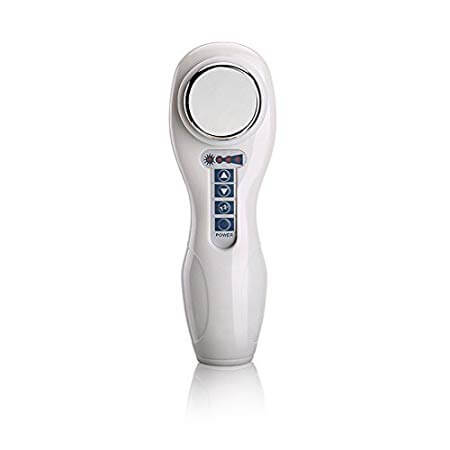
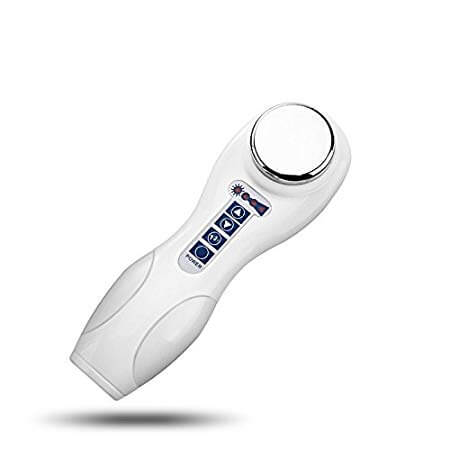
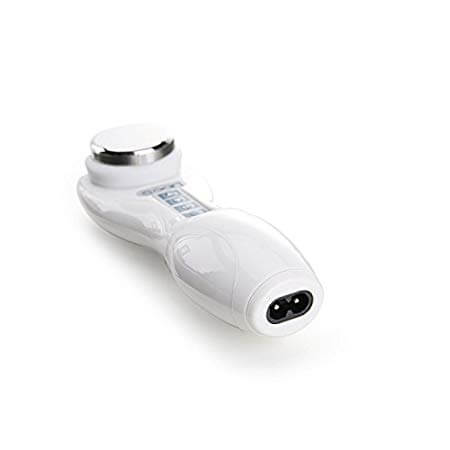
- Streamlined, lightweight body — constructed from plastic, keeping the unit light in the hand and easy to move across the treatment area without fatigue.
- Simple button controls — straightforward operation with no complicated setup, dials, or programming required before you begin.
- Portable, handheld design — compact enough to store at home and reach for whenever a session is needed.
The body's plastic construction and streamlined shape are deliberate design choices: rather than a bulky, clinic-style machine, this unit is built around portability first — something you pick up, use for a few minutes, and put away again, with a button layout kept simple enough that it doesn't demand a lengthy manual before first use.
How to Use It
Getting the most out of a session comes down to a few consistent habits rather than any complicated procedure. As with any ultrasound device, a gel or similar coupling medium between the probe head and the skin is standard practice — it helps the ultrasound energy transfer efficiently into the tissue rather than being lost at an air gap. Glide the probe slowly and continuously over the sore area rather than resting it in one spot, which is the conventional technique for handheld ultrasound massage devices. Favour brief, consistent sessions over one long sitting, and judge duration by how the treated area responds rather than pushing through discomfort. As always, review the specific instructions included with the unit before your first use, since they'll cover the button functions and recommended session length in more detail. Like most physiotherapy tools, ultrasound massage tends to work best as part of a regular routine rather than a single one-off session.
General Safety Guidance
This is a therapeutic device, and it's worth treating it with the same common-sense care you'd apply to any home physiotherapy tool. Follow the instructions included with the unit and use it as directed, rather than assuming any setting or duration is universally appropriate. Pay attention to how your body responds during and after a session, and stop use if anything feels uncomfortable or unusual. If you have an existing medical condition, are managing a diagnosed injury, are pregnant, or are otherwise unsure whether an ultrasound massage device is appropriate for your particular situation, checking with a doctor or qualified physiotherapist before starting regular use is a sensible precaution — the same one that applies to most home therapy equipment. Devices of this kind are generally well tolerated when used as directed, though that's a general expectation rather than a guarantee for every individual, which is why the guidance above is worth following rather than skipping.
Frequently Asked Questions
What areas can this massager be used on?
It's marketed for use on common problem areas including the elbow, neck, shoulder, arm, wrist, and hip.
What frequency does the device operate at?
It runs at 1MHz, a standard frequency used in ultrasound massage devices of this category.
Do I need to use gel with this device?
Yes — as with any ultrasound device, a gel or similar coupling medium between the probe and the skin is standard practice, since it helps the ultrasound energy transfer efficiently into the tissue.
Is it easy to use at home without training?
The unit is designed to be simple — a lightweight, streamlined body with straightforward button controls and no complex setup — but it's still worth reading the included instructions before your first session.
How long should a session last?
Favour short, consistent sessions rather than one long sitting, and adjust based on how the treated area responds. The instructions included with the unit will have more specific guidance.
Should I check with a doctor before using it?
If you have an existing medical condition, a diagnosed injury, are pregnant, or are otherwise unsure whether ultrasound massage suits your situation, checking with a doctor or physiotherapist first is a sensible precaution.