


Featured ChoiceSave 51%
Save 18%

Save 6%


Save 9%
Save 50%
Save 33%

Save 18%

Save 33%

Save 45%

Save 35%

Save 36%
Save 20%
Save 50%
Save 42%

Save 20%
Save 36%

Save 30%

Save 50%
Save 17%

Save 50%
Save 30%
Save 31%



Save 14%
Sold out

Save 30%

What customers say
★★★★★ 5.0 · 5 reviews
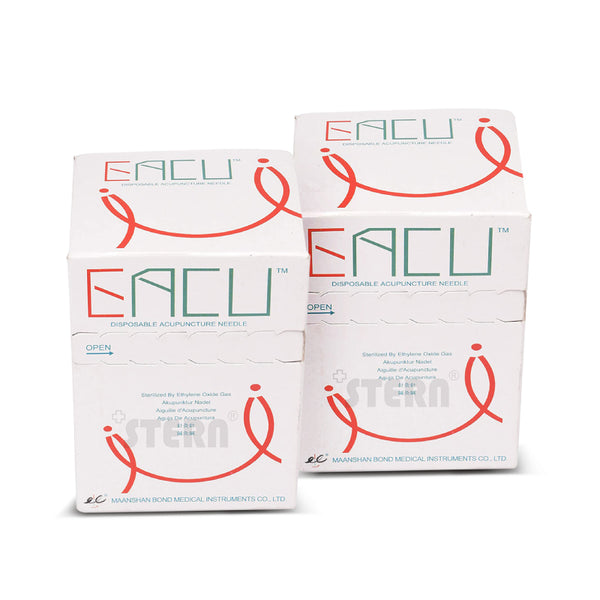
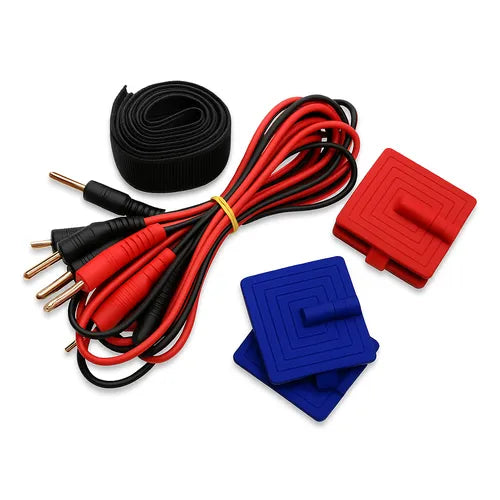
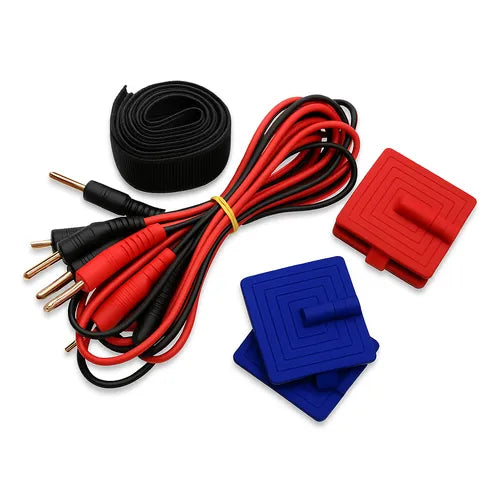
 EACU Accupuncture and Dry Needle
“This is a fantastic tool for pain relief. It’s easy to use and provides targeted therapy for muscle tension...”
 Shoulder Finger Ladder
“Great for shoulder rehabilitation exercises!”
“This is a fantastic tool for shoulder rehab and improving mobility. It’s easy to use,”
 Ultrasound Gel, 250 ml (Pack of 10)
“Very nice and on time delivered”
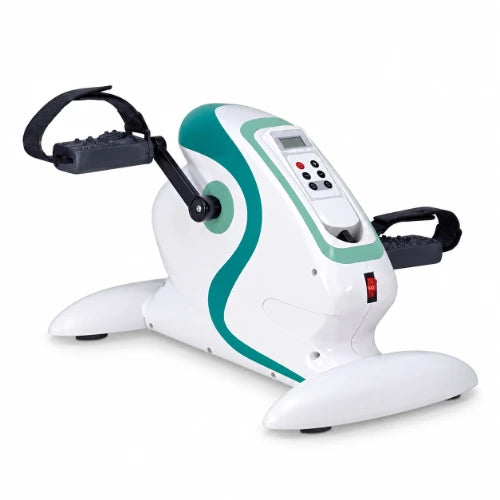
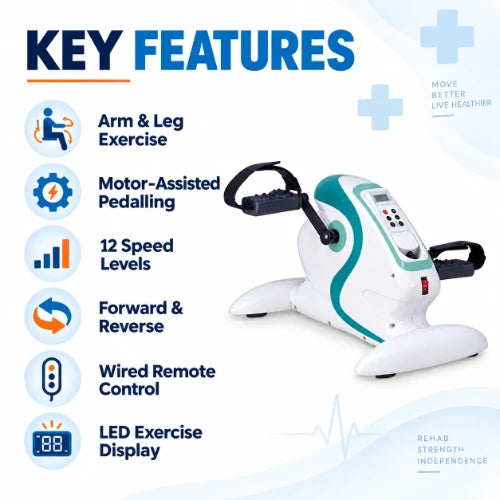
 Motorized Pedo Cycle for Arm & Leg Exercise with Remote Control
“It’s easy to use, adjustable, and provides a smooth pedaling experience. The motor assistance makes it grea...”
Hand Exerciser & Physio Accessories
Hand Exercisers, Pedal Exercisers & Cupping Sets: Buying Guide
Hand Exercisers and Home Physio Accessories can make simple movement practice easier at home, especially when you want gentle tools for hands, fingers, arms, legs, or general body care. This guide explains three common product groups for home users in India: hand and finger exercise equipment, pedal exercisers, and cupping sets with basic physiotherapy accessories. You will learn what each product does, who it may suit, how to choose the right option, and what safety points to keep in mind before buying.
Consult your doctor or physiotherapist before using any hand exerciser, pedal exerciser or cupping set.
For any product in this guide, the safest approach is simple: start slowly, stop if there is pain, and follow a doctor’s or physiotherapist’s advice. These products are not magic solutions and do not replace proper guidance when you have pain, weakness, swelling, injury, surgery history, or a medical condition.
What should home users look for before buying physio accessories?
Home users should look for products that are easy to understand, comfortable to use, suitable for their current strength level, and simple to clean and store. The best choice is not always the heaviest, most advanced, or most expensive item; it is the one that matches your ability, space, and safety needs. In India, where many homes have limited exercise space, compact tools like a hand exerciser, therapy putty, gel stress balls, or a mini pedal exerciser can be practical choices.
Before buying anything, think about the purpose. Do you need a hand exercise tool for grip practice? Do you want a pedal exerciser for gentle arm or leg movement while sitting? Are you buying a cupping therapy kit because someone has advised you about traditional cupping practice? Each category works differently, so choosing carefully matters.
A few basic checks can help you avoid poor purchases:
- Comfort: Handles, pedals, balls, and boards should feel stable and not sharp or slippery.
- Resistance level: Choose light resistance if you are a beginner or have weak grip. Adjustable resistance is useful when more than one person at home will use the product.
- Build quality: Look for steady frames, smooth movement, and materials that do not feel flimsy.
- Ease of cleaning: Items used on skin or handled daily should be easy to wipe and store.
- Storage space: Foldable and compact products are useful for apartments and shared family homes.
- Guidance: If you are unsure, ask a qualified professional before starting.
Prices vary depending on type and quality. A simple hand exercise ball will usually be a different purchase from a motorized pedal cycle for arm and leg exercise or a glass cupping therapy set. Instead of buying only by price, focus on suitability, safety, and how confidently you can use the product at home.
Hand and finger exercise equipment for daily home use
Hand and finger exercise equipment includes small tools designed for grip, finger movement, squeezing, stretching, coordination, and light resistance practice. Common options include hand grip exercisers, therapy putty, gel stress balls, finger ladders, hand exercise boards, hand exercise balls, and other hand exercise equipment. These tools are usually compact, affordable across many quality levels, and easy to keep near a desk, bed, or sofa.

A hand exerciser can be useful for people who want structured hand movement instead of random squeezing or stretching. Many home users in India buy these products for older family members, people who do repetitive desk work, people who want to maintain hand activity, or users following a professional home exercise plan. However, the right tool depends on comfort, strength, and the type of movement recommended.
Hand grip exercisers and grip exercisers
A hand grip exerciser is a small tool that you squeeze with your palm and fingers. Some models look like spring-loaded handles, while others use adjustable resistance dials, rubber loops, or squeeze mechanisms. This hand exerciser mainly focuses on the action of closing the hand against resistance.
Hand grip exercisers suit people who want a simple tool for grip practice at home. They may suit adults who do computer work, students, people who do craft or kitchen tasks, or users who follow advice to include gentle grip activity in their routine. Adjustable models are helpful because a beginner can start with lighter resistance and increase only when comfortable.
When choosing one, check that the handles fit your hand size. A grip that is too wide can feel uncomfortable, especially for smaller hands or older users. Also avoid very hard resistance at the start; using a high-resistance hand gripper too early can strain the fingers, palm, or wrist.
Therapy putty and therapeutic putty
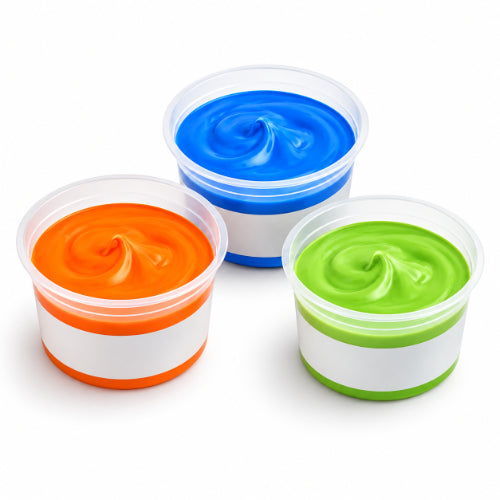
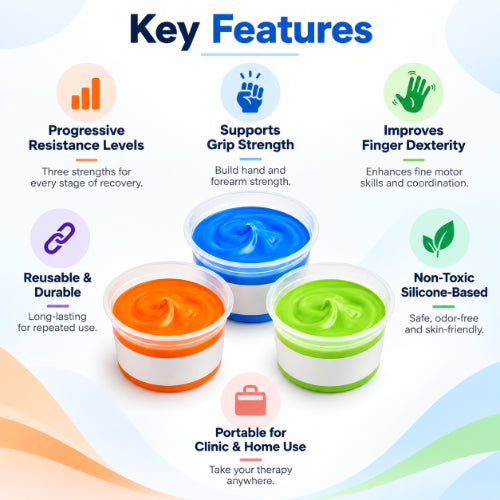
Therapy putty, also called therapeutic putty, is a soft material that you can squeeze, roll, pinch, stretch, or press. It usually comes in different resistance levels, from softer to firmer textures. This makes it useful for more varied hand and finger movements than a basic hand exerciser.
Therapy putty is often preferred when the user needs controlled movement of individual fingers. For example, a person can pinch it between thumb and finger, roll it into a tube, press fingertips into it, or flatten it gently on a table. Because it changes shape, it allows a wider range of hand movements in a small space.
Choose putty that is non-sticky, easy to store, and packed in a container with a tight lid. Keep it away from dust, hair, fabric, and very young children. If the putty changes smell, texture, or colour, replace it instead of continuing to use it.

Gel stress balls and hand exercise balls
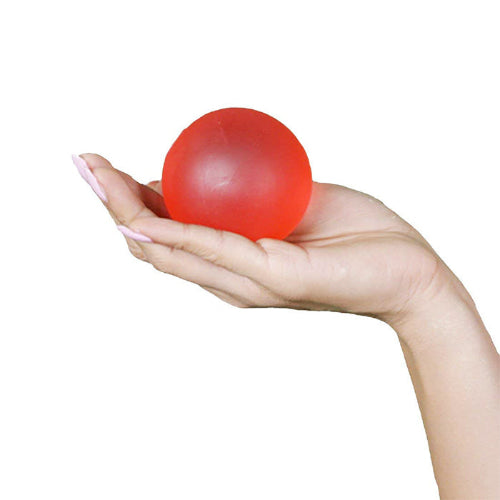
A gel stress ball or hand exercise ball is a simple squeeze tool. It is usually soft, round, and easy to hold. Some contain gel, some use foam or rubber-like material, and some come in different firmness levels.
These balls suit home users who want a very simple hand exerciser without moving parts. They are easy to use while sitting, reading, or taking a break from screen time. For older users, a softer ball may be easier than a stiff grip exerciser.
When buying a hand exercise ball, make sure it returns to shape after squeezing and does not leak, crack, or feel sticky. The size should allow the fingers to wrap comfortably around it. If squeezing causes pain in the thumb, wrist, or knuckles, stop and ask for advice.

Finger ladders
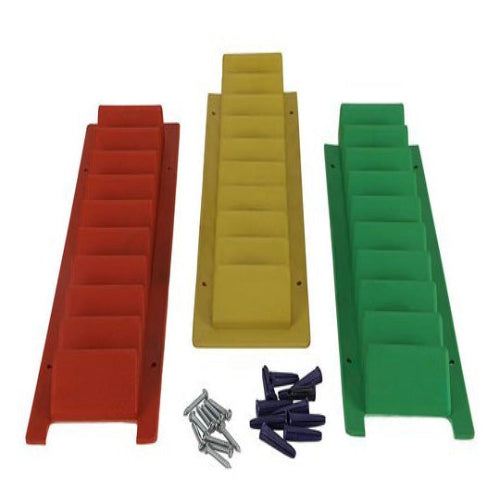
A finger ladder is a wall-mounted or flat ladder-like tool used for gradual finger movement along steps. The user places fingers on the steps and slowly moves them upward or downward as advised. It generally supports controlled movement practice rather than strength training.
Finger ladders are more specific than balls or grippers. They may suit users who have been told to practise a particular range of movement pattern at home. Since installation and positioning matter, choose a sturdy product and place it at a safe height if a professional guides you to use one.
Safety is important with finger ladders. Do not force the arm, shoulder, wrist, or fingers beyond comfort. Keep the movement slow and controlled, and use support nearby if standing balance is a concern.

Hand exercise boards
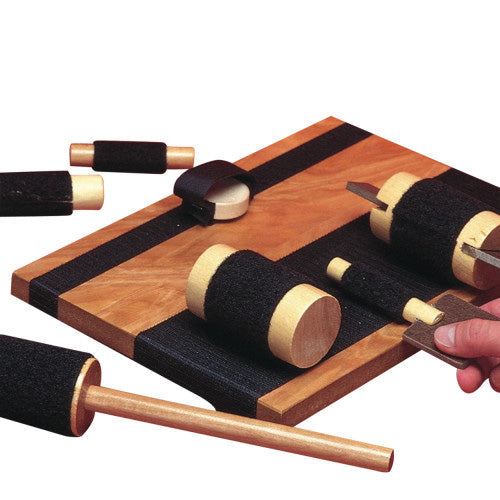
Hand exercise boards are flat boards with pegs, knobs, elastic bands, screws, or different shapes that help practise hand and finger movements. Some boards focus on finger coordination, while others support gripping, pinching, turning, or placing objects. They are more structured than a single ball or a simple hand exerciser.
A hand exercise board may suit users who need variety and guided movement practice at home. It can be useful when one setup needs several hand actions, such as pinching, lifting, rotating, or placing. For families, it may also be easier to keep all small hand tasks on one board instead of buying many loose items.
Choose a board with smooth edges, stable parts, and pieces that are not too tiny for the user. If an older person will use it, check that the board does not slide on the table. Keep small removable parts away from children.

How to choose the right hand exerciser?
Choose a hand exercise tool by matching it to the movement you need, your current comfort level, and how easily you can use it without strain. For general squeezing, a gel stress ball or hand exercise ball may be enough; for adjustable grip practice, a hand grip exerciser may be better; for finger control and variety, therapy putty or a hand exercise board may suit you more. If you have pain, stiffness, swelling, injury history, or surgery history, follow a doctor’s or physiotherapist’s advice before deciding.

Here is a simple way to compare common hand exerciser types:
| Product type | What it does | Best suited for | Buying tip |
|---|---|---|---|
| Hand grip exerciser | Squeezing against resistance | Grip practice | Choose adjustable or light resistance for beginners |
| Grip exerciser | Similar to a hand gripper, often compact | Basic palm and finger squeezing | Check handle comfort and smooth action |
| Therapy putty / therapeutic putty | Squeeze, pinch, roll, stretch | Finger movement variety | Pick the right firmness and store it cleanly |
| Gel stress ball | Soft squeezing | Simple home use and light hand activity | Choose a size and softness that feel comfortable |
| Hand exercise ball | Squeezing and gentle hand movement | Easy daily practice | Avoid balls that are too hard or too small |
| Finger ladder | Step-by-step finger movement | Guided movement practice | Use only as advised and avoid forcing movement |
| Hand exercise board | Multiple hand and finger tasks | Coordination and varied activities | Look for stable parts and smooth edges |
For many home users, one simple hand exerciser is enough to start. Buying many tools at once can create confusion, especially if no one has explained how to use them. Start with the product that matches your main need, learn safe use, and add more only if required.
Safety tips for hand exercisers
Hand exercisers are small, but they still need sensible use. Overdoing squeezing or using too much resistance can make the hand, wrist, or forearm uncomfortable. The goal is controlled practice, not forcing the hand to work harder than it can manage.

Follow these basic safety tips:
- Start with light effort. Do not begin with the hardest hand gripper or firmest putty.
- Keep the wrist relaxed. Avoid bending the wrist sharply while squeezing.
- Stop if there is pain. Mild effort may be normal, but pain is a warning sign.
- Avoid fast, jerky movements. Slow and controlled movement is safer.
- Do not use on swollen or injured hands without advice. Get guidance first.
- Clean shared products. Wipe handles, balls, and boards if more than one person uses them.
- Store safely. Keep putty, small board parts, and springs away from young children.
If you feel numbness, tingling, sharp pain, or unusual swelling, stop using the product and ask for professional guidance. A hand exerciser should feel manageable, not stressful.
Pedal exercisers for compact movement at home
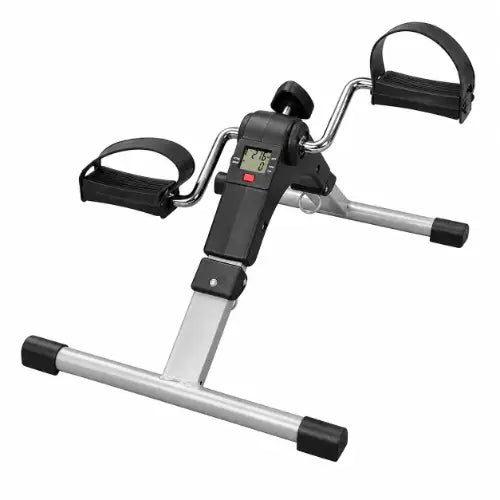
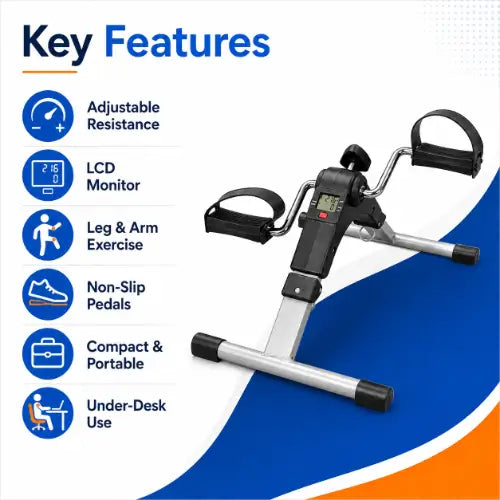
A pedal exerciser is a compact device with pedals that you move with your feet or hands while seated. People may also call it a mini pedal exerciser, bicycle pedal exerciser, foot pedal exerciser, or pedal cycle. Unlike a full exercise cycle, it is smaller and often fits under a table, near a chair, or in a corner when not in use.

Pedal exercisers are popular with home users in India because they do not need much space. They can be helpful for people who prefer seated movement, people who cannot keep large equipment at home, older users who need a stable sitting position, or anyone who wants simple indoor activity during the day. Some people use them for legs, while some models also work as a hand exerciser when you place them on a table for arm movement.
There are two broad types: manual and motorized. A manual pedal exerciser moves only when the user pedals. A motorized pedal cycle for arm and leg exercise uses a motor to move the pedals, usually with speed settings and controls. Both types need careful use, so choose according to comfort, ability, and guidance.
Mini pedal exercisers
A mini pedal exerciser is a small, portable pedal unit. You usually place it on the floor in front of a chair. The user sits and pedals at a comfortable pace.
Unlike a hand exerciser, this type suits people who want simple, space-saving movement at home. You can use it while sitting in a firm chair, watching television, or taking a break from desk work. Because it is compact, it is easier to store than a large cycle, but stability can vary by model.
When choosing a mini pedal exerciser, check the base width, anti-slip feet, pedal straps, and resistance adjustment. A very light unit may move on smooth floors, so a non-slip mat may be useful. The chair should also be stable and not roll away during use.

Bicycle pedal exercisers
A bicycle pedal exerciser is similar to a mini unit but may have a sturdier frame or smoother pedalling motion depending on design. You use it for seated pedalling, and it often has adjustable resistance. Some models include basic display counters, but treat these as general indicators rather than medical measurements.
This product suits users who want a familiar cycling-style movement without a full-size cycle. It may be useful in homes where outdoor walking is difficult due to weather, pollution, uneven roads, limited time, or safety concerns. Still, it should not fully replace natural daily movement unless a professional has advised a specific routine.
Choose a model with smooth pedal rotation. If the pedals jerk, wobble, or feel unstable, use becomes uncomfortable. Pedal straps should hold the feet gently without pressing too tightly.
Motorized pedal cycles for arm and leg exercise
A motorized pedal cycle for arm and leg exercise uses powered movement. Some users place it on the floor for legs and on a table for arms, depending on the model instructions. It may include speed settings, direction options, and a remote or control panel.
This type may suit users who need more assisted movement than a manual pedal exerciser offers. It can also be helpful for families where more than one person needs different levels of support. However, because the machine moves with power, safety matters even more than with a simple hand exerciser.
Choose a motorized model with clear controls, emergency stop or easy power-off access, non-slip support, and speed settings that begin gently. Check the product manual carefully before use. If the user cannot control the device or communicate discomfort clearly, supervision is important.

What are the benefits of using a foot pedal exerciser?
A foot pedal exerciser gives home users a compact way to add gentle seated movement for the legs. It is easy to keep indoors, works in small homes, and may feel less intimidating than large exercise equipment. For many families, the biggest benefit is convenience: the device is nearby, simple to set up, and usable without going outdoors.
A pedal exerciser can support regular movement habits when used sensibly. It may be useful during hot weather, rainy days, high-pollution days, or times when outdoor movement is not practical. For people who sit for long periods, it can also create a simple reminder to move the legs gently, much like a hand exerciser does for the fingers.
Useful benefits include:
- Small footprint: A mini pedal exerciser fits more easily into Indian homes with limited space.
- Seated use: It can be used from a stable chair, which may suit older users or people who prefer not to stand for long.
- Adjustable effort: Many models allow lighter or firmer resistance.
- Arm and leg options: Some designs also work as a hand exerciser and a leg exerciser when you place them correctly.
- Indoor convenience: It is not affected by traffic, weather, or outdoor walking conditions.
- Family use: Different adults at home may use the same device if it suits their needs and is adjusted safely.
The benefit depends on proper use. Do not push a pedal exerciser to the point of pain, breathlessness, dizziness, or fatigue. Start slowly, keep the posture comfortable, and follow the advice given by your doctor or physiotherapist.
Choosing a pedal exerciser for an Indian home
Choosing a pedal exerciser is about matching the device to your home space, sitting setup, and user ability. A compact model is not automatically better if it slips on the floor. A heavy model is not automatically better if the user cannot move or store it safely.

Check these points before buying:
Stability and floor grip
Indian homes often have tile, marble, granite, or smooth flooring. Unlike a hand exerciser, a pedal exerciser can slide if the base is too light or the anti-slip feet are weak. Look for a broad base, rubber grip, and the option to use a mat underneath.
Chair compatibility
The chair matters as much as the exerciser. A plastic chair, dining chair, or sofa may change the angle of the knees and hips. Use a stable chair with a firm seat and back support, and avoid chairs with wheels unless they can be locked securely.
Resistance and smoothness
Resistance should be easy to adjust. Beginners and older users usually need a gentle starting level. The pedalling motion should feel smooth, not jerky or noisy.
Manual or motorized use
Manual models need the user to pedal fully on their own. Motorized models assist the movement but need more attention to controls and safety. If you are unsure which type is appropriate, ask a qualified professional.
Portability and storage
If the unit must be moved daily, check its weight and handle design. Foldable models can save space, but they should still lock firmly during use. Do not choose a flimsy frame only because it is easier to store.
Display and controls
Some pedal exercisers show basic movement data. Treat this as a convenience feature, not a medical reading. Large buttons and simple displays are easier for older users.
Safety tips for pedal exercisers
Use a pedal exerciser in a calm, controlled way. The user should sit comfortably, keep both feet secure, and avoid leaning too far forward. The device should not wobble or slide during use.
Before use, place the exerciser on a flat surface. Keep loose clothing, dupattas, saree ends, wires, and small household items away from the pedals. If you use the unit as an arm or hand exerciser on a table, make sure the table is stable and the unit does not move.
Basic safety checklist:
- Use a stable chair with a firm seat.
- Keep the pedal exerciser on a non-slip surface.
- Secure the feet gently with straps if provided.
- Start with easy resistance or low settings.
- Keep movement slow and comfortable.
- Stop if there is pain, dizziness, unusual discomfort, or breathlessness.
- Do not let children play with the pedals or motor controls.
- Follow the product manual and professional advice.
For motorized pedal cycles, keep the power switch within easy reach. Do not change settings suddenly while the user is uncomfortable. If the device pulls the legs or arms faster than expected, stop and reset it to a gentler level.
Cupping sets and basic physiotherapy accessories
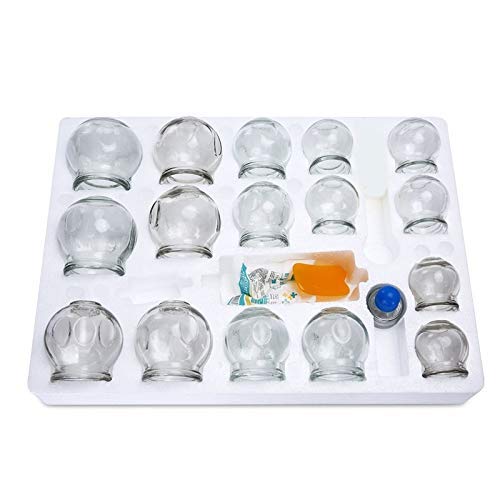
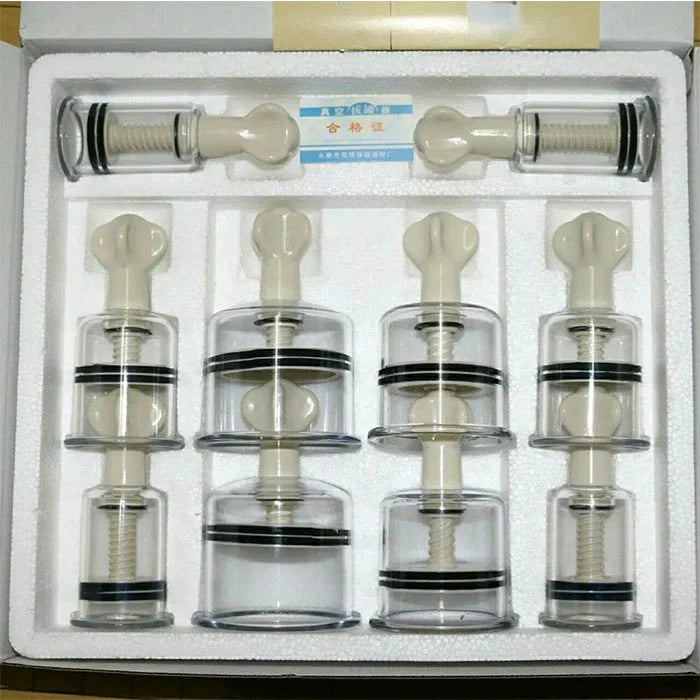
Cupping is a traditional practice that uses cups placed on the skin to create suction. A cupping set may include plastic cups, silicone cups, pump cups, or a glass cupping therapy set, depending on the type. Some home users buy a cupping therapy kit because they have seen it used in wellness routines or because a trained person has suggested it.
It is important to be careful with cupping at home. Cupping can leave round marks on the skin and may cause skin irritation. Do not treat it as a cure or guaranteed solution for any health issue, and use it only with proper guidance.
Basic physiotherapy accessories often used at home may include ultrasound gel, a hand exerciser, exercise bands, hot or cold packs, towels, mats, and small support items. In this guide, ultrasound gel is included because it is commonly used with certain devices or skin-contact applications where smooth movement over the skin is needed. Always use it only as directed with the relevant equipment or advice.
Cupping sets
A cupping set usually contains cups in different sizes. Some sets use a hand pump to create suction, while you squeeze silicone cups before placing them on the skin. A glass cupping therapy set is a more traditional-looking option, but it needs extra caution because glass can break and may not be suitable for casual home use without proper knowledge.
Unlike a hand exerciser, cupping sets are not everyday massage toys. They involve suction on the skin, and too much suction or poor placement can cause discomfort, bruising-like marks, or irritation. If you are new to cupping, do not experiment on sensitive areas or use strong suction.
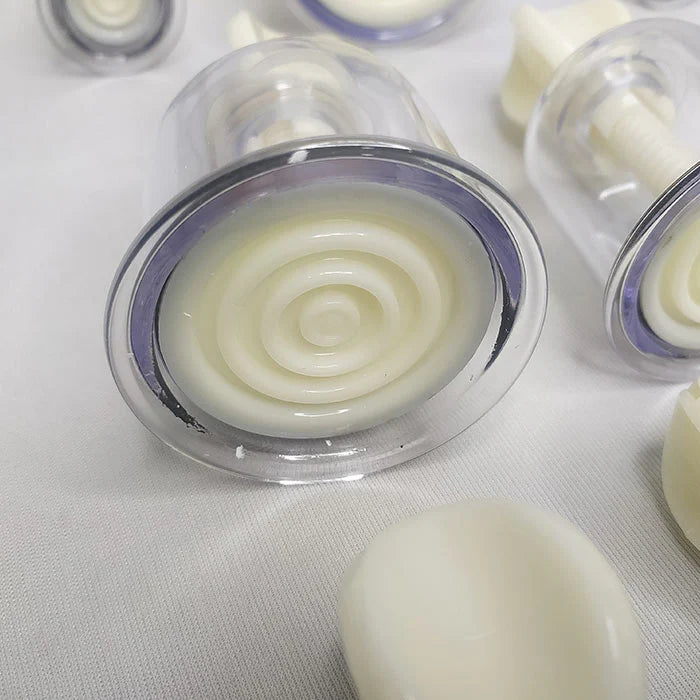
When choosing a cupping set, check material quality, cup edges, suction control, cleaning method, and storage case. Smooth cup rims are important because rough edges can irritate the skin. Transparent cups may make it easier to see how the skin is reacting.

Cupping therapy kits
A cupping therapy kit may include cups, a suction pump, connecting tube, instruction sheet, and sometimes accessories for cleaning or storage. Some kits are simple, while others include many cup sizes. More pieces do not always mean better value if you do not know how to use them safely.
For home users, clear instructions and controlled suction are more important than variety. A kit with too many confusing parts may lead to incorrect use. If you are unsure, choose simplicity and seek guidance before starting.
Ultrasound gel
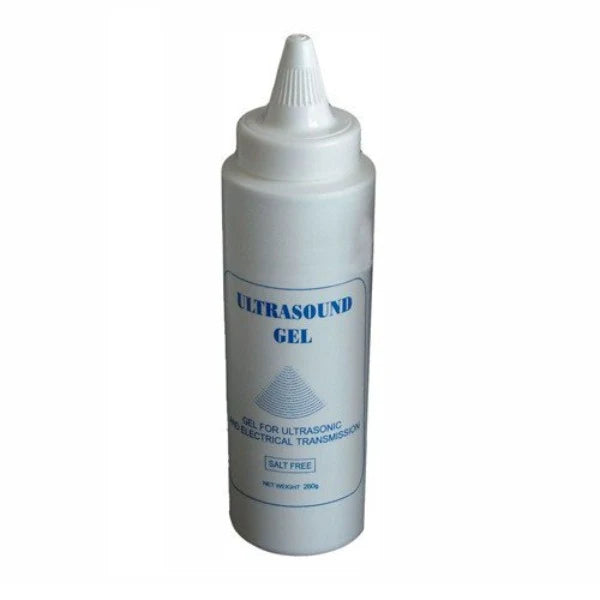
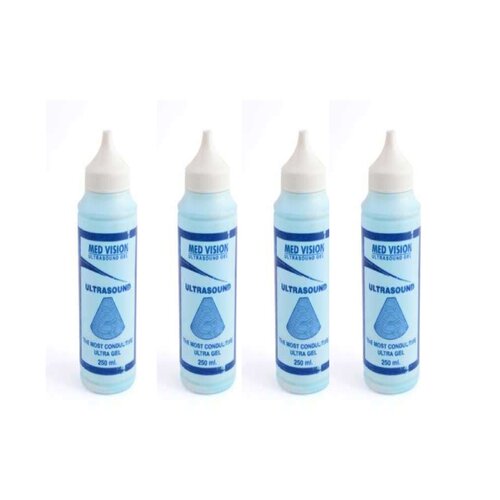
Ultrasound gel is a water-based gel used to help smooth contact between skin and certain equipment. At home, some people buy ultrasound gel for use with specific devices that require gel as part of their instructions. It should not be used randomly or as a substitute for other products unless the device manual or a qualified professional says it is appropriate.
When buying ultrasound gel, check that it is sealed, clean, and suitable for skin contact. Do not use gel that has changed smell, colour, or texture. Close the cap properly after use and avoid sharing contaminated bottles.

What is a cupping set used for?
A cupping set is used in traditional cupping practice to create suction on the skin with cups. Home users should understand that cupping can leave marks and may irritate the skin, so it should be approached carefully and not used as a casual experiment. It is best to ask a doctor or physiotherapist before using a cupping set or hand exerciser, especially if you have health concerns or sensitive skin.
Cupping sets come in different materials and designs. Plastic pump cups are common because a pump adjusts the suction. Silicone cups are flexible and simple in design, while a glass cupping therapy set needs extra care because of breakage risk and handling requirements.
People with bleeding disorders, people on blood thinners, people with skin conditions, pregnant women, and older users should consult a doctor first. Anyone with fragile skin, open wounds, rashes, infections, unexplained swelling, or severe discomfort should avoid self-use unless clearly advised.
Choosing cupping sets and basic accessories safely
When choosing a cupping set or hand exerciser, safety should come before appearance or the number of cups. Look for smooth edges, controlled suction, clear instructions, and materials that can be cleaned properly. Avoid products that feel rough, smell strongly of chemicals, or come without basic usage information.
Use this checklist before buying:
- Cup material: Plastic, silicone, and glass feel different and need different handling.
- Suction control: Adjustable suction is safer than strong, uncontrolled suction.
- Cup sizes: Different sizes may suit different body areas, but only if you know how to place them safely.
- Cleaning instructions: Cups must be cleaned and dried properly before storage.
- Skin comfort: Smooth rims reduce the chance of irritation.
- Storage box: A clean box helps protect the cups from dust and damage.
- Instruction quality: Clear instructions are important for home users.
For ultrasound gel, buy only sealed products from a reliable source. Check the expiry information if provided, and avoid using it on broken or irritated skin unless specifically advised. Do not mix gel with oils, balms, or home remedies.
General buying tips for all three product groups
Whether you are buying a hand exerciser, pedal exerciser, cupping set, or basic accessory, the same buying logic applies: choose the safest product that fits your actual need. Many home users buy equipment after seeing short videos or product photos, but a product that looks useful may not suit everyone. The right item should be easy to use correctly, easy to store, and comfortable for the person using it.
Here is a practical home buying checklist:
- Know the purpose. Grip, finger movement, seated pedalling, arm movement, traditional cupping practice, or skin-contact support all need different products.
- Check the user’s ability. A young adult, older person, and person with pain or weakness may need different levels of resistance or support.
- Start simple. One suitable product used correctly is better than many confusing products.
- Read the manual. Even simple tools can cause harm when you misuse them.
- Avoid extreme resistance or suction. Stronger is not always better.
- Look for easy cleaning. This matters for shared home use.
- Store safely. Keep small parts, putty, cords, and motor controls away from children.
- Follow advice. If a doctor or physiotherapist has given instructions, follow those instead of copying others.
Prices vary depending on type and quality. A basic gel stress ball, therapy putty container, mini pedal exerciser, motorized pedal cycle, cupping therapy kit, and ultrasound gel will all fall into different price ranges. Do not assume that the highest-priced product is automatically the best for your home.
Simple safety rules before you start
Use home physio accessories with patience. Avoid the common mistake of doing too much too soon. If the body is not ready for a movement, forcing it can create discomfort.
Keep these rules in mind:
- Start slowly and use gentle effort.
- Stop if there is pain, dizziness, skin irritation, numbness, or unusual discomfort.
- Do not use equipment on injured, swollen, or irritated areas without advice.
- Keep children away from springs, pedals, motors, small parts, putty, and cups.
- Clean products that touch skin or hands.
- Use every hand exerciser and other product only for its intended purpose.
- Follow a doctor’s or physiotherapist’s advice, especially after injury, surgery, illness, or ongoing symptoms.
A good hand exerciser routine should feel manageable. If you feel anxious, confused, or unsure about how to use a product, pause and get guidance before continuing.
Matching products to common home needs
Different households need different tools. A working adult may want a simple hand exerciser for desk breaks. An older parent may need a stable pedal exerciser with easy controls. Someone advised to practise finger movement may need therapy putty or a hand exercise board instead of a strong gripper.
Here are simple examples of how to match product types:
- For simple squeezing: Choose a soft gel stress ball or hand exercise ball.
- Adjustable grip practice: Choose a hand grip exerciser with light-to-firm settings.
- For finger pinching and rolling: Choose therapy putty or therapeutic putty.
- Guided finger movement: Choose a finger ladder only when advised and installed safely.
- For varied hand tasks: Choose a hand exercise board with smooth, stable parts.
- Seated leg movement: Choose a mini pedal exerciser or bicycle pedal exerciser.
- For assisted arm and leg movement: Consider a motorized pedal cycle for arm and leg exercise with clear controls.
- Traditional suction practice: Choose a cupping set only with proper guidance and safety awareness.
- For device-based skin contact: Use ultrasound gel only when required by the device instructions or professional advice.
This matching approach helps avoid overbuying. It also helps family members understand why one tool may suit one person but not another.
Care, cleaning, and storage at home
Home equipment lasts longer and stays safer when cared for properly. Since many Indian homes have dust, humidity, and shared storage spaces, cleaning and storage should not be ignored. A product left loose in a drawer or under a bed may collect dirt or suffer damage.
For hand exercisers, wipe handles and balls regularly. Therapy putty should go back into its container after use. Do not place putty on fabric, bedsheets, carpets, or dusty surfaces.
For pedal exercisers, check screws, pedals, straps, and rubber feet from time to time. If the device becomes noisy, unstable, or jerky, stop using it until it is checked. Keep motorized units away from water and unplug them when not in use if the manual advises it.
For cupping sets, clean and dry cups properly before storing. Do not share cups if there is any skin irritation, broken skin, or hygiene concern. Store glass cups carefully to avoid cracks or breakage.
For ultrasound gel, keep the cap closed and the bottle clean. Do not touch the bottle opening to skin if it may contaminate the gel. Replace it if it looks or smells unusual.
Final takeaway
Hand exercisers, pedal exercisers, cupping sets, and basic physiotherapy accessories can be useful home tools when chosen carefully and used with common sense. The right product depends on the user, the purpose, the space available, and the guidance already received. Keep things simple: choose suitable resistance, avoid force, keep products clean, and stop if anything feels painful or unsafe.
For home users in India, compact options like hand grip exercisers, therapy putty, gel stress balls, hand exercise boards, mini pedal exercisers, and ultrasound gel can fit easily into daily life. More specialised products like finger ladders, motorized pedal cycles, and cupping sets need extra care and clear guidance. When in doubt, ask a doctor or physiotherapist before starting.
FAQ
Do hand grip exercisers work?
Hand grip exercisers can help you practise squeezing movement in a simple, controlled way. They work best when the resistance suits your current comfort level and you use them as advised.
What are the benefits of a hand gripper?
A hand gripper is a compact hand exerciser that is easy to store and useful for grip practice at home. It can be adjusted in some models, which helps different users choose a comfortable level.
What are the disadvantages of hand grippers?
Like any hand exerciser, hand grippers can cause discomfort if the resistance is too high or if you squeeze too forcefully. They also focus mainly on squeezing, so they may not cover all finger movements like therapy putty or a hand exercise board.
Is it good to use hand grippers every day?
Daily use is not automatically right for everyone. Follow your doctor’s or physiotherapist’s advice, start slowly, and stop if your hand, wrist, or fingers hurt.
How many minutes should I use a hand gripper?
There is no single correct time for every person. Use it only as long as it feels comfortable and follow the guidance given to you instead of forcing a fixed session.
Do those pedal exercisers really work?
A pedal exerciser can be useful for gentle seated movement at home. It works best when the device is stable, the resistance is comfortable, and the user follows safe instructions.
Is a pedal exerciser better than walking?
A pedal exerciser and walking are different activities. Walking involves whole-body movement, while a pedal exerciser is a seated option that may be more convenient indoors.
How long should I use a pedal exerciser?
The right duration depends on your comfort, ability, and professional advice. Start slowly, avoid overdoing it, and stop if you feel pain, dizziness, or unusual discomfort.
What are the benefits of using a foot pedal exerciser?
A foot pedal exerciser is compact, easy to use while seated, and suitable for small homes. It can help you add gentle movement indoors when outdoor activity is not practical.
What is a cupping set used for?
A cupping set is used in traditional cupping practice to create suction on the skin. It should be used carefully because it can leave marks or cause skin irritation.
Who should avoid cupping?
People with bleeding disorders, people on blood thinners, people with skin conditions, pregnant women, and older users should consult a doctor first. Anyone with broken skin, rashes, or unusual skin sensitivity should also be cautious.
What is a negative side effect of cupping?
Cupping can leave round marks on the skin and may cause irritation or discomfort. If the skin reacts badly or pain occurs, stop and seek proper advice.
Explore Medical Collections
All Categories
Abdominal & Maternity Support

Accessories

Accu-Chek Instant Strips: Use, Compatibility, Price & Blood Sugar Testing Guide
Accu-Chek Instant Strips: Uses, Features & Complete Guide

Accupressure Products for Pressure Point Therapy, Pain Relief & Wellness

accupuncture

Acupuncture Needles & Supplies

Advanced Physiotherapy Machines & Lumbar Physiotherapy

Airways

Ambulance

Anatomy Models
Anesthesia Machine

Anesthesia Products
Ankle Support, Braces & Walker Boots for Recovery
Ankle Weights & Exercise Weights for Home & Rehab
You may also need
FOR YOURecommended for you
Save 51%
Save 18%
Save 6%
Save 9%
Save 50%
Save 33%
Save 18%
Save 33%
Save 45%
Save 35%
Save 36%
Save 20%
Save 50%
Save 42%
Save 20%
Save 36%
Save 30%
Save 50%
Save 17%
Save 50%