
1


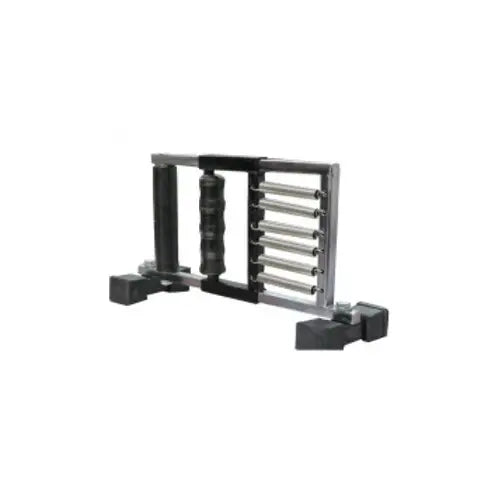
A D L Training Wall Panel


Double-tap to zoom · drag to pan · swipe to browse
A D L Training Wall Panel
In Stock
Check delivery
See if we deliver to you and when.
Delivering to
Delivery applicable
Free Shipping
on orders ₹999+
100% Genuine
Products
Dedicated
Support
Secure
Payments
Need help choosing or using this product?
Our team can help with product questions and orders.
Chat with support
Choose options

- Multi-Activity Training: Combines several daily living tasks in one rehabilitation panel.
- Real-Life Task Practice: Helps patients practise activities similar to those used at home.
- Fine Motor Training: Supports grasping, turning, pressing, locking and fastening practice.
- Upper Limb Exercise: Helps train the hand, wrist, elbow and shoulder during useful tasks.
Check delivery
See if we deliver to you and when.
Delivering to
Delivery applicable
- Multi-Activity Training: Combines several daily living tasks in one rehabilitation panel.
- Real-Life Task Practice: Helps patients practise activities similar to those used at home.
- Fine Motor Training: Supports grasping, turning, pressing, locking and fastening practice.
- Upper Limb Exercise: Helps train the hand, wrist, elbow and shoulder during useful tasks.
Check delivery
See if we deliver to you and when.
Delivering to
Delivery applicable
About this product
ADL Training Wall Panel for Occupational Therapy & Rehabilitation
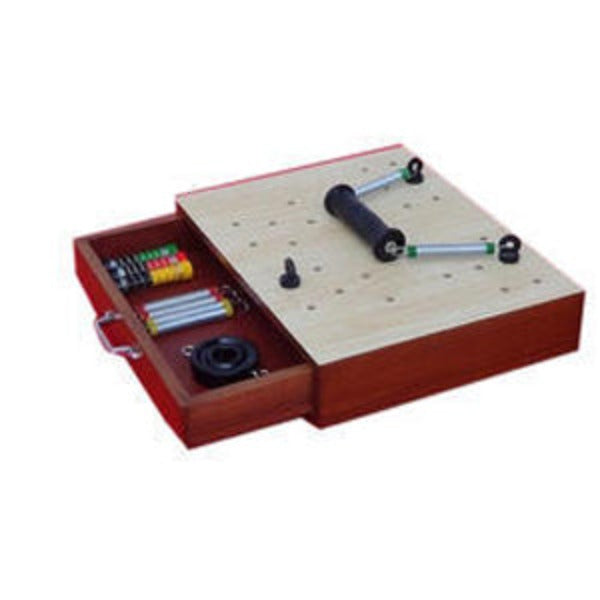
The ADL Training Wall Panel is a practical rehabilitation tool for occupational therapy and daily living skill training. It helps patients practise common tasks in a safe and planned setting. Therefore, therapists can use it to support hand function, coordination, grip control and everyday activity training.
In addition, this ADL therapy board includes several daily-use parts such as switches, handles, locks, latches, taps and fastening areas. As a result, patients can practise movements that are similar to tasks used at home. This makes therapy more practical and easier to relate to real life.
Moreover, the panel can support upper limb training, fine motor practice and simple thinking tasks. For example, patients may practise turning a tap, opening a lock or pressing a switch. Therefore, the therapist can combine movement training with attention, planning and task order.
Also, the wall-mounted or fixed design gives the patient a stable training surface. As a result, repeated practice can be carried out more safely under professional guidance. The therapist can start with simple tasks and then move to more difficult activities as the patient improves.
Key Features
- Multi-Activity Training: Combines several daily living tasks in one rehabilitation panel.
- Real-Life Task Practice: Helps patients practise activities similar to those used at home.
- Fine Motor Training: Supports grasping, turning, pressing, locking and fastening practice.
- Upper Limb Exercise: Helps train the hand, wrist, elbow and shoulder during useful tasks.
- Coordination Training: Supports hand-eye coordination and controlled movement.
- Cognitive Practice: Can be used for simple task order, attention and problem-solving exercises.
- Stable Installation: Wall-mounted or fixed design supports safe and repeated training.
- Professional Rehab Use: Suitable for hospitals, OT clinics, rehabilitation centres and training facilities.
Functional Components
- Electrical switch practice for pressing and hand control
- Door handles and latches for grip training
- Locks and bolts for fine motor practice
- Tap-style fixtures for wrist rotation
- Plug and socket practice areas
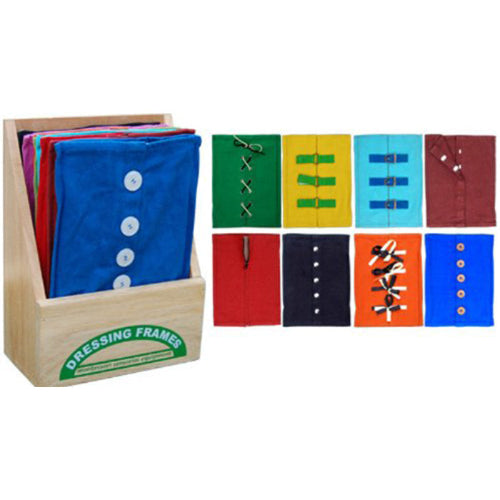
- Button and fastening sections
- Cloth-based daily activity practice
- Fixed or wall-mounted training structure
Technical Specifications
| Specification | Details |
|---|---|
| Product Name | ADL Training Wall Panel |
| Product Type | Occupational Therapy Training Board |
| Application | ADL Rehabilitation and Functional Training |
| Mounting | Wall-Mounted / Fixed Installation |
| Training Focus | Coordination, Dexterity, Hand Function and Task Practice |
| Suitable Users | Patients Requiring Occupational Therapy or Functional Rehabilitation |
| Usage Area | Hospitals, Rehabilitation Centres, OT Clinics and Training Centres |
| Country of Origin | India |
Product Benefits
- Helps patients practise common daily activities in a controlled setting.
- Therefore, therapy can focus on useful and real-life movement.
- Also, it supports hand control, grip and fine motor skills.
- In addition, repeated use may support better task coordination.
- Moreover, therapists can combine physical and simple thinking tasks.
- As a result, the panel can support goal-based rehabilitation sessions.
- It also allows the therapist to change task difficulty over time.
- Finally, one panel can support many types of daily living practice.
Applications
- Activities of Daily Living training
- Occupational therapy rehabilitation
- Upper limb functional training
- Fine motor skill practice
- Hand-eye coordination training
- Grip and wrist movement practice
- Task order and planning exercises
- Neurological rehabilitation
- Orthopaedic rehabilitation support
- Functional independence training
Suitable For
- Occupational therapy clinics
- Physiotherapy and rehabilitation centres
- Neurological rehabilitation centres
- Hospitals and rehabilitation departments
- Medical and OT training institutes
- Clinical skill laboratories
- Long-term rehabilitation programmes
- Healthcare training centres
How to Use
- First, install the panel securely on a suitable wall or fixed support.
- Next, assess the patient's hand function, coordination and movement level.
- Then, begin with simple tasks such as pressing switches or moving handles.
- After that, introduce locks, bolts, taps and other tasks as the patient improves.
- Meanwhile, monitor posture, grip and movement quality during each activity.
- Also, provide help when the patient needs support.
- Gradually increase the task level according to progress.
- Finally, follow the rehabilitation plan prepared by the treating therapist.
Training Approach
At the start, therapists may choose easy tasks that require simple pressing, grasping or turning. Then, they can add tasks that need more control. For example, locks and bolts may require better finger movement and attention.
In addition, the therapist can repeat the same task several times. This helps the patient become more familiar with the movement. Moreover, progress can be checked by observing speed, accuracy and the amount of help required.
As the patient improves, the therapist may combine two or more tasks in one session. Therefore, the board can support both basic and more advanced functional training.
Why ADL-Based Training Matters
Daily living skills are important for independence. Therefore, rehabilitation should not focus only on isolated exercises. Instead, patients may benefit from practising tasks that are linked with real activities.
For example, turning a tap can train wrist movement and grip. Similarly, opening a latch can support finger control and hand coordination. As a result, the patient can practise movement with a clear purpose.
Moreover, these tasks may help therapists understand where the patient has difficulty. Therefore, the panel can also support functional observation during rehabilitation sessions.
Clinical Usage Note: This ADL training panel is intended for occupational therapy and rehabilitation practice. Exercises should be selected after patient assessment. Also, patients should use the panel under professional guidance where required. Results may vary depending on the condition, ability, therapy plan and level of participation.
Why Choose the ADL Training Wall Panel from Meddey?
Meddey offers physiotherapy, rehabilitation and occupational therapy equipment for hospitals, clinics, therapy centres and healthcare institutions. Therefore, professional buyers can select products according to their rehabilitation and training needs.
Moreover, the ADL Training Wall Panel offers several practical tasks in one setup. As a result, therapists can use one panel for hand function, coordination and daily activity practice. Before ordering, buyers can confirm the available configuration, mounting method and included components through Meddey.
Frequently Asked Questions
1. What is an ADL Training Wall Panel used for?
An ADL Training Wall Panel is used for occupational therapy and daily living skill practice. It allows patients to work with switches, locks, handles, taps and similar fixtures. Therefore, therapists can include practical tasks in a structured rehabilitation programme.
2. Is this panel suitable for neurological rehabilitation?
Yes, it may be used in suitable neurological rehabilitation programmes under professional guidance. For example, therapists may use it for hand control, coordination, attention and task-order practice according to the patient's ability and rehabilitation goals.
3. Can it be used for upper limb rehabilitation?
Yes. The panel includes tasks that involve grasping, pressing, turning and handling different fixtures. Therefore, it may support suitable hand, wrist, elbow and shoulder activities as part of an upper limb rehabilitation plan.
4. Does the ADL panel require installation?
Yes, the supplied information describes it as a wall-mounted or fixed training panel. Therefore, buyers should confirm the mounting method, wall space and installation needs before purchase. Proper installation is important for stable and safe use.
5. Who should use the ADL Training Wall Panel?
The panel is mainly designed for occupational therapists, rehabilitation professionals, hospitals, clinics and training centres. Patients should use it according to professional assessment, therapy goals and their current functional ability.
You may also need
FOR YOURecommended for you
Save 55%

Save 39%

Save 8%

Save 37%

Save 22%
Save 18%

Save 22%

Save 50%