










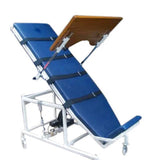
Choosing the Right Physiotherapy Equipment
The right physiotherapy equipment helps turn assessment, treatment, movement, and recovery into a practical plan for home or clinic use. Whether someone is comparing a Physio Studio & Physiotherapy Equipment for Home & Clinic setup, building a small treatment room, or looking for recovery equipment after an injury, the best choice depends on the condition, the therapist’s guidance, safety needs, space, and budget. This guide explains how to think about physiotherapy tools, therapy devices, rehab machines, and physical therapy gear without getting distracted by features that may not fit the real goal.
Modern physiotherapy equipment can support pain relief, mobility, strength, tissue recovery, and patient confidence. However, no device replaces a proper assessment. The smartest approach is to match each item to a clear purpose: reduce symptoms, support muscle recovery, improve movement, or make a clinic workflow more efficient. This principle applies whether you are considering electrotherapy, Laser Therapy, Ultrasonic Therapy (1 & 3 MHz), mobility aids, fitness tools, or an all-in-one Physio Studio 6-in-1 Machine.
1. What Equipment Is Needed for a Physiotherapy Clinic?
A physiotherapy clinic needs equipment that supports assessment, treatment, exercise, patient education, and safe movement. The exact setup varies according to the patients treated, the available room, and the services offered. For example, a clinic that focuses on sports injuries may need more strengthening and balance equipment. In contrast, a practice that treats older adults may require additional mobility aids and fall-prevention tools.

Before purchasing expensive machines, identify the daily tasks your clinic must perform. This step helps you build a practical equipment list rather than spending money on features that patients rarely need.
- Assessment essentials: Measuring tools, posture assessment resources, goniometers, measuring tapes, and other appropriate clinical assessment items.
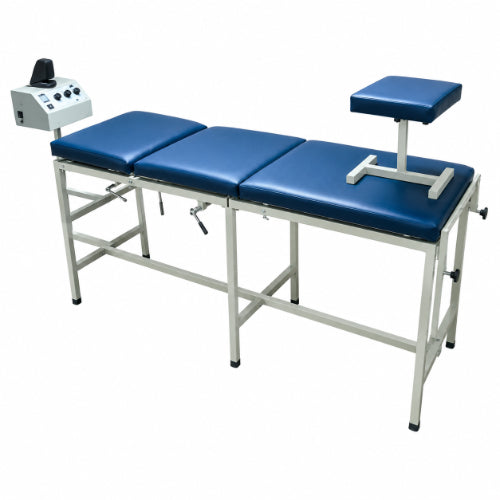
- Treatment space: A suitable treatment couch, supportive pillows, clean linens, storage, and enough room for the therapist to work safely.
- Exercise and rehabilitation tools: Resistance bands, exercise mats, light weights, balance tools, steps, and mobility training equipment.
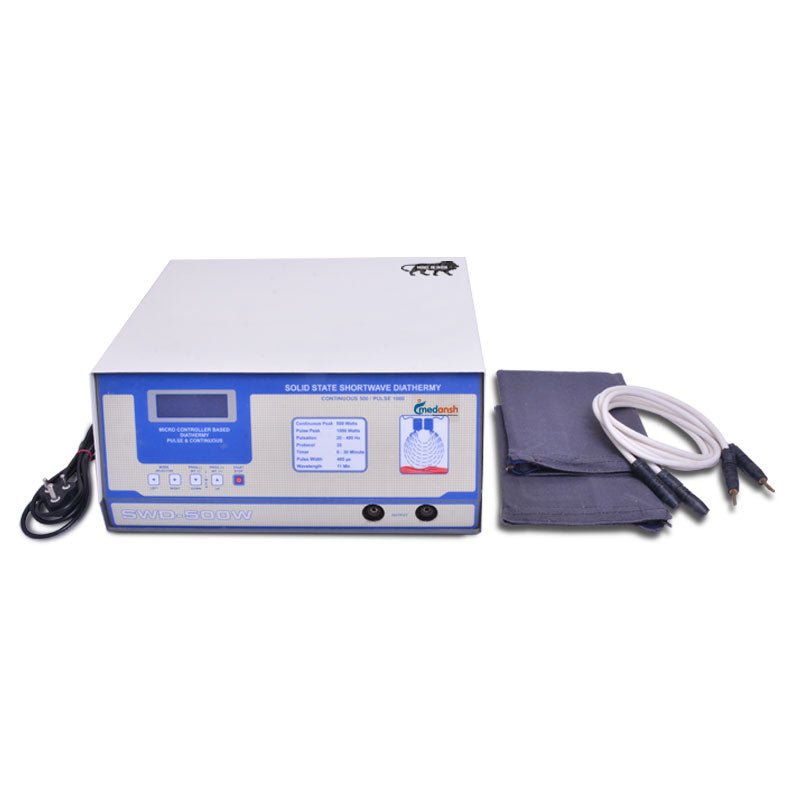
- Electrotherapy and modality equipment: Selected TENS, IFT, muscle stimulation, ultrasound, or other devices when they fit the clinic’s treatment services and professional scope.
- Mobility and safety aids: Walking aids, stable handholds, transfer aids, and other appropriate equipment for supervised movement.
- Clinic operations: Cleaning supplies, secure equipment storage, patient records, maintenance logs, and clear instructions for use.
In addition, consider the patient experience. Equipment should be easy to access, simple to clean, and appropriate for the people who will use it. A crowded treatment room can make even high-quality devices difficult to operate. Therefore, layout and workflow deserve as much attention as the equipment itself.
It can be tempting to purchase a complex machine first because it appears to offer many treatment options. However, the better starting point is to identify the clinic’s most common patient needs. Once those needs are clear, you can select the equipment that supports them without creating unnecessary costs or operational complexity.
2. A Practical Way to Choose Physiotherapy Equipment
Choosing physiotherapy equipment becomes easier when every purchase has a clear purpose. Rather than comparing products only by their appearance, number of modes, or advertised power, evaluate how each item will fit into your treatment process.
Use the following framework to compare equipment for a home setup, rehabilitation room, or professional clinic.
- Define the treatment goal. Decide whether the equipment will support assessment, symptom management, strength development, mobility, balance, or functional rehabilitation.
- Match the modality to the need. Different devices serve different purposes. A pain-relief device is not a replacement for a strengthening programme, and an exercise tool cannot replace every clinical intervention.
- Check safety requirements. Review contraindications, intended users, instructions, cleaning needs, and any professional training required before operation.
- Evaluate usability. Choose equipment that the intended user can understand and operate correctly. Clear controls and instructions can reduce avoidable mistakes.
- Review support and supply. Check the warranty, service availability, replacement accessories, consumables, and the supplier’s process for technical assistance.
- Plan for progression. Consider whether the equipment will remain useful as the patient moves from early rehabilitation to strength, balance, and functional activity.
Furthermore, consider the total cost of ownership. The purchase price is only one part of the investment. Maintenance, accessories, staff training, installation, repairs, and replacement parts can affect the long-term value of a device.
People often search phrases such as “Buy Physiotherapy Equipment,” “Shop Therapy Modalities & Electrotherapy Equipment,” and “Pricing & Where to Buy.” These searches can help identify suppliers, but a product listing should be the beginning of the evaluation rather than the final decision. Compare the full specification, intended use, warranty, and available support before ordering.
Finally, choose equipment that complements the treatment plan. The most expensive option is not automatically the best option. A straightforward device that fits the clinical goal and gets used consistently may provide greater practical value than a complicated system with functions that the clinic rarely uses.
3. What Is the Best Physiotherapy Machine for Home Use?
The best physiotherapy machine for home use depends on the person’s condition, treatment goals, ability to operate the device, and guidance from a qualified healthcare professional. A single machine cannot address every type of pain, weakness, movement limitation, or rehabilitation need. Consequently, home users should select equipment based on a specific recommendation rather than a general promise of recovery.

For many people, simple equipment is a sensible starting point. Depending on the treatment plan, suitable options may include:
- TENS units: These devices deliver electrical stimulation through skin electrodes and may help manage certain types of pain for selected users.
- Muscle stimulation devices: These deliver electrical impulses to stimulate muscles. Their suitability depends on the individual’s condition and the intended treatment goal.
- Heat and cold tools: Packs and other appropriate products may support short-term comfort when used according to professional guidance and product instructions.
- Exercise equipment: Resistance bands, mats, light weights, and simple mobility tools can support prescribed home exercises.
- Mobility aids: Walking aids or other supportive equipment may improve safety when a person has balance or movement difficulties.
- All-in-one units: Combined systems may suit selected users who have professional supervision, suitable space, and a clear reason to use multiple modalities.
However, buying a machine without understanding its purpose can create confusion. The device may not address the underlying problem, and incorrect use can cause harm. Before using electrotherapy, ultrasound, laser, or another powered treatment device, confirm that it is appropriate for the individual and that the user understands the instructions.
Home rehabilitation should also include the recommended exercises, activity modifications, and follow-up plan. Equipment can support that process, but it should not become the entire treatment programme. A balanced approach combines suitable tools with movement, education, gradual progression, and professional review when needed.
If symptoms are severe, worsening, unexplained, or associated with weakness, numbness, loss of coordination, or other warning signs, seek medical assessment rather than trying to manage the problem with a home device alone.
4. Understanding All-in-One Physio Studio Machines
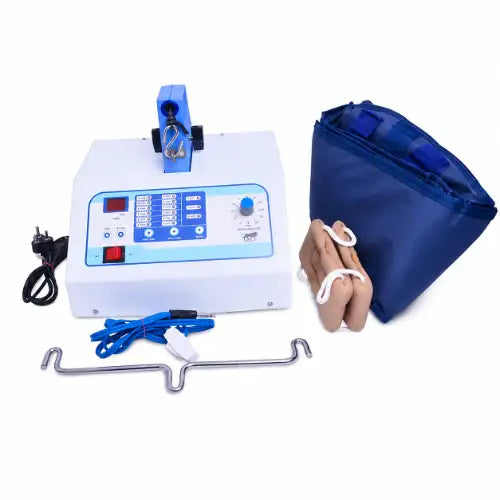
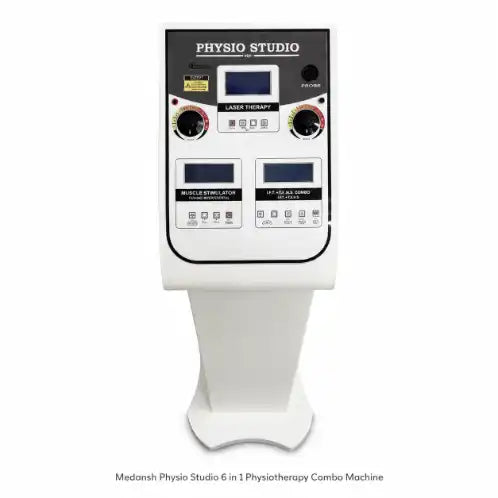
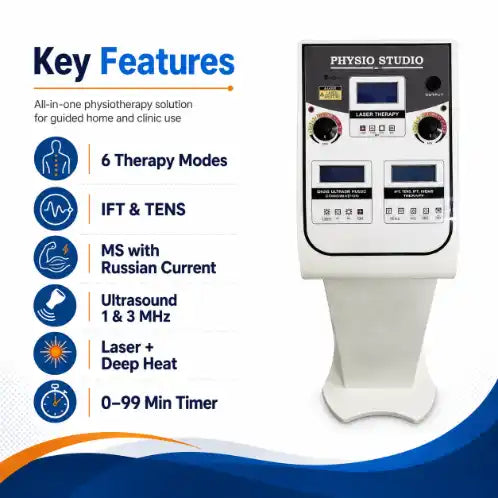
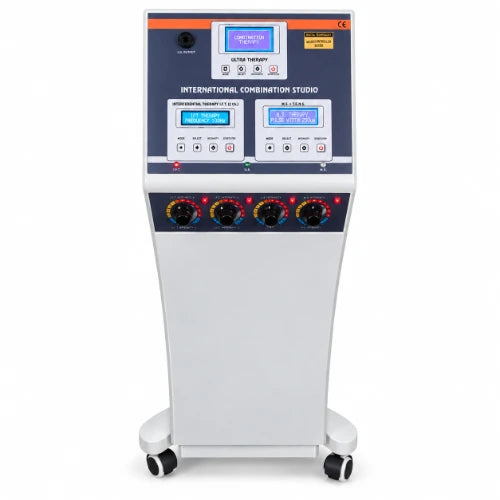
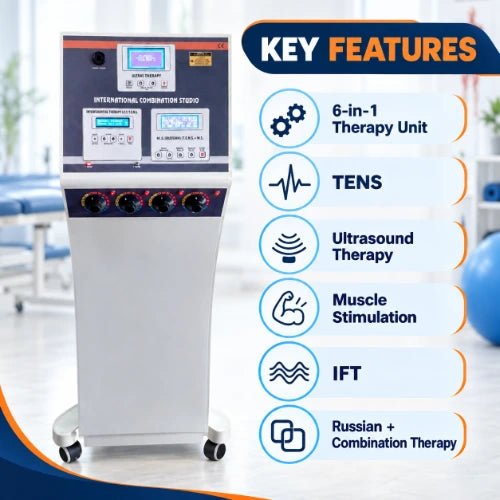
An all-in-one Physio Studio machine combines several treatment functions in one system. Depending on the model, the unit may provide options such as interferential therapy, TENS, muscle stimulation, ultrasound, or other modalities. This format can be attractive to clinics that need several treatment options but have limited space.
Product listings may use descriptions such as “Physio Studio All-in-One Physiotherapy Machine,” “Physio Studio All In One (IFT, Ultrasonic, Exercise Equipment),” “Physio Studio Machine 6 in 1 Physiotherapy Combo Clinic Unit,” or “PHYSIO STUDIO (6 IN 1) - Modular Physiotherapy.” Similar names do not guarantee identical functions, specifications, accessories, or treatment capabilities.
For that reason, examine the exact model and its manufacturer documentation. Confirm which modalities the machine actually includes, whether each function has separate controls, what accessories come with the package, and whether replacement parts are available.
Some product examples or search terms may include Medansh Physio Studio Machine (6-in-1 Combo), PHYSIONEST 6 in 1 Physio Studio Physiotherapy Machine, Physio Studio 6-in-1, Physio Studio 6-in-1 Machine, and systems advertised with IFT, TENS, MS, Laser, or US functions. These names should be treated as product identifiers rather than proof that every unit includes the same features.
Also review the available technical information. A useful product description should clearly state the included modalities, relevant operating specifications, intended users, accessories, warranty terms, training requirements, and service arrangements. If a seller does not provide sufficient details, ask for written clarification before purchasing.
Most importantly, a combined unit is a tool, not a complete rehabilitation programme. The therapist still needs to assess the patient, choose suitable interventions, monitor the response, and adapt treatment as the person progresses.
5. Core Modalities Commonly Found in Combined Units
Combined physiotherapy systems may offer several modalities. Although they can appear similar in a product catalogue, each modality has its own intended application, limitations, and safety considerations.
- Interferential Therapy (IFT): Uses electrical currents delivered through electrodes. A qualified professional determines whether it is suitable for the treatment goal.
- Transcutaneous Electrical Nerve Stimulation (TENS): Provides electrical stimulation through skin electrodes and may support pain management in selected situations.
- MS or muscle stimulation: Delivers electrical impulses to stimulate muscle activity. Its use depends on the person’s condition and treatment objectives.
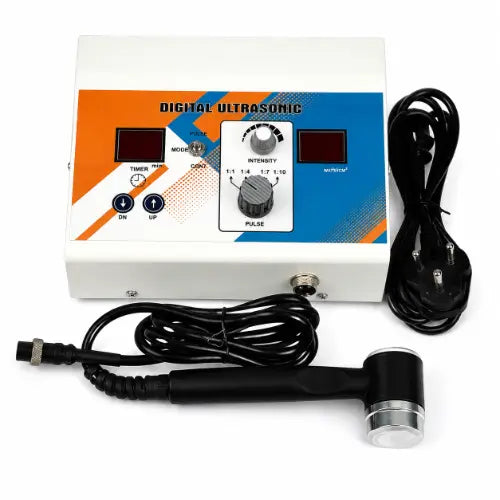
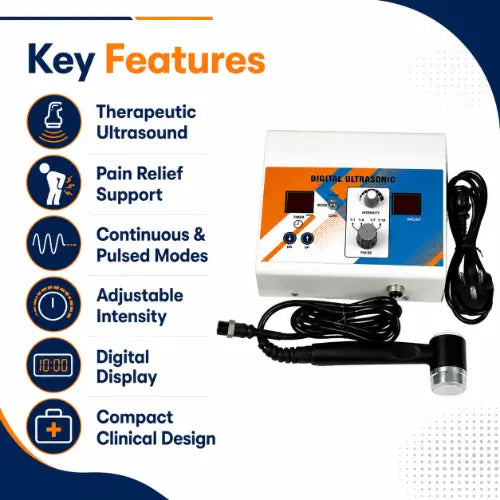
- Ultrasonic Therapy: Uses therapeutic ultrasound. Some devices offer different frequency options, such as 1 MHz and 3 MHz, but frequency selection and application should follow appropriate clinical guidance.
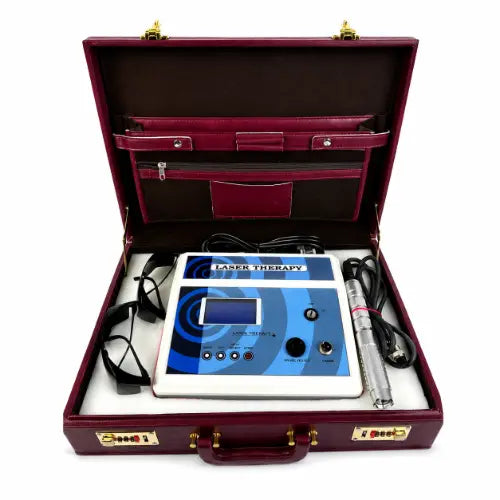
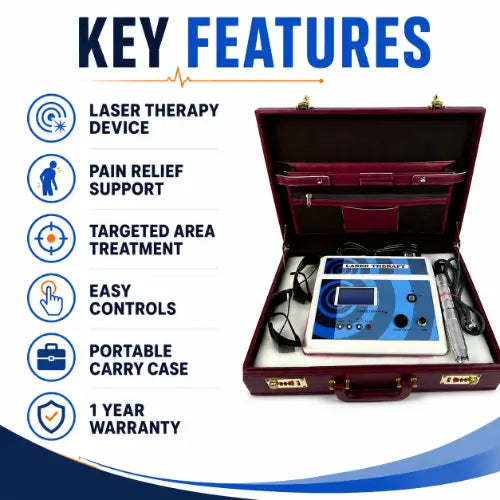
- Laser Therapy: Uses light energy according to the device’s intended therapeutic application. Correct eye protection and adherence to the manufacturer’s safety instructions are important.
- Heat-based modalities: May support comfort in selected circumstances. Temperature, duration, sensation, circulation, and skin condition all influence safe use.
The phrase “Core Therapies Included” in a product listing should be supported by a detailed specification. Check the number of channels, operating modes, supplied accessories, control options, and any required consumables. These details help buyers distinguish a genuinely suitable system from a product that simply uses attractive marketing language.
In addition, do not assume that more modalities automatically mean better results. The usefulness of each function depends on the diagnosis, treatment objective, patient tolerance, and the quality of the overall rehabilitation plan.
6. When an All-in-One Unit Makes Sense
An all-in-one unit may be a practical choice when a clinic regularly uses several compatible modalities and wants to reduce the number of separate machines in the treatment area. A combined console can make storage easier and may simplify equipment organisation. It can also help a new clinic plan its treatment space more efficiently.
Nevertheless, a combined device is not always the most economical option. If the clinic rarely uses some of the included functions, the additional cost may not provide meaningful value. Similarly, if several therapists need to use different modalities at the same time, separate devices may offer greater flexibility.
Consider the clinic’s patient volume, room layout, treatment approach, staff training, maintenance needs, and available budget. Ask whether a single console will genuinely improve workflow or whether it could become a bottleneck during busy periods.
Another important factor is downtime. When one combined unit requires repair, several treatment functions may become unavailable at once. Before purchasing, ask about service turnaround, replacement parts, warranty coverage, and the availability of technical support.
Ultimately, select an all-in-one Physio Studio system when its included functions match the services you actually provide. A carefully chosen unit can support an organised clinic, while a poorly matched system may add cost and complexity without improving patient care.
7. Electrotherapy, Ultrasound, Laser, and Heat Each Have Different Roles
Physiotherapy equipment often includes devices that use electrical stimulation, ultrasound, laser, or heat. Although sellers may group these products together, their functions differ. Understanding those differences helps patients and clinic owners ask better questions and avoid unrealistic expectations.
Electrotherapy Supports Pain and Activation Goals
Electrotherapy includes several approaches that use electrical stimulation. TENS is commonly associated with pain management, while other stimulation methods may be used for selected muscle activation goals. The appropriate application depends on the device, the person’s condition, and the treatment plan.
However, not every person is a suitable candidate for every form of electrical stimulation. Certain medical conditions, implanted electronic devices, pregnancy-related considerations, skin problems, and electrode placement may affect suitability. Always check the manufacturer’s instructions and seek professional advice before use.
Moreover, symptom relief does not necessarily mean that the underlying cause has been resolved. If a device makes movement more comfortable, a therapist may use that opportunity to support suitable exercise or functional activity. The overall plan should remain focused on the patient’s goals.
Ultrasound Is a Modality, Not a Complete Plan
Therapeutic ultrasound uses sound energy delivered through a suitable treatment head and coupling medium. Some equipment offers 1 MHz and 3 MHz frequency options. However, buyers should not choose a device based on frequency labels alone. The therapist must determine whether ultrasound is appropriate and how it should be applied.
Ultrasound equipment also requires correct technique, suitable contact, appropriate settings, and adherence to safety guidance. A device should not be used casually on an undiagnosed problem simply because it is available in the clinic.
In many rehabilitation plans, active movement, strengthening, mobility training, and education remain important. Therefore, ultrasound should be considered only when it serves a clear purpose within the broader treatment approach.
Laser and Heat Require Careful Selection
Laser therapy devices vary in their technical specifications and intended applications. Before buying a laser unit, confirm the device classification, manufacturer instructions, required protective equipment, training needs, and local regulatory requirements. Appropriate eye protection is particularly important when indicated by the device documentation.
Heat-based products may offer temporary comfort in selected situations, but they can also cause burns when used incorrectly. People with reduced sensation, circulation problems, fragile skin, or difficulty communicating discomfort may require additional precautions or may need to avoid particular products.
As a result, the best equipment choice is the one that matches the intended user, treatment goal, and safety requirements. Do not rely on broad claims that a device works for every type of pain or speeds up every kind of recovery.
8. Exercise Equipment Is the Engine of Long-Term Recovery
Exercise equipment plays a central role in many rehabilitation programmes because it can help people practise movement, develop strength, improve balance, and return to everyday activities. Although powered modalities attract attention, simple exercise tools can be highly practical when a therapist selects them for the right purpose.
Useful options vary according to the patient’s abilities and goals. For example, someone recovering from a lower-limb injury may need progressive resistance and balance training. Meanwhile, a person working on shoulder movement may need a different combination of mobility and strengthening tools.
- Resistance options: Bands, light weights, adjustable resistance tools, and other equipment that supports gradual strengthening.
- Balance and control tools: Appropriate balance pads, stable platforms, and supervised equipment for coordination training.
- Mobility tools: Mats, steps, stretching aids, and tools that support prescribed movement practice.
- Functional rehabilitation tools: Equipment that helps patients practise tasks related to walking, standing, reaching, lifting, or other daily activities.
- Comfort and safety items: Supportive cushions, stable seating, non-slip surfaces, and suitable handholds.
Progression is important. Patients should begin at a level that matches their ability and increase difficulty according to the rehabilitation plan. Increasing resistance or repetition too quickly can aggravate symptoms or compromise technique.
Additionally, equipment should suit the available space. A home user may benefit from a small collection of versatile tools, while a busy clinic may need several sizes, resistance levels, or duplicate items. Choose equipment that can be cleaned easily and stored safely between sessions.
For long-term results, the exercise programme should also connect with daily life. The therapist can help the patient understand how the exercises support walking, work, household activities, sport, or another personal goal. In this way, equipment becomes part of a practical recovery plan rather than a collection of unused accessories.
9. Recovery Equipment for Home and Clinic Should Fit the Setting
Home and clinic environments have different requirements. A professional treatment room may need robust equipment, multiple treatment options, adjustable settings, and service support. In contrast, home users usually benefit from simple instructions, safe storage, easy operation, and a clear recommendation from their healthcare professional.
Before choosing a product, consider who will use it, how often it will be used, how much space is available, and whether the user can operate it independently. These factors can be more important than the number of features shown on the product page.
Home Settings Need Clarity and Low Risk
Home rehabilitation equipment should be suitable for the user’s ability and living environment. Clear instructions, manageable size, straightforward cleaning, and secure storage can make regular use easier. If a device requires specialist training or complex settings, it may not be suitable for unsupervised use.
Likewise, avoid buying equipment because a product description promises fast or universal recovery. Ask the treating professional whether the item is needed, what it should help achieve, how often it should be used, and which signs mean the user should stop.
Clinic Settings Need Reliability and Scalability
Clinics should consider reliability, patient throughput, staff training, servicing, and the cost of consumables. Equipment must also fit the room layout and the clinic’s infection-control procedures. Where multiple practitioners share devices, clear operating instructions and maintenance records help maintain consistency.

Think about future demand as well. A clinic that expects to expand may need equipment that can accommodate additional treatment rooms or a wider range of patient needs. However, buying for hypothetical future services can waste money if the clinic has not established that demand.
People may also search for phrases such as physiotherapy equipment in Australia or rehabilitation equipment suppliers in Nigeria. When comparing suppliers in any market, check delivery options, warranty coverage, local servicing, product compliance, replacement accessories, and whether the device meets the needs of the intended setting.
In every location, the same principle applies: choose based on suitability, verified specifications, and support rather than marketing claims alone.
10. What Should You Know About Neck Symptoms Before Choosing Devices?
Neck pain can have several causes, including muscle strain, joint irritation, nerve involvement, or other medical conditions. Symptoms may include stiffness, discomfort during movement, headaches, tingling, numbness, or pain that travels into the shoulder or arm. Because these symptoms can have different causes, a proper assessment is important before choosing treatment equipment.
People sometimes search for information about C5 and C6 spinal levels, nerve compression, or whether a neck problem can lead to paralysis. Problems affecting the cervical spine can vary widely in severity. Some conditions cause local pain, while more serious spinal cord or nerve problems can affect strength, sensation, coordination, or walking.
Do not attempt to diagnose a cervical spine condition from a product listing or online symptom description. A qualified healthcare professional can assess the symptoms, medical history, movement, strength, sensation, and other relevant findings to determine whether further investigation is needed.
Seek urgent medical assessment if neck symptoms follow significant trauma or occur with new or worsening limb weakness, difficulty walking, loss of coordination, or other serious neurological changes. Sudden severe symptoms or problems controlling bladder or bowel function also require urgent attention.
Until the cause is understood, avoid using strong treatment settings, aggressive stretching, or forceful neck manipulation without appropriate guidance. Equipment should support a clinically appropriate plan, not delay the assessment of potentially serious symptoms.
11. Sleeping Position and Cervical Stenosis
Sleeping position can influence comfort for some people with neck pain. A supportive pillow that keeps the neck in a comfortable, neutral position may help reduce unnecessary strain. However, there is no single pillow height or sleeping posture that works for everyone.
People with cervical stenosis or other cervical spine conditions should follow advice based on their symptoms and clinical assessment. Avoid assuming that a particular pillow, traction device, heat pack, or exercise tool will treat the underlying condition. If a position consistently increases pain, numbness, tingling, or weakness, stop using it and seek professional advice.
For some people, side sleeping with appropriate head support feels comfortable. Others may prefer sleeping on their back with a suitable pillow. The important point is comfort without forcing the neck into an extreme position. Stomach sleeping may place additional rotation through the neck for some individuals, so people who notice worsening symptoms in this position may wish to discuss alternatives with their clinician.
When symptoms include progressive weakness, balance changes, hand coordination difficulties, or walking problems, do not rely on sleep adjustments alone. These symptoms warrant medical assessment, especially when they are new or worsening.
12. Exercises to Approach Carefully
Exercise is an important part of many physiotherapy programmes, but not every exercise is appropriate for every condition. Neck circles, forceful stretching, heavy resistance, and movements that reproduce neurological symptoms may be unsuitable for some people. Exercise selection should reflect the diagnosis, symptom response, and the individual’s functional ability.
For example, a person with unexplained arm weakness or symptoms that travel down the arm should not simply increase exercise intensity in an attempt to “work through” the problem. Similarly, aggressive stretching may aggravate some conditions instead of improving mobility.
A physiotherapist can demonstrate suitable movements, explain how to perform them correctly, and set a safe progression. The programme may include gentle range-of-motion work, posture-related advice, strengthening, or other activities depending on the assessment.
Stop an exercise and seek advice if it causes a substantial increase in symptoms, new tingling or numbness, dizziness, weakness, or a loss of coordination. If symptoms are severe or sudden, seek urgent medical attention rather than trying another exercise or device.
13. Duration of Physiotherapy for Neck Pain
The duration of physiotherapy for neck pain depends on the cause, symptom severity, general health, functional limitations, and response to treatment. Some people improve over a short period, while others need a longer programme because their condition is more complex or their daily activities continue to challenge recovery.
There is no universal number of sessions that guarantees recovery. The therapist may review progress regularly and adjust the treatment plan according to changes in pain, movement, strength, confidence, and everyday function. If progress is limited or symptoms change, further assessment may be appropriate.
Some people use the “80/20 rule” as a general reminder that a few consistent habits can make a meaningful difference. However, this is not a validated formula for predicting recovery or determining the correct treatment duration. A suitable programme should be based on the individual’s clinical needs rather than a fixed percentage.
Home exercises, gradual return to activity, sleep habits, and following professional advice can all support progress. Equipment may help with selected parts of the programme, but buying additional devices does not necessarily shorten recovery time.
Discuss expected milestones with the treating professional. Clear goals make it easier to understand whether treatment is helping and whether the plan needs to change.
14. Red Flags and the 5 D’s Should Guide Safe Decisions
Before choosing physiotherapy equipment for neck symptoms, it is important to recognise signs that may require medical assessment. The so-called “5 D’s” are often discussed in relation to possible neurological or vascular warning symptoms. They are not a diagnosis, but they can help explain why certain symptoms should not be ignored.
- Dizziness: A new or unusual sensation of dizziness, particularly when accompanied by other concerning symptoms.
- Diplopia: Double vision or a sudden change in visual perception.
- Dysarthria: Difficulty speaking clearly or slurred speech.
- Dysphagia: Difficulty swallowing.
- Drop attacks: Sudden falls or collapse without a clear explanation.
These symptoms can have different causes, and not every episode means the same condition is present. However, sudden or unexplained neurological symptoms require prompt medical attention. Sudden speech difficulty, double vision, difficulty swallowing, collapse, or severe dizziness may indicate a medical emergency.
Other concerning signs include a sudden severe headache, new limb weakness, loss of coordination, difficulty walking, symptoms after significant trauma, fever with severe neck stiffness, or progressive neurological changes. Do not attempt to manage these problems by applying heat, using electrical stimulation, or starting a new exercise routine.
Safety should guide equipment selection from the beginning. Confirm that the person has been appropriately assessed, review the device instructions, and make sure the chosen treatment is suitable. When symptoms are unclear, medical advice should come before purchasing or using a treatment device.
Important safety note: This article provides general educational information and does not replace diagnosis or individual medical advice. Sudden or severe neurological symptoms require urgent assessment. Follow the instructions supplied with any medical or physiotherapy device.
15. The Main Areas of Physiotherapy Shape Equipment Choices
Physiotherapy covers a wide range of conditions and rehabilitation goals. As a result, the best equipment for one clinical area may not be useful in another. Understanding the main areas of physiotherapy helps clinics and home users focus on the tools that match their needs.
Musculoskeletal Physiotherapy
Musculoskeletal physiotherapy commonly addresses problems involving muscles, joints, tendons, ligaments, movement, and physical function. Depending on the patient’s needs, equipment may include resistance bands, weights, exercise mats, mobility aids, balance tools, and selected treatment modalities. The primary goal is to support appropriate movement and functional improvement.

Neurological Physiotherapy
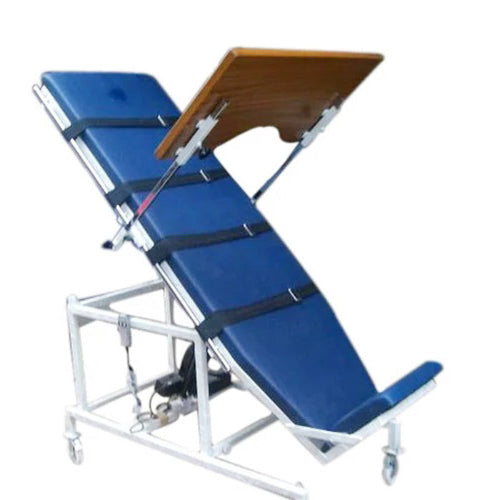
Neurological physiotherapy supports people who experience movement, balance, coordination, or functional difficulties associated with neurological conditions. Equipment choices depend on the person’s abilities and rehabilitation objectives. Options may include supported exercise equipment, balance aids, walking aids, positioning supports, and tools for practising daily activities.
Cardiopulmonary Physiotherapy
Cardiopulmonary physiotherapy focuses on aspects of exercise tolerance, breathing, and physical function in people with relevant heart or lung conditions. Depending on the care plan, equipment may include monitoring tools, suitable exercise equipment, and breathing-related resources. Medical supervision and condition-specific precautions may be necessary.
Which Area of Physiotherapy Is Best?
No single area of physiotherapy is best for every person. The right approach depends on the condition, goals, symptoms, and professional assessment. For equipment buyers, this means starting with the patient population and services rather than choosing a device simply because it is popular.
What Is Another Name for a Physiotherapist?
In some countries, a physiotherapist may also be called a physical therapist. Terminology can vary by region and professional system, but the important factor is that the practitioner has the appropriate qualifications and scope of practice for the services being provided.
For a clinic, matching equipment to its clinical focus helps avoid unnecessary purchases. For home users, understanding the treatment goal makes it easier to follow recommendations and ask informed questions about the equipment being considered.
16. Comparing Products Without Getting Lost in Feature Lists
When comparing physiotherapy equipment, use the same decision factors for every product. A long feature list may look impressive, but it does not necessarily show which product offers the best value for a particular clinic or patient. Consider space, flexibility, workflow, training, maintenance, and suitability for home use.
| Decision Factor | All-in-One Unit | Separate Devices |
|---|---|---|
| Space use | Often compact for multiple modalities. | Requires more storage and treatment space. |
| Flexibility | Useful when several included modes are needed. | Useful when each room needs a dedicated tool. |
| Workflow | One console may simplify setup. | Multiple patients may use different devices at once. |
| Training | Staff must understand all included modes. | Training may be simpler for each individual device. |
| Maintenance | One unit failure may affect several services. | One failed device may not stop all modalities. |
| Home suitability | May be excessive without professional guidance. | Simple, purpose-specific devices may be more suitable. |
Use this comparison as a starting point, not a universal ranking. A small clinic with limited room may benefit from an integrated system. A larger clinic with several therapists may prefer separate equipment to support parallel treatment sessions.
When reviewing products such as Medansh, PHYSIONEST, Physio Studio All-in-One Units, or a Physiomodalities Multi-Therapy System, verify the exact specifications of the model being offered. Brand or product names alone do not establish quality, clinical suitability, or value for money.
Also compare the supplied accessories, service arrangements, safety instructions, and warranty conditions. A lower purchase price may be less attractive if essential accessories cost extra or local technical support is unavailable.
17. Pricing and Where to Buy Require More Than a Quick Quote
Physiotherapy equipment prices vary according to the device type, number of functions, technical specifications, included accessories, supplier, warranty, and service arrangements. Therefore, it is difficult to compare prices fairly without confirming that the products offer similar functions and support.
Before requesting a quote or placing an order, ask the supplier to provide the following information in writing:
- Clear product specifications: The exact model, included modalities, relevant technical details, and intended use.
- Warranty details: The coverage period, exclusions, and process for raising a service request.
- Accessories: The electrodes, leads, applicators, cables, probes, or other items included with the product, where applicable.
- Training: Whether user training or an operating demonstration is available.
- Safety documentation: Appropriate instructions, warnings, compliance information, and device documentation.
- Return and repair policies: The conditions that apply if the product arrives damaged or requires servicing.
- Consumables and spare parts: Availability and expected replacement costs for items used during normal operation.
- Delivery and installation: Delivery charges, setup requirements, and any additional installation fees.
Which company is best for physiotherapy equipment? The answer depends on the specific product and the support available in your area. Instead of relying on a single brand claim, compare verified specifications, service quality, warranty terms, product suitability, and feedback from credible sources.
How much does one hour of physiotherapy cost? Fees vary by location, provider qualifications, treatment setting, appointment type, and the services included. A clinic visit, specialist assessment, home visit, and follow-up session may have different prices. Therefore, ask the provider for the current fee and clarify what the session includes.
Similarly, a device quote should identify whether taxes, delivery, accessories, installation, and training are included. Requesting a complete written quote makes it easier to compare suppliers and reduces the risk of unexpected costs after purchase.
For a new clinic, it may be sensible to prioritise essential assessment and exercise equipment first. Additional machines can be added as patient demand, service offerings, and budget become clearer.
18. A Buyer’s Checklist for Home and Clinic Decisions
Before buying physiotherapy equipment, review the product against four important areas: clinical fit, practical fit, safety fit, and supplier fit. This checklist helps you make a more informed decision and avoid purchases based mainly on marketing claims.
Clinical Fit
- Identify the condition, treatment goal, and intended user.
- Confirm that the equipment is appropriate for the planned application.
- Ask whether a qualified professional should assess or supervise its use.
- Check contraindications and any important limitations.
- Consider how the device fits alongside exercise and functional rehabilitation.
Practical Fit
- Measure the available space before ordering larger equipment.
- Check the power requirements and installation needs, where applicable.
- Confirm that the controls and instructions are understandable.
- Consider cleaning, storage, portability, and daily workflow.
- Estimate the full cost of ownership, including accessories and maintenance.
Safety Fit
- Read the manufacturer’s instructions and warnings.
- Confirm the intended user group and operating requirements.
- Check whether training, protective equipment, or supervision is necessary.
- Review electrical safety, cleaning procedures, and inspection requirements.
- Know when to stop treatment and seek professional advice.
Supplier Fit
- Verify the exact model and the features included in the quoted price.
- Ask for written warranty terms and service details.
- Confirm that accessories and replacement parts are available.
- Check delivery timelines, installation charges, and return conditions.
- Compare suppliers using specifications and support, not price alone.
After completing this checklist, shortlist only the products that meet your essential requirements. Then compare their total cost, usability, and long-term value. This process keeps the decision focused and makes it easier to explain why a particular product is suitable for the clinic or home setting.
19. The Best Equipment Still Depends on Education and Consistency
High-quality physiotherapy equipment can support treatment, but its value depends on correct selection and use. Even an advanced machine may offer limited practical benefit when the treatment goal is unclear or the user does not understand the operating instructions. Education is therefore an important part of equipment selection.
For clinics, staff should understand the purpose, controls, safety precautions, cleaning process, and maintenance requirements of every device. Clear procedures help practitioners use equipment consistently and reduce avoidable operating errors. New staff members should receive suitable instruction before using unfamiliar systems.
For home users, a therapist should explain the recommended purpose of the device, how to use it, and what results to expect. Users should also understand which symptoms require them to stop and ask for advice. If the instructions are confusing, request clarification rather than experimenting with settings.
Consistency also matters. Rehabilitation often requires regular practice, gradual progression, and changes to everyday activity. A suitable device can support that process, but it cannot replace the patient’s active participation or professional guidance.
In addition, review progress rather than assuming that a device must be working because it is being used. The therapist may assess comfort, movement, strength, daily function, and other relevant outcomes. If the plan is not meeting its goals, the next step may be to reassess the treatment approach rather than purchase another machine.
Finally, maintain the physiotherapy equipment according to the manufacturer’s instructions. Regular inspection, correct storage, appropriate cleaning, and timely servicing help keep devices in suitable working condition. These simple steps support safer use and protect the investment over time.
20. Key Takeaways for Choosing Physiotherapy Equipment
Choosing the right physiotherapy equipment requires more than comparing product names or counting the functions listed on a sales page. The most suitable choice is the one that supports a clear rehabilitation goal, fits the intended environment, and can be used safely and consistently.
- Start with assessment: Understand the condition and treatment objective before selecting physiotherapy equipment.
- Prioritise function over features: A device is useful when it meets a real need, not simply because it offers more settings.
- Choose all-in-one units carefully: Combined systems can save space, but their included functions should match actual clinical demand.
- Value simple tools: Exercise bands, mats, balance physiotherapy equipment, and mobility aids can support important rehabilitation goals.
- Keep safety central: Review contraindications, instructions, training requirements, and warning symptoms.
- Evaluate suppliers thoroughly: Compare warranty coverage, servicing, accessories, documentation, and total cost.
- Support an active plan: physiotherapy Equipment should complement appropriate exercise, education, and professional follow-up.
For a home setup, simplicity and clear guidance are often more useful than a large collection of machines. For a clinic, reliability, workflow, patient needs, staff training, and maintenance deserve equal attention. In both settings, a purchase should have a clear purpose and a realistic plan for use.
The most useful setup may combine a few well-chosen therapy devices, practical exercise physiotherapy equipment, and a clear rehabilitation plan. By matching physiotherapy equipment to individual needs and checking supplier information carefully, buyers can make more informed decisions and build a setup that supports safe, purposeful rehabilitation.
21. Frequently Asked Questions About Physiotherapy physiotherapy Equipment
1. What physiotherapy equipment is commonly used in a physiotherapy clinic?
Common physiotherapy equipment may include a treatment couch, assessment tools, resistance bands, exercise mats, balance physiotherapy equipment, mobility aids, and selected electrotherapy or other modality devices. The exact list depends on the clinic’s services and patient needs.
2. Is an all-in-one Physio Studio machine suitable for every clinic?
No. An all-in-one machine may suit clinics that regularly use several included modalities and need to save space. However, separate devices may be more flexible when different therapists need to treat patients at the same time.
3. Which physiotherapy equipment is best for home use?
The best option depends on the person’s condition and professional recommendations. Simple exercise tools may be sufficient for some rehabilitation plans, while selected users may benefit from a prescribed device. Do not choose powered treatment physiotherapy equipment without confirming that it is suitable.
4. Does expensive physiotherapy equipment provide better results?
Not necessarily. physiotherapy Equipment should be judged by its suitability, safety, usability, reliability, and fit with the treatment plan. A more expensive device may offer functions that the user does not need.
5. What should I check before buying electrotherapy physiotherapy equipment?
Review the exact model, intended use, operating instructions, contraindications, accessories, training requirements, warranty, servicing, and replacement-part availability. A qualified professional should help determine whether the device is appropriate for the intended user.
6. Can physiotherapy equipment replace exercises?
No. physiotherapy Equipment may support selected parts of rehabilitation, but it does not replace a complete treatment plan. Depending on the condition, appropriate movement, strengthening, functional practice, education, and follow-up may remain essential.
7. How can I compare physiotherapy equipment suppliers?
Compare written specifications, warranty terms, service support, accessories, training, delivery costs, and the availability of replacement parts. Consider the full cost of ownership rather than choosing solely by the initial quoted price.
8. Is physiotherapy equipment safe for neck pain?
Some physiotherapy equipment may be suitable for selected neck conditions, but safety depends on the diagnosis, symptoms, device, and correct use. Seek professional advice before using treatment devices, particularly when symptoms include numbness, weakness, balance problems, or other warning signs.
9. What is more important: treatment machines or exercise physiotherapy equipment?
Both can have a role, depending on the clinical setting and rehabilitation goals. Exercise physiotherapy equipment supports movement and functional training, while selected treatment machines may help with specific objectives. The best balance depends on the treatment plan.
10. What is the first step when setting up a physiotherapy room?
Start by identifying the patients you will treat, the services you will provide, the available space, and the essential assessment and exercise needs. Then choose physiotherapy equipment that supports those priorities and expand the setup as your requirements become clearer.
Disclaimer: This content is for general educational purposes. It does not replace individual medical assessment, diagnosis, or treatment advice. Follow the instructions supplied with medical devices and consult an appropriately qualified healthcare professional when choosing physiotherapy equipment for a specific condition.