
Thera-Band Professional Latex Resistance Loop Band
Choose options
Thera-Band Professional Latex Resistance Loop Band
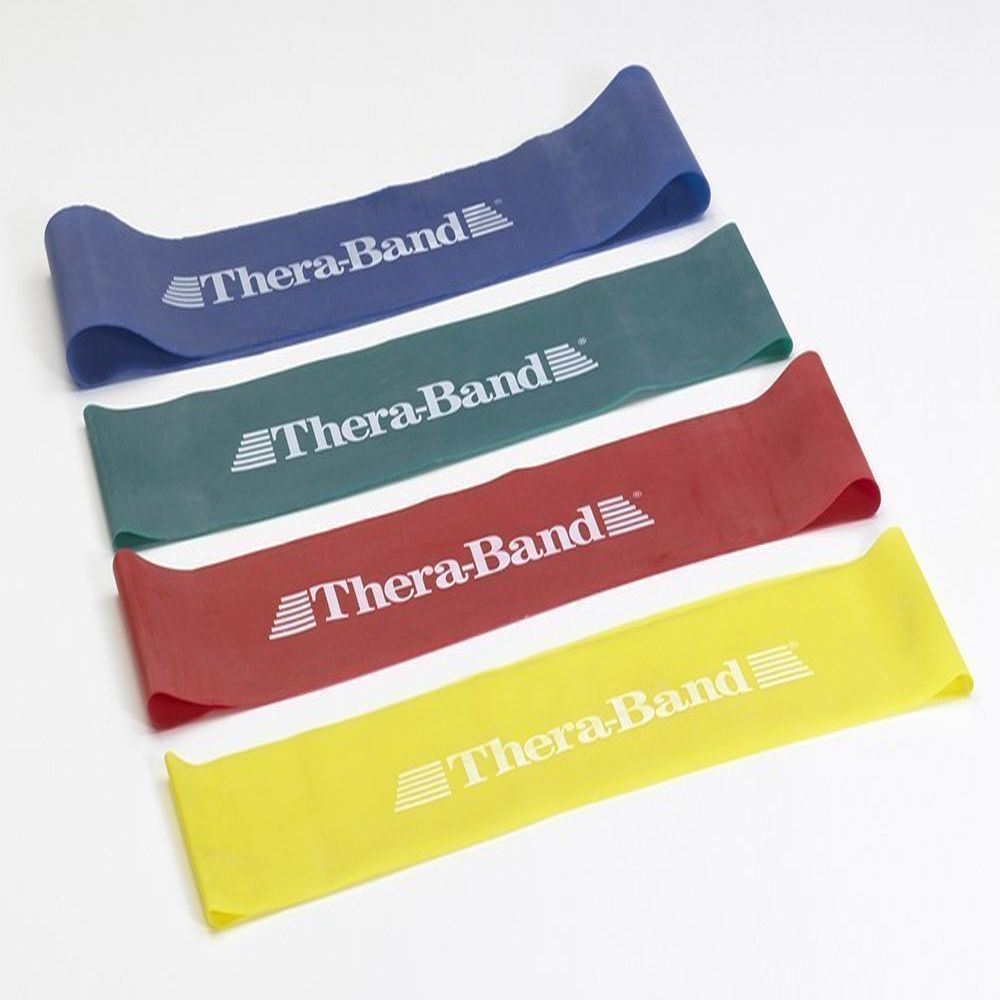
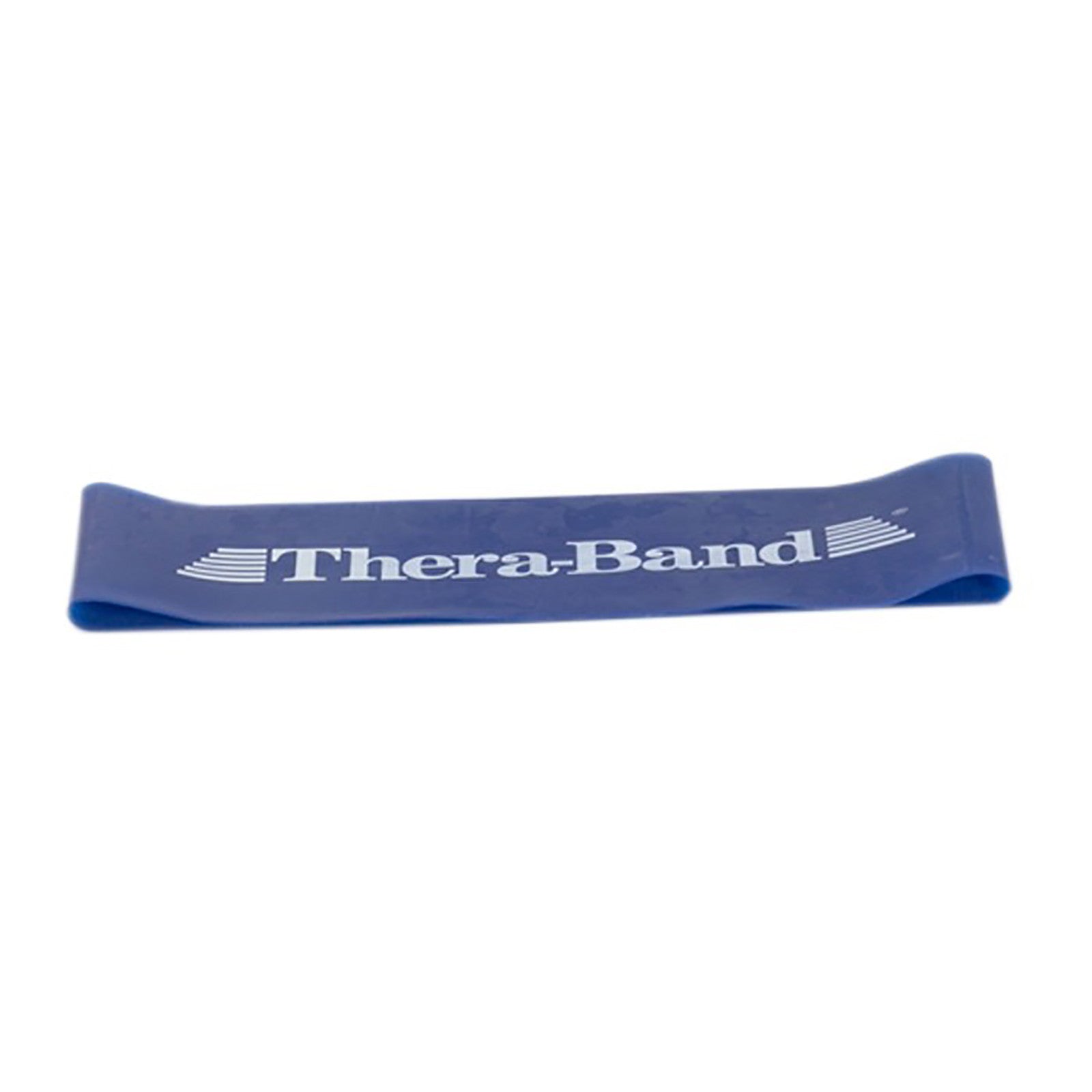
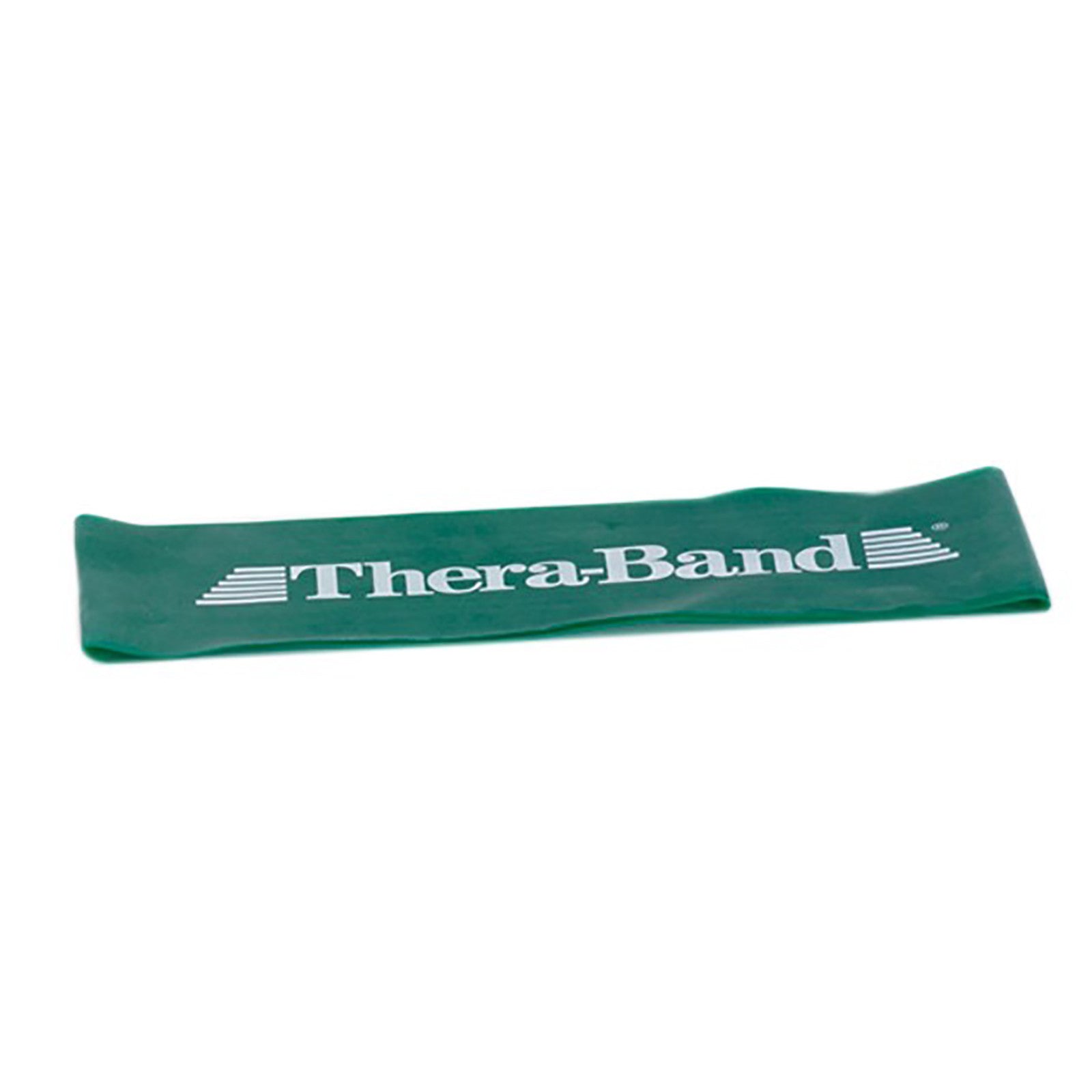
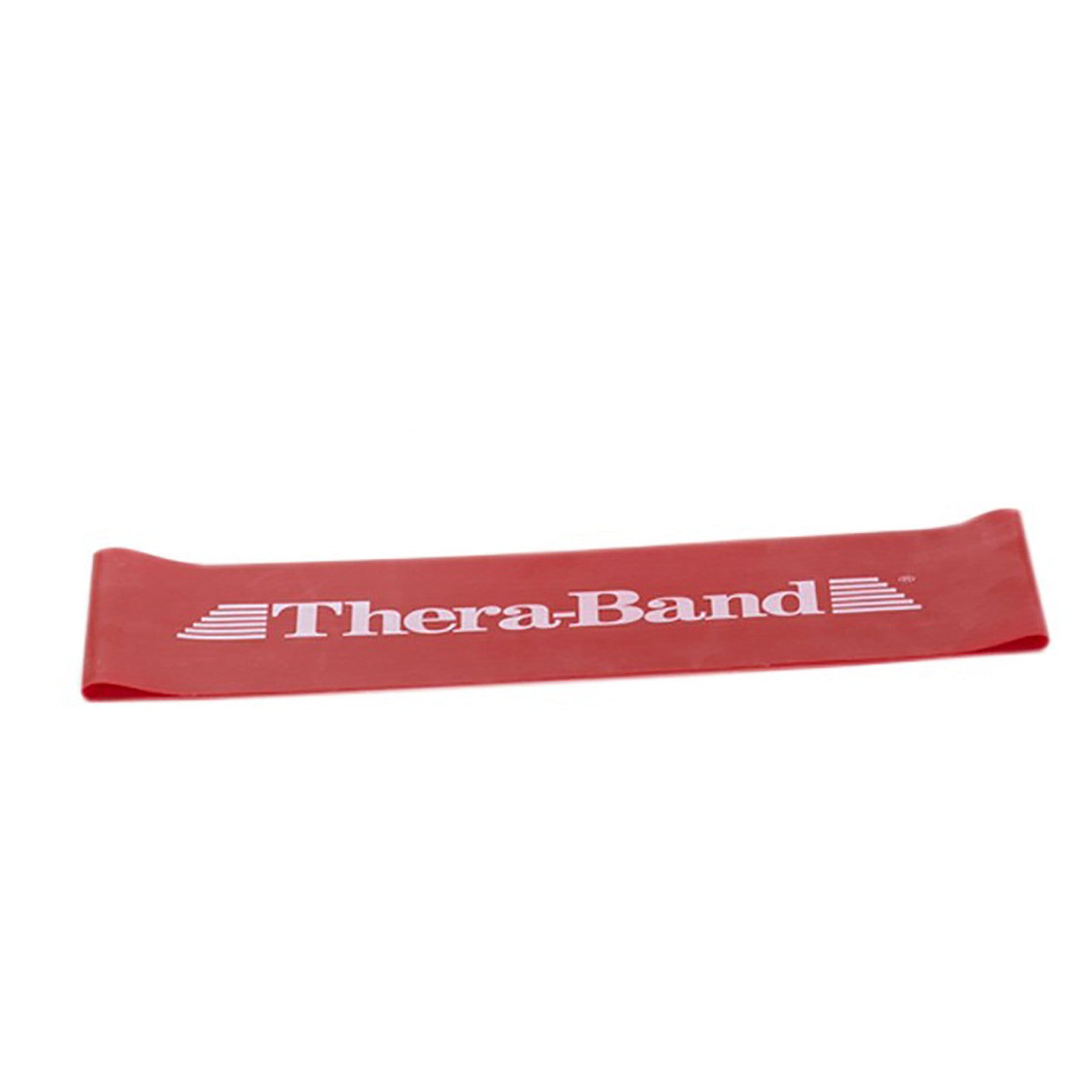
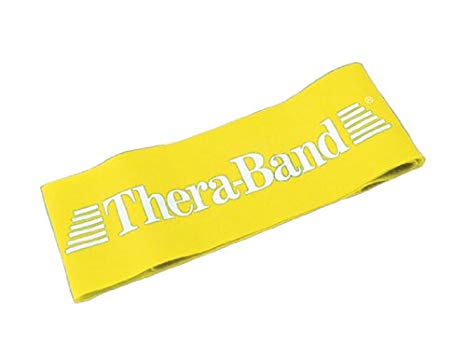
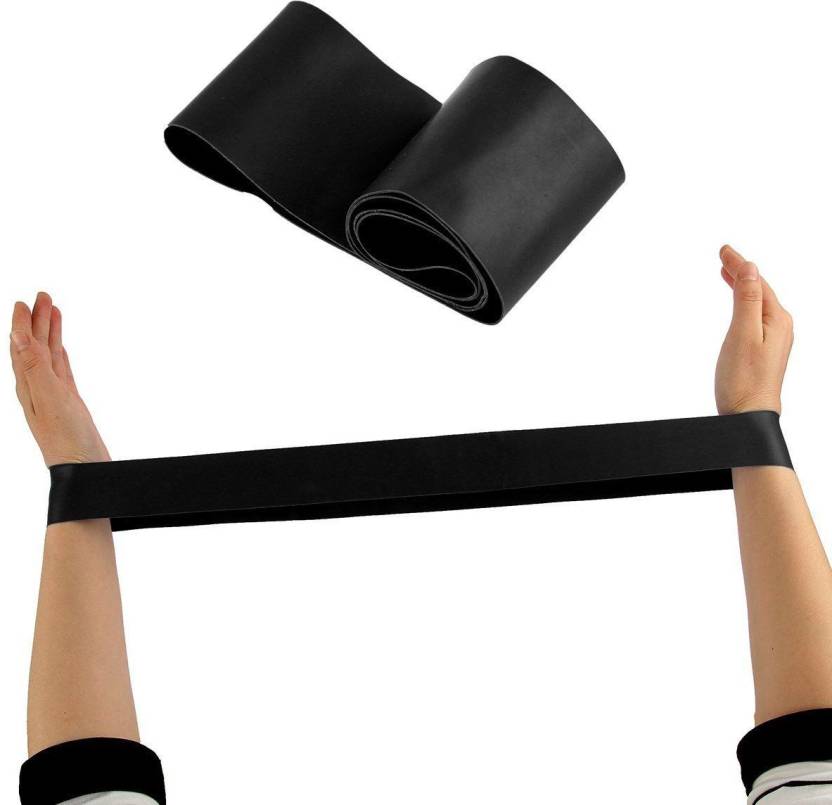
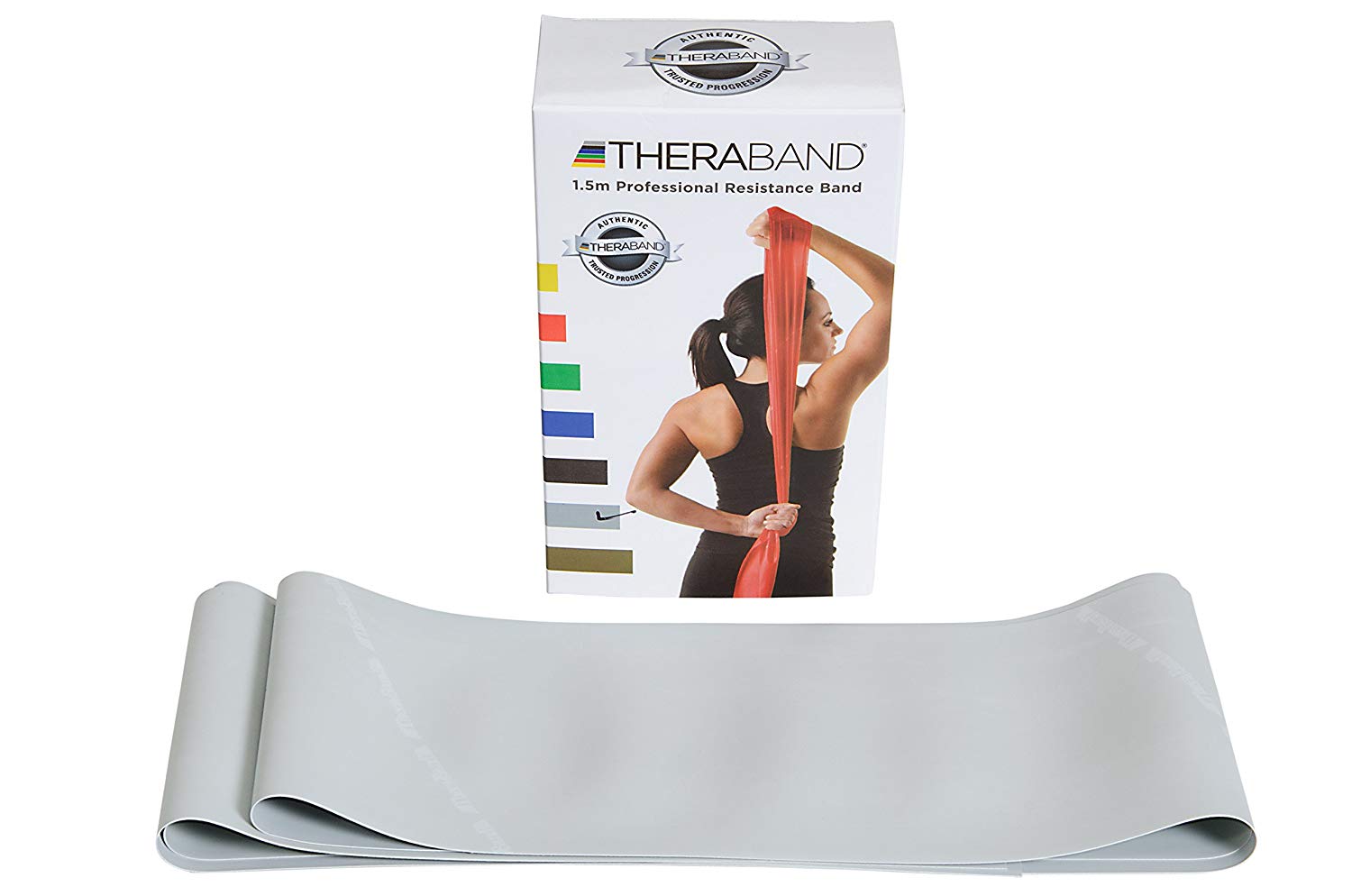
The Thera-Band Professional Latex Resistance Loop Band is a continuous, 3-inch wide latex loop built for physiotherapy clinics, rehabilitation programs, and home exercise routines. Unlike flat resistance bands that need to be knotted into a loop before use, this band is manufactured as a single seamless circle, ready to use straight out of the pack. It comes in seven colors — Blue, Green, Red, Yellow, Tan, Black, and Silver — giving therapists, trainers, and home users a range of options for building a progression into a lower-body training program.
Who It's For
This loop band is designed for anyone working on lower-body strength, hip stability, and balance. That includes physiotherapy patients following a rehabilitation plan, clinicians who need a repeatable tool for guided sessions, and everyday exercisers who want to add resistance work to a home routine without bulky equipment. Because it is lightweight and easy to pack, it also suits trainers moving between clients or treatment rooms, and anyone who wants a portable option for travel workouts.
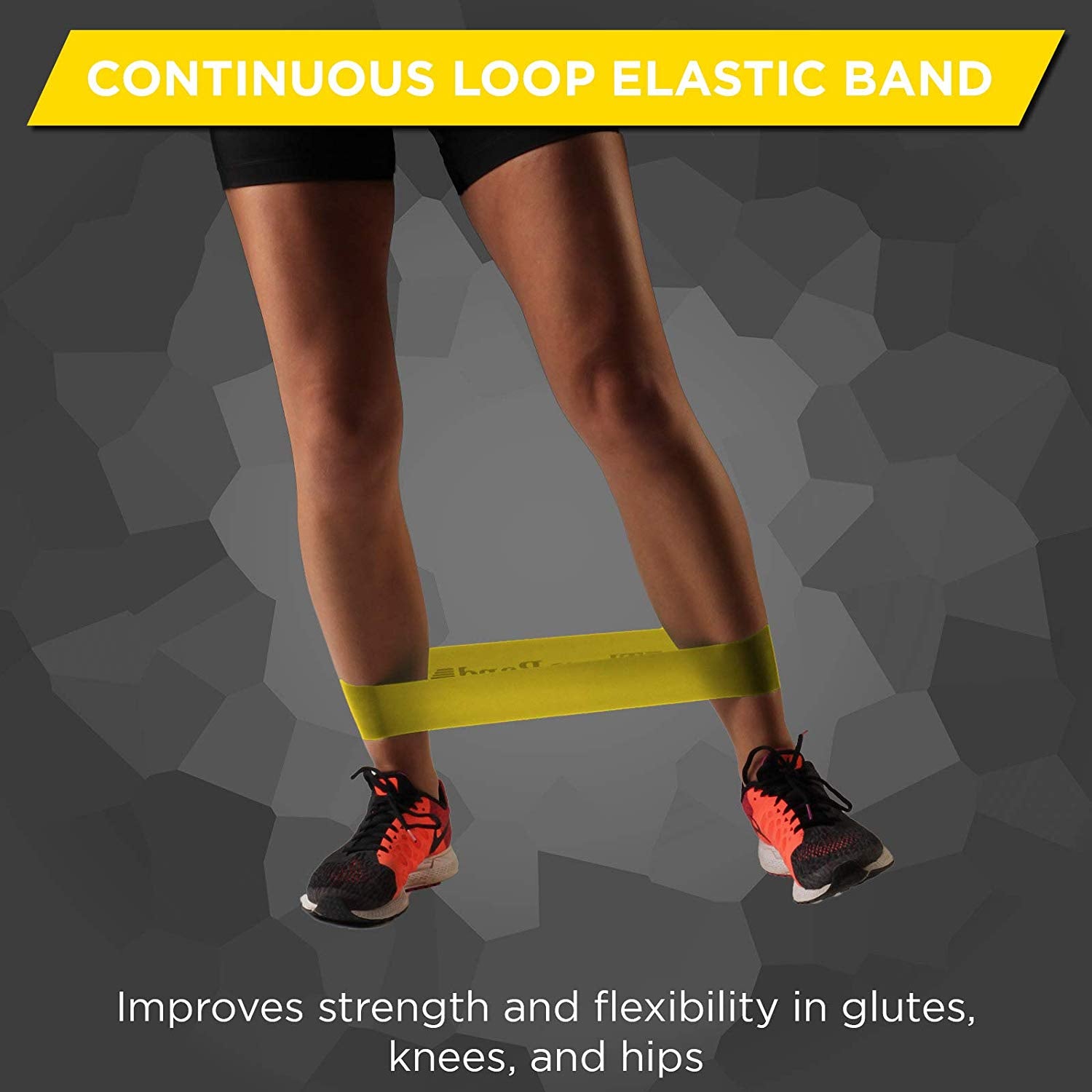
Lower-body and hip work is a common focus in physiotherapy and general strength training because the muscles around the hips and glutes play a central role in walking, running, climbing stairs, and maintaining balance. A loop band placed around the legs, above the knees, or around the ankles adds resistance directly to these movement patterns, which is why loop bands are a staple in both clinical rehab programs and general fitness routines.
Continuous Loop vs. Tied Flat Bands
Many resistance band systems rely on a flat length of band that has to be tied into a loop before each use. That knot is a weak point: it can slip, dig into the skin, and gradually fray the material with repeated tying and untying. This band avoids that altogether by being manufactured as a continuous loop from the start — no knot to tie, no loose ends to manage, and no extra wear concentrated at a single point. That makes it more comfortable to wear, quicker to set up between sets or patients, and generally longer-lasting than a band that is repeatedly retied.
The seven color options are a practical feature for building a home or clinic band collection. As with most loop band systems, different colors are typically used to represent different points along a resistance progression, letting a patient move from a lighter band to a heavier one as strength improves, or letting a clinic keep a full set on hand to match the right band to the right stage of a program. Exact resistance levels can vary between manufacturers, so it's worth checking with a physiotherapist or trainer on which color suits a specific program rather than assuming a fixed resistance value.
How to Use It
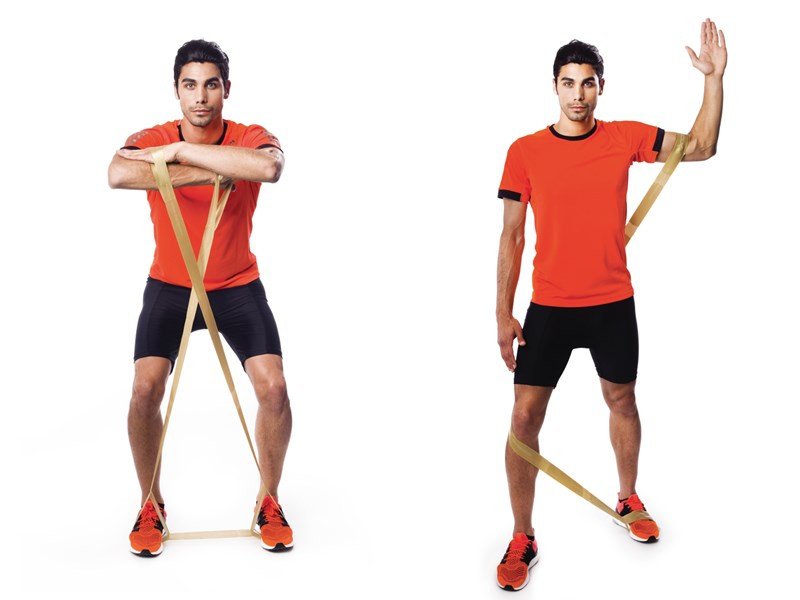
Loop bands like this one are typically used by stepping into the loop and positioning it around the legs — above the knees, around the mid-thighs, or around the ankles, depending on the exercise — or by looping it around a fixed anchor for upper-body or trunk work. Because the loop is continuous, it stays in place during movement without needing to be adjusted or retied. Common lower-body exercises that use a loop band of this kind include:
- Lateral band walks: With the band above the knees or around the ankles, take controlled side steps while keeping tension on the band throughout. A widely used exercise for activating the hip abductors and glutes, common in rehab and general strength programs.
- Squats with band resistance: Placing the loop above the knees during a bodyweight squat adds resistance that encourages the knees to track outward rather than caving inward, a common cueing tool in physiotherapy and strength training alike.
- Glute bridges: With the band around the thighs just above the knees, lying on the back and lifting the hips into a bridge position adds resistance to glute activation, a standard exercise in lower-body rehab and strengthening programs.
- Standing hip abduction and clamshells: The loop can also sit around the ankles or thighs for standing leg raises to the side, or around the thighs during clamshells performed lying on one side, both common exercises for hip stability.
As with any resistance training tool, exercises should be performed with controlled movement and appropriate form, and anyone recovering from injury or surgery should follow the specific program set by their physiotherapist rather than a generic exercise list.
Care and Storage
Latex resistance bands are durable but benefit from a few basic care habits that help them last longer and stay safe to use:
- Store the band away from direct sunlight and extreme heat, as prolonged UV exposure and heat can degrade latex over time.
- Keep the band away from sharp objects, rings, jewelry, or rough surfaces that could nick or puncture the material.
- Check the band for small tears, thinning patches, or punctures before each use, since a compromised band can snap unexpectedly under tension.
- Wipe the band clean after use and let it dry fully before storing, especially in a shared clinic setting.
- Replace the band once it shows visible signs of wear, such as cracking, stickiness, or loss of elasticity.
Frequently Asked Questions
Why are there seven different colors?
The different colors make it easier to build a full progression of bands for a rehab plan or training program, and to tell bands apart at a glance. Color generally indicates a different point in the resistance progression, though exact resistance can vary by brand, so check with your therapist or trainer on which color suits your program.
What is the band made from?
This is a latex resistance band. Latex is a common material for resistance bands because it is elastic and durable, but anyone with a known latex allergy or sensitivity should avoid latex bands and look for a latex-free alternative instead.
Is this suitable for physiotherapy and rehab use?
Yes, continuous loop bands like this one are commonly used in physiotherapy and rehabilitation settings for lower-body strengthening, hip stability, and balance work, typically as part of a program designed by a physiotherapist or clinician.
Can this be used at home without a therapist?
Yes, the band is portable and simple enough for general lower-body strength and balance work at home. If recovering from an injury or surgery, it's best used as part of a program guided by a physiotherapist rather than starting on your own.
Do I need to tie this band before using it?
No. Unlike flat resistance bands, this is manufactured as a continuous loop, so there is no knot to tie and no loose ends to manage before you start exercising.