
1
Wooden Wobble Board


Double-tap to zoom · drag to pan · swipe to browse
Wooden Wobble Board
In Stock
Check delivery
See if we deliver to you and when.
Delivering to
Delivery applicable
Free Shipping
on orders ₹999+
100% Genuine
Products
Dedicated
Support
Secure
Payments
Need help choosing or using this product?
Our team can help with product questions and orders.
Chat with support
Choose options
- Ankle rehabilitation: After a sprain or similar injury, controlled balance work is often used to help retrain the sta...
- Core activation: Maintaining balance on an unstable surface naturally engages the deep core and trunk muscles that ke...
- Lower-body strengthening: Standing, squatting, or shifting weight on the board recruits the calves, quadriceps, hamst...
- General balance and coordination practice: Regularly training on an unstable surface is a well-known way to sharpen o...
Check delivery
See if we deliver to you and when.
Delivering to
Delivery applicable
- Ankle rehabilitation: After a sprain or similar injury, controlled balance work is often used to help retrain the sta...
- Core activation: Maintaining balance on an unstable surface naturally engages the deep core and trunk muscles that ke...
- Lower-body strengthening: Standing, squatting, or shifting weight on the board recruits the calves, quadriceps, hamst...
- General balance and coordination practice: Regularly training on an unstable surface is a well-known way to sharpen o...
Check delivery
See if we deliver to you and when.
Delivering to
Delivery applicable
About this product
Overview
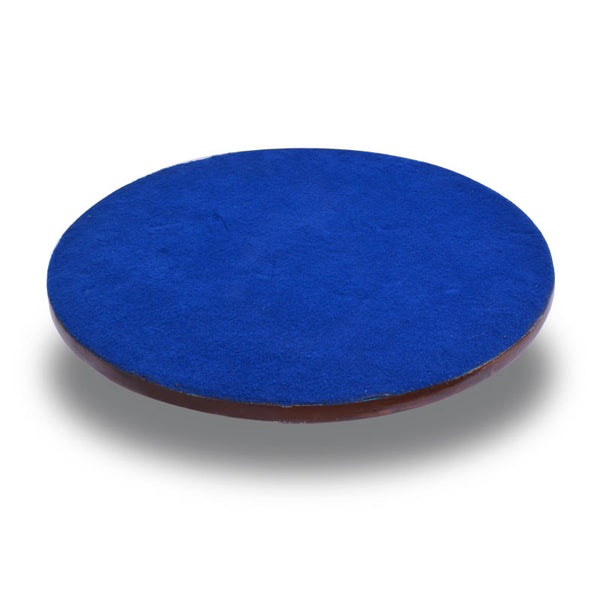
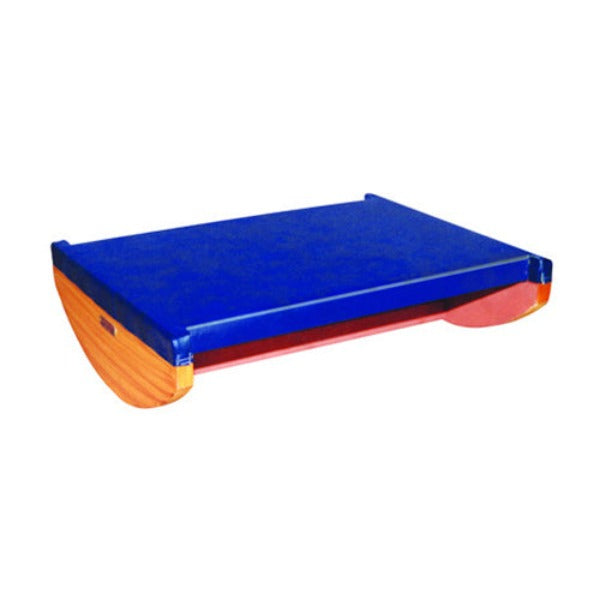
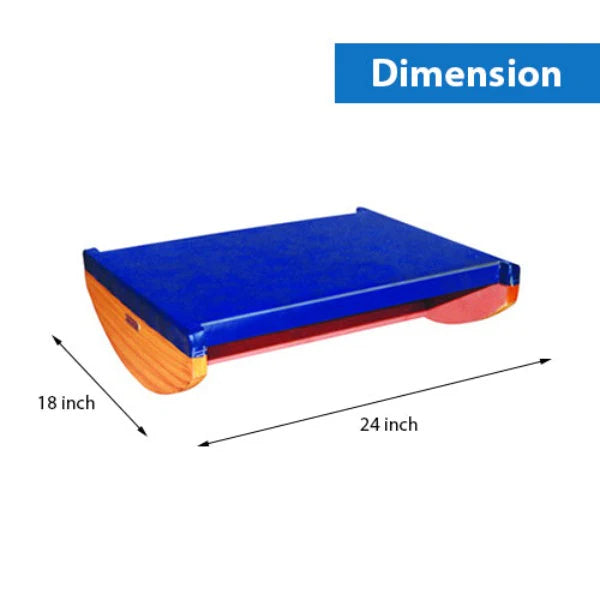
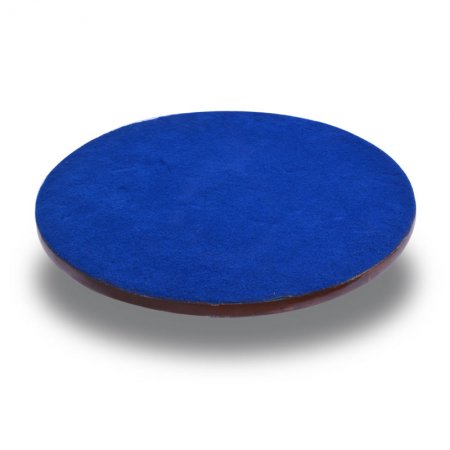
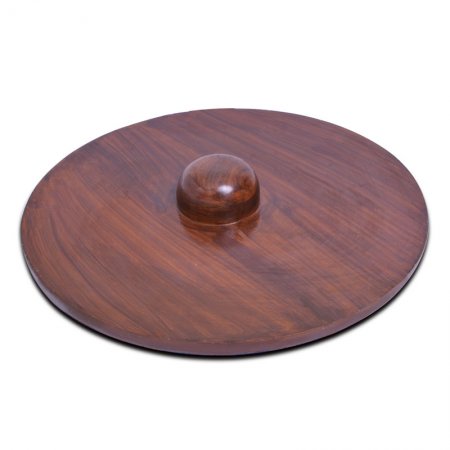
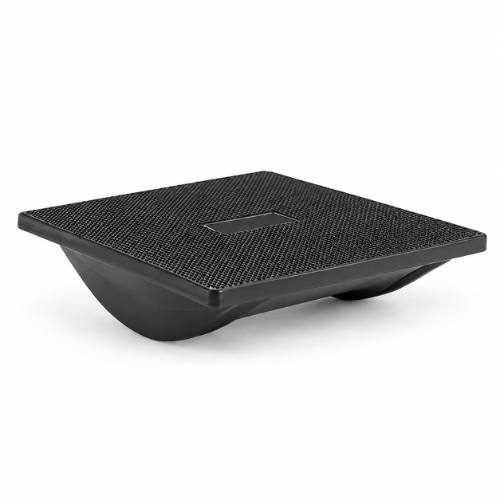
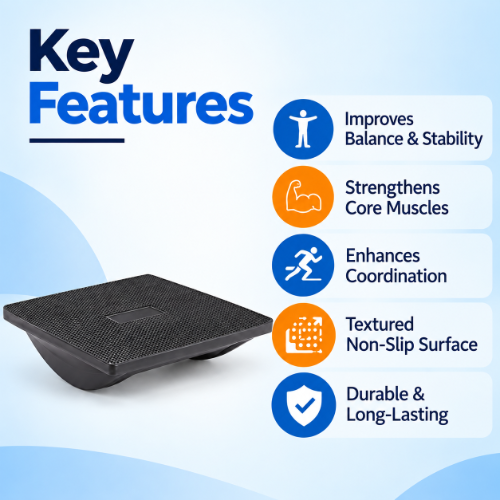
The Wooden Wobble Board is a simple, sturdy balance training tool built around a wooden platform that tilts and rotates on a rounded base. It is designed to be portable and easy to use, making it a practical addition to a home fitness corner, a clinic exercise area, or a gym floor. Rather than relying on complicated machinery, it works on a straightforward principle: standing or moving on an unstable surface forces your body to make constant small corrections, which is the basis of most balance and proprioception training.
Because the board is compact and lightweight, it can be carried between rooms or packed away easily, which is one of the reasons balance boards like this are popular for both supervised rehabilitation sessions and independent home exercise routines.
How a Wobble Board Is Used in Balance, Ankle, and Core Training
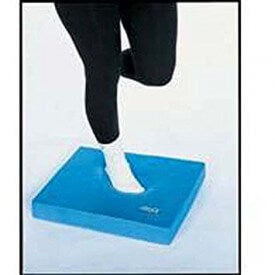
Wobble and balance boards are a long-standing staple in physiotherapy and general fitness for one main reason: they challenge your proprioception, which is your body's sense of position and movement in space. When you stand on a tilting surface, your ankles, knees, hips, and core all have to work together to keep you stable. This is why boards of this type are commonly used in:
- Ankle rehabilitation: After a sprain or similar injury, controlled balance work is often used to help retrain the stabilizing muscles and ligaments around the ankle joint.
- Core activation: Maintaining balance on an unstable surface naturally engages the deep core and trunk muscles that keep the body upright.
- Lower-body strengthening: Standing, squatting, or shifting weight on the board recruits the calves, quadriceps, hamstrings, and glutes as they work to control small movements.
- General balance and coordination practice: Regularly training on an unstable surface is a well-known way to sharpen overall balance and body awareness, which is useful for athletes, older adults, and anyone recovering from a lower-limb injury.
Because the board engages several muscle groups at once, a short session can work as an efficient addition to a broader fitness or rehabilitation routine, rather than a replacement for it.
Key Features
- Wooden platform designed for balance, ankle, and core exercises
- Non-slip grips on the surface of the disc to help maintain foot contact during movement
- Lightweight and portable, so it can be moved and stored easily between uses
- Engages multiple muscle groups in a single exercise, supporting a more time-efficient routine
- Suitable for repeated daily use as part of an ongoing balance or fitness practice
How to Use It Safely
As with any balance equipment, a cautious, gradual approach works best, especially if you are new to unstable-surface training or returning to activity after an injury.
- Start near a wall, sturdy chair, or countertop that you can hold onto until you feel confident with your balance.
- Begin with both feet on the board in a comfortable stance before progressing to single-leg or dynamic movements.
- Wear supportive, flat-soled footwear or use it barefoot on a non-slip floor, and make sure the surrounding area is clear of obstacles.
- Keep sessions short to begin with and increase duration or difficulty gradually as your balance and confidence improve.
- If you are using the board as part of rehabilitation after an injury or surgery, it's best to follow the guidance of a physiotherapist or treating clinician on how to progress your exercises.
- Stop and rest if you feel pain, sharp discomfort, or excessive fatigue rather than pushing through it.
Who It's For
This wobble board suits a wide range of users: people working on ankle or lower-limb rehabilitation under professional guidance, athletes and fitness enthusiasts looking to add a balance and core component to their training, older adults wanting to work on stability and fall prevention, and anyone who simply wants a compact, low-cost way to build balance and coordination at home. It is equally at home in a physiotherapy clinic setting or tucked away in a cupboard for regular home use.
Frequently Asked Questions
1. What is a wooden wobble board used for?
It is used for balance training, ankle stability work, and core activation. Standing or exercising on the tilting surface challenges your proprioception and engages the stabilizing muscles around your ankles, knees, and trunk.
2. Is this board suitable for beginners?
Yes, but beginners should start slowly, ideally near a wall or sturdy support, and begin with simple double-leg standing before attempting more advanced or single-leg movements.
3. Can it help with ankle rehabilitation?
Balance boards are commonly used in ankle rehabilitation programs to help retrain stability and coordination after a sprain or similar injury. If you are recovering from an injury, it's best to use the board under the guidance of a physiotherapist.
4. How often can I use the wobble board?
Many users incorporate short balance sessions into a daily or near-daily routine, gradually increasing time and difficulty as balance improves. Listen to your body and avoid overdoing it, especially when starting out.
5. Do I need shoes to use it?
You can use the board barefoot or in supportive, flat-soled shoes, depending on personal preference and the surface you are standing on. The board's non-slip grips are designed to help keep your feet steady either way.
6. Is the board easy to store and carry?
Yes, it is designed to be lightweight and portable, so it can be moved between rooms or packed away in a cupboard or bag when not in use.
7. Can this board be used for general fitness, not just rehabilitation?
Absolutely. Many people use wobble boards purely for fitness purposes, since balance training engages the core and lower-body muscles and adds a functional, coordination-focused element to a regular workout routine.
You may also need
FOR YOURecommended for you
Save 55%

Save 39%

Save 8%

Save 37%

Save 12%
Save 50%
Save 50%
Save 25%