


Featured ChoiceSave 19%
Save 17%
Save 25%

Save 25%

Save 25%

Save 26%

Save 19%

Save 26%

Save 16%

Sold out


Sold out
Sold out

Sold out

Sold out

Sold out

What customers say
★★★★★ 4.8 · 46 reviews
 Omron HEM-7156 Blood Pressure Monitor with 360° IntelliWrap Cuff
“it's super easy to use.”
“This is absolutely fantastic! The 360 Accuracy Intelli Wrap cuff makes taking readings so much easier, as i...”
 Omron HEM-8712 AP Blood Pressure Monitor with Memory
“This is easy to use, and the 3-year warranty adds great value.”
“This is a fantastic device! It’s simple to use, with a clear display that shows readings quickly and accura...”
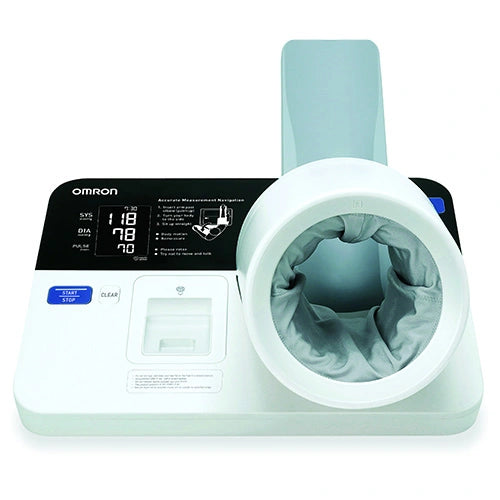
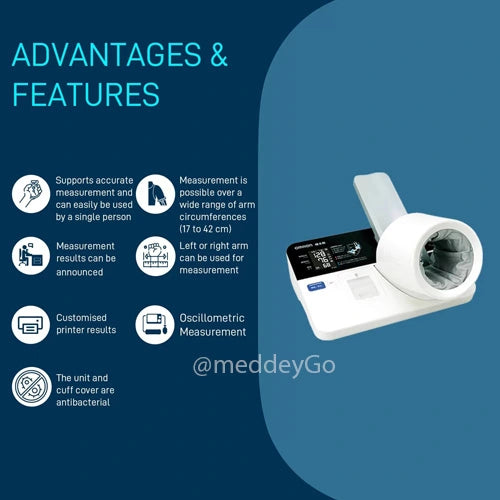
 Omron HBP-1320 Professional Blood Pressure Monitor
“This is perfect for home use”
“This is a great device for anyone needing a reliable and simple way to track their blood pressure. The whit...”
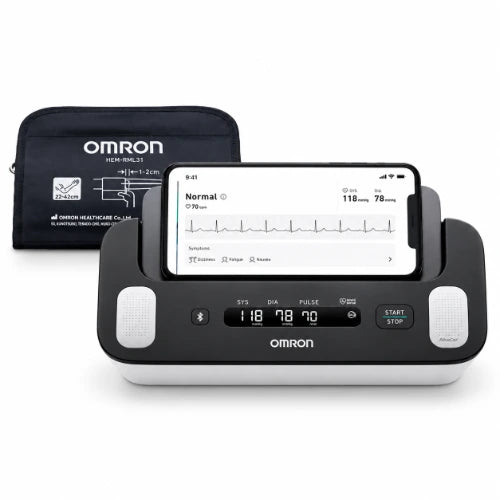
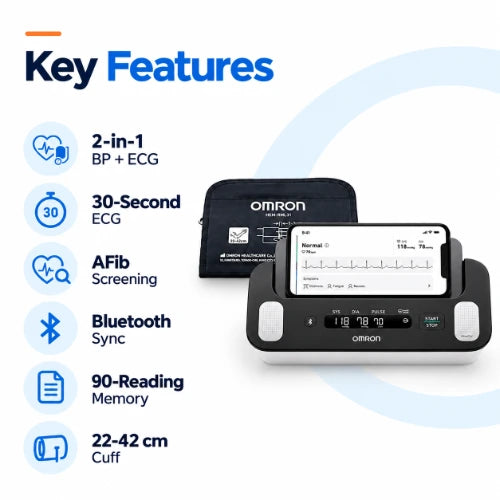
 Omron HEM-7530T Blood Pressure Monitor with ECG, AFib & Bluetooth
“This is fantastic! It accurately measures BP, ECG, and detects AFib. It's easy”
“This is an excellent all-in-one health device! It measures BP, ECG, and even detects AFib, which gives me a...”
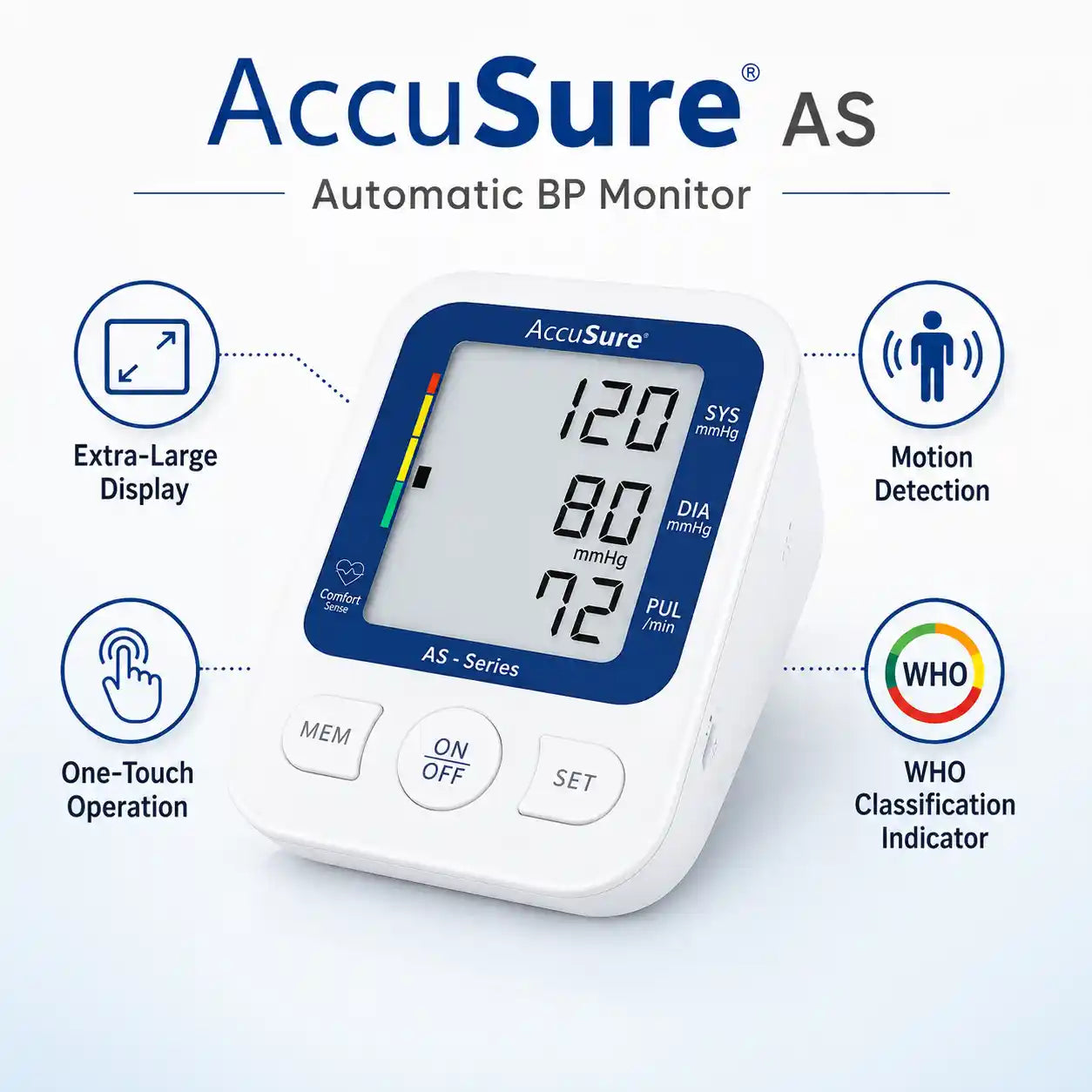
 AccuSure AS Automatic Blood Pressure Monitor
“Accurate and easy-to-use!”
“This is a fantastic product! The extra-large display makes it incredibly easy to read the results, even fro...”
 Omron HEM-7121J Blood Pressure Monitor with IntelliSense
“It's simple, accurate, and the hypertension indicator is really helpful.”
“This is a great addition to my health routine! It’s easy to use and provides accurate readings every time. ...”
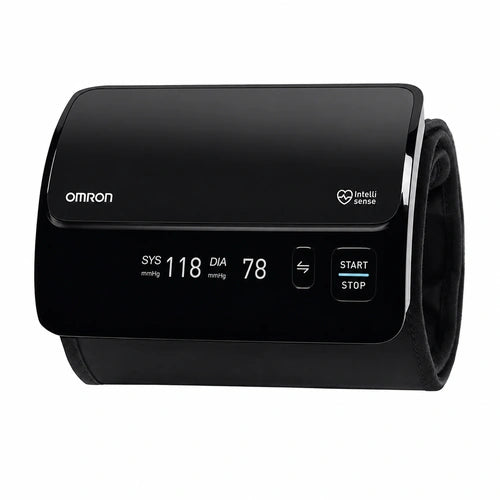
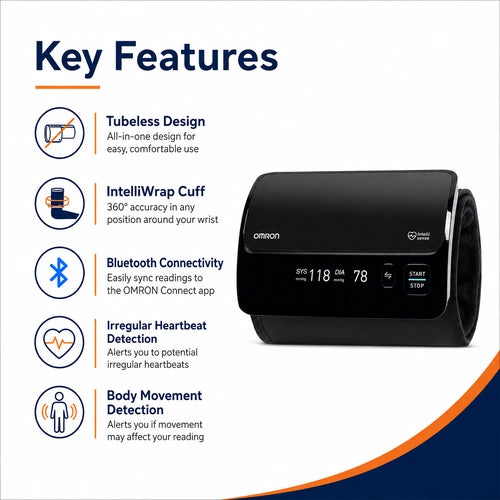
 Omron Smart Elite+ HEM-7600T Tubeless Bluetooth BP Monitor
“This is amazing! Bluetooth connectivity makes tracking effortless,”
“This is an excellent blood pressure monitor! The Bluetooth feature is incredibly convenient, as it syncs ef...”
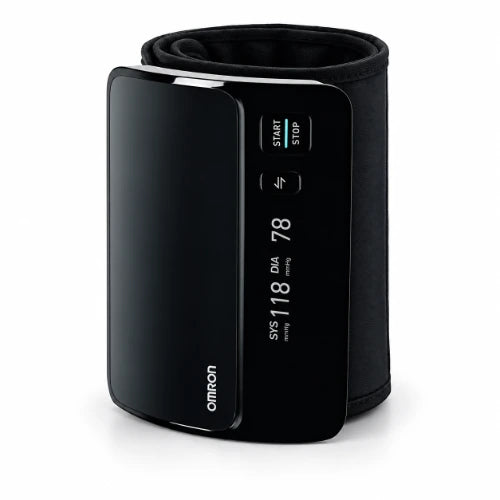
 Omron HEM-7600T Tubeless Bluetooth BP Monitor – Made in Japan
“This is amazing! Tubeless design and Bluetooth connectivity make it super convenient.”
 AccuSure TS Smart Inflation BP Machine
“This is very easy to use. A great choice for home health monitoring!”
“This is a brilliant device! The smart inflation feature makes taking BP measurements much more comfortable ...”
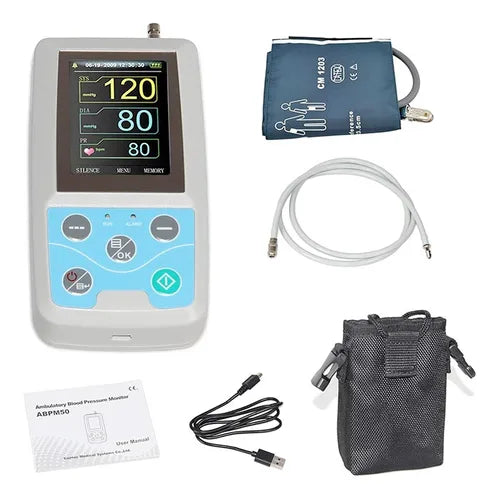
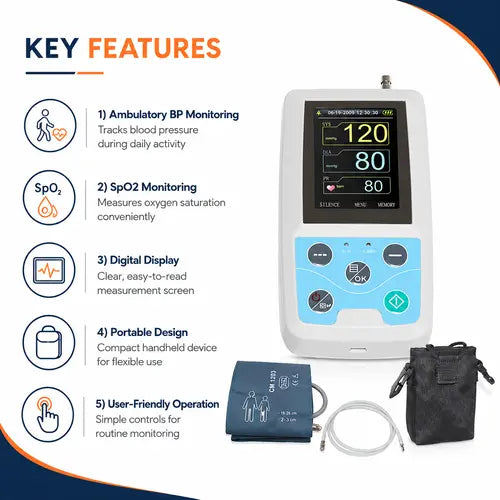
 ABPM50 Ambulatory Blood Pressure Monitor with SpO2 | 24-Hour Monitoring
“This is fantastic! It provides accurate BP readings along with SpO2 measurement,”
“This is an excellent device for anyone looking to monitor their health on-the-go. It not only provides accu...”
Automatic Blood Pressure Monitors for Home Use

Buying automatic blood pressure monitors for yourself, your parents or another family member should not feel complicated. Most people simply want a BP machine that is easy to use, easy to read and practical for regular checks at home.
This collection brings together automatic upper-arm monitors from AccuSure, Beurer and Omron. Once you press the start button, these monitors automatically inflate the cuff and calculate the reading.
Some models keep things simple with one-touch operation. Others add useful features such as stored readings, separate memory for family members, cuff-position guidance or Bluetooth for digital records.
You probably do not need the monitor with the longest feature list. What matters more is whether the cuff fits properly, the display is easy to read and the person using it feels comfortable taking a reading.

An automatic upper-arm monitor can make routine home BP checks easier when the cuff fits correctly and the instructions are followed.
For most household buyers, an automatic upper-arm monitor is a practical place to start. You put the cuff around your upper arm, sit comfortably and press the start button.
From there, the machine handles cuff inflation and calculates the reading electronically. This means you do not need to manually pump the cuff or listen through a stethoscope as you would with many traditional manual BP machines.
Automatic blood pressure monitors make things easier, but your measurement technique still matters. Cuff size, sitting position, arm support and resting quietly before the reading can all affect how useful the result is.
If you're buying for a parent or older family member: focus first on a clear display, simple controls and a cuff that fits comfortably. Extra features are useful only when the person will actually use them.
Blood Pressure Terms Explained in Simple Words
BP monitors use a few medical words that cannot always be replaced. Fortunately, their meanings are quite simple.
Systolic Pressure Systolic pressure is the upper number in a BP reading. It shows the pressure when the heart pumps blood.
Diastolic Pressure Diastolic pressure is the lower number. It shows the pressure between heartbeats.
Pulse Rate Pulse rate is simply the number of heartbeats detected in one minute.
mmHg mmHg is the standard unit used for blood pressure readings. For example, a reading may appear as 120/80 mmHg.
Hypertension Hypertension means high blood pressure. A monitor may show an indicator, but that symbol alone does not diagnose hypertension.
Irregular Heartbeat This means the monitor noticed that the heartbeat pattern was not completely even during a reading. The indicator itself does not diagnose a heart condition.
Memory Memory lets the monitor save previous readings so you can look back at them instead of relying on one measurement.
Bluetooth Bluetooth allows selected monitors to send readings wirelessly to a compatible phone or app for digital record keeping.
Clinical Validation Validation means the exact monitor model has been tested using an accepted process to check how its blood pressure measurements perform.
How Do Automatic Blood Pressure Monitors Work?
An automatic BP monitor uses an inflatable cuff around your upper arm. Electronic sensors detect pressure changes while the cuff inflates or deflates.
After that, the monitor calculates and displays your systolic pressure, diastolic pressure and pulse rate automatically.
The basic process is simple:
- Place the cuff correctly around your bare upper arm.
- Sit comfortably and support your arm.
- Press the start button.
- Allow the cuff to inflate automatically.
- Stay still and avoid talking.
- Read the BP and pulse values on the display.
The machine performs most of the work, but it cannot correct poor cuff placement, an unsuitable cuff size or an incorrect sitting position.

Automatic monitors handle inflation and calculation electronically, while manual measurement requires more technique and training.
Automatic vs Manual Blood Pressure Monitor
The main difference is how much of the measurement process the machine handles for you. If you are comparing other types too, see Meddey's BP machines collection.
| Feature | Automatic Upper-Arm Monitor | Manual BP Machine |
|---|---|---|
| Cuff inflation | Automatic | Usually done by hand |
| Reading | Shown digitally | Read manually |
| Stethoscope | Not needed for normal operation | Usually required |
| Training needed | Relatively simple for home users | More technique and practice needed |
| Routine home monitoring | Generally convenient | Less convenient without training |
What Should You Check Before Buying Automatic Blood Pressure Monitors?
If this is your first BP machine, start with the basics. You do not need to compare every technical specification on the page.
1. Check the Cuff Size
Measure around the upper arm and compare that number with the cuff range given for the exact monitor. Even a cuff described as “universal” or “wide range” should still be checked against the person's actual arm size.
2. Think About Who Will Use It
A simple one-user monitor may be enough for one person. If several family members will share the machine, separate user memory can be much more useful.
3. Look at the Display
Large and clear numbers can make everyday use easier, particularly if the monitor is being purchased for an older family member.
4. Decide How Much Memory You Need
Stored readings can help you look back at earlier measurements. If you prefer a longer digital record, Bluetooth may also be useful.
5. Look for Helpful Measurement Guides
Features such as cuff-wrap guidance, movement detection or irregular-heartbeat indication can provide useful information while you take a reading.
6. Check the Exact Model
Features can differ even between monitors from the same brand. Compare the exact model rather than assuming every Omron, Beurer or AccuSure monitor works in exactly the same way.

Start with cuff fit, simple controls and the features your household will actually use.
Compare Automatic Blood Pressure Monitors at Meddey
The five automatic blood pressure monitors featured here meet different household needs. Some are designed for simple everyday checks, while others offer family memory, smart inflation or Bluetooth.
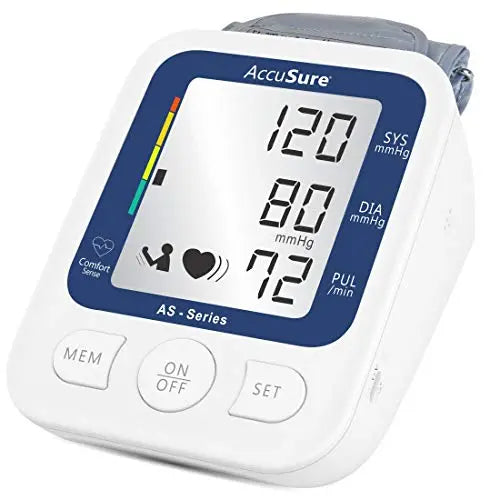
AccuSure AS Automatic Blood Pressure Monitor
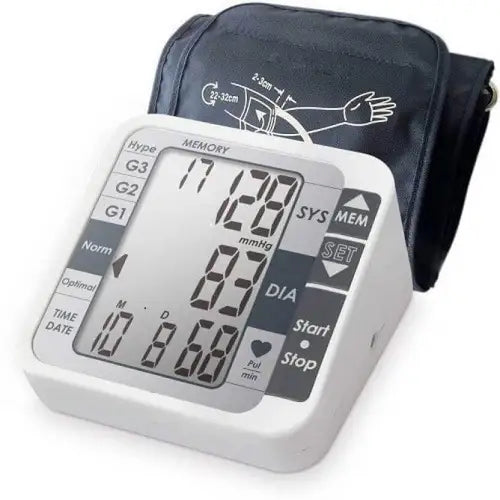
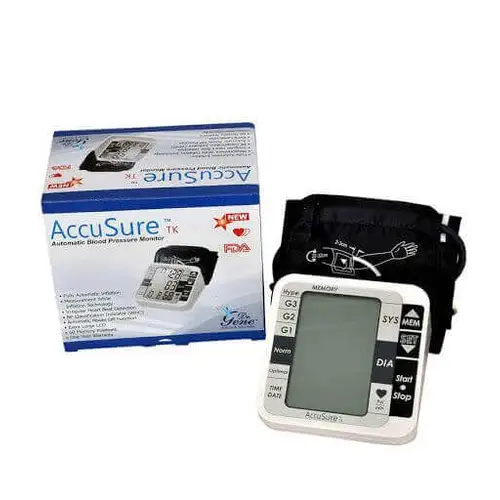
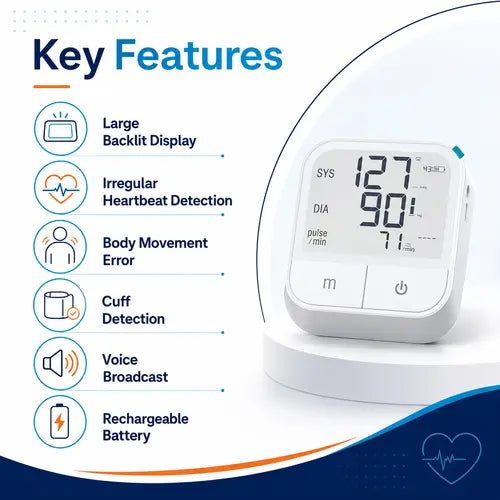
The AccuSure AS Automatic Blood Pressure Monitor is a straightforward option for regular home BP checks. It offers one-touch operation, an extra-large display and memory for up to 60 readings.
May suit: someone who wants a simple monitor with a large display and basic reading history.
Omron HEM-7600T Tubeless Bluetooth BP Monitor
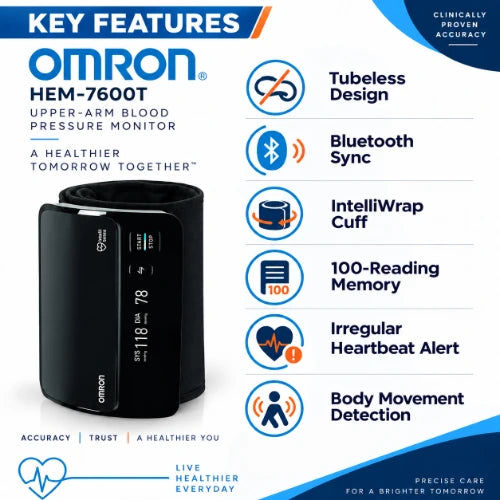
The Omron HEM-7600T Tubeless Bluetooth BP Monitor combines the cuff and main monitor into one tubeless unit. It also includes Bluetooth, IntelliWrap cuff technology and cuff-position guidance.
IntelliWrap is Omron's cuff design intended to make correct upper-arm positioning easier.
May suit: someone who prefers a tubeless design and wants to keep compatible digital BP records.


AccuSure TS Smart Inflation BP Machine
The AccuSure TS Smart Inflation BP Machine uses MWI, which means Measurement While Inflation. In simple words, the machine takes the measurement while the cuff is inflating.
It also stores up to 60 readings with date and time.
May suit: someone who wants simple automatic monitoring with stored readings and smart-inflation technology.
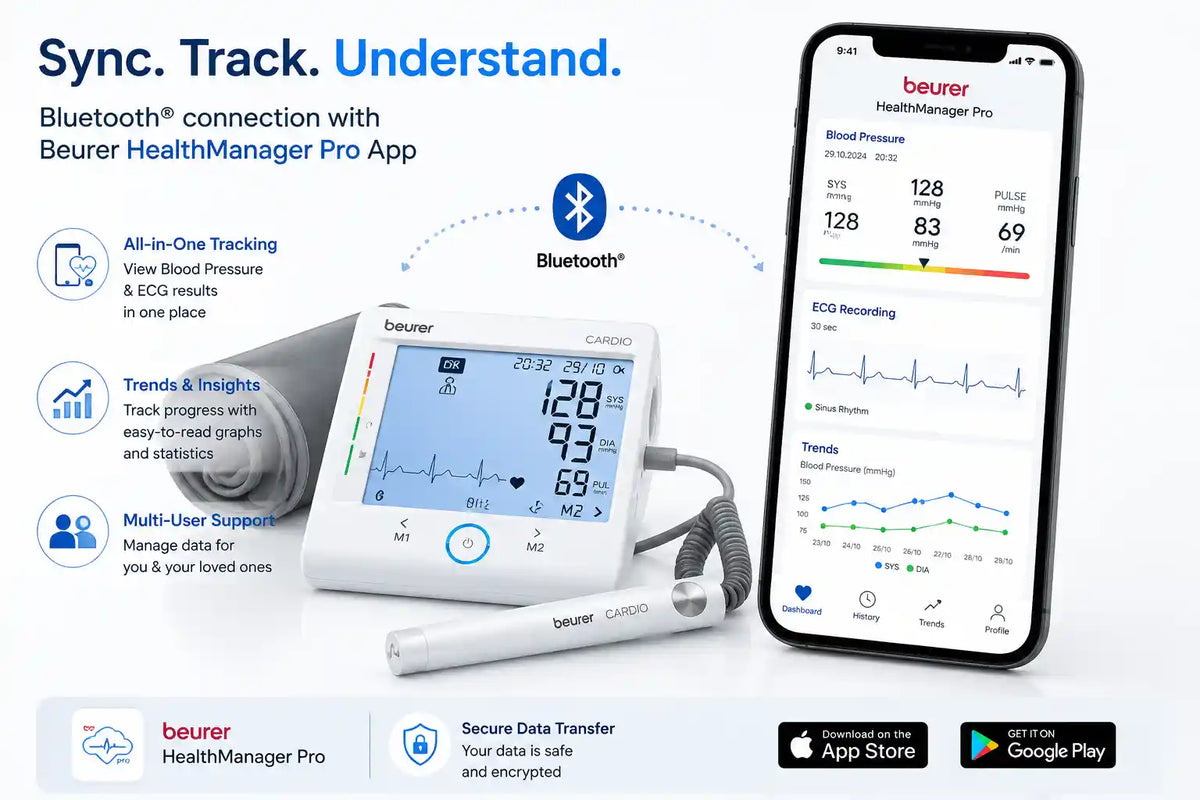
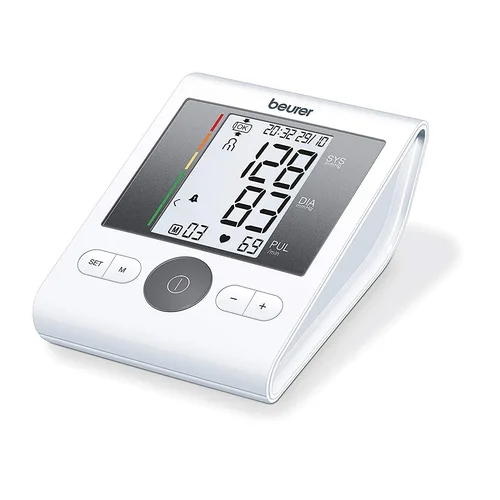
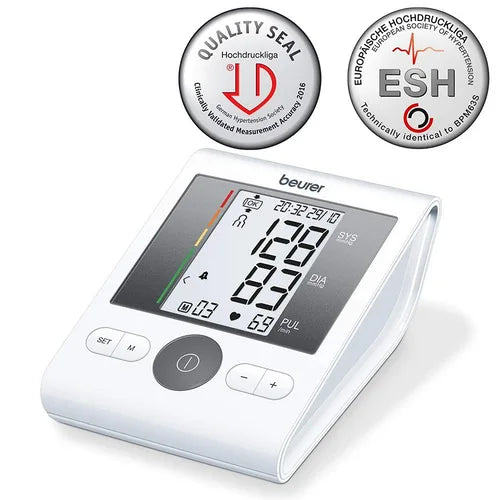
Beurer BM28 Upper Arm Blood Pressure Monitor
The Beurer BM28 Upper Arm Blood Pressure Monitor can keep separate records for up to four users, with 30 stored measurements for each person.
That makes it especially practical when parents, couples or other family members want to share one monitor without mixing their saved readings.
May suit: households where several people want to use the same BP monitor.
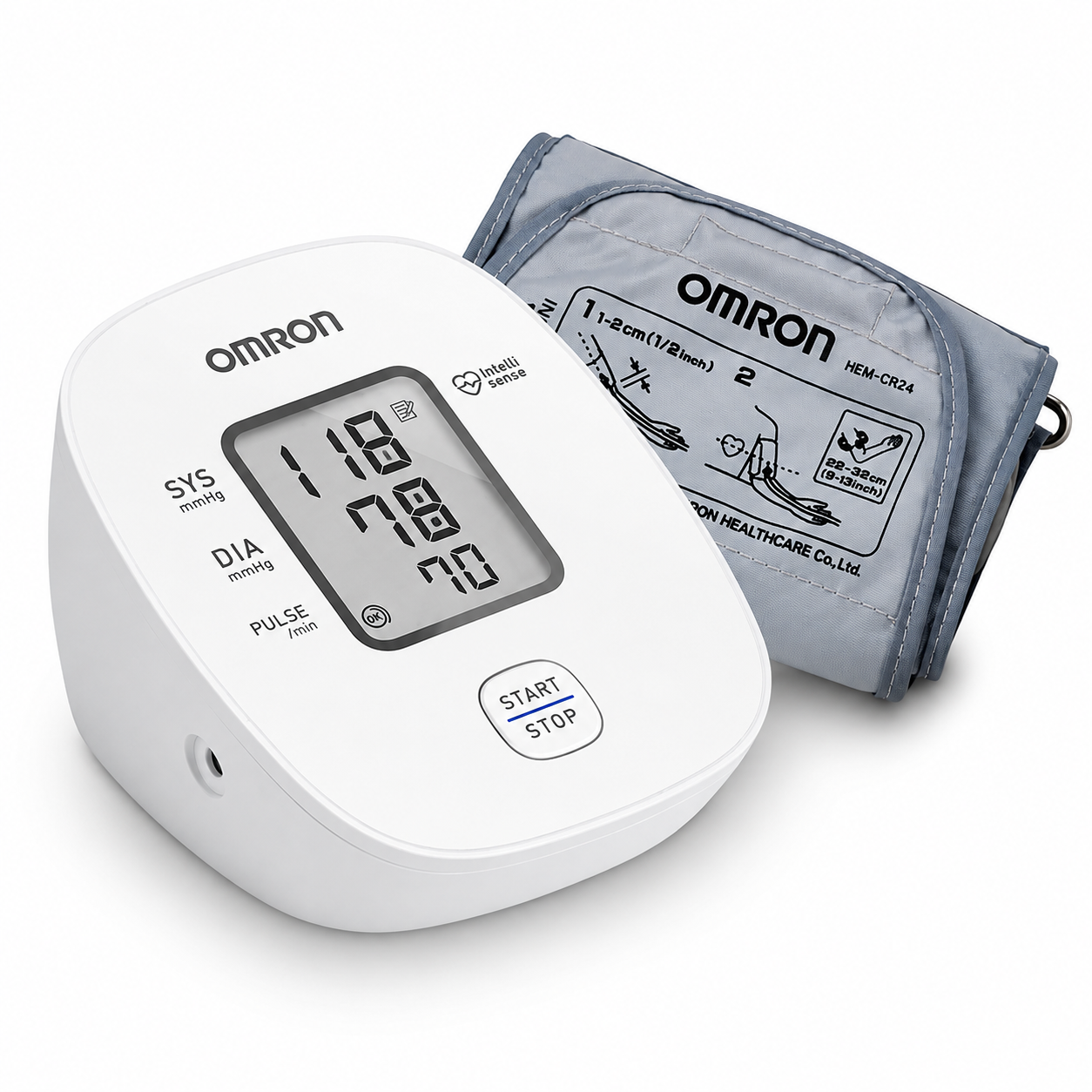
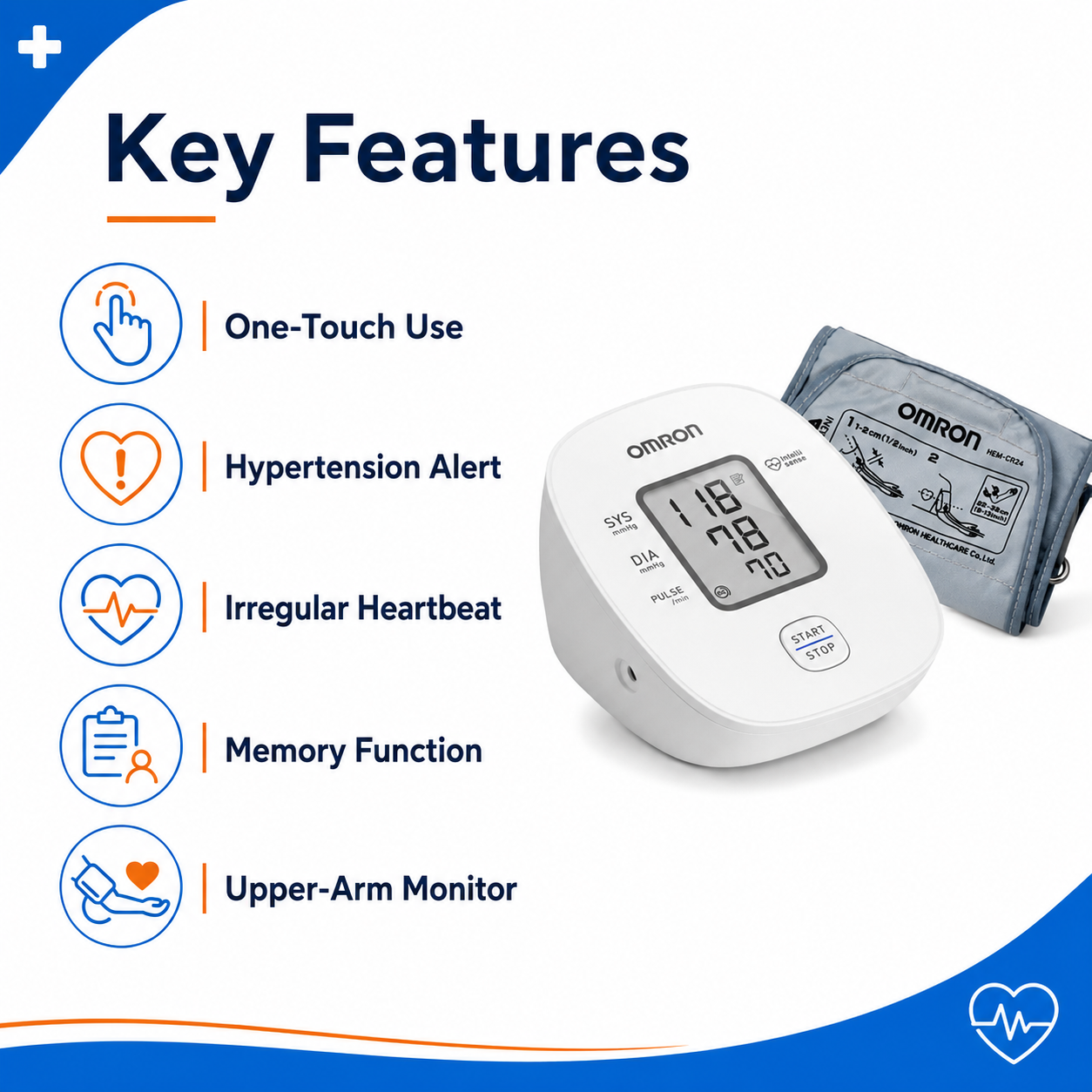
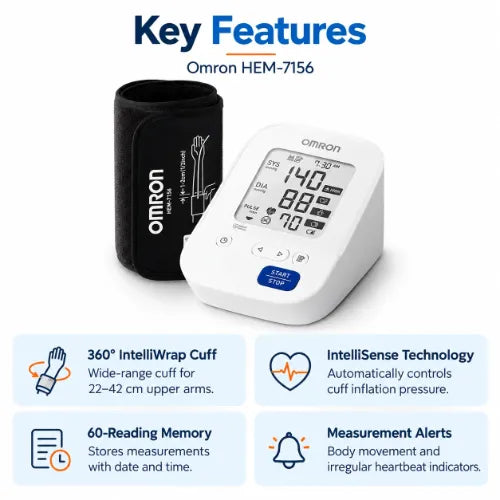
Omron HEM-7121J Blood Pressure Monitor with IntelliSense
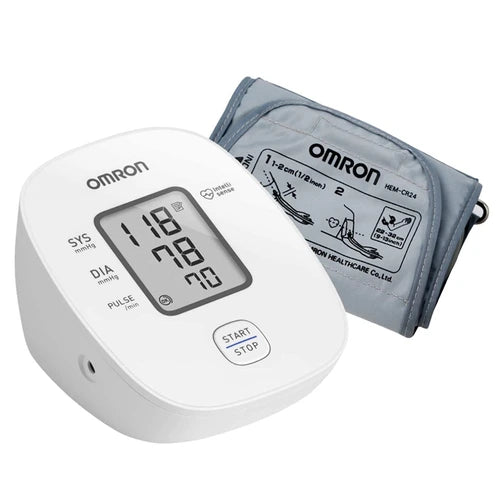
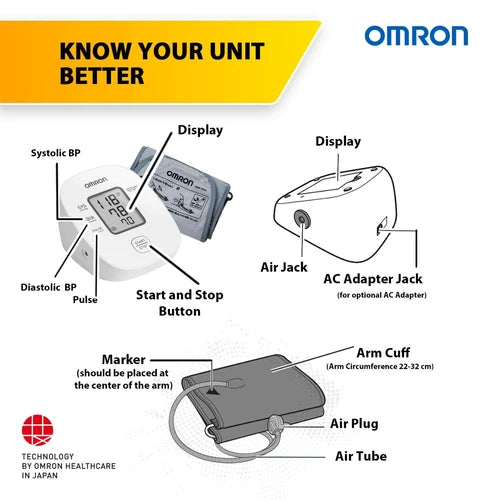
The Omron HEM-7121J Blood Pressure Monitor with IntelliSense is a simple automatic Omron upper-arm monitor. IntelliSense automatically controls how the cuff inflates, so you do not need to choose an inflation level yourself.
Its Cuff Wrap Guide can also help you check whether the cuff has been applied correctly.
The supplied cuff is listed for upper-arm circumferences of about 22–32 cm, and the monitor stores the most recent reading.
May suit: someone who wants a straightforward Omron monitor without needing Bluetooth or large memory storage.


Which of These Automatic Blood Pressure Monitors May Suit Your Household?
There is no single best model for every family. A useful way to compare them is to start with what matters most in daily use.
| If You Want... | Model to Compare | Why |
|---|---|---|
| Simple everyday home monitoring | AccuSure AS | One-touch operation, large display and 60-reading memory |
| Smart inflation with dated reading history | AccuSure TS | MWI technology and up to 60 stored readings with date and time |
| Several family members sharing one monitor | Beurer BM28 | Separate memory for up to four users |
| A simple automatic Omron monitor | Omron HEM-7121J | IntelliSense, cuff-wrap guidance and simple controls |
| Tubeless design and Bluetooth tracking | Omron HEM-7600T | Integrated cuff design, Bluetooth and IntelliWrap technology |
Price matters, but it should not be the only thing you compare. A simpler monitor that fits properly and feels easy to use may be more practical than an advanced model with features your family rarely needs.
Why Cuff Fit Matters for Home BP Monitoring
For a useful home reading, the cuff needs to fit the user's upper arm correctly. Before ordering, simply measure around the upper arm and compare that number with the cuff range listed on the product page.
A cuff that is too small or too large can affect the measurement. Because of that, cuff fit is worth checking before extras such as Bluetooth, memory capacity or app support.

Follow the instructions supplied with the exact monitor for cuff position and fit.
How to Take a Blood Pressure Reading at Home
Even the best automatic blood pressure monitors are only one part of the process. Keeping your measurement routine similar each time can make the readings more useful when you look at them over several days.
- Avoid smoking, caffeinated drinks and exercise for about 30 minutes beforehand.
- Empty your bladder before checking your blood pressure.
- Sit quietly for at least five minutes.
- Keep your back supported and both feet flat on the floor.
- Put the cuff around your bare upper arm rather than over clothing.
- Support the arm comfortably so the cuff is around heart level.
- Stay still and avoid talking while the monitor is taking the reading.
- Follow the instructions supplied with your exact monitor.
For more detailed measurement guidance, you can also read the American Heart Association guidance on home blood pressure monitoring.

Sitting comfortably with the arm supported can help keep the measurement routine consistent.
Should You Take More Than One BP Reading?
One reading shows your blood pressure at one moment. If you are monitoring BP regularly, a healthcare professional may ask you to keep a record over several days.
Home-monitoring guidance commonly recommends taking two readings about one minute apart when following a structured BP routine.
Try not to keep measuring again and again simply because you dislike the first number. A consistent routine is more useful than chasing a particular reading.
What Do BP Monitor Warning Indicators Mean?
Irregular-Heartbeat Indicator
Some automatic blood pressure monitors can show an irregular-heartbeat symbol if they notice an uneven heartbeat pattern during a measurement.
The symbol can be useful information to notice, but it does not diagnose an abnormal heart rhythm. If it appears repeatedly, discuss the readings with a qualified healthcare professional.
Hypertension or BP-Level Indicator
Some automatic blood pressure monitors use a visual indicator to show where the displayed reading falls within the monitor's reference system.
Think of it as an extra visual guide rather than a diagnosis. High blood pressure should not be diagnosed from one symbol or one home reading alone.
Movement or Cuff-Wrap Indicator
Movement indicators can help you notice when you moved during a measurement. A cuff-wrap guide can show whether the cuff appears to be fitted correctly on compatible models.
These features may make everyday monitoring easier, but you should still follow the instructions supplied with the device.

Keeping a simple record can make it easier to discuss home readings during a healthcare visit.
Automatic Blood Pressure Monitors for Older Family Members
If you are buying one of these automatic blood pressure monitors for a parent or older relative, ease of use may matter more than having the longest feature list.
Useful things to compare include:
- A display that is easy to read
- Simple buttons
- A cuff that fits comfortably
- Memory if earlier readings need to be reviewed
- Separate user profiles if several people will share the device
- Cuff or movement guidance where useful
Someone who is uncomfortable using smartphones may not need Bluetooth. On the other hand, a person who already keeps digital health records may find connected tracking useful. A simple option to start with is the AccuSure AS or the Omron HEM-7121J.
Automatic BP Monitors for Healthcare Professionals and Clinics
This collection is mainly built around convenient home blood pressure monitoring. Household users remain the primary audience.
Doctors and other healthcare professionals may still find these monitors useful when recommending a home-monitoring option or reviewing readings collected by a patient outside the clinic.
A household BP monitor, however, is not automatically the same as a professional machine designed for repeated high-volume clinical use. Clinics should check intended use, validation, cuff options, cleaning requirements and daily workload before choosing a monitor.
For digital, manual and professional alternatives, you can browse Meddey's BP Machines collection.
Frequently Asked Questions About Automatic Blood Pressure Monitors
Are automatic blood pressure monitors suitable for home use?
Automatic blood pressure monitors are commonly used for home BP monitoring because they handle cuff inflation and calculate the reading electronically. The cuff still needs to fit properly, and measurement technique remains important.
Which automatic BP monitor should I choose?
Start with your household's actual needs. Compare cuff fit, display size, memory, number of users and ease of use. Then decide whether features such as Bluetooth would genuinely help you.
Is a more expensive BP monitor always better?
No. A higher-priced monitor may offer extras such as Bluetooth or a tubeless design, but those features do not automatically make it the best choice for every household.
What do systolic and diastolic mean?
Systolic is the upper number in a blood pressure reading. Diastolic is the lower number.
Can an irregular-heartbeat symbol diagnose a heart problem?
No. It is an indicator produced during the measurement. If you repeatedly see the symbol or have health concerns, discuss the readings with a qualified healthcare professional.
Why does cuff size matter?
The cuff needs to fit the upper arm correctly. An unsuitable cuff can affect the measurement, so measure the arm and compare it with the cuff range listed for the exact monitor.
Do I need Bluetooth in a BP monitor?
Not necessarily. Bluetooth can make digital record keeping easier. A simpler monitor may be enough if you only need regular home checks and basic reading memory.
Which monitor may be useful for several family members?
For families sharing one BP machine, the Beurer BM28 may be a useful option. It keeps separate memory records for up to four users.
Which model in this collection offers Bluetooth?
If you prefer keeping readings digitally, the Omron HEM-7600T includes Bluetooth connectivity for compatible BP record keeping.
What is IntelliSense in the Omron HEM-7121J?
IntelliSense is Omron's technology for automatically controlling cuff inflation during the measurement. You do not need to choose the inflation level manually.
What does MWI mean on the AccuSure TS?
MWI means Measurement While Inflation. In simple words, the monitor takes the BP measurement while the cuff is inflating.
When Does a Very High Blood Pressure Reading Need Attention?
A home BP monitor can measure and record blood pressure, but the machine should not be used to diagnose a medical emergency by itself.
Very high reading: if your blood pressure is higher than 180/120 mmHg, American Heart Association guidance advises waiting at least one minute and checking the reading again.
If the reading remains very high, contact a healthcare professional. When a very high reading happens together with concerning symptoms such as chest pain, shortness of breath, weakness or numbness, vision changes or difficulty speaking, seek emergency medical care.
Do not change or stop prescribed blood pressure medicine only because of a home reading unless your healthcare professional advises you to do so.
Choose an Automatic Blood Pressure Monitor for Your Home
Start with the person who will actually use the monitor. Check cuff size, display, memory and controls first. After that, decide whether extras such as family memory, smart inflation or Bluetooth would make everyday monitoring easier.
Compare the five automatic blood pressure monitors featured above. Open each product page for the latest specifications, included accessories, warranty information and current buying details.
Medical information note: This collection content is intended for general educational and buying guidance. Home blood pressure monitoring does not replace professional medical advice, diagnosis or treatment. Follow the instructions supplied with your monitor and speak with a qualified healthcare professional if you have concerns about your readings.
Explore Medical Collections
All Categories
Abdominal & Maternity Support

Accessories

Accu-Chek Instant Strips: Use, Compatibility, Price & Blood Sugar Testing Guide
Accu-Chek Instant Strips: Uses, Features & Complete Guide

accupuncture

Acupuncture Needles & Supplies

Advanced Physiotherapy Machines & Lumbar Physiotherapy

Airways

Ambulance

Anatomy Models
Anesthesia Machine

Anesthesia Products
Ankle Support for Home Use: Braces, Sleeves & Walker Boots
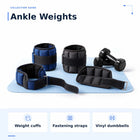
Ankle Weights & Exercise Weights for Home & Rehab

Anti-Bedsore Air Mattresses
You may also need
FOR YOURecommended for you
Save 19%
Save 17%
Save 19%
Save 25%
Save 25%
Save 25%
Save 26%
Save 26%
Save 16%