


Featured Choice





What customers say
★★★★★ 5.0 · 7 reviews
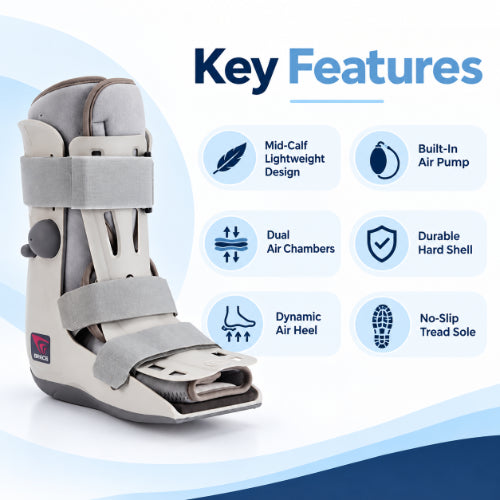
 Genesis Mid-Calf Full Shell Walker from Breg USA
“Sturdy, comfortable, perfect for recovery!”
“The Genesis Mid-Calf Full Shell Walker from Breg USA provides excellent support and comfort, helping speed ...”
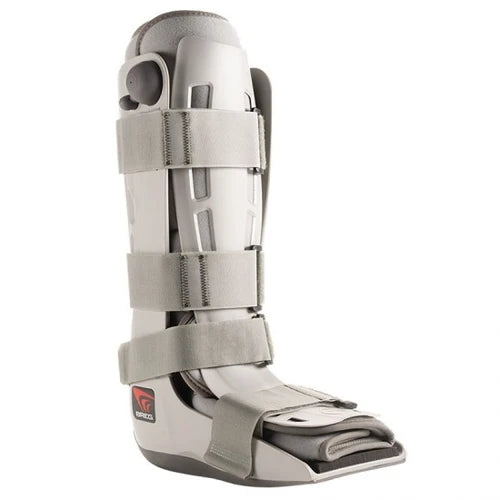
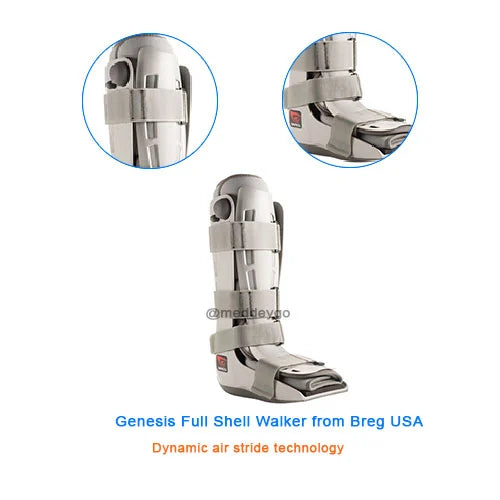
 Genesis Full Shell Walker from Breg USA
“Durable, supportive, perfect for recovery!”
“The Genesis Full Shell Walker from Breg USA is incredibly sturdy and provides great support for my foot inj...”
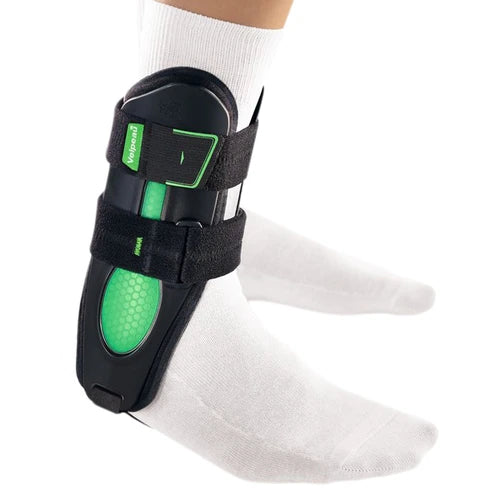
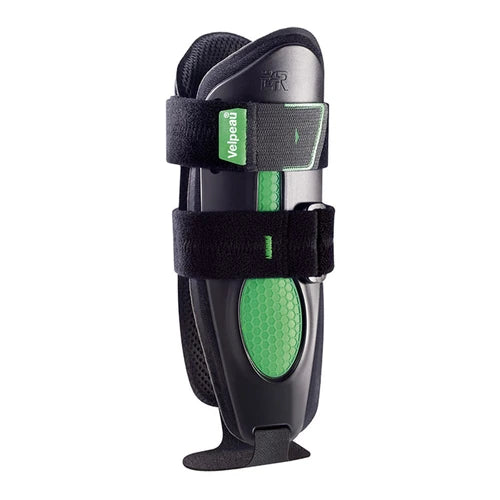
 Ankle Brace Freecast Adjust Universal Size from Velpeau, France
“Adjustable, comfortable, great for ankle!”
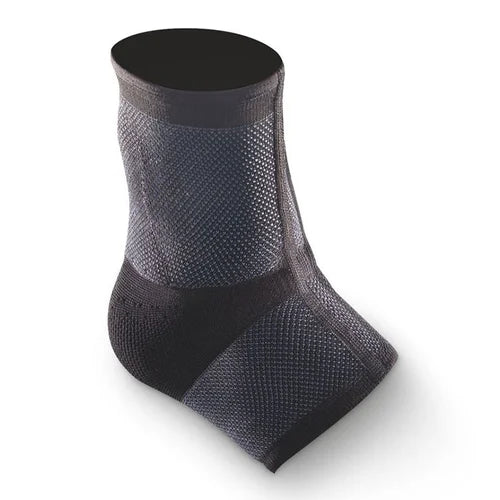
 Ankle Sleeve Laxiteral Comfirt from Velpeau, France
“Comfortable, supportive, perfect for stability!”
“The Ankle Sleeve Laxiteral Comfort from Velpeau, France is perfect! It offers great support while being inc...”
Ankle Support for Home Use: Braces, Sleeves & Walker Boots
Ankle support for home use: braces, sleeves & walker boot guide
Ankle support can make daily movement feel more controlled when your ankle needs extra structure, compression, or protection at home. The right ankle support may be a soft ankle sleeve, a lace up ankle brace, an ankle stabilizer, an ankle binder, or a walker boot, depending on why you need support and what your doctor recommends. This guide explains common home-use options, including braces, sleeves, walker boots, heel support tools, and related devices, so you can choose more confidently and use them more safely.
Consult your doctor regarding ankle support usage or related concerns, especially after an injury, surgery, worsening pain, numbness, skin changes, or trouble bearing weight.
What does ankle support for home use actually do?
Ankle support for home use helps limit unwanted motion, provide compression, improve comfort during light activity, and remind you to move with care. It does not guarantee a specific outcome, and it should not replace medical advice, but it can be a practical part of managing everyday tasks when the ankle needs help.

At home, ankle support usually serves one or more simple purposes. A compression ankle support can reduce the feeling of looseness and provide gentle pressure. An ankle brace can add more structure for walking around the house, doing basic chores, or returning to routine movement. A walker boot can offer much more protection when your doctor wants the foot and ankle held in a controlled position.
The main point is matching the support level to the situation. A mild ache after activity is not the same as a fresh sprain, and a sprain is not the same as a condition that requires a boot. If the ankle support seems to hide a problem rather than helping you move safely, that is a sign to pause and get professional guidance.
ankle support types you may use at home
Home-use ankle products range from flexible compression sleeves to firm boots. Understanding the differences helps you avoid choosing something too light for your needs or too restrictive for everyday comfort.
Ankle sleeve
An ankle sleeve is usually a pull-on support made with elastic or compressive material. It may be useful when you want light support, mild warmth, and everyday comfort under a sock or shoe. A sleeve is often easier to put on than a lace up ankle brace, which makes it convenient for routine wear around the home.

The Velpeau Laxiteral ankle sleeve is an example of this category. It is best understood as a low-profile sleeve-style support for people who want flexible compression and gentle side support without the bulk of a boot. It may suit light daily movement, but it is not meant to replace a more rigid ankle brace or walker boot when stronger immobilization is needed.
Ankle brace
An ankle brace provides more structure than a sleeve. Some braces use straps, stays, shells, or laces to reduce side-to-side motion and help the ankle feel steadier. If you need ankle support for walking, a brace may be more appropriate than a simple sleeve because it can provide a more adjustable fit.

The Velpeau Freecast ankle brace is an example of a brace-style product designed for controlled support. Its role is to help stabilize the ankle while still allowing practical home use, depending on your condition and guidance. You may consider it when you want more structure than an ankle sleeve but do not need the full protection of a walker boot.
Lace up ankle brace
A lace up ankle brace uses laces, and sometimes additional straps, to create a secure fit. Many people like this style of ankle support because you can adjust it across the top of the foot and around the ankle. That adjustability can be helpful if swelling changes during the day.
A lace up design can also feel familiar because it tightens much like a shoe. The tradeoff is that it can take longer to put on and may not suit people who have limited hand strength or difficulty reaching their feet. If the brace takes too much effort to use correctly, a different design may be more practical.
Ankle stabilizer
An ankle stabilizer is a broader term for products that help control ankle movement. It may look like a brace with side supports, a wrap with straps, or a semi-rigid device. The goal of this ankle support is usually to reduce excessive rolling or twisting while allowing some functional movement.
This category can overlap with ankle braces, so product names alone do not always tell you how supportive an item will feel. Look at the structure, adjustability, and intended use instead. A soft stabilizer may resemble a sleeve, while a firmer one may behave more like a brace.
Ankle binder
An ankle binder is often a wrap-style ankle support that you can tighten around the ankle. It may be useful for adjustable compression, especially when you want a simple product that you can loosen or tighten quickly. Some people prefer binders because they are easier to position around tender areas.
The main caution with any binder is pressure control. Because you wrap it by hand, it can become too tight in one area and too loose in another. Smooth, even pressure is the goal, not maximum tightness.
Walker boot
A walker boot is a larger protective device that supports the foot, ankle, and lower leg. It is commonly used when a doctor wants more control than a regular ankle brace can provide. A boot may include a rigid frame, padded liner, straps, and a rocker-style sole that changes how the foot moves during walking.


The Genesis walker boot is an example of this category, with full shell and mid-calf varieties. A full shell option generally offers a more enclosing structure, while a mid-calf option may provide support with a shorter profile. The right choice depends on your condition, leg size, comfort, and instructions from your doctor.
Ankle brace vs ankle sleeve?
An ankle brace is usually more structured and adjustable, while an ankle sleeve is usually softer, lighter, and easier to wear for gentle compression. If you need more control for side-to-side ankle movement, a brace may be more suitable; if you mainly want mild compression and everyday comfort, an ankle sleeve may be enough.
This difference matters because support is not just about comfort. It is about how much motion the product allows. A sleeve may seem reassuring, but it usually does not control movement the same way a brace with straps, stays, or laces can.
Use this simple comparison as a starting point:
| Option | Typical feel | Common home-use role | Practical consideration |
|---|---|---|---|
| Ankle sleeve | Soft, flexible, compressive | Light support, mild compression, low-profile wear | Easy to wear but less structured |
| Compression ankle support | Snug and elastic | Gentle pressure during routine movement | Fit matters; avoid numbness or tingling |
| Ankle binder | Adjustable wrap | Custom compression around the ankle | Can become uneven if wrapped poorly |
| Lace up ankle brace | Secure and adjustable | More support for walking and activity | Takes longer to put on |
| Ankle stabilizer | Moderate to firm depending on design | Helps control excess movement | Support varies widely by product |
| Walker boot | Rigid, protective, bulky | Higher-control support when directed | Should be used according to professional guidance |
A good rule is to choose the least complicated support that safely meets your needs, not the strongest product by default. Too much restriction can be uncomfortable and may change how you walk. Too little support can leave you feeling unsteady.
What is the best ankle support for a sprain?
The best ankle support for a sprain depends on the severity of the sprain, your ability to bear weight, swelling, pain level, and your doctor’s advice. Mild sprains may only need a compression ankle support or ankle sleeve, while more painful or unstable sprains may require a structured ankle brace, ankle stabilizer, or walker boot.
Choose ankle support for sprain care carefully because sprains vary widely. A minor twist that feels better after rest is very different from an injury with sharp pain, major swelling, bruising, or trouble standing. If the injury is new, worsening, or difficult to walk on, get medical guidance before relying on a home support product.
For everyday decision-making, think in levels:
- Light support: An ankle sleeve or compression ankle support may help when discomfort is mild and movement is mostly stable.
- Moderate support: A lace up ankle brace or ankle stabilizer may be useful when you need more control during walking.
- Higher protection: A doctor may recommend a walker boot when the ankle needs more restriction and protection.
- Specialized support: A foot drop splint, also called an AFO, is a different type of support that you may discuss for foot drop concerns, and you should consider it only with professional guidance.
When using ankle support for a sprain, pay attention to how your body responds. Support should feel steady and comfortable, not painfully tight. If pain increases, toes change color, numbness appears, or swelling worsens, remove the device if safe to do so and contact a medical professional.
ankle support for walking around the house
Ankle support for walking should balance stability with safe, natural movement. Around the home, you may be moving across carpet, tile, stairs, rugs, thresholds, and bathrooms, so the product needs to work with your environment, not just feel secure while seated.

Before walking in any new ankle brace, sleeve, or walker boot, test it in a safe area. Stand up slowly, take a few steps near a counter or sturdy surface, and notice whether your foot lands evenly. If the device causes you to limp heavily or makes one leg feel much taller than the other, you may need an adjustment or guidance.
Practical tips for safer home walking include:
- Wear appropriate footwear if the product allows it. A brace or sleeve often works best with a supportive shoe rather than a loose slipper.
- Clear walking paths. Remove loose rugs, cords, and clutter that can catch the foot or boot.
- Check strap placement. Straps should lie flat and should not dig into the skin.
- Move slowly on stairs. Use a handrail when available and avoid rushing.
- Recheck comfort after a few minutes. An ankle support that seems fine while sitting may feel different once you stand and walk.
A walker boot can change your gait more than a sleeve or brace. If one leg feels higher because of the boot sole, your doctor may suggest ways to reduce uneven walking. Do not improvise major changes to the boot itself.
How tight should an ankle support be?
An ankle support should feel snug enough to stay in place and provide steady contact, but not so tight that it causes numbness, tingling, throbbing, color change, or increased pain. You should be able to move your toes comfortably, and the support should not leave deep pressure marks.
Fit is one of the most important parts of safe use. A loose brace can slide, bunch, or fail to provide the support you expect. A too-tight compression ankle support, binder, or brace can create pressure problems and make swelling feel worse.
Use this quick fit checklist each time you put on an ankle support:
- Skin check: Skin under and around the support should not look pinched, deeply indented, or irritated.
- Toe check: Toes should feel warm and normal, not cold, numb, or tingly.
- Movement check: The support should reduce unwanted motion without forcing the foot into an awkward angle.
- Pressure check: Straps, laces, or wraps should feel even across the ankle and foot.
- Time check: Reassess the fit after a short while, especially if swelling changes.
For an ankle binder, wrap with smooth overlapping layers and avoid pulling hard at the end. With a lace up ankle brace, tighten gradually from the foot upward to spread the pressure. For a walker boot, make sure the liner is smooth before fastening the straps.
Can you walk with an ankle brace?
Yes, many ankle braces suit walking, but whether you should walk with an ankle brace depends on your injury, pain level, balance, and medical instructions. The brace should make walking feel more controlled, not encourage you to ignore pain or overdo activity.

If you are using ankle support for walking, start with short distances. Walk across a room, then rest and check for rubbing, pressure, or increased discomfort. Increase activity only if it feels appropriate and your doctor has not told you to limit weight bearing.
Walking with an ankle brace can be different from walking without one. You may notice less ankle motion, a different shoe fit, or pressure from straps. You can expect these changes to a degree, but they should not create new pain points.
A supportive shoe often matters as much as the brace. Soft, unstable footwear can reduce the benefit of the brace. If the brace does not fit in your usual shoe, do not force it; look for a compatible shoe or ask for guidance.
When do you need a walker boot?
You may need a walker boot when your doctor recommends stronger protection and motion control than an ankle brace or ankle sleeve can provide. Doctors often use a boot when the foot or ankle needs a more controlled position during standing or walking.
A walker boot is not simply a bigger ankle brace. It changes how your foot and ankle move, protects a larger area, and can limit motion more significantly. That is why it should be used according to specific instructions, including how long to wear it, whether to sleep in it, and how much weight to place through the foot.
The Genesis walker boot, including full shell and mid-calf options, fits into this higher-support category. You may choose a full shell boot when you want broader enclosure, while a mid-calf design may suit a shorter profile. The best option depends on the reason for use and the level of control needed.
When using a walker boot at home, keep these points in mind:
- Fasten straps in order. Uneven tension can create pressure spots.
- Keep the liner smooth. Wrinkles can rub the skin.
- Watch your balance. The sole shape can feel unfamiliar at first.
- Protect the other leg. Uneven leg height can affect comfort during walking.
- Follow wear instructions. Do not stop or extend boot use without advice if your doctor recommended it for a specific condition.
Heel support and foot-positioning tools
Heel support is sometimes part of ankle care because the heel, Achilles area, and foot position all influence how the ankle feels during movement. Not every heel product is an ankle support, but some tools can complement a broader home-use plan.


A heel exerciser and stretcher is one example. It may be used to assist gentle stretching or controlled motion around the heel and lower leg area, depending on the design and the user’s instructions. Use this type of product carefully and do not force it, especially if pain, swelling, or recent injury is present.
A traction splint foot support is another related item. In a home-use context, you can think of it as a positioning support that helps hold the foot in a selected alignment for comfort or gentle traction-style support, depending on the product design. It is different from a standard ankle brace because the goal is more about positioning than walking support.
An ankle CPM machine is a more specialized device. CPM stands for continuous passive motion, and the machine moves the ankle through a controlled range without the user actively powering the motion. If used, it should follow professional instructions for angle, time, speed, and comfort limits.
Do not treat these tools as interchangeable. A heel support product, ankle brace, walker boot, and ankle CPM machine all serve different purposes. The safest choice depends on why you need support and how your ankle responds.
Choosing the right ankle support for your situation
The right ankle support starts with the reason you need it. Are you looking for light compression during daily chores, more stability after a sprain, support during walking, or stronger protection from a walker boot? The answer determines which category makes sense.

A practical selection process looks like this:
- Identify the main need. Compression, stability, walking support, positioning, or protection.
- Match the support level. Sleeve for light support, brace for more control, boot for higher restriction when directed.
- Consider ease of use. If you cannot put it on correctly, it may not help as intended.
- Check compatibility with footwear. Many braces and sleeves work better with supportive shoes.
- Plan for swelling changes. Adjustable products may be easier to manage throughout the day.
- Look at skin comfort. Padding, seams, straps, and edges all matter.
- Ask for guidance when unsure. Do not guess when you have pain, instability, or an uncertain diagnosis.
Product examples can make the categories clearer. The Velpeau Laxiteral ankle sleeve may suit someone seeking flexible compression and a lower-profile fit. The Velpeau Freecast ankle brace may suit someone who wants firmer, more structured support. You may consider the Genesis walker boot when a doctor advises boot-level protection, with full shell and mid-calf varieties offering different coverage profiles.
Comfort, skin care, and daily wear habits
Comfort is not a minor detail. If an ankle brace or sleeve rubs, slips, or overheats, you may feel tempted to wear it incorrectly or stop using it before you have clear guidance. A good daily routine helps you notice problems early.
Start by putting the ankle support on clean, dry skin unless the product instructions say otherwise. If you wear a sock or liner underneath, make sure it is smooth and not bunched near the heel or toes. Check high-pressure areas such as the ankle bones, top of the foot, heel, and lower leg.
Useful daily habits include:
- Inspect skin before and after use. Look for redness that does not fade, blisters, irritation, or pressure marks.
- Keep the product clean. Follow the care instructions for washing or wiping down liners and fabric.
- Avoid over-tightening for a feeling of security. More pressure does not automatically mean better support.
- Take note of symptom changes. Worsening discomfort, numbness, or swelling deserves attention.
- Store it properly. Let fabric supports dry fully and keep straps closed so they do not collect lint.
If you use a walker boot, skin checks are especially important because the device covers more of the foot and leg. Remove it only as directed, and make sure the padding sits smoothly when you put it back on. If you are told to wear it for long periods, ask how to manage skin care safely.
Can you sleep with an ankle brace on?
You should sleep with an ankle brace on only if your doctor or product instructions say it is appropriate for your situation. Some people may be told to use ankle support at night, while others should remove it to avoid pressure, irritation, or unnecessary restriction.
Sleep changes the fit equation because you are not actively monitoring pressure. A strap that seems fine while awake can become uncomfortable after hours in one position. Swelling may also shift overnight, changing how the brace fits.
If your doctor has told you to wear ankle support while sleeping, ask specific questions. Do the straps need loosening? Should you wear a sock underneath? Does the foot need elevation? Should you remove the brace for skin checks? Clear instructions matter.
Do not assume that advice for a soft ankle sleeve applies to a rigid brace or walker boot. Each product has different pressure points and support goals. If nighttime use causes numbness, tingling, color change, or increased pain, seek guidance promptly.
How long should you wear an ankle support?
How long you should wear an ankle support depends on the reason for use, the support type, your symptoms, and your doctor’s instructions. You may use some supports briefly during activity, while you wear others on a specific schedule as part of a larger care plan.
For mild support during daily tasks, you may wear an ankle sleeve only when you are active. You may use a lace up ankle brace during walking or higher-risk activities. A walker boot may have a more specific schedule because it is often used when stronger protection is needed.
Instead of choosing a fixed number of days on your own, think in terms of safe function. Can you walk without increased pain? Is swelling changing? Does the ankle feel unstable without support? Are you relying on the brace to do more than it should? These questions help guide a conversation with your doctor.
It is also important not to keep using a product simply because it seems reassuring. Long-term reliance without a clear reason may not be the best approach for every person. If you are unsure whether to continue, taper, or change support, ask for individualized advice.
Common mistakes with ankle support at home
Many ankle support problems come from fit, timing, or using the wrong product for the job. Avoiding a few common mistakes can make home use safer and more comfortable.

One mistake is choosing support based only on how strong it looks. A bulky brace is not automatically the best option, and a soft sleeve is not automatically too light. The right choice depends on your condition, activity level, and need for motion control.
Another mistake is wearing support too tightly. People often tighten a brace, binder, or sleeve because they want to feel secure. But excessive compression can create numbness, tingling, pressure marks, or increased discomfort.
A third mistake is ignoring footwear. An ankle brace worn with an unstable slipper may not provide the walking control you expect. If you need ankle support for walking, the entire setup matters: brace, shoe, floor surface, balance, and pace.
A final mistake is using a walker boot without clear instructions. Boots are helpful in the right situation, but they affect gait and daily movement. If you received a boot for a specific reason, follow the wear schedule and ask before making changes.
A practical home-use checklist
Before you rely on any ankle support at home, run through a short checklist. It can help you catch fit and safety issues before they become bigger problems.
- Purpose: I know why I am wearing this support today.
- Fit: It feels snug, not painful, and my toes feel normal.
- Skin: There are no areas of rubbing, blistering, or strong pressure.
- Footwear: My shoe or walking setup is stable and safe.
- Movement: I can walk without feeling more unsteady.
- Duration: I know when to remove it or recheck the fit.
- Warning signs: I will stop and seek advice if pain, numbness, swelling, or color changes worsen.
- Instructions: I am following the guidance provided for this specific product and condition.
This checklist is especially useful when switching products. Moving from an ankle sleeve to an ankle brace, or from a brace to a walker boot, changes how the foot and ankle behave. Give yourself time to adjust and evaluate comfort carefully.
Conclusion: ankle support should match your real daily needs
Ankle support works best when it matches the reason you need it, the amount of control required, and the way you move at home. A soft ankle sleeve, compression ankle support, ankle binder, lace up ankle brace, ankle stabilizer, or walker boot can each be useful in the right context, but they are not interchangeable.
For light compression, an ankle sleeve such as the Velpeau Laxiteral ankle sleeve may be a practical option. For firmer structure, the Velpeau Freecast ankle brace may better fit the role of an ankle brace. When you need higher-control support, the Genesis walker boot offers full shell and mid-calf varieties, which you should use according to professional guidance.
The best ankle support is the one that fits correctly, feels comfortable, supports your intended activity, and aligns with your doctor’s advice. Pay attention to pressure, walking safety, skin condition, and how your ankle responds. With a thoughtful approach, ankle support for home use can be a practical tool for safer, more confident daily movement.
Explore Medical Collections
All Categories
Abdominal & Maternity Support

Accessories

Accu-Chek Instant Strips: Use, Compatibility, Price & Blood Sugar Testing Guide
Accu-Chek Instant Strips: Uses, Features & Complete Guide

accupuncture

Acupuncture Needles & Supplies

Advanced Physiotherapy Machines & Lumbar Physiotherapy

Airways

Ambulance

Anatomy Models
Anesthesia Machine

Anesthesia Products

Ankle Support for Home Use: Braces, Sleeves & Walker Boots

Ankle Weights & Exercise Weights for Home & Rehab

Anti-Bedsore Air Mattresses
You may also need
FOR YOURecommended for you