


Featured ChoiceSave 50%
Save 50%

Anti-Bedsore Air Mattresses
Why Bedridden Patients Need an Anti-Bedsore Air Mattress
Bedsores (pressure ulcers) develop when sustained, unrelieved pressure on one area of skin — typically over bony areas like the tailbone, heels, hips, or shoulder blades — cuts off local blood flow for too long. Patients who are bedridden, paralysed, recovering from major surgery, or otherwise unable to reposition themselves regularly are at meaningfully higher risk, which is why pressure-relief equipment is a standard part of long-term home nursing care alongside regular repositioning schedules and skin checks.
How a Bubble Air Mattress Helps
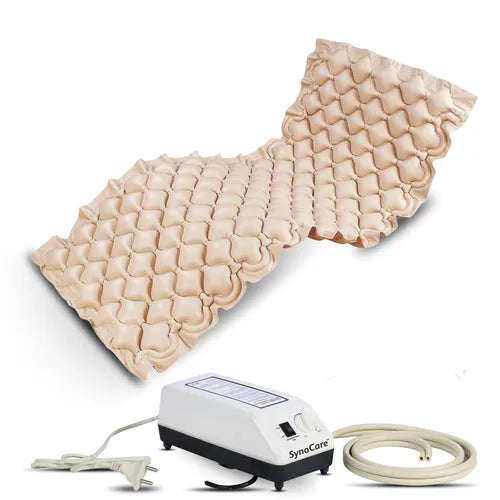
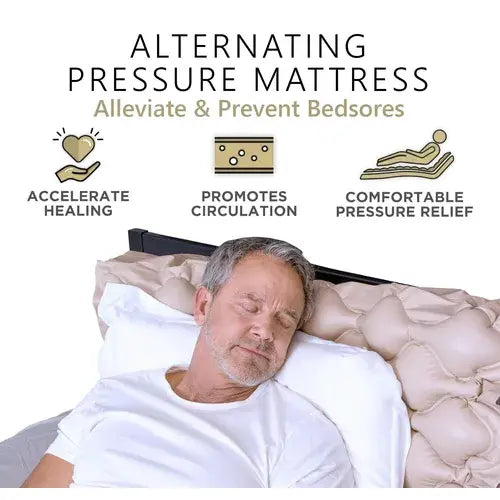
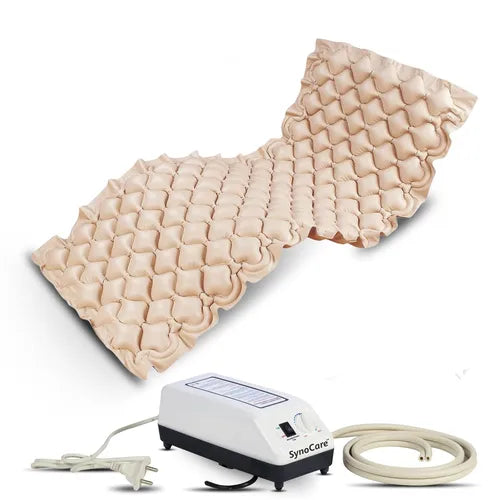
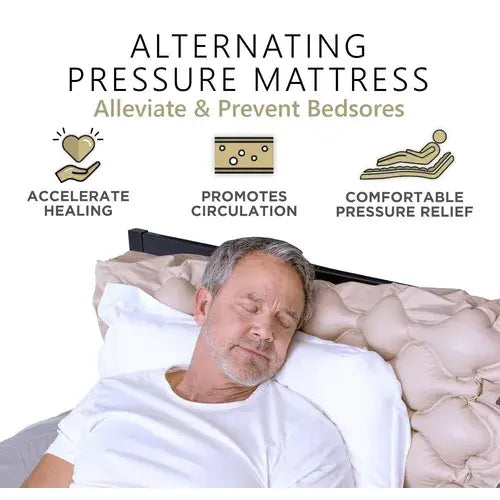
An anti-bedsore bubble air mattress is made of interconnected or independently inflated air cells (the "bubble" cell structure) sitting on top of or replacing a standard mattress. An electric pump continuously or alternately inflates and deflates rows of cells, which shifts exactly where the body's weight is bearing down every few minutes. This constant, gentle redistribution is the core mechanism these mattresses rely on to reduce the sustained pressure that leads to bedsores — it works alongside repositioning care, not as a substitute for it.
What to Check When Choosing One
- Pump type — confirm whether the pump runs continuously or on alternating cycles, and how audible it is, since it will typically run for extended periods in a bedroom.
- Mattress size — check the dimensions against your existing bed frame so it fits without gaps or overhang.
- Power backup — for patients who need the mattress running continuously, consider what happens during a power cut in your area, and whether a backup plan (battery, inverter) is needed.
- Ease of cleaning — look for a wipeable, puncture-resistant cover, since these mattresses are used by patients who may also need frequent linen changes.
- ROHS compliance — indicates the electrical components meet standard restrictions on hazardous substances, relevant given the mattress runs an electric pump continuously near the patient.
Using It Correctly
An air mattress reduces pressure-sore risk but does not eliminate it. Combine it with a regular turning/repositioning schedule (commonly every 2 hours for high-risk patients, though this should be set with a nurse or doctor for the specific patient), daily skin checks over bony areas, keeping the skin clean and dry, and good nutrition and hydration, which all affect skin resilience. If redness, discolouration, or skin breakdown appears despite these measures, contact a doctor or wound-care nurse promptly rather than relying on the mattress alone.
FAQs
Is an air mattress a replacement for turning the patient?
No. It reduces sustained pressure between repositioning, but caregivers should still follow a regular turning schedule as advised by the patient's doctor or nurse.
How loud is the pump?
Pumps run continuously while in use; most are designed to be reasonably quiet for bedroom use, but if noise is a concern, check the specific product listing or ask before ordering.
Can this be used on any bed frame?
It's designed to sit on a standard bed base or hospital bed frame; confirm the mattress dimensions match your bed before ordering.
What happens if the power goes out?
The mattress will stop cycling without power. If you're in an area with frequent outages and the patient is high-risk, discuss a backup power plan with your equipment supplier or a inverter/UPS solution.
[IMAGE: Anti-bedsore bubble air mattress with pump unit on a hospital bed frame]Explore Medical Collections
All Categories
Abdominal & Maternity Support

Accessories

Accu-Chek Instant Strips: Use, Compatibility, Price & Blood Sugar Testing Guide
Accu-Chek Instant Strips: Uses, Features & Complete Guide

accupuncture

Acupuncture Needles & Supplies

Advanced Physiotherapy Machines & Lumbar Physiotherapy

Airways

Ambulance

Anatomy Models
Anesthesia Machine

Anesthesia Products
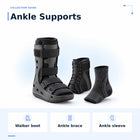
Ankle Support for Home Use: Braces, Sleeves & Walker Boots
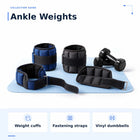
Ankle Weights & Exercise Weights for Home & Rehab

Anti-Bedsore Air Mattresses
You may also need
FOR YOURecommended for you
Save 50%
Save 50%