


Featured ChoiceSave 25%
Save 12%
Save 50%
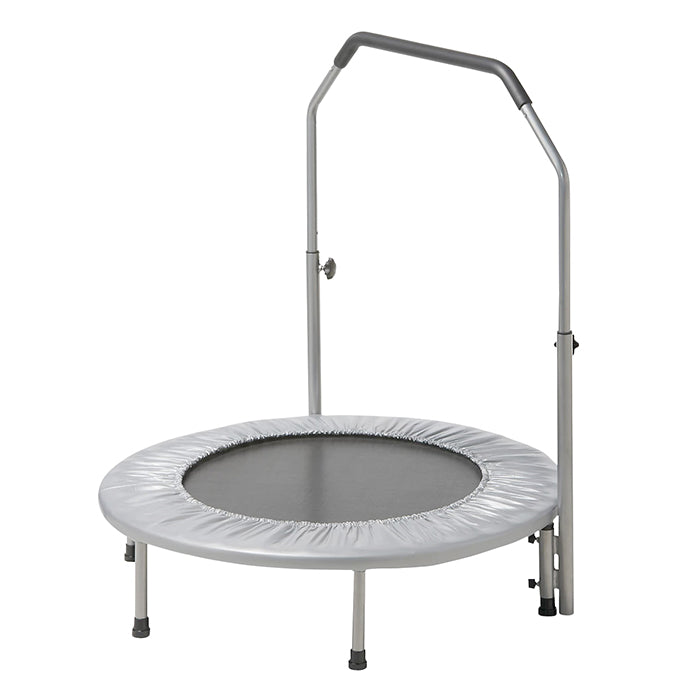
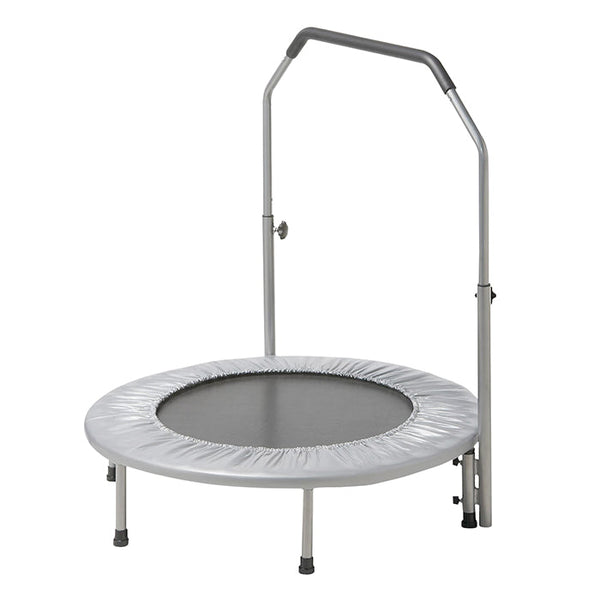
Save 50%
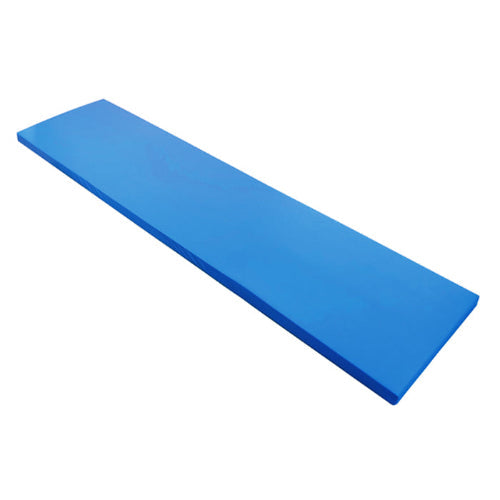
Save 30%
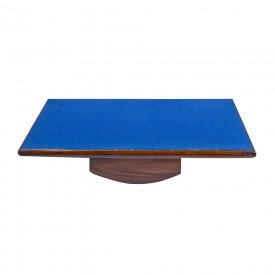
Save 31%
Save 25%

Save 20%

What customers say
★★★★★ 5.0 · 4 reviews
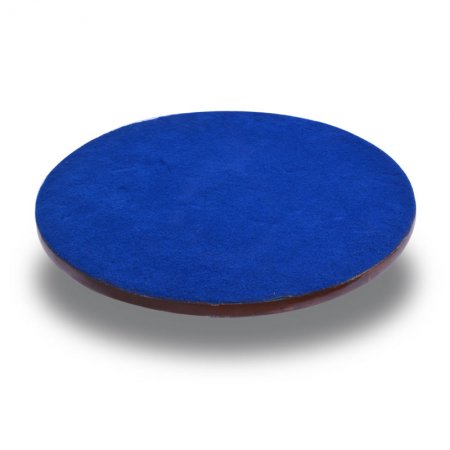
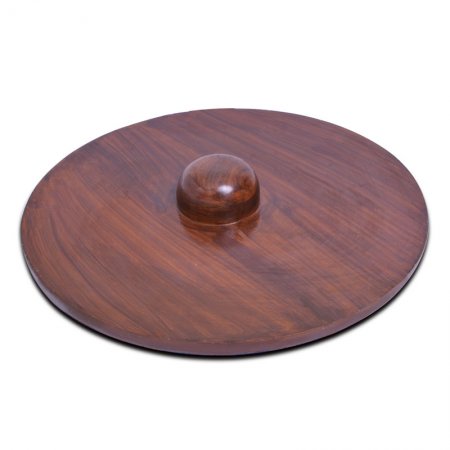
 Wooden Wobble Board
“Great for improving balance and stability!”
“The Wooden Wobble Board is an excellent tool for improving balance and stability. It’s sturdy, easy to use,”
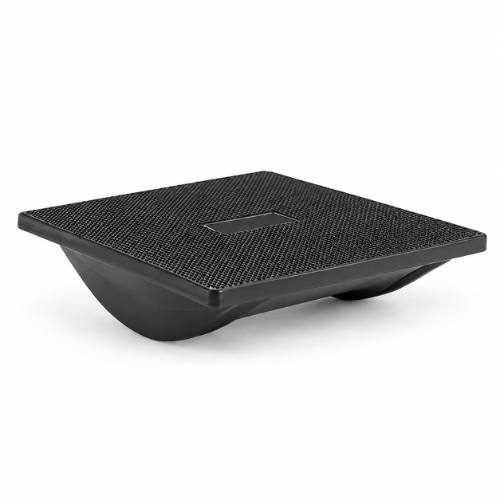
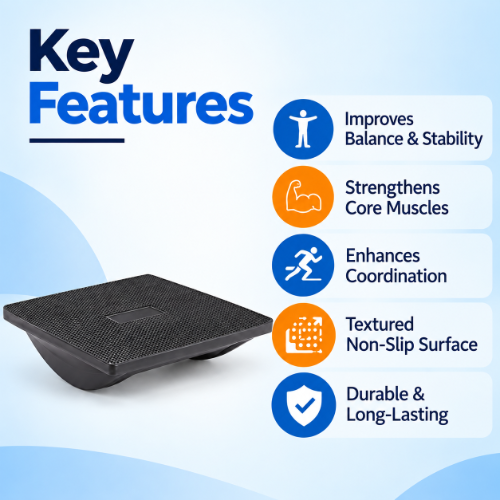
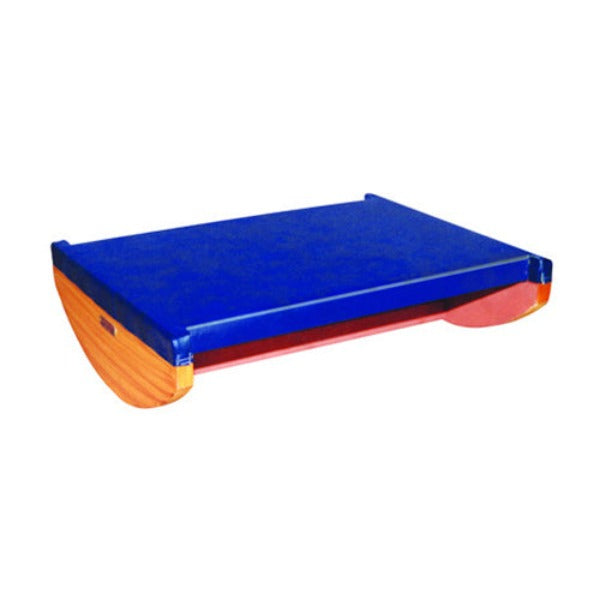
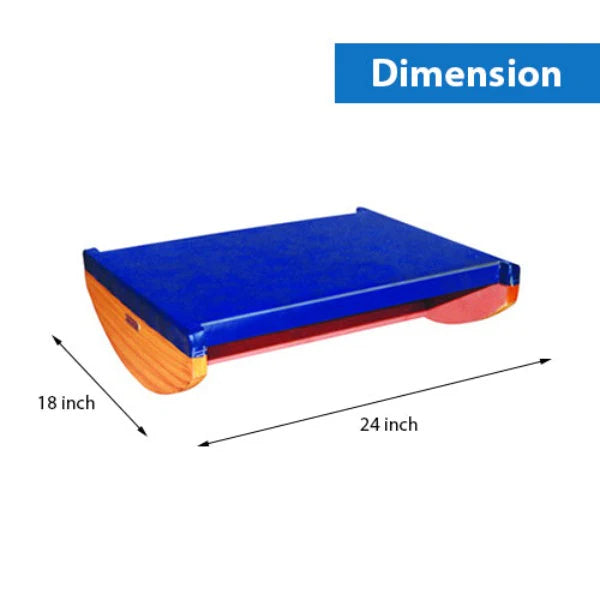
 Equilibrium Board (Rectangular)
“The Equilibrium Board (Rectangular) is perfect for improving balance and stability. It’s durable, easy to use,”
Balance Training Equipment
Balance Training Equipment supports exercises that help improve stability, body control, coordination, posture, and functional movement. Good balance plays an important role in everyday activities such as walking, standing, changing direction, climbing stairs, and moving from one position to another. For this reason, balance exercises are commonly included in physiotherapy, rehabilitation, fitness, sports training, and functional exercise programs.
Our range of balance training products can help users perform controlled activities on stable or adjustable surfaces. Different equipment options can support beginners, active adults, athletes, older users, and people working through rehabilitation programs. Depending on the exercise, the equipment can challenge the lower body, core muscles, coordination, and postural control.
Regular balance practice can also help users become more aware of body position and movement. A structured exercise routine allows gradual progression from simple activities to more challenging movements. In professional settings, therapists and trainers can select suitable equipment according to the user's ability, goals, and exercise plan.
Customers looking for additional rehabilitation products can also explore physiotherapy and rehabilitation equipment for different therapeutic and functional training requirements.
Product Overview
Balance Training Equipment includes exercise tools designed to create opportunities for controlled balance and stability training. Depending on the product type, an item may provide a stable platform, an unstable surface, a raised training area, or another type of movement challenge. Such variations allow exercises to become more progressive as the user develops better control.
Physiotherapy clinics often use balance equipment during functional rehabilitation sessions. A therapist may introduce basic standing exercises before progressing to weight shifting, reaching, stepping, or dynamic movement. This approach can make training more structured while allowing the difficulty level to match the user's current ability.
Fitness professionals can also include balance exercises in general conditioning programs. Improved stability may support better movement quality during activities that require controlled changes in body position. Athletes may use similar exercises to complement strength, mobility, coordination, and sport-specific training.
For home users, simple balance exercises can become part of a regular fitness routine when the equipment is appropriate for the user's ability and available space. Safety remains important, especially when an exercise involves an unstable or elevated surface.
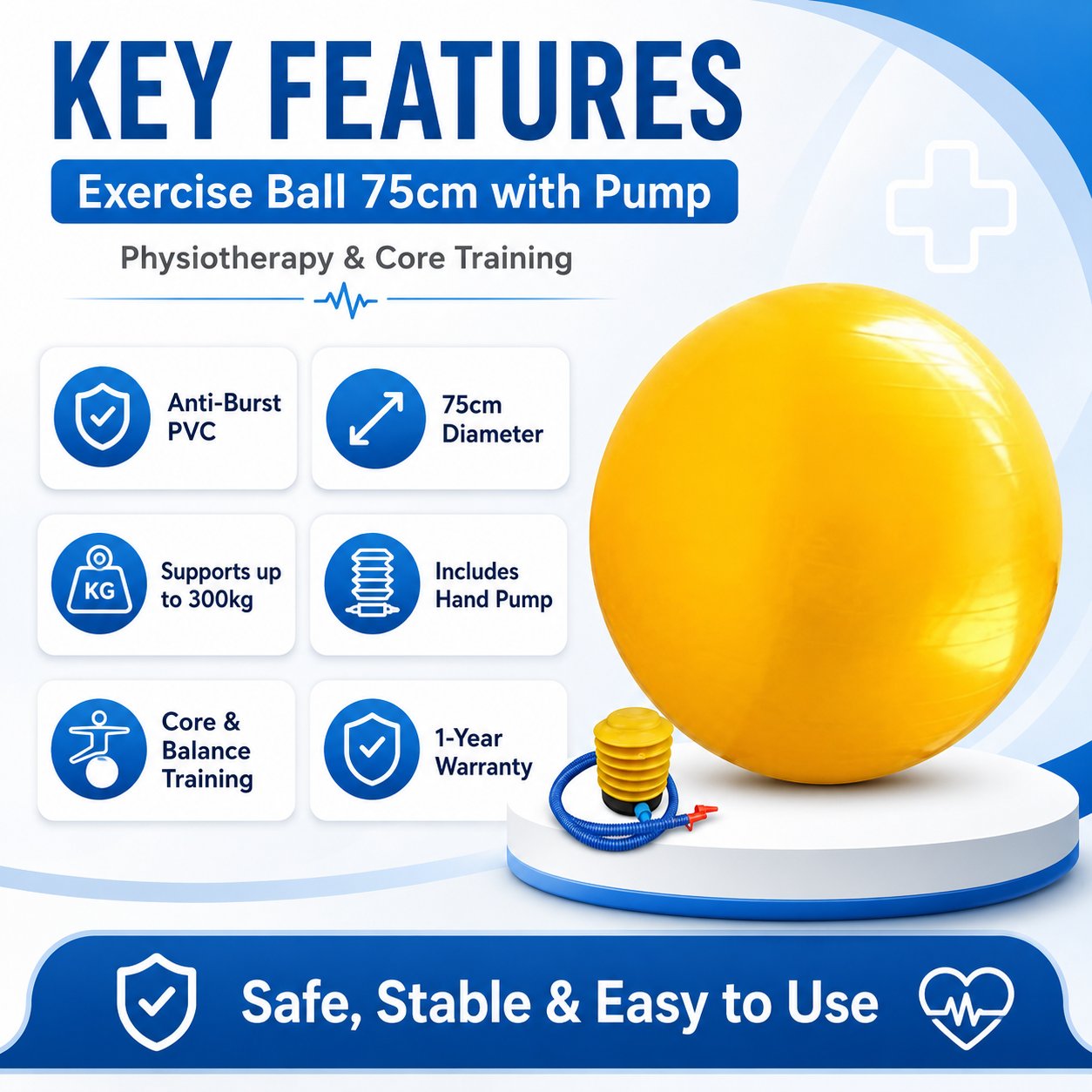
Depending on the training objective, users may also consider exercise equipment for home workouts. Exercise balls, resistance products, and other suitable training tools can complement a balanced fitness routine when used correctly.
- Suitable for balance and stability exercises
- Useful for physiotherapy and rehabilitation programs
- Supports coordination and body control activities
- Can be used for functional fitness training
- Useful for progressive exercise routines
- Available for different training environments
Key Features of Balance Training Equipment
Balance equipment can provide several useful training options for users who want to work on stability and movement control. The exact features depend on the selected product, so buyers should review the individual product specifications before purchase.
- Balance-focused training: Designed to support exercises that challenge stability and postural control.
- Coordination exercises: Helps create opportunities for controlled movement and body awareness.
- Progressive training: Different equipment types can support basic and advanced exercise levels.
- Physiotherapy applications: Suitable options can be included in rehabilitation routines under professional guidance.
- Functional movement practice: Exercises can focus on movements used during daily activities.
- Fitness applications: Balance drills can complement strength, mobility, and conditioning workouts.
- Multiple exercise possibilities: Depending on the equipment, users can perform standing, weight-shifting, stepping, or coordination activities.
Choosing the correct equipment is important because every user has different needs. A beginner may require a more stable training surface, while an experienced athlete may need a greater movement challenge. Professional guidance can help determine the appropriate starting level.
Buyers comparing products can visit the Meddey balance equipment collection to review available options and check the specifications listed for individual products.
Why Balance Training Is Important
Balance is closely connected with posture, coordination, muscle control, and movement awareness. The body constantly adjusts its position while standing and moving. Even simple activities require the nervous system and muscles to work together to maintain control.
Balance training provides repeated opportunities to practice these adjustments. During an exercise, the user may shift weight from one side to another or maintain a controlled position while reaching. These activities can encourage better awareness of movement and body positioning.
Functional exercises can also make balance training more relevant to daily movement. Walking, turning, stepping over an object, and getting up from a chair all require some level of stability. A suitable training program can therefore include exercises that gradually build confidence with these movements.
Rehabilitation professionals may use balance exercises after assessing a person's movement ability. The program can then be adjusted according to the individual's goals and response to training. Progress should always remain controlled rather than unnecessarily difficult.
For a broader range of therapeutic products, users can explore physiotherapy and rehabilitation products that may complement a professional exercise plan.
Balance Training Exercises and Activities
Balance equipment can support many types of exercises. The selected activity should match the user's experience, physical ability, and training objective. Beginners should start with simple movements before attempting exercises that create greater instability.
Static Balance Exercises
Static exercises involve maintaining a controlled body position without significant movement. Standing on a suitable training surface is one common example. The user focuses on posture, weight distribution, and controlled breathing while maintaining stability.
Weight-Shifting Exercises
Weight shifting involves moving body weight from one leg to another in a controlled manner. These movements can help users practice control while changing their center of gravity. Therapists may use this activity during functional rehabilitation programs.
Stepping Activities
Stepping exercises introduce movement while maintaining balance. Depending on the equipment and the user's ability, exercises may involve forward, sideways, or controlled stepping patterns. A stable support should be available when required.
Reaching Exercises
Reaching while maintaining a stable standing position can add another movement challenge. The activity may involve reaching forward or toward different directions. Controlled movement remains more important than reaching as far as possible.
Coordination Drills
Some balance routines combine movement patterns that require coordination between the upper and lower body. These drills can be adjusted according to the user's training level. Slow, accurate movements often provide a useful starting point.
- Single-leg balance practice when appropriate
- Controlled weight shifting
- Forward and lateral stepping
- Reach-and-return exercises
- Postural control activities
- Coordination drills
- Functional movement practice
Suitable exercise and rehabilitation tools can complement these activities when they match the user's needs and professional recommendations.
Benefits of Balance Training Equipment
Regular balance exercises can provide several training benefits when performed correctly. The results depend on the individual's starting ability, exercise selection, consistency, and overall program.
- Improved stability: Regular practice can help users work on controlled standing and movement.
- Better coordination: Balance exercises require different parts of the body to work together.
- Enhanced body awareness: Users can learn to recognize changes in body position and weight distribution.
- Functional movement support: Exercises can imitate movement demands found in daily activities.
- Core engagement: Certain balance activities require controlled trunk positioning.
- Progressive exercise: Training difficulty can be adjusted as the user develops better control.
- Rehabilitation support: Appropriate equipment can form part of a therapist-led rehabilitation plan.
Balance training should not be viewed as a replacement for medical treatment. Instead, it can serve as one part of a broader exercise or rehabilitation program. Individuals with medical conditions or significant movement limitations should seek professional guidance before starting challenging balance exercises.
Users who need additional tools for a supervised recovery routine can browse rehabilitation equipment and exercise tools to compare products for different training requirements.
Balance Training for Physiotherapy and Rehabilitation
Physiotherapy programs often focus on restoring movement, strength, coordination, and functional ability. Balance training may become useful when a therapist identifies stability or postural control as part of the rehabilitation goal.
During a session, the therapist can select an exercise that matches the user's current ability. Initial activities may involve supported standing or basic weight shifting. As control improves, the program can progress toward more dynamic movements.
Rehabilitation exercises should remain purposeful and controlled. The therapist can monitor movement quality and modify the exercise when necessary. Such supervision is especially useful for users who have difficulty standing independently or who have a higher risk of losing balance.
Balance equipment may also help create measurable progression within a rehabilitation routine. A professional can document the exercise level, duration, repetitions, or movement pattern used during training. Progress can then be reviewed over time.
Clinics and healthcare facilities can explore physiotherapy rehabilitation equipment for products that may complement supervised exercise and mobility programs.
Applications and Use Cases
Balance Training Equipment can be used across several environments. The exact application depends on the product design and the user's requirements.
- Physiotherapy clinics: Supports supervised balance and rehabilitation exercises.
- Rehabilitation centers: Can be included in structured recovery programs.
- Hospitals: Suitable equipment may support selected mobility and functional training activities.
- Fitness centers: Balance drills can complement general fitness routines.
- Sports training: Athletes can use balance activities alongside strength and conditioning exercises.
- Senior fitness programs: Appropriate exercises can focus on controlled movement and stability.
- Home exercise: Suitable products can support individual training when adequate safety measures are followed.
- Occupational therapy: Selected activities may support functional movement practice.
Professional environments should select equipment according to the intended users and exercise goals. Home users should also consider available space, flooring, support options, and their ability level before beginning a routine.
For home-based exercise requirements, the home exercise equipment collection offers another relevant place to compare suitable training tools.
How to Use Balance Training Equipment
Correct use depends on the type of balance equipment selected. Always read the manufacturer's instructions before beginning an exercise. Professional supervision is recommended for users who have difficulty maintaining balance.
- Place the equipment on a suitable, stable, and level surface.
- Check the equipment for visible damage before use.
- Wear comfortable clothing and suitable footwear.
- Begin with an easy exercise that matches your current ability.
- Maintain controlled posture throughout the movement.
- Use nearby support when the exercise requires additional stability.
- Increase difficulty gradually rather than making sudden changes.
- Stop the activity if pain, dizziness, unusual discomfort, or significant instability occurs.
- Clean and store the equipment according to the manufacturer's instructions.
A qualified physiotherapist or fitness professional can demonstrate appropriate exercises when the user is unsure about technique. Beginners should avoid advanced unstable exercises without proper instruction.
How to Choose Balance Training Equipment
Selecting the right equipment depends on the intended use. A product for a physiotherapy clinic may have different requirements from an item intended for basic home exercise.
Consider the User's Ability
Start by identifying whether the user is a beginner, experienced exerciser, athlete, or rehabilitation patient. A suitable starting level can make training safer and easier to manage.
Consider the Exercise Goal
Think about whether the main goal involves static balance, coordination, functional movement, rehabilitation, sports training, or general fitness. The intended goal can help narrow down the equipment options.
Check Available Space
Make sure the training area provides enough room for safe movement. Clear nearby objects that could cause injury if the user loses balance.
Review Product Specifications
Always check the individual product page for dimensions, material, weight capacity, included components, and other specifications when those details are important for your application.
- User ability and experience
- Intended exercise type
- Training environment
- Available floor space
- Product stability
- Weight capacity where applicable
- Storage requirements
- Manufacturer instructions
To compare available options, visit the balance training products collection and review the information provided for each product.
Safety Guidelines
Safety should remain a priority during every balance exercise. Even a simple movement can become challenging when the training surface changes stability.
- Use the equipment only for its intended purpose.
- Keep the exercise area clear of obstacles.
- Place equipment on an appropriate surface.
- Use supervision when working with beginners or rehabilitation users.
- Do not exceed the manufacturer's stated weight capacity.
- Avoid advanced exercises without proper instruction.
- Stop training when pain or unusual symptoms appear.
- Inspect the equipment regularly for wear or damage.
- Follow all manufacturer safety instructions.
People with significant mobility limitations, recent injuries, neurological conditions, or other health concerns should consult an appropriate healthcare professional before starting a new balance training program.
Care and Maintenance
Proper maintenance can help keep balance equipment clean and ready for regular use. The exact cleaning method depends on the product material and manufacturer's instructions.
- Wipe the equipment after regular use when appropriate.
- Use cleaning products recommended for the product surface.
- Keep the equipment dry unless the manufacturer states otherwise.
- Store products in a clean and suitable location.
- Inspect surfaces, joints, handles, and other components regularly.
- Remove damaged equipment from service until it has been checked.
Frequent inspection becomes especially important in clinics, gyms, and rehabilitation centers where multiple people may use the same equipment. A simple maintenance routine can also help identify wear before it affects normal use.
Technical Information
Balance Training Equipment is available in different designs and configurations. Because specifications can vary between individual products, buyers should check the specific product listing before making a purchase.
| Specification | Information |
|---|---|
| Product Category | Balance Training Equipment |
| Primary Purpose | Balance, stability, coordination, and functional training |
| Common Applications | Physiotherapy, rehabilitation, fitness, sports, and home exercise |
| Training Level | Beginner to advanced, depending on the selected product |
| Material | Varies by individual product |
| Dimensions | Varies by individual product |
| Weight Capacity | Check individual product specifications |
For further product comparisons, buyers can review rehabilitation equipment and exercise tools before choosing products for home or professional use.
Who Can Benefit from Balance Training?
Balance exercises can be useful for many different groups when the activity matches their ability and goals. The equipment should always be selected with safety and appropriate progression in mind.
- Physiotherapy patients
- Rehabilitation users
- Athletes
- Fitness enthusiasts
- Older adults participating in suitable exercise programs
- Individuals working on functional movement
- People improving coordination and body awareness
- Healthcare and fitness professionals conducting supervised training
Individual needs can vary significantly. Therefore, an exercise that is suitable for one person may not be appropriate for another. Professional assessment can help determine the right activity and difficulty level.
Users who require a wider range of therapy products can explore physiotherapy and rehabilitation equipment for additional options.
Professional Use in Clinics and Training Centers
Physiotherapy clinics, rehabilitation centers, sports facilities, and fitness centers may include balance equipment in structured exercise programs. Professionals can select different activities depending on the user's current movement ability.
In a clinical setting, balance exercises may form part of a broader rehabilitation plan. The therapist can combine stability work with strengthening, mobility, stretching, gait training, and functional activities as appropriate.
Sports professionals can also use balance exercises as part of broader conditioning programs. Controlled stability drills may complement other training activities without replacing sport-specific preparation.
For group fitness environments, trainers should make sure that each participant understands the exercise technique. Equipment selection should also consider available space and the skill level of the group.
Clinics planning a wider setup can browse physiotherapy and rehabilitation equipment for related products that may support different patient needs.
Frequently Asked Questions
What is Balance Training Equipment?
Balance Training Equipment refers to exercise tools designed to support activities focused on stability, coordination, posture, and controlled movement. Different products provide different levels of challenge. You can compare options in the balance training collection.
Who can use balance training equipment?
Suitable products can be used by physiotherapy patients, athletes, fitness users, older adults, and people working on functional movement. The exercise should match the user's ability.
Can balance equipment be used at home?
Yes, suitable products can be used for home exercise when the user has enough space and can perform the activity safely. Beginners should start with simple exercises.
Is balance equipment useful for physiotherapy?
Appropriate balance equipment can support physiotherapy and rehabilitation exercises. A qualified professional should determine whether a particular exercise is suitable for the patient.
Can athletes use balance training equipment?
Yes. Athletes can include balance exercises within broader strength, coordination, mobility, and conditioning programs. The exercise should complement the athlete's overall training plan.
How should I choose the right balance equipment?
Consider the user's ability, intended exercise, training environment, available space, and product specifications. Individual product details should always be reviewed before purchase.
Is professional supervision required?
Supervision is especially useful for beginners, rehabilitation users, and people who have difficulty maintaining balance. A professional can demonstrate correct technique and adjust the exercise level.
Where can I find related rehabilitation products?
You can browse physiotherapy and rehabilitation products or explore home exercise equipment to compare other tools that may suit your training needs.
Conclusion
Balance Training Equipment can support structured exercises for stability, coordination, posture, body awareness, and functional movement. Its applications extend across physiotherapy, rehabilitation, fitness, sports training, and suitable home exercise programs.
Choosing the right equipment starts with understanding the user's ability and training objective. A gradual approach allows exercises to become more challenging as control improves. Proper technique, a suitable training surface, and appropriate supervision can also make balance sessions safer and more effective.
Whether the goal involves rehabilitation, fitness, sports conditioning, or functional exercise, balance training can become a useful part of a well-planned routine. Always review the specific product specifications and follow the manufacturer's instructions before use.
Explore the Balance Training Equipment collection at Meddey to compare available balance boards and training products. You can also review physiotherapy and rehabilitation equipment for related products that may support a wider exercise plan.
Important Product Information
Balance Training Equipment covers a broad range of products, and specifications may differ between individual models. Information such as dimensions, materials, maximum user weight, included accessories, and exact design should therefore be confirmed on the relevant product page.
Product images and descriptions should be reviewed together before purchase. If the equipment will be used in a healthcare, rehabilitation, or professional environment, buyers should also consider the intended users, frequency of use, available space, and applicable safety requirements.
For users with specific medical or mobility concerns, professional advice should be obtained before beginning a new balance exercise routine.
To explore available products, visit the Meddey balance training category. For related products, the rehabilitation equipment guide may also be useful.
Explore Medical Collections
All Categories
Abdominal & Maternity Support

Accessories

Accu-Chek Instant Strips: Use, Compatibility, Price & Blood Sugar Testing Guide
Accu-Chek Instant Strips: Uses, Features & Complete Guide

accupuncture

Acupuncture Needles & Supplies

Advanced Physiotherapy Machines & Lumbar Physiotherapy

Airways

Ambulance

Anatomy Models
Anesthesia Machine

Anesthesia Products
Ankle Support for Home Use: Braces, Sleeves & Walker Boots
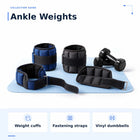
Ankle Weights & Exercise Weights for Home & Rehab

Anti-Bedsore Air Mattresses
You may also need
FOR YOURecommended for you
Save 25%
Save 12%
Save 50%
Save 50%
Save 25%
Save 30%
Save 31%
Save 20%