


34 products
Sort by
Sort by
Featured ChoiceSave 55%
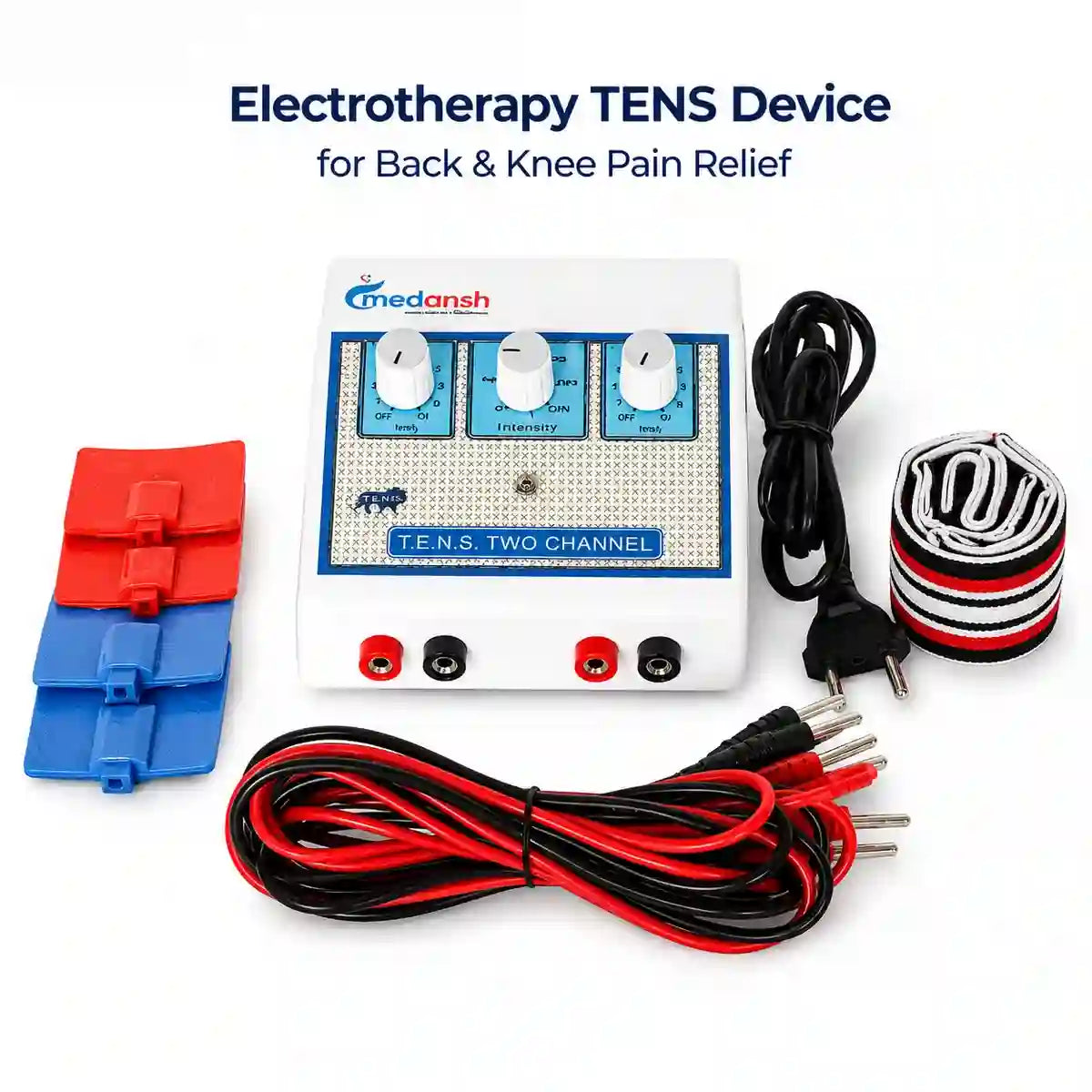
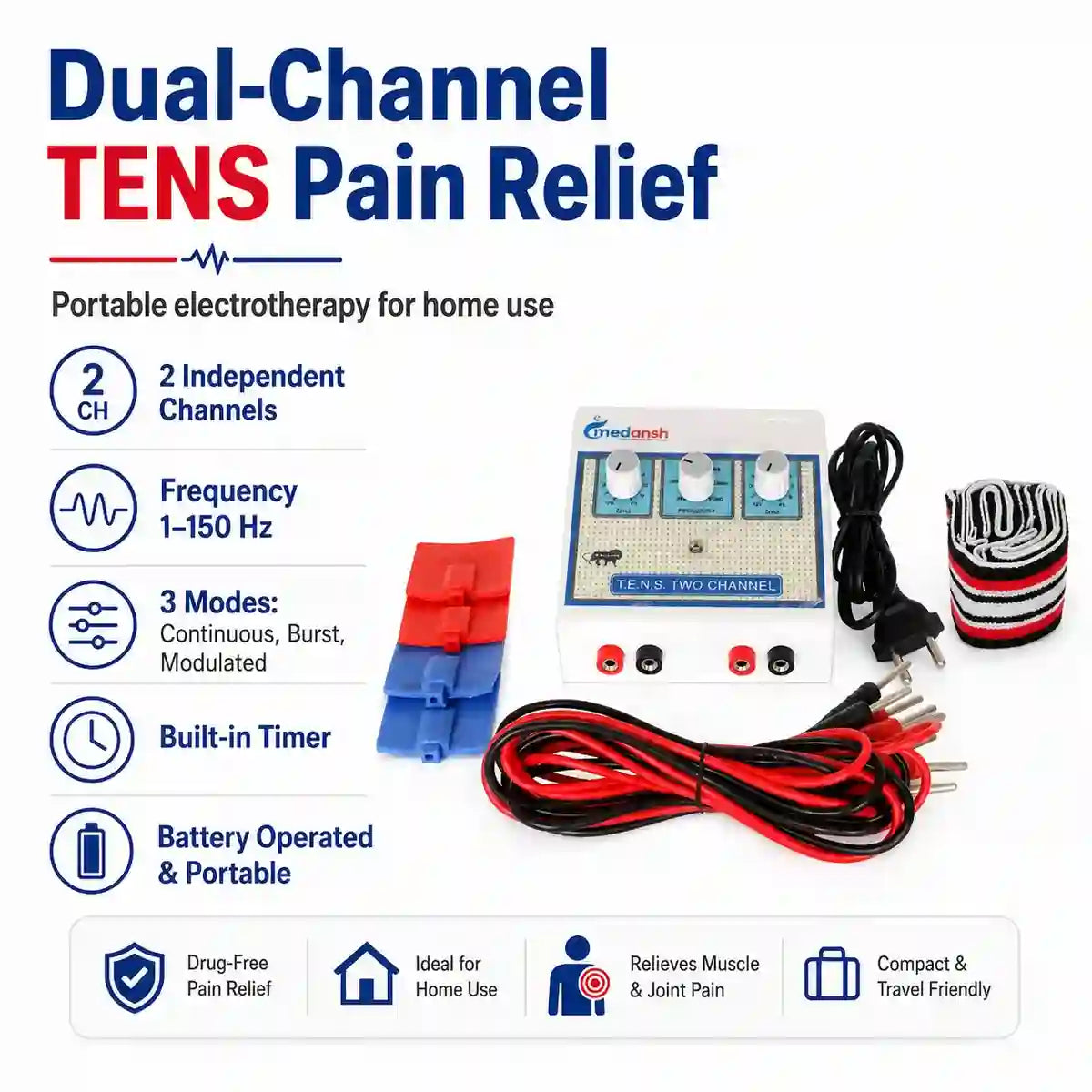
Electrotherapy TENS Device for Back & Knee Pain Relief
Sale priceRs. 1,449
Regular priceRs. 3,200
Save 55%

Medansh Physio Store
Electrotherapy TENS Device for Back & Knee Pain Relief
Sale price
Rs. 1,449
Regular price
Rs. 3,200
55% OFF
- Chronic back pain sufferers — lower back pain, lumbar strain and stiffness from lo...
- Knee pain and arthritis patients — osteoarthritis discomfort, post-injury knee reh...
- Sciatica patients — radiating leg pain relief through targeted electrode placement
Save 57%
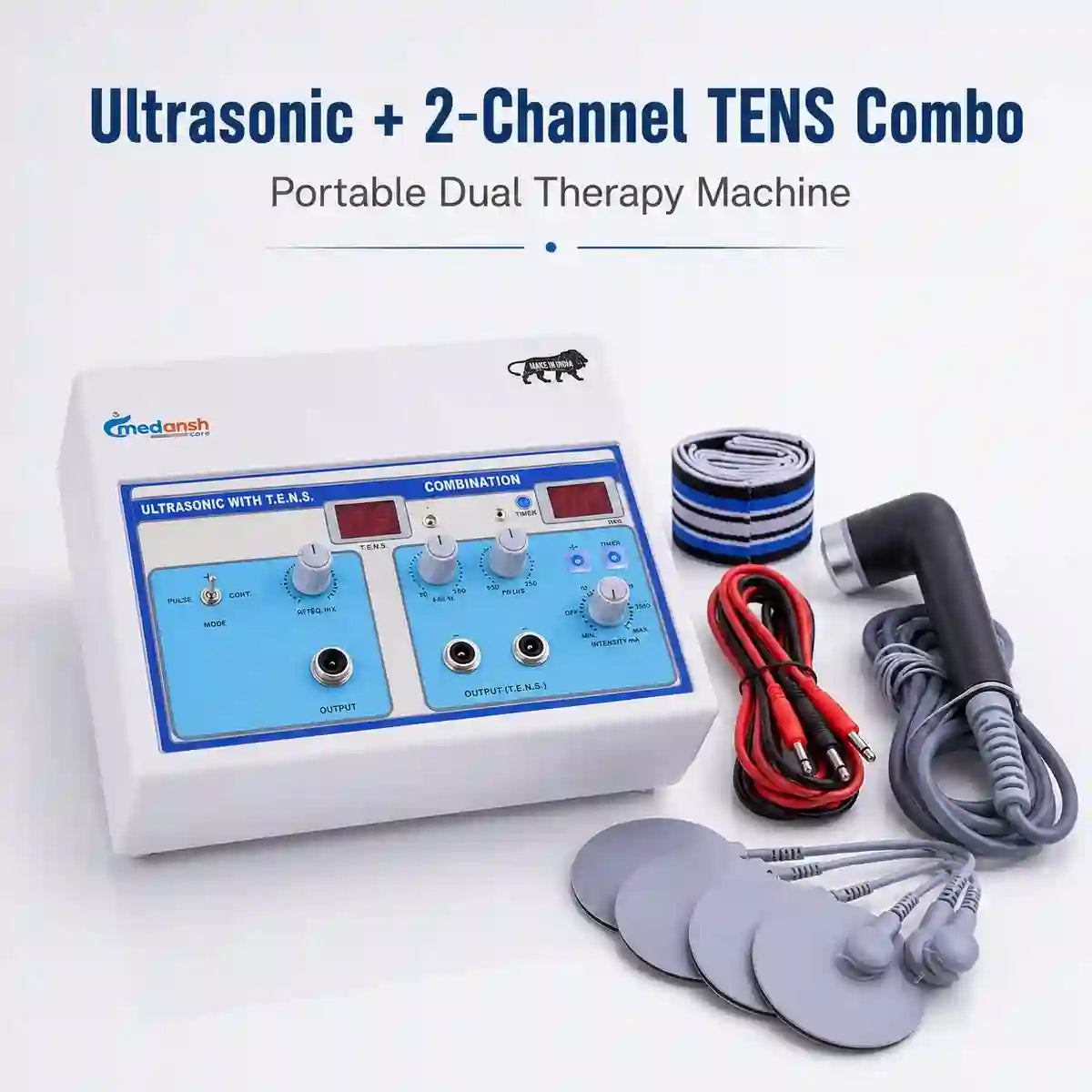
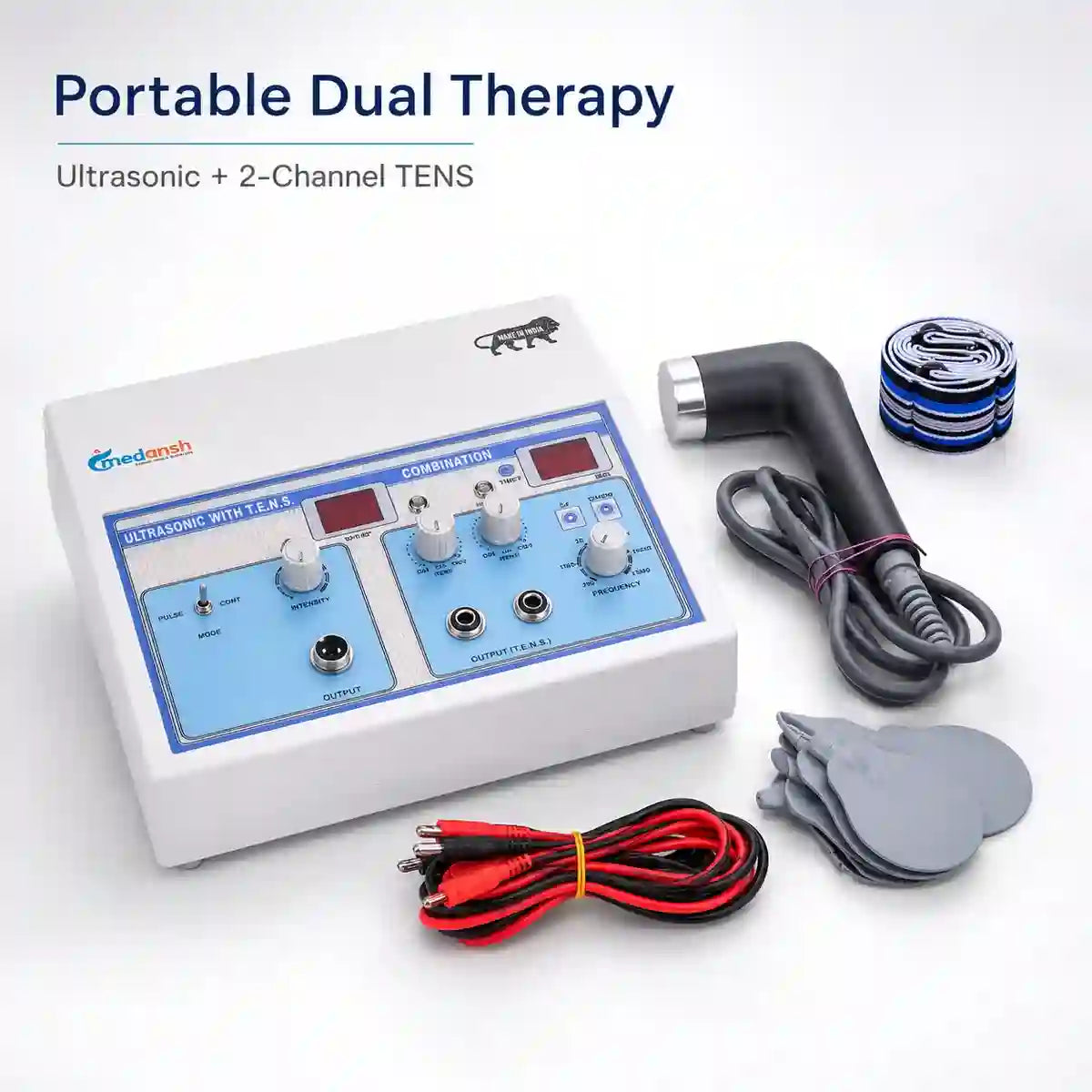
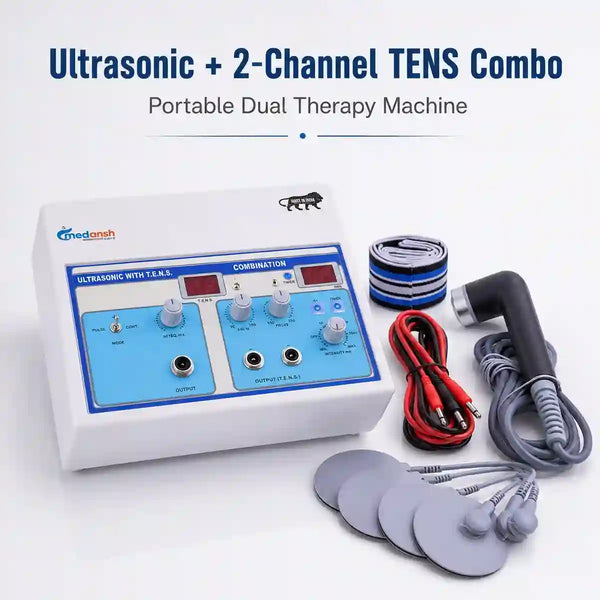
Ultrasonic + 2-Channel TENS Combo – Portable Dual Therapy Machine
Sale priceRs. 4,349
Regular priceRs. 10,000
Save 57%
Medansh Physio Store
Ultrasonic + 2-Channel TENS Combo – Portable Dual Therapy Machine
Sale price
Rs. 4,349
Regular price
Rs. 10,000
57% OFF
- Dual Therapy Functions: Combines ultrasonic therapy and two-channel TENS functiona...
- Two-Channel TENS Function: Provides two electrical stimulation channels for approp...
- Ultrasonic Therapy: Includes an ultrasonic therapy function within the same compac...
Save 59%
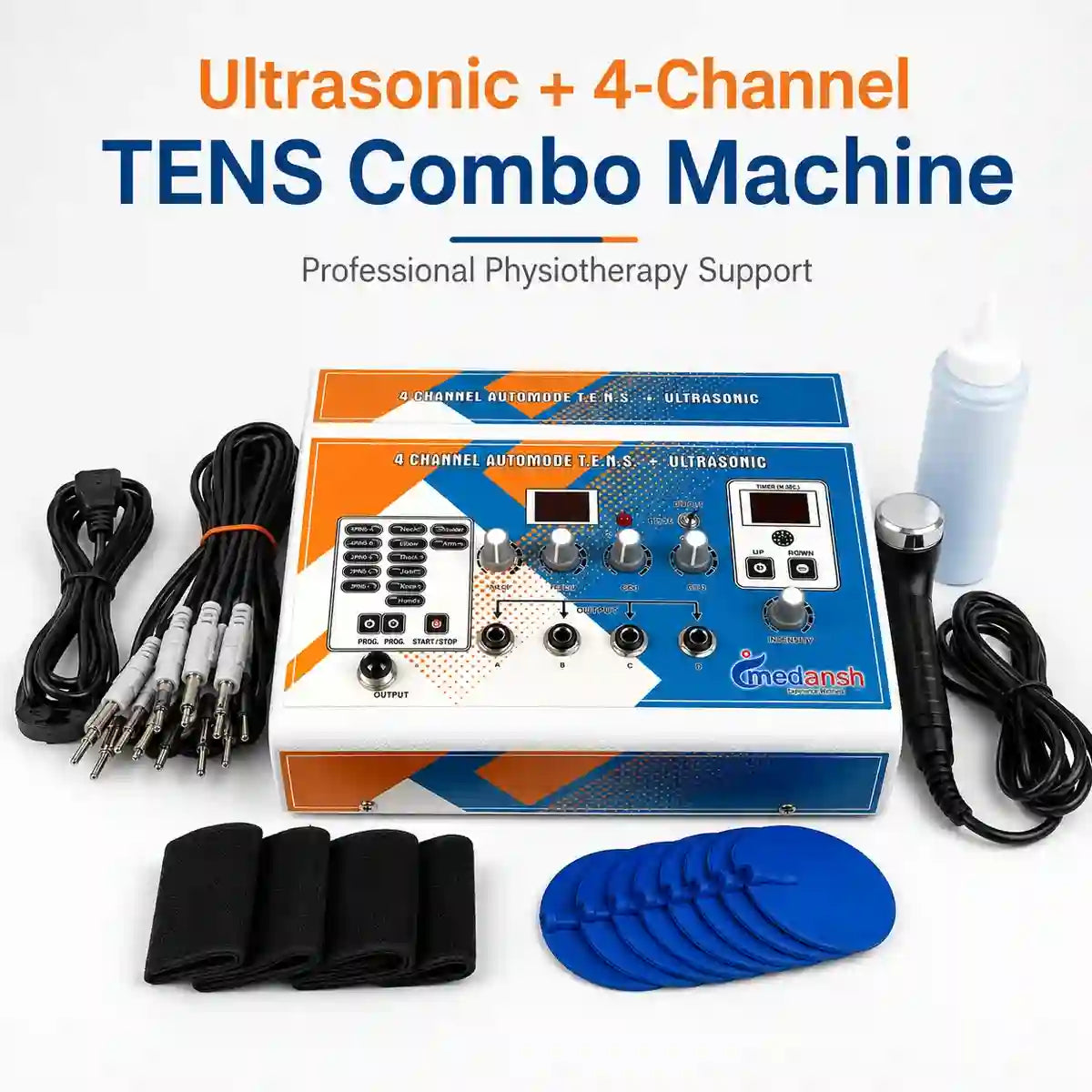
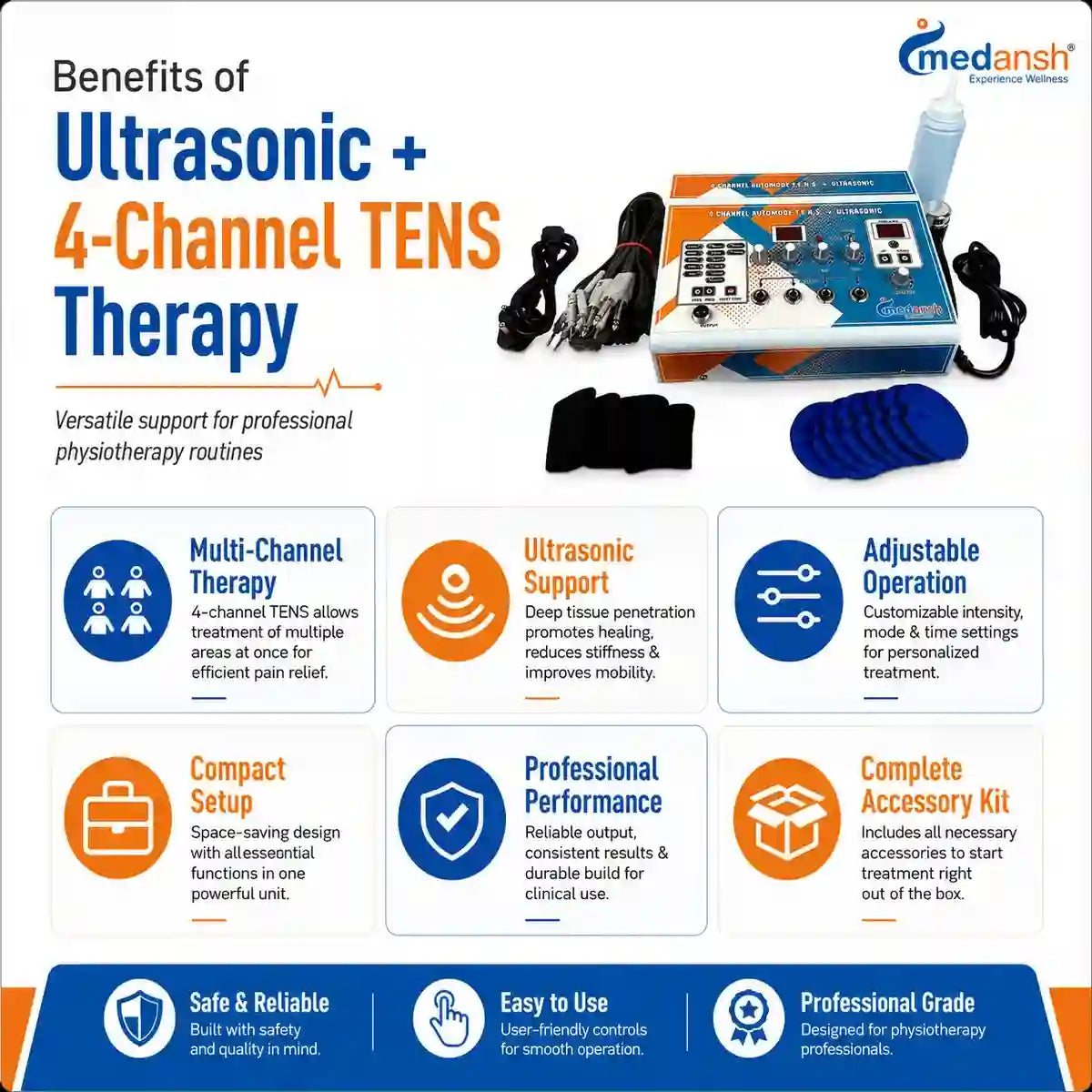
Ultrasonic + 4-Channel TENS Combo Machine – Professional Physiotherapy
Sale priceRs. 6,499
Regular priceRs. 16,000
Save 59%
Medansh Physio Store
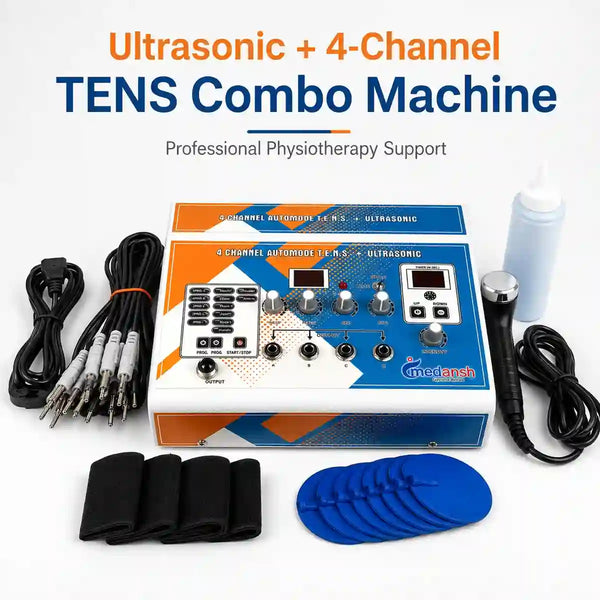
Ultrasonic + 4-Channel TENS Combo Machine – Professional Physiotherapy
Sale price
Rs. 6,499
Regular price
Rs. 16,000
59% OFF
- Two Therapy Options: Combines TENS electrical stimulation and ultrasound therapy i...
- 4-Channel TENS: Gives therapists four electrical stimulation channels for flexible...
- Professional Use: Supports physiotherapy, rehab and sports therapy work.
Save 47%
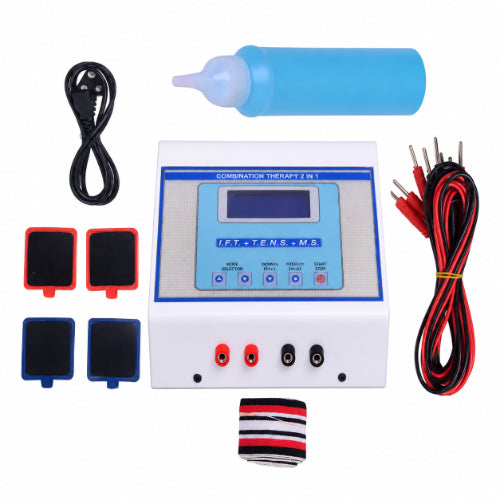
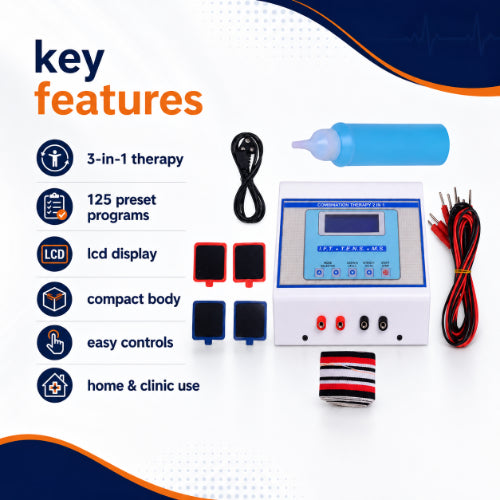
Mini LCD Combo IFT MS & TENS Machine with 125 Programs
Sale priceRs. 8,000
Regular priceRs. 15,000
Save 47%

Meddey Technologies Pvt Ltd
Mini LCD Combo IFT MS & TENS Machine with 125 Programs
Sale price
Rs. 8,000
Regular price
Rs. 15,000
47% OFF
- 125 Preset Programs: Helps simplify routine therapy selection.
- 3-in-1 Therapy: Combines IFT, MS and TENS in one compact unit.
- LCD Display: Makes program and treatment settings easy to view.
Save 38%
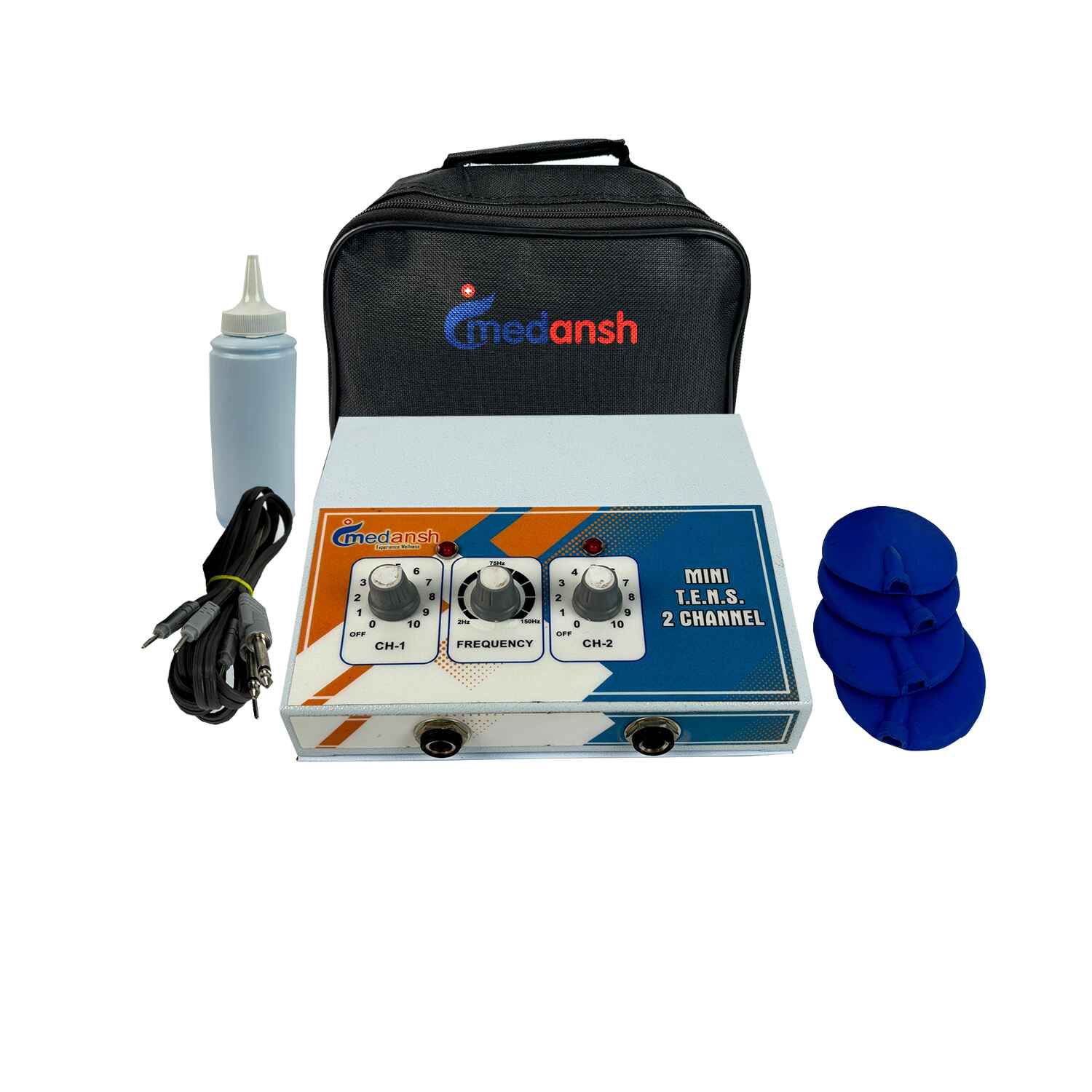
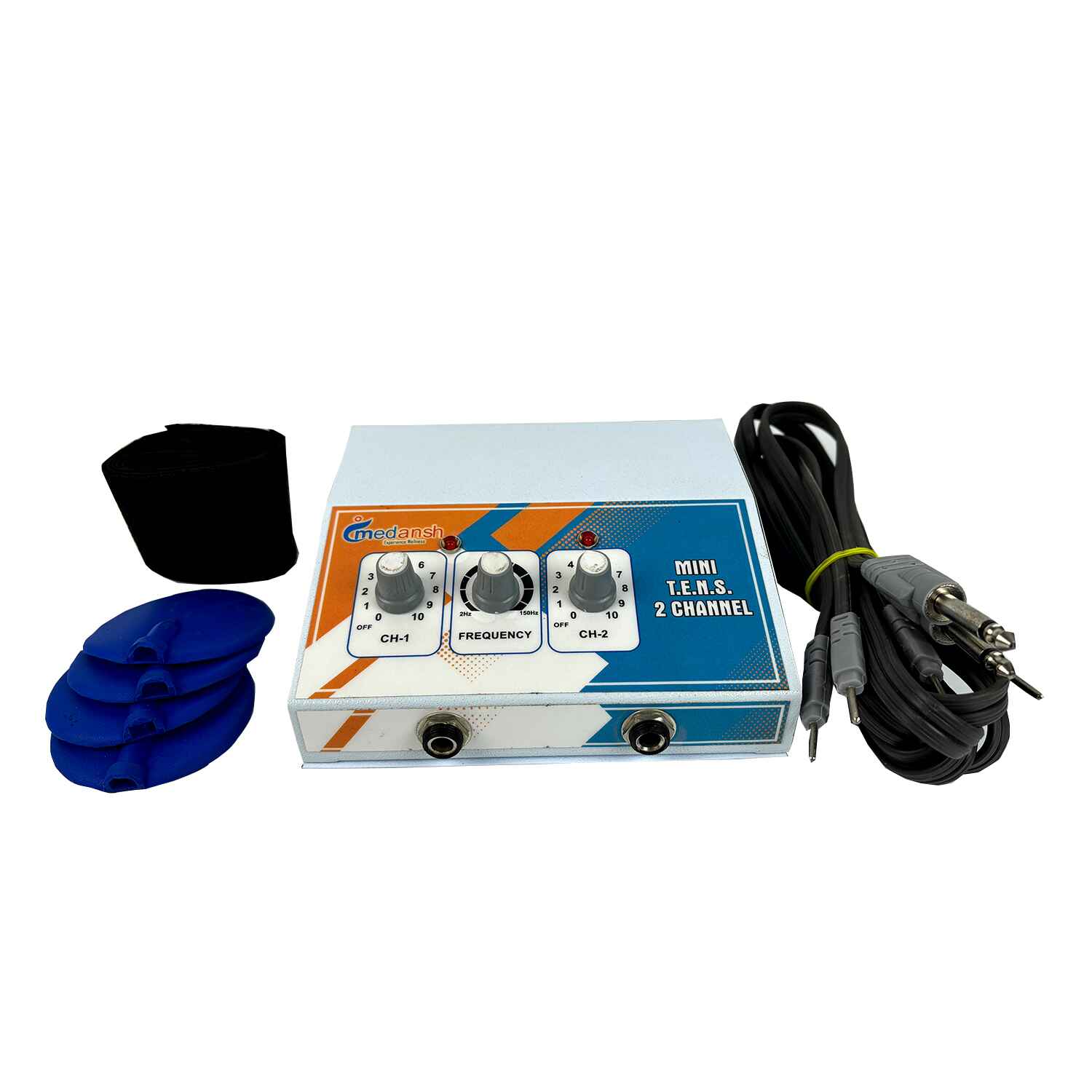
Medansh Portable TENS 2 channel Electrotherapy device for Pain Relief with 2 Year Warranty
Sale priceRs. 1,425
Regular priceRs. 2,300
Save 38%

Medansh
Medansh Portable TENS 2 channel Electrotherapy device for Pain Relief with 2 Year Warranty
Sale price
Rs. 1,425
Regular price
Rs. 2,300
38% OFF
- Chronic daily pain — back, knee, cervical and sciatic pain managed year-round
- Gifting to parents — extended cover means peace of mind from afar
- Budget-conscious long-term buyers — entry price, doubled protection
Save 19%
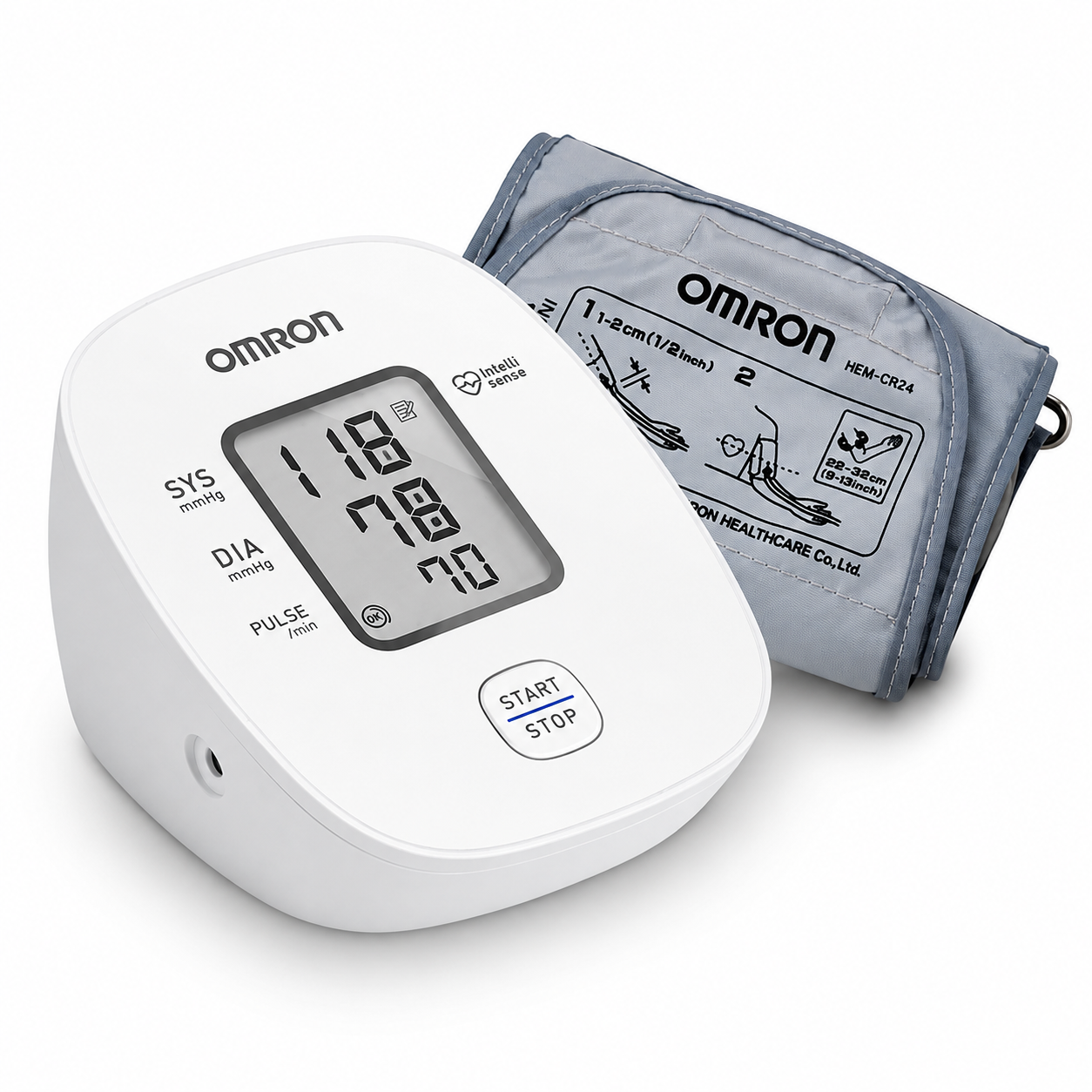
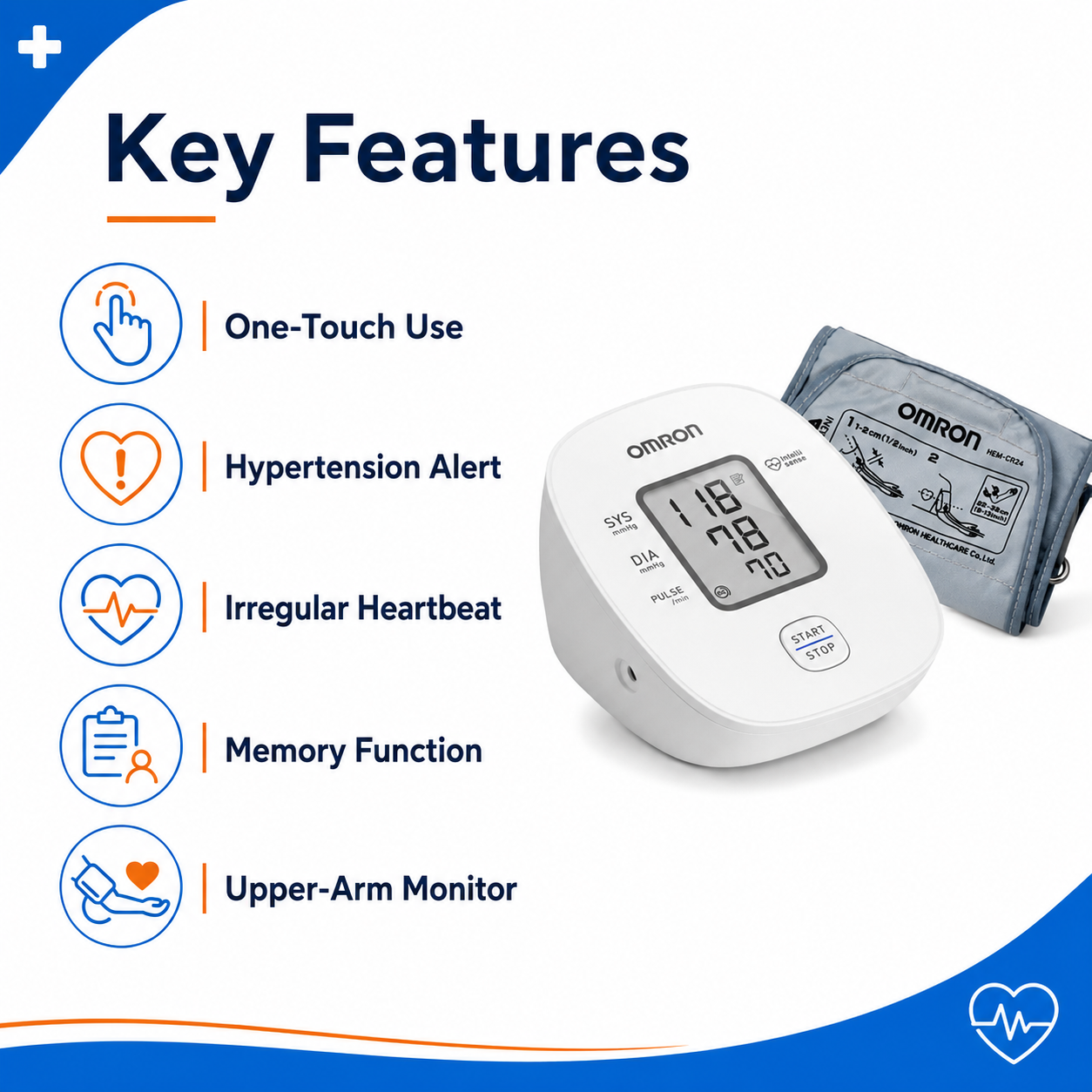
Omron 7121J BP Monitor with Hypertension Indicator | Digital BP Machine
Sale priceRs. 2,000
Regular priceRs. 2,457
Save 19%
MeddeyGo
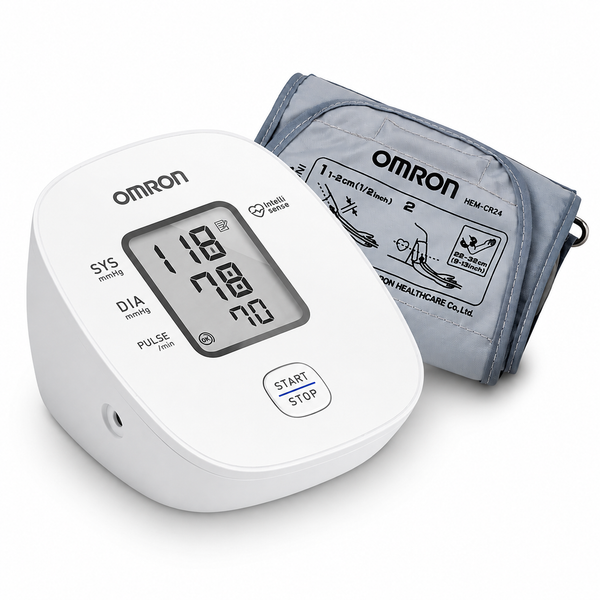
Omron 7121J BP Monitor with Hypertension Indicator | Digital BP Machine
Sale price
Rs. 2,000
Regular price
Rs. 2,457
19% OFF
- Fully Automatic Operation: Measures blood pressure with simple one-touch use.
- Hypertension Indicator: Helps identify readings that may be above the recommended ...
- Irregular Heartbeat Detection: Flags an irregular heartbeat detected during measur...
Save 55%


TENS Machine for Home Use | 2-Channel Pain Relief
Sale priceRs. 1,333
Regular priceRs. 2,944
5.0
(6)
6 reviews
Save 55%

Meddey
TENS Machine for Home Use | 2-Channel Pain Relief
Sale price
Rs. 1,333
Regular price
Rs. 2,944
55% OFF
- 2 Independent Channels: Two channels give users more choice when connecting the el...
- Adjustable Settings: Users can change the frequency, pulse width and intensity as ...
- Three Modes: The device offers continuous, burst and modulated modes for different...
Save 22%
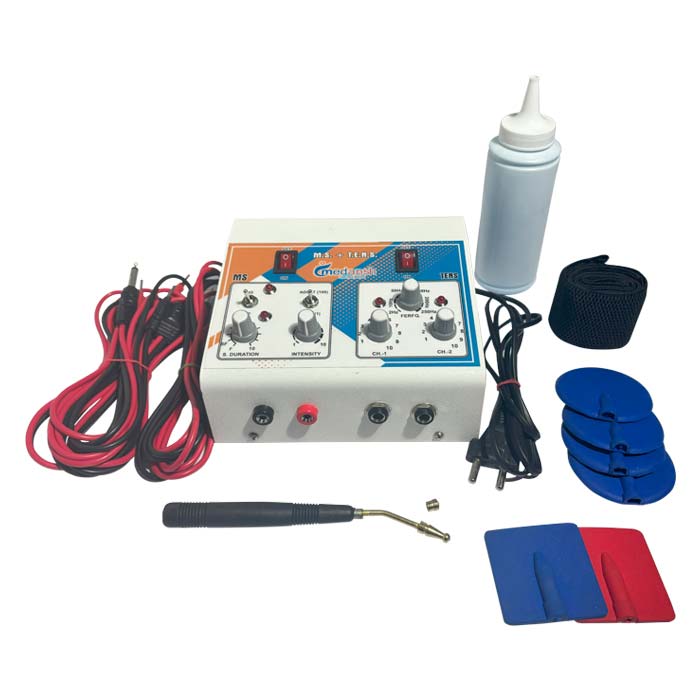
Medansh Portable TENS 2 channel with Muscle stimulator for pain relief with 2 year warranty
Sale priceRs. 3,220
Regular priceRs. 4,140
Save 22%

Medansh
Medansh Portable TENS 2 channel with Muscle stimulator for pain relief with 2 year warranty
Sale price
Rs. 3,220
Regular price
Rs. 4,140
22% OFF
- Hospitals and physiotherapy clinics
- Sports rehabilitation centers
- Home care and guided therapy programs
Save 40%
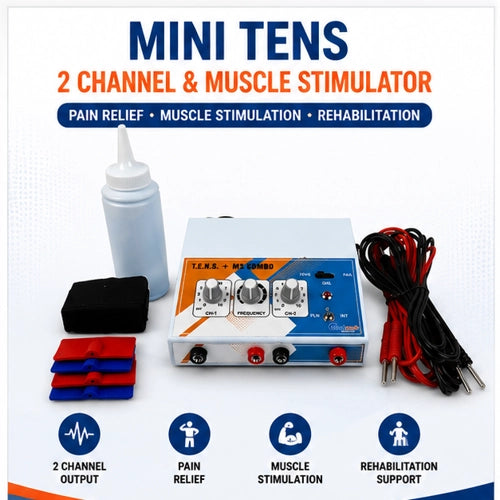
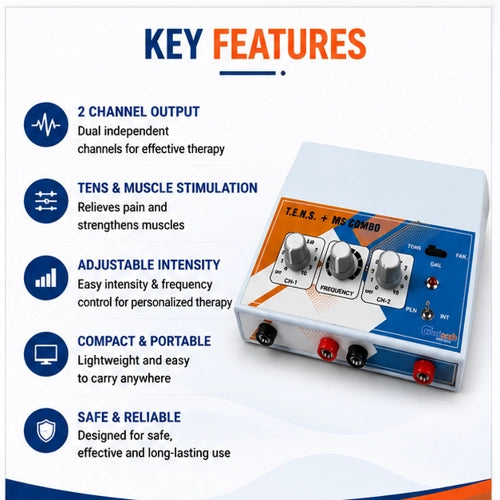
Mini Tens 2 Channel and Muscle Stimulator Machine with 1 Year Warranty
Sale priceRs. 1,655
Regular priceRs. 2,760
Save 40%

Medansh
Mini Tens 2 Channel and Muscle Stimulator Machine with 1 Year Warranty
Sale price
Rs. 1,655
Regular price
Rs. 2,760
40% OFF
- 2-in-1 Therapy: Combines TENS and muscle stimulation in one unit.
- 2 Independent Channels: Supports two separate treatment areas.
- 4 Electrode Pads: Provides flexible pad placement for selected therapy areas.
Save 33%
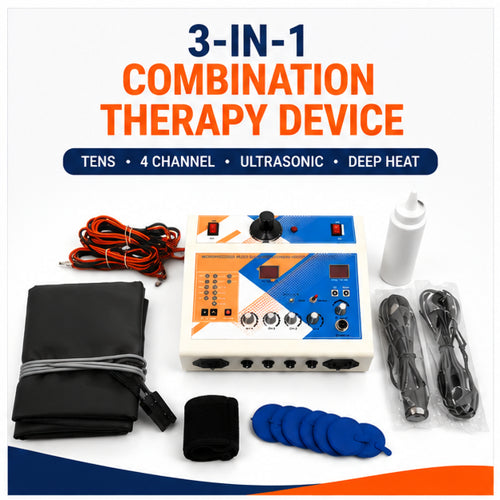
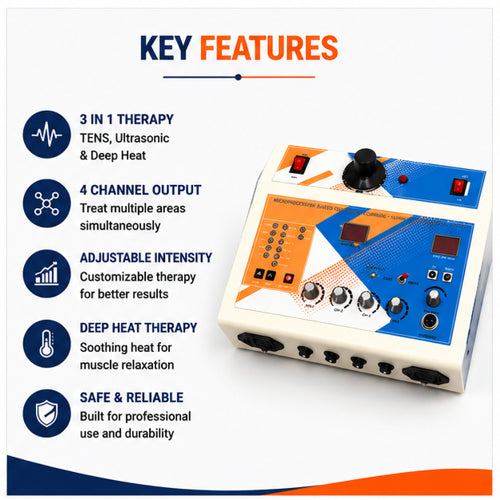
Medansh COMBINATION THERAPY 3 in 1 - TENS 4 Channel Ultrasonic and Deep Heat for Pain management
Sale priceRs. 7,359
Regular priceRs. 11,040
5.0
(2)
2 reviews
Save 33%

Meddey
Medansh COMBINATION THERAPY 3 in 1 - TENS 4 Channel Ultrasonic and Deep Heat for Pain management
Sale price
Rs. 7,359
Regular price
Rs. 11,040
33% OFF
- 3-in-1 Therapy: Combines TENS, Ultrasound and Deep Heat in one unit.
- 4 Channel TENS: Supports multiple electrode placements and wider treatment coverage.
- Ultrasound Therapy: Adds a useful option for selected soft-tissue rehabilitation p...
Save 33%
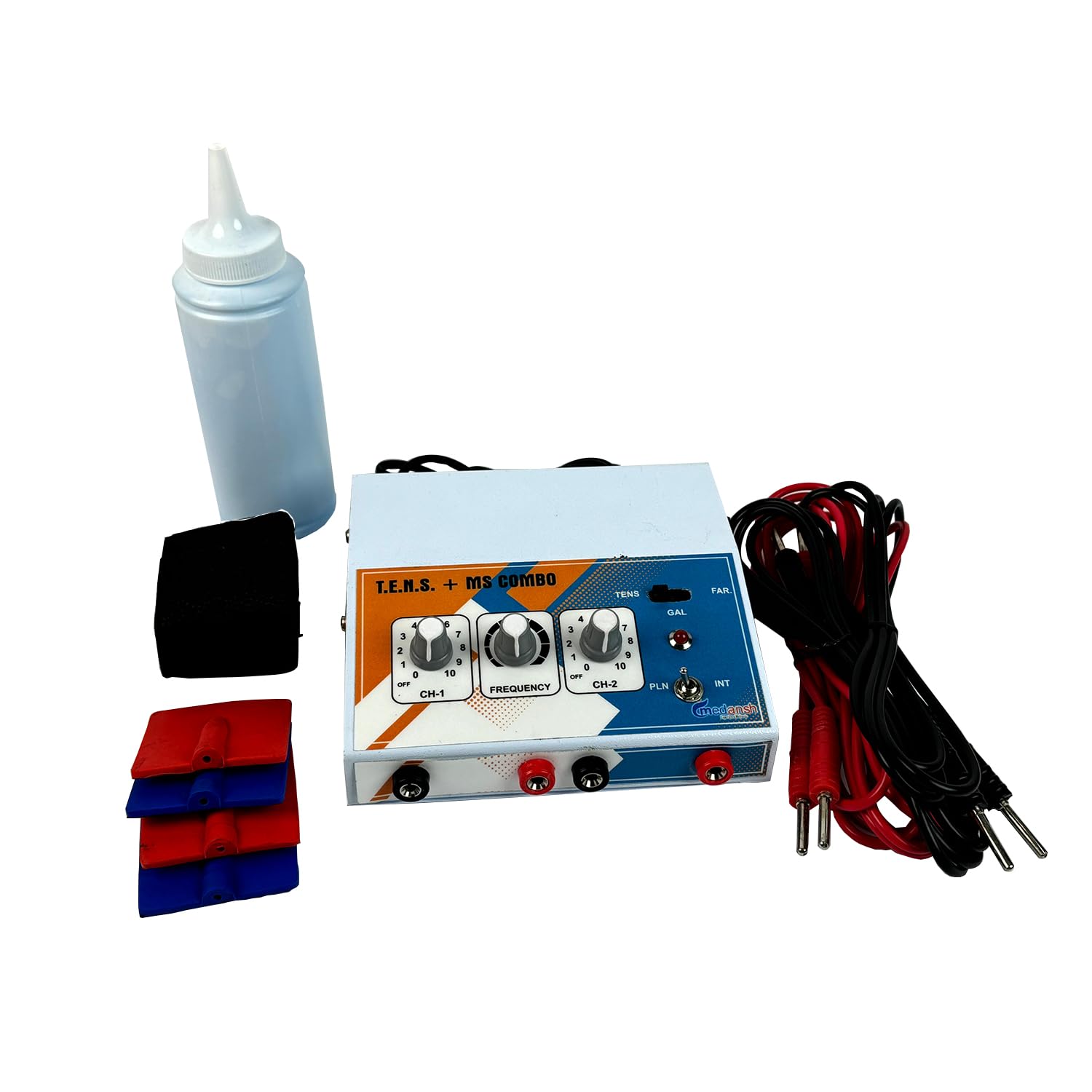
Mini Tens 2 Channel and Muscle Stimulator Machine with 2 Year Warranty
Sale priceRs. 1,839
Regular priceRs. 2,760
Save 33%
Medansh
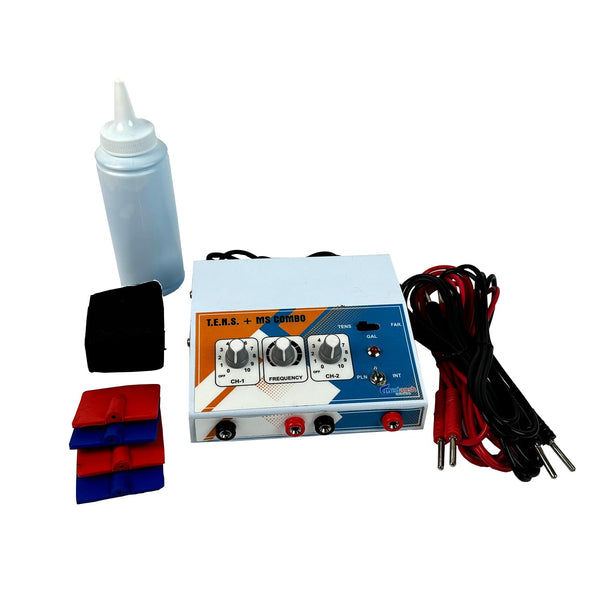
Mini Tens 2 Channel and Muscle Stimulator Machine with 2 Year Warranty
Sale price
Rs. 1,839
Regular price
Rs. 2,760
33% OFF
- A chronic pain patient — daily, long-term therapy for back, knee or cervical pain
- A multi-user household — parents and grandparents sharing one machine
- A practising physiotherapist — professional daily workloads on home visits
Save 28%
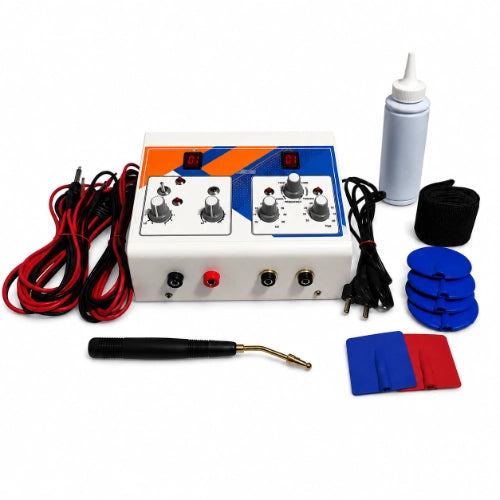
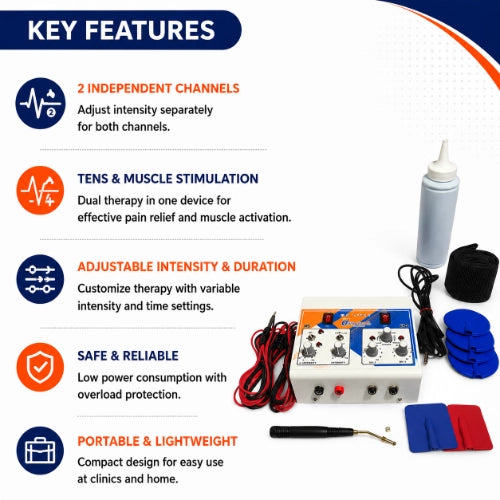
Medansh Portable TENS 2 channel with Muscle stimulator for pain relief with 1 year warranty
Sale priceRs. 2,979
Regular priceRs. 4,140
Save 28%

Medansh
Medansh Portable TENS 2 channel with Muscle stimulator for pain relief with 1 year warranty
Sale price
Rs. 2,979
Regular price
Rs. 4,140
28% OFF
- 2-in-1 Therapy: Combines TENS and muscle stimulation in one unit.
- 2 TENS Channels: Allows flexible pad placement across selected areas.
- Separate Intensity Control: Lets users adjust both TENS channels independently.
Save 55%
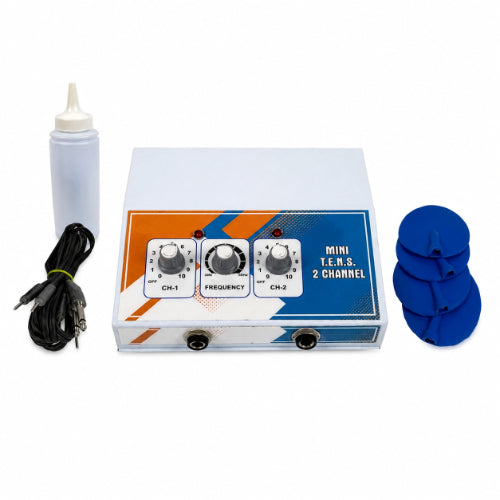
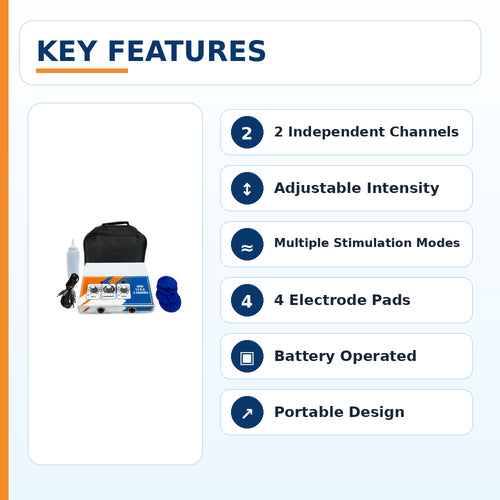
Medansh Portable TENS 2 channel Electrotherapy device for Pain Relief with 1 year warranty
Sale priceRs. 1,333
Regular priceRs. 2,944
Save 55%

Medansh
Medansh Portable TENS 2 channel Electrotherapy device for Pain Relief with 1 year warranty
Sale price
Rs. 1,333
Regular price
Rs. 2,944
55% OFF
- 2 Independent Channels: Supports separate electrode placement across selected body...
- Portable Design: Compact size makes the device easy to carry and store.
- Adjustable Intensity: Allows users to select a comfortable stimulation level.
Save 49%
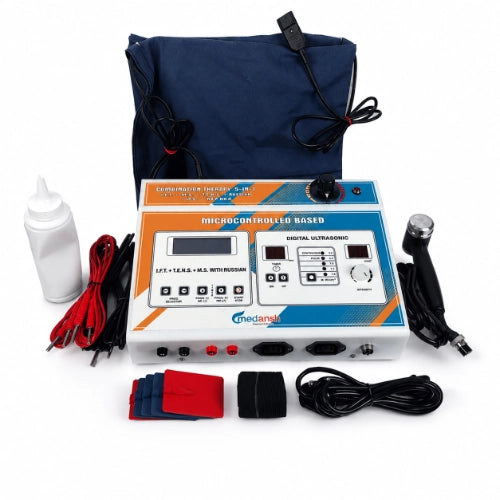
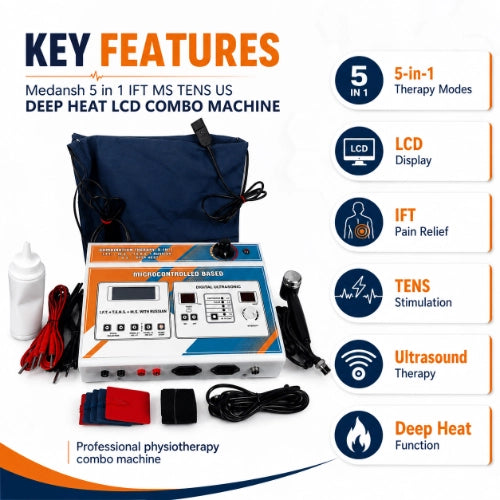
Medansh 5 in 1 IFT MS TENS US Deep Heat LCD Combo Machine with 1 year warranty
Sale priceRs. 10,349
Regular priceRs. 20,240
Save 49%

Medansh
Medansh 5 in 1 IFT MS TENS US Deep Heat LCD Combo Machine with 1 year warranty
Sale price
Rs. 10,349
Regular price
Rs. 20,240
49% OFF
- 5-in-1 Therapy: Combines IFT, MS, TENS, Ultrasound and Deep Heat in one unit.
- LCD Display: Helps therapists view and adjust treatment settings clearly.
- Multi-Therapy Use: Supports different rehab, pain and muscle treatment programs.
Save 33%
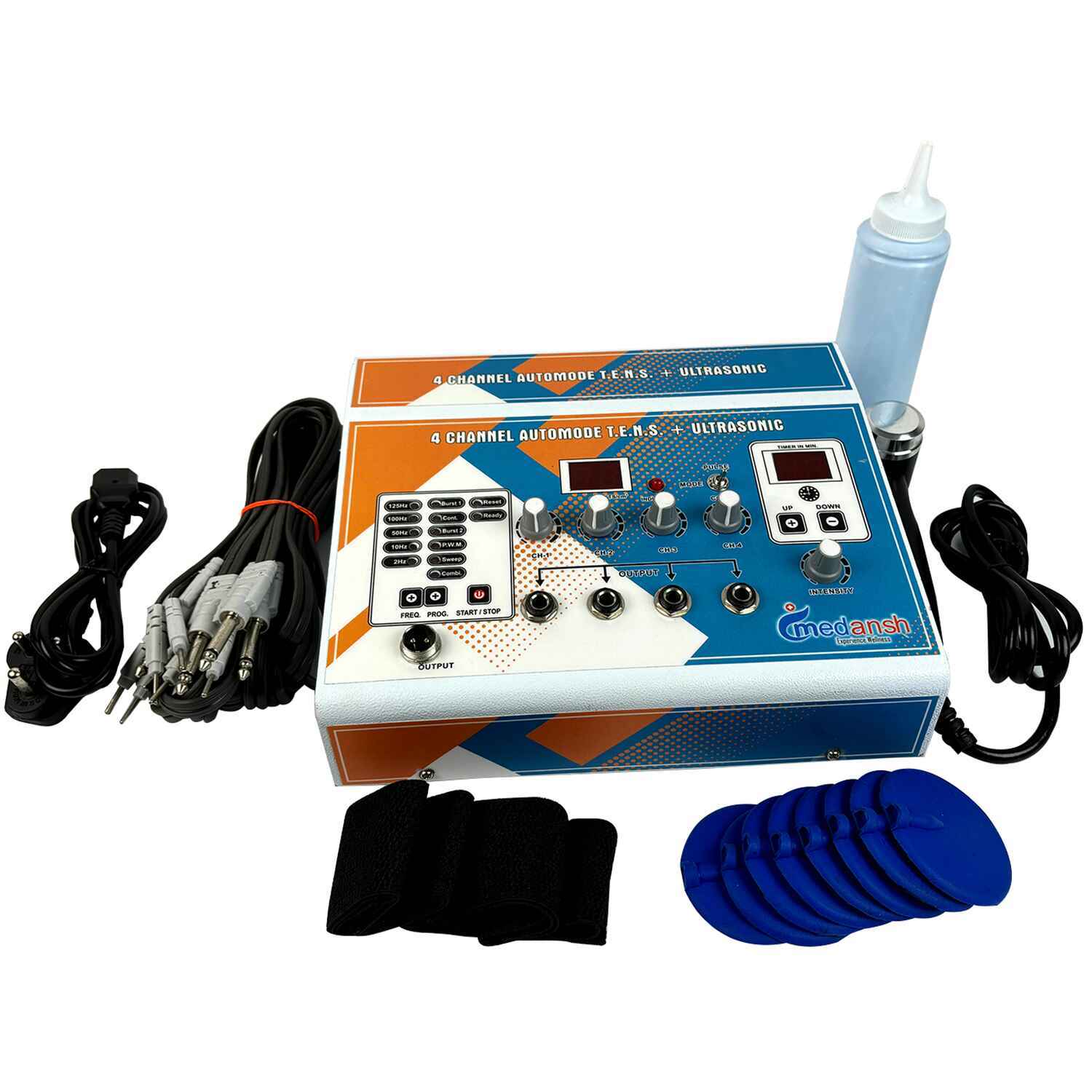
Medansh Auto Mode 4 Channel TENS Machine and Ultrasonic Combo with 2 year Warranty
Sale priceRs. 7,359
Regular priceRs. 11,040
Save 33%
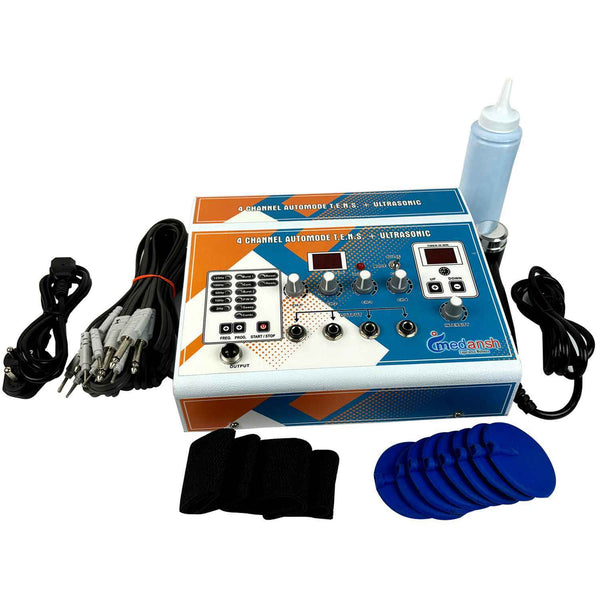
Medansh
Medansh Auto Mode 4 Channel TENS Machine and Ultrasonic Combo with 2 year Warranty
Sale price
Rs. 7,359
Regular price
Rs. 11,040
33% OFF
- Chronic joint patients — daily knee, shoulder or back therapy for years to come
- Home-visit physiotherapists — professional workload, professional cover
- Multi-member households — shared daily use across the family
Save 44%
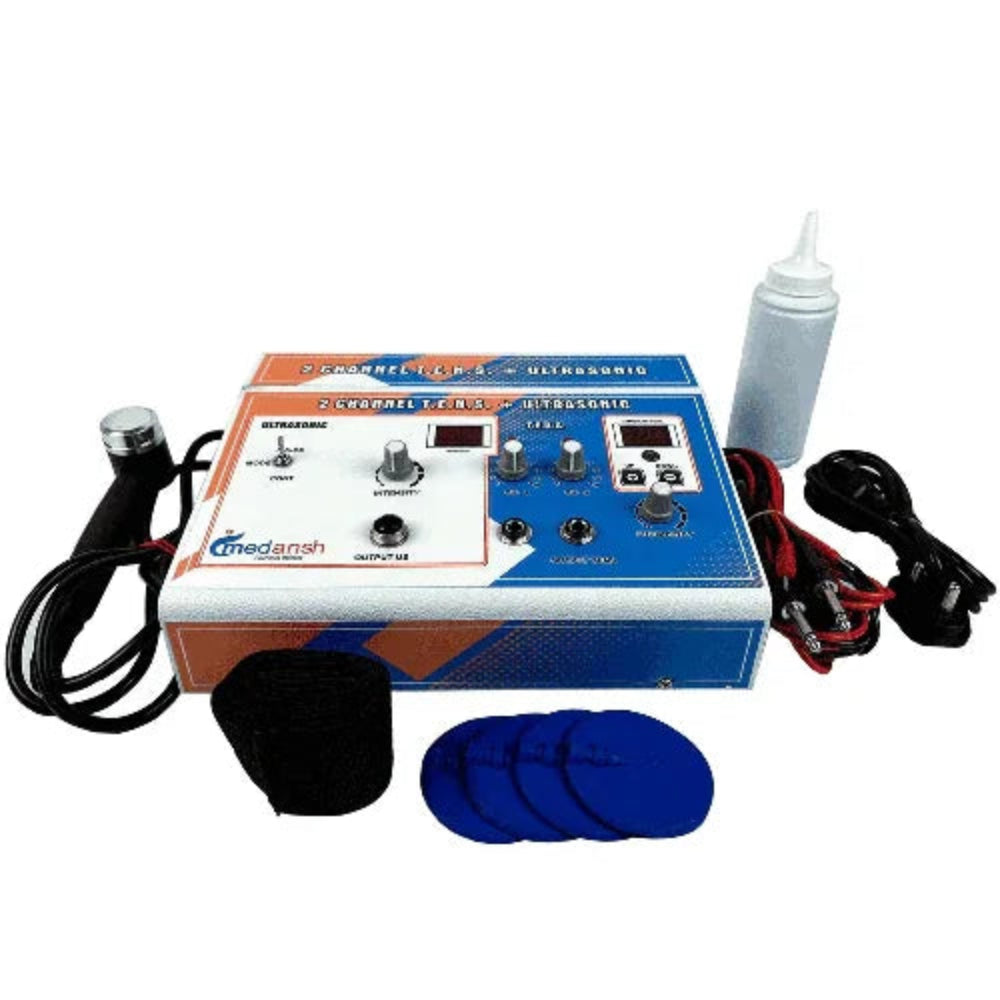
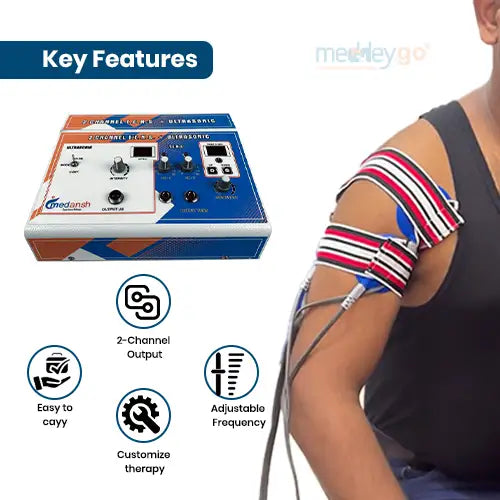
Medansh Ultrasonic with 2 channel TENS Combo Machine with 1 year warranty
Sale priceRs. 5,153
Regular priceRs. 9,200
Save 44%

Medansh
Medansh Ultrasonic with 2 channel TENS Combo Machine with 1 year warranty
Sale price
Rs. 5,153
Regular price
Rs. 9,200
44% OFF
- First-time combo buyers — most affordable ultrasound + TENS entry point
- Single-user home therapy — 2 channels cover one or two treatment areas
- Post-injury recovery at home — sports injuries, sprains, tendonitis
Save 33%
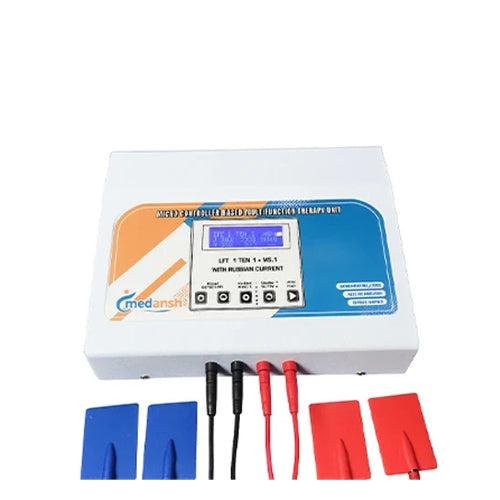
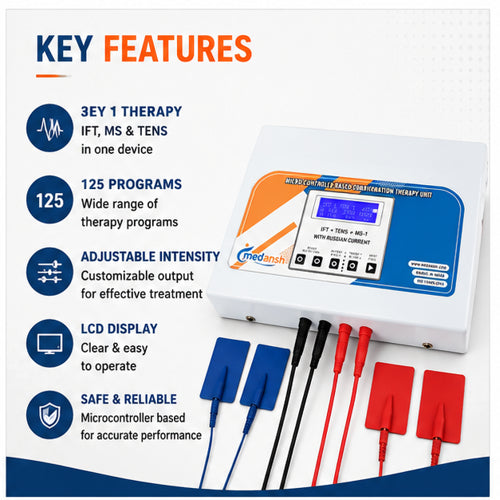
Medansh IFT MS TENS 125 Program Combo LCD 3-in-1 with 1 year warranty
Sale priceRs. 7,359
Regular priceRs. 11,040
Save 33%

Medansh
Medansh IFT MS TENS 125 Program Combo LCD 3-in-1 with 1 year warranty
Sale price
Rs. 7,359
Regular price
Rs. 11,040
33% OFF
- 3-in-1 Therapy: Combines IFT, Muscle Stimulation and TENS in one machine.
- 125 Preset Programs: Helps therapists select routine treatment programs quickly.
- LCD Display: Makes therapy settings easier to view and manage.
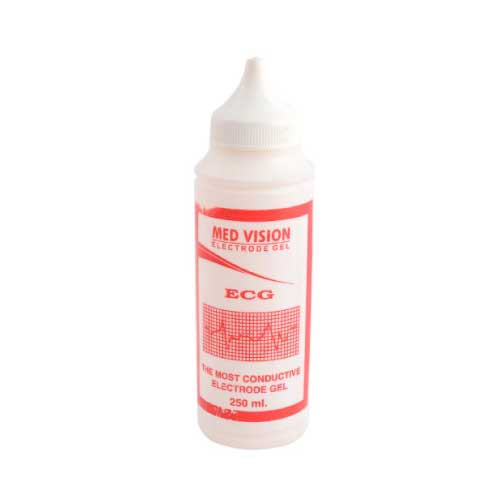
Electrode Gel for TENS & Ultrasound Therapy – Buy India
Sale priceRs. 249
Medansh
Electrode Gel for TENS & Ultrasound Therapy – Buy India
Rs. 249
- Universal Compatibility: Works with all TENS, IFT, EMS, muscle stimulator, and ult...
- High Conductivity Formula: Ensures optimal electrical signal transfer for effectiv...
- Skin-Safe & Non-Irritating: Alcohol-free, hypoallergenic, and dermatologically tes...
Save 30%
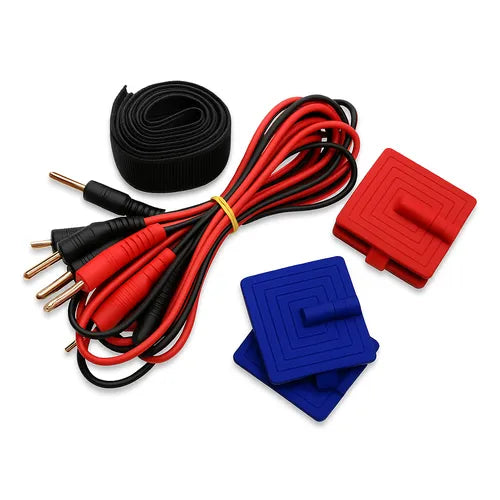
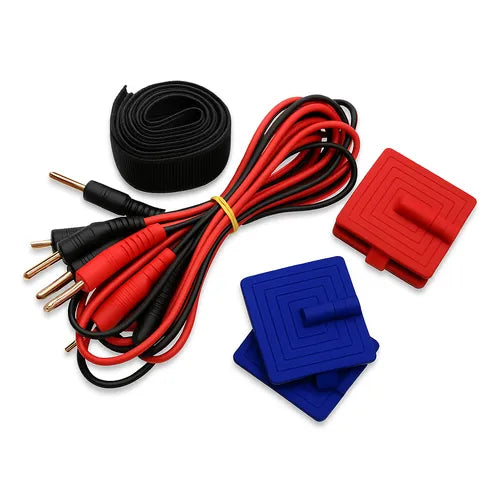
Medansh TENS Lead Wire & Electrode Pad Set – 8 Leads, 8 Pads with Velcro
Sale priceRs. 1,260
Regular priceRs. 1,800
Save 30%

Meddey
Medansh TENS Lead Wire & Electrode Pad Set – 8 Leads, 8 Pads with Velcro
Sale price
Rs. 1,260
Regular price
Rs. 1,800
30% OFF
- 8 Lead Wires: Provides multiple replacement connections for compatible TENS equipm...
- 8 Reusable Electrode Pads: Suitable for repeated supervised sessions when maintain...
- Velcro Attachment Support: Helps keep suitable electrode pads positioned during use.
Save 30%
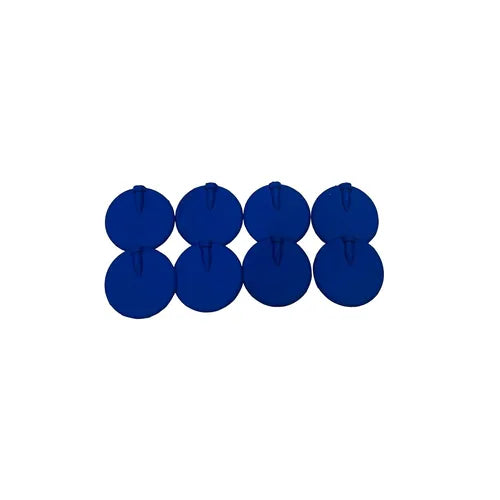
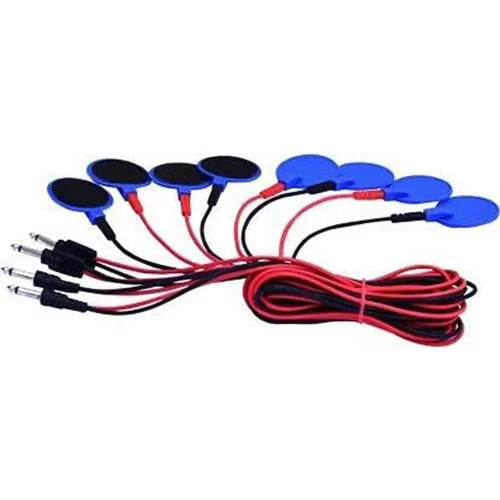
TENS 4-Channel Lead Wires with 8 Electrode Pads Compatible with EMS and TENS Therapy Machines
Sale priceRs. 643
Regular priceRs. 920
Save 30%

Meddey.com
TENS 4-Channel Lead Wires with 8 Electrode Pads Compatible with EMS and TENS Therapy Machines
Sale price
Rs. 643
Regular price
Rs. 920
30% OFF
- 4 lead wires with pre-attached connectors, sized for 4-channel TENS and EMS units
- 8 electrode pads built from medical-grade conductive material with a skin-friendly...
- Compatible with most standard TENS and EMS machines that use this connector type
Save 40%
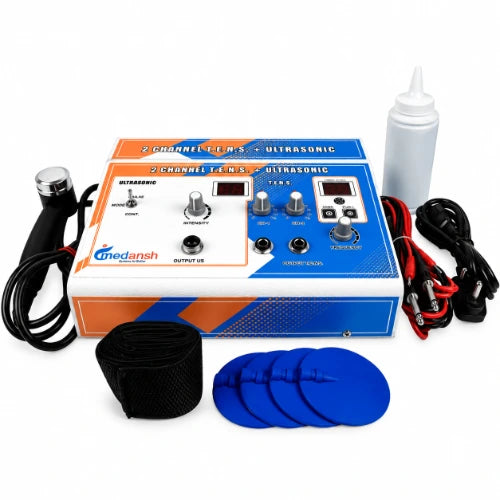

Medansh Ultrasonic with 2 Channel TENS Combo Machine
Sale priceRs. 5,519
Regular priceRs. 9,200
Save 40%

Medansh
Medansh Ultrasonic with 2 Channel TENS Combo Machine
Sale price
Rs. 5,519
Regular price
Rs. 9,200
40% OFF
- 2-channel TENS system: The two-channel design gives therapists added flexibility d...
- Ultrasonic therapy: The unit also provides an ultrasonic therapy function for sele...
- Combo design: Both therapy options work through one convenient machine.
Save 44%
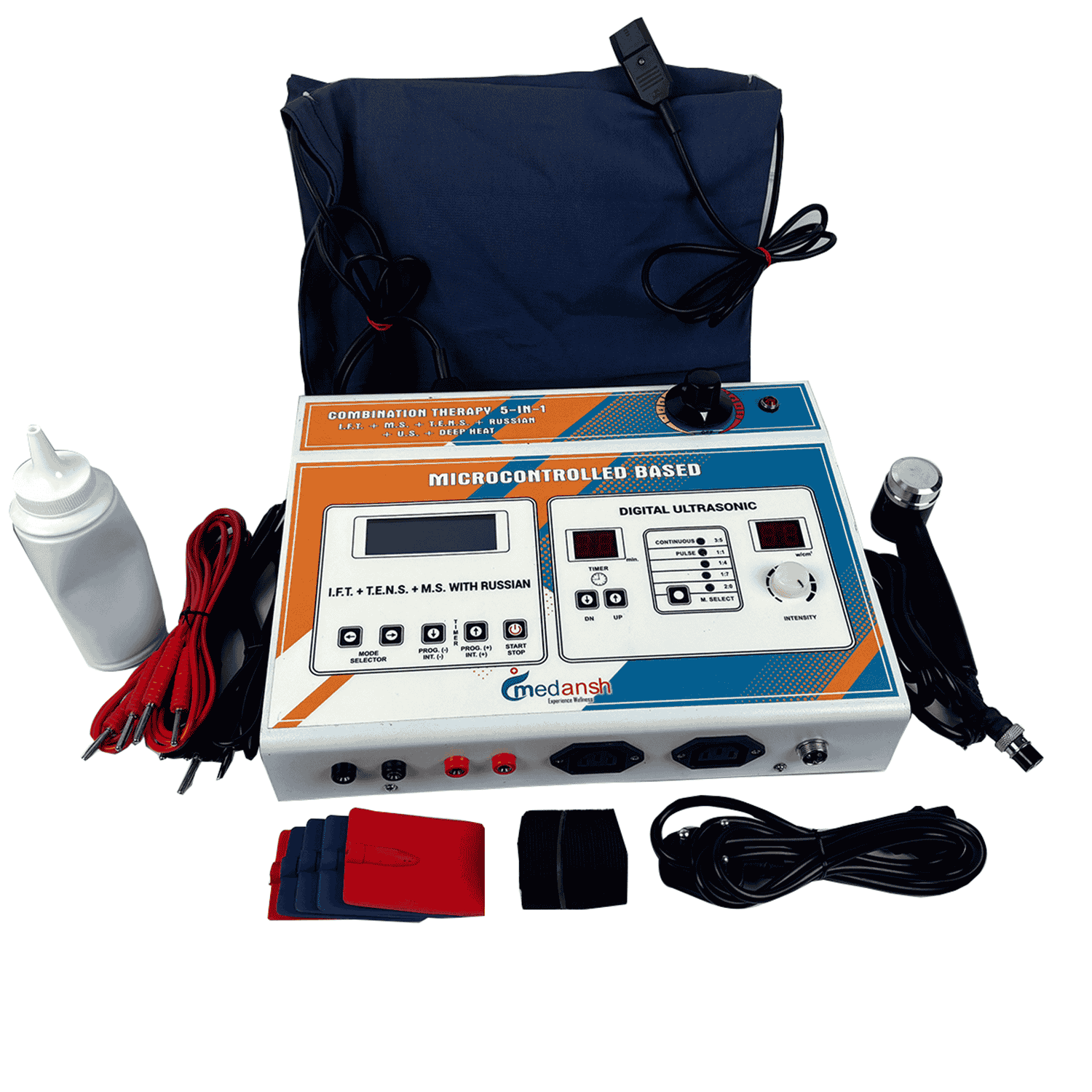
Medansh 5 in 1 IFT MS TENS US Deep Heat LCD Combo Machine with 2 year warranty
Sale priceRs. 11,269
Regular priceRs. 20,240
Save 44%

Medansh
Medansh 5 in 1 IFT MS TENS US Deep Heat LCD Combo Machine with 2 year warranty
Sale price
Rs. 11,269
Regular price
Rs. 20,240
44% OFF
- IFT — deep medium-frequency therapy: lumbar spondylosis, frozen shoulder, deep kne...
- TENS — everyday nerve-level pain blocking and endorphin release
- MS — muscle re-education and strengthening for post-surgery and post-injury rehab
Save 56%
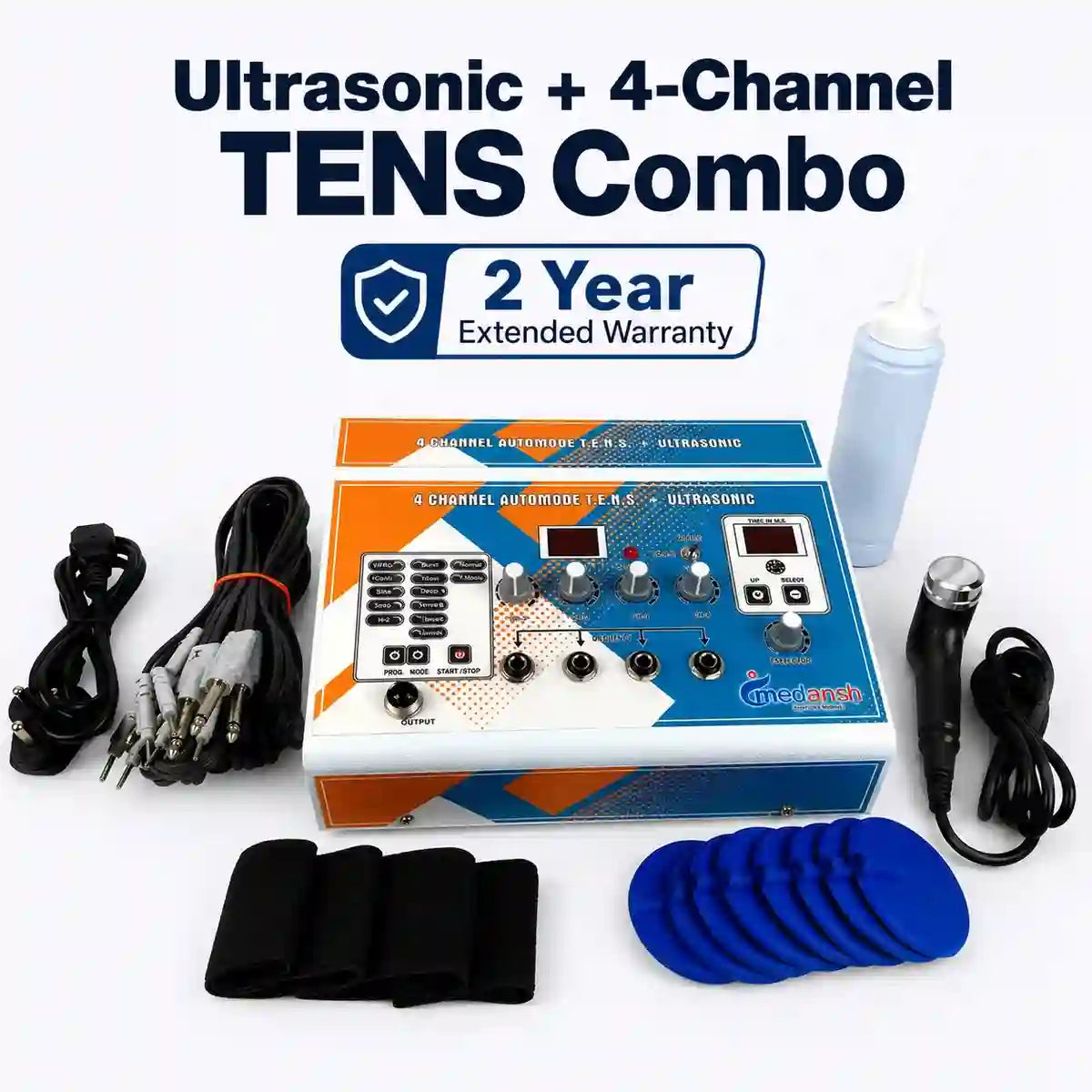
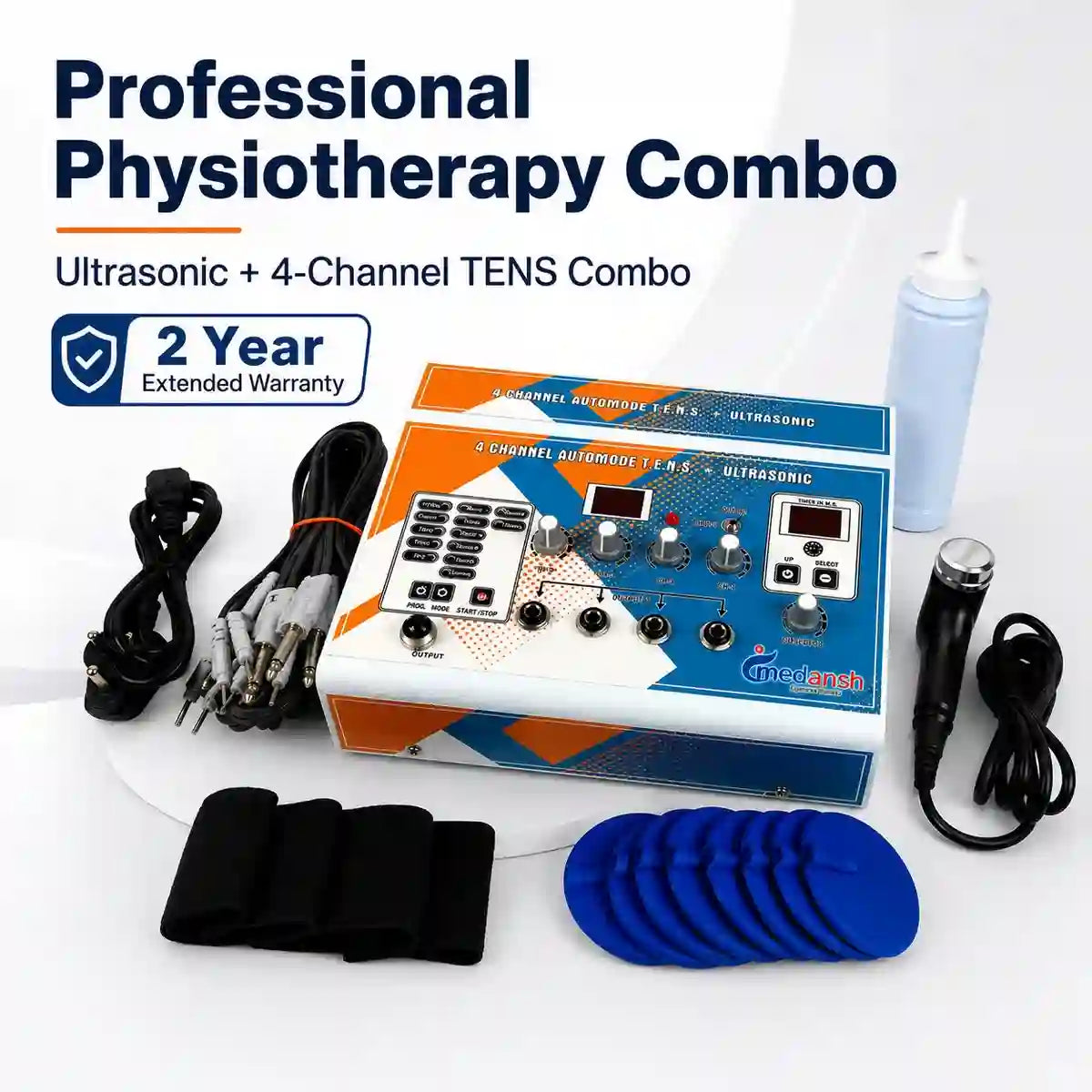
Ultrasonic + 4-Channel TENS Combo – 2 Year Extended Warranty
Sale priceRs. 6,439
Regular priceRs. 14,720
Save 56%

Medansh Physio Store
Ultrasonic + 4-Channel TENS Combo – 2 Year Extended Warranty
Sale price
Rs. 6,439
Regular price
Rs. 14,720
56% OFF
- Extended Coverage: Full 2-year warranty on all electronics, ultrasound crystal, an...
- Priority Service: Dedicated support line for warranty holders — 48-hour replacemen...
- High-Volume Clinics: Designed for clinics treating 20+ patients daily where any do...
Save 47%
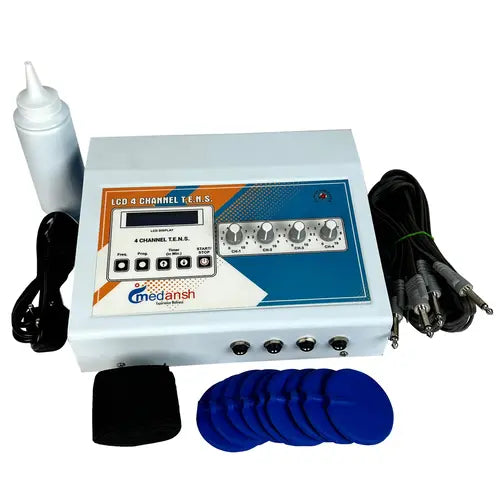
Medansh 4 CHANNEL Tens Machine LCD non-invasive low-risk nerve stimulation- reduce pain with 2 year warranty
Sale priceRs. 5,795
Regular priceRs. 11,038
Save 47%
Medansh
Medansh 4 CHANNEL Tens Machine LCD non-invasive low-risk nerve stimulation- reduce pain with 2 year warranty
Sale price
Rs. 5,795
Regular price
Rs. 11,038
47% OFF
- Physiotherapy clinics — daily multi-patient workloads with documented parameters
- Long-term chronic pain management — years of daily home sessions, fully covered
- Patients on strict prescribed protocols — visible, repeatable settings
Save 10%
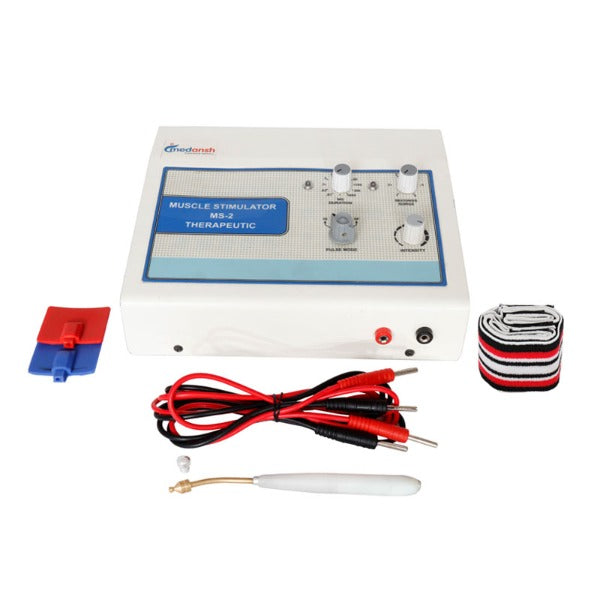
Medansh Therapeutic Muscle Simulator TENS with Timer with 1year
Sale priceRs. 9,501
Regular priceRs. 10,500
Save 10%
Medansh
Medansh Therapeutic Muscle Simulator TENS with Timer with 1year
Sale price
Rs. 9,501
Regular price
Rs. 10,500
10% OFF
- Post-surgery rehabilitation — knee replacement, ligament repair, fracture recovery
- Stroke and neuro-rehab support — muscle re-education under professional guidance
- Physiotherapy clinics — timer-dosed, repeatable treatment sessions
Save 30%
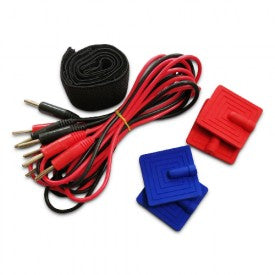
Portable TENS 2 Channel Accessory Set – 4 Leads & 4 Velcro Pads
Sale priceRs. 1,260
Regular priceRs. 1,800
Save 30%
Medansh
Portable TENS 2 Channel Accessory Set – 4 Leads & 4 Velcro Pads
Sale price
Rs. 1,260
Regular price
Rs. 1,800
30% OFF
- 4 TENS Lead Wires: Provide reliable connection support between compatible TENS equ...
- 4 Electrode Pads: Suitable for placement during compatible supervised TENS sessions.
- 2 Velcro Pads: Help hold suitable electrode pads in position during therapy.
Save 48%
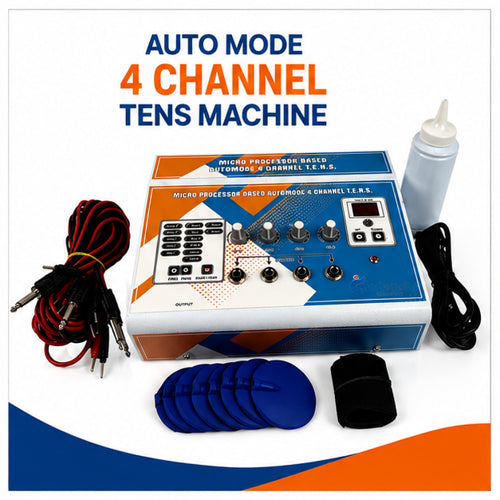
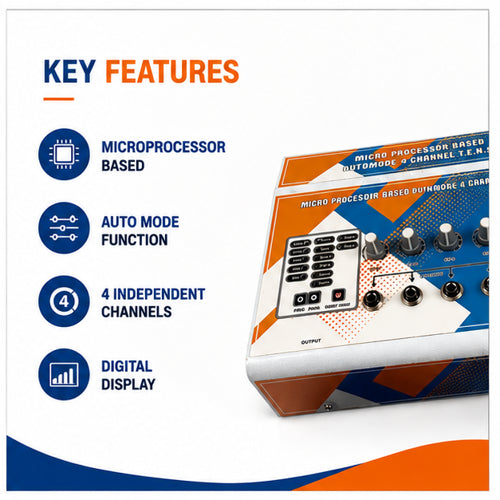
Medansh Auto Mode 4 Channel TENS Machine with 1 year warranty
Sale priceRs. 5,489
Regular priceRs. 10,578
Save 48%

Medansh
Medansh Auto Mode 4 Channel TENS Machine with 1 year warranty
Sale price
Rs. 5,489
Regular price
Rs. 10,578
48% OFF
- Auto Mode: Automatically changes stimulation patterns during the session.
- 4 Independent Channels: Supports wider treatment coverage and multiple pad placeme...
- 8 Electrode Pads: Allows use across larger or separate body areas.
Save 50%

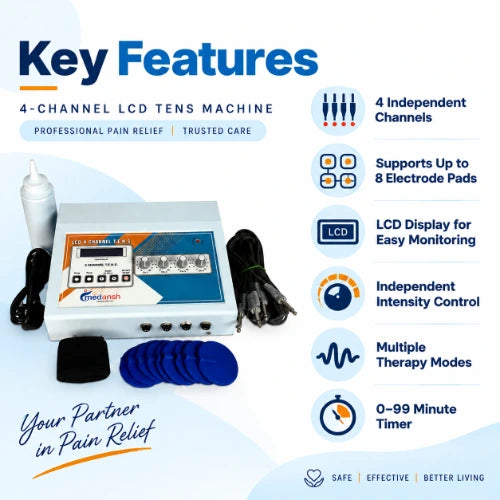
Medansh 4 CHANNEL Tens Machine LCD non-invasive low-risk nerve stimulation- reduce pain with 1 year warranty
Sale priceRs. 5,519
Regular priceRs. 11,038
Save 50%

Medansh
Medansh 4 CHANNEL Tens Machine LCD non-invasive low-risk nerve stimulation- reduce pain with 1 year warranty
Sale price
Rs. 5,519
Regular price
Rs. 11,038
50% OFF
- Four Independent Channels: Supports multi-area electrotherapy during a single sess...
- Up to Eight Electrode Pads: Suitable for large treatment areas or bilateral applic...
- Clear LCD Display: Shows therapy program, intensity information and session timer.
Save 36%


Medansh 12 Channel TENS Machine & Slimming Machine with 1 Year Warranty
Sale priceRs. 12,879
Regular priceRs. 20,240
Save 36%

Medansh
Medansh 12 Channel TENS Machine & Slimming Machine with 1 Year Warranty
Sale price
Rs. 12,879
Regular price
Rs. 20,240
36% OFF
- 12 Independent Channels: Supports wide-area and multi-area electrotherapy.
- Up to 24 Electrode Pads: Provides wider coverage for suitable therapy sessions.
- Separate Intensity Control: Allows each channel to be adjusted individually.
Save 50%
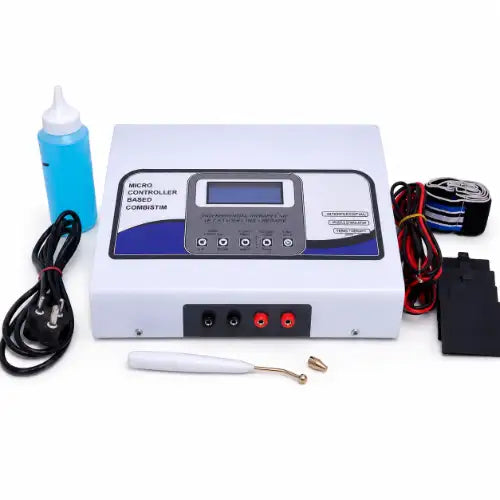
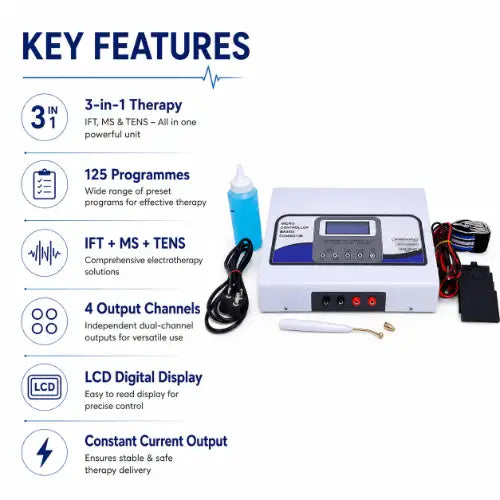
3-in-1 Combination Therapy Unit – IFT + MS + TENS | 125 Programmes
Sale priceRs. 17,500
Regular priceRs. 35,000
Save 50%

Medansh Pain Managament
3-in-1 Combination Therapy Unit – IFT + MS + TENS | 125 Programmes
Sale price
Rs. 17,500
Regular price
Rs. 35,000
50% OFF
- 3-in-1 Therapy: Combines IFT, Muscle Stimulation and TENS in one system.
- 125 Pre-Set Programmes: Supports faster programme selection for common clinical ap...
- 4 Output Channels: Allows broader electrode placement and multi-zone treatment pla...
Sold out


Beurer EM50 Menstrual TENS & Heat – Drug-Free Period Pain Relief
Sale priceRs. 3,863
Regular priceRs. 5,888
5.0
(2)
2 reviews
Sold out
Sold out

Meddey
Beurer EM50 Menstrual TENS & Heat – Drug-Free Period Pain Relief
Sale price
Rs. 3,863
Regular price
Rs. 5,888
34% OFF
- Menstrual cramps and lower abdominal discomfort
- Drug-free period pain relief support
- Women looking for TENS and heat therapy for periods
Sold out

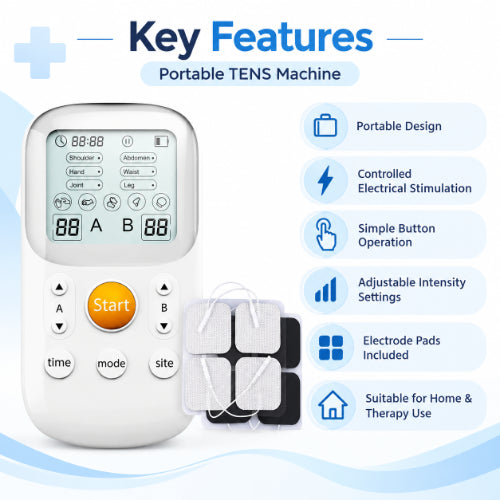
Portable TENS Machine – Convenient Electrical Muscle Stimulation
Sale priceRs. 2,621
Regular priceRs. 3,220
5.0
(2)
2 reviews
Sold out
Sold out

Meddey
Portable TENS Machine – Convenient Electrical Muscle Stimulation
Sale price
Rs. 2,621
Regular price
Rs. 3,220
19% OFF
- Portable Design: Compact construction makes the device convenient for suitable hom...
- Electrical Nerve Stimulation: Delivers controlled electrical pulses through compat...
- Simple Operation: Designed for practical use when operated according to the suppli...
Save 36%
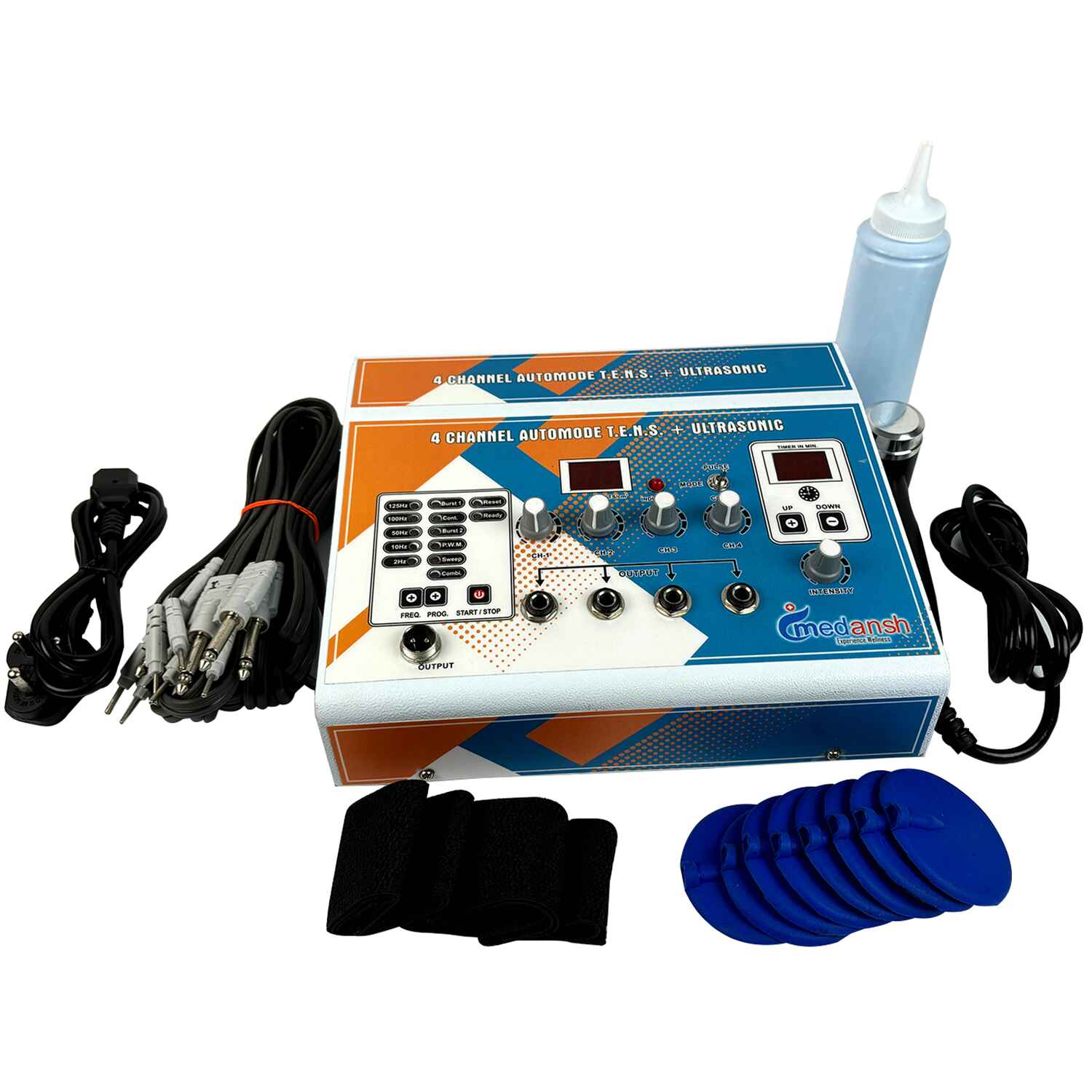
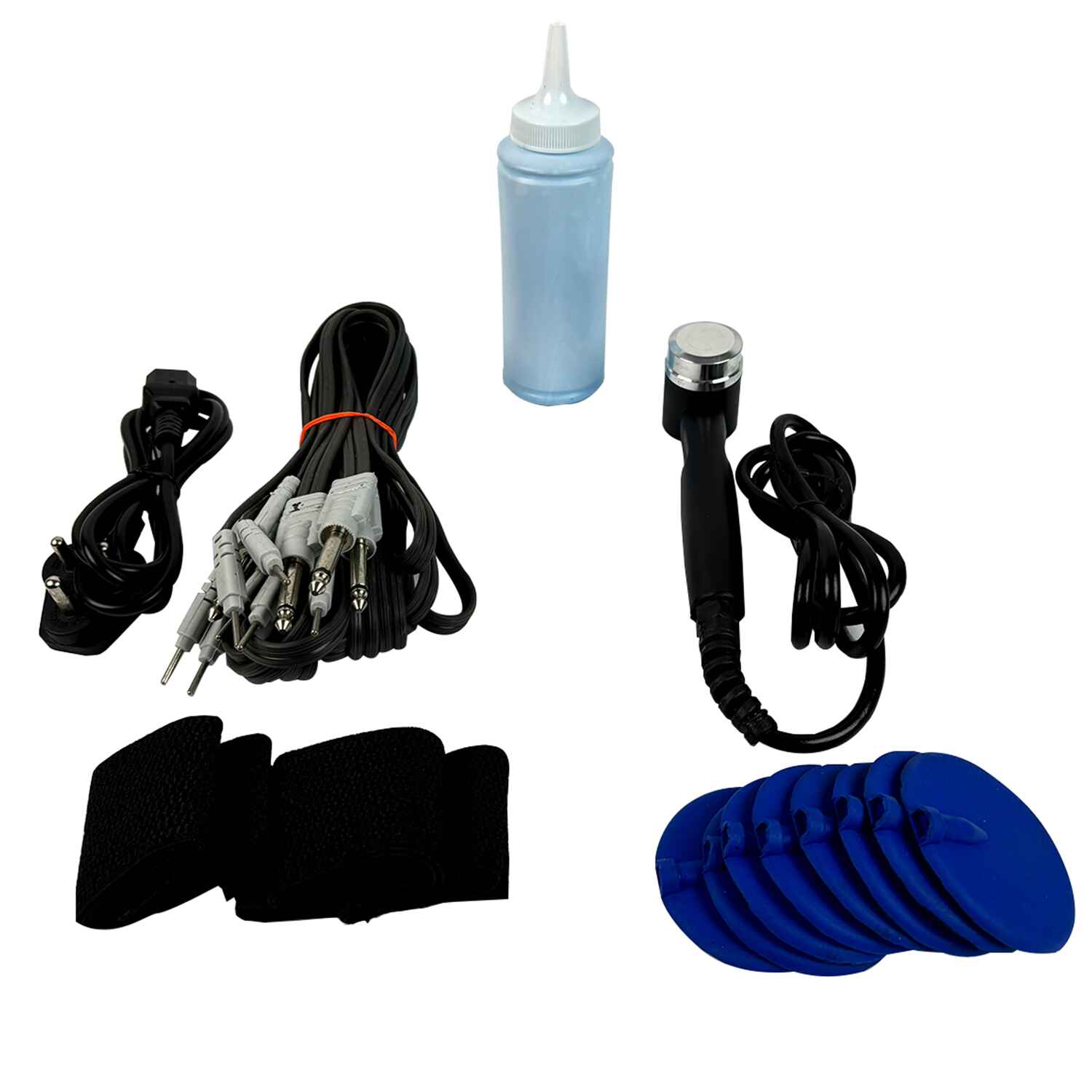
Medansh Automode 4 Channel TENS Machine with 1 Year Warranty
Sale priceRs. 5,289
Regular priceRs. 8,280
Save 36%

Medansh
Medansh Automode 4 Channel TENS Machine with 1 Year Warranty
Sale price
Rs. 5,289
Regular price
Rs. 8,280
36% OFF
- Physiotherapy clinics & home-visit practitioners — multi-area or multi-patient tre...
- Families — one machine covering parents' knee pain and your back pain
- Bilateral pain conditions — both knees, both shoulders, full lower back
Sold out
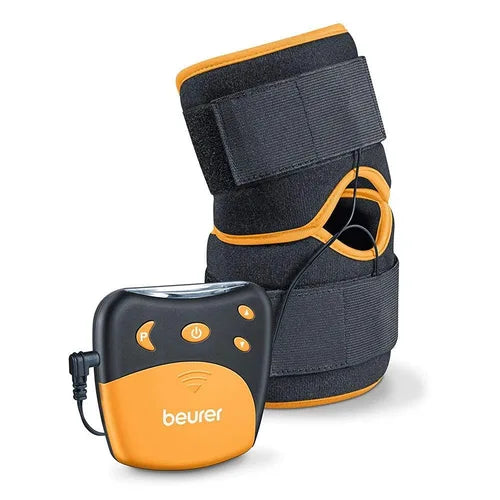

Beurer TENS Machine for Knee and Elbow Pain Therapy
Sale priceRs. 2,944
Regular priceRs. 4,048
5.0
(1)
1 review
Sold out
Sold out

Meddey
Beurer TENS Machine for Knee and Elbow Pain Therapy
Sale price
Rs. 2,944
Regular price
Rs. 4,048
27% OFF
Product description Key Features : Beurer EM 29 2-in-1 knee and elbow TENS Easy to use and adjust....
What customers say
★★★★★ 5.0 · 13 reviews
 TENS Machine for Home Use | 2-Channel Pain Relief
★★★★★
5.0 · 6 reviews
TENS Machine for Home Use | 2-Channel Pain Relief
★★★★★
5.0 · 6 reviews
“Provides instant relief from muscle stiffness and soreness”
“Excellent product for arthritis, sciatica, and nerve issues”
 Beurer EM50 Menstrual TENS & Heat – Drug-Free Period Pain Relief
★★★★★
5.0 · 2 reviews
Beurer EM50 Menstrual TENS & Heat – Drug-Free Period Pain Relief
★★★★★
5.0 · 2 reviews
“Comfortable, soothing, highly effective for relief!”
“This is a lifesaver! It combines TENS and heat therapy to provide natural, effective relief from menstrual ...”
 Portable TENS Machine – Convenient Electrical Muscle Stimulation
★★★★★
5.0 · 2 reviews
Portable TENS Machine – Convenient Electrical Muscle Stimulation
★★★★★
5.0 · 2 reviews
“Portable, easy to use, highly effective!”
“The Portable TENS Machine is amazing for pain relief! It’s small, easy to use,”
 Medansh COMBINATION THERAPY 3 in 1 - TENS 4 Channel Ultrasonic and Deep Heat for Pain management
★★★★★
5.0 · 2 reviews
Medansh COMBINATION THERAPY 3 in 1 - TENS 4 Channel Ultrasonic and Deep Heat for Pain management
★★★★★
5.0 · 2 reviews
“Effective, multi-functional, great for pain relief!”
“This is a game-changer! It combines TENS, ultrasonic, and deep heat for effective pain management. Easy to ...”
 Beurer TENS Machine for Knee and Elbow Pain Therapy
★★★★★
5.0 · 1 review
Beurer TENS Machine for Knee and Elbow Pain Therapy
★★★★★
5.0 · 1 review
“This is perfect for relieving knee and elbow pain. It’s simple to use, offers multiple intensity levels, an...”
TENS Machines
What a TENS Machine Does
TENS stands for Transcutaneous Electrical Nerve Stimulation. A TENS unit delivers mild electrical pulses through electrode pads placed on the skin near a site of pain. The pulses are commonly understood to work through two mechanisms: a "gate control" effect, where the electrical signal competes with pain signals travelling to the brain, and stimulation of the body's own endorphin release. Because it involves no medication, TENS is widely used at home alongside — not necessarily instead of — a doctor's or physiotherapist's care plan.
The Range We Stock
This collection spans simple home units to clinic-style combination machines:
- Mini 2-channel TENS units — compact, battery-powered, suited to a single pain site such as the lower back or one knee.
- 4-channel TENS units — treat two areas at once, each with independent intensity control, useful for bilateral knee pain or combined back-and-shoulder use.
- Ultrasonic + TENS combination units — pair electrical stimulation with ultrasound therapy in one portable machine.
- IFT + Muscle Stimulator + TENS combination machines — multi-program devices, some with over 100 pre-set programs, closer to what a physiotherapy clinic would use.
- Condition-specific units — including a cervical-shaped TENS device for neck pain and a menstrual TENS + heat unit for period cramps.
How to Choose
Start with how many areas you need to treat
A single, well-localised pain site — one knee, or the lower back — is usually well served by a 2-channel unit and one or two pairs of pads. If you need to treat two separate areas independently, such as both knees or a shoulder and the lower back at the same time, a 4-channel machine lets you run different intensities on each pair of pads simultaneously.
Decide if you need more than TENS alone
If you want ultrasound therapy or interferential therapy (IFT) alongside electrical stimulation, a combination machine works out more cost-effective over time than separate devices, though it's a bigger upfront purchase and has a steeper learning curve than a simple 2-channel unit. If you're new to electrotherapy, starting with a basic TENS unit is usually the more forgiving choice.
Check what's included
Electrode pads and lead wires are consumables — pads lose stickiness with reuse and need periodic replacement. Check the product listing for how many pads and leads are included in the box, and see our TENS electrode pads and lead accessories separately when you need spares.
Portability versus features
Pocket-sized 2-channel units are easiest to carry or use discreetly through the day. Combination machines are bulkier and generally better suited to a fixed spot at home or in a clinic rather than daily carrying.
Common Uses
People commonly reach for TENS for lower back pain, knee pain, cervical or neck pain, and menstrual cramps. Muscle-stimulator (EMS) modes, included on several combination units in this range, work differently — they're used for muscle re-education and stimulation during rehabilitation rather than for pain relief specifically. Where a listing mentions both TENS and muscle-stimulator modes, treat them as two distinct settings on the same device rather than the same therapy.
Safety Notes
TENS is generally not recommended for anyone with a pacemaker or other implanted electronic device, over the front or sides of the neck, across the chest, on broken or irritated skin, or during pregnancy without a doctor's guidance. If you have a diagnosed heart condition or epilepsy, or you're unsure whether TENS suits your condition, check with your doctor or physiotherapist before starting.
FAQs
Do I need a prescription to buy a TENS machine in India?
No — TENS units are sold over the counter as home-use physiotherapy devices. That said, if your pain is new, undiagnosed, or worsening, it's worth getting it assessed by a doctor or physiotherapist before starting any home device.
How long and how often should I use it?
Session length and frequency vary by device and condition, so follow the instructions supplied with your specific unit, and stop or reduce use if you notice skin irritation or increased discomfort.
Is a TENS machine the same as a muscle stimulator (EMS)?
No. TENS targets pain signals; EMS targets the muscle itself, causing it to contract, and is used more for muscle re-training. Several machines in this collection offer both modes on one device.
Can a TENS machine replace physiotherapy?
It's best used as a complement to, not a replacement for, professional physiotherapy, especially for injuries, post-surgical recovery, or pain with an unclear cause.
[IMAGE: Person applying TENS electrode pads to lower back for home pain relief]Explore Medical Collections
All Categories
Abdominal & Maternity Support
2 Products
Accessories
1 Products
Accu-Chek Instant Strips: Use, Compatibility, Price & Blood Sugar Testing Guide
3 ProductsAccu-Chek Instant Strips: Uses, Features & Complete Guide
6 Products
accupuncture
1 Products
Acupuncture Needles & Supplies
3 Products
Advanced Physiotherapy Machines & Lumbar Physiotherapy
6 Products
Airways
2 Products
Ambulance
5 Products
Anatomy Models
1 ProductsAnesthesia Machine

Anesthesia Products
4 Products
Ankle Support for Home Use: Braces, Sleeves & Walker Boots
4 Products
Ankle Weights & Exercise Weights for Home & Rehab
13 Products
Anti-Bedsore Air Mattresses
2 ProductsDelivery information
See shipping options
Returns policy
Read the applicable policy
Help choosing
Contact our support team
Payment options
Available at checkout
You may also need
FOR YOURecommended for you
Save 55%
Electrotherapy TENS Device for Back & Knee Pain Relief
Sale priceRs. 1,449
Regular priceRs. 3,200
Save 55%
Medansh Physio Store
Electrotherapy TENS Device for Back & Knee Pain Relief
Sale price
Rs. 1,449
Regular price
Rs. 3,200
55% OFF
- Chronic back pain sufferers — lower back pain, lumbar strain and stiffness from lo...
- Knee pain and arthritis patients — osteoarthritis discomfort, post-injury knee reh...
- Sciatica patients — radiating leg pain relief through targeted electrode placement
Save 57%
Ultrasonic + 2-Channel TENS Combo – Portable Dual Therapy Machine
Sale priceRs. 4,349
Regular priceRs. 10,000
Save 57%
Medansh Physio Store
Ultrasonic + 2-Channel TENS Combo – Portable Dual Therapy Machine
Sale price
Rs. 4,349
Regular price
Rs. 10,000
57% OFF
- Dual Therapy Functions: Combines ultrasonic therapy and two-channel TENS functiona...
- Two-Channel TENS Function: Provides two electrical stimulation channels for approp...
- Ultrasonic Therapy: Includes an ultrasonic therapy function within the same compac...
Save 59%
Ultrasonic + 4-Channel TENS Combo Machine – Professional Physiotherapy
Sale priceRs. 6,499
Regular priceRs. 16,000
Save 59%
Medansh Physio Store
Ultrasonic + 4-Channel TENS Combo Machine – Professional Physiotherapy
Sale price
Rs. 6,499
Regular price
Rs. 16,000
59% OFF
- Two Therapy Options: Combines TENS electrical stimulation and ultrasound therapy i...
- 4-Channel TENS: Gives therapists four electrical stimulation channels for flexible...
- Professional Use: Supports physiotherapy, rehab and sports therapy work.
Save 55%
TENS Machine for Home Use | 2-Channel Pain Relief
Sale priceRs. 1,333
Regular priceRs. 2,944
5.0
(6)
6 reviews
Save 55%
Meddey
TENS Machine for Home Use | 2-Channel Pain Relief
Sale price
Rs. 1,333
Regular price
Rs. 2,944
55% OFF
- 2 Independent Channels: Two channels give users more choice when connecting the el...
- Adjustable Settings: Users can change the frequency, pulse width and intensity as ...
- Three Modes: The device offers continuous, burst and modulated modes for different...
Save 55%
Medansh Portable TENS 2 channel Electrotherapy device for Pain Relief with 1 year warranty
Sale priceRs. 1,333
Regular priceRs. 2,944
Save 55%
Medansh
Medansh Portable TENS 2 channel Electrotherapy device for Pain Relief with 1 year warranty
Sale price
Rs. 1,333
Regular price
Rs. 2,944
55% OFF
- 2 Independent Channels: Supports separate electrode placement across selected body...
- Portable Design: Compact size makes the device easy to carry and store.
- Adjustable Intensity: Allows users to select a comfortable stimulation level.
Save 47%
Mini LCD Combo IFT MS & TENS Machine with 125 Programs
Sale priceRs. 8,000
Regular priceRs. 15,000
Save 47%
Meddey Technologies Pvt Ltd
Mini LCD Combo IFT MS & TENS Machine with 125 Programs
Sale price
Rs. 8,000
Regular price
Rs. 15,000
47% OFF
- 125 Preset Programs: Helps simplify routine therapy selection.
- 3-in-1 Therapy: Combines IFT, MS and TENS in one compact unit.
- LCD Display: Makes program and treatment settings easy to view.
Save 38%
Medansh Portable TENS 2 channel Electrotherapy device for Pain Relief with 2 Year Warranty
Sale priceRs. 1,425
Regular priceRs. 2,300
Save 38%
Medansh
Medansh Portable TENS 2 channel Electrotherapy device for Pain Relief with 2 Year Warranty
Sale price
Rs. 1,425
Regular price
Rs. 2,300
38% OFF
- Chronic daily pain — back, knee, cervical and sciatic pain managed year-round
- Gifting to parents — extended cover means peace of mind from afar
- Budget-conscious long-term buyers — entry price, doubled protection
Save 19%
Omron 7121J BP Monitor with Hypertension Indicator | Digital BP Machine
Sale priceRs. 2,000
Regular priceRs. 2,457
Save 19%
MeddeyGo
Omron 7121J BP Monitor with Hypertension Indicator | Digital BP Machine
Sale price
Rs. 2,000
Regular price
Rs. 2,457
19% OFF
- Fully Automatic Operation: Measures blood pressure with simple one-touch use.
- Hypertension Indicator: Helps identify readings that may be above the recommended ...
- Irregular Heartbeat Detection: Flags an irregular heartbeat detected during measur...
Save 22%
Medansh Portable TENS 2 channel with Muscle stimulator for pain relief with 2 year warranty
Sale priceRs. 3,220
Regular priceRs. 4,140
Save 22%
Medansh
Medansh Portable TENS 2 channel with Muscle stimulator for pain relief with 2 year warranty
Sale price
Rs. 3,220
Regular price
Rs. 4,140
22% OFF
- Hospitals and physiotherapy clinics
- Sports rehabilitation centers
- Home care and guided therapy programs
Save 40%
Mini Tens 2 Channel and Muscle Stimulator Machine with 1 Year Warranty
Sale priceRs. 1,655
Regular priceRs. 2,760
Save 40%
Medansh
Mini Tens 2 Channel and Muscle Stimulator Machine with 1 Year Warranty
Sale price
Rs. 1,655
Regular price
Rs. 2,760
40% OFF
- 2-in-1 Therapy: Combines TENS and muscle stimulation in one unit.
- 2 Independent Channels: Supports two separate treatment areas.
- 4 Electrode Pads: Provides flexible pad placement for selected therapy areas.
Save 33%
Medansh COMBINATION THERAPY 3 in 1 - TENS 4 Channel Ultrasonic and Deep Heat for Pain management
Sale priceRs. 7,359
Regular priceRs. 11,040
5.0
(2)
2 reviews
Save 33%
Meddey
Medansh COMBINATION THERAPY 3 in 1 - TENS 4 Channel Ultrasonic and Deep Heat for Pain management
Sale price
Rs. 7,359
Regular price
Rs. 11,040
33% OFF
- 3-in-1 Therapy: Combines TENS, Ultrasound and Deep Heat in one unit.
- 4 Channel TENS: Supports multiple electrode placements and wider treatment coverage.
- Ultrasound Therapy: Adds a useful option for selected soft-tissue rehabilitation p...
Save 33%
Mini Tens 2 Channel and Muscle Stimulator Machine with 2 Year Warranty
Sale priceRs. 1,839
Regular priceRs. 2,760
Save 33%
Medansh
Mini Tens 2 Channel and Muscle Stimulator Machine with 2 Year Warranty
Sale price
Rs. 1,839
Regular price
Rs. 2,760
33% OFF
- A chronic pain patient — daily, long-term therapy for back, knee or cervical pain
- A multi-user household — parents and grandparents sharing one machine
- A practising physiotherapist — professional daily workloads on home visits
Save 28%
Medansh Portable TENS 2 channel with Muscle stimulator for pain relief with 1 year warranty
Sale priceRs. 2,979
Regular priceRs. 4,140
Save 28%
Medansh
Medansh Portable TENS 2 channel with Muscle stimulator for pain relief with 1 year warranty
Sale price
Rs. 2,979
Regular price
Rs. 4,140
28% OFF
- 2-in-1 Therapy: Combines TENS and muscle stimulation in one unit.
- 2 TENS Channels: Allows flexible pad placement across selected areas.
- Separate Intensity Control: Lets users adjust both TENS channels independently.
Save 49%
Medansh 5 in 1 IFT MS TENS US Deep Heat LCD Combo Machine with 1 year warranty
Sale priceRs. 10,349
Regular priceRs. 20,240
Save 49%
Medansh
Medansh 5 in 1 IFT MS TENS US Deep Heat LCD Combo Machine with 1 year warranty
Sale price
Rs. 10,349
Regular price
Rs. 20,240
49% OFF
- 5-in-1 Therapy: Combines IFT, MS, TENS, Ultrasound and Deep Heat in one unit.
- LCD Display: Helps therapists view and adjust treatment settings clearly.
- Multi-Therapy Use: Supports different rehab, pain and muscle treatment programs.
Save 33%
Medansh Auto Mode 4 Channel TENS Machine and Ultrasonic Combo with 2 year Warranty
Sale priceRs. 7,359
Regular priceRs. 11,040
Save 33%
Medansh
Medansh Auto Mode 4 Channel TENS Machine and Ultrasonic Combo with 2 year Warranty
Sale price
Rs. 7,359
Regular price
Rs. 11,040
33% OFF
- Chronic joint patients — daily knee, shoulder or back therapy for years to come
- Home-visit physiotherapists — professional workload, professional cover
- Multi-member households — shared daily use across the family
Save 44%
Medansh Ultrasonic with 2 channel TENS Combo Machine with 1 year warranty
Sale priceRs. 5,153
Regular priceRs. 9,200
Save 44%
Medansh
Medansh Ultrasonic with 2 channel TENS Combo Machine with 1 year warranty
Sale price
Rs. 5,153
Regular price
Rs. 9,200
44% OFF
- First-time combo buyers — most affordable ultrasound + TENS entry point
- Single-user home therapy — 2 channels cover one or two treatment areas
- Post-injury recovery at home — sports injuries, sprains, tendonitis
Save 33%
Medansh IFT MS TENS 125 Program Combo LCD 3-in-1 with 1 year warranty
Sale priceRs. 7,359
Regular priceRs. 11,040
Save 33%
Medansh
Medansh IFT MS TENS 125 Program Combo LCD 3-in-1 with 1 year warranty
Sale price
Rs. 7,359
Regular price
Rs. 11,040
33% OFF
- 3-in-1 Therapy: Combines IFT, Muscle Stimulation and TENS in one machine.
- 125 Preset Programs: Helps therapists select routine treatment programs quickly.
- LCD Display: Makes therapy settings easier to view and manage.
Electrode Gel for TENS & Ultrasound Therapy – Buy India
Sale priceRs. 249
Medansh
Electrode Gel for TENS & Ultrasound Therapy – Buy India
Rs. 249
- Universal Compatibility: Works with all TENS, IFT, EMS, muscle stimulator, and ult...
- High Conductivity Formula: Ensures optimal electrical signal transfer for effectiv...
- Skin-Safe & Non-Irritating: Alcohol-free, hypoallergenic, and dermatologically tes...
Save 30%
Medansh TENS Lead Wire & Electrode Pad Set – 8 Leads, 8 Pads with Velcro
Sale priceRs. 1,260
Regular priceRs. 1,800
Save 30%
Meddey
Medansh TENS Lead Wire & Electrode Pad Set – 8 Leads, 8 Pads with Velcro
Sale price
Rs. 1,260
Regular price
Rs. 1,800
30% OFF
- 8 Lead Wires: Provides multiple replacement connections for compatible TENS equipm...
- 8 Reusable Electrode Pads: Suitable for repeated supervised sessions when maintain...
- Velcro Attachment Support: Helps keep suitable electrode pads positioned during use.
Save 30%
TENS 4-Channel Lead Wires with 8 Electrode Pads Compatible with EMS and TENS Therapy Machines
Sale priceRs. 643
Regular priceRs. 920
Save 30%
Meddey.com
TENS 4-Channel Lead Wires with 8 Electrode Pads Compatible with EMS and TENS Therapy Machines
Sale price
Rs. 643
Regular price
Rs. 920
30% OFF
- 4 lead wires with pre-attached connectors, sized for 4-channel TENS and EMS units
- 8 electrode pads built from medical-grade conductive material with a skin-friendly...
- Compatible with most standard TENS and EMS machines that use this connector type
Trusted by 500k+ Customers
24x7 Customer Support
Free Shipping on Orders ₹999+
Pan-India Delivery