


Featured Choice

Save 23%


What customers say
★★★★★ 5.0 · 2 reviews
Cervical Collar for Neck Support at Home
Cervical collar for home use: Types, Sizing & How to Wear
Cervical collar use at home is usually about short-term support, comfort, and controlled movement when a healthcare professional has told you a neck brace is appropriate. This guide explains the main types, how sizing works, how to wear and clean one, and what to ask before choosing a cervical collar for neck pain, strain, or post-injury support. It also covers practical home questions such as sleeping, driving, fit, and the difference between a soft collar and a hard cervical collar.
Consult your doctor before using any cervical collar. A cervical collar is not suitable for self-diagnosed injuries, sudden severe pain, numbness, weakness, suspected fracture, or symptoms after a fall or impact.
what is a cervical collar used for?
A cervical collar supports the neck, limits certain movements, and helps keep the head and cervical spine in a more controlled position when a qualified professional recommends it. At home, a cervical collar may give temporary cervical neck support during daily routines, after certain injuries, or while you manage neck discomfort under guidance.
A cervical brace is not a fix, and you should not treat it as a substitute for assessment. Neck pain can come from many causes, including muscle strain, posture, nerve irritation, joint issues, or trauma. The right approach depends on the reason for the symptoms, the level of support needed, and whether you should gently encourage or restrict movement.
A cervical collar for home use may help by reminding you to avoid quick twisting, bending, or awkward head positions. It can also provide a sense of stability during activities such as sitting, reading, walking around the house, or resting. The key is using the correct type, size, and wear schedule rather than wearing one automatically whenever your neck feels sore.
cervical collar types for home use
Not all cervical braces do the same job. Some are soft and flexible, while others are rigid and more restrictive. Choosing between them depends on the reason you need support, the level of motion control required, and the instructions you received.

Soft cervical collar
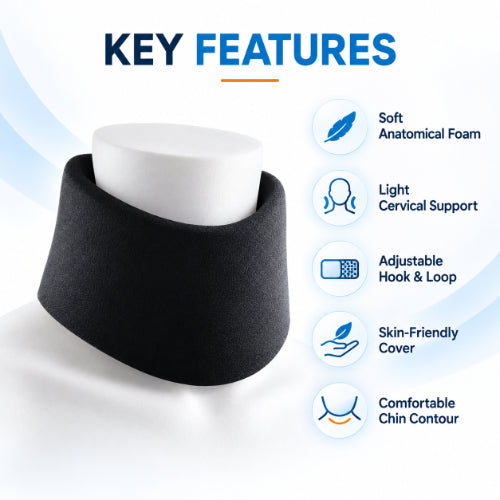
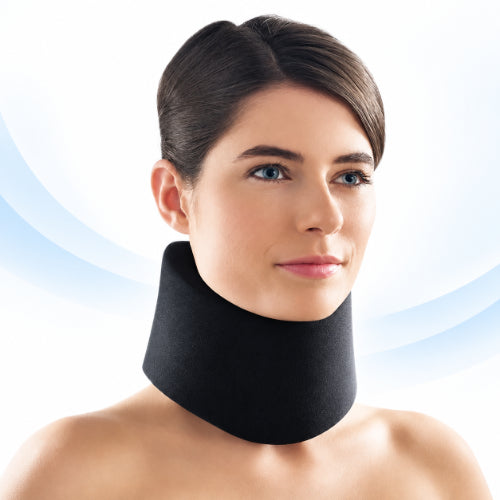
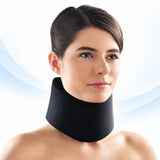
A soft cervical collar usually uses foam or padded material and fastens around the neck with a closure at the back or side. It offers light support and gentle positioning, but it does not restrict movement as much as a rigid brace. For some people, a soft collar can be useful for short periods when the neck feels tired or irritated.

Because a soft collar is less restrictive, it is often easier to wear during low-demand home activities. It may feel more comfortable for resting, reading, or sitting upright. However, comfort should not be the only deciding factor. If your instructions require stronger immobilization, a soft cervical collar may not provide enough support.
Hard cervical collar
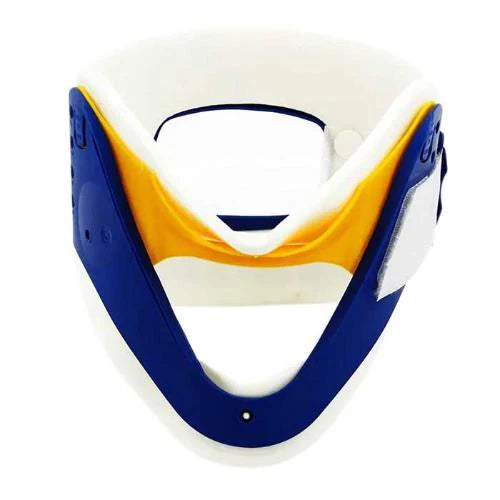
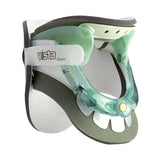
A hard cervical collar is more structured and limits movement more than a soft collar. It usually has a firm plastic shell with padding inside and a design that supports the chin and back of the head. This style may help when you need stronger motion control.

You must fit a hard collar carefully because the edges, chin support, and height all affect comfort and stability. If it is too tall, it can push the jaw upward or make it difficult to rest naturally. If it is too short, it may not provide the intended cervical neck support.
Adjustable cervical collar
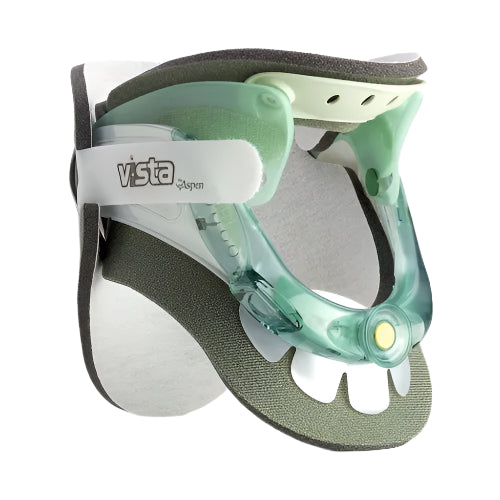
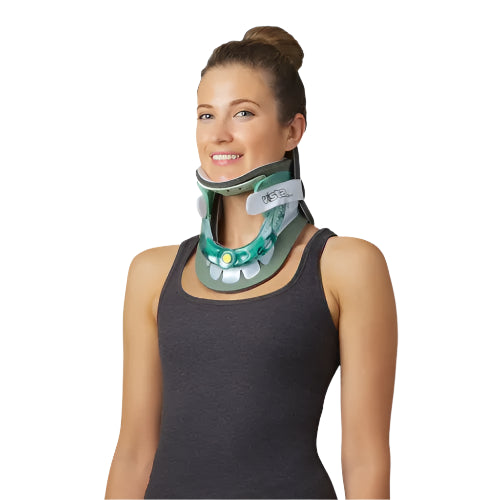
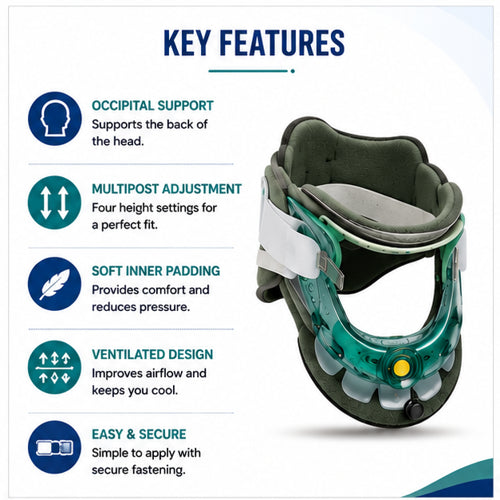
An adjustable cervical collar lets you change height or fit settings to get a more precise position. Some models allow multiple height adjustments, which can be helpful when the goal is to match the brace to the length of the neck and the desired chin position. Adjustment features are useful, but they also make it important to follow fitting directions closely.


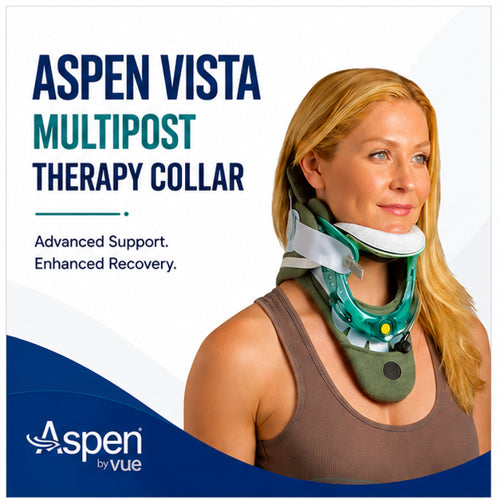
Examples in this category can include a Vista cervical collar or a 4-adjustment cervical collar, depending on the design and support level needed. More advanced options, such as the Aspen Vista Multipost collar or Vista CTO 2 post brace, suit more involved support needs. Use them only when a professional specifically recommends them. A Velpeau Neck Collar Cervix 2 Classic is another named option readers may encounter when comparing designs.
Philadelphia collar
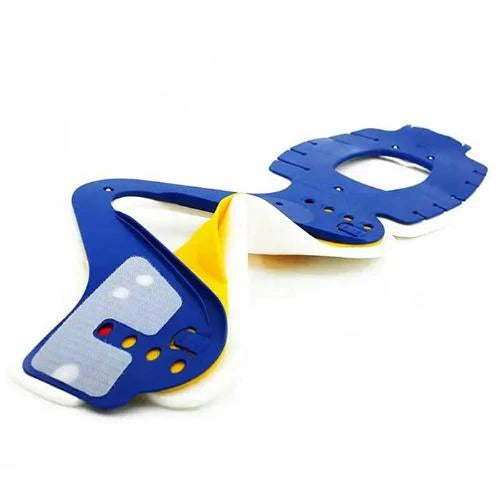
A philadelphia collar is a type of rigid cervical brace often recognized by its firm two-piece design. It typically supports the front and back of the neck and may include a chin platform. Because it is more supportive than a simple soft foam neck brace, proper sizing and placement matter a great deal.
This style is not something to choose casually. If a professional has told you to use one, ask for clear instructions on how to put it on, remove it, clean it, and check your skin. The more structured the cervical brace, the more important it becomes to avoid improvising.
soft collar vs hard collar?
A soft collar provides lighter support and more comfort, while a hard cervical collar provides stronger motion control and a more rigid position. The better choice depends on why you use the cervical support, how much movement you should limit, and what your doctor recommends.
Here is a practical comparison:
| Feature | Soft cervical collar | Hard cervical collar |
|---|---|---|
| Support level | Light to moderate | Moderate to strong |
| Movement control | Allows more movement | Restricts more movement |
| Comfort | Often softer and easier to tolerate | More structured, may feel restrictive |
| Common home use | Short periods of rest or support when advised | More controlled positioning when stronger support is needed |
| Fit sensitivity | Still important, but usually more forgiving | Very important; wrong size can cause pressure or poor support |
| Cleaning needs | Fabric or foam care matters | Pads, shell, and straps may need separate care |
A soft collar can feel reassuring, but it may not give enough control for some conditions. A hard collar can feel more secure, but it can also create pressure points if worn incorrectly. Do not use either type as a guesswork solution for unexplained symptoms.
cervical collar sizing and fit basics
Fit is one of the most important parts of safe, comfortable use. A cervical brace that is too loose may slide, fail to support the chin, or allow more movement than intended. A cervical collar that is too tight or too tall may create pressure, breathing discomfort, jaw strain, or skin irritation.

Sizing usually considers two things: neck circumference and collar height. Circumference determines how the cervical brace wraps around the neck. Height determines how well the neck brace supports the chin without forcing the head upward or downward.
how do you size a cervical collar?
You size a cervical collar by matching the brace height and neck circumference to your body and the product’s fitting guide. In general, the cervical brace should sit under the chin, support the jaw comfortably, and reach the upper chest or collarbone area without pushing the head into an unnatural position.
For many cervical braces, you take the height measurement from the top of the shoulder area to the underside of the chin while your head is in a neutral position. You measure neck circumference around the neck where the cervical support will sit. Adjustable models may use numbered settings or height markers rather than a simple small, medium, or large size.
Use this simple sizing checklist before you rely on the fit:
- Head position: Your head should feel neutral, not tipped back, pushed forward, or tilted to one side.
- Chin support: The chin should rest on the cervical support without an upward push.
- Jaw comfort: You should be able to relax your jaw and speak carefully without sharp pressure.
- Neck coverage: The cervical brace should contact the intended areas evenly, not dig into one spot.
- Closure security: Straps should stay fastened without pulling the cervical support out of position.
- Skin check: After wearing it, look for redness, rubbing, or pressure that does not settle quickly.
If the cervical brace has multiple adjustment points, change only the settings your instructions tell you to change. A small height change can significantly affect posture and pressure.
how tight should a cervical collar be?
A cervical collar should be snug enough to stay in place and provide support, but not so tight that it causes breathing difficulty, swallowing trouble, numbness, tingling, skin pinching, or strong pressure. You should not feel like the brace is choking you or forcing your jaw closed.
A common sign of a loose cervical collar is that the chin slips inside the brace or the brace rotates easily around the neck. A common sign of an overly tight cervical brace is a feeling of constriction or pressure marks that become painful. If the cervical support shifts every time you move, it may need adjustment; if it feels unbearable after a short time, it may be the wrong size or style.
Because cervical braces sit near sensitive skin and important structures, do not ignore discomfort. Remove or adjust it only according to your instructions, and ask for guidance if you cannot get a comfortable fit.
cervical collar wearing instructions at home
Wearing a cervical collar correctly is not complicated, but it does require care. The goal is to support the neck in the intended position without creating new discomfort. Take your time each time you put it on, especially with a hard cervical collar or adjustable cervical collar.
A general routine may look like this:
- Start in a neutral position. Sit or stand upright with your head facing forward.
- Place the front panel first if the design requires it. The chin should settle into the chin support without strain.
- Position the back panel or wraparound section. Keep the cervical brace centered and level.
- Secure the straps evenly. Fasten them snugly, but do not overtighten.
- Check your posture. Your gaze should be forward, not angled sharply up or down.
- Test comfort briefly. Swallow, breathe normally, and speak a few words.
- Inspect pressure areas. Check under the chin, along the jaw, around the collarbone, and behind the neck.
If someone helps you put on the cervical brace, they should avoid pulling your head or forcing your neck into position. Slow, careful placement matters more than speed. If your instructions say the brace should remain on during removal of pads or clothing changes, follow that guidance rather than improvising.
cervical collar comfort tips for daily routines
A cervical collar changes how you move through ordinary tasks. Looking down at a phone, reaching for a shelf, eating, and lying down may all feel different. Small adjustments to your environment can make home use easier and reduce unnecessary neck movement.
Try these practical changes:
- Raise reading material. Hold books, phones, and tablets closer to eye level instead of bending your neck.
- Use supportive seating. Sit in a chair that lets your back rest upright without slumping.
- Prepare easy meals. Choose foods that are simple to chew and do not require wide jaw movement if the cervical support limits comfort.
- Keep essentials within reach. Place water, medication, chargers, and personal items at waist-to-chest height.
- Avoid sudden turns. Turn your whole body instead of twisting your neck.
- Wear compatible clothing. Button-up or wide-neck tops may be easier than tight collars or pullovers.
Pay attention to skin. Moisture, friction, and pressure can build under padding, especially during warm weather or longer wear periods. If your skin becomes irritated, ask whether you need to change the padding, fit, or wear timing.
Side note: If your routine includes the 4 memory foam pillows, treat them only as sleep support. They should not replace a prescribed neck brace, and you should not use them to create forced neck positions.
can you sleep with a cervical collar?
You can sleep with a cervical collar only if your doctor or care instructions say you should. Some doctors tell people to wear a cervical collar overnight, while others advise using it only during certain waking activities.
If sleeping in a cervical brace is part of your plan, the main goals are alignment, comfort, and skin protection. Your head and neck should stay supported without the brace pressing harshly into your jaw, shoulders, or the back of your head. Avoid stacking pillows so high that your head bends forward.
For side sleeping, the space between your head and shoulder needs support so your neck does not drop sideways. For back sleeping, the head should rest comfortably without tipping forward. Stomach sleeping is often difficult with a neck brace because it requires rotation; ask whether you should avoid it.
Before bed, check that straps are secure and that padding is smooth. Wrinkled fabric, damp padding, or trapped hair can create irritation overnight. In the morning, inspect the skin under and around the cervical brace if your instructions allow removal.
can you drive with a cervical collar?
Driving with a cervical collar may be unsafe because the brace can limit your ability to turn your head, check blind spots, react quickly, and maintain full control. Do not drive unless your doctor has specifically cleared you and you can do so safely within local rules and any medication restrictions.

Even a soft collar can reduce mobility enough to make driving risky. A hard cervical collar is more restrictive and may make shoulder checks, reversing, merging, and emergency reactions more difficult. If you are taking medication that causes drowsiness or slowed reaction time, driving may be unsafe regardless of the brace type.
Plan alternatives while you are wearing a cervical brace. Arrange rides, use delivery options, or postpone non-urgent errands when possible. Safety matters more than convenience, especially when the brace intentionally limits your neck movement.
cervical collar care and cleaning
Keeping a cervical collar clean helps with comfort and skin health. Sweat, oils, hair products, and dust can build up on padding and straps. Cleaning also gives you a chance to inspect the brace for worn fasteners, cracked plastic, flattened foam, or rough edges.
how do you clean a cervical collar?
You clean a cervical collar by following the product instructions, usually wiping hard surfaces and gently washing removable pads or fabric parts if the design allows it. Let all parts dry fully before wearing them again unless your instructions provide a specific safe method for pad changes.
General cleaning tips include:
- Remove only the parts your instructions let you remove. Some cervical braces have replaceable pads; others should stay together.
- Use mild cleaning methods. Harsh chemicals may irritate skin or damage materials.
- Dry thoroughly. Damp padding can increase rubbing and skin irritation.
- Keep a clean barrier if recommended. Some instructions call for a thin, clean layer under certain cervical braces.
- Check hook-and-loop closures. Lint can weaken fastening and make the cervical support less secure.
- Inspect the shell and edges. Do not keep wearing a brace with sharp, cracked, or warped areas.
If you must wear the cervical collar continuously, ask how to handle cleaning without leaving your neck unsupported. Some designs have pad sets you can change while maintaining support, but the safe method depends on the brace.
cervical collar price and value considerations
Cervical collar price varies based on support level, adjustability, materials, padding, brand, and whether the design is a simple soft neck collar or a more structured brace. Since the right cervical support is primarily a fit and support decision, choosing only by price can lead to poor comfort or inadequate control.
When comparing options, look beyond the product name. A lower-support cervical brace may be easier to wear but may not match your instructions. A more advanced brace may offer more adjustability but can also require more careful fitting and maintenance.

Consider these value factors:
- Correct support level: Does the cervical brace match the type of support your instructions describe?
- Adjustability: Can you refine the height or fit without guesswork?
- Padding comfort: Are the contact areas smooth enough for your expected wear time?
- Ease of cleaning: Are pads removable or surfaces easy to wipe?
- Replacement parts: Can you replace worn pads or straps if needed?
- Clear instructions: Does the product provide understandable fitting and care guidance?
Named products such as Vista cervical collar, Aspen Vista Multipost collar, Vista CTO 2 post brace, 4-adjustment cervical collar, and Velpeau Neck Collar Cervix 2 Classic may differ widely in structure and purpose. The best choice is not the most complex option; it is the one that fits your body, your instructions, and your daily routine.
cervical collar warning signs to take seriously
A neck brace should not create severe new symptoms. Mild adjustment discomfort can happen, especially when you are getting used to a device, but certain signs mean you should stop and seek guidance promptly. The cervical brace should support the plan you received, not add new problems.
Pay attention if you notice:
- New or worsening numbness, tingling, or weakness
- Increased pain that does not settle with proper adjustment
- Trouble breathing or swallowing
- Dizziness, faintness, or unusual headache
- Skin breakdown, blistering, or persistent redness
- Jaw pain caused by pressure from the chin support
- A cervical brace that will not stay positioned no matter how it is adjusted
- A cracked shell, damaged strap, or compressed padding
Do not tighten the cervical collar more and more to solve every fit issue. A slipping brace may be the wrong size, wrong height, or wrong style. An uncomfortable cervical brace may need pad changes, adjustment, or replacement.
cervical collar mistakes to avoid
Home use often goes wrong when people treat a cervical collar like a simple accessory instead of a fitted support device. Even though it may look straightforward, the way it sits on the chin, jaw, neck, and shoulders matters. Avoiding common mistakes can make the experience safer and more comfortable.

The biggest mistakes include:
- Using a collar for self-diagnosed pain. Neck symptoms can have different causes, and a brace is not appropriate for every situation.
- Choosing the wrong support level. A soft collar and hard cervical collar are not interchangeable.
- Wearing it too loosely. If the brace shifts, it may not provide the intended support.
- Wearing it too tightly. Excess pressure can cause discomfort and skin problems.
- Ignoring wear-time instructions. More time in a brace is not automatically better.
- Sleeping in it without guidance. Base overnight use on instructions, not guesswork.
- Driving without clearance. Limited neck rotation can make driving unsafe.
- Skipping cleaning. Dirty padding can irritate skin and make the cervical brace unpleasant to wear.
- Modifying the brace. Cutting, bending, or adding padding in the wrong place can change how it works.
If the cervical collar feels wrong, do not force yourself to adapt without asking questions. Small problems can become bigger when the same pressure or poor position continues day after day.
how long should you wear a cervical collar?
You should wear a cervical collar only for the length of time recommended by your doctor or care instructions. The right schedule depends on why you need the cervical brace, the type of brace, your symptoms, and whether the goal is light support, motion control, or activity-specific use.
Doctors tell some people to wear a cervical collar only during certain activities. Others may need to wear it for longer periods, including rest or sleep. The schedule can also change over time, so do not assume the first instructions are permanent unless your doctor tells you so.
It is natural to wonder whether wearing a cervical brace longer will provide more benefit. That is not always the case. Unnecessary long-term use may affect comfort, skin, and normal movement patterns. On the other hand, removing a cervical brace too soon or too often when your instructions say to keep it on can reduce the support plan. Follow the specific plan you received.
Choosing the right cervical collar for home life
The right cervical collar for home use should match your support needs and fit into your daily routine without creating avoidable complications. Think about where and when you will wear it, how easy it is to clean, whether you can adjust it correctly, and whether it allows you to complete basic tasks safely.
Before choosing or using a cervical brace, ask these questions:
- Which type of cervical brace did your doctor recommend: soft cervical collar, hard cervical collar, philadelphia collar, or another style?
- Should it be worn all day, only during activity, or only at specific times?
- Should it be worn during sleep?
- Which activities should you avoid while wearing it?
- How should you clean the cervical brace?
- What symptoms mean the fit is wrong?
- When should you review the wear schedule?
A cervical collar should feel like part of a clear plan, not a mystery device. If you do not know why you are wearing it, how long to use it, or how tight it should be, get clarification before relying on it.
cervical collar takeaway for safer home use
Cervical collar use at home works best when you follow guidance, size it correctly, and match it to the level of support you actually need. A soft neck brace may offer light comfort, while a hard cervical collar, adjustable cervical collar, philadelphia collar, or more advanced brace may provide stronger motion control when specifically recommended.
The most important points are simple. Do not use a cervical collar for self-diagnosed injuries, do not guess on sizing, do not ignore pressure or new symptoms, and do not drive or sleep in a cervical brace unless a doctor clears you to do so. Clean it regularly, check your skin, and follow the wear schedule you received.
A cervical collar is a support tool, not a stand-alone answer for neck problems. Used thoughtfully, it can help you manage daily routines with better positioning and clearer limits while you follow professional guidance.
Explore Medical Collections
All Categories
Abdominal & Maternity Support

Accessories

Accu-Chek Instant Strips: Use, Compatibility, Price & Blood Sugar Testing Guide
Accu-Chek Instant Strips: Uses, Features & Complete Guide

accupuncture

Acupuncture Needles & Supplies

Advanced Physiotherapy Machines & Lumbar Physiotherapy

Airways

Ambulance

Anatomy Models
Anesthesia Machine

Anesthesia Products

Ankle Support for Home Use: Braces, Sleeves & Walker Boots

Ankle Weights & Exercise Weights for Home & Rehab

Anti-Bedsore Air Mattresses
You may also need
FOR YOURecommended for you
Save 23%