


Featured ChoiceSave 62%
Save 18%

Save 50%


Save 57%


Save 5%

Save 25%

Save 12%




Save 50%


Save 14%

Save 17%

Save 52%

Save 21%


Save 19%


Sold out
Sold out

What customers say
★★★★★ 5.0 · 20 reviews
 Coccyx Seat Cushion With Memory Foam For Sciatica Tailbone Back Pain Relief
“Incredibly comfortable and provides great relief from tailbone pain. The memory foam offers perfect support...”
“This is a lifesaver for my tailbone and back pain! It provides excellent support and comfort, especially du...”
 Coccyx Gel Cushion for Coccydania Tail Bone Sciatica Back Pain Releif by Viaggi
“Provides great support and comfort!”
“This Coccyx Gel Cushion has been a lifesaver for my sciatica and tailbone pain. I’ve tried several cushions...”
 Coccyx Seat Cushion
“This is incredibly comfortable and has been a huge relief for my tailbone pain.”
 Coccyx Seat Cushion Orthopaedic Memory Foam - Viaggi
“Perfect for long sitting!”
“it’s been a fantastic investment! The memory foam is just the right density – firm yet comfortable. It has ...”
 Velpeau Dorsafit Lumbar Support Belt | Comfortable Back Support
“Sturdy, comfortable, great for posture!”
“The Lumbar Support Belt Dorsafit from Velpeau France is fantastic! It offers excellent lower back support a...”
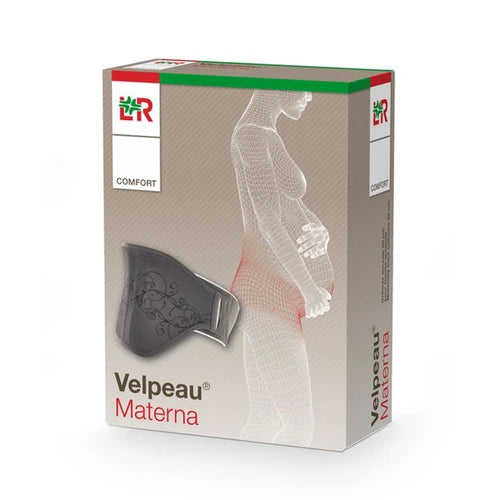
 Pregnancy Belt Materna Comfort from Velpeau France
“The Pregnancy Belt Materna Comfort from Velpeau France is a lifesaver! It provides excellent support and re...”
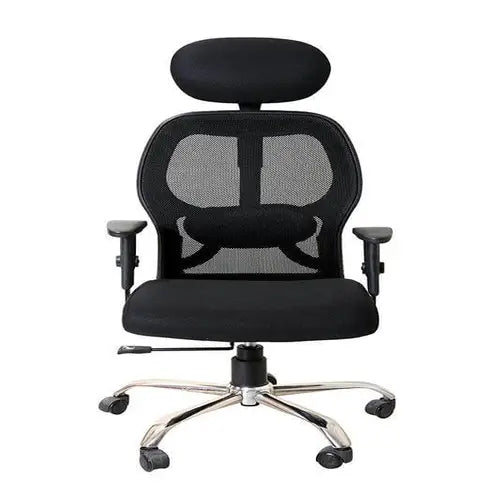
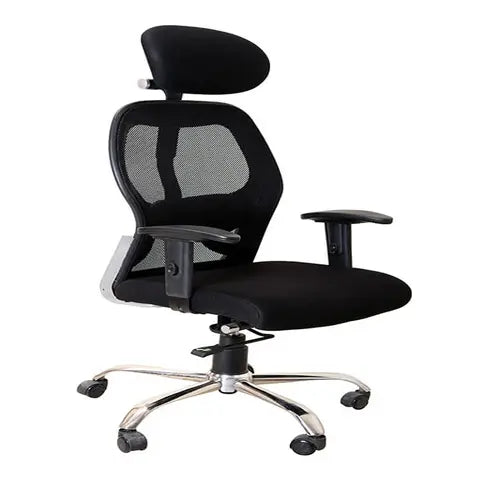
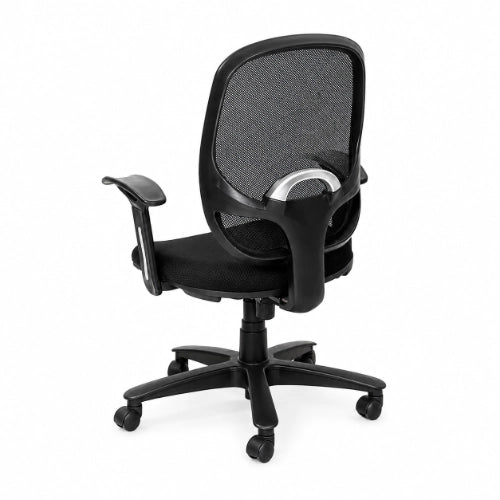
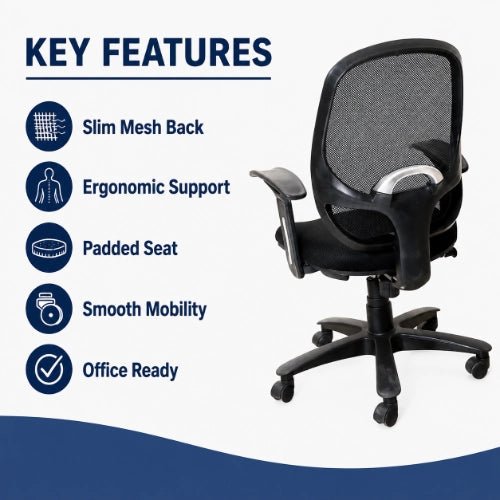
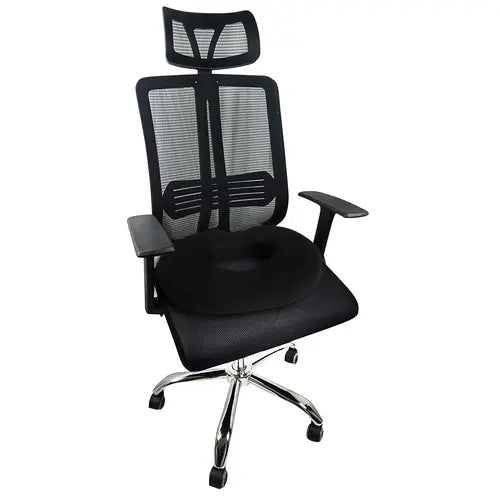
 Ergonomic Back Rest Chair | Back & Lumbar Support
“The adjustable height and tilt functions make it easy to customize for maximum comfort. Ideal for office pr...”
“With its high backrest, cushioned seat, and ergonomic design, this chair helps reduce back strain and impro...”
 Health and Yoga Seating Air Cushion
“Reduces strain on the lower back and improves comfort.”
“Great for posture support!”
 Velpeau Vertelibre Lumbar Support Belt | Adjustable Back Support
“Comfortable, supportive, perfect for relief!”
 Donut Tailbone Pillow Hemorrhoid Cushion
“Comfortable and soothing!”
Lumbar Support Belts, Backrests & Coccyx Cushions
Lumbar Support Belt, Coccyx Cushion & Chair Backrest: Buying Guide
Lumbar support can make daily sitting, working, travelling, and resting at home feel more comfortable. This guide explains how home users in India can choose Lumbar Support Belts, Coccyx Cushions and Backrests without getting confused by product names, materials, shapes, or sizes. These products are meant to provide support and comfort; if you have ongoing pain, sharp pain, numbness, or pain after an injury, speak with a doctor or physiotherapist before buying or using any support product.
Consult your doctor or physiotherapist before using a lumbar support belt.
For many Indian homes, the challenge is simple: long work-from-home hours, dining chairs used as office chairs, two-wheeler or car travel, studying on beds, and sofas that do not support the lumbar region well. A lumbar support belt, coccyx pillow, lumbar support for chair, or lumbar pillow can be useful when chosen carefully and used sensibly.
What can I use to support my back while sitting?
You can use a lumbar support cushion, lumbar backrest for a chair, coccyx cushion, tailbone cushion, or a properly placed rolled towel to support your sitting posture. The right choice depends on where you feel unsupported: the lumbar area, the tailbone area, or the full chair back. A cushion or backrest should help you sit in a steadier, more comfortable position, not force your body into a stiff or painful posture.

One common sitting problem at home is that the seat is not designed for long hours. A plastic chair, dining chair, sofa, or bed edge may feel fine for a short time but uncomfortable during office work, online classes, stitching, reading, or long phone calls. Here, a lumbar support can fill the gap between your body and the seat so your back does not keep collapsing into a rounded position.
Useful options include:
- Lumbar support cushion: Best when the lumbar region needs a gentle curve support.
- Lumbar pillow: Good for chairs with hard, flat, or low backrests.
- Coccyx cushion or tailbone cushion: Useful when the seat base feels hard or puts pressure near the tailbone.
- Wedge pillow: Helps some users sit with the pelvis slightly tilted forward.
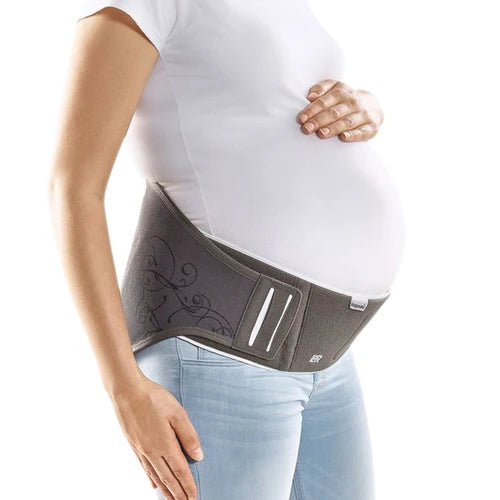
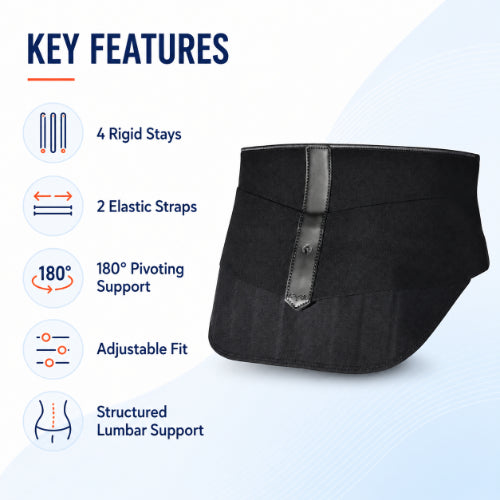
- Lumbar belt: Gives external support around the lumbar area and abdomen when advised.
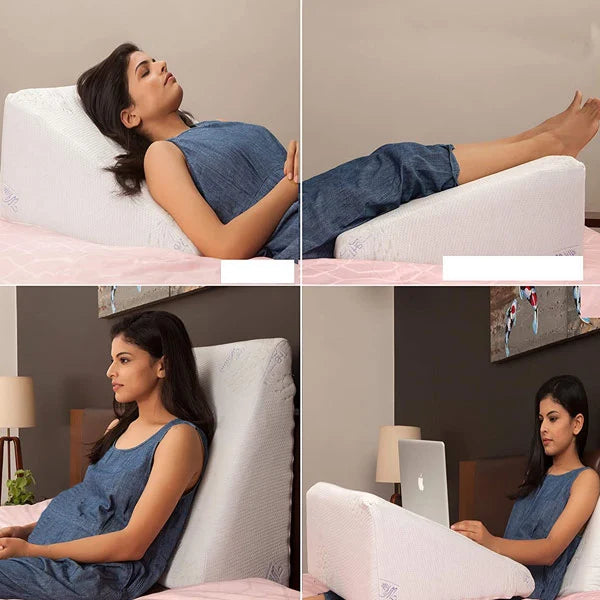
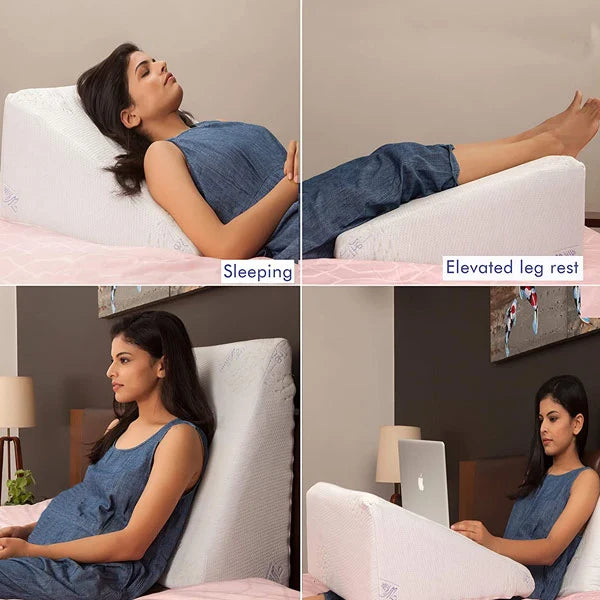
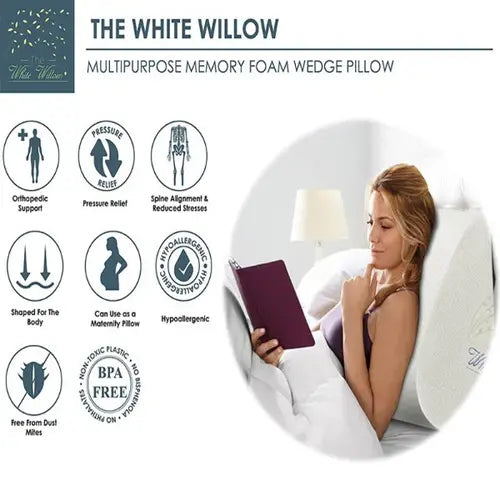
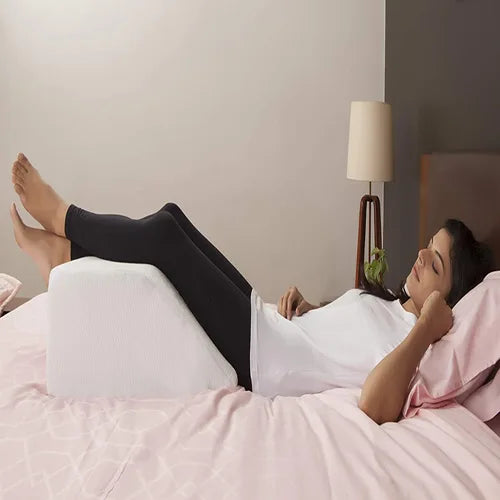
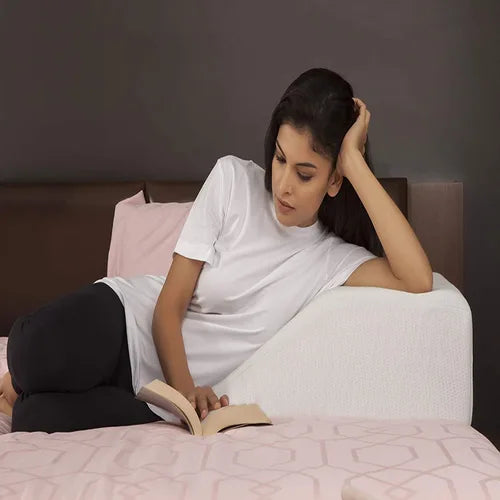
- Bed wedge pillow: A short-use resting support for sitting up in bed, reading, or keeping the upper body slightly raised.
Good posture is not about sitting like a statue. It is about staying supported, changing position, and taking small movement breaks. Ergonomic guidance often suggests using a lumbar roll or small support at the lumbar region when sitting, especially where the chair does not naturally hold the curve of the spine.
Lumbar spine basics: L1 to L5 in simple words
The lumbar spine is the lower-back part of your backbone. It has five bones called L1, L2, L3, L4, and L5. These bones sit between the upper back and the pelvis, and they help carry body weight when you sit, stand, bend, or lift household items.

In simple terms, think of the lumbar spine as the strong lower section of your back. The bones are stacked one above the other, with soft cushioning discs between them. Around the lumbar spine, muscles and ligaments help you move and stay steady.
When people say “lumbar support,” they usually mean support for this lower-back curve. A lumbar support belt, lumbo sacral belt, or lumbar support for chair is designed around this lumbar area. The word “sacral” refers to the area near the pelvis, so a lumbo sacral belt supports the lumbar area and the upper pelvic region.
For home users, you do not need to memorise anatomy. Just remember that your lumbar spine has a natural inward curve. If your chair leaves a large gap behind this lumbar curve, a lumbar support cushion or backrest can help fill that space for comfort.
Lumbar support belts and lumbo sacral belts
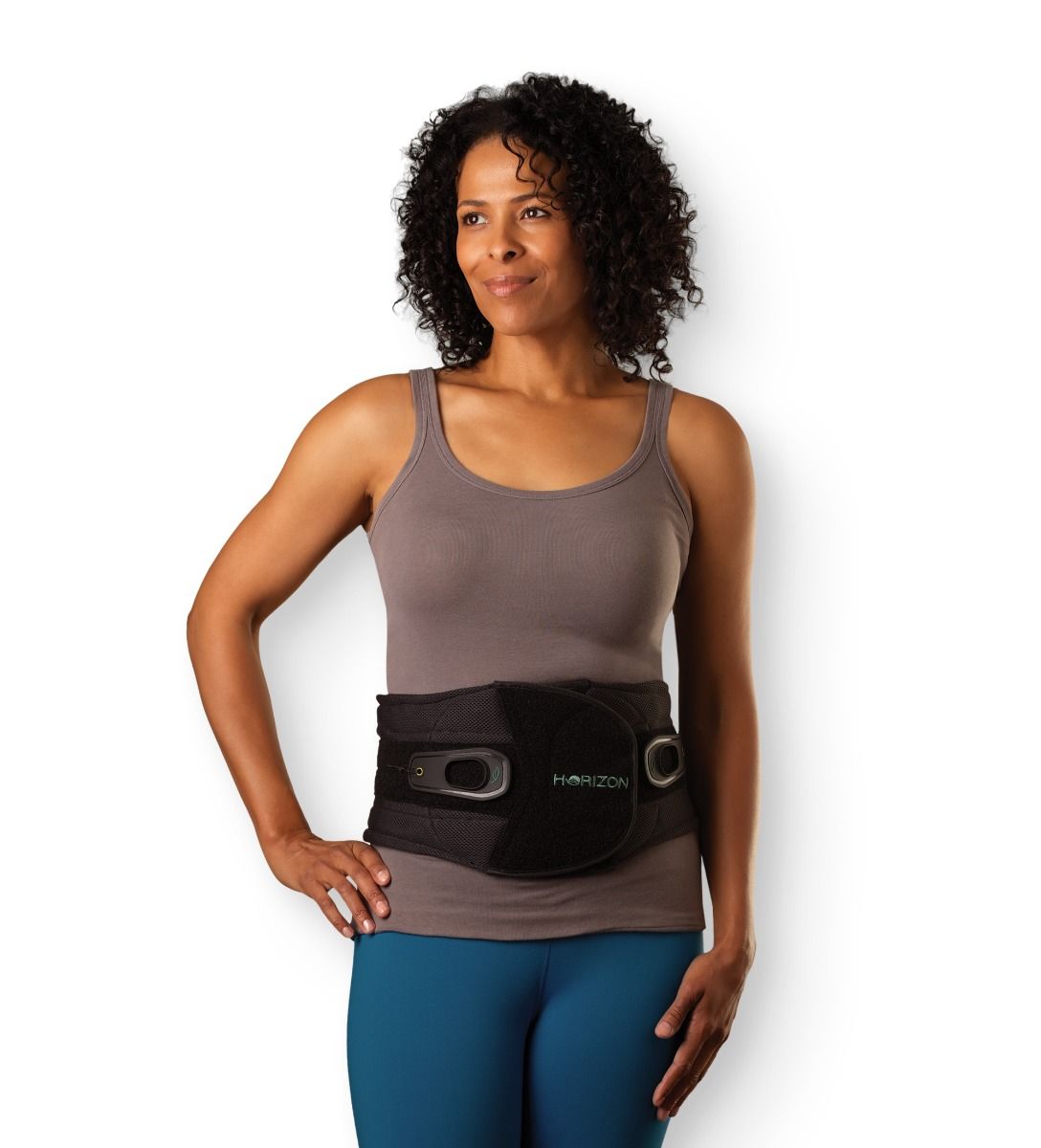
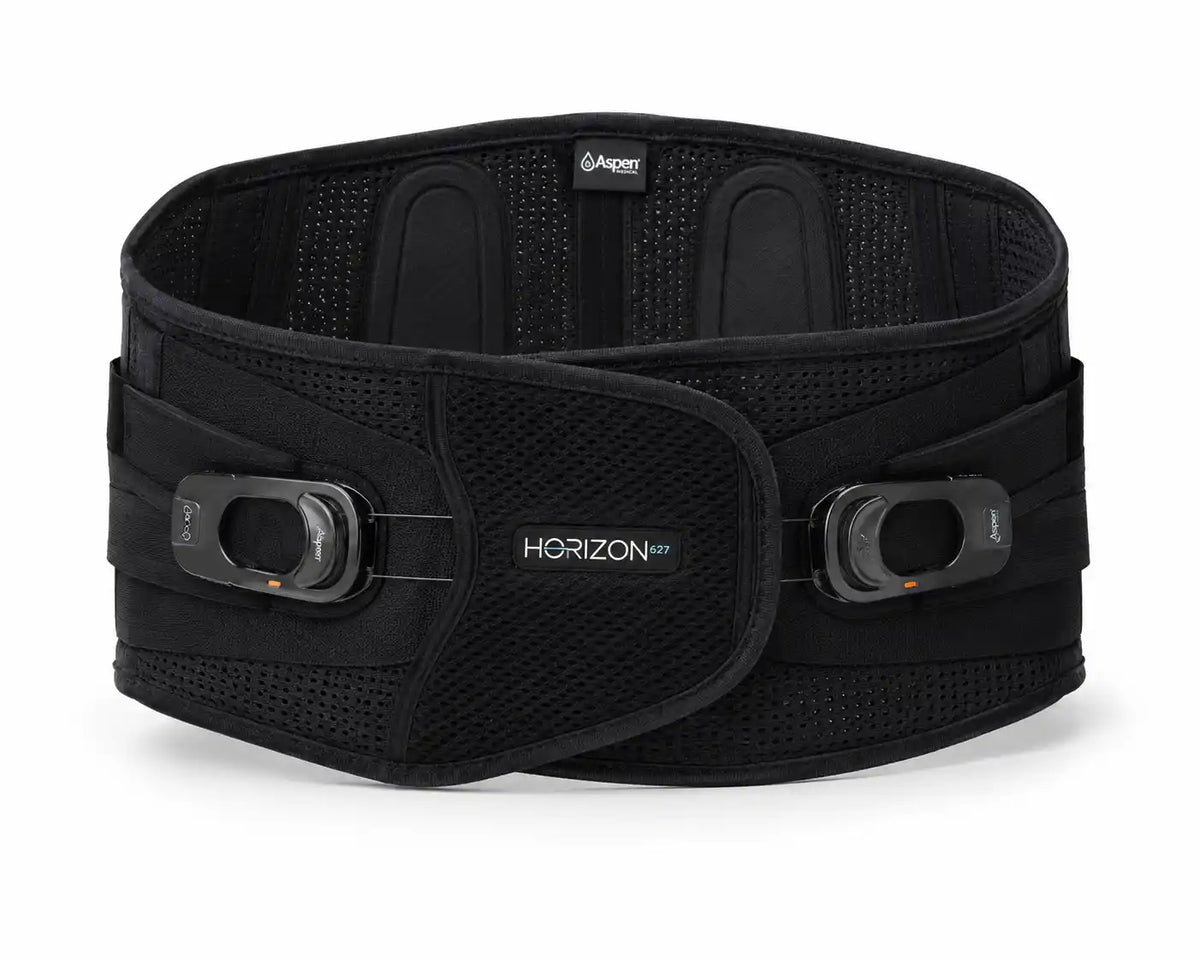
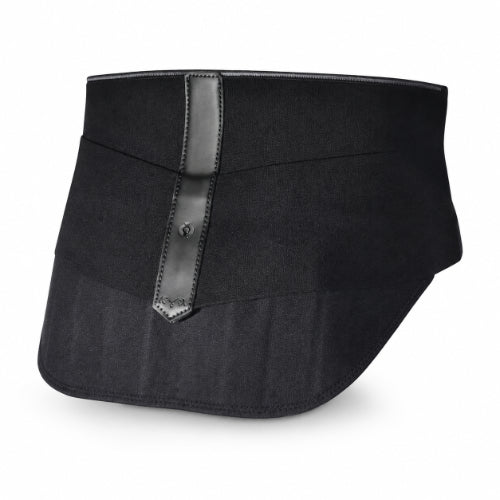
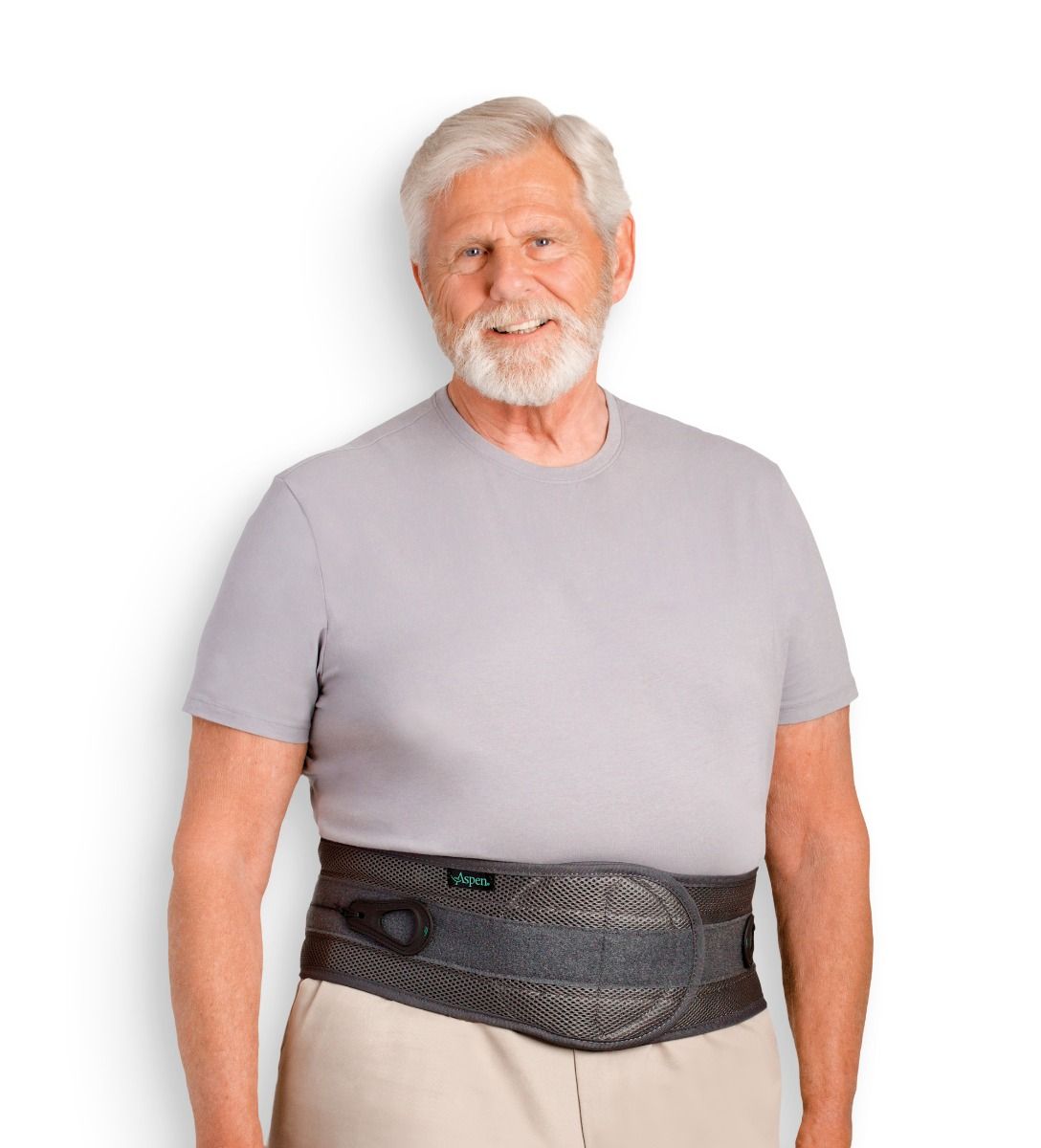
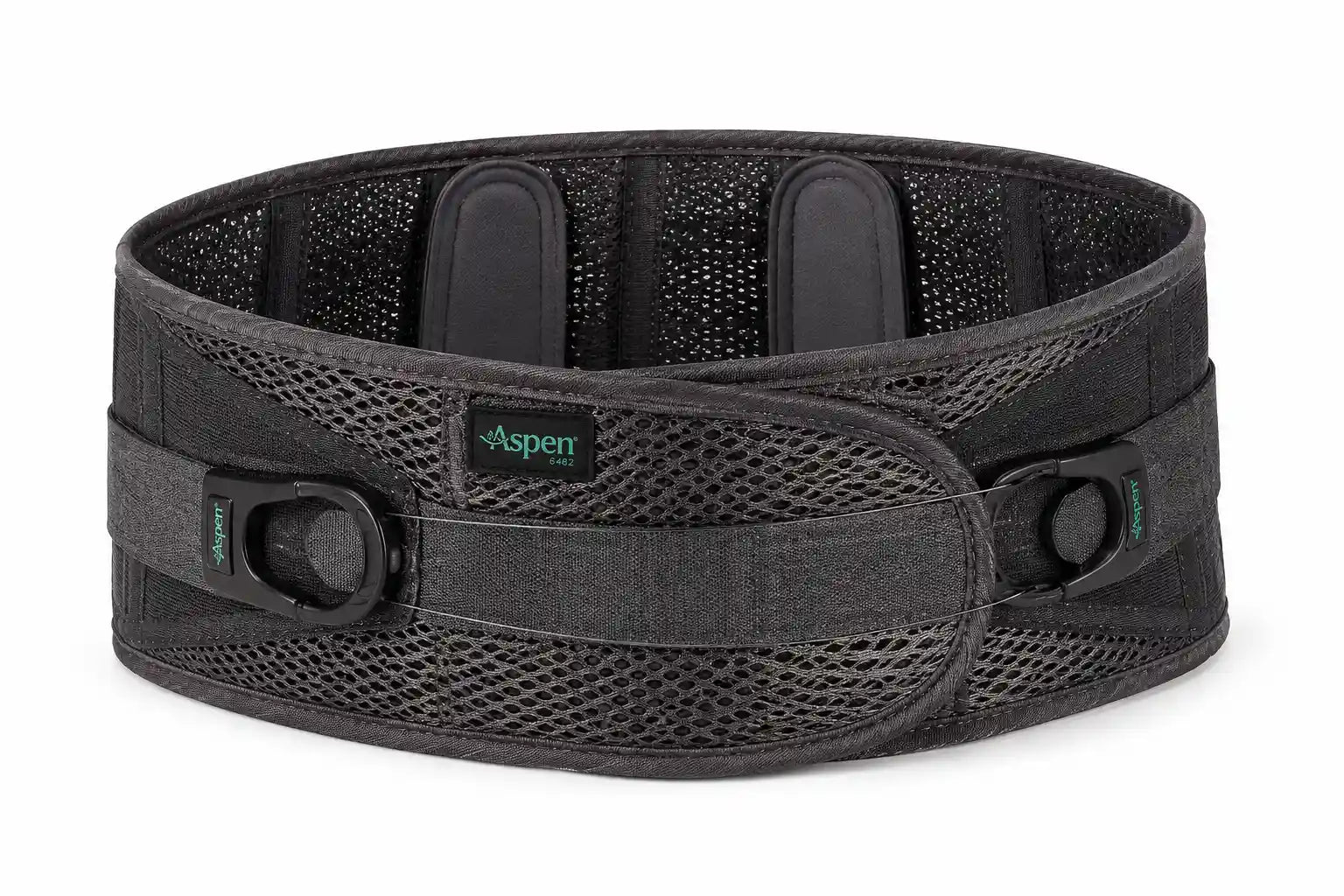
A lumbar belt is a wrap-around support worn around the lumbar area and abdomen. It may also be called a lumbar belt, back support belt, belt lumbar support, or lumbar pain belt. A lumbo sacral belt is similar but usually designed to cover the lower lumbar and sacral area more broadly.
These belts are not everyday fashion accessories and should not be worn casually all day. They are support belts that you should use only as advised by a doctor or physiotherapist, especially if you are already having pain. If a belt causes pain, numbness, breathing discomfort, or skin irritation, stop using it and seek proper advice.

Who a lumbar support belt may suit
A lumbar support belt may suit home users who have been advised to use external lumbar support during specific daily activities. For example, someone may use the belt while doing light household tasks, sitting for a particular work period, or travelling, but only when it has been recommended for their situation. The belt can also suit people who want a feeling of steadiness around the lumbar region during short, planned use.
However, a belt is not a replacement for good movement habits, safe lifting, or proper sitting setup. Long use may lead to muscle dependence because your body can start relying on the belt for support. That is why it is better to use the belt only as directed, not as a permanent daily habit.
How to choose a lumbar support belt
Choosing the right lumbar belt is mostly about fit, comfort, and sensible support. A belt that is too tight can feel restrictive. A belt that is too loose may shift, fold, or fail to hold the intended area.
Check these points before buying:
- Size: Measure around your waist or lower abdomen as instructed by the product size chart. Do not choose only by shirt or trouser size, because belt sizing can differ.
- Height of belt: A wider belt may cover more of the lumbar area, while a slimmer belt may feel easier for sitting. Pick based on your body shape and activity.
- Material: Look for soft inner fabric, durable outer elastic, and smooth edges. Rough belt material can irritate skin in Indian heat.
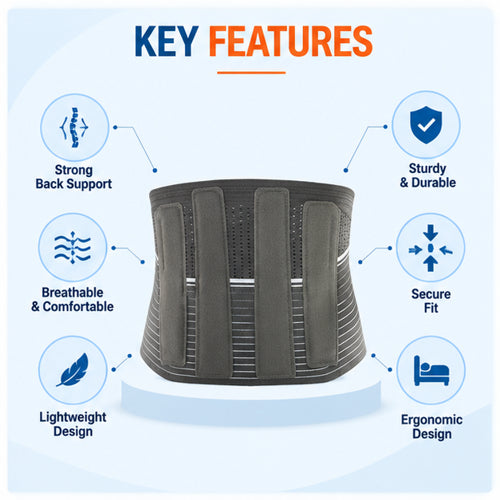
- Breathability: A mesh or ventilated belt is useful, especially in warm cities or humid weather.
- Adjustability: Velcro-style closures and side pulls help you fine-tune the fit. The belt should feel secure without forcing you to hold your breath.
- Firmness: Some belts are soft and flexible, while others have stays or panels. Firm belt support may feel steadier, but it should not dig into the ribs, stomach, or hips.
- Ease of wear: A belt used at home should be simple to put on and remove without help.
Belt prices vary depending on type and quality, including material, finish, adjustability, and support design. Avoid choosing only by the lowest price if the belt feels rough, poorly stitched, or difficult to adjust.

How to wear a lumbar support belt
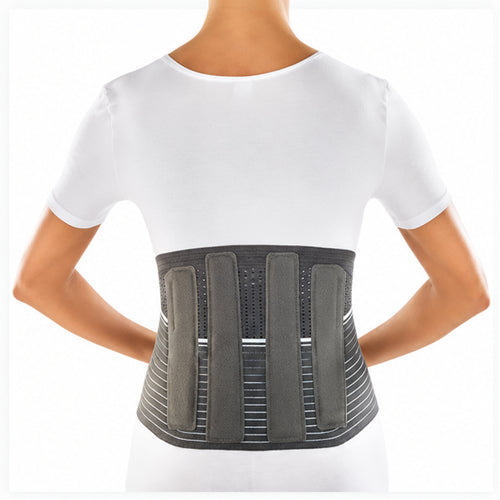
Wear the lumbar support belt over a thin cotton layer if your skin is sensitive or if you sweat easily. Place the belt around the lumbar area and abdomen so it supports the lumbar area without riding too high or slipping too low. Fasten the belt snugly, but do not over-tighten it.

A simple way to check the fit is to sit, stand, and take a few normal breaths. You should be able to breathe comfortably and move carefully. If the belt folds, pinches, rolls, or presses strongly into the stomach, adjust the belt or check whether the size is suitable.
Do not wear a lumbar belt while sleeping unless your doctor or physiotherapist has clearly advised it for your situation. Also avoid wearing the belt all day. If you notice pain, numbness, tingling, skin marks, itching, or irritation, stop use and get advice.
Care tips for lumbar belts
Most belts last longer when you keep them clean and dry. Sweat, dust, and body oils can affect the belt fabric and closure grip. In Indian weather, this matters even more because belts can become damp quickly.
Use these care habits:
- Check the wash label before cleaning the belt.
- Close Velcro before washing so it does not damage the belt fabric.
- Hand wash the belt gently if the label allows it.
- Dry the belt in shade instead of direct harsh sunlight when possible.
- Do not iron elastic belt panels or closures.
- Replace the belt if it has lost stretch, support, or grip.
Coccyx cushions and tailbone seat cushions
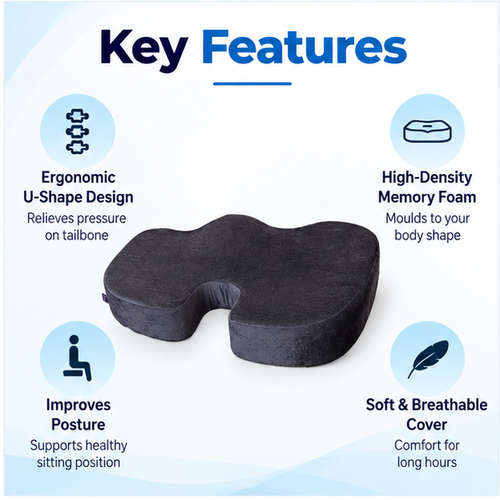
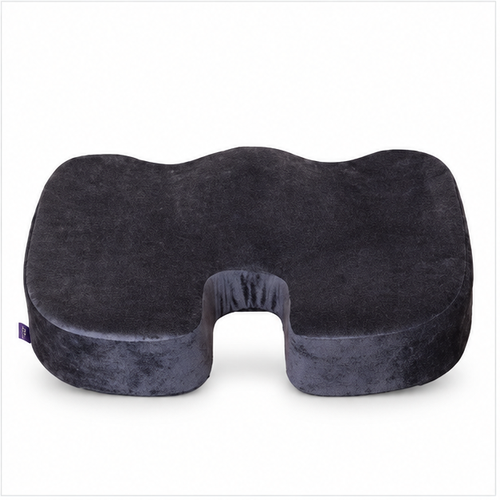
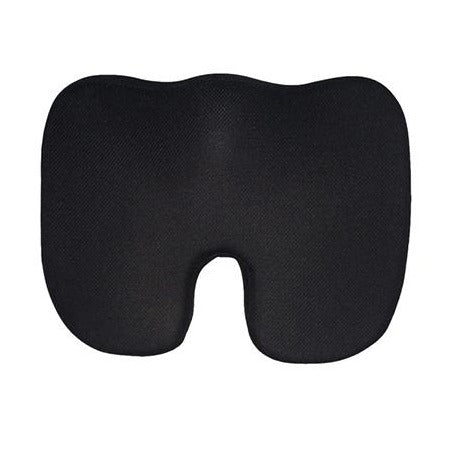
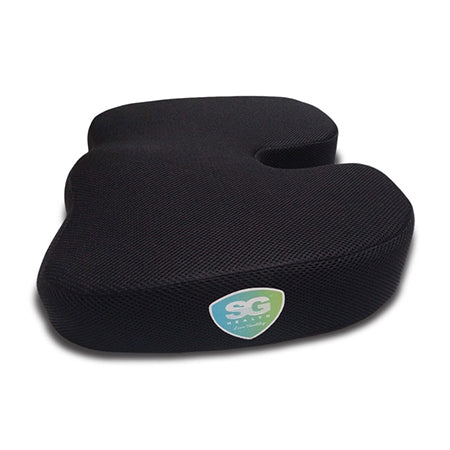
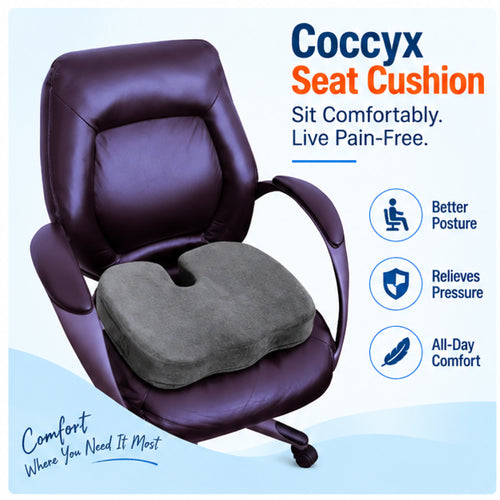
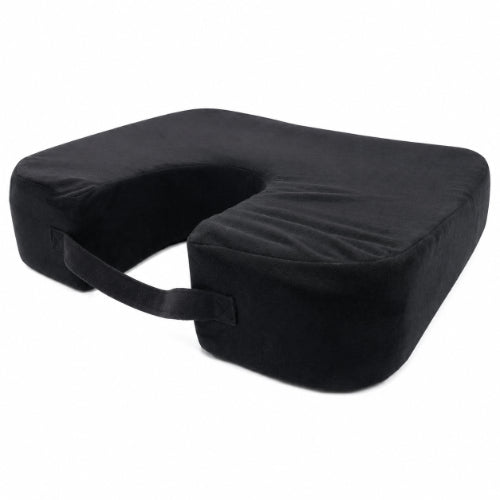
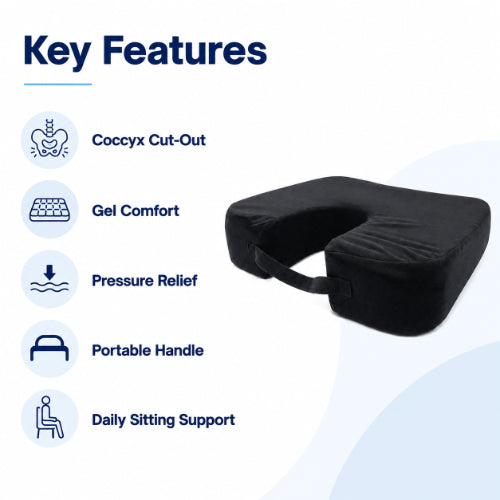
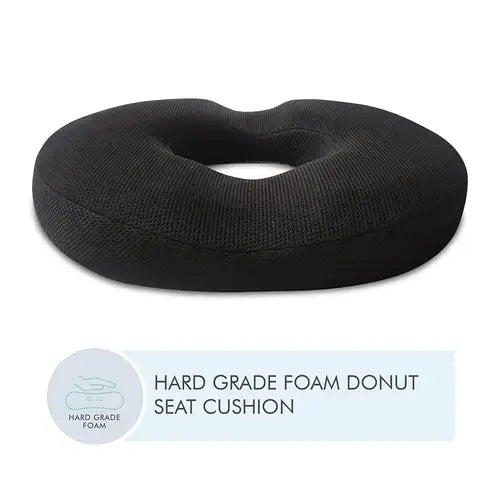
A coccyx cushion is a seat cushion designed to reduce direct pressure on the tailbone area while sitting. It is also called a coccyx pillow, coccyx cushion, or tailbone cushion. Many designs have a cut-out at the back so the tailbone area does not press directly into the seat.
For home users in India, this type of cushion can be useful on dining chairs, study chairs, office chairs, car seats, and hard wooden chairs. It can also help improve sitting comfort for people who spend long periods at a desk, sewing machine, prayer space, or study table. Like a lumbar support belt, it is for comfort and support, not for self-managing serious pain without guidance.

Types of coccyx cushions
Coccyx cushions come in different shapes and materials. The best option depends on your seat, body weight, heat comfort, and sitting habit.

Memory foam coccyx cushion: Memory foam shapes itself under body weight and usually feels supportive without being too hard. It can be a good choice for work-from-home seating or study chairs. The main point to check is whether the foam returns to shape after use.
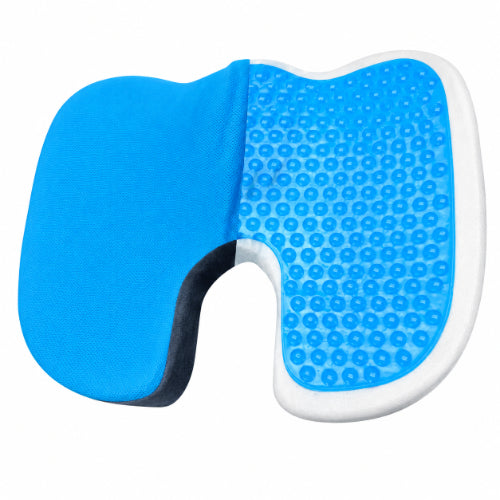
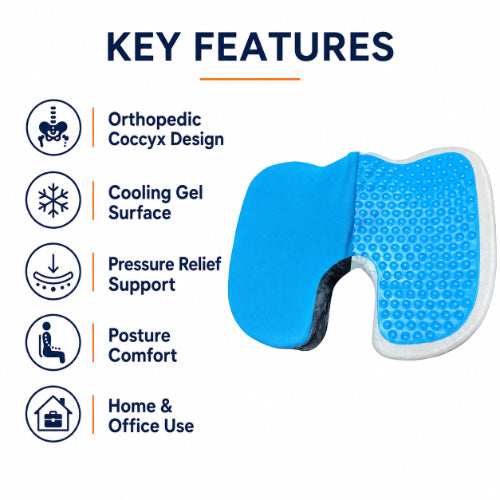
Gel coccyx cushion: A gel layer can feel cooler than plain foam and may spread pressure more evenly. This is useful in warmer rooms or during summer. Some cushions combine gel on top with foam underneath.
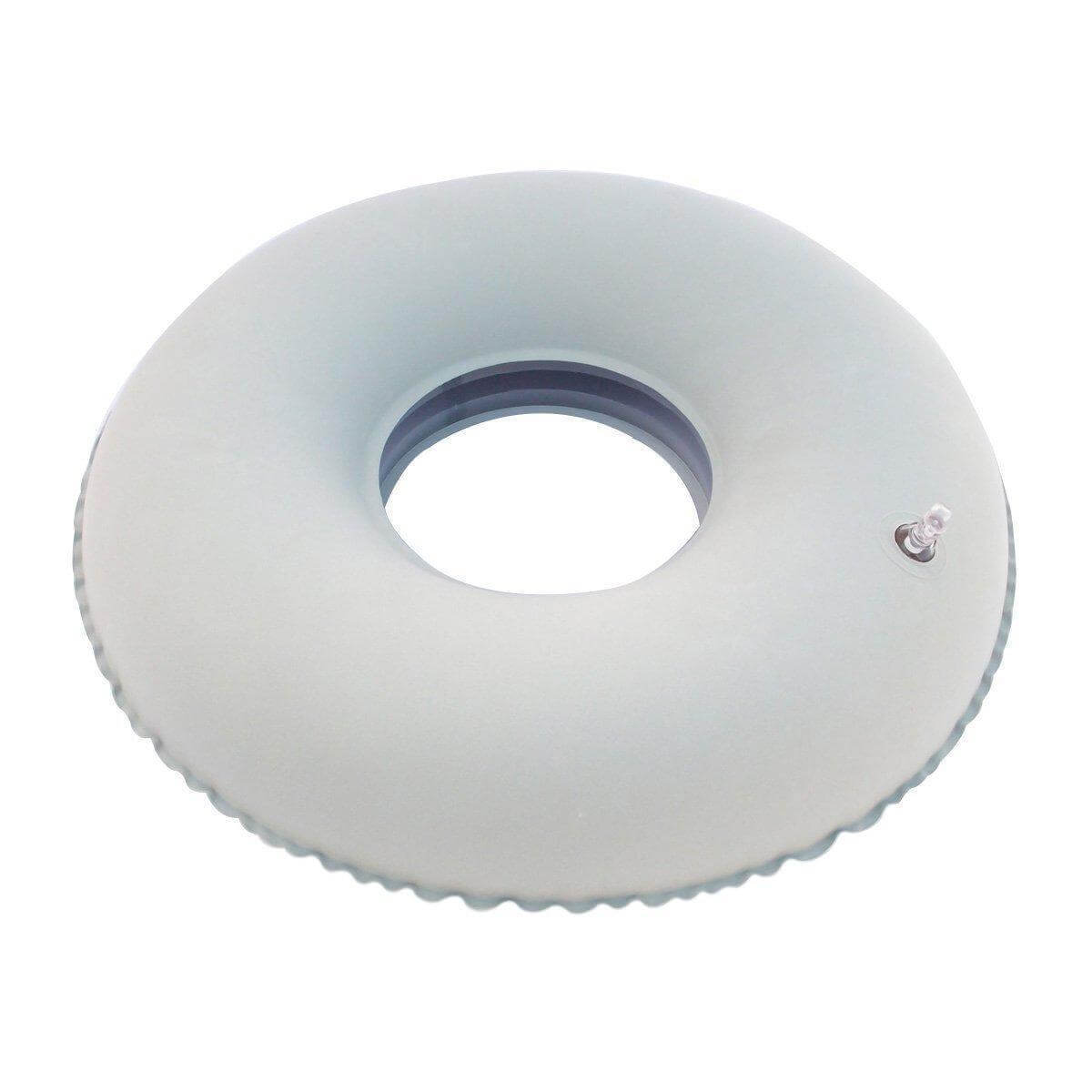
Donut cushion: A donut cushion has a ring shape with an opening in the centre. Some people find it comfortable, while others prefer a rear cut-out coccyx cushion because it feels more stable on a chair. If choosing a donut type, make sure the opening and outer width suit your body and chair.
Wedge pillow: A wedge pillow has a sloping shape. It may help some users sit with a more open hip angle, especially on flat chairs. A wedge should not feel like it is sliding you forward, so grip and chair compatibility are important.


Who a coccyx cushion may suit
A coccyx cushion may suit people who feel uncomfortable sitting on hard seats for long periods. It may also suit home workers, students, older family members, drivers, and anyone using firm chairs at home. If the seat base is too hard or too flat, a cushion can make sitting feel more balanced.
It is important to match the pillow to the seat, just as you match a lumbar belt to your waist. A thick pillow on an already high seat may lift your feet off the floor. A very soft cushion may sink too much and change your sitting position in an uncomfortable way.
How to choose a coccyx pillow
Unlike a lumbar support belt, the right coccyx pillow should support your sitting bones while keeping the tailbone area comfortable. It should not feel unstable, slippery, or too narrow. Before buying, check the product dimensions and compare them with your seat.
Key buying points:
- Size: The pillow should fit fully on the seat without hanging over the edge. It should be wide enough for your hips and deep enough to hold the thighs.
- Material: Memory foam gives contouring support; gel adds a cooler feel; regular foam may be lighter and simpler.
- Firmness: Medium-firm usually works better than very soft foam, because it keeps its shape instead of flattening quickly.
- Breathability: A washable fabric cover, mesh panels, or a gel layer can help in warm Indian homes.
- Cut-out shape: A rear cut-out is common for tailbone comfort. Make sure you know which side faces the back of the seat.
- Anti-slip base: Useful for polished wooden chairs, plastic chairs, and car seats.
- Cover quality: A removable, washable cover is practical for daily use.
Avoid cushions that feel uneven, smell strongly for a long time, or lose shape quickly. If you are buying online, read the size details carefully, as you would for lumbar support, instead of judging only from photos.

How to use a coccyx cushion correctly
Place the coccyx pillow flat on the seat with the cut-out towards the back. Sit so your tailbone area is near the cut-out, not on the solid foam. Keep both feet on the floor or on a footrest, and avoid perching on the front edge.
When using it in a car, check that it does not raise you so much that your driving position becomes awkward. You should still be able to see clearly, use pedals safely, and sit with your back supported. For two-wheelers, a coccyx cushion is usually not practical unless the product is specifically designed for that seat type.
At home, try the pillow on different seats. Sometimes the same pillow feels excellent on a dining chair but too high on an office chair. Small adjustments can make a big difference.
Care tips for coccyx cushions
Compared with a lumbar belt, a coccyx cushion sits directly on seats, so it collects dust and sweat. A washable cover is very helpful for Indian homes, especially if the cushion is used daily.
Care for it this way:
- Remove and wash the cover as per the label.
- Do not soak memory foam unless the manufacturer allows it.
- Air the pillow in shade to reduce trapped odour.
- Keep it away from sharp seat edges or rough surfaces.
- Do not fold foam cushions unless they are designed to fold.
- Replace the pillow if it becomes flat, lumpy, cracked, or unstable.
Backrests and lumbar cushions for chairs and cars
A backrest or lumbar cushion sits between your back and the chair. It can hold the lumbar area, mid-back, or full back depending on its shape. It is commonly used as lumbar support for chair, lumbar backrest for a chair, lumbar support cushion, or lumbar pillow.
This category is very useful for Indian homes because many people work or study on furniture that was not bought for long sitting. A dining chair may be too straight. Some sofas are too soft. A plastic chair may leave the lumbar region unsupported. Adding a backrest can make these seats more comfortable without replacing the whole chair.
Types of lumbar cushions
Like a lumbar support belt, each backrest type solves a different sitting comfort problem. Choose based on your chair and body, not just the product name.
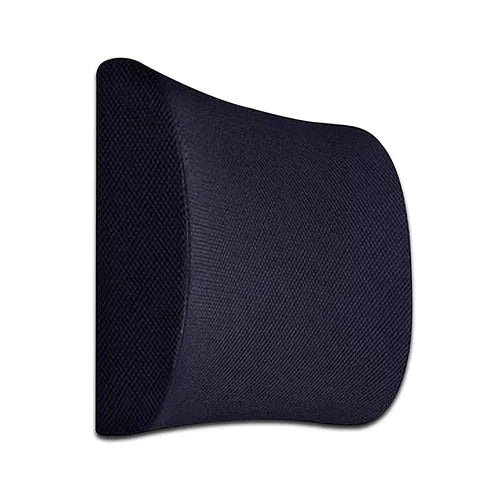
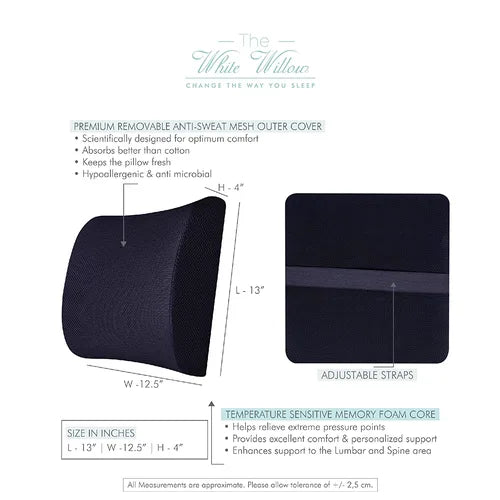
Lumbar support cushion: This is a small curved cushion placed at the lumbar area. It supports the natural lumbar curve and works well on office chairs, car seats, and study chairs.
Full lumbar backrest: This covers a larger area from the lumbar region to the upper back. It may suit people who find chair backs too hard or flat.
Mesh backrest: A mesh backrest is usually light and breathable. It can be useful in hot weather, but some users may find it less cushioned than foam.
Memory foam lumbar pillow: This shapes to the back and gives a softer, contoured feel. It is suitable when you want cushioning along with support.
Car back support: This is designed for vehicle seats. It should fit securely and should not push the driver too far forward.


Who a lumbar backrest may suit
A lumbar backrest may suit people who sit for laptop work, online classes, reading, TV viewing, driving, or long phone work from home. It is also useful when the chair has no natural lumbar curve. If you keep placing a pillow behind your back but it slips or becomes flat, a shaped lumbar support pillow may be more practical.
For older family members, a backrest can make a favourite chair feel more supportive. Students may also find it improves comfort during study sessions. For people working from home, it can make a basic chair feel more suitable for daily use.
How to choose a lumbar backrest for a chair
A lumbar support should match the seat height, seat depth, and your back shape, much like a lumbar belt. If it is too thick, it can push you forward. If it is too thin, you may not feel enough support.
Check these details:
- Size: A small lumbar cushion covers only the lumbar area. A full backrest covers more area but needs a taller chair.
- Material: Memory foam feels contoured; mesh feels airy; fibre-filled pillows feel softer but may flatten faster.
- Firmness: Choose firm enough to hold shape but not so hard that it creates pressure.
- Breathability: Mesh covers, ventilated foam, or breathable fabric help in warm weather.
- Adjustability: Straps are useful because they keep the cushion from sliding. Adjustable height is helpful when different family members use the same chair.
- Chair compatibility: Check whether it works with dining chairs, office chairs, sofas, or car seats.
- Cover: A removable washable cover is better for daily use.
If your chair is very deep, a thick backrest may help you sit closer to the front while still supporting the back. If your chair is already shallow, a thick cushion may reduce sitting space too much.
How to use a backrest correctly
Place the backrest where your back needs support, usually around the lumbar curve, just where a lumbar support belt would sit. Sit all the way back so the cushion touches your back naturally. Your feet should rest flat on the floor, and your knees should not be forced too high or too low.
For a car, install the cushion securely before driving. Make sure it does not interfere with seat belt position, steering control, mirror view, or safe posture. The goal is comfort and support, not a dramatic change in driving position.
For a sofa, a lumbar pillow may help if the seat is too deep. Place it behind the lumbar region or mid-back so you are not slouching backwards. Very soft sofas may still feel unsupportive because the whole body sinks, so a firmer chair may be better for long work.
Care tips for backrests
Backrests are easy to maintain if the cover is removable. Dust them regularly, especially if used near open windows or balconies. In humid areas, air them out so they do not hold moisture.
Good care habits include:
- Wash the cover as instructed.
- Wipe mesh backrests with a damp cloth and dry fully.
- Avoid placing heavy items on foam cushions.
- Keep straps untwisted and check stitching often.
- Do not leave cushions in a closed hot car for long periods if the material may get affected.
- Replace the cushion when it becomes flat, torn, or unable to stay in place.
A short note on bed wedge pillows
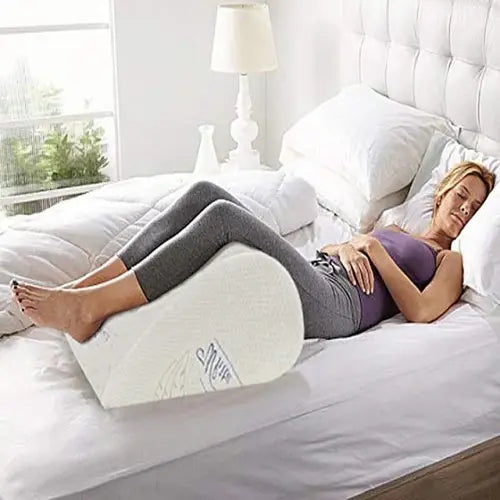
A bed wedge pillow is a sloped pillow used on a bed for sitting up, reading, using a phone, or resting the upper body at an angle. It is not the same as a lumbar belt or chair backrest, but it can be a useful comfort accessory at home. Choose one with a stable slope, washable cover, and firmness that does not collapse under body weight.
For Indian homes where people often read, watch TV, or work briefly from bed, a wedge can feel more stable than stacking two or three soft pillows. Still, a bed is usually not the best long-hour workstation. If you work daily on a laptop, a chair and table setup with proper back support is usually more practical.
How to avoid back pain in chair?
To avoid back pain in chair, sit with your lumbar area supported, keep your feet stable, place the screen at a comfortable height, and change position often. A lumbar support for chair can help fill the gap behind your lumbar curve, but movement and good chair setup matter just as much. If pain continues, worsens, or comes with numbness, speak with a doctor or physiotherapist.
At home, start with your chair before blaming your body. Your seat height, table height, cushion thickness, and screen position all affect how you sit. A support product works best when the full setup makes sense.
Try this simple sitting checklist:
- Keep feet flat on the floor or on a small footrest.
- Sit back into the seat instead of leaning forward all the time.
- Use a lumbar support cushion if there is a gap at the lumbar curve.
- Keep the laptop or monitor high enough so you are not constantly bending your neck.
- Keep elbows supported when typing for long periods.
- Avoid sitting on the bed for full workdays.
- Stand, stretch gently, or walk around at regular intervals.
- Change posture before discomfort builds up.
A rolled towel can be a simple temporary option for lumbar support if you do not have a cushion. Seating guidance often mentions a lumbar roll or rolled towel placed at the lumbar region as an extra support option.
Choosing between a belt, cushion, and backrest
A lumbar support belt, coccyx cushion, and chair backrest are not interchangeable. They support different areas and suit different situations. Before buying, identify whether your main issue is body support during movement, seat pressure, or poor chair shape.
| Need at home | Product to consider | What to check |
|---|---|---|
| Lumbar support around the body | Lumbar belt or lumbo sacral belt | Size, adjustability, breathability, advised use |
| Hard seat or tailbone pressure | Coccyx cushion, coccyx pillow, tailbone cushion | Cut-out shape, foam quality, thickness, anti-slip base |
| Chair does not support the lumbar area | Lumbar support cushion or lumbar pillow | Curve, firmness, straps, chair fit |
| Full chair back feels hard or flat | Lumbar backrest for a chair | Height, width, material, washability |
| Car sitting feels unsupported | Car lumbar backrest | Secure straps, safe driving position, breathability |
| Reading or sitting up in bed | Bed wedge pillow | Slope, firmness, cover, stability |
If you are unsure, start with the sitting surface and chair support. Many home users first benefit from a better chair setup and a simple lumbar support cushion. A lumbar support belt should be chosen more carefully and used only as advised.
Safety advice before using support products
Belts, cushions, and backrests should feel comfortable and stable. They should not create new pain, numbness, tingling, skin irritation, breathing difficulty, or pressure marks. Stop using the product if any of these happen.

Check with a doctor before using a lumbar belt, coccyx cushion, or lumbar support product if you are pregnant, have recently had surgery, or have hernia, high blood pressure, breathing problems, or skin problems. Also take advice if pain is severe, keeps returning, follows a fall, or affects daily activity.
For belts specifically, do not wear them all day because long use may cause muscle dependence. Use a belt only as directed. If you feel that you cannot sit, stand, or move without the belt, ask a doctor or physiotherapist for guidance.
General back-pain advice from health services also encourages seeking professional help when pain is worrying, severe, persistent, or linked with symptoms such as numbness or weakness.
Buying tips for Indian home users
When shopping online or in a local medical or home comfort store, product photos can be confusing. Two cushions may look similar but feel very different. Focus on measurements, materials, and return options where available.
Use this buyer checklist:
- Measure first: Check waist size for belts and chair dimensions for cushions.
- Think about climate: Breathable materials matter in hot and humid areas.
- Check washability: Removable covers are useful for daily Indian home use.
- Avoid over-soft products: Very soft cushions may flatten and fail to support.
- Look for adjustability: Belts and backrests with straps are easier to position.
- Match the product to the chair: A cushion that works on an office chair may not work on a sofa.
- Read size charts carefully: Do not rely only on generic small, medium, or large labels.
- Avoid brand-only decisions: Choose by fit, material, and comfort rather than brand ranking.
- Do not chase exact price comparisons: Prices vary depending on type and quality.
- Test comfort gradually: Use the product for short periods first and notice how your body responds.
A good product should quietly support your routine. It should not make you sit unnaturally, sweat excessively, or adjust it every few minutes.
Common mistakes to avoid
Many people buy a back support product only after seeing a photo or reading a few reviews. That can lead to poor fit. A better approach is to understand your chair, body size, and daily use.
Avoid these mistakes:
- Buying a lumbar support belt without checking the size chart.
- Wearing a belt too tight because “tighter feels stronger.”
- Using a belt all day without advice.
- Buying a coccyx cushion that is too thick for your chair.
- Placing the coccyx cut-out in the wrong direction.
- Choosing a backrest so thick that it pushes you off the chair.
- Using a soft sofa as a full-day workstation.
- Ignoring heat and sweat when choosing material.
- Continuing to use a product that causes pain, numbness, or skin irritation.
The best support product is the one that fits your body, your furniture, and your routine. Simple choices often work better than complicated ones.
Final takeaway
Lumbar belts, coccyx cushions, and backrests can make everyday sitting and home routines more comfortable when chosen with care. A lumbar support belt or lumbo sacral belt holds the lumbar area externally, a coccyx cushion supports seated comfort around the tailbone area, and a lumbar support for chair improves the way your seat supports your spine.
For home users in India, the most practical buying factors are size, material, firmness, breathability, adjustability, and ease of cleaning. Use these products sensibly, avoid all-day belt use, and stop if discomfort appears. If you have pain that is severe, ongoing, or worrying, consult a doctor or physiotherapist before depending on any support product.
FAQs
What is a coccyx cushion used for?
A coccyx cushion is used to support sitting comfort by reducing direct pressure around the tailbone area. It is commonly used on hard chairs, office chairs, study chairs, and car seats.
Can I sleep with a lumbar support belt?
Do not sleep with a lumbar belt unless your doctor or physiotherapist has clearly advised it. Use a belt only as directed, and remove it if it causes pain, numbness, breathing discomfort, or skin irritation.
What are the side effects of lumbar support belts?
Possible side effects of lumbar support belts include skin irritation, pressure marks, discomfort, restricted breathing, numbness, or dependence on the belt if used for too long. Avoid wearing a belt all day, and stop using it if it creates any new discomfort.
What is meant by L1, L2, L3, L4, L5 spine?
L1, L2, L3, L4, and L5 are the five bones of the lumbar spine, which is the lower-back part of the backbone. This area helps support body weight during sitting, standing, bending, and daily movement.
How to avoid back pain in chair?
Use a supportive chair, keep your feet steady, support your lumbar area, and change position often. A lumbar support cushion, lumbar pillow, or rolled towel may help your chair feel more comfortable.
What can I use to support my back while sitting?
You can use a lumbar support for chair, lumbar support cushion, lumbar backrest for a chair, or lumbar pillow. If the seat feels hard near the tailbone, a coccyx cushion or tailbone cushion may be more suitable.
Is a lumbo sacral belt the same as a lumbar support belt?
They are similar, but a lumbo sacral belt usually covers the lumbar region and the upper pelvic area. A lumbar belt mainly focuses on lumbar support, depending on the design.
Is memory foam or gel better for a coccyx pillow?
Memory foam gives a shaped, supportive feel, while gel can feel cooler and may suit warmer rooms. Many people choose a cushion that combines foam support with a gel layer.
Can I use a lumbar cushion in a car?
Yes, you can use a car-suitable lumbar cushion if it fits securely and does not affect safe driving posture. It should not interfere with the seat belt, steering, pedals, or mirror view.
How do I clean a lumbar support cushion or backrest?
Remove and wash the cover if the product has one, following the care label. Do not soak foam unless the manufacturer says it is safe, and let the cushion dry fully before reuse.
Explore more lumbar and back options
Orthopedic supportsBack pain productsCervical & neck supportAbdominal & maternity support
Explore Medical Collections
All Categories
Abdominal & Maternity Support

Accessories

Accu-Chek Instant Strips: Use, Compatibility, Price & Blood Sugar Testing Guide
Accu-Chek Instant Strips: Uses, Features & Complete Guide

accupuncture

Acupuncture Needles & Supplies

Advanced Physiotherapy Machines & Lumbar Physiotherapy

Airways

Ambulance

Anatomy Models
Anesthesia Machine

Anesthesia Products

Ankle Support for Home Use: Braces, Sleeves & Walker Boots

Ankle Weights & Exercise Weights for Home & Rehab

Anti-Bedsore Air Mattresses
You may also need
FOR YOURecommended for you
Save 62%
Save 18%
Save 50%
Save 57%
Save 5%
Save 25%
Save 12%
Save 50%
Save 14%
Save 17%
Save 52%
Save 21%
Save 19%