
1


Hand Exercise Table | Occupational Therapy Equipment


Double-tap to zoom · drag to pan · swipe to browse
Hand Exercise Table | Occupational Therapy Equipment
In Stock
Check delivery
See if we deliver to you and when.
Delivering to
Delivery applicable
Free Shipping
on orders ₹999+
100% Genuine
Products
Dedicated
Support
Secure
Payments
Need help choosing or using this product?
Our team can help with product questions and orders.
Chat with support
Choose options

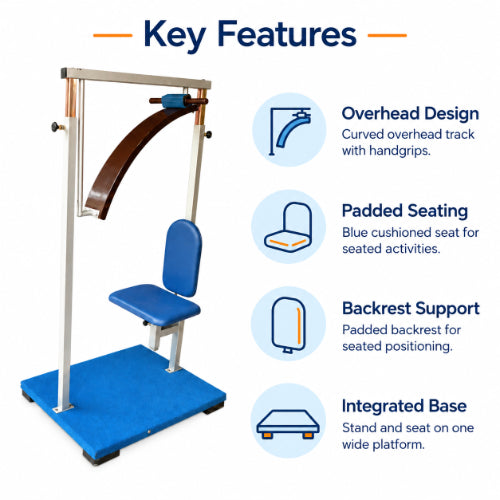
- Dedicated Hand Exercise Surface: Gives users a stable area for hand, finger and wrist activities.
- Occupational Therapy Use: Supports structured hand-focused occupational therapy sessions.
- Stable Working Platform: Helps users perform controlled exercises on a suitable surface.
- Multiple Exercise Options: Supports gripping, finger movement, coordination and functional activities.
Check delivery
See if we deliver to you and when.
Delivering to
Delivery applicable
- Dedicated Hand Exercise Surface: Gives users a stable area for hand, finger and wrist activities.
- Occupational Therapy Use: Supports structured hand-focused occupational therapy sessions.
- Stable Working Platform: Helps users perform controlled exercises on a suitable surface.
- Multiple Exercise Options: Supports gripping, finger movement, coordination and functional activities.
Check delivery
See if we deliver to you and when.
Delivering to
Delivery applicable
About this product
Hand Exercise Table | Occupational Therapy Equipment
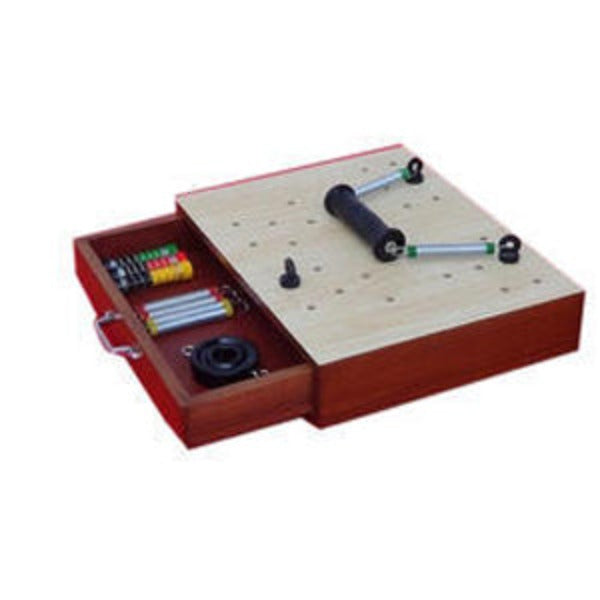
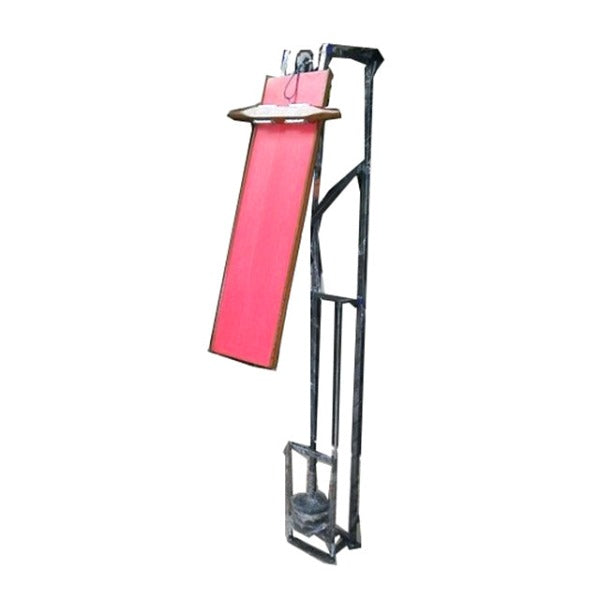
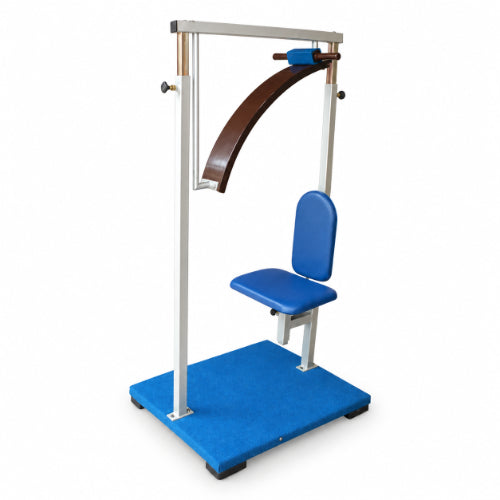
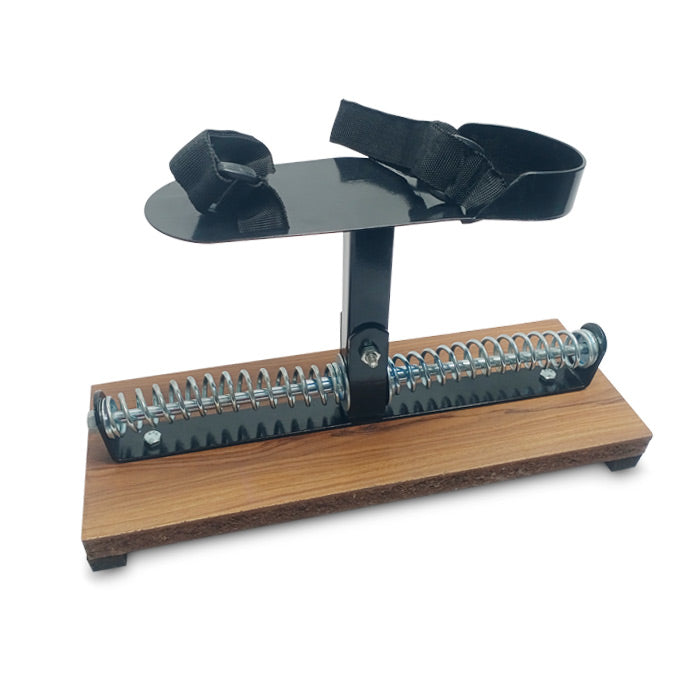
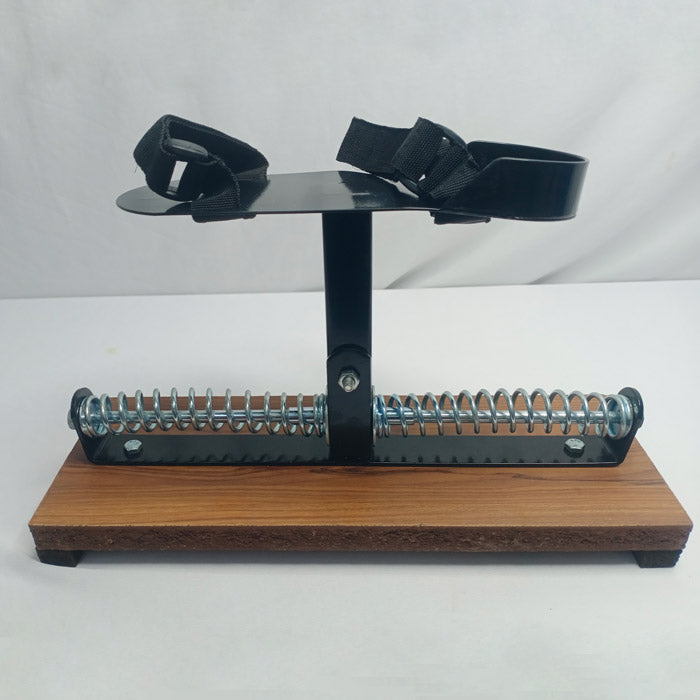
The Hand Exercise Table provides a practical workspace for hand, finger, wrist and forearm exercises. Therapists can use this table during occupational therapy and rehabilitation sessions. The stable surface gives users a suitable area for controlled hand activities. Therefore, this occupational therapy equipment can support hospitals, rehabilitation centres, physiotherapy clinics, occupational therapy departments and suitable home therapy environments.
In addition, therapists can use this OT equipment for different hand training activities. These activities can include finger movement, gripping, hand coordination, wrist exercises and functional tasks. The therapist can select each activity according to the user's ability and therapy goals. As a result, the Hand Exercise Table can become a useful part of a structured rehabilitation program.
Moreover, the table gives therapists a convenient platform for organizing hand-focused exercises. Users can perform simple activities and gradually move toward more challenging tasks. This approach helps therapists create progressive sessions that match the user's current skills. Always follow professional therapy advice when planning exercises.
Hand Rehabilitation & Exercise Platform
The Hand Exercise Table creates a dedicated area for hand rehabilitation activities. Therapists can arrange exercise materials on the table and guide users through each activity. The stable working surface helps users focus on their movements without unnecessary distractions.
Hand exercises can support different therapy goals. For example, therapists can introduce finger movement activities, gripping exercises and coordination tasks. They can also adjust the activity according to the user's comfort and ability. Therefore, the table can support both basic and progressive hand training.
Furthermore, therapists can combine hand exercises with functional activities. Users can practice movements that relate to everyday tasks, such as holding, moving, placing and handling objects. This approach can make therapy sessions more practical and engaging.
Key Features & Benefits
- Dedicated Hand Exercise Surface: Gives users a stable area for hand, finger and wrist activities.
- Occupational Therapy Use: Supports structured hand-focused occupational therapy sessions.
- Stable Working Platform: Helps users perform controlled exercises on a suitable surface.
- Multiple Exercise Options: Supports gripping, finger movement, coordination and functional activities.
- Functional Training: Helps therapists connect basic exercises with practical daily activities.
- Compact Therapy Solution: Provides a dedicated hand exercise area without requiring a large therapy machine.
- Useful OT Equipment: Fits occupational therapy departments, rehabilitation centres and therapy clinics.
- Progressive Training: Lets therapists change activities according to the user's progress.
- Therapist-Guided Exercise: Allows professionals to select suitable exercises for individual therapy goals.
- Versatile Application: Supports hand rehabilitation, functional training and selected sensory therapy activities.
Technical Specifications
| Specification | Details |
|---|---|
| Product Type | Hand Exercise Table |
| Category | Occupational Therapy Equipment |
| Therapy Area | Hand, Finger, Wrist & Forearm Exercise |
| Equipment Type | Manual Therapy Equipment |
| Primary Use | Hand Rehabilitation & Occupational Therapy |
| Target Area | Hands, Fingers, Wrists & Forearms |
| Operation | Manual / Therapist Guided |
| Power Requirement | No Electrical Power Required |
| Application | OT, Rehabilitation & Functional Exercise |
| Suitable Setting | Clinics, Hospitals, Rehab Centres & Therapy Rooms |
Note: Exact dimensions, materials, accessories and configuration can vary between models. Always check the current product specifications and included accessories before ordering.
Hand & Finger Exercise Applications
Therapists can use the Hand Exercise Table for a wide range of hand and finger activities. For example, they can introduce finger opening and closing exercises, individual finger movements and simple coordination tasks. These activities can help users practice controlled hand movements during therapy.
Therapists can also add gripping activities according to the user's ability. Users can practice holding, releasing and moving suitable therapy objects. The therapist can change the object size, weight or task difficulty to match the user's current level.
In addition, the table can support suitable wrist exercises. Therapists can guide controlled wrist movements while the user keeps the forearm in a comfortable position. They should always select exercises according to the user's condition and therapy plan.
Occupational Therapy Equipment for Functional Training
Occupational therapy helps users improve skills that support daily activities. Hand function plays an important role in many everyday tasks. People use their hands for writing, eating, dressing, holding objects and completing other routine activities. Therefore, therapists often include hand-focused exercises in functional rehabilitation programs.
The Hand Exercise Table gives therapists a practical area for these activities. They can place suitable objects on the table and guide users through different functional tasks. For instance, a user can pick up an object, move it to another position and place it down with controlled hand movement.
Furthermore, therapists can create progressive exercises by changing the task difficulty. Beginners can start with simple movements. As their skills improve, therapists can introduce more detailed coordination activities. This flexible approach helps create structured occupational therapy sessions.
OT Equipment for Rehabilitation Centres
Rehabilitation centres need practical equipment that can support different therapy activities. The Hand Exercise Table provides a dedicated workspace for hand and upper-limb training. Therapists can place the table in an occupational therapy room and use it during individual or supervised sessions.
Moreover, the table helps therapists organize hand exercise materials. They can keep suitable therapy objects within easy reach and guide users through activities in a clear sequence. Therefore, the table can help create a more organized therapy environment.
The equipment also offers a simple manual approach to therapy. Users do not need electrical controls to perform basic activities on the table. Instead, therapists can focus on movement, coordination and functional tasks.
Sensory Therapy & Coordination Activities
The Hand Exercise Table can also support selected sensory activities when therapists combine it with suitable sensory therapy equipment. Therapists can place appropriate objects on the table and ask users to touch, identify, sort, move or manipulate them.
These activities can combine tactile interaction with hand movement and visual coordination. For example, a therapist can ask a user to sort objects by size, shape or texture. Such activities can encourage purposeful hand use while adding a sensory component to the therapy session.
However, therapists should choose sensory activities according to the user's individual needs. They should also monitor the user's response throughout the session. The Hand Exercise Table acts as a convenient workspace, while the therapist determines the appropriate activity.
Benefits of Hand Exercise Training
- Supports Hand Movement: Provides a suitable surface for controlled hand exercises.
- Encourages Finger Coordination: Lets therapists introduce activities that involve individual and combined finger movements.
- Supports Functional Practice: Helps therapists connect exercise with practical hand-use activities.
- Provides Wrist Exercise Support: Creates a stable surface for suitable wrist activities.
- Supports Progressive Training: Lets therapists change exercise difficulty as the user's skills develop.
- Organizes Therapy Activities: Provides a dedicated area for exercise materials and functional tasks.
- Offers Versatile OT Application: Supports different occupational therapy and rehabilitation programs.
Suitable Applications
- Occupational therapy departments
- Physiotherapy and rehabilitation clinics
- Hospitals and medical centres
- Rehabilitation centres
- Special education and therapy centres
- Hand rehabilitation programs
- Functional upper-limb training
- Selected sensory therapy activities
- Home-based therapy under professional guidance
- Therapy and training institutions
Suitable Users
The Hand Exercise Table can support children, adults and older users who participate in suitable occupational therapy or rehabilitation programs. Therapists can choose age-appropriate activities according to each user's abilities and goals.
For children, therapists can introduce simple coordination games, object handling and sensory activities. For adults, they can focus on functional hand movements and rehabilitation exercises. Similarly, therapists can select controlled activities for older users according to their individual needs.
However, each user requires an appropriate therapy plan. A qualified occupational therapist, physiotherapist or healthcare professional should decide which exercises suit the user.
How to Use the Hand Exercise Table
First, place the Hand Exercise Table on a stable and level surface. Next, make sure that the user has enough space to sit comfortably. Then, position the hands and forearms so the user can reach the exercise area without unnecessary strain.
After that, select a suitable exercise or functional activity. The therapist should demonstrate the movement before the user starts. Begin with simple movements and allow the user to maintain a comfortable pace.
Furthermore, monitor hand position, posture and movement during the session. Increase the activity level only when the therapist considers it appropriate. Stop the exercise if the user experiences unusual pain or discomfort.
Finally, remove therapy materials from the table and clean the working surface after each session. Store additional exercise materials safely for the next therapy session.
Safety Guidelines
Always follow professional guidance when you use the Hand Exercise Table as part of a rehabilitation program. The therapist should select exercises according to the user's condition, mobility and therapy goals.
Do not force finger, hand or wrist movements beyond a comfortable range. Users should perform controlled movements and avoid excessive force. Stop the activity if the user develops unusual pain, discomfort, dizziness or another concerning symptom.
Before every session, check the table and surrounding area. Remove objects that could create a tripping or movement hazard. Keep the workspace clean and organized throughout the therapy session.
Care & Maintenance
Regular cleaning helps maintain a hygienic therapy environment. Wipe the table surface with a suitable cleaning solution that matches the product material. Remove dust, dirt and therapy materials after every session.
Also inspect the table regularly for loose parts, surface damage or other signs of wear. If you notice any damage, stop using the equipment until a qualified person checks it. Keep the table in a clean and dry area when you do not use it.
Frequently Asked Questions
What is a Hand Exercise Table?
A Hand Exercise Table provides a dedicated workspace for hand, finger, wrist and forearm exercises. Therapists commonly use this type of equipment during occupational therapy and rehabilitation sessions.
Is this occupational therapy equipment?
Yes. The Hand Exercise Table supports occupational therapy activities that focus on hand movement, coordination and functional training.
Can therapists use it as OT equipment?
Yes. Therapists can use this OT equipment for hand exercises, coordination activities and functional therapy tasks. They can select activities according to the user's individual therapy plan.
Can the table support sensory therapy?
Yes. Therapists can use the table as a workspace for selected sensory activities. They can combine it with suitable sensory therapy equipment and therapy materials.
Does the table need electricity?
No. The table itself does not normally require electrical power. Users can perform manual exercises and functional activities on the table.
Where can therapists use this equipment?
Therapists can use the equipment in hospitals, occupational therapy departments, rehabilitation centres, physiotherapy clinics, special education centres and suitable home therapy settings.
Can children use the Hand Exercise Table?
Yes. Therapists can select age-appropriate activities for children. A qualified professional should supervise children during therapy sessions.
Can the table support hand rehabilitation?
Yes. Therapists can use the table as a stable workspace for different hand rehabilitation exercises and functional activities. The therapist should create the exercise plan according to the user's needs.
Clinical Use Note: Use the Hand Exercise Table as part of a suitable occupational therapy or rehabilitation program. A qualified therapist should select exercises, set the activity level and monitor the user's progress. Never force hand, finger or wrist movements beyond a comfortable range.
Buy Hand Exercise Table | Occupational Therapy Equipment at Meddey
Choose a practical therapy platform for hand exercise, occupational therapy, functional training and selected sensory therapy activities.
You may also need
FOR YOURecommended for you
Save 55%

Save 39%

Save 8%

Save 37%

Save 22%
Save 32%
Save 22%

Save 32%