


Featured ChoiceSave 25%
Save 20%

Save 15%
Save 41%

Save 23%
Save 20%
Save 55%
Save 39%

Save 14%

Save 46%


Save 29%

Save 20%
Save 10%

Save 18%


Save 26%


Save 26%


Save 31%

Save 44%
Save 6%

Save 26%
Save 44%

Save 16%
Save 15%
Save 50%

Save 15%


Sold out

What customers say
★★★★★ 5.0 · 10 reviews
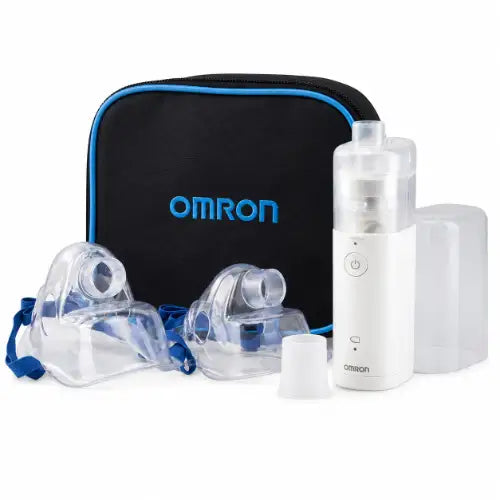
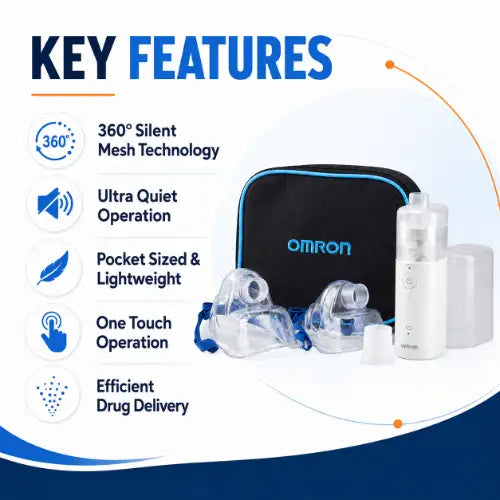
 Omron Portable Pocket Sized 360° Silent Mesh Nebulizer NE-U100
“Portable, silent, perfect for travel!”
“This is incredibly compact, silent, and provides fast, efficient nebulization on the go!”
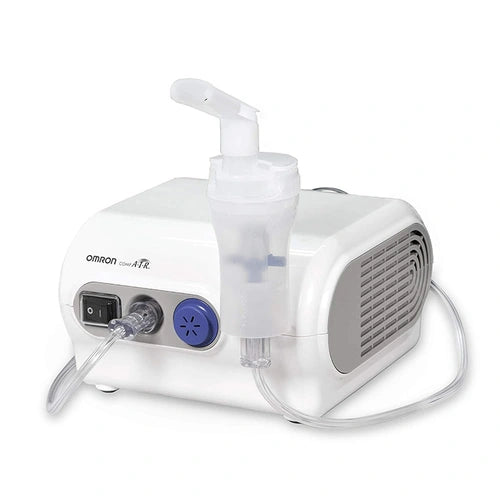
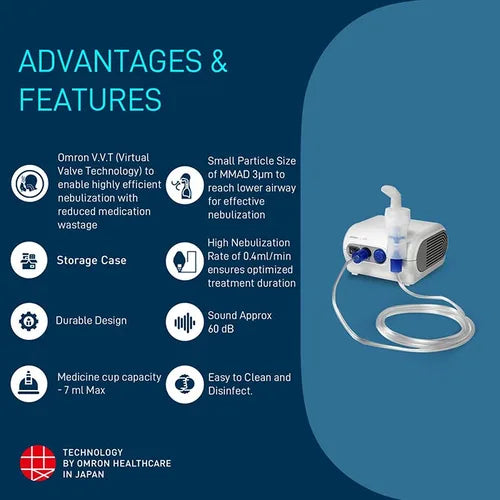
 Omron NE C28 Compressor Nebulizer With Virtual Valve Technology
“Powerful, quiet, great for treatment!”
“The Omron NE C28 Compressor Nebulizer with Virtual Valve Technology delivers fast and efficient nebulizatio...”
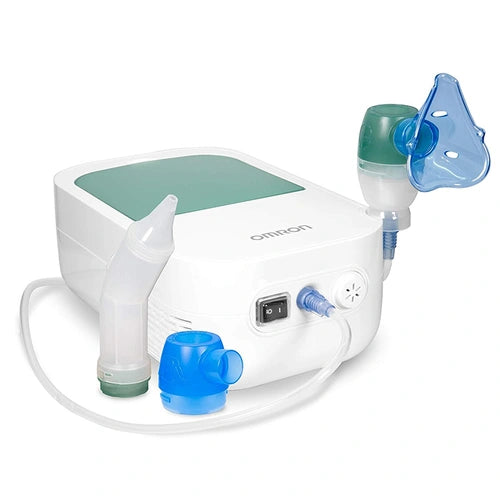
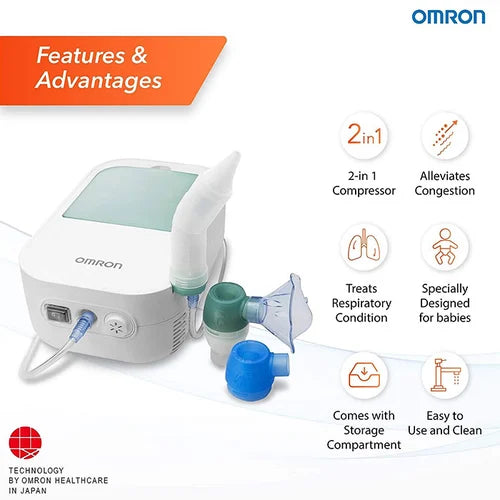
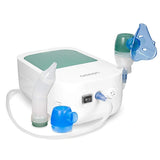 Omron NEC 301 Duo Baby 2 in 1 Compressor Nebulizer Nasal Aspirator
“Effective, gentle, must-have for babies!”
 OMRON NE-U200 Durable and Reliable Portable Nebulizer
“The OMRON NE-U200 Portable Nebulizer is compact, durable, and reliable, offering efficient nebulization wit...”
 Cool Mist Ultrasonic Mesh Nebulizer Nebulizer with Rechargeable Batteries
“Compact, quiet, great battery life!”
“The Cool Mist Ultrasonic Mesh Nebulizer with rechargeable batteries is compact, efficient, and perfect for ...”
 Heavy Duty-Piston Compressor Nebulizer For Hospital Use from Yuwell
“Sturdy, efficient, perfect for hospitals!”
“The Yuwell Heavy Duty Piston Compressor Nebulizer is built to last, offering strong performance and reliabi...”
Spirometer & Suction Machine for Home: Uses & Guide
Spirometer & suction machine for home: uses & guide
Spirometer use and home respiratory care can feel confusing at first for many families and caregivers in India. A spirometer, suction machine, lung exerciser, auto CPAP machine, or CPAP mask may be advised for different home needs. This guide explains these products in simple language, so you know what each device does, what parts come with it, how to clean it, and what to check before buying.
These devices should be used only as advised by a doctor. They do not replace medical care. If a person is struggling to breathe, do not depend on a home device. Call the doctor or local emergency service at once.
What should families know before buying home respiratory devices?
Families should first know why the doctor has advised the device, who will use it, and who will clean it. A home medical device must be safe for the person, simple for the caregiver, and suitable for Indian home conditions such as dust, heat, humidity, power cuts, and limited space. Home-use medical devices are meant for use outside a professional healthcare facility by a patient, caregiver, or family member. (fda.gov)

Before buying a spirometer and suction machine for home, keep the doctor’s written advice with you. Ask what device type is needed. Ask whether the device is for checking spirometer readings, clearing secretions, supporting prescribed sleep therapy, or guided breathing practice. Do not guess based on online videos or product photos.

You should also plan the daily care of the device. Some parts touch the mouth, face, or fluids. These parts must be cleaned as per instructions. Keep devices away from children and pets, as tubes, cords, jars, and buttons can be pulled or damaged at home. The FDA notes that home conditions such as children, pets, cleaning needs, and safe water can affect medical device use. (fda.gov)
Spirometers for home tracking
A spirometer is a device used to measure airflow during a breathing test. In simple words, the person breathes into a mouthpiece, and the spirometer records certain breathing values. A doctor may use these spirometer readings as part of a wider health review, but families should not read them on their own. Spirometry requires breathing into a tube attached to a spirometer, and healthcare professionals interpret the results. (mayoclinic.org)

A home spirometer is usually small and handheld. It may be called a personal spirometer or portable spirometer. Some spirometer models connect to a mobile app. Some show spirometer readings on a screen. The spirometer reading must still be shared with the doctor, because a number alone does not explain the person’s condition.
How a spirometer works
The spirometer has a mouthpiece and a sensor inside. When the person blows into the spirometer as taught, the sensor detects airflow. It then shows or stores spirometer readings. Some spirometer models can save readings by date, but this does not mean the caregiver should decide what the readings mean.
A spirometer used at home may need disposable mouthpieces or filters. These reduce sharing of mouth contact parts. Some spirometer models are reusable with proper cleaning. Always check the instruction booklet.
Parts and accessories
A personal spirometer may include:
- Main handheld spirometer
- Mouthpiece
- Disposable spirometer filters, if required
- Charging cable or batteries
- Storage pouch or box
- Spirometer mobile app connection, in some models
- User manual
Check that the mouthpiece fits well. It should not feel sharp or loose. If the spirometer needs filters, ask how often they need changing and where to buy them.

Power, battery, and noise
Most portable spirometer models are battery powered or rechargeable. Some use common batteries. Others need USB charging. Choose a spirometer that can be charged easily at home.
A spirometer is usually quiet. It does not have a pump like a suction machine. The spirometer may make small beep sounds if it has a digital screen or app connection.
Cleaning and care
Clean only the parts that the manual says can be cleaned. Do not dip the whole digital spirometer in water unless the manual says it is safe. Wash reusable mouthpieces as instructed. Let parts dry fully before storage.
If more than one family member uses a spirometer, ask the doctor about separate mouthpieces and filters. Do not share mouthpieces without proper cleaning. Store the spirometer in a clean, dry place.
What to check before buying
Choose a home spirometer only after medical advice. Ask whether the doctor wants a simple model, a digital spirometer, or a model that stores readings. Check spirometer screen size, battery type, mouthpiece availability, warranty, and ease of cleaning.
Do not buy a spirometer only because it shows many values. More numbers are not always useful for a family. The best spirometer is the one the doctor can review and the caregiver can maintain correctly.
Digital spirometers and connected devices
A digital spirometer is a spirometer with electronic sensors and a display or app link. The spirometer may store past readings. A digital spirometer may help families record information for the doctor. A spirometer should not be used for self-reading or self-decisions.
Some digital spirometer models are small enough for travel. Others are larger and better kept on a table. Many use Bluetooth or cable connection. If your family is not comfortable with apps, choose a spirometer with a clear display and simple buttons.
How it works
The person uses the mouthpiece as instructed by the doctor. The internal sensor records airflow. The spirometer then shows a reading or saves it. The doctor decides what the spirometer readings mean.
A digital spirometer may also mark a poor attempt or ask for another reading. Do not force repeated attempts. If the person feels unwell, stop and call the doctor.
Parts, power, and noise
Common parts include the digital spirometer, mouthpiece, charging cable, app guide, and filters. Some models need batteries. Some have built-in rechargeable batteries. Check whether the battery can be replaced locally.
Noise is usually very low. Beeps can often be turned off in settings. Choose a spirometer with a readable screen if it will be used by older caregivers.
Cleaning and buying checks
Keep the electronic spirometer body dry. Clean the mouthpiece or replace it as advised. Do not use harsh cleaners unless the manual allows them.
Before buying a spirometer, check if spare mouthpieces and filters are easy to find in India. Also check if the app works on your phone. Ask whether the doctor accepts reports from that spirometer. A spirometer that cannot be reviewed by the doctor may not be helpful.
The 3-ball lung exerciser, also called Respociser
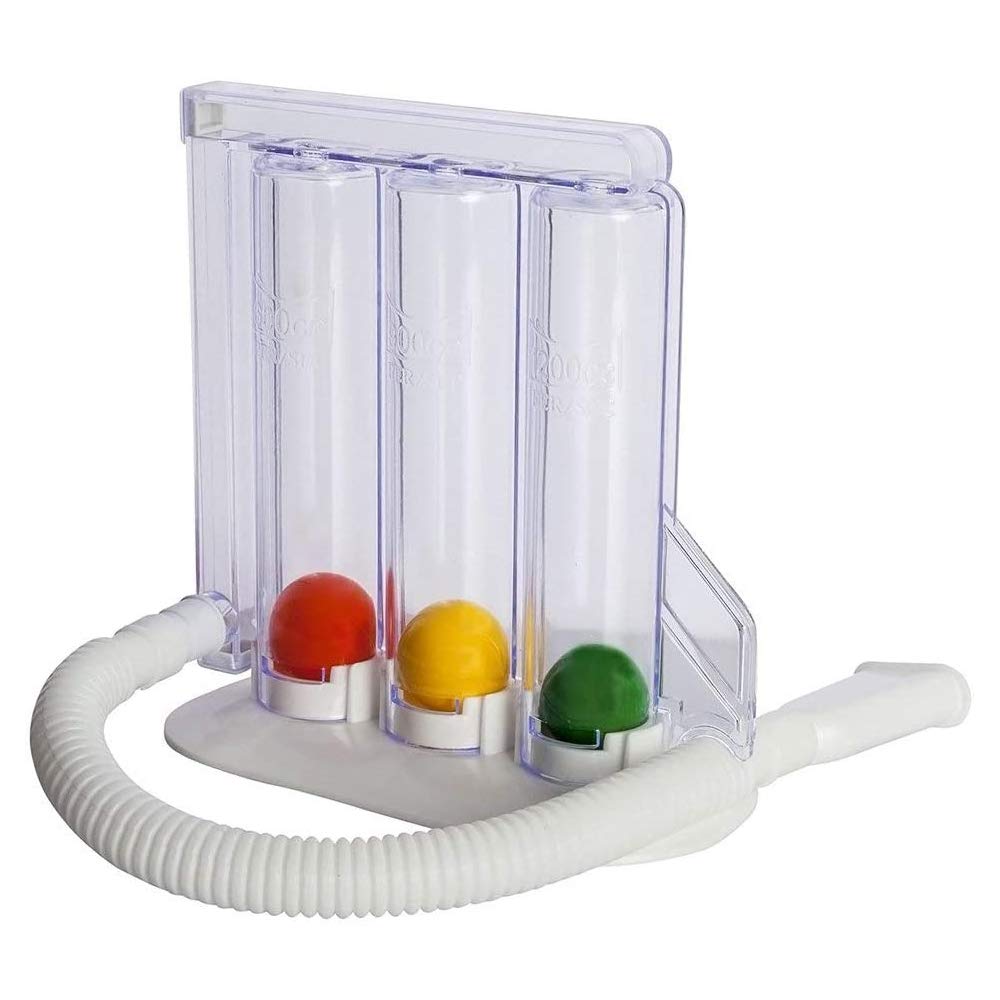
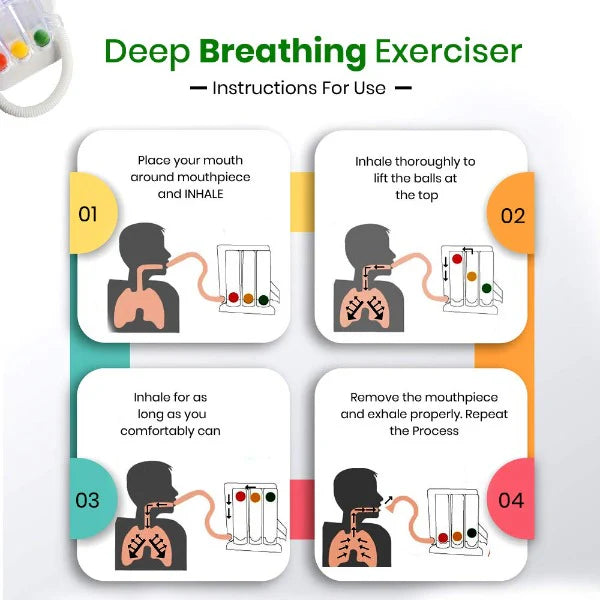
The 3-ball lung exerciser, often searched as Respociser, is a simple plastic lung exerciser. It has three small balls in three chambers. When the person inhales through the mouthpiece, the balls rise. This gives a visual cue that the person is drawing air through the device.

It is not the same as a digital spirometer. It does not give detailed spirometer readings for home interpretation. It should be used only in the way the doctor or nurse has explained. Do not set your own routine, count, or schedule.

How it works
The device uses airflow from the person’s inhalation. The balls rise when air moves through the chambers. The visual movement helps the person follow the breathing action taught by the doctor.
The 3-ball device is simple. It does not need electricity. It does not have a motor, app, or battery. It is usually light and easy to keep near the bed.
Parts and accessories
A 3-ball lung exerciser usually includes:
- Three clear chambers
- Three small balls
- Flexible tube
- Mouthpiece
- Main plastic body
The tube and mouthpiece are the parts that need the most care. If the mouthpiece cracks or becomes dirty, replace it if the model allows replacement. Do not share it between people.

Power, noise, and cleaning
This device does not need power or batteries. It is silent except for airflow sounds. There is no jar size to check because it does not collect fluid.
Clean the mouthpiece and tube as per the instructions. Let the parts dry fully. Do not store it in a dusty open area. In Indian homes, a covered clean shelf is better than a window ledge or bathroom shelf.
What to check before buying
Check that the plastic is clear and not cracked. The balls should move freely when the device is used as taught. The tube should fit tightly. The mouthpiece should feel smooth.
Ask the doctor if a 3-ball lung exerciser is the right type for the person. Do not replace a prescribed spirometer or CPAP machine with this device. Each product has a different role.
Portable suction machines for home care
A portable suction machine is a device that removes fluids or secretions using suction. In home care, a doctor may advise it for a person who cannot clear mouth or airway secretions on their own. Suctioning at home must be done only after training from a doctor or nurse. Home suctioning guidance notes that the main need is often the patient’s inability to clear the airway by cough. (aarc.org)

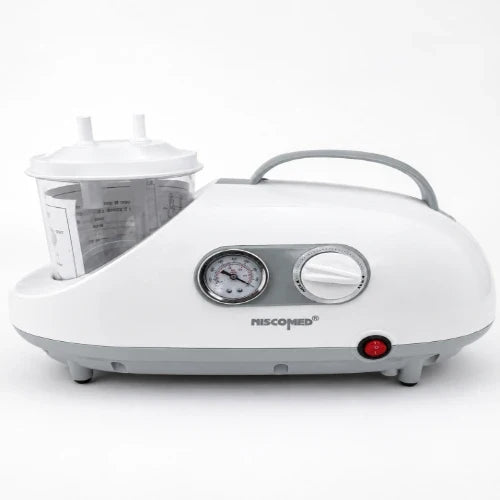
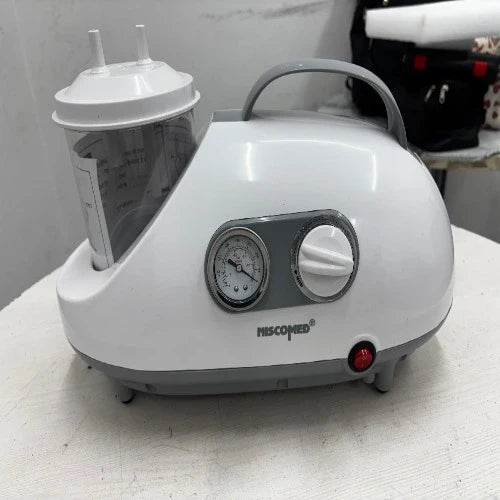
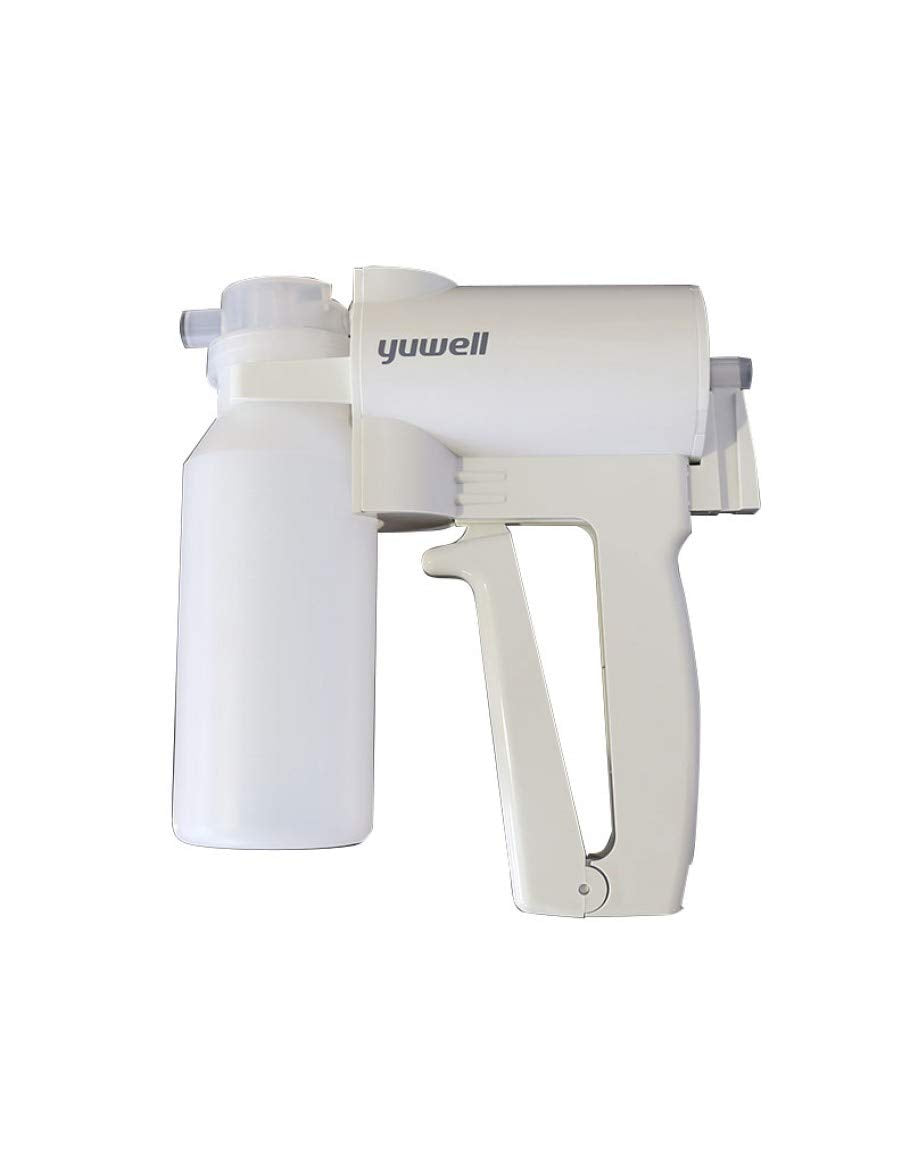
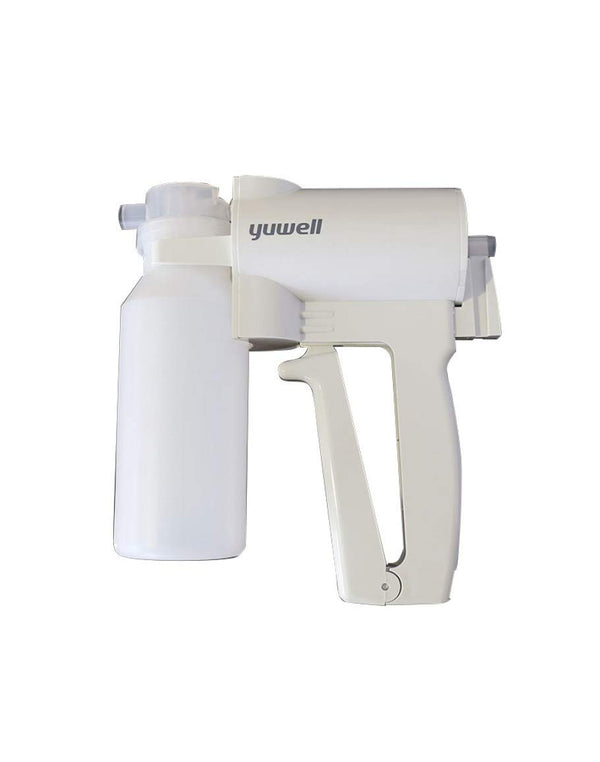
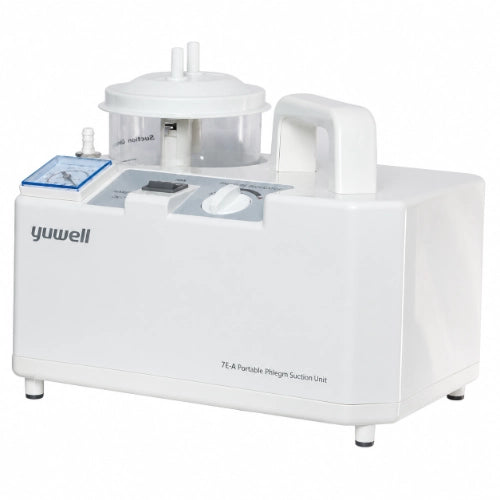
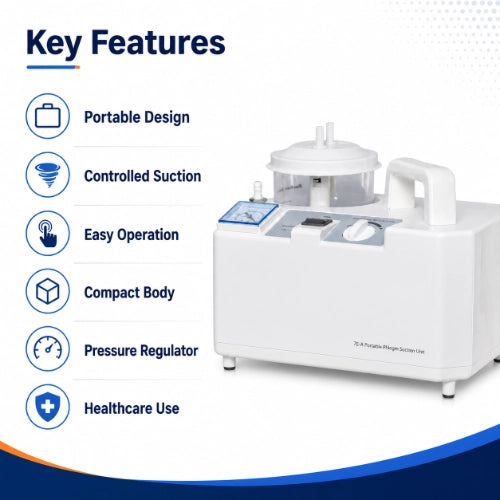
A suction machine is sometimes called a phlegm suction machine. It has a pump, tubing, collection jar, and suction catheter or tip. It can be helpful only when used correctly and safely. Wrong suctioning can harm the mouth or airway.
How a suction machine works
The pump creates negative pressure. This pulls secretions through the suction tube into the collection jar. The caregiver controls the device as taught.
Do not insert tubes deeply unless trained to do so. Do not copy methods from videos. A nurse or doctor must show the exact method for the person at home.
Parts and accessories
A portable suction machine may include:
- Main suction pump
- Collection jar
- Jar lid
- Suction tubing
- Suction catheter or oral tip
- Filter
- Power adaptor
- Battery, in some models
- Carry handle or carry bag

The collection jar is important. It must fit tightly. The lid should seal well. A poor seal can reduce suction.

Power and battery needs
Some portable suction machines run on electricity only. Some have rechargeable batteries. For many Indian homes, a battery backup is useful because power cuts can happen.

Check charging time and backup time before buying. Do not assume every portable model has a strong battery. Keep the charger in one fixed place so it is easy to find.
Noise level
A suction machine has a motor, so it will make sound. Smaller models may still be noisy in a quiet bedroom. Ask about the noise level before buying, especially if the person is an older adult, anxious, or needs night-time care.

Do not choose only by low noise. Suction control, jar quality, tubing fit, and service support matter too.
Jar size and overflow safety
Jar size matters because suctioned fluid collects in it. A larger jar may need less frequent emptying during a care session, but it also makes the device bigger. A smaller jar is lighter but must be watched closely.

Look for an overflow safety feature if available. This helps prevent fluid from entering the pump. Even with this feature, the caregiver must empty and clean the jar as instructed.
Cleaning after every use
Clean the jar and tubing after every use. This is a key safety step. Secretions left inside can dry, smell, block tubing, and increase germ risk.
Wear gloves if advised. Empty the jar safely. Wash reusable parts only as the manual allows. Replace disposable catheters or tips as instructed. Let parts dry before fitting them again.
What to check before buying
Before buying a suction machine, ask the doctor what suction range is suitable. Ask which catheter or tip type is needed. Check if spare tubing, filters, jars, and catheters are easily available.
Also check service support in your city. A suction device should not be hard to repair. If the person depends on it as part of daily home care, ask the seller about backup options during repair.
Hand-operated suction machines
A hand-operated suction machine works without electricity. It uses a hand pump to create suction. It may be kept as a backup in some homes when advised by a doctor.

It is not as effortless as an electric portable suction machine. The caregiver must pump by hand. This can be tiring. It also needs training.
How it works
The caregiver squeezes or pumps the handle. This creates suction through the tube and tip. Fluid moves into a small collection container.
Because the caregiver controls suction by hand, use can vary. This is why training is important. Do not use it on a person who is struggling to breathe. Call for medical help.
Parts and accessories
A hand suction unit may include:
- Hand pump body
- Collection jar or small container
- Tubing
- Suction tip or catheter connection
- One-way valve
- Carry case, in some models
The valve and seals are important. If they are loose or dirty, suction may be weak. Check them before storage and before use.
Power, noise, and jar size
A hand-operated suction machine needs no electricity and no battery. This is useful during travel or power cuts. It is also quiet because it has no motor.
The jar is usually smaller than many electric models. Watch the fill level carefully. Empty and clean it as taught.
Cleaning and buying checks
Clean the jar, tubing, and reusable parts after every use. Let them dry fully before packing. Do not store wet tubing in a closed bag.
Before buying, check whether the handle is easy for the caregiver to use. Check jar capacity, tubing fit, and spare parts. Also ask the doctor if this type is suitable for the patient’s home plan.
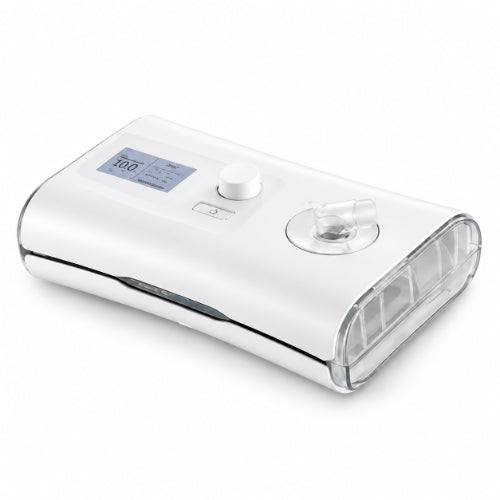
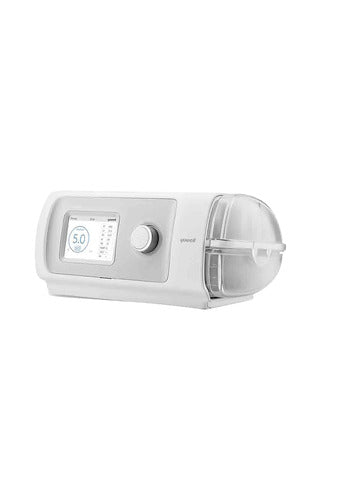
Auto CPAP machines with humidifier
An auto CPAP machine is a prescribed sleep support device. It gives air pressure through a mask while the person sleeps. An auto model can adjust pressure within a range set by the doctor. CPAP machines include a mask, straps, tube, and motor that blows air into the tube. (nhlbi.nih.gov)

CPAP use should be only with a doctor’s prescription. Do not buy or use one because a relative has similar symptoms. Pressure settings must not be changed by the family unless the doctor has told them to do so.
How it works
The machine takes room air and sends it through tubing to the mask. The mask fits over the nose, mouth, or both, depending on the type. The doctor decides the pressure plan.
An auto CPAP machine may adjust airflow within the prescribed range. This does not mean it can be used without medical advice. It is still a prescribed device.
Humidifier, water chamber, and tubing
Many auto CPAP machines come with a humidifier. The humidifier has a water chamber. It adds moisture to the airflow when used as instructed.


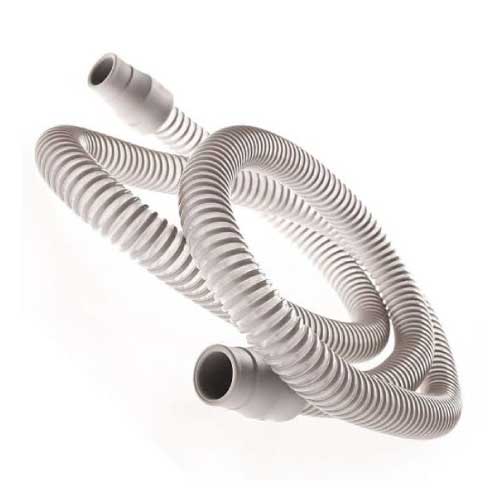
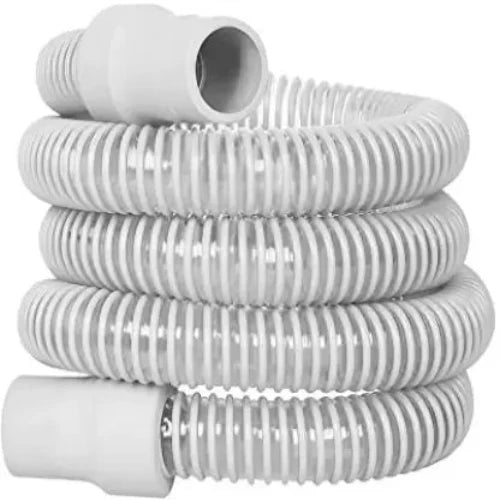
The tubing carries air from the machine to the mask. Some tubing is standard. Some is heated. Heated tubing may need extra care and may cost more to replace. Follow the manual for fitting and cleaning.
Power, battery, and travel needs
Most CPAP machines need electricity. Some can work with an approved battery pack or power backup. If power cuts are common in your area, ask about safe backup options before buying.
Check plug type, adaptor quality, and voltage support. Do not use unsafe extension boards. Keep the machine away from water spills.
Noise level
Modern CPAP machines are usually designed for bedroom use, but they still make airflow sound. Mask leak can also create noise. If the sound is disturbing, do not tape or block any part. Ask the service person or doctor for help.
A quiet machine is helpful, but comfort also depends on mask fit, tubing position, and cleaning. The wrong mask can make even a good machine feel difficult.
Cleaning and buying checks
Clean the mask, tube, and humidifier chamber as the manufacturer instructs. The FDA says many CPAP accessories, such as masks, hoses, and humidifier tanks, can be cleaned with mild soap and water as described in the owner’s manual. (fda.gov)
Before buying, check prescription needs, pressure range, humidifier type, filter type, tubing type, service support, and replacement part availability. Ask if data sharing is needed for the doctor. Also ask how to replace filters and masks.
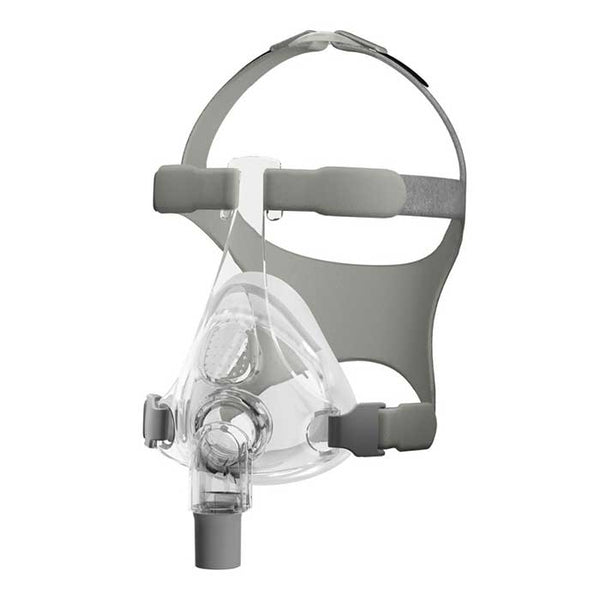
CPAP and BiPAP masks, headgear, and tubing
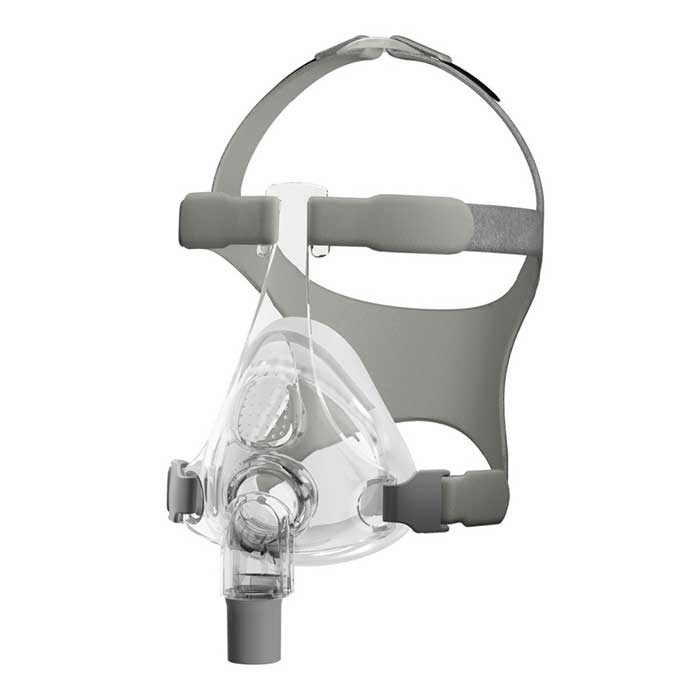
A CPAP mask is the face part that connects the person to the machine. BiPAP masks may look similar, but they must match the machine and prescription. Do not mix masks, tubing, and connectors without checking compatibility.

Mask comfort is very important for home use. A mask that leaks, presses the skin, or feels too tight can make the person avoid using the prescribed device. Families should ask for fitting support before final purchase.
Common mask types
Common mask styles include:
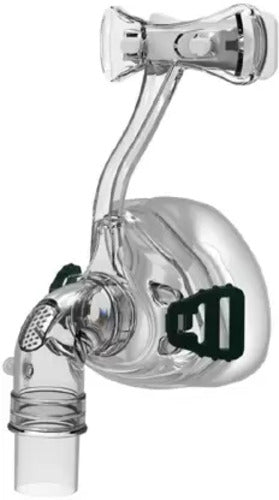
- Nasal mask, which covers the nose
- Nasal pillow mask, which sits at the nostrils
- Full-face mask, which covers the nose and mouth
The doctor or trained provider helps decide the type. Mouth breathing, facial hair, nose blockage, comfort, and sleeping position may affect mask choice. Do not choose only by looks.

Headgear and tubing
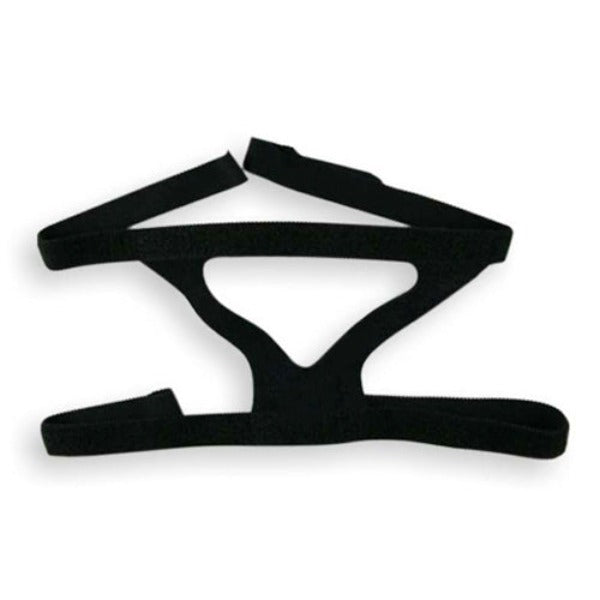
Headgear means the straps that hold the mask in place. It should be firm but not painful. If it leaves deep marks or causes pain, ask for refitting.


Tubing connects the mask to the machine. It should not be twisted, cracked, or pulled tight. Keep it away from sharp edges, pets, and small children.
Power, noise, and cleaning
Masks and tubing do not need power on their own. The machine provides airflow. Noise often comes from air leaks, loose fitting, or water trapped in tubing.
Clean the mask cushion, headgear, and tubing as instructed. Dry them fully away from direct dust. Replace worn parts when advised. Do not use strong perfumes, oils, or harsh cleaners on mask parts.
What to check before buying
Check size, fit, strap quality, cushion softness, connector type, and availability of spares. Ask whether the mask works with CPAP and BiPAP machines if your doctor has mentioned either. Buy the exact type advised.
Also check if the headgear is available separately. This matters because straps may wear out before the mask frame. Tubing should also be easy to replace.
Quick comparison for home caregivers
Use this table as a simple family checklist. It does not replace medical advice.
| Product | Main home role | Power need | Noise | Jar size | Key buying check |
|---|---|---|---|---|---|
| Digital spirometer | Records spirometer readings for doctor review | Battery or charging | Very low | Not needed | Doctor can review spirometer readings |
| Portable spirometer | Small spirometer for home or travel | Battery or charging | Very low | Not needed | Mouthpieces and filters available |
| 3-ball lung exerciser, Respociser | Visual breathing practice as taught | No power | Silent | Not needed | Balls move freely and tube fits well |
| Portable suction machine | Removes secretions when trained and advised | Mains and sometimes battery | Motor sound | Important | Jar seal, suction control, spare tubing |
| Hand-operated suction machine | Manual suction backup if advised | No power | Very low | Usually smaller | Easy hand pump and cleanable parts |
| Auto CPAP with humidifier | Prescribed sleep air pressure support | Mains, backup if approved | Low airflow sound | Water chamber, not suction jar | Prescription, mask fit, service support |
| CPAP/BiPAP mask, headgear, tubing | Connects person to prescribed machine | No power itself | Leak can be noisy | Not needed | Correct size and compatibility |
Nebulizers and pulse oximeters are covered on separate pages.
Safety rules for home respiratory care
Home care is safe only when families follow clear instructions. Keep these warnings visible near the device storage area.

- Use suction only as taught by a doctor or nurse.
- Wrong suctioning can harm the mouth or airway.
- Clean the suction jar and tubing after every use.
- Do not use these devices on a person who is struggling to breathe.
- Call the doctor or emergency service if there are breathing problems.
- Use CPAP only with a doctor’s prescription.
- Do not change CPAP pressure settings on your own.
- Do not read spirometer numbers yourself. Readings must be read by a doctor.
- Keep cords, tubes, masks, and jars away from children and pets.
- Replace cracked, blocked, loose, or discoloured parts.
If the person has chest pain, bluish lips, severe breathlessness, fainting, confusion, or sudden worsening, seek urgent medical help. Do not wait to “try the device first.”
A practical buying checklist for Indian homes
Before you buy a spirometer or any other home respiratory device, slow down and ask a few practical questions. A cheaper device may become costly if parts are not available. A feature-rich device may be hard for an older caregiver to use.

Ask the doctor
- Why is this device needed at home?
- Which exact type should we buy?
- Who will train the caregiver?
- Which spirometer readings or observations should be shared?
- When should we call for help?
- Which parts are disposable?
- Which parts are reusable?
Check the home setup
- Is there a clean table near the patient?
- Is there a safe plug point?
- Is battery backup needed?
- Is there clean water for washing allowed parts?
- Can tubes be kept away from children and pets?
- Is there a dry place for storage?
- Can the caregiver lift, carry, and clean the device?
Check after-sales support
- Are spare tubes, masks, jars, filters, and mouthpieces available?
- Is service available in your city?
- Is the user manual simple?
- Is there a warranty?
- Can the seller explain cleaning and basic setup?
- Can the doctor review the spirometer model or report?
These questions help families avoid rushed buying. They also make daily care easier.
Common mistakes families should avoid
Many mistakes happen because families are worried and want quick answers. This is understandable. But respiratory devices need calm use.
Do not buy a suction machine without training. Do not use a suction catheter on the throat or airway because someone online showed it. Do not use a CPAP mask that belongs to another person. Do not share spirometer mouthpieces without proper cleaning.
Do not chase numbers on a home spirometer. The doctor must read the report in context. Also do not assume a 3-ball lung exerciser is a replacement for a digital spirometer. One gives visual feedback. The other records measured values for review.
Do not use damaged tubing. Small cracks can affect airflow or suction. Do not leave washed parts wet in a closed box. Moisture and dirt can create hygiene problems.
FAQ
What is a spirometer used for?
A spirometer is used to record airflow readings during a breathing test. At home, the spirometer readings should be shared with a doctor and not interpreted by the family.
What is the use of respirometer 3 balls?
People often use the term “respirometer 3 balls” for a 3-ball lung exerciser, also called Respociser. It gives a visual cue as the balls rise during the breathing action taught by a doctor or nurse.
What is a digital spirometer?
A digital spirometer is an electronic spirometer with sensors and a display or app link. The spirometer may store readings, but the doctor must read and explain them.
Can we use a suction machine at home?
Yes, a suction machine can be used at home only after proper training from a doctor or nurse. The caregiver must know which tip or catheter to use, how to clean parts, and when to stop.
What kind of patients need suctioning?
People who cannot clear their own mouth or airway secretions may need suctioning. A doctor decides whether suctioning is needed and what method is safe.
What is a suction machine used for?
A suction machine is used to remove fluids or secretions through suction when advised by a doctor. In home care, it must be used only by a trained caregiver.
What are the risks of using a suction device?
Wrong suctioning can hurt the mouth or airway and may make the person uncomfortable. It can also be unsafe if the caregiver uses the wrong method, wrong part, or unclean tubing.
What is a phlegm suction machine?
A phlegm suction machine is another common name for a suction machine used to remove secretions. It has a pump, tubing, suction tip or catheter, and collection jar.
Is a portable suction machine better than a hand-operated one?
They are different devices. A portable electric model may be easier for regular use, while a hand-operated unit may be considered only if the doctor advises it.
Do CPAP and BiPAP masks use the same headgear and tubing?
Some masks, headgear, and tubing may look similar, but compatibility can differ. Use only the mask, headgear, and tubing type advised for the prescribed machine.
Can I buy an auto CPAP machine without a prescription?
CPAP use should be only with a doctor’s prescription. The pressure settings and mask type must be chosen with medical guidance.
Final takeaway
For families and caregivers in India, the right home device is not just the one that looks advanced. It is the one the doctor has advised, the caregiver can use safely, and the family can clean and maintain. A spirometer, home spirometer, lung exerciser, portable suction machine, hand suction unit, auto CPAP machine, CPAP mask, or BiPAP mask all need correct guidance.
Keep the doctor involved. Learn the cleaning steps. Keep spare parts ready. Most importantly, if breathing suddenly becomes difficult, do not wait at home with any device. Call the doctor or emergency service right away.
Explore Medical Collections
All Categories
Abdominal & Maternity Support

Accessories

Accu-Chek Instant Strips: Use, Compatibility, Price & Blood Sugar Testing Guide
Accu-Chek Instant Strips: Uses, Features & Complete Guide

accupuncture

Acupuncture Needles & Supplies

Advanced Physiotherapy Machines & Lumbar Physiotherapy

Airways

Ambulance

Anatomy Models
Anesthesia Machine

Anesthesia Products

Ankle Support for Home Use: Braces, Sleeves & Walker Boots

Ankle Weights & Exercise Weights for Home & Rehab

Anti-Bedsore Air Mattresses
You may also need
FOR YOURecommended for you
Save 25%
Save 20%
Save 15%
Save 41%
Save 23%
Save 20%
Save 55%
Save 39%
Save 14%
Save 46%
Save 29%
Save 20%
Save 10%
Save 18%
Save 26%
Save 26%
Save 31%
Save 44%
Save 6%