
1


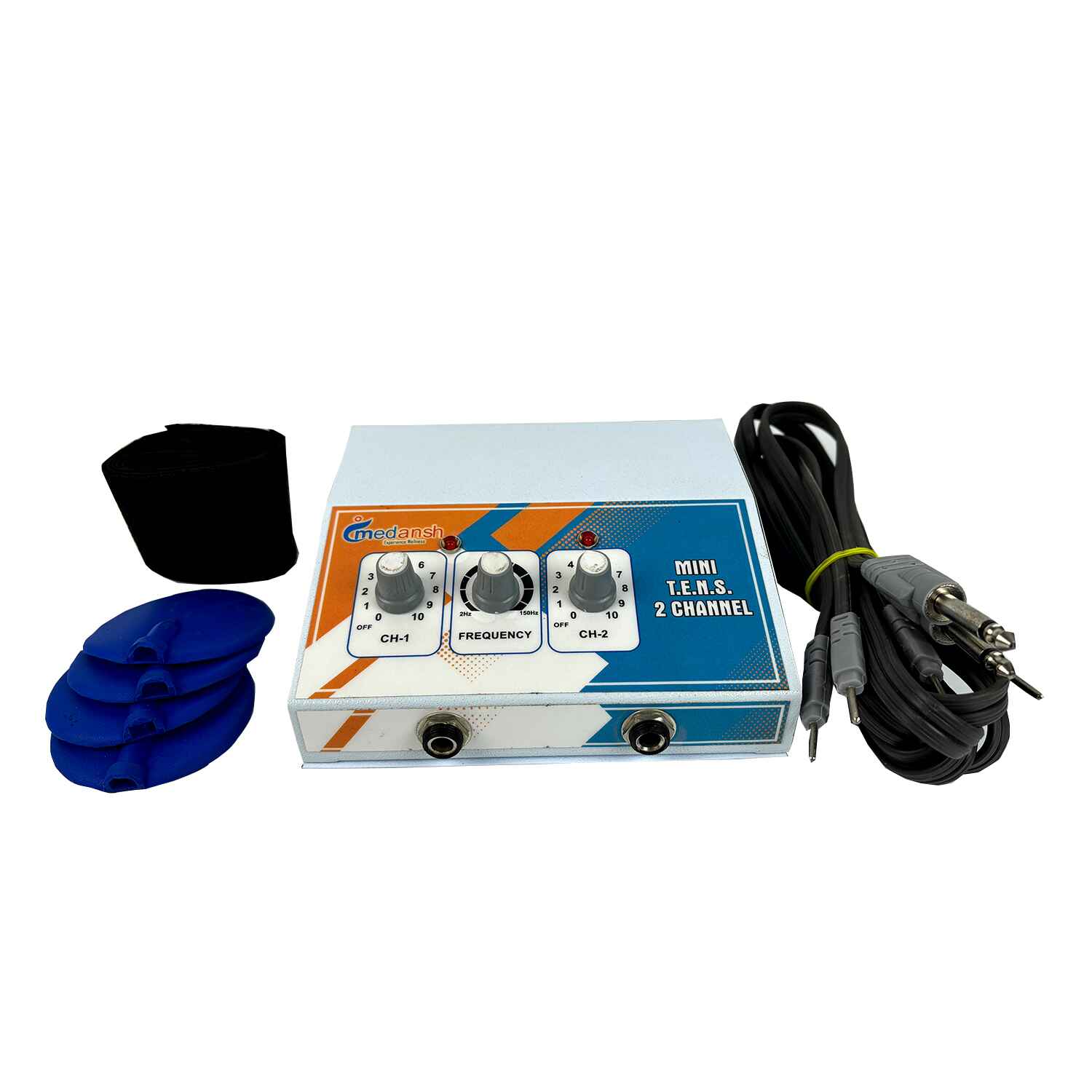
EMS Physiotherapy Device for Muscle Stimulation & Rehabilitation


Double-tap to zoom · drag to pan · swipe to browse
EMS Physiotherapy Device for Muscle Stimulation & Rehabilitation
In Stock
Check delivery
See if we deliver to you and when.
Delivering to
Delivery applicable
Free Shipping
on orders ₹999+
Warranty
1 Year Brand Warranty
100% Genuine
Products
Dedicated
Support
Secure
Payments
Need help choosing or using this product?
Our team can help with product questions and orders.
Chat with support
Choose options
- Do not place electrodes across the chest or close to the heart.
- Avoid electrode placement over the front of the neck, head or eyes.
- Do not place electrodes over broken, irritated or infected skin.
- People with pacemakers or other implanted electronic devices should ask a healthcare professional before use.
Check delivery
See if we deliver to you and when.
Delivering to
Delivery applicable
- Do not place electrodes across the chest or close to the heart.
- Avoid electrode placement over the front of the neck, head or eyes.
- Do not place electrodes over broken, irritated or infected skin.
- People with pacemakers or other implanted electronic devices should ask a healthcare professional before use.
Check delivery
See if we deliver to you and when.
Delivering to
Delivery applicable
About this product
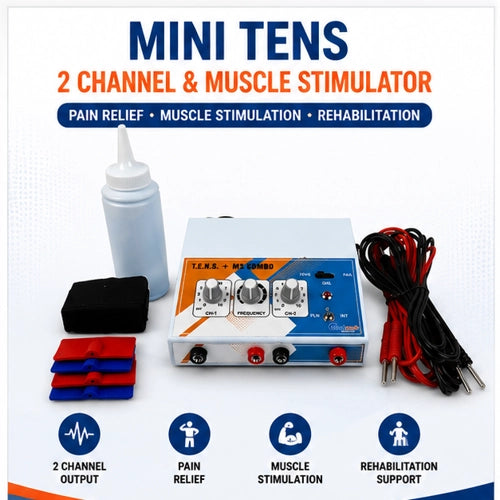
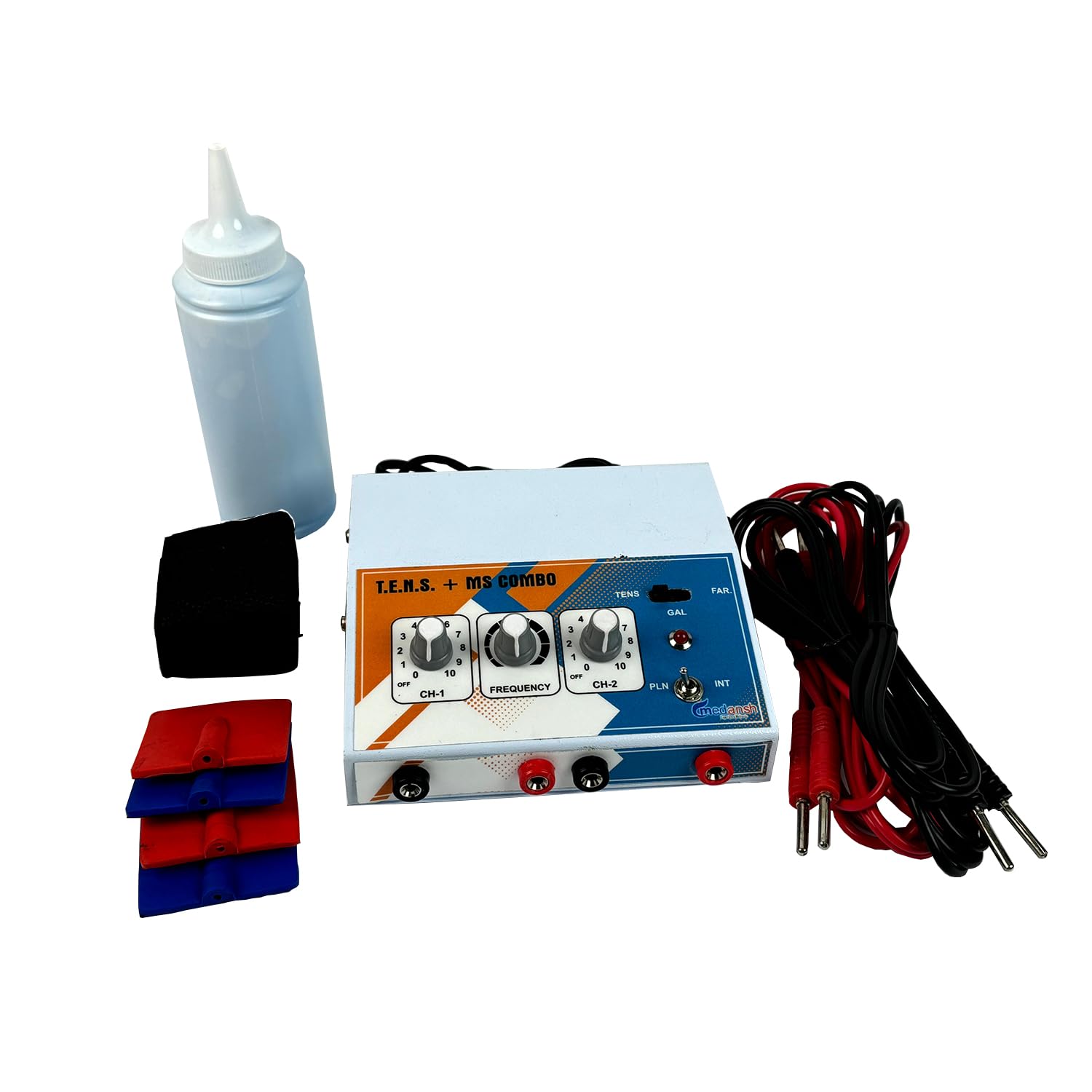
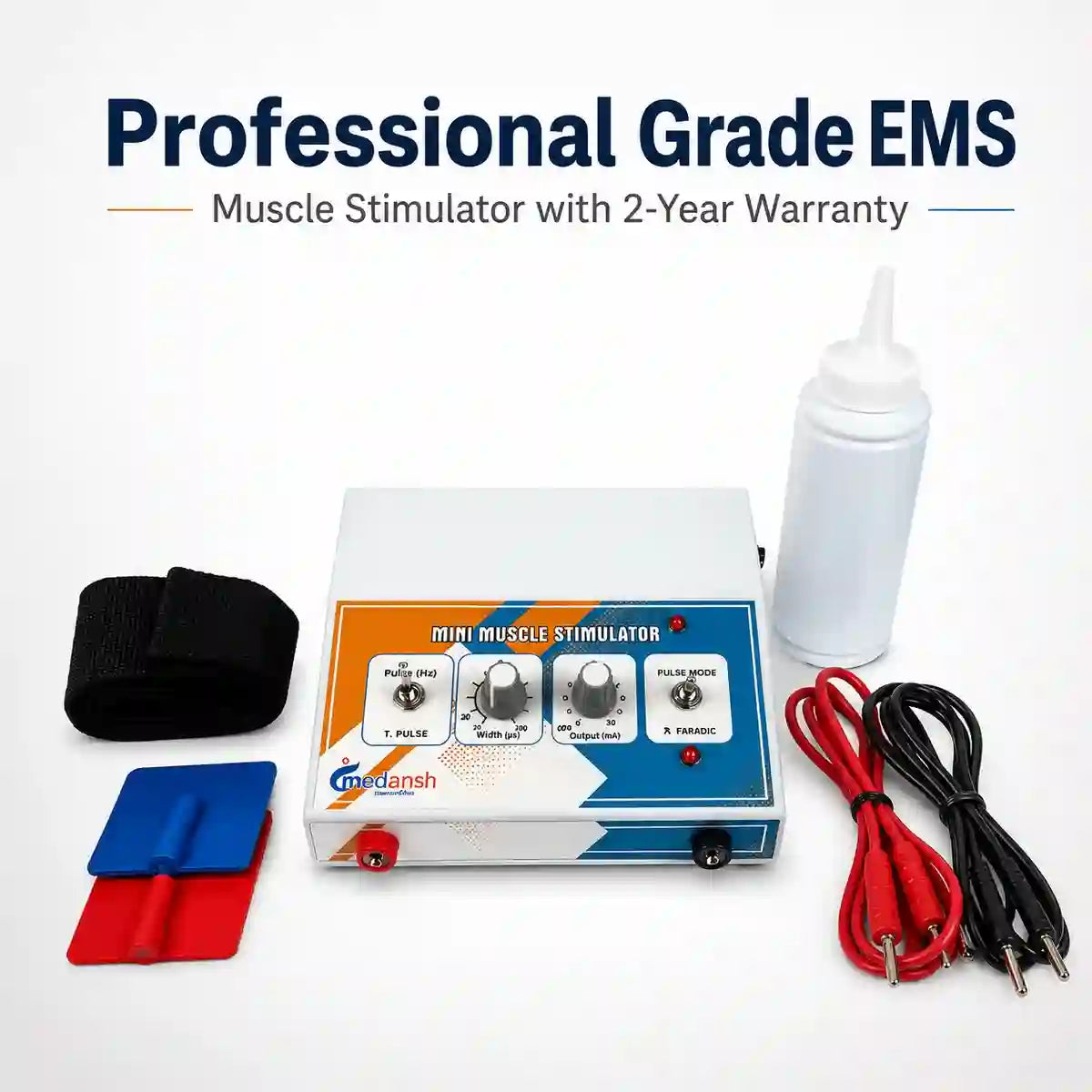
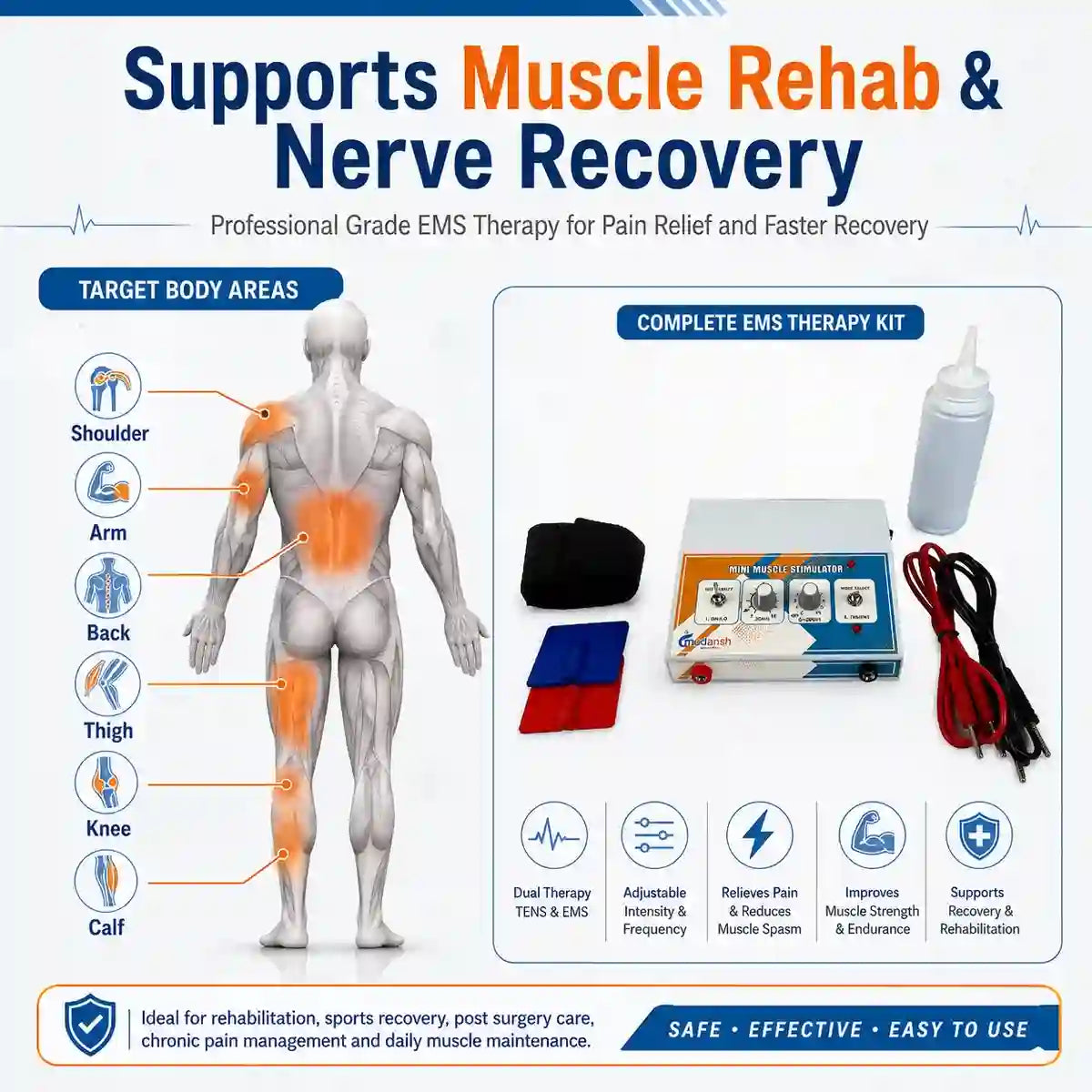
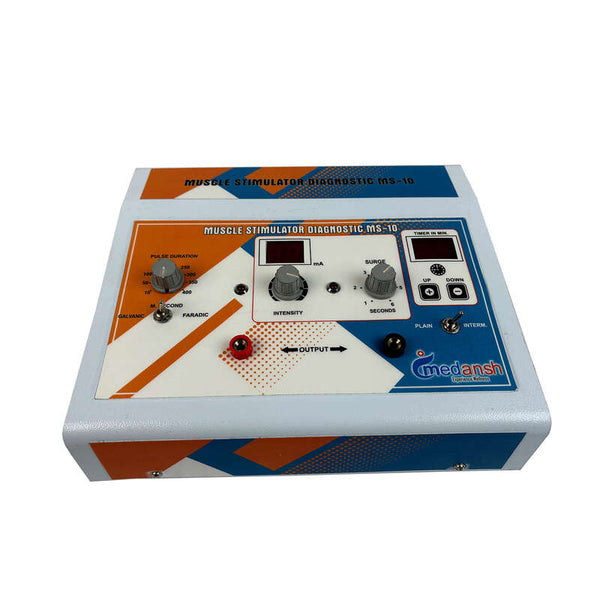
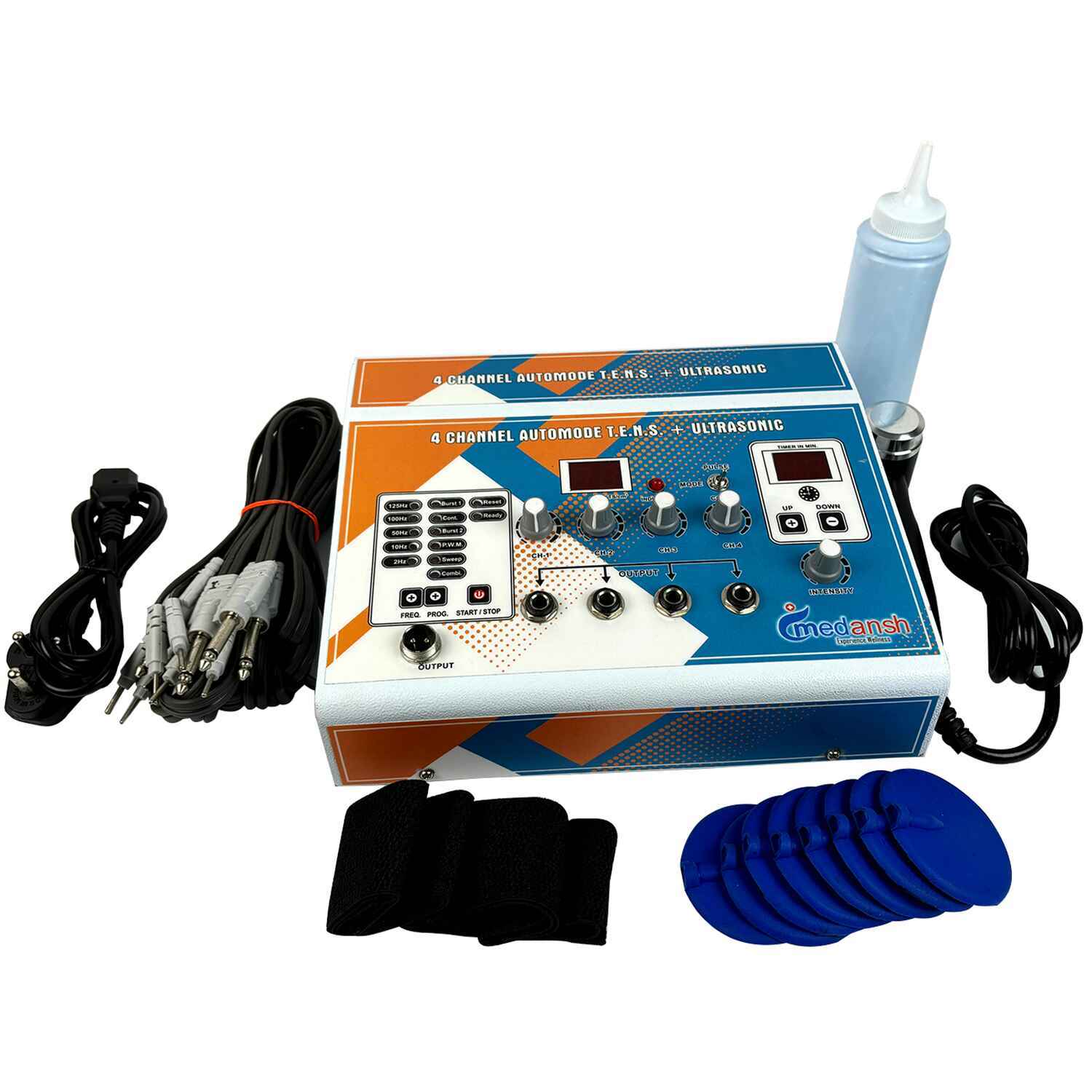
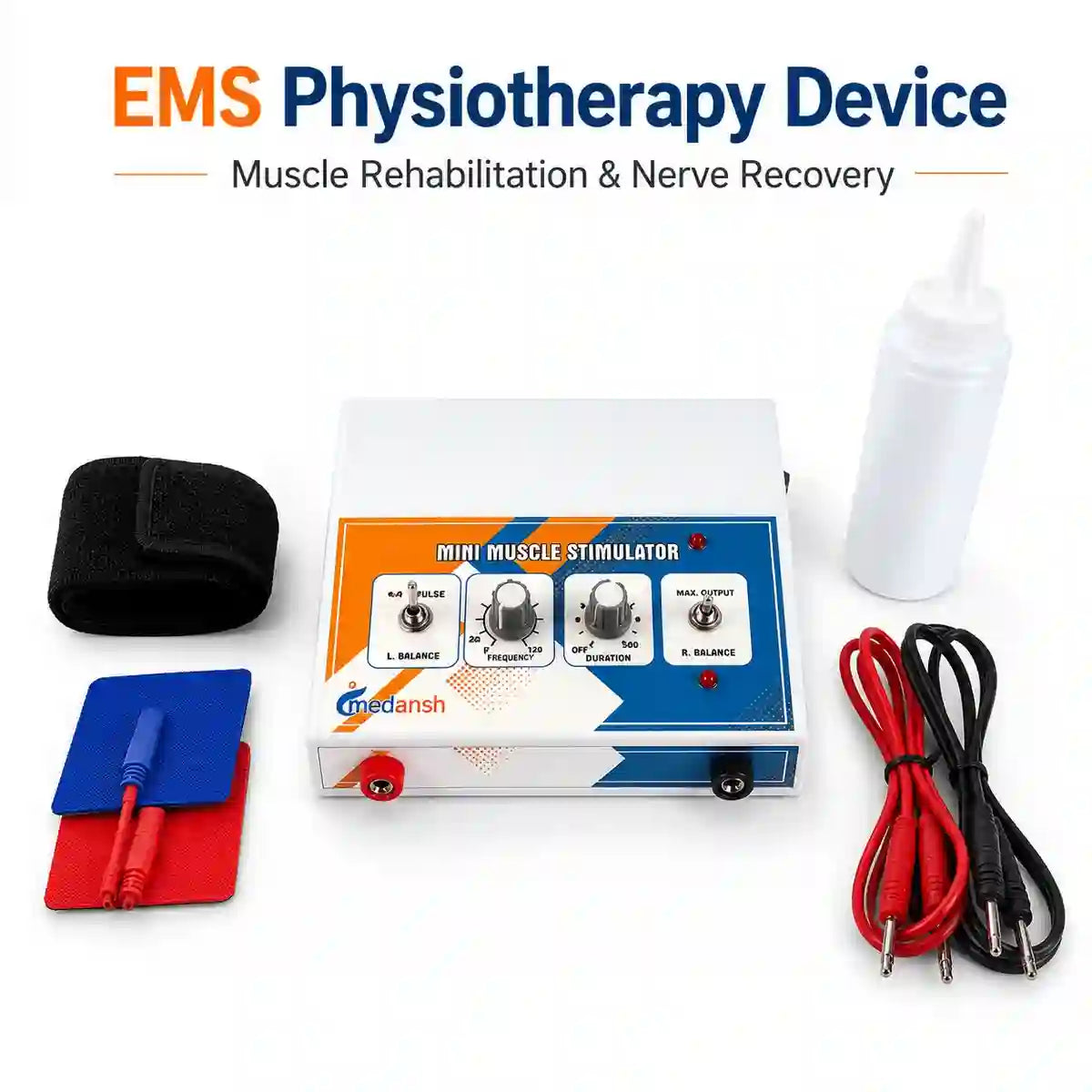
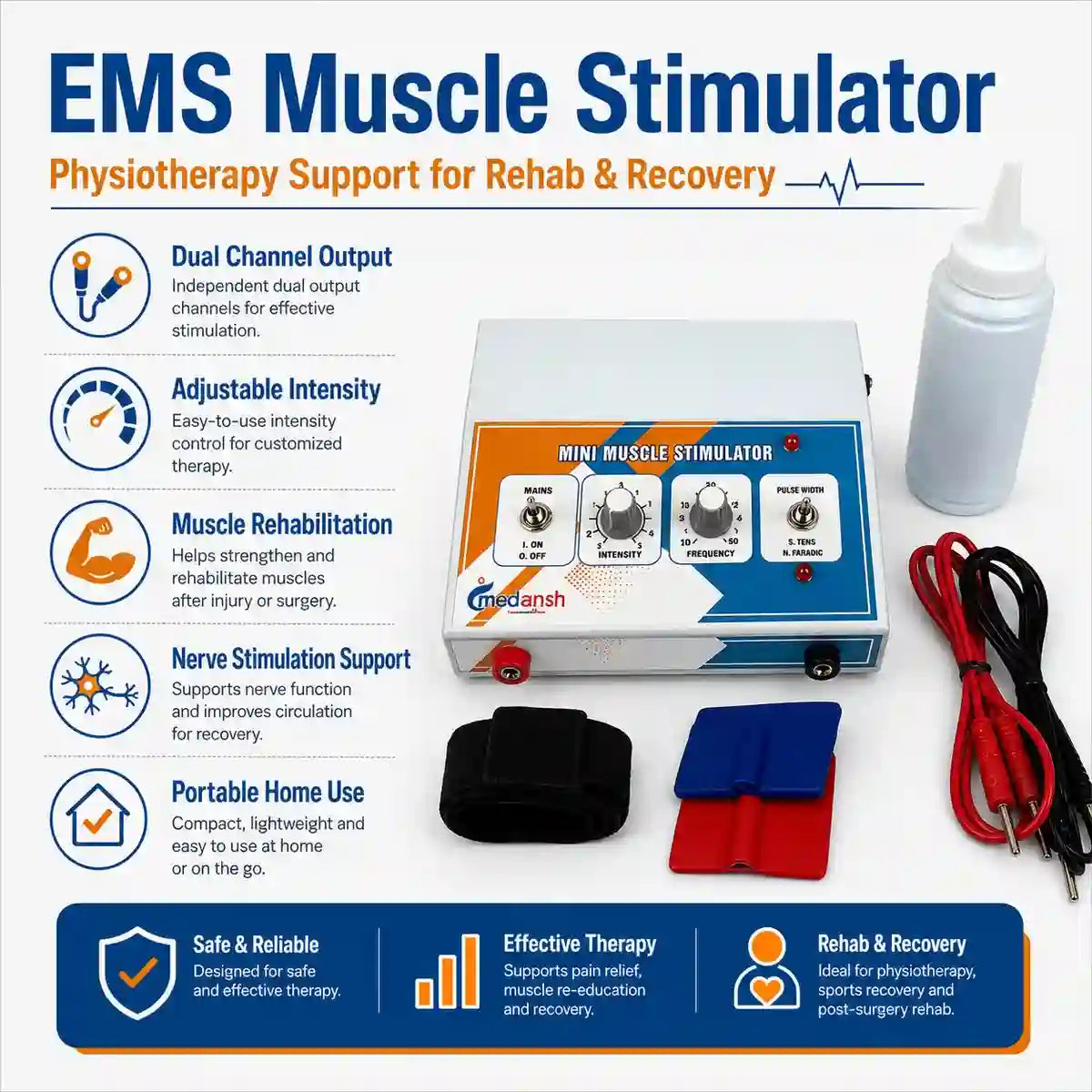
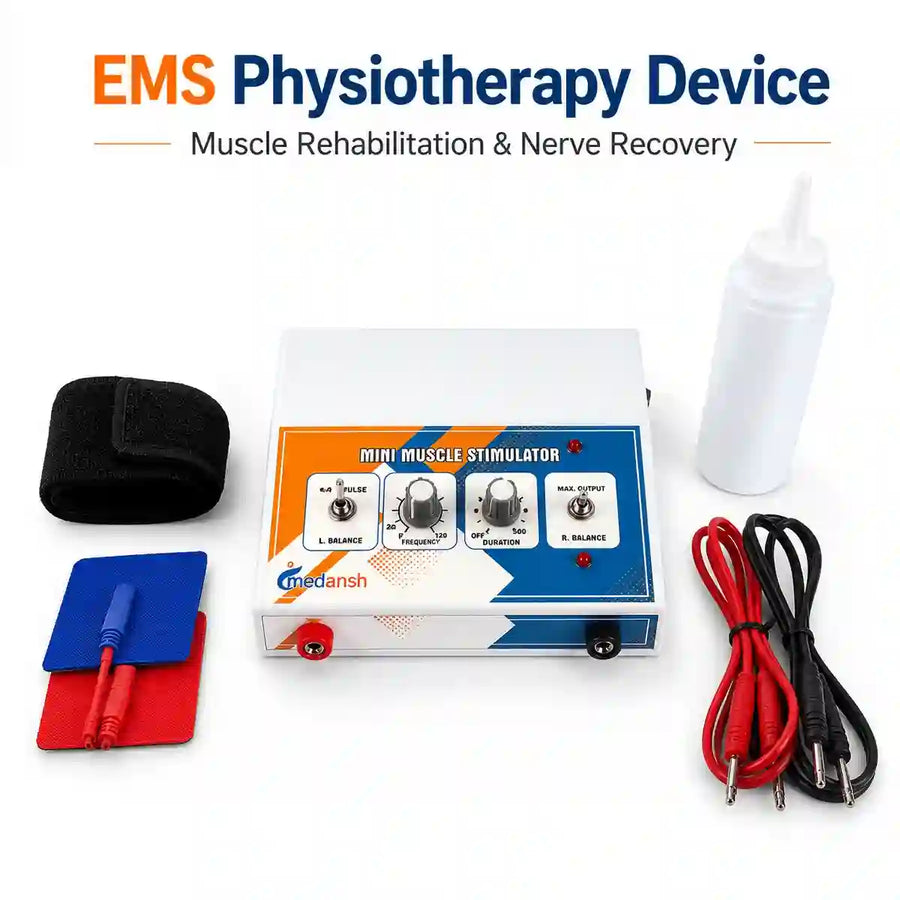
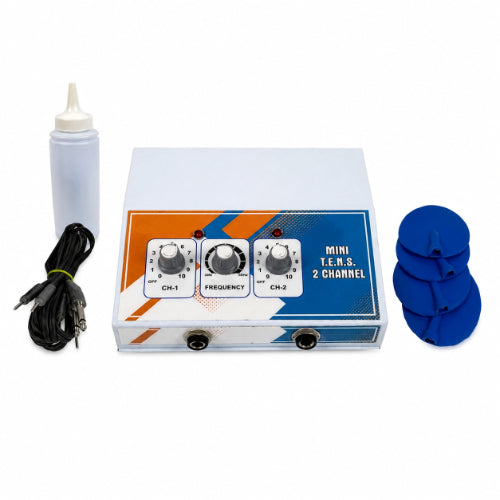
The EMS physiotherapy device for rehabilitation is a portable muscle stimulator for guided muscle activation and exercise support. EMS means Electrical Muscle Stimulation, which uses mild electrical impulses to make selected muscles contract.
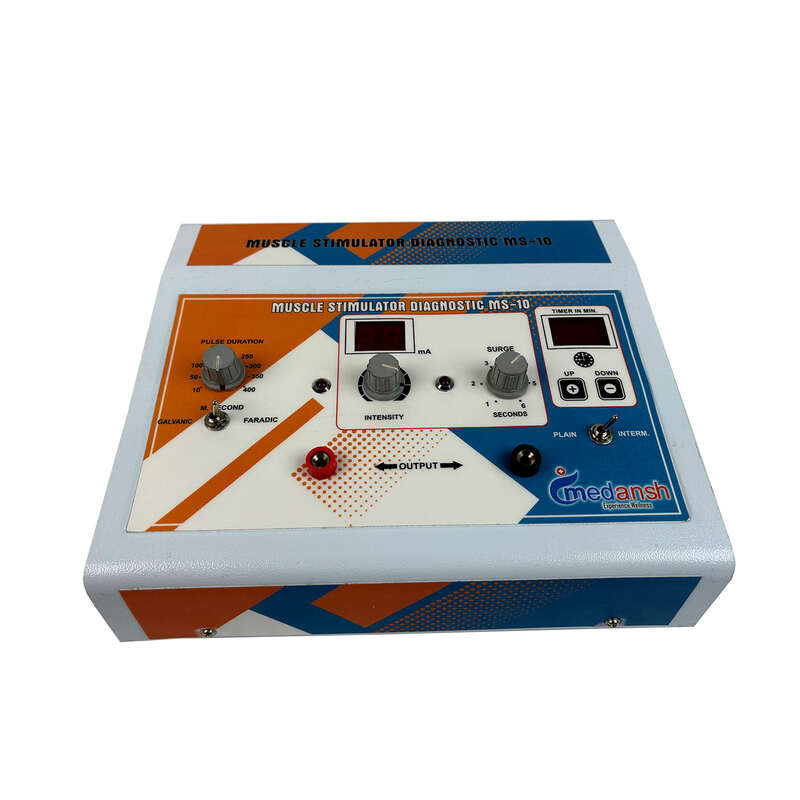
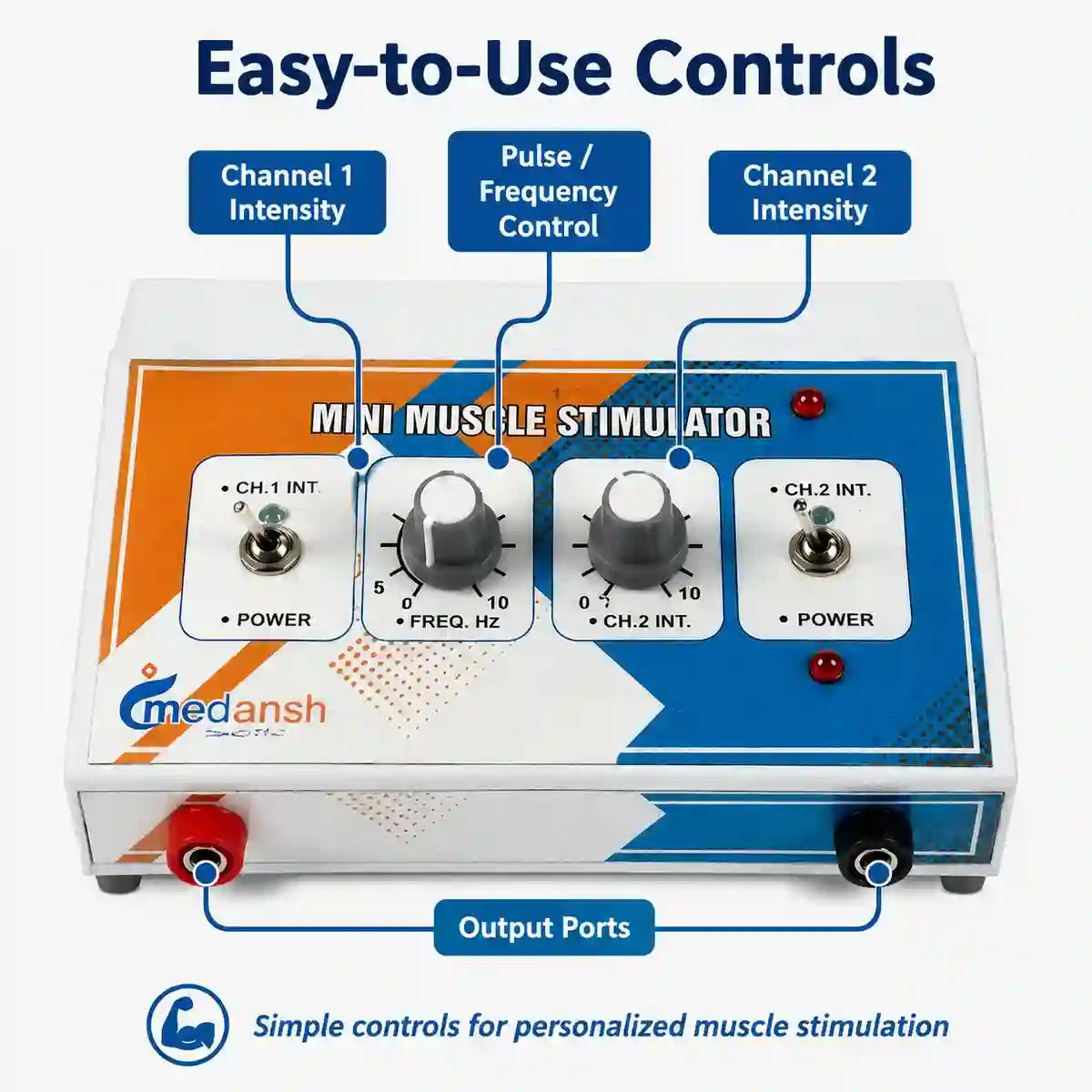
The device offers two independent channels, adjustable frequency and three stimulation modes. Therefore, a physiotherapist can choose suitable settings according to the rehabilitation plan and target muscle.
Household users may also use the device after a doctor or physiotherapist explains the settings and electrode placement. However, users should not guess treatment settings or copy another person's programme.
EMS Physiotherapy Device for Rehabilitation – Key Features
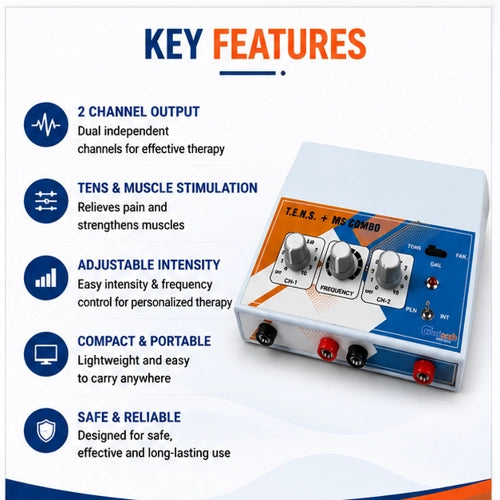
Dual-Channel EMS Muscle Stimulator The device has two independent channels. Therefore, a professional can work with selected muscle areas when the rehabilitation plan requires it.
1–100 Hz Frequency Frequency means how quickly the electrical pulses repeat. In addition, the adjustable range gives professionals more control over stimulation settings.
50–300 μs Pulse Width Pulse width means how long each electrical pulse lasts. Therefore, trained users can adjust it according to the chosen programme.
Three EMS Machine Modes The device includes Continuous, Surge and Reciprocal modes. As a result, professionals can choose different stimulation patterns.
Adjustable Timer The timer ranges from 5 to 60 minutes. Therefore, users can follow the session length advised by their healthcare professional.
Portable EMS Machine Two AA batteries power the unit. As a result, it can suit clinics, home visits and guided home rehabilitation.
How Does an EMS Muscle Stimulator Work?
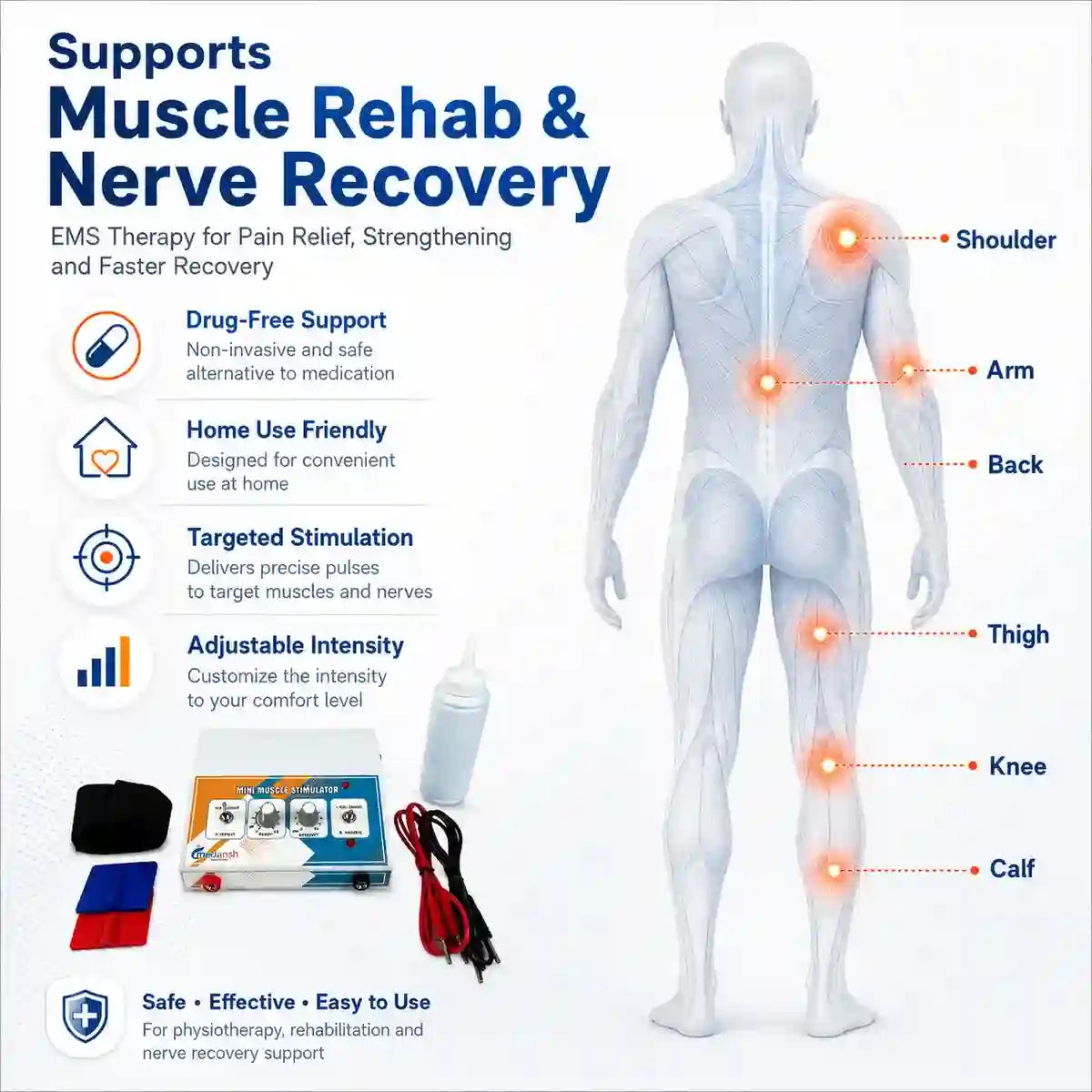
An EMS muscle stimulator sends small electrical impulses through electrode pads placed on the skin. These impulses activate motor nerves and cause nearby muscles to contract.
For example, a physiotherapist may use EMS when a person has difficulty activating a selected muscle during rehabilitation. In addition, the therapist may combine stimulation with suitable exercises.
However, EMS does not rebuild damaged nerves or guarantee recovery from an injury. Instead, it may support muscle activation as one part of a professionally planned rehabilitation programme.
EMS Machine for Rehabilitation at Home
The EMS physiotherapy device for rehabilitation may suit household users who continue a physiotherapy programme at home. However, a healthcare professional should first explain where to place the electrodes and how to select suitable settings.
First, the therapist can identify the target muscle. Next, they can demonstrate electrode placement and suitable intensity. After that, the user can follow the approved setup at home.
However, users should contact their physiotherapist if their symptoms, treatment area or rehabilitation plan changes.
Physiotherapy Muscle Stimulator for Clinics & Rehabilitation
Physiotherapists may use this physiotherapy muscle stimulator during selected muscle re-education and strengthening programmes. In simple terms, muscle re-education means helping someone practise activating a muscle again.
In addition, the dual-channel design gives clinicians more flexibility when working with selected muscle groups. The adjustable frequency, pulse width and timer also allow them to customise the setup.
However, the correct settings depend on the person, target muscle and rehabilitation goal. Therefore, the machine should support professional care rather than replace proper assessment.
Muscle Stimulator Machine Modes – Continuous, Surge & Reciprocal
The muscle stimulator machine provides three stimulation modes. Each mode changes the pattern of electrical stimulation.
Continuous Mode on the EMS Machine for Rehabilitation
Continuous mode provides ongoing stimulation according to the selected settings. Therefore, a professional can choose it when a steady stimulation pattern suits the programme.
Surge Mode on the EMS Muscle Stimulator
Surge mode provides periods of stimulation followed by rest periods. As a result, the muscle gets a break between contractions.
Reciprocal Mode on the Muscle Stimulator Machine
Reciprocal mode alternates stimulation between channels. Therefore, a trained professional may choose it when alternating muscle activity suits the rehabilitation programme.
EMS Physiotherapy Device for Rehabilitation – Specifications
| Device Type | EMS – Electrical Muscle Stimulator |
|---|---|
| Channels | 2 Independent Channels |
| Frequency | 1–100 Hz |
| Pulse Width | 50–300 μs |
| Modes | Continuous, Surge and Reciprocal |
| Timer | 5–60 Minutes |
| Power | 2 × AA Batteries |
| Warranty | 1 Year |
| Country of Origin | India |
Electrical Muscle Stimulator vs TENS Machine
EMS and TENS both use electrical impulses, but they usually serve different purposes.
EMS mainly targets motor nerves to create muscle contractions. Therefore, professionals often use EMS for muscle activation and rehabilitation support.
TENS means Transcutaneous Electrical Nerve Stimulation. In simple terms, TENS mainly targets sensory nerves and commonly supports pain-management programmes.
This product is an EMS device. Therefore, users should not assume that it also provides TENS functions unless the supplied product documentation confirms them.
EMS Muscle Stimulator Safety Guidance
Electrical stimulation needs correct electrode placement and sensible intensity. Therefore, new household users should learn the setup from a doctor or physiotherapist first.
- Do not place electrodes across the chest or close to the heart.
- Avoid electrode placement over the front of the neck, head or eyes.
- Do not place electrodes over broken, irritated or infected skin.
- People with pacemakers or other implanted electronic devices should ask a healthcare professional before use.
- Ask a healthcare professional before use during pregnancy or if you have epilepsy or unexplained symptoms.
- Start with a low intensity and increase it only according to professional guidance.
- Stop use if you feel unusual pain, burning, dizziness or strong skin irritation.
- Do not copy another person's electrode placement or treatment settings.
What to Check Before Buying an EMS Machine for Rehabilitation
First, check whether your rehabilitation plan actually requires EMS. If you already visit a physiotherapist, ask whether an electrical muscle stimulator suits your programme.
Next, check the frequency range, modes, timer and dual-channel setup. In addition, make sure you understand electrode placement before using the machine at home.
Finally, contact Meddey if you need clarification about product operation or included accessories before ordering.
EMS Physiotherapy Device for Rehabilitation FAQs
Need Help Choosing an EMS Muscle Stimulator?
If you need help with product features, settings or ordering, contact Meddey before purchase.
Meddey Technologies Pvt. Ltd.
C-75, First Floor, DDA Sheds
Industrial Area, Phase 1
Okhla, New Delhi – 110020
Call / WhatsApp: +91 8586-012345
You may also need
FOR YOURecommended for you
Save 55%

Save 39%

Save 8%

Save 37%

Save 55%

Save 36%

Save 38%

Save 40%