


Featured ChoiceSave 6%

Save 35%

Save 20%
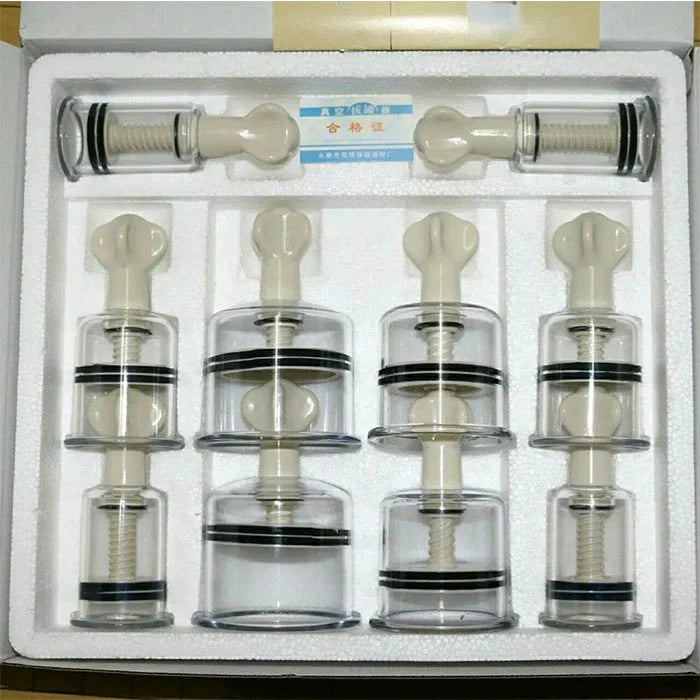

Exploring Acupressure Points for Pain Relief
Acupressure is a hands-on technique that applies steady pressure to specific points on the body to support pain relief, relaxation, and everyday wellbeing. It is related to acupuncture, but it does not use needles; instead, acupressure massage uses fingers, thumbs, palms, elbows, or simple tools to stimulate acupressure points. Many people in India explore acupressure alongside physiotherapy, yoga, Ayurveda-informed wellness routines, or standard medical care, especially for headaches, neck tension, back discomfort, stress, and fatigue. It should be used as a complementary approach, not as a replacement for diagnosis or treatment when pain is severe, persistent, sudden, or unexplained.
What is acupressure?
Acupressure is a non-needle bodywork method based on the idea that specific points on the body can be stimulated to influence comfort, tension, and function. In traditional East Asian medicine, these points are often explained through meridians or energy pathways; in modern health discussions, they are also described in terms of nerve stimulation, muscle relaxation, circulation, and pain modulation. Acupressure therapy is usually gentle, practical, and easy to adapt for self-care, although professional guidance is helpful when symptoms are complex.
The term is often searched alongside acupuncture because both systems use many of the same point locations. The key difference is the method: acupuncture inserts very thin needles into selected points, while acupressure applies external pressure without piercing the skin. The National Center for Complementary and Integrative Health notes that acupuncture has been studied for several pain conditions, while acupressure is commonly discussed as a related, noninvasive approach; evidence varies by condition and technique.
Acupressure is not a magic button that switches off pain instantly. It is better understood as a supportive technique that may reduce muscle guarding, calm the nervous system, and help some people feel more comfortable. For Indian readers, this matters because many common pain triggers—long commutes, desk work, mobile-phone posture, household lifting, exam stress, and irregular sleep—often involve tension patterns that respond best to a combination of movement, ergonomics, rest, medical advice when needed, and safe self-care.
Defining characteristics of acupressure
-
It uses pressure, not needles. This makes it different from acupuncture and more accessible for home practice.
-
It focuses on mapped points. These may overlap with Common Acupuncture Points used by trained acupuncture practitioners.
-
It can be self-applied. Many points on the hands, forearms, feet, legs, face, and shoulders are reachable.
-
It should feel tolerable. A “good pressure” sensation is common, but sharp pain, numbness, dizziness, or bruising is a warning to stop.
-
It is complementary. It may support comfort, but it does not replace medical evaluation for injury, infection, neurological symptoms, chest pain, pregnancy concerns, or chronic disease.
What Is the Theory Behind Acupressure?
The traditional theory behind acupressure is that the body has channels, often called meridians, through which vital energy is thought to flow. When the flow is blocked or imbalanced, discomfort may appear; applying pressure to selected points is believed to restore balance. This framework is closely linked to acupuncture, moxibustion, and other traditional East Asian practices.
A modern physiological explanation uses different language. Pressure on a tender or responsive point may stimulate sensory nerves, influence local blood flow, reduce muscle tone, and activate the body’s natural pain-control pathways. Research on acupuncture suggests possible effects on natural pain-relieving chemicals and brain regions involved in pain processing, although some studies also show that nonspecific effects—such as expectation, touch, and relaxation—may contribute to perceived benefit.
So, what are the physiological effects of acupressure? The most realistic answer is that acupressure may combine mechanical, neurological, and relaxation effects. Pressing a tight shoulder point, for example, may help a guarded muscle soften; pressing a wrist point during nausea may distract and calm the system; slow breathing during pressure may reduce sympathetic “fight-or-flight” arousal. These effects are not identical for everyone, which is why acupressure for pain works best when treated as one part of a broader care plan.
Acupressure, acupuncture & massage are related but not identical
Acupressure is often confused with massage and acupuncture, but each has a distinct role. Acupressure is point-specific pressure. Massage is usually broader soft-tissue manipulation. Acupuncture is a clinical procedure using fine needles and should be performed by a properly trained practitioner.
|
Approach |
What it uses |
Typical focus |
Practical note |
|---|---|---|---|
|
Acupressure |
Fingers, thumbs, palms, elbows, rollers, bands, or rings |
Specific acupressure points for pain, stress, nausea, tension, or relaxation |
Often used for self-care, but should be gentle and symptom-aware |
|
Acupuncture |
Sterile, fine needles inserted into points |
Pain, nausea, some functional complaints, and other conditions depending on assessment |
Requires training, hygiene, and clinical judgement; improper practice can cause harm |
|
Massage therapy |
Hands, forearms, oils, stretches, or tools |
Muscles, fascia, circulation, relaxation, and mobility |
May be better for broad muscle tightness than point-only work |
Is acupressure better than massage? Not universally. If your discomfort is broad, muscular, and linked to stiffness, a qualified massage therapist or physiotherapist may be more useful. If you want a quick, targeted technique for a headache point, wrist nausea point, or stress-calming routine, acupressure may be more convenient. Many people combine both: massage for general release and acupressure techniques for specific points.
The acupuncture comparison is also important. Acupuncture may be preferred when someone wants a practitioner-led intervention and is comfortable with needles; acupressure may be preferred when someone wants a noninvasive, low-cost, self-care method. In India, where integrative wellness is widely discussed and the Ministry of AYUSH participates in traditional and complementary medicine conversations, the safest approach is still evidence-aware: use qualified providers, maintain hygiene, and do not delay necessary medical care. WHO has also emphasized evidence-based traditional, complementary, and integrative medicine, including collaborations involving India.
Common body parts treated by acupressure
Common body parts treated by acupressure include the head, face, neck, shoulders, back, hands, legs, and feet. The exact point depends on the symptom pattern, comfort level, and whether the person is doing self-care or seeing a practitioner. For everyday use, the most accessible points are usually on the hands, wrists, feet, lower legs, and around tense muscles of the shoulders.
Head, face, and jaw
People often try acupressure for tension headaches, eye strain, sinus-area pressure, jaw tightness, and stress-related facial tension. Common areas include the temples, the point between the eyebrows, the sides of the nose, and the jaw muscles. Pressure in these areas should be light to moderate because the face is sensitive, and strong pressure near the eyes is unsafe.
Neck, shoulders, and upper back
Neck and shoulder points are popular for office workers, students, drivers, and anyone spending long hours on laptops or phones. Acupressure here may help reduce the feeling of tightness, especially when combined with posture changes and gentle mobility. Avoid deep pressure directly on the front of the neck, spine, or any area with swelling, injury, or radiating nerve pain.
Hands, wrists, and forearms
Hand and wrist points are among the easiest to use. They are commonly explored for headaches, stress, nausea, and hand fatigue. If you have carpal tunnel symptoms, numbness, diabetes-related neuropathy, arthritis flare-ups, or recent fracture, use caution and seek clinical advice rather than pressing aggressively.
Lower back, hips, legs, and feet
Foot acupressure points and lower-leg points are commonly used for relaxation, foot fatigue, calf tightness, and general wellbeing. Searchers often type “foot accupressure points,” but the correct spelling is “acupressure.” Feet can be sensitive, so pressure should be gradual, especially for older adults, people with diabetes, poor circulation, wounds, or reduced sensation.
How Does Acupressure Work?
Acupressure works by applying steady, controlled pressure to a selected point for a short period, usually while breathing slowly and observing how the body responds. The pressure may create a dull ache, warmth, heaviness, or release sensation, but it should not create sharp pain. In practical terms, acupressure combines touch, attention, breathing, and point stimulation.
A simple session may involve locating a point, pressing it for 30 to 90 seconds, releasing slowly, and repeating on the other side if appropriate. Some people use circular motion; others hold still. The goal is not to “force” the point open, but to encourage the body to settle.
A simple pressure scale
Use this guide to keep acupressure safe:
-
Level 1–2: Light contact. Best for the face, children, older adults, sensitive areas, or first-time practice.
-
Level 3–4: Comfortable pressure. Suitable for most self-care points on hands, arms, feet, and shoulders.
-
Level 5–6: Firm but tolerable. May be used briefly on muscular areas, but only if it does not cause lingering pain.
-
Level 7 or higher: Too much. Avoid this for self-care; intense pressure can irritate tissues or worsen pain.
If the pain increases, spreads, causes tingling, or feels “electric,” stop. Acupressure benefits are more likely when the technique is calm and consistent, not when it is painful.
Key acupressure points for pain and relaxation
Acupressure points are named differently across traditions, and many overlap with acupuncture point names. The points below are commonly discussed for self-care, but they are not a substitute for a clinician’s assessment. Pregnant people should be especially cautious because some points traditionally used in acupuncture and acupressure are avoided unless supervised by a qualified maternity-care professional.
Commonly used points
-
LI4, Hegu, on the hand: Often used for headache or general tension. It sits in the web between the thumb and index finger. Avoid during pregnancy unless your healthcare provider says it is safe.
-
PC6, Neiguan, on the inner wrist: Commonly used for nausea and motion sickness support. Memorial Sloan Kettering provides patient education on using acupressure for nausea and vomiting as a complementary measure.
-
GB20, Fengchi, at the base of the skull: Used for neck tension and headache patterns. Pressure should be gentle and angled away from the throat.
-
Yintang, between the eyebrows: Often used for calming, stress, and facial tension. Use very light pressure.
-
ST36, Zusanli, below the knee: Traditionally used for vitality, leg fatigue, and digestive support. Press gently if you have knee pain or varicose veins nearby.
-
SP6, Sanyinjiao, above the inner ankle: Traditionally used in many contexts, but it is commonly avoided during pregnancy unless supervised.
-
LV3, Taichong, on the top of the foot: Often used for stress, irritability, and foot tension. Avoid pressing over injury or swelling.
What is the 7 pressure point?
There is no single official “7 pressure point” recognized across all acupressure systems. In search results, the phrase may refer to seven popular points for daily relief, the seventh point in a specific chart, or a wellness routine that uses seven points. If someone asks “What is the 7 pressure point?” the safest answer is to ask which chart or condition they mean.
For general self-care, a “seven-point” routine often includes LI4, PC6, GB20, Yintang, ST36, SP6, and LV3. These are widely known, but they are not universally appropriate for everyone. Pregnancy, nerve symptoms, skin infection, bleeding disorders, recent surgery, or unexplained pain should change the plan.
How to Use
Acupressure is easiest to learn when you keep the technique simple, slow, and symptom-specific. Choose one or two points rather than pressing many areas randomly. Before beginning, remove tight jewellery, sit comfortably, and decide what you are trying to support: headache tension, neck stiffness, stress, nausea, foot fatigue, or general relaxation.
Step-by-step acupressure techniques and safety
-
Check whether self-care is appropriate. Do not use acupressure as your main response to chest pain, severe abdominal pain, sudden weakness, high fever, injury, unexplained swelling, loss of sensation, or pain after an accident. Seek medical care.
-
Choose a relevant point. For example, PC6 is commonly used for nausea support, LI4 for tension-type headache patterns, and Yintang for calming.
-
Find the point gently. Use anatomical landmarks, then explore for a tender or responsive spot nearby. Do not dig into the skin.
-
Apply steady pressure. Use your thumb, fingertip, or knuckle. Hold for 30 to 60 seconds while breathing slowly.
-
Use small circles if helpful. Some people prefer still pressure; others prefer tiny circular movements. Both can be valid if comfortable.
-
Release slowly. Sudden release can feel uncomfortable. Pause for a few breaths before repeating.
-
Repeat on the other side. Many points are bilateral, meaning they exist on both sides of the body.
-
Notice the response. Look for reduced tension, easier breathing, warmth, or a calmer feeling. Stop if symptoms worsen.
-
Limit the session. Five to ten minutes is enough for most beginners. More pressure is not automatically better.
-
Combine with basics. Hydration, sleep, stretching, ergonomic changes, and medical treatment when needed are still important.
Using an acupressure tool or ring
An accupressure ring, more correctly spelled acupressure ring, is a small textured ring rolled along the fingers to stimulate touch receptors. It may feel relaxing during study breaks, office work, or travel, but it should not be used over cuts, swelling, numb fingers, or painful joints. Similar tools include foot rollers, mats, wrist bands, and handheld knobs.
Tools can make pressure easier, but they also make it easier to overdo. Start with light pressure for one or two minutes. If redness, bruising, tingling, or soreness lasts, reduce use or stop.
Safety checklist before pressing a point
-
Is the skin healthy, unbroken, and free from infection?
-
Is the pain mild to moderate rather than sudden, severe, or unexplained?
-
Are you avoiding direct pressure on the spine, throat, abdomen during pregnancy, and varicose veins?
-
Are you free from new numbness, weakness, dizziness, or radiating pain?
-
Are you using clean hands and clean tools?
-
Have you checked with a clinician if you have diabetes, a bleeding disorder, cancer-related pain, high-risk pregnancy, or recent surgery?
Benefits
Acupressure benefits are best understood as supportive, not curative. Many people use it because it is low-tech, affordable, portable, and easy to pair with breathing or stretching. Evidence is stronger for some related uses than others, and results vary from person to person.
Pain relief support
Acupressure for pain is commonly used for headaches, neck tension, shoulder tightness, back discomfort, menstrual cramps, foot fatigue, and muscle soreness. The benefit may come from reduced muscle tension, nervous-system calming, and improved body awareness. For chronic pain, major health sources discuss several complementary approaches, including acupuncture, massage, mindfulness, yoga, tai chi, and related therapies, as possible parts of broader pain management.
The practical value is that acupressure gives you something active and gentle to do when discomfort is linked to tension or stress. It may reduce the urge to keep clenching the same muscles. However, if pain keeps returning, the underlying cause still needs attention—posture, strength, sleep, footwear, workload, inflammation, or medical conditions may be involved.
Stress and relaxation
Acupressure for stress often focuses on slow breathing and calming points such as Yintang, PC6, and points around the hands and feet. The effect may be partly physiological and partly behavioural: pausing, breathing, and applying steady touch can interrupt a stress spiral. For students, caregivers, IT professionals, drivers, and shift workers in India’s busy cities, this short pause can be a practical self-regulation habit.
Acupressure does not replace mental health care. If anxiety, panic, low mood, insomnia, or burnout is persistent, professional support is important. Acupressure can sit alongside counselling, medical care, exercise, yoga, and sleep routines.
Nausea and travel discomfort
Wrist acupressure at PC6 is one of the most familiar uses, especially for motion sickness, nausea, and treatment-related nausea support. Some hospitals include acupressure education as a complementary measure for nausea and vomiting, while still treating the underlying cause medically.
For India-specific daily life, this may be relevant during long road travel, hilly routes, train journeys, or post-meal discomfort. Still, persistent vomiting, dehydration, pregnancy-related severe nausea, food poisoning, or medication reactions require medical advice.
Body awareness and self-care consistency
A quieter benefit of acupressure is that it teaches you to notice tension early. You may discover that headaches follow jaw clenching, shoulder pain follows laptop posture, or foot pain follows unsupportive footwear. This awareness helps you choose better habits rather than waiting until pain becomes intense.
Which Health Problems Benefit From Acupressure?
People commonly explore acupressure for tension headaches, neck and shoulder tightness, lower back discomfort, stress, mild sleep difficulty, nausea, menstrual discomfort, and foot fatigue. Some also use it alongside acupuncture, physiotherapy, yoga therapy, or medical treatment for chronic pain. The key word is “alongside”: acupressure is not a standalone cure for disease.
Side Effects
Most gentle acupressure is well tolerated, but side effects can occur, especially when pressure is too strong or used on the wrong area. The most common issues are temporary soreness, redness, tenderness, bruising, dizziness, or increased pain. People sometimes ask, “What are the side effects of acupressure?” The answer depends on pressure level, health condition, body area, and whether tools are used safely.
Possible side effects
-
Soreness or bruising: Usually caused by pressing too hard or too long.
-
Skin irritation: More likely with textured tools, rings, mats, oils, or unclean devices.
-
Dizziness or nausea: Can happen if someone holds their breath, presses painful points strongly, or stands up too quickly.
-
Worsened pain: May occur if the issue is inflammatory, nerve-related, injured, or medically serious.
-
Delayed care: The biggest risk is using acupressure to ignore symptoms that need diagnosis.
Acupuncture has different safety considerations because it penetrates the skin. When acupuncture is not performed properly, serious harms such as infection or organ injury are possible, which is why sterile technique and qualified training matter. Acupressure avoids needle-related risks, but it still requires sensible boundaries.
Who should use extra caution
Use medical guidance before acupressure if you are pregnant, have a bleeding disorder, take blood thinners, have diabetes with reduced foot sensation, have cancer-related pain, have severe osteoporosis, have uncontrolled high blood pressure, recently had surgery, or have unexplained swelling or fever. Avoid pressure over wounds, burns, rashes, fractures, varicose veins, tumours, infected skin, or deep vein thrombosis concerns.
For older adults, children, and people with chronic illness, lighter pressure is usually safer. If in doubt, choose breathing, gentle touch, and professional advice over forceful point work.
Practical examples and common misconceptions
Acupressure becomes more useful when expectations are realistic. It can be part of a daily wellness routine, a travel kit, or a pain-management plan, but it should not be marketed as a guaranteed cure. A good practitioner will explain limits, ask about medical history, and refer you to a doctor when symptoms suggest something more serious.
Practical use cases
-
Desk-related neck tension: Use light pressure at the base of the skull and shoulders, then add neck mobility and screen-height changes.
-
Tension-type headache pattern: Try LI4 and gentle temple pressure, but seek care for sudden, severe, one-sided, or neurological headache symptoms.
-
Exam or work stress: Use Yintang or PC6 with slow breathing for two to five minutes.
-
Travel nausea: Try PC6 wrist pressure or a wrist band, while also managing food, hydration, and motion triggers.
-
Foot fatigue: Roll the sole gently on a clean foot roller and explore foot acupressure points without pressing bruised or numb areas.
-
Post-workout tightness: Use acupressure after cooling down, not as a substitute for recovery, hydration, or injury care.
Common misconceptions
-
“More pain means better results.” False. Excessive pressure can irritate tissue.
-
“Acupressure and acupuncture are the same.” False. They may use similar points, but acupuncture uses needles and requires stricter clinical training and hygiene.
-
“One point cures one disease.” Oversimplified. Point selection depends on context, symptoms, and safety.
-
“Natural means risk-free.” False. Even noninvasive methods can cause problems when misused.
-
“If acupressure helps, I do not need a doctor.” False. Relief does not always mean the cause is harmless.
Choosing acupressure in India
In India, many people move between modern medicine, yoga, Ayurveda, naturopathy, physiotherapy, home remedies, and complementary therapies. This integrative mindset can be useful when it is evidence-aware and safe. WHO describes traditional, complementary, and integrative medicine as an area where quality, safety, and evidence matter, and India has been visibly involved in global conversations on this topic.
If you are choosing a practitioner, ask practical questions. What training do they have? Do they understand red-flag symptoms? Do they maintain hygiene? Do they claim guaranteed cures, or do they explain realistic goals? A safe acupressure or acupuncture provider should welcome medical collaboration, especially for chronic pain, pregnancy, cancer care, neurological symptoms, or medication-managed conditions.
What acupressure is good for in daily life
What is acupressure good for? It is most useful for mild tension, relaxation, self-awareness, stress breaks, and supportive care for certain discomfort patterns. It is less suitable as the only strategy for severe pain, progressive symptoms, structural injury, or disease management.
A good India-specific routine might combine acupressure with morning mobility, yoga or walking, ergonomic desk setup, adequate protein and hydration, and timely medical care. The point is not to choose between traditional and modern approaches blindly. The point is to use each tool where it makes sense.
FAQ
When is acupressure used?
Acupressure is used when someone wants noninvasive support for mild pain, tension, stress, nausea, fatigue, or relaxation. It may also be used between physiotherapy sessions, after long work hours, during travel, or as part of a bedtime wind-down routine. It should not be used to delay urgent care.
What Are Common Acupuncture Points that overlap with acupressure?
Common acupuncture points used in acupressure-style self-care include LI4 on the hand, PC6 on the wrist, GB20 at the base of the skull, ST36 below the knee, SP6 above the inner ankle, LV3 on the foot, and Yintang between the eyebrows. The same point may have different uses depending on the system and practitioner.
Can I do acupressure every day?
Gentle acupressure can often be used daily for short periods, but daily deep pressure on the same sore point is not wise. If a point becomes tender, bruised, or irritated, rest it. If symptoms persist despite self-care, get assessed.
Is acupressure safe during pregnancy?
Pregnancy requires caution. Some points, especially around the hands, ankles, lower back, and abdomen, are traditionally avoided unless supervised by a qualified professional. Pregnant people should ask their obstetrician or trained maternity-care provider before using acupressure for pain, nausea, or labour-related purposes.
Can acupressure replace painkillers or medical treatment?
No. Acupressure may reduce discomfort for some people, but it should not replace prescribed medication, emergency care, diagnostic tests, or treatment for underlying disease. If you want to reduce painkiller use, discuss a safe plan with a doctor.
How quickly does acupressure work?
Some people feel calmer or less tense within minutes. Others need repeated sessions, or they may not notice much change. Response depends on the condition, technique, pressure level, stress state, sleep, and overall health.
What is the difference between an acupressure point and a trigger point?
An acupressure point comes from a mapped traditional system and may be used for local or distant effects. A trigger point is usually a tender spot in a tight muscle that may refer pain elsewhere. They can overlap, but they are not the same concept.
Should I choose acupressure or acupuncture?
Choose acupressure if you want a non-needle, self-care-friendly method for mild symptoms. Consider acupuncture if you want practitioner-led care and are comfortable with needles, but check training, hygiene, and medical suitability first. For serious or persistent pain, start with a proper medical diagnosis.
Key takeaways
Acupressure is a pressure-based technique that stimulates specific body points to support pain relief, relaxation, and self-care. It is closely related to acupuncture but does not use needles, which makes it easier to practise safely at home when symptoms are mild and technique is gentle. The most common uses include acupressure for pain, acupressure for stress, nausea support, headache tension, neck and shoulder tightness, and foot fatigue.
The safest way to use acupressure is to keep pressure comfortable, avoid risky areas, respect medical red flags, and combine it with healthy movement, sleep, ergonomics, and professional care when needed. For Indian readers exploring integrative wellness, acupressure can be a practical tool—but it works best when paired with evidence-aware choices and realistic expectations.
Explore Medical Collections
All Categories
Abdominal & Maternity Support

Accessories

Accu-Chek Instant Strips: Use, Compatibility, Price & Blood Sugar Testing Guide
Accu-Chek Instant Strips: Uses, Features & Complete Guide

accupuncture

Acupuncture Needles & Supplies

Advanced Physiotherapy Machines & Lumbar Physiotherapy

Airways

Ambulance

Anatomy Models
Anesthesia Machine

Anesthesia Products

Ankle Support for Home Use: Braces, Sleeves & Walker Boots

Ankle Weights & Exercise Weights for Home & Rehab

Anti-Bedsore Air Mattresses
You may also need
FOR YOURecommended for you
Save 6%
Save 35%
Save 20%