


Featured ChoiceSave 13%
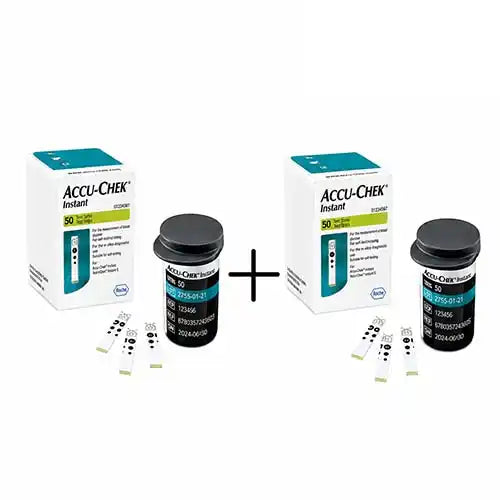
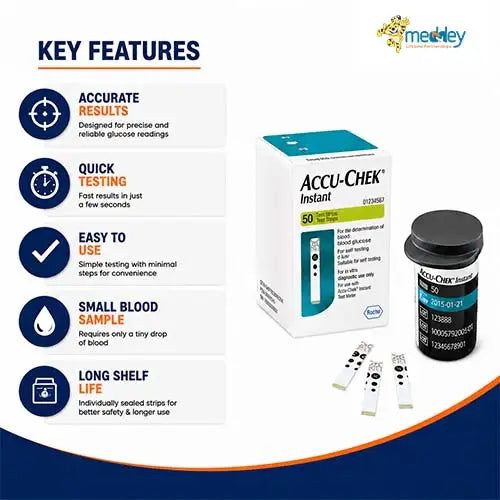
Save 17%
Save 9%

Save 25%


Sold out

What customers say
★★★★★ 4.8 · 10 reviews
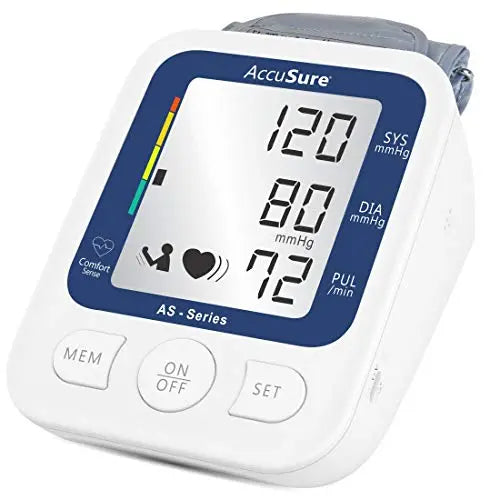
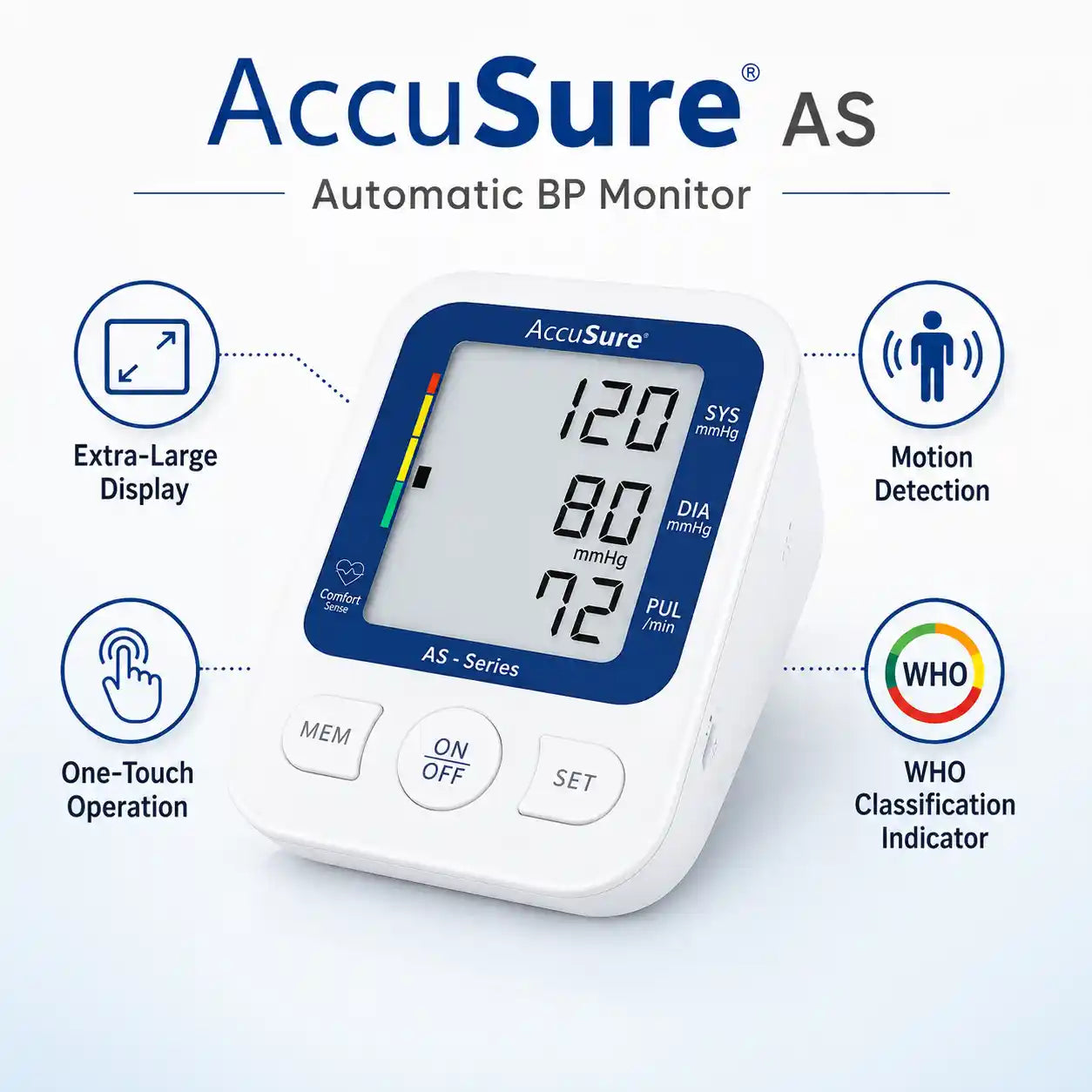
 AccuSure AS Automatic Blood Pressure Monitor
“Accurate and easy-to-use!”
“This is a fantastic product! The extra-large display makes it incredibly easy to read the results, even fro...”
 AccuSure TS Smart Inflation BP Machine
“This is very easy to use. A great choice for home health monitoring!”
“This is a brilliant device! The smart inflation feature makes taking BP measurements much more comfortable ...”
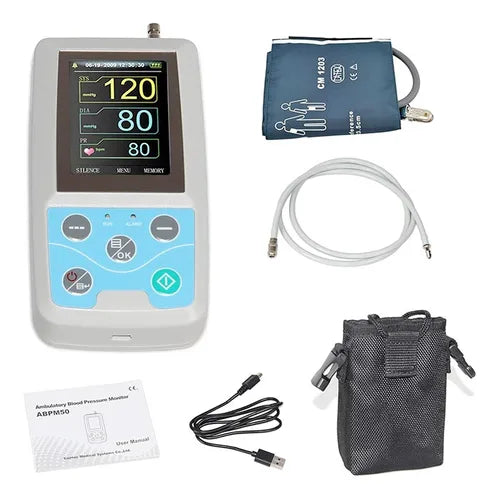
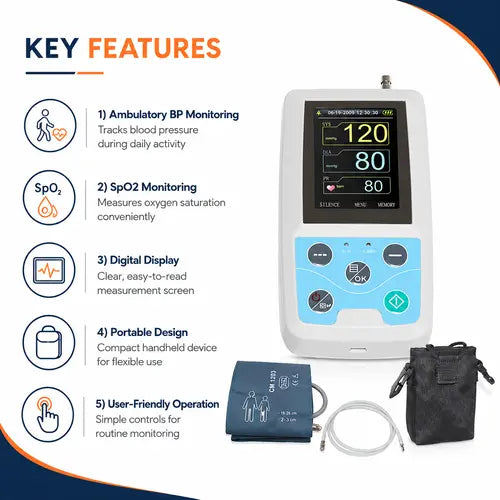
 ABPM50 Ambulatory Blood Pressure Monitor with SpO2 | 24-Hour Monitoring
“This is fantastic! It provides accurate BP readings along with SpO2 measurement,”
“This is an excellent device for anyone looking to monitor their health on-the-go. It not only provides accu...”
Accu-Chek Instant Strips: Uses, Features & Complete Guide
If you regularly check your blood sugar at home, having reliable Accu-Chek Instant strips
can make daily glucose testing much easier. These blood glucose test strips are designed to work with the Accu-Chek Instant blood glucose meter and require only a small blood sample to provide a reading in less than four seconds.
For people who monitor their glucose regularly, small things matter. A test strip should be easy to handle, simple to use and compatible with the correct glucose meter. That is where Accu-Chek Instant test strips are designed to make the testing process more convenient.
In this guide, we will explain what Accu-Chek Instant strips are, how they work, how to use them correctly, their main features, storage tips, compatibility and some common questions users have before buying or using them.
What Are Accu-Chek Instant Strips?
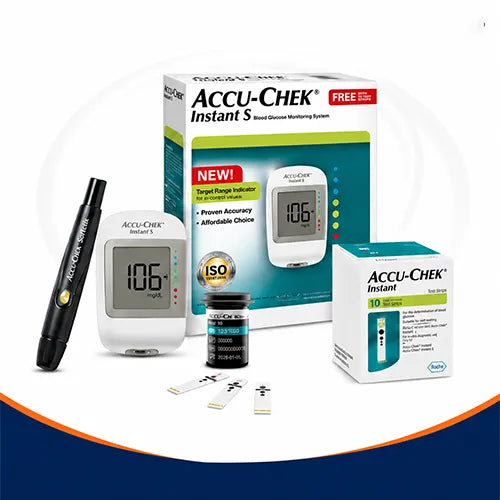
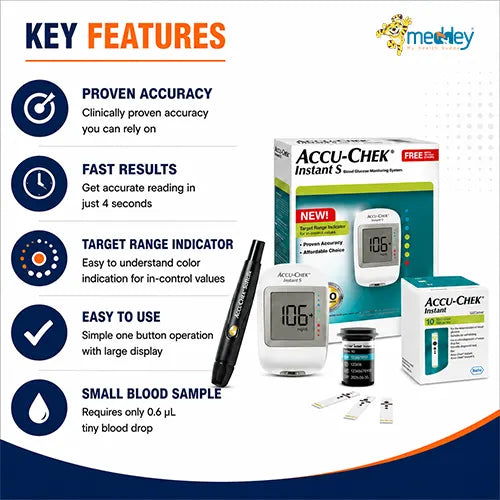
Accu-Chek Instant strips are blood glucose test strips made specifically for the Accu-Chek Instant blood glucose monitoring system. The strip works together with the meter to measure glucose from a small blood sample.
Unlike ordinary strips that may require precise placement of blood, the Accu-Chek Instant strip features an easy-edge dosing area. Blood can be applied anywhere along the wide yellow edge of the strip, making the process easier for users.
The Accu-Chek Instant system uses FAD-GDH chemistry. According to Accu-Chek's official information, the system meets the accuracy requirements of ISO 15197:2013 and EN ISO 15197:2015.
Key Features of Accu-Chek Instant Test Strips
There are several reasons these glucose test strips are popular among people who monitor their blood sugar at home.
1. Small Blood Sample
The Accu-Chek Instant test strip requires approximately 0.6 µL of blood, which is a very small sample.
This can make routine testing more convenient, especially for people who need to check their blood glucose frequently.
2. Easy-Edge Blood Application
One of the most noticeable features is the wide yellow dosing edge. You do not have to aim for a tiny spot in the middle of the strip. The blood can be applied along the designated edge, where the strip absorbs the sample.
This simple design can be particularly helpful for users who are new to blood glucose testing.
3. Fast Results
When used with a compatible Accu-Chek Instant meter, the system provides a blood glucose result in less than four seconds.
For everyday testing, getting a result quickly means you can complete the test without spending unnecessary time waiting.
4. No Manual Coding
Accu-Chek Instant meters do not require manual coding for the test strips.
This removes one extra step from the testing routine and can make the process easier for regular users.
5. Accuracy Standards
Accu-Chek states that the Instant system fulfills the requirements of ISO 15197:2013 and EN ISO 15197:2015.
It is important to remember that no home glucose meter should be used to make medical decisions without considering the user's overall health situation and healthcare professional's advice.
How to Use Accu-Chek Instant Strips
Using the strips correctly is important because incorrect testing technique can affect the result.
Here is a simple general process:
Step 1: Wash and Dry Your Hands
Wash your hands with soap and water and dry them properly before testing. This helps keep the testing area clean and prevents substances on your fingers from interfering with the sample.
Step 2: Prepare the Meter
Insert a new Accu-Chek Instant test strip into the compatible meter according to the meter's instructions.
Step 3: Obtain a Blood Sample
Use the recommended lancing device to obtain a small blood drop. Follow the instructions supplied with your lancing device and meter.
Step 4: Apply Blood to the Strip
Touch the blood drop to the designated yellow edge of the test strip. The strip is designed to absorb the blood from the edge.
Step 5: Wait for the Reading
The meter processes the sample and displays the blood glucose result in less than four seconds.
Always follow the user manual supplied with your specific meter and test strips.
How Much Blood Is Needed for Accu-Chek Instant Strips?
One of the common questions is how much blood is required.
The Accu-Chek Instant test strip requires approximately 0.6 microlitres (µL) of blood.
Because the required sample is small, users do not need a large blood drop. However, the sample still needs to be applied correctly.
If there is not enough blood on the strip, the meter can display an E-4 error.
It is also important not to add another blood drop after testing has started. Accu-Chek's FAQ explains that a second drop cannot simply be added after the test has started.
Accu-Chek Instant test strips are designed for Accu-Chek Instant meters?
This is an important point before buying replacement strips.
Accu-Chek Instant test strips are designed for Accu-Chek Instant meters. They are not interchangeable with every Accu-Chek glucose meter.
According to Accu-Chek's official FAQ, Accu-Chek Active, Accu-Chek Aviva and Accu-Chek Performa strips are not compatible with Accu-Chek Instant meters, and Accu-Chek Instant strips should not be assumed to work with those systems.
Therefore, always check the exact meter model before purchasing a box of test strips.
Accu-Chek Instant Strips Pack Sizes
Accu-Chek states that Instant test strips are available in different vial sizes, including 10, 25 and 50 strips, depending on the market and product availability.
For someone who tests occasionally, a smaller pack may be practical. Regular users may prefer a larger pack because they go through strips more quickly.
Before purchasing, check the pack size, expiry date and product details carefully.
How Should You Store Accu-Chek Instant Strips?
Proper storage is important for blood glucose test strips.
Keep the strips in their original container and protect them from unsuitable environmental conditions. Close the vial properly after taking out a strip and avoid leaving the container open for unnecessary periods.
Do not use strips after their expiry date. Also, avoid using strips that appear damaged, contaminated or improperly stored.
For exact storage requirements, always follow the instructions printed on the product packaging and the official user documentation for your meter and strips.
Common Mistakes to Avoid When Using Glucose Test Strips
Even a good glucose meter can give an unexpected result if the testing process is not followed correctly.
Here are some common mistakes to avoid:
Using the wrong strip:
Always confirm that the strips are specifically intended for your meter model.
Applying too little blood:
An insufficient sample can result in an error message such as E-4.
Adding blood after testing has started:
Do not try to add a second blood drop once the test has started.
Using expired strips:
Check the expiry date before testing.
Leaving the vial open:
Keep the strip container properly closed according to the product instructions.
Ignoring unusual readings:
If a reading seems unexpectedly high or low, follow your healthcare professional's instructions and the troubleshooting guidance in the meter's manual.
Why Choose Accu-Chek Instant Strips for Regular Testing?
For regular home glucose monitoring, convenience can make a big difference. The Accu-Chek Instant system combines a small blood sample requirement, an easy-edge strip design and a fast reading time.
The wide dosing area is particularly useful because users can apply the blood along the yellow edge rather than trying to hit a very small target.
The system also supports features such as automatic storage of glucose readings and, with compatible versions of the meter, Bluetooth synchronization with the mySugr app.
These features can make it easier for users to keep track of their glucose readings over time.
Accu-Chek Instant Strips: What Should You Check Before Buying?
Before ordering Accu-Chek Instant glucose test strips, take a few seconds to check the following:
- Confirm that you have an Accu-Chek Instant-compatible meter.
- Check the number of strips in the pack.
- Check the expiry date.
- Purchase from a reliable seller.
- Keep the strips in their original container.
- Read the product instructions before first use.
- Do not assume strips from another Accu-Chek model will work with your meter.
These simple checks can prevent unnecessary problems and help you get the most from your glucose monitoring supplies.
Frequently Asked Questions About Accu-Chek Instant Strips
Can Accu-Chek Instant strips be used with any Accu-Chek meter?
No. Accu-Chek Instant strips are designed for the Accu-Chek Instant system and are not universally compatible with other Accu-Chek meters.
How much blood does an Accu-Chek Instant strip need?
The strip requires approximately 0.6 µL of blood.
How quickly do Accu-Chek Instant strips provide results?
When used with the Accu-Chek Instant meter, results are available in less than four seconds.
Can I apply blood anywhere on the strip?
Blood can be applied along the wide yellow easy-edge dosing area of the Accu-Chek Instant strip.
What happens if I do not apply enough blood?
The meter may display an E-4 error when the blood sample is insufficient.
Do Accu-Chek Instant strips require coding?
No. The Accu-Chek Instant meter does not require manual coding.
Final Thoughts
Accu-Chek Instant strips are designed to make routine blood glucose testing straightforward. Their easy-edge dosing area, small blood sample requirement and fast testing time can be useful for people who regularly monitor their glucose at home.
The most important thing is to use the correct strips with the correct meter and follow the manufacturer's instructions carefully. Check the expiry date, store the strips properly and avoid common testing mistakes.
For medical decisions, glucose readings should always be interpreted in the context of your individual health and the advice of your doctor or diabetes care professional.
Explore Medical Collections
All Categories
Abdominal & Maternity Support

Accessories

Accu-Chek Instant Strips: Use, Compatibility, Price & Blood Sugar Testing Guide
Accu-Chek Instant Strips: Uses, Features & Complete Guide

accupuncture

Acupuncture Needles & Supplies

Advanced Physiotherapy Machines & Lumbar Physiotherapy

Airways

Ambulance

Anatomy Models
Anesthesia Machine

Anesthesia Products

Ankle Support for Home Use: Braces, Sleeves & Walker Boots
Ankle Weights & Exercise Weights for Home & Rehab

Anti-Bedsore Air Mattresses
You may also need
FOR YOURecommended for you
Save 13%
Save 17%
Save 9%
Save 25%