


Featured ChoiceSave 13%
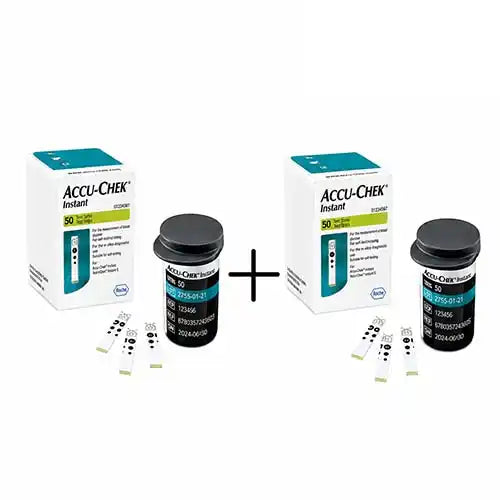
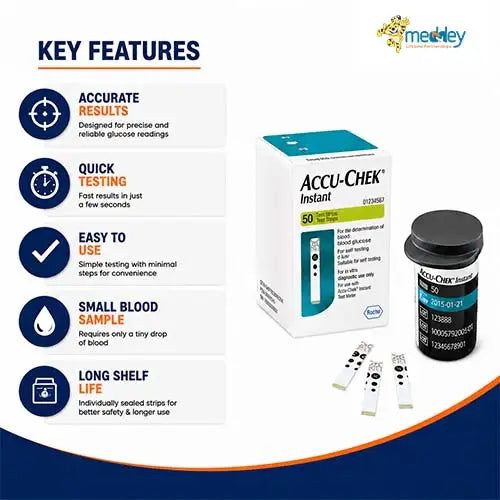
Save 9%
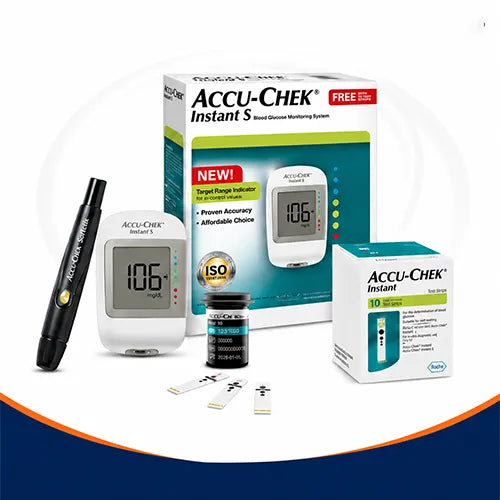
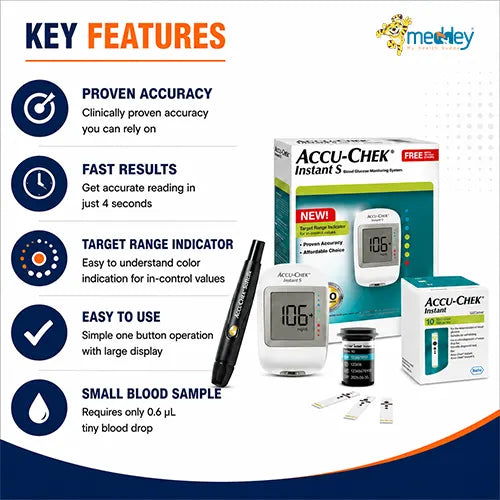

Save 45%
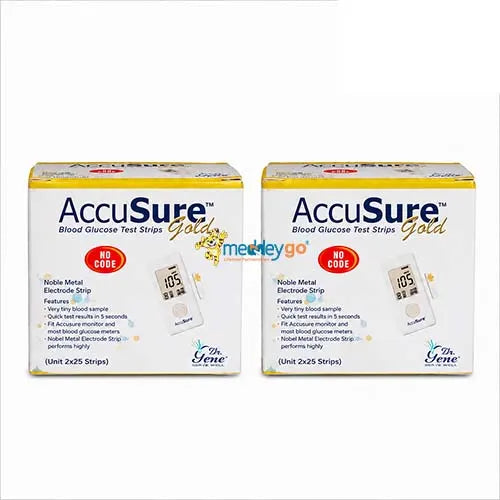
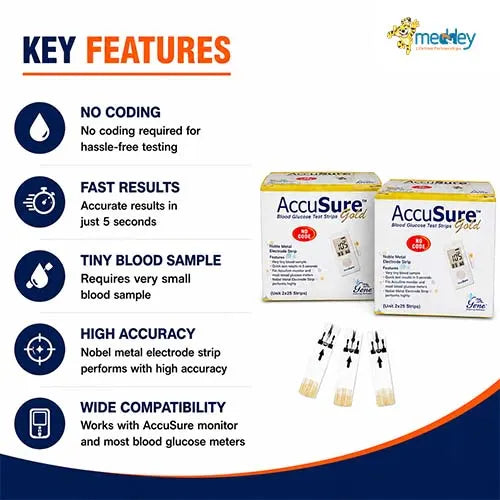

Accu-Chek Instant Strips: Use, Compatibility, Price & Blood Sugar Testing Guide
Accu-Chek Instant strips are blood glucose test strips designed for use with compatible Accu-Chek Instant blood glucose monitoring systems. They are used with a glucometer to quantitatively measure glucose in a small blood sample, helping people with diabetes and healthcare professionals monitor blood glucose levels as part of an overall diabetes management plan.
Blood glucose test strips are one of the most important consumable components of self-monitoring of blood glucose, commonly abbreviated as SMBG. A blood glucose meter cannot provide a test result without the correct compatible strip, and strips from one meter family should not automatically be assumed to work with another meter.
For doctors, healthcare professionals, medical students, clinics and hospitals, understanding strip compatibility, sample requirements, storage, single-use handling and interpretation of glucose readings is important for safe and reliable monitoring. For home users, correct technique is equally important because contaminated fingers, expired strips, insufficient blood or incompatible strips may affect results.
This professional guide explains how Accu-Chek Instant test strips work, how to use them correctly, which meters they are intended for, how they differ from Accu-Chek Guide test strips, how often blood glucose may need to be tested, whether a test strip can be reused, which finger is commonly used for testing and how to interpret blood glucose results appropriately.
Healthcare professionals and users can also explore glucometers and blood glucose test strips available on Meddey.
What Are Accu-Chek Instant Strips?

Accu-Chek Instant strips are disposable in-vitro diagnostic test strips developed for blood glucose monitoring with compatible Accu-Chek Instant meters.
During testing, a small blood sample is applied to the strip. The meter and strip system then analyse the glucose concentration and display a blood glucose result.
Accu-Chek Instant test strips are intended to be part of a blood glucose monitoring system rather than functioning as independent diagnostic products. The meter, strip and testing procedure work together as one system.
The Accu-Chek Instant platform is designed to simplify glucose testing by using a wide blood application area along the yellow edge of the test strip. This can make sample application easier than systems requiring blood to be placed on one very small target point.
Key Features of Accu-Chek Instant Test Strips
| Feature | Details |
|---|---|
| System | Accu-Chek Instant blood glucose monitoring system |
| Sample requirement | Approximately 0.6 μL of blood |
| Blood application | Blood can be applied along the yellow edge of the strip according to the device instructions |
| Testing purpose | Blood glucose monitoring |
| Use type | Single-use disposable test strip |
| System standard | Accu-Chek states that the Instant system fulfills ISO 15197:2013 / EN ISO 15197:2015 requirements |
How Do Accu-Chek Instant Strips Work?
A blood glucose strip contains chemical reagents that react with glucose in the blood sample. Once the blood reaches the appropriate reaction area, the compatible meter detects an electrochemical signal associated with the glucose concentration.
The glucometer processes this signal and displays the blood glucose result in the unit configured for that meter, commonly mg/dL or mmol/L depending on the market and model.
The test strip therefore performs an essential measurement role, but the accuracy of the result depends on the complete testing system and proper use.
Factors that can affect the quality of a glucose result include:
- Using the correct compatible test strip
- Using strips before their expiry or use-by date
- Correct storage
- Clean and dry hands
- Correct blood sample volume
- Proper meter operation
- Environmental conditions
- Patient physiology
- Correct testing technique
How Do I Use Accu-Chek Instant Strips?
The exact operating procedure should always follow the instructions supplied with the specific Accu-Chek Instant meter and test strips. A typical fingerstick blood glucose test follows these general steps.
Step 1: Prepare the Meter and Testing Supplies
Keep the compatible Accu-Chek Instant meter, test strip, lancing device, lancet and appropriate disposal materials ready before beginning the test.
Check that the strips are:
- Compatible with the meter
- Within their use-by date
- Stored correctly
- Free from obvious damage or contamination
Step 2: Wash and Dry the Hands
Wash the hands with soap and water where possible and dry them thoroughly.
Food residue, sugar-containing substances, moisture or contamination on the fingers may affect a capillary glucose measurement. Proper hand preparation is therefore an important part of blood glucose testing.
Step 3: Insert the Test Strip
Remove one fresh Accu-Chek Instant test strip and insert it into the compatible meter according to the manufacturer's instructions.
Keep the strip container closed when not removing a strip, because prolonged exposure to unsuitable environmental conditions may affect test-strip performance.
Step 4: Obtain a Small Blood Sample
Use the lancing device to obtain a capillary blood sample from the finger.
For routine fingertip testing, the side of the fingertip is commonly used because it may be more comfortable than repeatedly puncturing the central fingertip pad.
Step 5: Apply Blood to the Strip
Bring the blood drop to the yellow edge of the Accu-Chek Instant strip. The strip is designed to draw the required sample into the reaction area.
The Accu-Chek Instant strip requires only a small blood sample of approximately 0.6 μL.
Do not deliberately apply a second drop after testing has already begun unless the manufacturer instructions for the exact system specifically permit it. Accu-Chek states that the Instant strip is not designed for a second blood application once the test has started.
Step 6: Wait for the Result
The meter processes the sample and displays the glucose reading.
Record the result where appropriate, especially when a healthcare professional has asked for structured glucose monitoring at particular times of day.
Step 7: Dispose of Used Materials Safely
Discard the used test strip after one test. Used lancets should also be handled and disposed of according to applicable sharps-safety guidance.
Which Strips Are Compatible with Accu-Chek Instant?
The Accu-Chek Instant meter is designed to be used with the Accu-Chek Instant test strip specified for that system.
Users should not assume that every test strip carrying the Accu-Chek brand is interchangeable.
| Test Strip Family | Meter Family | Interchangeable with Instant? |
|---|---|---|
| Accu-Chek Instant Test Strips | Accu-Chek Instant compatible system | Yes, when specified for the exact compatible meter |
| Accu-Chek Guide Test Strips | Accu-Chek Guide, Guide Me and Guide Link systems | No |
| Accu-Chek Active Test Strips | Accu-Chek Active system | No |
| Accu-Chek Aviva Test Strips | Compatible Aviva-family meters | No |
The safest purchasing approach is to check the exact meter model written on the device and compare it with the compatibility information printed on the test-strip packaging.
Are Accu-Chek Guide Test Strips the Same as Accu-Chek Instant Strips?
No. Accu-Chek Guide test strips and Accu-Chek Instant strips belong to different glucose monitoring platforms.
Accu-Chek Guide test strips are designed for compatible Guide-family meters such as Accu-Chek Guide, Guide Me and Guide Link. They should not be purchased as substitutes for Instant strips unless the manufacturer's documentation for the exact meter specifically states compatibility.
This distinction is important because users searching online may encounter several Accu-Chek strip names and assume that the strips differ only in packaging.
Blood glucose monitoring systems are engineered and validated as combinations of meters and matching strips. Using an incompatible strip may prevent testing or produce unreliable operation.
Accu-Chek Instant vs Accu-Chek Guide Test Strips
| Parameter | Accu-Chek Instant Strips | Accu-Chek Guide Test Strips |
|---|---|---|
| Primary system | Accu-Chek Instant family | Accu-Chek Guide family |
| Use | Blood glucose monitoring | Blood glucose monitoring |
| Compatibility | Use only with specified compatible Instant meter | Guide, Guide Me and Guide Link systems where specified |
| Can one replace the other? | No | No |
How Many Times Can Glucometer Strips Be Used?
A glucose test strip should be used only once.
After blood has been applied and the chemical reaction has occurred, the strip should be discarded. It should not be cleaned, dried, turned around or inserted again for another blood glucose test.
Reusing a test strip can produce unreliable results because:
- The chemical reaction area has already been exposed
- Blood remains on the strip
- The reagent system has already been activated
- Contamination may occur
- The meter is not designed to interpret a reused strip as a fresh test
A new strip should therefore be used for every glucose measurement.
Can Accu-Chek Instant Strips Be Reused?
No. Accu-Chek Instant test strips are single-use consumables.
If a test fails because too little blood was applied or an error occurred, use a new test strip and repeat the procedure according to the manufacturer's instructions.
Accu-Chek states that an E-4 error may occur when insufficient blood reaches an Instant test strip. The user should not attempt to add another blood sample to the already-started strip if the system does not permit redosing.
What Is the Normal Sugar Level in Accu-Chek?
An Accu-Chek meter does not create a separate medical definition of a “normal” blood sugar level. It measures glucose, while interpretation depends on whether the person has diabetes, the timing of the test, pregnancy status, clinical condition and individualized treatment targets.
For diagnosing diabetes in people who have not already been diagnosed, laboratory-based criteria are used. A home glucometer should not be used by itself to diagnose diabetes.
Commonly referenced laboratory fasting glucose categories include:
| Fasting Plasma Glucose | General Diagnostic Category |
|---|---|
| 99 mg/dL or below | Normal range |
| 100–125 mg/dL | Prediabetes range |
| 126 mg/dL or above | Diabetes range when diagnostic criteria and confirmation requirements are met |
These are diagnostic laboratory categories and should not be confused with individualized day-to-day glucose targets for a person already living with diabetes.
Blood Glucose Targets for People with Diabetes
For many nonpregnant adults with diabetes, commonly used professional targets include:
| Testing Time | Common Target for Many Nonpregnant Adults with Diabetes |
|---|---|
| Before meals | Approximately 80–130 mg/dL |
| 1–2 hours after beginning a meal | Less than 180 mg/dL |
These targets should not be applied universally. Doctors may recommend different glucose goals based on age, medications, hypoglycaemia risk, pregnancy, comorbidities and other clinical factors.
What Is the Accu-Chek Instant Target Range Indicator?
Selected Accu-Chek Instant meters use a target-range indicator to help users visually interpret whether the displayed glucose value falls within, above or below a configured target range.
Accu-Chek documentation lists a default target range on some Instant systems of approximately 3.9–8.9 mmol/L, equivalent to roughly 70–160 mg/dL.
This device display range should not automatically be interpreted as the medically correct target for every patient. Individual glycaemic targets should be determined with the healthcare professional managing the patient's diabetes.
How Many Glucose Test Strips Should Be Used Per Day?
There is no single number of glucose strips that every person with diabetes should use each day.
The required testing frequency depends on the clinical situation and treatment plan.
Factors include:
- Type of diabetes
- Use of insulin
- Type and timing of insulin regimen
- Use of medications that can cause hypoglycaemia
- Pregnancy
- Recent medication changes
- Illness
- Exercise
- History of low blood glucose
- Ability to recognize hypoglycaemia
- Use of continuous glucose monitoring
- Healthcare professional recommendations
How Often Should Someone on Insulin Test?
Some individuals using insulin may need blood glucose checks multiple times during the day, particularly when the result is being used to make treatment decisions.
Testing may be recommended around:
- Meals
- Insulin dosing
- Exercise
- Symptoms of hypoglycaemia
- Symptoms of hyperglycaemia
- Driving or other safety-sensitive activities where clinically relevant
- Illness
The schedule should be individualized by the treating healthcare team.
How Often Should Someone with Type 2 Diabetes Test?
Testing frequency in type 2 diabetes varies considerably.
A person using intensive insulin therapy may require substantially more fingerstick testing than a person whose type 2 diabetes is stable and managed without medications that commonly cause hypoglycaemia.
Structured short-term blood glucose monitoring may also be used to understand responses to meals, physical activity or treatment changes.
Therefore, buying a box of Accu-Chek Instant strips should ideally be based on the person's expected testing schedule rather than assuming that every patient requires the same number each month.
Which Finger Is Most Accurate for Blood Sugar?
There is no single finger that is universally considered the “most accurate” for routine glucose measurement.
For fingertip testing, the important factors are obtaining an adequate capillary blood sample and following proper technique.
Many patients find the side of the fingertip more comfortable than the central pad. Rotating fingers and puncture sites can also reduce repeated soreness.
Common practical recommendations include:
- Use the side of a fingertip
- Rotate fingers instead of repeatedly testing one site
- Use clean, dry hands
- Use an appropriate lancet depth
- Avoid repeatedly squeezing the finger aggressively
A patient's specific meter instructions should always be followed.
Is the Index Finger or Middle Finger Better?
Both may be used for many routine fingertip measurements. There is generally no need to select one finger because it is thought to produce a medically superior glucose result.
The user should choose an appropriate finger that provides a sufficient sample while rotating testing sites to maintain comfort.
Can Blood Be Taken from Somewhere Other Than the Fingertip?
Some Accu-Chek Instant configurations support alternative-site testing from locations such as the palm, forearm or upper arm, but alternative-site testing has important limitations.
Glucose concentrations at alternative sites can lag behind fingertip blood when glucose is changing rapidly.
A fingertip sample may therefore be preferred when:
- Hypoglycaemia is suspected
- Glucose is changing quickly
- The patient's symptoms do not match an alternative-site reading
- A rapid treatment decision is required
Always follow the user manual for the specific meter and seek professional guidance before routinely using alternative test sites.
Can Accu-Chek Instant Be Used to Diagnose Diabetes?
No. A home Accu-Chek Instant meter should not be used by itself to diagnose diabetes.
Blood glucose meters are intended primarily for glucose monitoring. Diagnosis of diabetes is based on recognized clinical criteria using appropriate laboratory testing and professional interpretation.
When a home glucometer repeatedly displays values outside the expected range, the patient should seek medical evaluation rather than making a new diagnosis independently.
Why Accurate Glucose Testing Technique Matters
The quality of blood glucose monitoring is influenced by both the meter and the user's technique.
Potential causes of unexpected readings include:
- Food or sugar residue on the fingers
- Wet hands
- Expired strips
- Incorrect strip storage
- Insufficient blood
- Use of an incompatible strip
- Damaged strips
- Extreme environmental conditions
- Incorrect sampling technique
- Physiological conditions affecting peripheral circulation
Should You Squeeze the Finger During Blood Sugar Testing?
Excessive squeezing should generally be avoided. Strong pressure around the puncture site may affect the sample and can make testing uncomfortable.
To help obtain a suitable drop of blood:
- Wash the hands with warm water
- Keep the hand relaxed
- Allow the hand to hang down briefly if needed
- Use an appropriate lancing depth
- Gently encourage blood flow rather than aggressively squeezing the fingertip
Can You Touch Accu-Chek Instant Strips?
Accu-Chek states that its Instant strip design includes a protective barrier along the strip, allowing normal handling while protecting the strip chemistry.
Even so, strips should be handled with clean and dry hands.
Avoid:
- Wet fingers
- Contaminating the test area
- Bending or damaging the strip
- Leaving strips unnecessarily exposed outside their container
What Happens If Too Little Blood Is Applied?
Accu-Chek documentation states that an insufficient sample may produce an E-4 error on the Instant meter.
If this occurs:
- Discard the used strip.
- Check the testing technique.
- Use a fresh strip.
- Obtain an adequate blood drop.
- Repeat the test according to the manufacturer's instructions.
Do not attempt to continue using a strip that has already failed after blood application.
Can a Second Drop of Blood Be Added to Accu-Chek Instant Strips?
Accu-Chek states that a second dose should not be applied after the Instant test has started.
If the first blood sample was insufficient, use a new strip rather than attempting to refill the used strip.
How Should Accu-Chek Instant Strips Be Stored?
Correct storage helps preserve test-strip performance.
General precautions include:
- Keep strips in their original container
- Close the container properly after removing a strip
- Keep strips dry
- Avoid unnecessary heat exposure
- Avoid excessive humidity
- Do not use damaged strips
- Check the manufacturer's storage-temperature instructions
- Check the use-by date before testing
Never transfer strips into an unlabelled container because the original packaging provides important product and expiry information.
Can Expired Accu-Chek Instant Test Strips Be Used?
Expired blood glucose strips should not be relied upon for clinical blood glucose monitoring.
Although a meter may not necessarily prevent an expired strip from being inserted, the user should follow the test-strip package instructions and avoid strips beyond their stated use-by date.
For clinics and hospitals, routine stock rotation can help prevent expired strips from remaining in active testing areas.
Accu-Chek Instant Test Strips for Home Monitoring
For home users, the practical value of Accu-Chek Instant test strips depends on maintaining a reliable supply of strips that match the meter.
Important home-use considerations include:
- Number of tests recommended per day
- Pack size
- Expiry date
- Storage environment
- Strip availability
- Cost per test
- Meter compatibility
A person who checks glucose four times per day may use approximately 120 strips in 30 days, whereas another person may use substantially fewer. Testing frequency should be based on clinical need rather than strip availability alone.
Accu-Chek Instant Test Strips for Clinics and Hospitals
Healthcare facilities require additional attention to blood glucose testing procedures.
Procurement teams should consider:
- Compatible meter inventory
- Strip pack sizes
- Expiry management
- Storage
- Staff training
- Quality-control processes
- Infection prevention
- Documentation requirements
- Expected testing volume
Blood glucose meters intended primarily for individual self-monitoring should not automatically be shared between multiple patients. Healthcare institutions should use systems according to their labelled intended use and infection-control requirements.
Why Single-Patient Use Matters
Blood glucose testing involves blood exposure.
Lancing devices and certain self-monitoring equipment may be intended for one person only. Sharing inappropriate blood-testing equipment can create a risk of bloodborne pathogen transmission.
Healthcare professionals should therefore follow the manufacturer's intended-use information and institutional infection-prevention procedures.
Accu-Chek Instant Price and Cost Considerations
The search term Accu-Chek Instant price may refer to either the glucometer itself or the ongoing cost of test strips.
For long-term diabetes monitoring, strip cost is particularly important because test strips are consumables and must be replaced after every measurement.
The total monthly cost depends on:
- Number of daily tests
- Pack size
- Current retail price
- Discounts
- Clinical testing schedule
- Availability of strips
Online prices can change, so current product listings should be checked before purchase.
Meddey currently lists an Accu-Chek Instant S Test Strips pack containing 100 strips as two packs of 50.
How to Calculate Monthly Test Strip Requirement
| Tests Per Day | Approximate Strips for 30 Days |
|---|---|
| 1 | 30 strips |
| 2 | 60 strips |
| 3 | 90 strips |
| 4 | 120 strips |
| 6 | 180 strips |
This table is only a supply-planning example. It does not prescribe how frequently an individual should test.
When Should Blood Sugar Be Tested?
The timing of glucose monitoring should match the patient's treatment plan and the clinical question being assessed.
A healthcare professional may recommend testing:
- On waking
- Before meals
- After meals
- Before or after exercise
- At bedtime
- When symptoms suggest hypoglycaemia
- When symptoms suggest hyperglycaemia
- During illness
- After treatment adjustments
Not every patient needs all of these testing times.
What Should You Do If a Reading Seems Wrong?
If a glucose result appears inconsistent with symptoms or expectations:
- Wash and dry the hands thoroughly.
- Check that the strip is correct for the meter.
- Check the strip expiry date.
- Use a new strip.
- Repeat the test using correct technique.
- Follow control-test procedures if recommended by the manufacturer.
- Seek clinical advice if unexpected values continue.
Do not ignore symptoms simply because a glucometer displays a value that appears acceptable.
Can Glucometer Results Differ from Laboratory Results?
Yes. A home blood glucose meter and a laboratory analyser use different testing systems and sample conditions, so identical results should not always be expected.
Home blood glucose meters are designed for point-of-care or self-monitoring within defined performance requirements rather than to replace laboratory diagnostic testing.
Factors such as sample type, timing, physiology and measurement uncertainty can contribute to differences.
Benefits of Regular Blood Glucose Monitoring
When clinically indicated, blood glucose monitoring can help patients and healthcare professionals understand how glucose responds to:
- Meals
- Medication
- Insulin
- Physical activity
- Illness
- Stress
- Changes in daily routine
Monitoring information becomes most useful when results are interpreted in context rather than viewed as isolated numbers.
Accu-Chek Instant Test Strips vs Continuous Glucose Monitoring
Fingerstick blood glucose monitoring and continuous glucose monitoring, or CGM, measure glucose in different ways.
| Feature | Fingerstick Test Strip | CGM |
|---|---|---|
| Sample | Blood | Interstitial fluid |
| Measurement | Single point-in-time glucose value | Repeated glucose values and trends |
| Consumable | One strip for each test | Sensor changed according to its wear period |
| Clinical role | Direct blood glucose check | Ongoing glucose monitoring and trends |
Even people using CGM may sometimes require access to a blood glucose meter, depending on their device instructions, symptoms and clinical circumstances.
Professional Buying Guide for Accu-Chek Instant Test Strips
Before purchasing test strips, check the following:
- Meter model: Confirm the exact Accu-Chek meter name.
- Compatibility: Buy only strips specified for that meter.
- Pack size: Estimate usage according to the testing plan.
- Expiry: Ensure strips can be used before the stated use-by date.
- Packaging: Choose intact original packaging.
- Storage: Make sure strips can be stored under appropriate conditions.
- Supply continuity: Choose a strip family that is reliably available.
- Cost per test: Consider ongoing strip cost rather than glucometer price alone.
Frequently Asked Questions About Accu-Chek Instant Strips
1. How do I use Accu-Chek Instant strips?
Insert a fresh compatible Accu-Chek Instant strip into the meter, obtain a capillary blood sample using the lancing device, apply the blood to the yellow edge of the strip and wait for the meter to display the result. Follow the exact user manual supplied with the meter.
2. Which strips are compatible with Accu-Chek Instant?
Use the Accu-Chek Instant test strips specified for the compatible Instant system. Do not substitute Accu-Chek Guide, Active, Aviva or another test-strip family unless the manufacturer specifically states compatibility.
3. Are Accu-Chek Guide test strips compatible with Accu-Chek Instant?
No. Accu-Chek Guide strips are intended for compatible Guide-family meters and are not the same product as Accu-Chek Instant strips.
4. How much blood does an Accu-Chek Instant strip need?
Accu-Chek documentation states that the Instant strip requires approximately 0.6 μL of blood.
5. Can Accu-Chek Instant strips be used twice?
No. Blood glucose test strips are single-use products. Use one fresh strip for every blood glucose test.
6. Can I add more blood if the sample is too small?
Accu-Chek states that the Instant strip does not allow a second dose after the test has started. If the sample is insufficient, discard the strip and repeat the test with a new one.
7. What does E-4 mean on Accu-Chek Instant?
An E-4 error can indicate that insufficient blood was applied to the test strip. Review the instructions and repeat the measurement with a fresh strip.
8. What is the normal sugar level in Accu-Chek?
The meter itself does not define a universal normal blood glucose level. For laboratory fasting glucose, 99 mg/dL or below is generally considered normal, 100–125 mg/dL is in the prediabetes range and 126 mg/dL or above may meet a diabetes diagnostic criterion when appropriate confirmation and clinical requirements are satisfied.
9. What blood sugar target is recommended for people with diabetes?
For many nonpregnant adults, professional guidance commonly uses a premeal target of 80–130 mg/dL and a postmeal target below 180 mg/dL at 1–2 hours after the beginning of a meal. Individual targets may differ.
10. How many glucose test strips should be used each day?
There is no universal number. The testing schedule depends on diabetes type, insulin use, medications, pregnancy, symptoms, treatment changes and clinician recommendations.
11. Which finger is most accurate for blood sugar testing?
No single finger is universally more accurate. The side of a fingertip is commonly used for comfort. Rotate fingers and use clean, dry hands to obtain a proper sample.
12. Can I use the same lancet repeatedly?
Lancet handling should follow the lancing-device manufacturer's instructions and infection-control recommendations. In healthcare settings, lancets and finger-pricking equipment require particular attention to single-patient use and sharps safety.
13. Can I use expired Accu-Chek Instant strips?
Do not rely on expired strips. Use strips within the stated use-by period and according to manufacturer storage instructions.
14. Can Accu-Chek Instant diagnose diabetes?
No. Home blood glucose monitoring systems are intended for monitoring. Diagnosis requires appropriate clinical evaluation and recognized laboratory criteria.
15. What is the Accu-Chek Instant price?
The price of the meter and strips can vary by pack size, seller, discounts and availability. For current pricing, check the live product listing rather than relying on an older quoted price.
Professional Checklist Before Testing
- Confirm the correct meter and strip combination.
- Check the strip use-by date.
- Wash and dry the hands.
- Insert one fresh strip.
- Use an appropriate lancing device.
- Obtain an adequate capillary sample.
- Apply blood according to the meter instructions.
- Do not reuse the strip.
- Record the result where clinically required.
- Dispose of sharps appropriately.
- Investigate repeated unexpected results.
- Follow individualized glucose targets.
Where to Buy Accu-Chek Instant Test Strips Online?
When buying Accu-Chek Instant test strips online, users should check the exact meter compatibility, pack size, expiry information and product packaging before purchase.
Meddey provides blood glucose monitoring products for home users, healthcare professionals, clinics and hospitals.
Accu-Chek Instant S Test Strips – 100 Strips:
https://meddey.com/products/accu-chek-instant-s-100-strips
Browse Glucometers and Test Strips:
https://meddey.com/collections/diabetes-care-glucometers
Visit Meddey:
https://meddey.com/
Conclusion
Accu-Chek Instant strips are an important consumable component of the Accu-Chek Instant blood glucose monitoring system. When used with the correct compatible meter, they provide a convenient method for obtaining point-in-time glucose readings from a small blood sample.
Reliable testing depends on much more than inserting a strip into a glucometer. Users should confirm compatibility, use a fresh strip for every test, check expiry dates, store strips correctly, prepare the hands properly and apply an adequate blood sample.
Accu-Chek Instant test strips should not be confused with Accu-Chek Guide test strips or other Accu-Chek strip families. Each blood glucose meter system requires the strip specified by its manufacturer.
There is also no universal glucose-testing schedule. The number of Accu-Chek Instant strips required per day depends on the person's diabetes treatment, insulin use, glucose stability and clinical monitoring plan.
Similarly, the phrase “normal sugar level in Accu-Chek” should be interpreted carefully. An Accu-Chek meter measures glucose but does not create a separate medical normal range. Diagnostic laboratory criteria and individualized treatment targets should be distinguished from each other.
For doctors, healthcare professionals and medical students, the most important principles are correct meter-strip matching, good sampling technique, appropriate interpretation and integration of glucose results into the broader clinical picture.
Home users and healthcare institutions can compare current glucometers and blood glucose test strips at Meddey according to their monitoring requirements.
Medical Disclaimer
This article is intended for educational and general informational purposes only. It does not replace diagnosis, individualized diabetes management, medical advice or treatment from a qualified healthcare professional. Blood glucose targets and testing frequency should be individualized. Home blood glucose meters should not be used independently to diagnose diabetes. People with repeated abnormal glucose values, symptoms of hypoglycaemia or hyperglycaemia, or results that do not match their symptoms should seek appropriate professional assessment.
Professional References
- Accu-Chek – Accu-Chek Instant Product and Support Information
Accu-Chek India - American Diabetes Association – Blood Glucose Monitoring and Diabetes Care
Checking Your Blood Glucose - American Diabetes Association – Standards of Care in Diabetes 2026
Standards of Care in Diabetes—2026 - Centers for Disease Control and Prevention – Diabetes Testing
Diabetes Testing - U.S. Food and Drug Administration – Blood Glucose Monitoring Devices
Blood Glucose Monitoring Devices
``` [1]: https://qa.test.accu-chek.com/blood-glucose-meters/instant/support "Instant support | Accu-Chek.co.uk" [2]: https://www.accu-chek.com/products/strips/guide?utm_source=chatgpt.com "Accu-Chek Guide Test Strips"
Explore Medical Collections
All Categories
Abdominal & Maternity Support

Accessories

Accu-Chek Instant Strips: Use, Compatibility, Price & Blood Sugar Testing Guide
Accu-Chek Instant Strips: Uses, Features & Complete Guide

accupuncture

Acupuncture Needles & Supplies

Advanced Physiotherapy Machines & Lumbar Physiotherapy

Airways

Ambulance

Anatomy Models
Anesthesia Machine

Anesthesia Products
Ankle Support for Home Use: Braces, Sleeves & Walker Boots
Ankle Weights & Exercise Weights for Home & Rehab

Anti-Bedsore Air Mattresses
You may also need
FOR YOURecommended for you
Save 13%
Save 9%
Save 45%