


Featured Choice

What customers say
★★★★★ 5.0 · 2 reviews
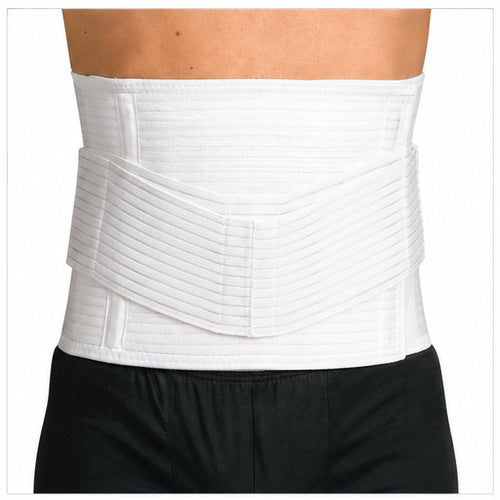
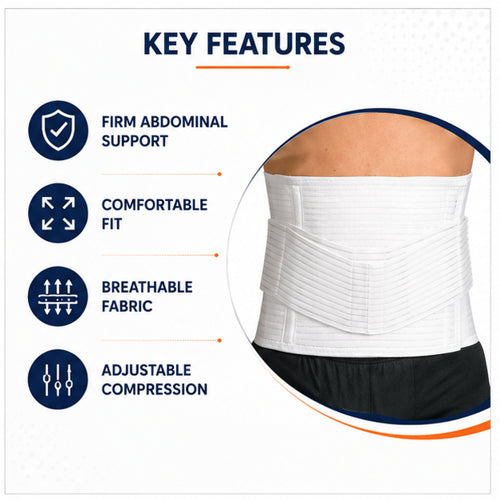
 Velpeau Abdominal Classic Support Belt for Abdominal Wall Support
“Supportive, comfortable, perfect for recovery!”
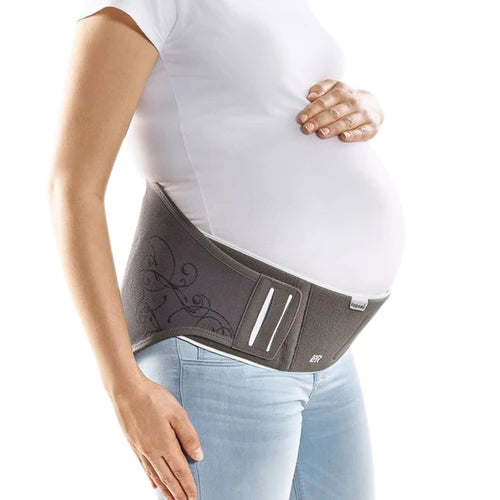
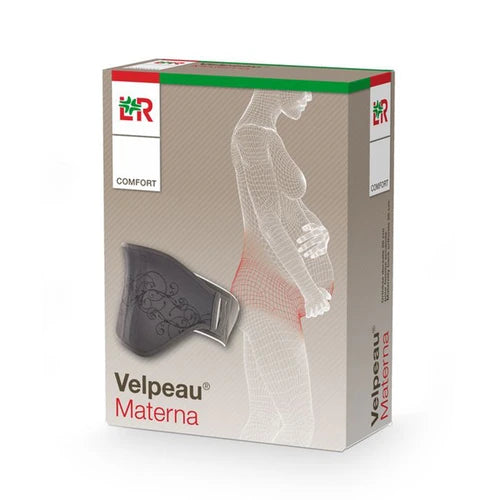
 Pregnancy Belt Materna Comfort from Velpeau France
“The Pregnancy Belt Materna Comfort from Velpeau France is a lifesaver! It provides excellent support and re...”
Abdominal Belt: Support After Surgery, in Pregnancy and After Delivery
An abdominal belt is an adjustable support worn around the abdomen, usually to provide comfort during recovery from surgery or childbirth; a maternity support is designed differently for pregnancy. The right support may make movement more comfortable, but its purpose, fit, and suitability depend on your condition. Use an abdominal binder only on a healthcare professional’s advice, with clear instructions about positioning, wound care, and when to remove it.
What is an abdominal belt used for after surgery?
After abdominal surgery, an abdominal belt may be prescribed to support the abdominal wall and reduce discomfort during movement. Some patients find that an elastic abdominal binder makes standing or walking feel more manageable. It is an addition to the recovery plan, not a replacement for prescribed pain relief, wound care, or the activity advice provided by the surgical team.
The most useful starting point is a specific goal. Rather than asking whether everyone should wear support, ask what your abdominal binder is intended to help you do. Your clinician might suggest trying it during an approved walk or another movement that currently feels uncomfortable, then checking whether it provides a worthwhile benefit.
An abdominal belt supports movement; it does not allow extra activity
Research following major abdominal surgery has explored whether abdominal belt improves walking performance, pain, and distress. Some findings support its use for comfort and mobility, but a more comfortable movement is not evidence that the operated tissues are ready for additional strain. Follow your own postoperative restrictions even if the abdominal binder makes you feel more secure.
For example, if your team has cleared a gentle walk, the practical question is whether the abdominal binder helps that walk feel easier. It should not become a reason to carry something your surgeon has told you to avoid. Keep the prescribed activity limit and the abdominal belt decision separate; they answer different questions about recovery.
A belt’s name does not show it suits you
“Abdominal belt,” “abdominal binder,” and “abdominal support” are often used for overlapping types of products. However, devices differ in their depth, elasticity, fastenings, and intended application. The correct choice depends on the reason for support and the area that needs coverage, not simply on the wording on a product listing.
Bring the product instructions to your appointment if you already own an abdominal belt. Ask the clinician to confirm whether that particular device is appropriate rather than assuming any wrap will work. A brief fitting demonstration is more useful than trying to copy a photograph without knowing whether it shows the same clinical situation.
A hernia belt should be used only after a doctor confirms that it is appropriate for the individual condition; do not self-select one as a substitute for assessment.
Abdominal support after a C-section
A postpartum abdominal binder can be an optional comfort aid after a C-section, but it is not essential for everyone. Clinical studies have produced differing results: some report improvements in discomfort or mobility, while another found no significant improvement in pain or distress. That variation is a reason to assess individual benefit rather than promise a particular outcome.
Can an abdominal belt reduce pain after a C-section?
An abdominal binder may ease pain after a C-section for some patients, particularly during movement. One randomized pilot trial reported lower pain scores with an elastic abdominal binder, while another study found improved walking performance and reduced distress. Neither result means that every patient will feel better or that stronger compression will provide greater relief.
Judge the belt against an ordinary, approved activity rather than its firmness. Can you stand more comfortably without holding your breath? Does a gentle walk feel easier without the edges pressing or rubbing? Share those observations with your maternity team, especially if the abdominal binder seems helpful in one position but uncomfortable in another.
Continue the pain-management plan your clinician recommends. If pain is increasing, unexpectedly severe, or preventing basic movement, seek advice rather than pulling the abdominal binder tighter. A belt should not conceal a problem that needs assessment, and discomfort should not be treated as something you must tolerate to obtain a benefit.
When can you start wearing an abdominal belt after a C-section?
Doctors may suggest a binder after a C-section when they believe it could improve comfort and can be fitted safely around the incision and dressing. Some clinical trials fitted abdominal binders immediately after surgery under professional supervision. This is different from independently applying a tightly compressed retail product at home.
There is no universal starting day that applies to every patient. Before using an abdominal binder, ask the maternity team to review the incision, dressing, skin, symptoms, and product. If the team has already fitted one, request a demonstration of how to remove and reapply it without disturbing your wound care.
Useful questions for discharge include:
What is the abdominal belt intended to help with in my case?
Where should its upper and lower edges sit?
Should it be worn over a particular clothing layer or dressing?
Which activities justify using it, and when should I remove it?
Who should I contact if it becomes uncomfortable or no longer fits?
Ask your surgeon before using a belt over an unhealed wound
Do not independently place a binder over an unhealed C-section wound. A fresh but closed surgical incision is not the same as an open, separating, bleeding, or infected wound. Early postoperative use may be appropriate when the surgical team approves the device and application, but applying compression too soon without that assessment risks inappropriate pressure or interference with wound care.
Never use a standard abdominal binder directly over an open wound unless the treating team has specifically prescribed an appropriate arrangement. Do not reposition dressings or add padding simply to make an abdominal belt fit. Ask the nurse or surgeon to show you the safe arrangement, particularly if a fastening or edge sits near the incision.
Contact your maternity team if the incision becomes more painful, red, swollen, or starts discharging fluid or pus. Do not cover those changes and wait for the abdominal binder to solve them. Wound assessment takes priority over continuing the device.
Is a postpartum abdominal belt necessary?
A postpartum belt should have an identifiable role in your recovery rather than becoming another obligation after delivery. Ask whether the reason for using it applies to your delivery and symptoms, especially if you did not have a C-section. Evidence from surgical patients should not automatically be treated as evidence that every postpartum person needs abdominal compression.
It can help to write down the goal agreed with your clinician, such as improved comfort during an approved activity. At review, describe whether that goal was met and what problems occurred. This keeps the discussion focused on your experience rather than whether you have worn the abdominal belt as often as someone else.
How is a maternity belt different from a postpartum belt?
A maternity belt is intended for use during pregnancy, usually to help support the lower abdominal or pelvic region when a clinician identifies a suitable reason. A postpartum belt or abdominal binder is used after delivery, often to provide comfort following a C-section. Their purposes and positioning differ, so a postpartum compression wrap should not be substituted for pregnancy support without professional advice.


The word “support” can make these products sound interchangeable. It is more useful to distinguish the body area being supported and the problem being addressed. Show your clinician the actual device if the labeling is unclear or if you are considering reusing a product from an earlier pregnancy.
Support type |
Typical context |
Intended role |
Main fitting priority |
|---|---|---|---|
Postoperative abdominal binder |
Recovery after selected abdominal operations |
Support and comfort during approved movement |
Coverage appropriate to the operation, without interfering with wound care |
Postpartum abdominal binder |
After delivery, including selected C-section recoveries |
Optional abdominal binder for comfort |
Incision clearance, comfortable pressure, and accessible wound monitoring |
Maternity support belt |
During pregnancy |
Support for selected pregnancy-related discomfort |
Clinician-guided positioning without tight compression across the pregnant abdomen |
Pelvic support belt |
Pregnancy-related pelvic girdle pain |
Support directed toward the pelvic region |
Placement matched to the assessed pain pattern |
These are practical distinctions, not a recommendation to buy every category. Your maternity or rehabilitation professional can help identify whether a support is appropriate and which design matches the problem.
Can a maternity belt ease back or pelvic discomfort?
A maternity belt can help some people with pregnancy-related back strain or pelvic girdle pain, but it is not a reliable solution for every kind of back pain. NICE advises considering physiotherapy referral for exercise advice and/or a non-rigid lumbopelvic support for pregnancy-related pelvic girdle pain. Its guidance also recognizes that the supporting evidence is limited.
A clinician should first assess the location and pattern of discomfort. Pain across the lower back, around the pubic area, or during activities such as walking and turning in bed may need a more targeted approach than a broad abdominal wrap. Health services describe pelvic support as one possible part of physiotherapy care, alongside other individualized advice.
The practical benefit to look for is better comfort during the activity being addressed. If the maternity support simply shifts pressure elsewhere or makes movement harder, report that rather than tightening it. A fitting review can help determine whether the problem is placement, design, or whether support is useful at all.
Is a stiffer abdominal belt better?
Pregnancy-support studies do not establish that a firmer or more restrictive device always works better. A small randomized trial found that participants preferred a flexible pelvic support, while another trial found that adding a belt did not improve several outcomes beyond exercise and advice. The sensible takeaway is to match the device to the person, not to seek maximum stiffness.
When discussing a trial of maternity support, identify one activity that matters to you and ask how to assess the result. Examples might include an approved walk or standing for a necessary household task. Keep the activity within your clinician’s advice, and do not continue an uncomfortable device merely because its description sounds suitable.
How do I choose the right abdominal belt size?
Choose an abdominal belt size by measuring your abdomen at the location specified in that product’s sizing instructions, then comparing the result with its own size chart. Do not rely only on your usual clothing size or assume that measurements transfer between products. If you are recovering from surgery, pregnant, or unsure where the belt should sit, ask a healthcare professional to help with measuring and fitting.
Sizing is only the first decision. The abdominal belt must also have suitable depth, usable fastenings, and a shape that remains comfortable in the positions in which you will use it. A product that closes successfully can still be the wrong fit if it rubs, folds, or interferes with the area that needs care.
How do you measure for an abdominal belt?
Use the manufacturer’s measurement instructions rather than a generic online rule. Some supports are described as universally adjustable, while others use a range of sizes; those descriptions do not eliminate the need to check fit. Professional fitting is particularly useful when dressings, abdominal tubing, or other care needs affect where the abdominal belt can safely lie.
For a practical measuring appointment:
Bring the proposed support or its complete sizing instructions.
Ask the clinician to confirm the intended wearing position before measuring.
Follow the specified measurement method without deliberately compressing your abdomen.
Check that the fastening works securely at a comfortable setting.
Ask what changes would mean you need a different size or a fitting review.
Do not deliberately choose a smaller abdominal binder to obtain more pressure. The aim is the prescribed support at a tolerable fit, not the strongest compression the fastening can achieve. If two sizes seem plausible, ask the fitter or manufacturer for guidance instead of guessing based on how tightly you expect to wear it.
How snug should an abdominal belt feel?
An abdominal belt should feel supportive and comfortable, not painfully tight. You should not have to endure pinching, hold your breath, or ignore increasing discomfort to keep it on. Tight compression can create pressure and skin problems; stop and seek advice if the belt causes pain, altered sensation, or difficulty breathing.
Do not treat a particular fastening position as permanently correct. Check how the abdominal belt feels when you change position, and follow the fitting instructions rather than automatically pulling it tighter if it slips. Slipping or rolling deserves reassessment because it may reflect a placement or sizing problem, not a need for stronger compression.
A useful description for your clinician is specific: “The lower edge presses when I sit,” or “The abdominal belt feels comfortable standing but rubs during walking.” That gives the fitter something to investigate. “It feels wrong” is worth reporting too, but describing the position and sensation can make the review more productive.
Check that the belt works, not only that it fastens
During a supervised fitting, ask to test the positions and movements your clinician has approved. Notice whether the belt stays flat, whether the fastening is manageable, and whether you can remove it without struggling. An abdominal belt that is difficult to take off independently needs a practical plan before you rely on it at home.
Also consider access for routine care. Ask whether you need assistance to check the skin beneath the abdominal belt or to reapply it correctly. If a family member will help, have them watch the fitting rather than relying on a verbal description later.
Everyday use without unnecessary compression
Ask your doctor before using a belt, even if it is available without a prescription. The advice should cover why you are using it, its position, suitable activities, removal, and the signs that require review. Manufacturer guidance also recommends an initial fitting by an appropriately qualified healthcare professional.
Try to leave the appointment with a plan you can explain in your own words. “Use it when needed” can be difficult to interpret without examples. Ask the clinician to clarify what “needed” means for your operation, pregnancy symptoms, or postpartum recovery.
Wear an abdominal belt for a specific activity
A helpful abdominal binder is one that serves a clear purpose in the situation for which it was recommended. If the aim is comfort during approved movement, assess it in that setting rather than assuming it belongs on throughout the day. Research findings from supervised postoperative care are not a reason to invent your own continuous-wear routine.
Avoid prolonged, uninterrupted wear unless your treating professional has specifically prescribed it. There is no single wearing schedule in this article because the appropriate instructions depend on the device and clinical reason for use. Follow the individualized plan and arrange a review if you are uncertain whether to continue.
Before putting the abdominal belt on, decide what you are using it for and when you will reassess comfort. This is a simple way to avoid wearing it automatically out of habit. Keep your removal and reapplication instructions somewhere accessible, especially during the first attempts at home.
Can you eat or sleep while wearing an abdominal belt?
As a cautious default, remove the abdominal belt while eating unless your healthcare professional has specifically advised otherwise. If a prescribed support is intended to remain on, ask for meal-specific advice rather than tightening through fullness or discomfort. Report abdominal symptoms that appear or worsen with the belt instead of assuming they are an expected part of wearing it.
Do not sleep while wearing an abdominal belt unless your treating clinician explicitly advises it for your circumstances. Some product instructions specifically prohibit sleeping in the abdominal belt. A device that is suitable for an approved daytime activity is not automatically appropriate for overnight use.
Clarify naps as well as nighttime sleep when discussing your plan. If you are likely to fall asleep while resting after delivery or surgery, ask how to handle that situation. An explicit answer is more useful than assuming the same instructions apply to every period of rest.
Keep a simple comfort diary
A short record can make a follow-up conversation more useful without turning support use into a complicated task. Note the activity, where the abdominal binder sat, and whether it helped or caused discomfort. Include any skin change or difficulty putting it on and taking it off.
For example, a useful note might say: “Comfortable during the approved walk, but lower edge rubbed when seated afterward.” This is an observation, not a diagnosis. Bring the device to the review so the clinician can compare your description with the actual fit.
Do not deliberately repeat an activity that caused a concerning symptom just to confirm the pattern. Stop using the support and ask for advice when pain, skin injury, or another adverse reaction occurs. The purpose of a record is to improve communication, not to encourage testing through discomfort.
Skin protection and abdominal support care
Protecting the skin under an abdominal belt means keeping the belt clean, checking the skin regularly, and responding promptly to rubbing or irritation. Where compatible with your clinical instructions, a close-fitting cotton clothing layer can help reduce direct friction and moisture against the skin. Postoperative dressings and incision care must still follow the surgical team’s directions.
Protect the skin under the belt
Ask whether your belt should sit over clothing and which layer is appropriate. Avoid assuming that thick padding, folded fabric, or an extra dressing will make a poor fit safe. If a particular seam or edge is uncomfortable, show the clinician exactly where it presses rather than building your own workaround.
Be especially attentive if you have sensitive skin or a known reaction to elastic, adhesives, or other materials. Check the product information and discuss previous reactions before use. If itching, a rash, or irritation develops, remove the abdominal belt and seek advice before trying it again.
Do not apply creams, oils, or powders beneath the abdominal belt without checking both the care instructions and your clinician’s advice. Some manufacturer instructions warn against use over topical preparations. A product intended to soothe the skin may not be compatible with the belt or with your wound-care plan.
How do you clean an abdominal belt?
Clean the abdominal belt regularly and whenever it becomes soiled, following the manufacturer’s directions. Fabric supports may require mild detergent, gentle washing, and natural drying, while restrictions on machine washing or heat vary. Do not assume that instructions for another abdominal binder apply to yours.
Before reusing it, check that the support is dry and the fastenings remain in good condition. Look for damage that could affect secure application, and arrange advice if the material or closure is no longer functioning properly. Avoid compensating for a damaged support by fastening it unusually tightly.
Make cleaning realistic before you begin using the device. Ask how to manage the period while it dries if your clinician considers support necessary for particular activities. That conversation is preferable to putting a damp or inadequately cleaned support back against your skin.
Check your skin as well as how the belt feels
Inspect beneath the abdominal binder regularly for redness, soreness, blisters, or irritated areas. If you cannot see the whole area, ask someone to help or discuss another checking method with your care team. Stop using the device if you find sore or red areas and have the skin assessed.
Extra care is needed when sensation or circulation is impaired, including in some people with diabetes or neurological conditions. Manufacturer guidance specifically recommends regular skin and circulation checks in these circumstances. Ask the treating professional whether the support is suitable and how monitoring should be arranged.
Extra caution and reasons to stop
Some people should avoid wearing an abdominal belt until a healthcare professional has assessed the risks. Examples include those with an open or problematic incision, broken or inflamed skin, a known material allergy, or certain circulation problems. These are reasons for individualized advice, not situations to manage by choosing a looser product independently.
Tell your doctor about bowel or bladder symptoms
If you have irritable bowel syndrome, significant bloating, constipation, urinary incontinence, or difficulty emptying your bladder or bowel, tell your clinician before starting abdominal belt. These symptoms are not all automatic contraindications, but they should be included in the suitability assessment. Do not assume that abdominal compression is a treatment for them.
Explain whether symptoms are already present or appeared after putting the abdominal belt on. Ask what changes should prompt removal and whom to contact. If wearing the abdominal binder makes bowel discomfort, urinary leakage, or pelvic pressure worse, stop and arrange advice rather than tightening or repositioning it repeatedly on your own.
What if postpartum bleeding continues while wearing a belt?
Lochia is the vaginal bleeding and discharge that normally follows childbirth. Its presence alone does not establish whether a postpartum binder is suitable, so “uncleared lochia” should not be treated as a standalone rule either for or against use. Discuss ongoing bleeding with your maternity professional and obtain individual clearance, particularly if the pattern concerns you.
Bleeding that becomes heavier, smells unusual, or occurs with worsening abdominal pain or fever needs medical advice. Sudden very heavy bleeding with faintness, dizziness, or a pounding heart requires emergency care. Do not use an abdominal binder to manage these symptoms or allow it to delay assessment.
When is adjusting the fit not enough?
Remove the support and seek advice for irritation, a suspected allergy, new skin injury, or increasing pain associated with wearing it. Wound separation, discharge, or worsening incision redness also needs clinical assessment. These problems should not be dismissed as normal adjustment to an abdominal binder.
Seek emergency care for chest pain, significant breathing difficulty, fainting with heavy bleeding, or severe lower abdominal pain after childbirth. In India, call 112 or your local ambulance number when emergency help is needed. Removing a support is not a substitute for urgent evaluation of a potentially serious symptom.
Your abdominal support checklist
Before using an abdominal belt independently, make sure the plan is clear enough to follow at home. This checklist brings together the decisions to confirm with your treating professional; it is not a substitute for their device-specific instructions. If any answer is uncertain, ask before starting or restarting use.
Confirm that a healthcare professional recommends an abdominal binder for your particular situation.
Identify whether you need maternity support or a postoperative or postpartum binder.
Obtain explicit advice about any fresh, unhealed, or problematic incision.
Measure according to the product instructions and check the fit professionally when needed.
Keep the fit comfortable and supportive rather than painfully tight.
Confirm when to remove it, including for meals, sleep, and extended rest.
Plan regular skin checks, cleaning, and complete drying.
Discuss sensitive skin, allergies, bowel symptoms, incontinence, and ongoing postpartum bleeding.
Know which symptoms mean stopping the support and which require urgent care.
Arrange a review if the benefit is unclear, symptoms change, or the device becomes damaged.
Bring this checklist and the actual abdominal belt to a fitting or follow-up visit. Ask for a demonstration, then explain the instructions back in your own words. That simple exchange can reveal misunderstandings before you are managing the device without help.
The takeaway: an abdominal belt should be comfortable and suited to you
An abdominal belt may provide worthwhile comfort after selected operations or delivery, while a maternity support serves a different role during pregnancy. The best choice is the one that matches an assessed need, fits comfortably, and works within your healthcare professional’s instructions. More pressure, longer wear, and a more restrictive design are not useful goals in themselves.
Before beginning, ask your doctor, midwife, surgeon, or physiotherapist to confirm the purpose, fit, wound precautions, and removal plan. Continue only when the support is appropriate and helpful, and seek a review when comfort, skin condition, or symptoms change. The aim is practical assistance with recovery or pregnancy-related comfort—not another source of pressure.
Explore Medical Collections
All Categories
Abdominal Belt: Support After Surgery, in Pregnancy and After Delivery

Accessories
Accu-Chek Instant Strips: Use, Compatibility, Price & Blood Sugar Testing Guide
Accu-Chek Instant Strips: Uses, Features & Complete Guide

accupuncture

Acupuncture Needles & Supplies

Advanced Physiotherapy Machines & Lumbar Physiotherapy
AED Defibrillator: How It Works, Who Can Use It and Where to Place It

Airways
Alcohol Swab: Uses, Safe Use and Disposal Guide
Ambu Bag Full Form: Is There an Official Meaning?
Ambu Bag: Parts, Uses and Safety Guide
Ambu Full Form: What the Name Means and BVM Basics

Ambulance

Anatomy Models
You may also need
FOR YOURecommended for you