


Featured ChoiceSave 32%
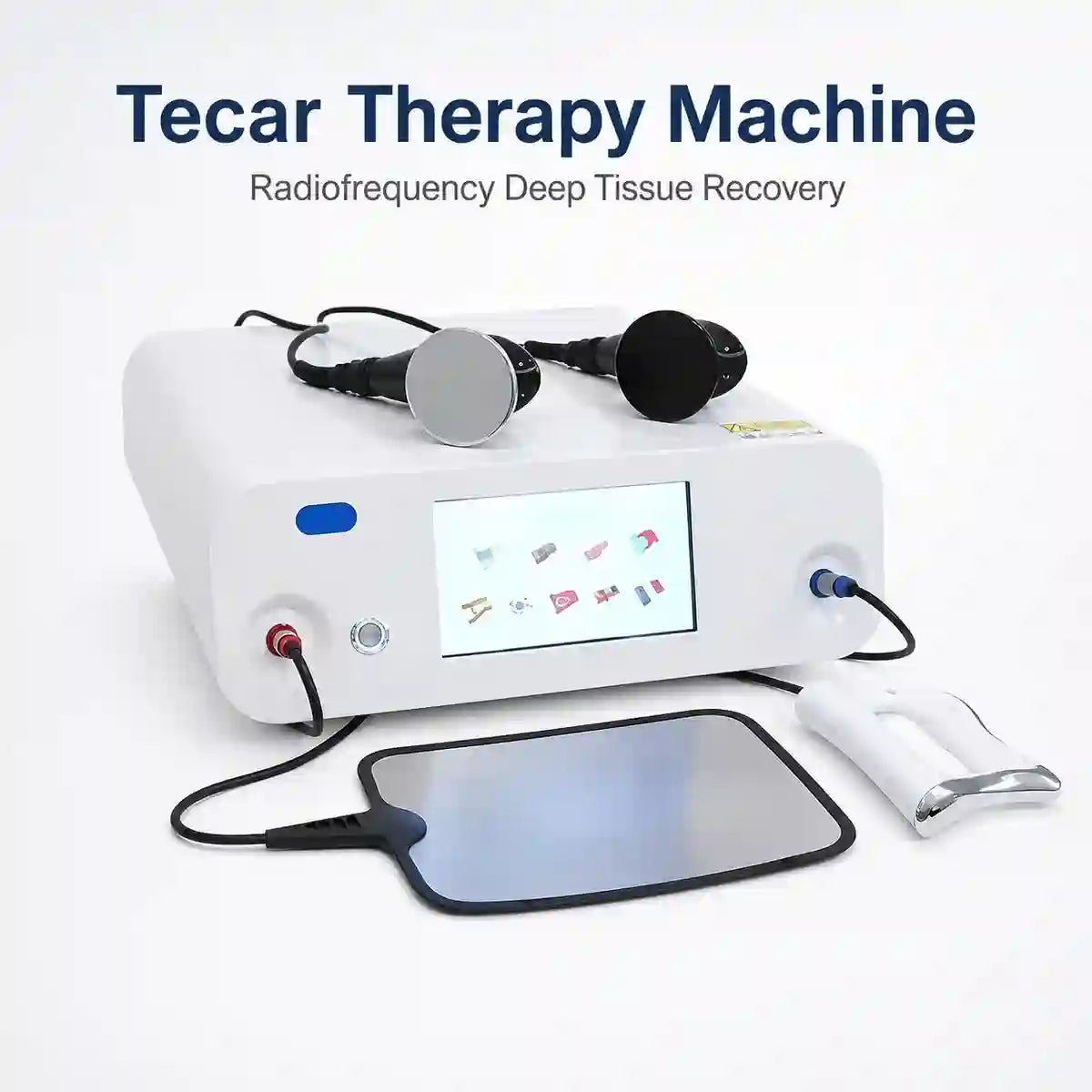

Save 31%
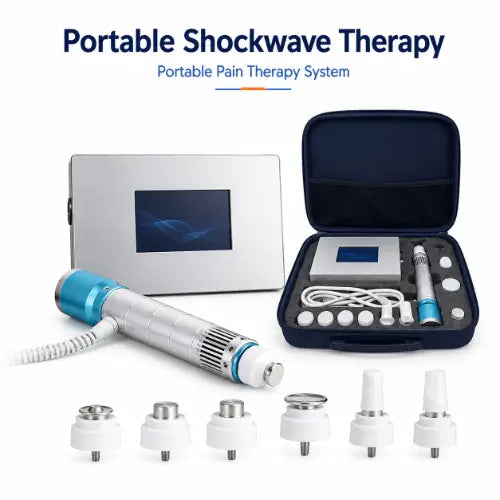
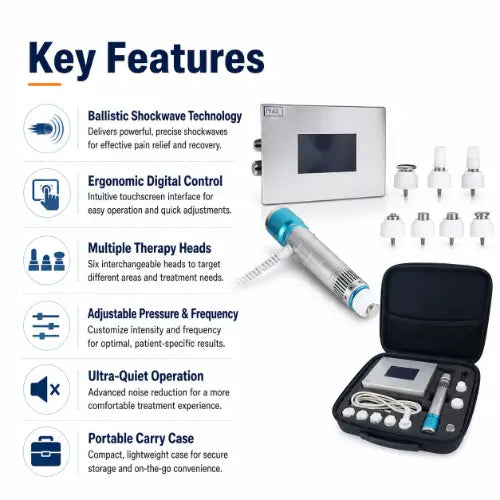

Save 29%

Save 27%
Save 28%

Advanced Physiotherapy Machines & Lumbar Physiotherapy
Advanced Physiotherapy Machines & Lumbar Physiotherapy
Advanced physiotherapy machines help physiotherapists support pain care, muscle recovery, movement training, and daily rehabilitation. Today, clinics, hospitals, sports centres, and home users can choose from many types of physiotherapy equipment. These machines can support a planned care program when a trained professional selects the right setting and method.
In addition, lumbar physiotherapy focuses on the lower back and the muscles around the spine. It may form an important part of a wider physiotherapy plan for people who need support with back pain, muscle tightness, movement, or recovery. Therefore, the right equipment can help a physiotherapist build a safe and useful treatment routine.
Our range of advanced physiotherapy machines and lumbar physiotherapy equipment supports many treatment needs. For example, clinics may use TENS, EMS, IFT, ultrasound, traction systems, and other therapy devices. However, every machine has a different purpose, so users should always select equipment based on the treatment plan and product instructions.
What Are Advanced Physiotherapy Machines?
Advanced physiotherapy machines are devices that support different parts of physical rehabilitation. They can help with muscle work, pain care, movement support, and recovery exercises. Depending on the machine, treatment may use electrical signals, sound waves, controlled movement, or mechanical support.
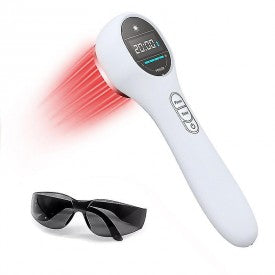
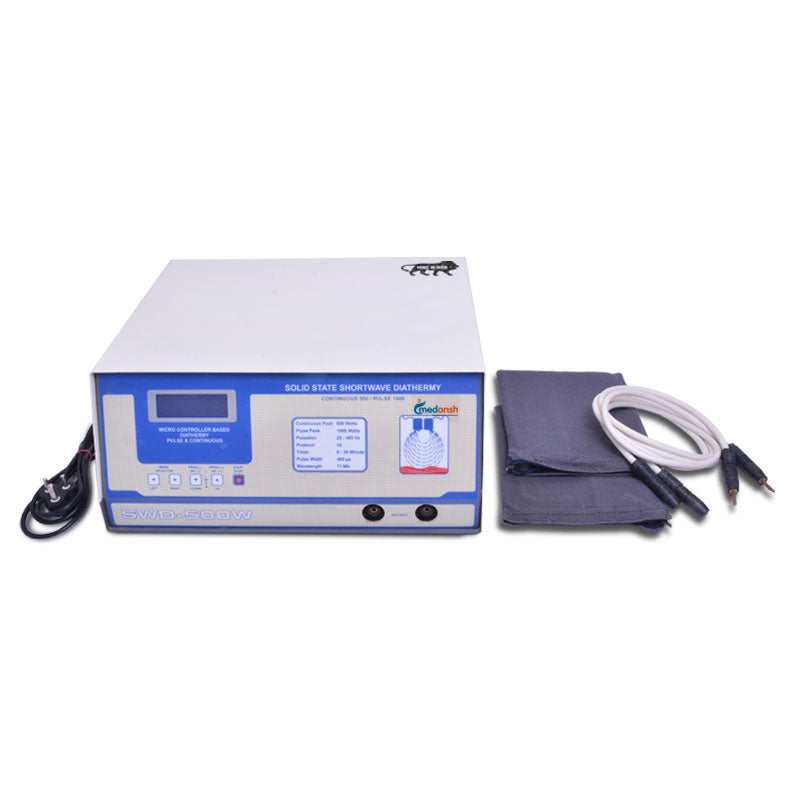
For example, a TENS machine can provide electrical stimulation through skin electrodes. Similarly, an EMS device can help stimulate muscles. An IFT machine uses electrical currents for selected therapy programs. Ultrasound therapy uses sound waves for certain physiotherapy applications.
Moreover, traction equipment can provide controlled pulling force for selected spinal or joint care plans. Exercise equipment can then help users improve movement and strength. As a result, a physiotherapy clinic can combine different tools to create a more complete care plan.
Importantly, the term “advanced” does not mean that one machine suits every person. Instead, the best equipment depends on the treatment goal, body area, condition, user comfort, and advice from a qualified professional.
What Is Lumbar Physiotherapy?
Lumbar physiotherapy focuses on the lower part of the back. This area carries a large part of the body's daily load and plays an important role in sitting, standing, walking, bending, and other movements. Therefore, lower-back care often includes more than one type of therapy.
A physiotherapist may use manual techniques, exercise, electrical therapy, heat, traction, stretching, or movement training based on the person's needs. In addition, the therapist may teach simple exercises that the user can perform at home.
For example, a lumbar physiotherapy program may focus on improving movement, building support muscles, reducing muscle tightness, and helping a person return to normal daily activity. However, treatment should always follow professional advice, especially when the person has an existing medical condition or recent injury.
Key Features of Advanced Physiotherapy Equipment
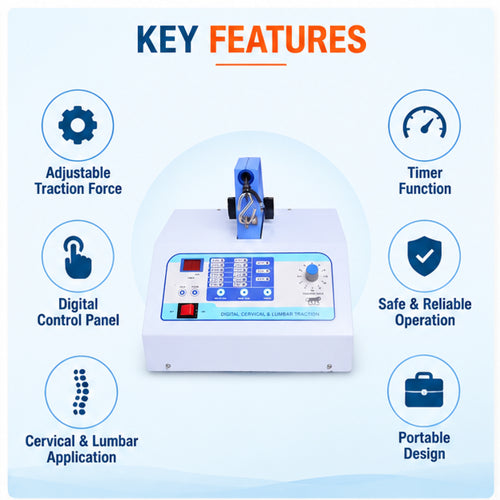
Modern physiotherapy machines offer several useful features for clinics and rehabilitation centres. First, many devices provide simple controls that allow trained users to select suitable therapy settings. Second, different programs can support different treatment needs.
- Multiple therapy modes: Many machines support more than one treatment mode.
- Easy controls: Clear controls help trained users adjust settings with ease.
- Adjustable settings: Users can select suitable levels based on the device and treatment plan.
- Comfort-focused design: Good equipment should support a comfortable treatment experience.
- Clinic-friendly build: Strong construction can support regular use in busy therapy centres.
- Clear displays: Easy-to-read displays help users check settings during treatment.
- Portable options: Some models are easy to move between rooms or treatment areas.
- Wide treatment use: Different machines can support back, neck, shoulder, knee, and muscle care.
Furthermore, equipment should match the needs of the clinic. A small physiotherapy centre may need compact equipment, while a large rehabilitation centre may prefer machines with more functions. Therefore, users should compare features before making a purchase.
Types of Advanced Physiotherapy Machines
1. TENS Machines
TENS stands for Transcutaneous Electrical Nerve Stimulation. These devices send mild electrical signals through skin electrodes. Physiotherapists may use TENS as part of a pain-management plan. However, the correct settings and placement depend on the device and the individual treatment plan.
2. EMS Machines
EMS stands for Electrical Muscle Stimulation. These machines provide electrical signals that can make selected muscles contract. As a result, EMS may form part of some muscle training and recovery programs when a professional recommends it.
3. IFT Machines
IFT, or Interferential Therapy, uses electrical currents for selected physiotherapy applications. Physiotherapists may choose IFT as part of a wider plan for pain care and muscle support. Therefore, the therapist should select the settings according to the treatment goal.
4. Ultrasound Therapy Machines
Ultrasound therapy machines use sound waves for certain physiotherapy treatments. The therapist applies the device to the selected area with suitable gel and follows the manufacturer's instructions. In addition, the treatment time and settings should match the professional treatment plan.
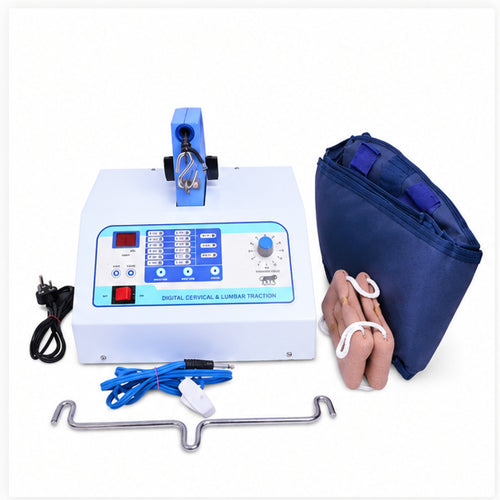
5. Cervical and Lumbar Traction Machines
Traction machines provide controlled pulling force to support selected neck or lower-back treatment plans. A trained professional should decide when to use traction and which settings are suitable. Therefore, users should not adjust traction settings without proper guidance.
6. Physiotherapy Exercise Equipment
Exercise tools can support stretching, strength work, balance training, and movement practice. These tools can include resistance bands, exercise balls, pedal devices, balance boards, and other rehabilitation products. Moreover, exercise equipment can complement machine-based therapy.
Lumbar Physiotherapy Equipment
Lumbar physiotherapy equipment supports treatment and rehabilitation programs that focus on the lower back. Different products can serve different purposes. For example, a clinic may use electrical therapy for selected pain-care plans, while exercise equipment can support movement and muscle training.
Traction equipment can also form part of a professional lumbar care plan. However, traction does not suit every person. Therefore, a qualified physiotherapist should assess the user before choosing this type of therapy.
In addition, heat therapy products may help create a warm and comfortable treatment environment. Physiotherapists can combine suitable heat, exercise, manual care, and other methods when appropriate.
The right equipment should also offer simple controls, stable construction, easy cleaning, and clear operating instructions. As a result, clinics can manage daily use more easily and maintain a consistent treatment process.
Benefits of Using Physiotherapy Machines
Physiotherapy machines can support many parts of a rehabilitation plan. However, results depend on the person's condition, treatment plan, correct machine use, and other care methods.
- Supports pain care: Some devices can form part of a professional pain-management plan.
- Supports muscle activity: Electrical stimulation can support selected muscle programs.
- Helps treatment variety: Clinics can combine machine-based and exercise-based care.
- Supports recovery: Equipment can help therapists create structured rehabilitation programs.
- Improves treatment control: Adjustable settings allow trained users to follow a planned approach.
- Useful for different body areas: Depending on the machine, treatment may cover the back, neck, shoulder, knee, or other areas.
- Supports clinic workflow: Easy-to-use equipment can make routine treatment more organised.
Furthermore, machine-based therapy often works best when it forms part of a wider rehabilitation plan. For example, a therapist may combine a machine session with stretching and exercise. Therefore, users should view physiotherapy equipment as one part of complete care rather than a single solution.
Applications of Advanced Physiotherapy Machines
Physiotherapy machines have a wide range of professional applications. Their use depends on the device, the user's needs, and the treatment plan.
| Application Area | Possible Equipment | Main Purpose |
|---|---|---|
| Lower Back Care | TENS, IFT, traction, exercise tools | Supports selected lumbar care plans |
| Muscle Training | EMS, exercise equipment | Supports muscle activity and training |
| Pain Care | TENS, IFT | Supports selected pain-management plans |
| Movement Training | Exercise and balance tools | Supports strength, balance, and movement |
| Soft Tissue Care | Ultrasound and other therapy devices | Supports selected therapy programs |
Because every treatment plan differs, the therapist should select the equipment and settings that fit the individual case.
Where Can Physiotherapy Machines Be Used?
Advanced physiotherapy machines can support different professional settings. For example, physiotherapy clinics can use them during routine rehabilitation sessions. Hospitals may also use selected devices in physical therapy departments.
- Physiotherapy clinics
- Hospitals and rehabilitation centres
- Sports rehabilitation centres
- Orthopaedic care centres
- Fitness and recovery centres with qualified staff
- Home-based care under professional guidance
Moreover, compact machines can suit clinics with limited treatment space. Larger systems may suit centres that handle a high number of patients. Therefore, buyers should consider both treatment needs and available space before choosing equipment.
How to Choose the Right Physiotherapy Machine
Choosing the right physiotherapy machine requires careful planning. First, identify the main treatment needs of the clinic or user. Next, compare the available machine types and their functions. Finally, check the product specifications and safety information.
Consider the Treatment Purpose
Start by asking what type of therapy the machine should support. A TENS device, for example, serves a different purpose from an ultrasound machine. Similarly, a lumbar traction system has a different role from an EMS device.
Check the Features
Look for useful controls, suitable treatment modes, clear displays, and easy operation. In addition, check whether the machine offers the settings needed by the clinic.
Check Build Quality
A physiotherapy machine may receive regular use in a clinic. Therefore, buyers should look for strong construction and reliable parts. Easy cleaning also helps maintain good hygiene.
Review Product Details
Always check the exact product specifications before purchase. These details may include dimensions, power supply, treatment modes, accessories, warranty, and operating instructions.
Consider User Safety
Safety should remain a key part of the buying decision. Choose equipment that includes clear instructions and suitable safety features. Also, make sure trained staff understand the correct use of the machine.
Lumbar Traction Physiotherapy
Lumbar traction uses controlled pulling force as part of selected lower-back treatment plans. The goal and method depend on the user's condition and the type of traction system. Therefore, a trained professional should assess the person before using traction equipment.
During a professional session, the therapist sets the machine according to the treatment plan. The therapist may also monitor comfort and response during the session. If the user feels unusual discomfort, the session should stop and the therapist should review the situation.
Furthermore, lumbar traction should not replace a complete rehabilitation program when exercise or other care forms part of the plan. In many cases, movement training and strengthening may also play an important role.
Safety and Usage Guidelines
Safe use is essential when working with physiotherapy equipment. Always read the manufacturer's instructions before using a machine. In addition, trained professionals should select treatment settings based on the user's needs.
- Read the complete product instructions before use.
- Use the machine only for its intended purpose.
- Check cables, electrodes, pads, and other parts before each session.
- Keep the machine clean and dry.
- Use suitable accessories supplied or approved for the device.
- Do not change advanced settings without proper training.
- Follow the recommended treatment time and settings.
- Stop treatment if the user reports unusual pain or discomfort.
- Keep damaged equipment out of service until a qualified person checks it.
- Store the device safely after each use.
Some people may need special precautions or may not be suitable for certain types of electrical or mechanical therapy. Therefore, users should seek professional advice when there is any doubt.
Maintenance and Care of Physiotherapy Machines
Regular care can help keep physiotherapy equipment in good working condition. First, clean the machine and its reusable parts according to the manufacturer's instructions. Next, inspect cables and connectors for visible damage.
Also, keep the equipment away from water, excessive heat, and unsuitable storage areas. After each use, place accessories in their proper storage area. This simple routine can help protect the equipment and keep the treatment area organised.
For machines used regularly, clinics should follow a planned maintenance schedule. In addition, any electrical or technical repair should be handled by a suitable trained service professional.
Technical Specifications to Check
Product specifications can differ between models. Therefore, buyers should always check the exact details of the selected product.
| Specification | What to Check |
|---|---|
| Power Supply | Voltage, frequency, and power requirements |
| Treatment Modes | Available programs and therapy options |
| Controls | Display type and adjustment options |
| Accessories | Pads, cables, probes, straps, or other supplied items |
| Size | Machine size and available treatment space |
| Warranty | Warranty period and service terms |
| User Instructions | Operating guide and safety information |
Who Can Use Physiotherapy Equipment?
Physiotherapy equipment can support professional rehabilitation in clinics, hospitals, sports centres, and other suitable care settings. Qualified physiotherapists and trained healthcare staff can select and operate equipment based on the treatment plan.
Some compact devices may also support home care when a healthcare professional recommends them and provides suitable instructions. However, home users should not assume that every physiotherapy machine is suitable for self-use.
Therefore, professional advice remains important when choosing equipment for a specific health concern. The correct device, setting, duration, and method can vary from person to person.
Buying Guide for Advanced Physiotherapy Machines
Buying physiotherapy equipment is an important decision for any clinic or rehabilitation centre. Before placing an order, make a simple list of your treatment needs. Then compare the available products based on features, size, controls, accessories, and support.
First, decide which therapy types your clinic needs most often. Next, check the available space and power supply. After that, compare machine functions and included accessories. Finally, review the warranty and service options.
It is also useful to consider the expected daily workload. A machine used several times each day should offer a practical design and easy controls. In contrast, a smaller clinic may prefer a compact model that saves space.
Moreover, always compare the actual product specifications rather than relying only on general product descriptions. Features can vary between models, even when two machines belong to the same category.
Advanced Physiotherapy Equipment for Professional Care
Choosing suitable advanced physiotherapy machines can help clinics create organised treatment plans for different rehabilitation needs. Products such as TENS machines, EMS machines, IFT machines, ultrasound therapy machines, traction systems, and exercise equipment can support different parts of physiotherapy care.
Likewise, lumbar physiotherapy equipment can support treatment plans that focus on the lower back. When selected and used correctly, these tools can work alongside exercise, movement training, manual therapy, and other professional methods.
For clinics searching for physiotherapy machines for pain management, muscle stimulation, lumbar physiotherapy, rehabilitation, and physical therapy, it is important to compare product features and intended use. In addition, buyers should check product specifications, safety instructions, warranty terms, and available support before purchase.
As a result, a careful buying process can help clinics choose equipment that fits their treatment needs, space, staff skills, and daily workload.
Frequently Asked Questions
What are advanced physiotherapy machines?
Advanced physiotherapy machines are devices used to support different parts of physical rehabilitation. Depending on the model, they may provide electrical stimulation, ultrasound therapy, traction, or other treatment functions.
What is lumbar physiotherapy?
Lumbar physiotherapy focuses on the lower back. A treatment plan may include exercise, movement training, manual care, electrical therapy, traction, heat, or other methods based on professional assessment.
Which machines are used for lumbar physiotherapy?
Depending on the treatment plan, a physiotherapist may use TENS, IFT, traction equipment, exercise tools, heat therapy products, or other suitable devices. The exact choice depends on the person's needs.
Can physiotherapy machines be used at home?
Some compact devices may support home use when a qualified professional recommends them. However, users should follow the product instructions and professional guidance carefully.
Are all physiotherapy machines suitable for every person?
No. Different machines have different uses and safety considerations. Therefore, a qualified professional should decide whether a particular machine suits the user and treatment plan.
How should physiotherapy equipment be maintained?
Clean the equipment according to the manufacturer's instructions, inspect cables and accessories, keep the device dry, and store it in a safe place. In addition, arrange technical service when required.
What should I check before buying a physiotherapy machine?
Check the treatment purpose, machine functions, controls, size, power requirements, accessories, warranty, instructions, and service support. Most importantly, make sure the machine fits the needs of your clinic or treatment plan.
Can lumbar traction replace exercise?
Traction and exercise serve different roles. A physiotherapist may include both in a wider care plan when suitable. Therefore, users should follow the complete treatment plan rather than relying on one method alone.
Conclusion
Advanced physiotherapy machines and lumbar physiotherapy equipment can support many professional rehabilitation needs. TENS, EMS, IFT, ultrasound, traction systems, and exercise equipment each serve different purposes. Therefore, the right machine depends on the treatment goal and professional assessment.
In addition, good equipment should offer clear controls, suitable treatment options, safe operation, and practical maintenance. Clinics should compare product specifications carefully before making a purchase.
Finally, physiotherapy equipment works best as part of a complete care plan. Professional guidance, suitable exercise, safe machine use, and regular follow-up can help create a structured approach to rehabilitation. By choosing the right equipment for the right purpose, physiotherapy centres can build a practical setup for modern physical therapy and lumbar care.
Explore Medical Collections
All Categories
Abdominal & Maternity Support

Accessories

Accu-Chek Instant Strips: Use, Compatibility, Price & Blood Sugar Testing Guide
Accu-Chek Instant Strips: Uses, Features & Complete Guide

accupuncture

Acupuncture Needles & Supplies

Advanced Physiotherapy Machines & Lumbar Physiotherapy

Airways

Ambulance

Anatomy Models
Anesthesia Machine

Anesthesia Products

Ankle Support for Home Use: Braces, Sleeves & Walker Boots

Ankle Weights & Exercise Weights for Home & Rehab

Anti-Bedsore Air Mattresses
You may also need
FOR YOURecommended for you
Save 32%
Save 31%
Save 29%
Save 27%
Save 28%