




About this collection
When people talk about checking blood pressure, they often refer to the device used for measurement as a blood pressure apparatus or blood pressure monitor. This equipment is commonly used in hospitals, clinics, pharmacies, and homes to measure the pressure of blood flowing through the arteries. Regular monitoring can help people and healthcare professionals understand whether blood pressure is within a healthy range or requires further attention.
A blood pressure apparatus may look simply, but accurate measurement depends on choosing the right device and using it correctly. Modern monitors have also made blood pressure testing easier, especially for people who need to monitor their readings at home.
In this guide, we will explain what a blood pressure apparatus is, how it works, its different types, the main parts, and what to consider when choosing one.
What Is a Blood Pressure Apparatus?
A blood pressure apparatus is a medical device designed to measure blood pressure. It generally provides two important readings: systolic blood pressure and diastolic blood pressure.
The systolic reading represents the pressure in the arteries when the heart contracts and pumps blood. The diastolic reading represents the pressure when the heart relaxes between beats.
Blood pressure is usually written in millimetres of mercury (mmHg), such as 120/80 mmHg. The first number is systolic pressure, while the second number is diastolic pressure.
Traditional blood pressure apparatuses use a cuff and a manually operated measuring system, while modern digital blood pressure monitors can automatically inflate the cuff and display the result on a screen.
How Does a Blood Pressure Apparatus Work?
The basic principle behind a blood pressure monitor is to temporarily restrict blood flow through an artery and then measure changes as the pressure is released.
A cuff is wrapped around the upper arm or wrist, depending on the type of monitor. When the cuff inflates, it applies pressure around the artery. As the pressure in the cuff decreases, the device detects changes associated with blood flow.
In a traditional apparatus, a healthcare professional may listen to the sounds of blood flowing through the artery using a stethoscope. These sounds are known as Korotkoff sounds.
Digital monitors use electronic sensors to detect pressure changes and calculate the systolic and diastolic readings automatically.
Main Parts of a Blood Pressure Apparatus
Although designs vary between devices, most blood pressure apparatuses contain several basic components.
1. Cuff
The cuff is wrapped around the patient's arm or wrist. It inflates to temporarily compress the artery during measurement.
Choosing the correct cuff size is important. A cuff that is too small or too large can affect the accuracy of the reading.
2. Inflation System
Traditional devices may use a hand-operated rubber bulb to inflate the cuff. Digital monitors usually contain an automatic pump.
3. Pressure Measuring System
This component measures the pressure inside the cuff. In traditional devices, pressure may be shown on a mercury column or an aneroid dial. Digital monitors use electronic pressure sensors.
4. Display
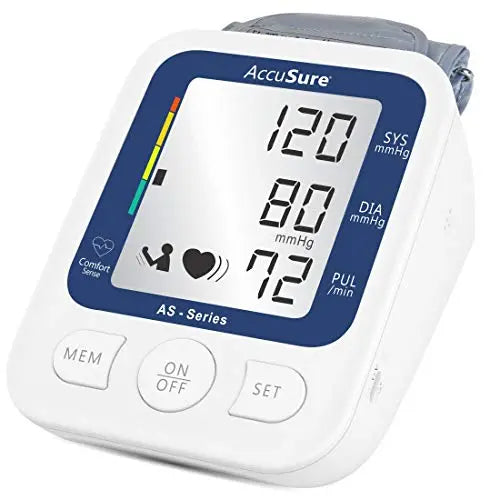
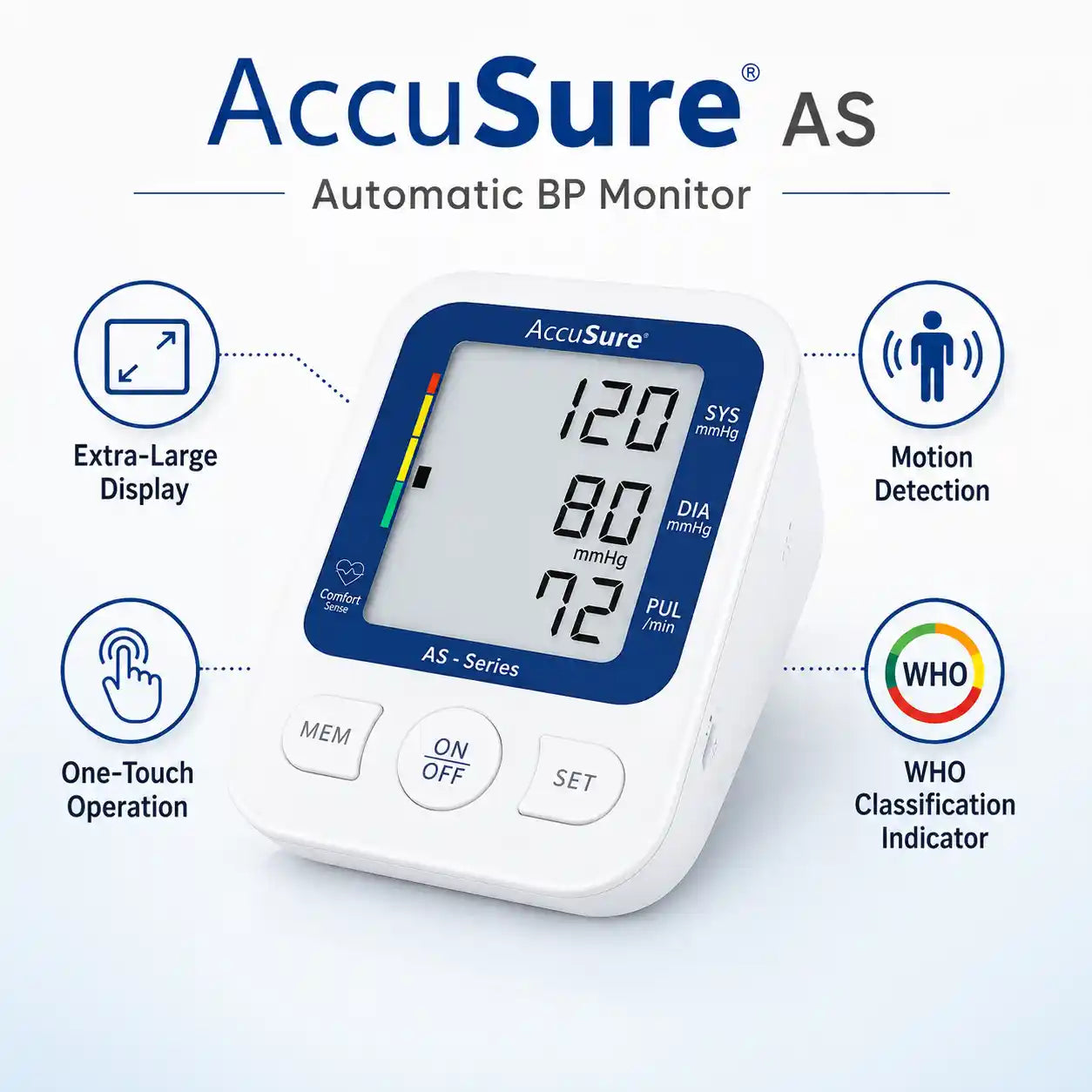
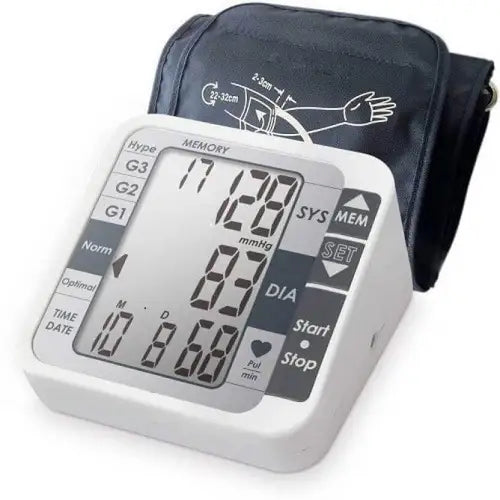
Automatic blood pressure monitors normally have a digital display that shows the systolic pressure, diastolic pressure, and pulse rate.
5. Release Valve
Manual apparatuses use a valve to gradually release air from the cuff. Controlled deflation is necessary for obtaining an accurate measurement.
Types of Blood Pressure Apparatus
There are several types of blood pressure measuring devices available today. Each has its own advantages and applications.
Mercury Blood Pressure Apparatus
A mercury sphygmomanometer is a traditional type of blood pressure measuring equipment. It uses a column of mercury to indicate pressure.
These devices have historically been considered highly accurate when properly maintained and operated by trained professionals. However, mercury is a hazardous substance, so many healthcare settings have moved toward alternatives.
Aneroid Blood Pressure Monitor
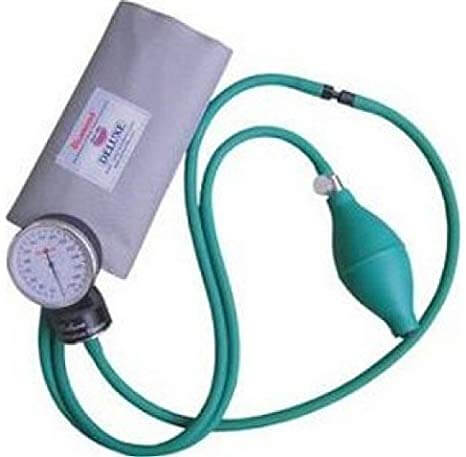
An aneroid sphygmomanometer uses a mechanical dial rather than mercury. It usually includes an inflatable cuff, rubber tubing, an inflation bulb, and a pressure gauge.
Aneroid devices are commonly used by trained healthcare professionals because they allow manual measurement with a stethoscope.
However, they need proper handling and periodic calibration to maintain accuracy.
Digital Blood Pressure Monitor
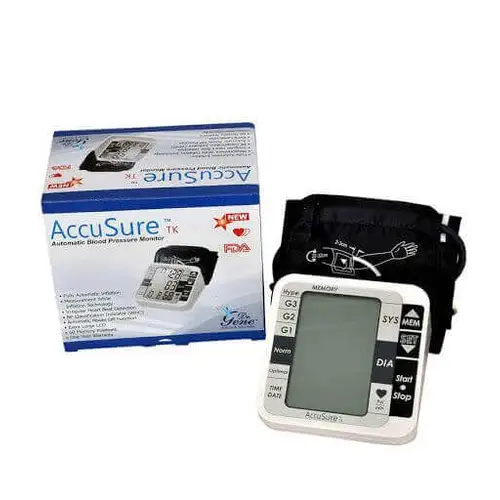
Digital Blood Pressure Monitor are among the most convenient options for home use. The user generally places the cuff on the arm, presses a button, and waits while the machine performs the measurement.
Many modern devices can also detect irregular heartbeats, store previous readings, and display pulse rate.
For people who regularly check their blood pressure at home, an automatic upper-arm monitor is often a practical choice.
Wrist Blood Pressure Monitor
Wrist monitors are compact and easy to carry. Instead of placing the cuff around the upper arm, the user wears it around the wrist.
Their convenience can be useful for travel, but positioning is particularly important. The wrist generally needs to be held at the appropriate level relative to the heart during measurement.
For routine home monitoring, users should consider a clinically validated device and follow the manufacturer's instructions carefully.
Why Is a Blood Pressure Apparatus Important?
blood pressure can change throughout the day because of factors such as physical activity, stress, sleep, food, caffeine, and medication. A blood pressure apparatus provides a quick way to measure these changes.
Regular monitoring can be especially useful when a healthcare professional has recommended checking blood pressure at home.
Home measurements may also provide a broader picture than a single reading taken during a clinic visit. Keeping a record of readings can help a healthcare professional understand patterns over time.
However, a blood pressure monitor should not be used to diagnose a medical condition on its own. Unusual or consistently high readings should be discussed with a qualified healthcare professional.
How to Measure Blood Pressure Correctly
Using a blood pressure apparatus correctly is just as important as choosing a good device.
Before taking a reading, sit quietly for several minutes. Keep your back supported and place both feet comfortably on the floor. Avoid talking during the measurement.
For an upper-arm monitor, place the cuff directly on the skin rather than over thick clothing. The arm should be supported at approximately heart level.
Start the device and remain still while it measures your blood pressure.
For better monitoring, take readings under similar conditions each time and record the results. If your readings repeatedly appear unusual, consult a healthcare professional rather than relying only on the monitor.
Common Mistakes When Using a Blood Pressure Monitor
Even a high-quality blood pressure apparatus may provide an inaccurate result if it is used incorrectly.
Some common mistakes include:
- Using the wrong cuff size
- Measuring immediately after exercise
- Talking during the measurement
- Crossing the legs
- Supporting the arm incorrectly
- Placing the cuff over clothing
- Taking a measurement while feeling rushed or stressed
- Moving the arm during the reading
- Using a device that has not been properly validated or maintained
Avoiding these mistakes can make home blood pressure monitor more reliable.
Digital vs Manual Blood Pressure Apparatus
Choosing between a digital and manual apparatus depends largely on who will use the device.
A digital blood pressure monitor is generally easier for home users because the machine performs most of the measurement automatically. It can be particularly convenient for people who want quick readings without using a stethoscope.
A manual blood pressure apparatus, such as an aneroid sphygmomanometer, requires more skill. The user needs to inflate and deflate the cuff while listening to the blood-flow sounds with a stethoscope.
For trained healthcare professionals, manual devices can remain useful. For everyday home monitoring, an automatic upper-arm digital monitor may be more convenient.
How to Choose the Right Blood Pressure Apparatus
When purchasing a blood pressure monitor, don't focus only on price or appearance. Consider the features that affect usability and measurement quality.
Look for a Suitable Cuff
The cuff should fit the user's arm correctly. Always check the manufacturer's recommended arm circumference range before buying.
Consider an Upper-Arm Model
For regular home monitoring, an upper-arm digital monitor is often a sensible option. Wrist devices can be convenient, but they require careful positioning.
Check for Validation
Look for blood pressure monitors that have been independently validated according to recognized standards. Validation provides more confidence that the device has been tested for measurement accuracy.
Consider Memory and Data Features
Some Digital monitors can store multiple readings. This can make it easier to track measurements over time.
Choose a Simple Design
A clear display, easy-to-use buttons, and straightforward instructions can make regular monitoring much easier.
Maintenance of a Blood Pressure Apparatus
Proper care can help keep a blood pressure monitor working correctly.
Keep the device in a clean, dry location and avoid exposing it to extreme temperatures. Do not bend or damage the tubing or cuff unnecessarily.
For manual devices, calibration should be checked according to professional recommendations. Digital devices should also be maintained according to the manufacturer's instructions.
If the cuff, tubing, display, or other components become damaged, the device should be inspected before continued use.
Frequently Asked Questions
What is another name for a blood pressure apparatus?
A blood pressure apparatus may also be called a blood pressure monitor, blood pressure machine, or sphygmomanometer. The exact name often depends on the type of device.
Which blood pressure apparatus is best for home use?
An automatic upper-arm digital blood pressure monitor is generally a convenient option for home monitoring. Choose a device with an appropriately sized cuff and recognized clinical validation.
Can I measure blood pressure at home?
Yes. Home blood pressure monitoring is commonly used when recommended by a healthcare professional. Follow the device instructions and use a consistent measurement technique.
Is a digital blood pressure monitor accurate?
A digital monitor can provide reliable measurements when it has been properly validated and is used correctly. Incorrect cuff size, poor positioning, movement, or talking during measurement can affect the result.
What is a sphygmomanometer?
A sphygmomanometer is a medical instrument used to measure blood pressure. Traditional versions may use an aneroid gauge or mercury column, while modern electronic versions use digital sensors.
Final Thoughts
A blood pressure apparatus is an important tool for measuring and monitoring blood pressure. From traditional mercury and aneroid sphygmomanometers to modern digital blood pressure monitors, different devices are designed for different users and situations.
For home monitoring, convenience, correct cuff size, clinical validation, and proper technique are more important than simply choosing the cheapest device. Taking measurements correctly and keeping a record can also make the information more useful when discussing blood pressure with a healthcare professional.
If you are selecting a blood pressure monitor for yourself or someone in your family, focus on a reliable, easy-to-use device and follow the manufacturer's instructions carefully. A monitor is a useful measurement tool, but persistent or concerning blood pressure readings should always be discussed with a qualified healthcare professional.
Explore Medical Collections
All Categories
Abdominal & Maternity Support

Accessories

Accu-Chek Instant Strips: Use, Compatibility, Price & Blood Sugar Testing Guide
Accu-Chek Instant Strips: Uses, Features & Complete Guide

Accupressure

accupuncture

Acupuncture Needles & Supplies
Advanced Physiotherapy Machines

Airways

Ambulance

Anatomy Models
Anesthesia Machine

Anesthesia Products
Ankle & Foot Supports

Anti-Bedsore Air Mattresses
You may also need
FOR YOURecommended for you