


Featured ChoiceSave 50%
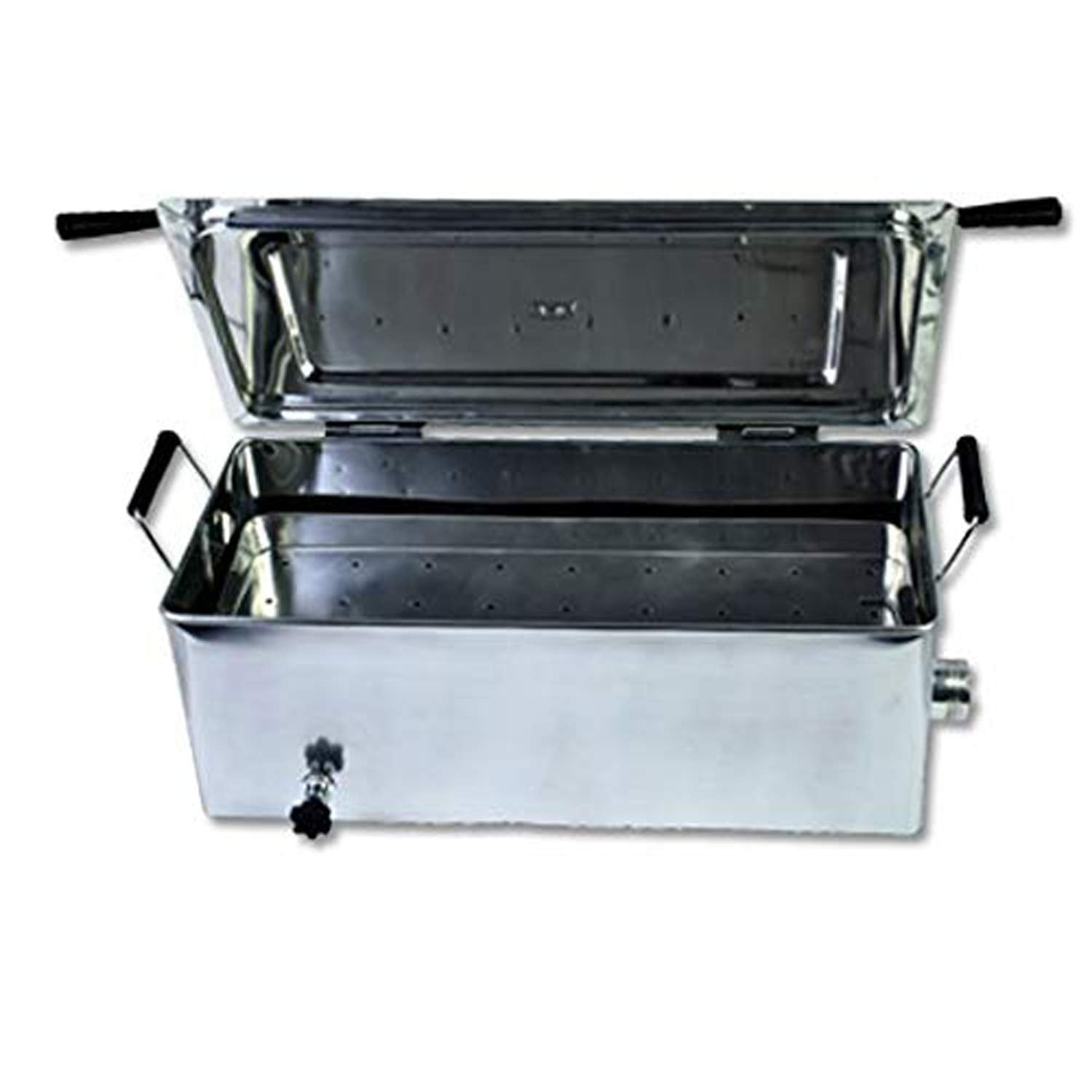
Save 50%
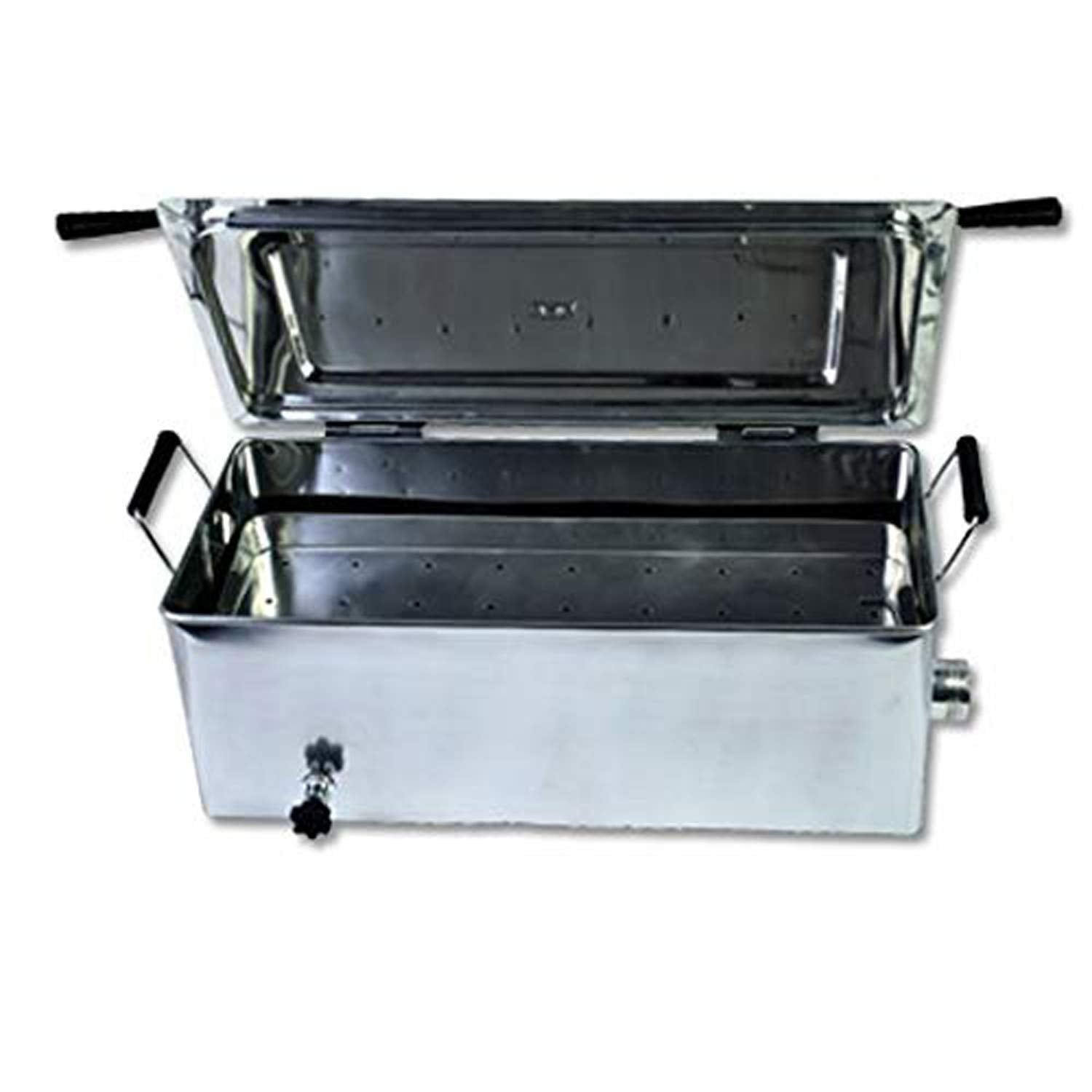
Save 50%
Save 50%

Save 50%
Save 50%
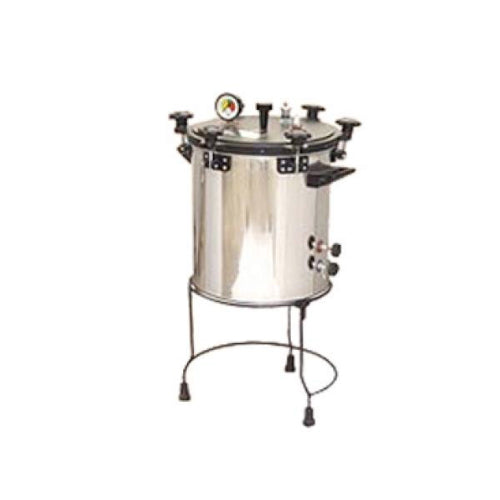
Autoclave: Troubleshooting & Maintenance Guide
Autoclave: Troubleshooting & Maintenance Guide
Autoclaves are essential for reliable sterilization in Indian hospitals, dental clinics, laboratories, pharmaceutical units, food facilities, and research centers. When they fail, the problem is not always “the machine”; it may be water quality, loading practice, steam supply, power stability, worn seals, or skipped autoclave maintenance. This guide explains common issues, practical checks, safe corrective actions, and when to call a qualified service engineer.
What is the main principle of autoclave?
The main principle of autoclave operation is moist heat sterilization under pressure. By trapping saturated steam inside a sealed chamber, the autoclave raises the boiling point of water and allows steam to transfer heat efficiently into instruments, media, glassware, dressings, or other autoclavable items. In simple terms, autoclave sterilization works because steam, pressure, temperature, and exposure time combine to destroy microorganisms and spores when the load is prepared correctly.
This also answers the common question: How does an autoclave work? A typical autoclave process includes air removal, steam admission, temperature and pressure hold, exhaust, drying, and cooling. If any stage is weak—poor air removal, wet steam, insufficient temperature, or overloaded trays—the cycle may complete on the display but still deliver poor sterilization results.

Autoclaves come in many configurations. Bench-top autoclaves and small autoclaves are common in dental practices, diagnostic labs, and clinics. Front loading autoclaves are widely used where horizontal loading is convenient. Laboratory autoclaves handle media, liquids, culture waste, and glassware, while medical autoclaves focus on instruments, textiles, and infection-control workflows. Industrial autoclaves may be used in pharmaceuticals, food processing, fermentation, composites, rubber, or manufacturing applications. Pass through autoclaves, also called pass-through autoclaves, are installed between clean and less-clean areas to support controlled material flow.
symptoms
Autoclave problems usually appear as a pattern rather than a single isolated event. Operators in India often report wet packs, failed chemical indicators, repeat alarms, long cycle times, white scaling inside the chamber, burnt smell near electrical panels, or sterilized items that come out stained. These symptoms should never be ignored, especially in healthcare, microbiology, pharmaceutical, and food-related environments where sterilization failure can affect safety and compliance.

Common symptoms include:
-
Cycle does not start: The display powers on, but the cycle will not initiate, or the door-lock warning remains active.
-
Cycle aborts midway: The machine stops during heating, sterilization hold, exhaust, or drying.
-
Temperature does not reach set point: The chamber struggles to reach common operating ranges such as 121°C or 134°C.
-
Pressure rises too slowly or too quickly: Slow pressure buildup may point to steam leakage or heating weakness; rapid spikes may indicate blocked exhaust or sensor issues.
-
Wet loads after cycle completion: Packs, gowns, instruments, or glassware remain damp even after the drying phase.
-
Failed indicators: Chemical indicator strips, tapes, or biological indicators suggest incomplete sterilization.
-
Water leakage or steam leakage: Steam escapes from the door, safety valve, drain, or pipe joints.
-
Unusual noises: Hissing, rattling, knocking, or pump noise becomes louder than normal.
-
Poor drying in humid weather: During the monsoon or in coastal regions, loads may dry slowly if room ventilation is poor.
-
Scale deposits: White or brown deposits appear in the chamber, trays, water reservoir, valves, or heating elements.
-
Bad smell: Odor may result from poor cleaning, contaminated waste loads, trapped condensate, or burnt electrical components.
Some symptoms are specific to the application. In laboratory autoclaves, liquid boil-over, broken bottles, agar overflow, and blocked drain strainers are common. In medical autoclaves, wet instrument packs, pouch sealing mistakes, overloaded trays, and poor drying are frequent. In industrial autoclaves vs. medical autoclaves, the scale and process control requirements differ, but the core warning signs remain similar: unstable temperature, unstable pressure, poor steam penetration, and inconsistent cycle records.
likely causes
Most autoclave issues come from a limited group of root causes: water quality, steam quality, loading errors, air removal failure, gasket wear, sensor drift, blocked drains, electrical fluctuation, and insufficient preventive care. In India, hard water is one of the most common contributors, especially where facilities use borewell water or untreated municipal supply. Scale can build up silently and reduce heating efficiency, damage valves, choke filters, and create repeated alarms.
Power quality is another practical concern. Voltage fluctuations, generator changeovers, loose earthing, and sudden power cuts can interrupt cycles or stress electronic boards. Facilities in smaller towns, older buildings, or industrial areas may need voltage stabilizers, proper earthing, and electrical inspection as part of autoclave safety planning.
Likely causes by symptom include:
|
Symptom |
Likely causes |
Practical implication |
|---|---|---|
|
Wet packs |
Overloading, poor drying, poor steam quality, blocked drain, humid room |
Sterility may be compromised if packs are stored wet |
|
Slow heating |
Scale on heater, low water level, weak element, low steam supply |
Cycles take longer and may fail temperature hold |
|
Steam leakage at door |
Worn gasket, dirty sealing surface, misaligned door |
Heat and pressure loss, burn risk, failed cycles |
|
Failed indicator |
Wrong cycle, overloading, trapped air, poor steam penetration |
Load may need reprocessing after investigation |
|
Chamber stains |
Hard water, chemical residue, wrong cleaning agents |
Corrosion risk and contamination concerns |
|
Frequent alarms |
Sensor fault, maintenance neglect, operator error, unstable supply |
Requires trend review, not repeated reset |
|
Liquid boil-over |
Wrong liquid cycle, tight caps, fast exhaust, overfilled bottles |
Broken glass, contamination, blocked drain |
Operator practice matters as much as machine condition. If pouches are stacked flat, trays are packed tightly, bottles are filled too high, or waste bags are compressed, steam cannot move freely. The autoclave may display a completed cycle while the center of the load has not received the required exposure. This is why training and written SOPs are essential for all autoclave types, from bench-top autoclaves to pass through autoclaves.
diagnostic checks
A good diagnostic check starts with observation before adjustment. Do not keep restarting failed cycles without noting the alarm, cycle stage, load type, water source, and operator steps. Troubleshooting becomes much easier when you can identify whether the issue occurs only with liquid loads, only during drying, only after water refilling, or only when the generator supply is used.
Use this basic checklist before calling service:
-
Check the load first. Confirm that items are autoclavable, correctly wrapped, not overloaded, and arranged with space for steam circulation.
-
Check the water. If the unit uses an internal reservoir, inspect water clarity, level, and deposits. A water distiller for autoclaves or suitable purified water source can reduce scale-related problems.
-
Check the door seal. Look for cracks, flattening, cuts, dried residue, or misalignment on the gasket and chamber face.
-
Check the drain and strainer. Remove visible lint, tape fragments, broken glass, labels, agar residue, or biological waste material where safe and permitted.
-
Check cycle selection. Liquids, wrapped instruments, unwrapped instruments, porous loads, waste, and media may require different cycles.
-
Check indicators. Review chemical indicator color change, integrator results, and biological indicator records where applicable.
-
Check the environment. Ensure ventilation around the machine, stable electrical supply, and adequate clearance for heat release.
-
Check the logbook. Repeated alarms, longer cycle times, and more frequent wet loads usually reveal a trend before full breakdown.
For sterilization assurance, many facilities use biological indicators containing spores of Geobacillus stearothermophilus for steam sterilization monitoring. This connects to the question, Which bacteria is used in autoclave? The bacterium is not used to sterilize items; its resistant spores are used as a challenge organism to verify whether the autoclave process is effective.
If the autoclave has a printer, USB export, or digital record, compare the actual temperature and pressure curve with expected performance. A cycle that reaches temperature late, drops pressure during hold, or shows unstable readings needs attention. For critical use, do not rely only on the “cycle complete” message.
corrective actions
Corrective action should match the risk level. A minor loading error may be corrected by repacking and reprocessing the load. Steam leakage, repeated pressure faults, electrical smell, or failed sterilization indicators require stopping use until the cause is understood.
For wet loads, first reduce load density and confirm that packs are placed vertically or according to the manufacturer’s instructions. Avoid placing pouches flat against each other. Check whether drying time is adequate for the load type and whether the room is too humid or poorly ventilated. In Indian monsoon conditions, air movement, room temperature, and post-cycle handling can make a noticeable difference.
For scaling, drain and clean the chamber according to the manufacturer’s manual. Do not use harsh acids, abrasive pads, or household descaling chemicals unless approved for that model. If hard water is the cause, consider treated water, distilled water, or a dedicated water distiller for autoclaves. This protects heaters, sensors, valves, and chamber surfaces.
For door leakage, clean the gasket and sealing surface gently. If the gasket is cracked, hardened, or permanently compressed, replace it with the correct spare. Never try to force the door shut or bypass interlocks. Door safety systems exist because pressurized steam can cause severe burns.
For failed indicators, quarantine the load and investigate. Check cycle selection, loading pattern, exposure parameters, air removal, steam quality, and indicator storage conditions. Reprocess only after the issue is corrected. In medical and laboratory workflows, document the event according to facility SOPs.
For liquid boil-over, use the correct liquid cycle, loosen caps as recommended, leave headspace in bottles, use suitable trays, and allow slow exhaust and cooling. Never open liquid loads immediately after pressure returns to normal; superheated liquids can boil suddenly when disturbed.
For electrical problems, switch off the machine and call an electrician or authorized service provider. Do not operate an autoclave with burning smell, tripping breakers, loose plugs, damaged cables, or water near electrical components.
preventive maintenance
Preventive maintenance is the simplest way to reduce breakdowns, failed cycles, downtime, and sterilization risk. Autoclave maintenance should be scheduled, documented, and matched to usage. A busy dental clinic in Mumbai, a microbiology lab in Bengaluru, a district hospital in Uttar Pradesh, and a pharmaceutical unit in Gujarat will not have the same workload, but each needs a maintenance routine that operators actually follow.
A practical maintenance schedule may include:
-
Daily: Wipe chamber surfaces, inspect gasket, check water level, clean trays, record cycle results, and remove visible debris.
-
Weekly: Clean drain strainer, review failed cycles, inspect door movement, check indicator use, and look for scaling.
-
Monthly: Inspect safety valve condition, check filters where accessible, review temperature and pressure logs, and verify drying performance.
-
Quarterly or as recommended: Arrange service inspection, calibration checks, gasket evaluation, and electrical safety review.
-
After any major issue: Perform a documented test cycle before returning the unit to routine use.
Good water management deserves special attention in India. Hard water causes scale; contaminated water can stain instruments and chamber surfaces; poor-quality feed water can damage valves and heaters. If the manufacturer recommends distilled, deionized, RO-treated, or softened water, follow that guidance. A water distiller for autoclaves may be useful for small facilities that do not have a central purified water system.
Preventive maintenance also includes staff behavior. Operators should know what is autoclavable, how to select cycles, how to load trays, how to read indicators, and how to respond to alarms. A laminated quick guide near the machine often prevents repeat mistakes.
safety precautions
Autoclave safety is not optional because steam under pressure can injure people and damage equipment. Always follow the manufacturer’s manual, facility SOPs, and applicable local requirements. Never bypass locks, tape down sensors, overload the chamber, or open the door before pressure has safely released.
Important safety precautions include:
-
Wear heat-resistant gloves, face protection, lab coat or apron, and closed footwear when unloading.
-
Stand to the side when opening the door and release it slowly to avoid steam exposure.
-
Do not autoclave sealed containers unless they are designed for pressure and the cycle allows it.
-
Do not autoclave volatile chemicals, flammable solvents, bleach, corrosive substances, or unknown materials.
-
Use secondary containment for liquids, agar, waste bags, and items that may leak.
-
Allow liquids to cool before handling.
-
Keep the area around the autoclave dry, clean, and uncluttered.
-
Report steam leakage, electrical smell, abnormal noise, or repeated alarms immediately.
“What is Autoclavable?” is a common and important question. An autoclavable item is one that can tolerate steam, pressure, moisture, and heat without melting, deforming, reacting, or releasing harmful substances. Borosilicate glassware, many stainless-steel instruments, certain polypropylene plastics, and approved laboratory containers are often autoclavable, but always check the item label and manufacturer guidance.
when to call service
Call service when the issue affects safety, sterilization reliability, pressure control, electrical integrity, or repeated cycle performance. Operators can clean, load correctly, check water, and review simple warnings, but they should not dismantle pressure components or electrical panels unless trained and authorized.
Call a qualified service provider if you notice:
-
Repeated sterilization failure despite correct loading and cycle selection.
-
Steam leakage from the door, valve, chamber, or pipework.
-
Pressure or temperature readings that appear unstable or unrealistic.
-
Safety valve discharge during normal cycles.
-
Electrical smell, sparks, tripping, or overheating.
-
Cracked gasket, damaged door hinge, or faulty locking mechanism.
-
Scale buildup that returns quickly after cleaning.
-
Vacuum pump, drain, solenoid, or heater faults.
-
Any alarm that the manual classifies as critical.
For pass through autoclaves, service becomes even more important because the unit may protect cleanroom separation or controlled process flow. A door interlock problem can compromise both sterilization and area segregation. For industrial autoclaves, call service early because downtime, batch loss, and safety risk can be significant.
Autoclave selection affects troubleshooting

Not every autoclave is built for the same workload. How big is an autoclave? It can be small enough for a clinic countertop or large enough for industrial carts, fermentation equipment, production vessels, or bulk loads. The right size depends on load volume, cycle frequency, available utilities, and the type of materials being processed.
Common autoclave types include:
-
Bench-top autoclaves: Compact units for clinics, dental practices, small laboratories, and low-volume instrument loads.
-
Front loading autoclaves: Horizontal units that are convenient for trays, wrapped packs, and routine institutional use.
-
Pass-through autoclaves: Double-door systems used between controlled areas to reduce cross-contamination.
-
Vertical laboratory autoclaves: Often used for media, waste, glassware, and liquid sterilization.
-
Industrial autoclaves: Larger systems for pharmaceutical, food, fermentation, rubber, composite, or process applications.
If you are comparing Industrial autoclaves vs. medical autoclaves, focus on load type and validation needs. Medical autoclaves are designed around infection control and instrument sterilization. Industrial autoclaves may be designed for process treatment, product sterilization, curing, or specialized production conditions. The best autoclaves for fermentation depend on whether the need is sterilizing media, vessels, transfer lines, or production-scale components.

Autoclave benefits are strongest when the process is controlled
The major autoclave benefits are reliability, broad material compatibility, strong microbial kill when used correctly, and repeatable cycles that can be monitored. Steam sterilization is widely used because moist heat transfers energy efficiently. It is also suitable for many instruments, glassware, media, textiles, and certain waste streams.
However, benefits depend on process control. A poorly maintained machine, hard-water scaling, wrong cycle selection, wet packs, or casual loading can turn a good sterilizer into a recurring problem. The machine, water, load, indicator system, operator training, and documentation must work together.
This is especially true in India, where facilities may face varied water quality, seasonal humidity, inconsistent utilities, high patient load, and space constraints. A small clinic using small autoclaves may need simple daily discipline, while a large hospital CSSD or pharmaceutical plant may need formal validation, planned maintenance, and detailed batch records.
FAQ
What is an autoclave used for?
An autoclave is used for sterilizing instruments, glassware, media, dressings, waste, and other compatible materials using pressurized steam. Common autoclave uses include healthcare sterilization, microbiology work, pharmaceutical processing, food testing, and research applications.
What are the five uses of autoclave?
Five common uses are sterilizing surgical instruments, sterilizing laboratory media, decontaminating biological waste, sterilizing glassware, and treating materials in industrial or research processes.
What are the four main types of sterilization?
The four broad sterilization methods often discussed are heat sterilization, chemical sterilization, radiation sterilization, and filtration. Autoclaves use moist heat sterilization.
What are the 7 steps of sterilization?
A practical seven-step workflow is cleaning, inspection, packaging, loading, sterilization cycle, drying/cooling, and storage or release after indicator review. Facilities may add documentation and traceability steps based on their SOPs.
What is another name for an autoclave?
Another common name for an autoclave is a steam sterilizer. In some settings, people also call it a pressure steam sterilizer.
Who invented the autoclave machine?
Charles Chamberland is commonly credited with developing the steam sterilizer in the late nineteenth century. Modern autoclaves are far more advanced, but the core idea of steam under pressure remains central.
What is the autoclave temperature range?
Many steam sterilization cycles commonly use temperatures around 121°C to 134°C, depending on the load and cycle. Industrial autoclaves may operate across different ranges based on process requirements and design.
Which bacteria is used in autoclave testing?
Biological indicators for steam sterilization commonly use spores of Geobacillus stearothermophilus because they are highly resistant to moist heat. They help verify that the autoclave sterilization process is effective.
Final takeaway
Autoclaves are dependable only when the machine, water, load, cycle, operator, and maintenance routine are aligned. In India, many common failures trace back to hard water, voltage fluctuation, monsoon humidity, overloading, skipped cleaning, or delayed servicing. Treat every failed indicator, wet load, leak, or repeated alarm as useful evidence, not an inconvenience to reset. With disciplined checks, preventive maintenance, and timely service, autoclaves can deliver safer, more consistent sterilization across clinics, hospitals, laboratories, and industrial facilities.
Explore Medical Collections
All Categories
Abdominal & Maternity Support

Accessories

Accu-Chek Instant Strips: Use, Compatibility, Price & Blood Sugar Testing Guide
Accu-Chek Instant Strips: Uses, Features & Complete Guide

accupuncture

Acupuncture Needles & Supplies

Advanced Physiotherapy Machines & Lumbar Physiotherapy

Airways

Ambulance

Anatomy Models
Anesthesia Machine

Anesthesia Products

Ankle Support for Home Use: Braces, Sleeves & Walker Boots

Ankle Weights & Exercise Weights for Home & Rehab

Anti-Bedsore Air Mattresses
You may also need
FOR YOURecommended for you
Save 50%
Save 50%
Save 50%
Save 50%
Save 50%
Save 50%