


Empty collection
This collection does not contain any products.
Comprehensive Human Skeleton Guide: Key Insights
Understanding the Human Skeleton: A Guide
The human skeleton, often called the bone skeleton, is the body’s internal framework: a living, changing structure that supports movement, protects vital organs, stores minerals, and helps produce blood cells. This human skeleton guide explains the major parts of the human skeletal system in clear, practical language, so you can understand how bones, joints, cartilage, and connective tissues work together. Whether you are studying anatomy, helping a child with homework, or simply curious about the skeleton system of human movement, this overview gives you the essentials without unnecessary complexity.
How many organs are in the bone skeleton?
If you are asking, “How many organs are in the skeletal system?” the clearest answer is that the adult human skeleton contains 206 bones, and each bone counts as a living organ because it contains several tissues, blood vessels, nerves, and cells. The bone skeleton also includes related structures such as cartilage, ligaments, joints, and other connective tissues, so the “organ” count depends on how broadly you define the system.
That distinction matters because the skeletal system is more than a dry collection of bones. A femur, for example, is not just a hard rod in the thigh. It has compact bone, spongy bone, marrow, a blood supply, and living cells that constantly remodel the tissue. In other words, the skeleton human skeleton diagrams show in textbooks is a simplified picture of a highly active body system.

The bone skeleton is a living support system
The word “skeleton” often makes people think of Halloween decorations, museum displays, or even a skeleton meme shared online. Real anatomy is far more interesting. Your bones are alive, responsive, and constantly adapting to the stresses you place on them.
The human skeletal system performs several essential jobs at once. It gives the body shape, creates attachment points for muscles, protects soft organs, stores minerals such as calcium and phosphorus, and houses marrow that helps produce blood cells. Without the skeletal system skeleton, the body would lack the structure it needs to stand, walk, lift, breathe comfortably, or protect delicate internal tissues.
A useful way to think about it is this: bones provide the architecture, joints provide the hinges, cartilage reduces friction, and ligaments help stabilize the whole structure. Together, they form a skeleton system that supports both strength and flexibility.
Bone tissue and the structure of the bone skeleton
Every bone has layers, and each layer does a different job. The outer layer, called compact bone, is dense and smooth and gives the bone its strength. Inside it sits spongy bone, a lighter, honeycomb-like tissue that absorbs stress and keeps the bone from becoming too heavy.
Many bones also contain marrow. Red marrow makes blood cells, while yellow marrow stores fat that the body can use for energy. A tough membrane called the periosteum covers the outside of most bones, carrying blood vessels and nerves and helping the bone heal after injury.
Three main cell types keep the bone skeleton in balance. Osteoblasts build new bone, osteoclasts break down old bone, and osteocytes maintain the tissue and sense mechanical stress. This constant cycle, which scientists call remodeling, lets the body repair small cracks and adjust bone strength to the load you place on it.
Minerals matter too. Calcium and phosphorus give bone its hardness, while collagen gives it flexibility. The combination makes bone strong enough to carry your weight yet flexible enough to absorb everyday impacts.
What are the 7 main parts of the skeletal system?
Anatomists commonly describe the 7 main parts of the skeletal system as the skull, vertebral column, rib cage, shoulder girdle, upper limbs, pelvic girdle, and lower limbs. Different anatomy courses may group these slightly differently, but these seven regions give a practical map of the bone skeleton from head to toe. Here is a quick guide to what each part does:
- Skull: Protects the brain and supports the face, eyes, nose, and mouth.
- Vertebral column: Forms the spine, protects the spinal cord, and supports posture.
- Rib cage: Includes the ribs and sternum, helping protect the heart and lungs.
- Shoulder girdle: Includes the clavicles and scapulae, connecting the arms to the trunk.
- Upper limbs: Include the bones of the arms, wrists, and hands for reaching and fine movement.
- Pelvic girdle: Supports body weight and connects the trunk to the legs.
- Lower limbs: Include the bones of the thighs, legs, ankles, and feet for standing, walking, and balance.
You can also sort these parts into two larger divisions: the axial skeleton and the appendicular skeleton. Axial bones include the skull, spine, ribs, and sternum, while appendicular bones include the shoulder girdle, arms, pelvic girdle, and legs.
Types of bones in the bone skeleton
Anatomists also sort bones by shape, because shape tells you a lot about function. Here are the five common groups:
- Long bones: The femur, tibia, and humerus act as levers for walking, lifting, and reaching.
- Short bones: Wrist and ankle bones give stability and allow small, controlled movements.
- Flat bones: The skull, ribs, sternum, and shoulder blades protect organs and offer wide surfaces for muscles.
- Irregular bones: Vertebrae and some facial bones have complex shapes that suit specialized jobs.
- Sesamoid bones: The kneecap sits inside a tendon and improves the leverage of the muscle that straightens the knee.
Knowing the shape groups helps when you read an anatomy diagram. A long bone usually tells you the area suits movement, while a flat bone usually signals protection.
The axial skeleton protects the body’s core
The axial skeleton forms the central axis of the body. It includes the skull, vertebral column, ribs, and sternum. These bones surround the most delicate and life-sustaining structures in the body, including the brain, spinal cord, heart, and lungs.
The skull looks like one structure, but it consists of multiple bones joined together. Some protect the brain, while others shape the face and support chewing, speech, and sensory organs. The jawbone, or mandible, matters especially because it lets the mouth open and close.
The vertebral column, or spine, is not a single bone. It is a flexible column of vertebrae with discs between them that absorb shock and allow movement. The spine supports the head and trunk, protects the spinal cord, and gives the bone skeleton a strong but movable center.
The rib cage works like a protective basket. It shields the heart and lungs while still moving enough to allow breathing. Each breath depends partly on the coordinated movement of ribs, muscles, and connective tissues.

The appendicular skeleton makes movement possible
The appendicular skeleton includes the bones that attach to the body’s central axis: the shoulder girdle, arms, hands, pelvic girdle, legs, and feet. This part of the bone skeleton drives movement, reaching, gripping, walking, running, and balance.
The arms and hands deliver range and precision. The shoulder allows a wide arc of movement, the elbow provides controlled bending, and the wrist and fingers make detailed tasks possible. Writing, lifting a cup, using tools, and playing an instrument all depend on the structure of the upper limbs.
The lower limbs focus on support and propulsion. Body weight passes from the pelvis into the legs. The femur, the long bone of the thigh, supports major loads, while the knees, ankles, and feet absorb force and adapt to uneven ground. This balance between stability and mobility is one of the most impressive features of the skeleton system.
What is the most important organ in the skeletal system?
If you ask, “What is the most important organ in the skeletal system?” the best answer is that no single bone or organ stands out; the system works because its parts cooperate. If you ask, “What is the main organ of the skeletal?” the most accurate simple answer is bone, because bones are the primary organs of the human skeletal system.
Some bones stand out because of the structures they protect. The skull shelters the brain, and the vertebrae guard the spinal cord. Ribs and the sternum help protect the heart and lungs, while the pelvis supports body weight and protects organs in the lower abdomen and pelvic region.
Still, importance depends on the job you are considering. Protection relies on the skull and vertebral column. Movement relies on the limb bones and joints. Blood cell production depends on marrow-containing bones. The bone skeleton works best as a cooperative network rather than a ranking of parts.
Bones, joints, cartilage, and ligaments work together
A bone by itself cannot create movement. Movement happens when bones meet at joints, muscles pull on those bones, and connective tissues guide and stabilize the action. This is why you should always study the skeletal system skeleton alongside joints, cartilage, ligaments, and muscles.
Joints are places where bones meet. Some joints barely move, such as many joints in the skull. Others allow wide movement, such as the shoulder, hip, knee, and elbow. The shape of a joint affects what kind of motion it can perform.
Joints come in several types. Fibrous joints, such as the sutures in the skull, hold bones firmly together. Cartilaginous joints, such as those between vertebrae, allow limited movement. Synovial joints, such as the knee and shoulder, contain fluid that lubricates the joint and allow the widest range of motion. Hinge joints like the elbow move in one direction, while ball-and-socket joints like the hip move in many directions.
Cartilage is smooth, flexible tissue that cushions joints and reduces friction. Ligaments connect bone to bone and help keep joints stable. Tendons, while part of the muscular system, connect muscle to bone and are essential for movement. When these structures work well together, movement feels smooth and controlled. A simple movement like climbing stairs involves many parts at once:
- Foot bones provide a stable base.
- Ankles adjust position and balance.
- Knees bend and straighten.
- Hips drive the leg upward.
- The spine helps keep the trunk aligned.
- Muscles pull on bones through tendons.
- Ligaments and cartilage support controlled motion.
That everyday action is a full-body example of the skeleton system of human movement.
Bone skeleton types and how they compare
When people search for “skeleton types,” they may mean different things. In basic biology, skeletons fall into three broad categories: endoskeletons, exoskeletons, and hydrostatic skeletons. Humans have an endoskeleton, meaning the supporting framework sits inside the body.
Here is a simple comparison of the three main skeleton types:
Endoskeleton
Found in
Humans and other vertebrates
Main feature
Internal support made of bone or cartilage
The supporting framework is inside the body. It allows growth, protects internal organs, and works with muscles to support movement.
Exoskeleton
Found in
Insects, crabs, and similar animals
Main feature
Hard outer covering that protects and supports
The supporting structure is outside the body, forming a protective shell around softer internal tissues.
Hydrostatic skeleton
Found in
Worms and some soft-bodied animals
Main feature
Fluid pressure supports movement and shape
Instead of hard bones or an outer shell, fluid-filled spaces provide support and help the body move.
The bone skeleton is an endoskeleton, which allows growth, internal organ protection, and efficient movement with muscles. Unlike an exoskeleton, it does not require shedding as the body grows. This internal design also leaves room for complex joints and a wide range of motion.
How the bone skeleton changes through life
The skeleton does not stay fixed from birth. Babies start life with more separate bone pieces and more cartilage than adults, and many of these gradually fuse as the body develops. Cartilage also plays a major role early in life, especially as bones grow in length and shape.
During childhood and adolescence, bones lengthen and strengthen. Good nutrition, regular movement, and healthy habits support this process. In adulthood, bones continue to remodel: the body breaks down old bone tissue and builds new tissue.
As people age, bone density and joint health become especially important. The skeleton still responds to use, which is why movement, strength training when appropriate, balance work, and medical guidance can matter for long-term mobility. The goal is not just to “have strong bones,” but to keep the whole bone skeleton functional for everyday life.
Habits that support a healthy bone skeleton
Bone is living tissue, so daily habits shape how strong it stays. The good news is that most helpful habits are simple and cost very little.
- Get enough calcium and vitamin D: Dairy foods, leafy greens, fortified foods, and safe sunlight exposure all contribute.
- Move your body: Walking, climbing stairs, dancing, and strength training put healthy stress on bones.
- Protect your joints: Warm up before exercise, lift with good technique, and avoid repeated strain.
- Avoid smoking and heavy drinking: Both can weaken bone over time.
- Check in with a doctor: Ask about bone density tests if you have risk factors such as a family history of fractures, long-term steroid use, or early menopause.
Healthy habits matter at every age. Children and teenagers build most of their peak bone mass early, adults work to maintain it, and older adults focus on preventing falls and bone loss.
Common problems that affect the bone skeleton
Even a strong skeleton can run into trouble. Most bone and joint problems fall into a few broad groups, and early medical advice usually leads to better recovery.
- Fractures: A break can range from a thin crack to a bone that shifts out of position, and treatment depends on the type and location.
- Osteoporosis: Bones lose density and become more likely to fracture, especially with age.
- Arthritis: Joint inflammation or wear causes pain, stiffness, and reduced movement.
- Scoliosis: The spine curves sideways, and it often shows up during adolescence.
You cannot diagnose these conditions from an article or a diagram. If you notice persistent bone pain, swelling, a visible deformity, or difficulty moving a joint, speak to a doctor or physiotherapist.
Practical ways to learn the bone skeleton
Learning the human skeleton can feel overwhelming because there are many names, shapes, and locations to remember. The best approach is to move from big regions to smaller details. Start with the skull, spine, rib cage, arms, pelvis, and legs before memorizing individual bones. Try these study methods:
- Use a labeled diagram: Look at the whole skeleton first, then focus on one region at a time.
- Learn by function: Connect each bone or region to what it does, such as protection, movement, or support.
- Touch landmarks carefully: Feel your collarbone, kneecap, ribs, wrist, and ankle to connect names with real locations.
- Group bones logically: Study arm bones together, leg bones together, and skull bones together.
- Review with movement: Bend your elbow, rotate your shoulder, or flex your ankle while naming the joint involved.
- Keep humor in the process: A skeleton meme might not teach everything, but a memorable image can help you remember a term.

The key is repetition with context. Memorizing a list of bones is harder than understanding how each part contributes to posture, protection, and motion.
Common misunderstandings about the bone skeleton
One common misunderstanding is that bones are dead material. They are not. Bones contain living cells, receive blood supply, and change throughout life. This is why bone can heal after a fracture and adapt to repeated physical stress.
Another misconception is that the skeleton only supports the body. Support matters, but protection, mineral storage, blood cell production, and movement are just as central. The bone skeleton is both structural and metabolic.
People also sometimes imagine the skeleton as separate from the rest of the body. In reality, it works closely with muscles, the nervous system, the circulatory system, and the endocrine system. Posture, balance, strength, and coordination all depend on these systems communicating effectively.
For a trusted overview of how bones, muscles, and joints work, read the healthdirect guide to bones, muscles and joints.
Frequently Asked Questions
1. How many bones are in the human skeleton?
An adult has 206 bones. Babies start with more separate bones and cartilage, and many of them fuse as the child grows.
2. What is the bone skeleton made of?
The bone skeleton consists of bone tissue, cartilage, ligaments, and joints. Each bone has a hard outer layer, a spongy inner layer, and marrow that helps produce blood cells.
3. What are the main functions of the bone skeleton?
It supports the body, protects organs, works with muscles to create movement, stores minerals such as calcium and phosphorus, and houses marrow that helps make blood cells.
4. What is the difference between the axial and appendicular skeleton?
The axial skeleton includes the skull, spine, ribs, and sternum. The appendicular skeleton includes the shoulder girdle, arms, pelvic girdle, and legs.
5. What are the 7 main parts of the skeletal system?
They are the skull, vertebral column, rib cage, shoulder girdle, upper limbs, pelvic girdle, and lower limbs.
6. Are bones alive?
Yes. Bones contain living cells and blood vessels, and the body constantly remodels them. That is why a fractured bone can heal.
7. How can I keep my bone skeleton healthy?
Eat enough calcium and vitamin D, stay active with weight-bearing exercise, avoid smoking, and follow your doctor’s advice on bone health checks.
8. Why do bones break?
Bones break when force exceeds their strength. Falls, sports injuries, and accidents are common causes, and low bone density can make even minor impacts risky.
9. What are the types of bones in the human body?
Bones fall into five shape groups: long, short, flat, irregular, and sesamoid. Each shape suits a different job, from leverage and stability to protection.
10. What is the best way to learn the bone skeleton?
Start with big regions such as the skull, spine, rib cage, arms, pelvis, and legs, then move to individual bones. Use a labeled diagram and link each bone to its function.
Explore Medical Collections
All Categories
Abdominal & Maternity Support

Accessories

Accu-Chek Instant Strips: Use, Compatibility, Price & Blood Sugar Testing Guide
Accu-Chek Instant Strips: Uses, Features & Complete Guide

accupuncture

Acupuncture Needles & Supplies

Advanced Physiotherapy Machines & Lumbar Physiotherapy

Airways

Ambulance

Anatomy Models
Anesthesia Machine

Anesthesia Products
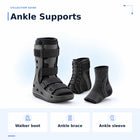
Ankle Support for Home Use: Braces, Sleeves & Walker Boots
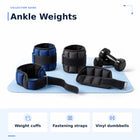
Ankle Weights & Exercise Weights for Home & Rehab

Anti-Bedsore Air Mattresses