


Empty collection
This collection does not contain any products.
Electrosurgery Machine: Uses, Types and Benefits
Electrosurgery: Cautery Machine Uses, Types, Benefits and Buying Guide
Electrosurgery is an important part of modern surgical care. It uses high-frequency electrical energy to cut tissue, coagulate blood vessels, and control bleeding during selected medical procedures. An electrosurgery machine, often called an electrosurgical unit or cautery machine in everyday clinical language, helps trained healthcare professionals manage tissue with controlled energy.
Today, hospitals, operating theatres, surgical centres, and specialist clinics use different electrosurgical systems to support their clinical needs. However, the correct equipment depends on the procedure, tissue type, required output, available accessories, and safety requirements. Therefore, healthcare providers should understand the main functions and features before choosing a suitable machine.
This guide explains electrosurgery in simple language. It covers the working principle, applications, types, key features, technical specifications, maintenance, safety considerations, and buying factors. In addition, it answers common questions about cautery machines so healthcare professionals and medical equipment buyers can make informed decisions.
Introduction to Electrosurgery
Electrosurgery uses high-frequency alternating electrical current to create a controlled effect in body tissue. Depending on the selected waveform, power setting, electrode, and tissue contact, the energy can cut tissue or produce coagulation. Coagulation helps control bleeding by causing changes in tissue proteins and blood vessels.
Unlike a conventional surgical instrument that cuts through direct mechanical force, an electrosurgical instrument uses electrical energy to produce a specific tissue effect. Consequently, the surgeon can select an appropriate mode for the planned procedure. The exact result depends on the equipment, settings, electrode design, and clinical technique.
Although people often use the terms cautery machine and electrosurgery machine interchangeably, the technologies are not identical. True electrocautery heats an instrument tip, which then transfers heat to the tissue. Electrosurgery, by contrast, passes high-frequency electrical current through tissue to generate heat within it.
Modern electrosurgical units may offer cutting, coagulation, blended output, single-electrode return-path operation, or two-electrode operation. Some systems also include monitoring features and programmable settings. Nevertheless, the availability of each function depends on the specific model and its intended use.
What Is an Electrosurgery Machine?
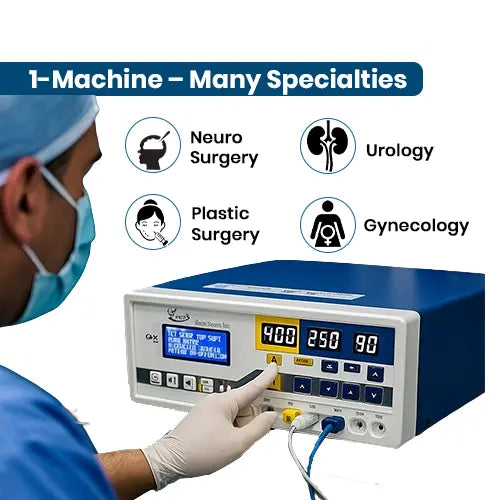
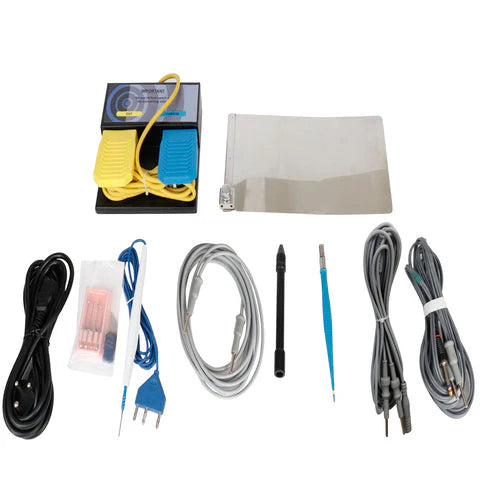
An electrosurgery machine is a medical device that generates controlled high-frequency electrical energy for surgical tissue cutting and coagulation. It usually includes an electrical generator, an active electrode or instrument, connecting cables, user controls, and other accessories required by the selected operating mode.
In a single-electrode return-path configuration, the current travels from an active electrode through the patient's tissue and returns to the generator through a suitable return electrode. In a two-electrode configuration, current passes between two working electrodes, commonly the tips of surgical forceps. The appropriate configuration depends on the procedure and the device instructions.
Healthcare professionals use these systems when a procedure calls for controlled tissue division or bleeding management. For example, an electrosurgical unit may support selected general surgical, dermatological, gynaecological, ENT, or other procedures when the device is approved for that purpose.
In addition, the machine may provide separate controls for cutting and coagulation. Advanced models can include digital displays, power adjustment, self-check functions, alarms, and return-electrode monitoring. These features can help the clinical team operate the equipment according to the manufacturer's instructions.
However, an electrosurgery machine is not suitable for every procedure or every patient. Its use requires trained personnel, appropriate accessories, patient assessment, and compliance with clinical protocols.
What Is a Cautery Machine Used For?
A cautery machine is commonly used to control bleeding, cut tissue, or coagulate tissue during selected medical and surgical procedures. In everyday healthcare terminology, this name often refers to an electrosurgical unit. However, the actual function depends on whether the device uses direct thermal cautery or electrosurgical energy.
The main applications of an electrosurgery machine include the following:
- Bleeding control: Coagulation modes help clinicians manage bleeding from suitable small blood vessels and tissue surfaces during procedures.
- Soft tissue cutting: A suitable cutting mode can help a trained surgeon divide tissue during an indicated surgical procedure.
- Tissue coagulation: Selected electrical waveforms produce a coagulating effect that supports haemostasis.
- General surgery: Compatible systems may support selected procedures that require tissue dissection and bleeding control.
- Dermatology: Certain approved devices can be used for selected skin procedures by appropriately trained professionals.
- ENT procedures: Suitable electrosurgical equipment may support specific ear, nose, and throat procedures.
- Gynaecology: Compatible systems can support selected gynaecological procedures under the appropriate clinical protocol.
- Other specialist applications: Depending on the model, electrosurgical technology may be used in urology, dentistry, or other surgical specialties.
Not every machine supports every application. Therefore, clinicians should check the intended use, available modes, compatible instruments, and manufacturer guidance before selecting equipment for a particular procedure.
How Does Electrosurgery Work?
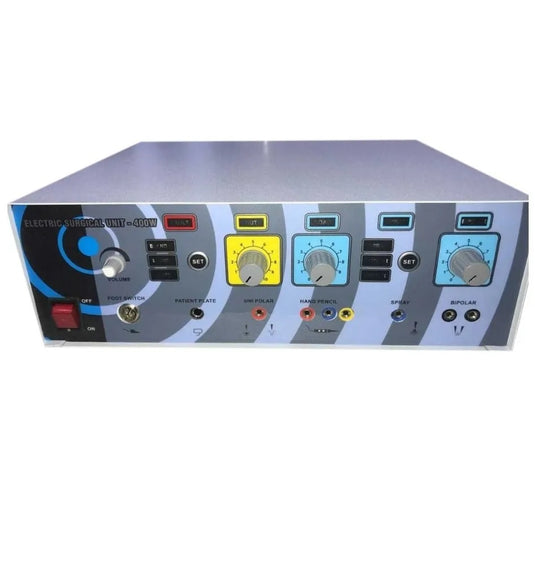
An electrosurgery machine converts electrical power into high-frequency energy suitable for surgical use. The generator delivers the selected output through a compatible instrument. When the energy interacts with tissue, it produces a thermal effect that can support cutting or coagulation.
The result depends on several factors, including the waveform, output power, electrode shape, contact time, tissue characteristics, and surgical technique. Therefore, the same setting may not produce identical results in every clinical situation.
1. Electrical Energy Generation
The generator produces high-frequency alternating current. High frequency helps reduce the risk of neuromuscular stimulation associated with lower-frequency electrical current. Nevertheless, electrosurgical equipment still requires careful handling and appropriate electrical safety measures.
2. Energy Delivery
The generator sends energy to a compatible active electrode. In single-electrode return-path mode, a return electrode completes the electrical circuit. In two-electrode mode, the circuit generally runs between the two working electrodes of the instrument.
3. Tissue Effect
The delivered energy creates heat in the tissue. Depending on the selected mode and conditions, this effect can divide tissue or help coagulate it. The operator must select settings according to the procedure, device instructions, and clinical judgement.
4. Monitoring and Control
Some electrosurgical units provide feedback systems, visual displays, alarms, or return-electrode contact monitoring. These features can support safe operation, but they do not replace proper training, inspection, and patient monitoring.
What Are the Different Types of Electrocautery Machines?
Electrosurgical and cautery equipment is available in several configurations. The main differences relate to how the device generates heat, how electrical current reaches the tissue, and which surgical effects the system can produce.
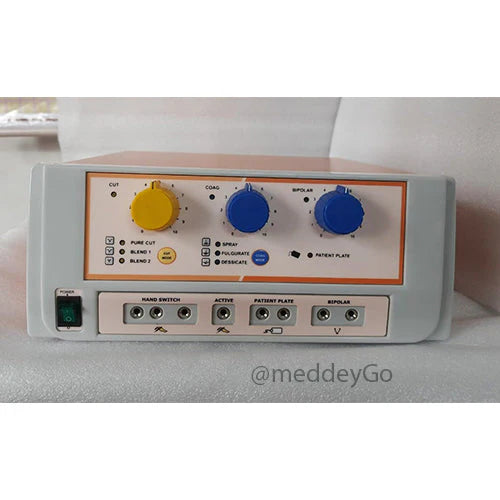
1. Single-Electrode Return-Path Electrosurgery Machine
This electrosurgery machine delivers energy through an active electrode. Current then travels through the patient's tissue and returns through a suitable return electrode. This arrangement supports a range of cutting and coagulation applications.
These systems are common in operating theatres because they can accommodate different compatible instruments and surgical techniques. However, correct return-electrode placement, cable inspection, patient assessment, and adherence to the manufacturer's instructions are essential.
2. Two-Electrode Electrosurgery Machine
A two-electrode electrosurgery system delivers electrical current between two electrodes, often incorporated into a pair of surgical forceps. This configuration directs current between the working tips and supports controlled tissue coagulation in suitable procedures.
Two-electrode systems can be useful when localised coagulation is required. Nevertheless, they do not eliminate all thermal risks. The operator must still select compatible instruments and appropriate settings for the procedure.
3. Combined Electrosurgery Unit
A combined electrosurgical unit supports both single-electrode return-path and two-electrode functions when supplied with the appropriate accessories. This design can offer flexibility to facilities that perform different types of procedures.
Before purchasing a combined system, check the available outputs, power ranges, control methods, accessory compatibility, and whether both configurations meet the clinical team's needs.
4. Radiofrequency Electrosurgery Machine
Radiofrequency electrosurgical systems use high-frequency electrical energy to create controlled tissue effects. Depending on the design, they may support selected cutting, coagulation, or tissue-removal applications.
Buyers should not assume that every radiofrequency device is suitable for every specialty. Instead, they should verify the intended use, approved accessories, output characteristics, and relevant regulatory requirements.
5. Thermal Electrocautery Device
A thermal cautery device heats a metal tip or another working element and transfers that heat to the tissue. Unlike conventional electrosurgery, the electrical current does not pass through the patient's tissue as part of the treatment circuit.
Thermal devices can be suitable for specific applications. However, they should not be confused with a full electrosurgical generator that offers separate cutting and coagulation modes.
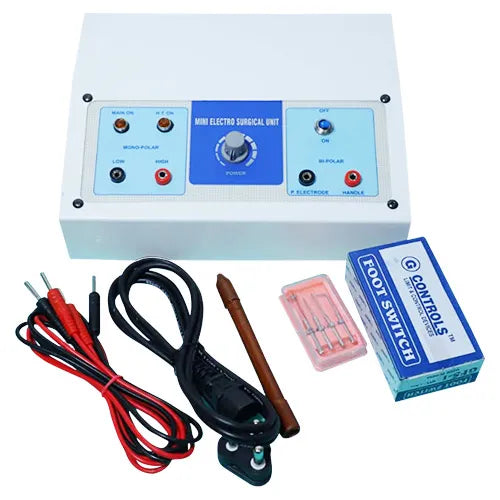
6. Portable or Specialised Cautery Equipment
Portable cautery devices may suit certain limited clinical applications, while larger electrosurgical generators may be intended for operating theatres. The best choice depends on the procedure, mobility requirements, available power supply, and device specifications.
What Are the Two Types of Cautery?
When comparing the two commonly discussed cautery approaches, it is useful to distinguish thermal cautery from electrosurgery. They both use heat to create a tissue effect, but they generate and deliver that heat differently.
Thermal Cautery
Thermal cautery uses a heated instrument tip to transfer heat directly to the target tissue. The electrical energy heats the instrument rather than passing through the patient as the treatment current.
Electrosurgery
Electrosurgery uses high-frequency electrical current to generate heat within the tissue. Depending on the machine and selected mode, the energy can produce tissue cutting or coagulation.
Some educational resources instead describe the two main configurations as single-electrode return-path and two-electrode electrosurgery. These describe different electrical circuit arrangements rather than the two fundamental ways of generating cautery heat.
For this reason, buyers should read the technical description carefully. A device labelled as a cautery machine may offer thermal cautery, single-electrode electrosurgery, two-electrode electrosurgery, or a combination of functions.
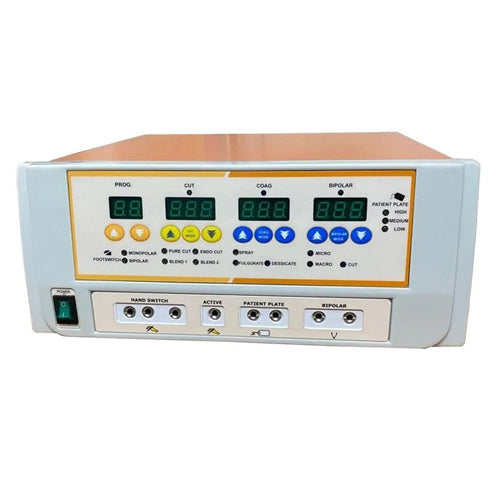
Key Features of an Electrosurgery Machine
The right features depend on the intended procedure and the needs of the healthcare facility. Therefore, hospitals and clinics should compare the complete specification rather than choosing a machine based only on its power rating or price.
- Cutting mode: Provides an appropriate output for tissue division when the model supports this function.
- Coagulation mode: Supports tissue coagulation and bleeding control for indicated procedures.
- Single-electrode output: Allows compatible instruments to operate with the required return-electrode arrangement.
- Two-electrode output: Supports compatible instruments for localised electrical energy delivery.
- Adjustable power: Allows clinicians to select an appropriate output within the manufacturer's specified limits.
- Digital display: Makes selected settings and operating information easier to review.
- Footswitch or hand control: Supports compatible activation methods, depending on the model and instrument.
- Return-electrode monitoring: Some systems monitor return-electrode contact and provide alerts when a problem is detected.
- Self-check functions: Certain units perform system checks and display faults that require attention.
- Audible and visual alarms: Can alert trained users to selected operating conditions or faults.
- Compatible accessories: Suitable cables, electrodes, handpieces, return electrodes, and forceps support the intended clinical configuration.
- Service support: Access to maintenance, spare parts, technical assistance, and user training can help maintain reliable operation.
Not every model includes all these features. Always confirm the exact specification and supplied accessories before placing an order.
Benefits of Electrosurgery
When used for an appropriate indication by trained professionals, electrosurgery can support a controlled and efficient surgical workflow. The benefits depend on the equipment, procedure, patient, and clinical technique.
Controlled Cutting and Coagulation
Many electrosurgical units provide separate cutting and coagulation settings. Consequently, the clinical team can select a suitable tissue effect for the procedure instead of relying on a single operating mode.
Support for Bleeding Management
Coagulation modes can help control bleeding during selected procedures. Effective bleeding management can improve visibility at the surgical site. However, electrosurgery does not eliminate blood loss or replace other necessary haemostatic methods.
Flexible Clinical Applications
Depending on its configuration, an electrosurgical unit may support several procedures and compatible instruments. This flexibility can help a healthcare facility select equipment for its actual workload.
Adjustable Output
Adjustable output settings allow trained clinicians to tailor the machine's operation to the intended tissue effect. Nevertheless, settings must always follow the device instructions and the clinician's judgement.
Integration into Surgical Workflows
Suitable electrosurgical systems can integrate with other approved operating-room equipment. In addition, accessible controls and clear displays may help the clinical team review settings during a procedure.
Potential Efficiency Benefits
In appropriate cases, electrosurgery can combine tissue cutting and coagulation in one system. The actual time required for a procedure varies, however, and depends on clinical circumstances rather than the machine alone.
Applications of Electrosurgery in Healthcare
Electrosurgery has applications across several clinical specialties. However, each specialty requires equipment and accessories suited to the specific procedure.
- General surgery: Selected soft-tissue cutting, dissection, and coagulation procedures.
- Dermatology: Certain procedures involving selected skin lesions, when supported by the device's intended use.
- ENT: Specific procedures involving the ear, nose, and throat, depending on the approved system.
- Gynaecology: Selected procedures requiring controlled tissue treatment.
- Urology: Certain procedures involving compatible electrosurgical instruments.
- Dentistry: Selected soft-tissue procedures when the device is designed and approved for dental use.
- Plastic surgery: Appropriate tissue-cutting and coagulation applications performed by trained clinicians.
Before using electrosurgical equipment in any specialty, the healthcare team must confirm that the system, accessories, and operating technique match the procedure and the manufacturer's instructions.
For suitable clinical applications, healthcare providers can review equipment intended for dermatological procedures and compare the specifications with their clinical requirements. Likewise, systems intended for gynaecological procedures should match the intended use, compatible accessories, and applicable clinical protocols.
Technical Specifications of an Electrosurgery Machine
Technical specifications help buyers compare electrosurgery machines and identify equipment suitable for their facilities. The following table lists important items to review. Actual values and available functions vary by model.
| Specification | What to Check |
|---|---|
| Equipment type | Thermal cautery, single-electrode, two-electrode, or combined electrosurgical unit |
| Cutting modes | Available cutting waveforms and operating modes |
| Coagulation modes | Available coagulation settings and compatible applications |
| Output power | Specified maximum output for each mode, measured under stated conditions |
| Operating frequency | Manufacturer-stated output frequency |
| Display and controls | Digital or analogue controls and visibility of settings |
| Activation | Supported hand controls, footswitches, or other compatible controls |
| Safety systems | Applicable alarms, return-electrode monitoring, and fault detection |
| Accessories | Electrodes, handpieces, forceps, cables, and return electrodes |
| Power supply | Rated voltage, frequency, and electrical requirements |
| Compliance | Applicable regulatory approvals, certificates, and manufacturer documentation |
| Warranty and service | Warranty terms, service availability, and maintenance support |
Note: Do not assume a specific wattage, frequency, or safety function without checking the technical datasheet for the exact model.
Which Cautery Machine Is Best?
The best cautery machine is the one that meets the clinical requirements of the intended procedure and complies with relevant safety and regulatory requirements. There is no single model that is best for every hospital, clinic, or surgical specialty.
For example, a facility that needs both tissue cutting and localised coagulation may prefer a compatible combined electrosurgical unit. In contrast, a facility with a specific limited application may need a different configuration. The choice should follow the actual clinical requirement rather than the product name alone.
Consider the Intended Application
First, identify the procedures the machine will support. Then confirm that the device offers the necessary operating modes, output range, and approved accessories.
Compare Safety Features
Review the available monitoring systems, alarms, self-check functions, and electrical safety documentation. Additionally, confirm the requirements for patient return electrodes and compatible cables.
Check Usability
Clear displays, accessible controls, and suitable activation methods can support the workflow. Therefore, ask the supplier for a demonstration or product training when appropriate.
Review After-Sales Support
Warranty coverage, technical assistance, spare-part availability, and service arrangements matter over the life of the equipment. A lower purchase price may not represent the best overall value if support is limited.
Confirm Compliance
Check the applicable Indian regulatory requirements, product documentation, and relevant safety standards. The supplier should provide accurate model-specific information rather than general claims about all cautery machines.
How to Choose an Electrosurgery Machine in India
When purchasing an electrosurgery machine in India, healthcare providers should compare equipment suitability, supplier reliability, compliance, and lifetime operating costs. A structured buying process can help prevent specification mismatches.
- Define clinical requirements: List the procedures, operating modes, and instruments the facility needs.
- Check the model specification: Review power output, modes, controls, accessories, and electrical requirements.
- Verify product documentation: Request the user manual, technical datasheet, warranty terms, and relevant compliance documents.
- Confirm accessory availability: Ensure the required electrodes, forceps, handpieces, cables, and return electrodes are compatible.
- Compare the total cost: Include the machine, accessories, consumables, maintenance, training, and service expenses.
- Review supplier support: Confirm delivery terms, installation support where required, service response, and spare-part access.
- Arrange appropriate training: Ensure users understand the equipment, its operating limits, and safety procedures before clinical use.
In addition, compare quotations using the same specifications. This makes it easier to identify differences in the supplied accessories, warranty, and service coverage.
Electrosurgery Machine Price in India
The price of an electrosurgery machine in India varies according to its configuration, power output, operating modes, accessories, manufacturer, warranty, and service arrangements. Basic cautery devices and advanced operating-theatre systems may differ considerably in price because they are designed for different applications.
A portable thermal cautery device should not be compared directly with a high-frequency electrosurgical generator unless both meet the same clinical requirements. Similarly, two machines with comparable power ratings may differ in available modes, monitoring features, accessory packages, and service support.
For an accurate quotation, buyers should provide the supplier with the intended application, required modes, preferred configuration, and necessary accessories. They should also ask whether installation, user training, taxes, delivery, and warranty coverage are included.
Rather than selecting equipment on price alone, healthcare providers should assess its suitability, documentation, long-term costs, and available technical support. This approach helps them choose equipment that fits their operational requirements.
Electrosurgery Safety Precautions
Electrosurgical equipment must be operated by trained and authorised healthcare professionals. Although modern systems may include safety features, incorrect setup or use can cause burns, unintended tissue injury, electrical hazards, or fire.
- Read and follow the manufacturer's instructions before using the machine.
- Inspect the generator, cables, handpieces, electrodes, and accessories before use.
- Use only compatible and approved accessories.
- Follow the required patient assessment and return-electrode procedures for single-electrode return-path operation.
- Check alarms and safety indicators before clinical use.
- Use the lowest appropriate setting consistent with the clinical objective and device instructions.
- Follow the facility's protocols for managing oxygen-rich environments and preventing surgical fires.
- Apply the required precautions for implanted electronic devices and other patient-specific risks.
- Keep the device and accessories within their specified operating conditions.
- Remove damaged equipment from service and arrange inspection by qualified technical personnel.
Electrosurgery should never be used by untrained individuals for self-treatment or unsupervised procedures. Clinical decisions, patient preparation, equipment setup, and treatment must follow professional standards and the manufacturer's instructions.
Cleaning, Maintenance and Storage
Proper maintenance helps preserve electrosurgery machine performance and supports safe clinical use. The required cleaning and servicing procedures vary according to the model and its accessories.
Cleaning After Use
Follow the manufacturer's cleaning and disinfection instructions for the generator and each reusable accessory. Do not immerse electrical components or apply cleaning products that the manufacturer has not approved.
Inspecting Accessories
Check cables, connectors, electrodes, and handpieces for wear, damage, or contamination. Replace damaged accessories according to the manufacturer's guidance. In addition, use the specified single-use or reusable accessories as directed.
Routine Servicing
Arrange inspections and preventive maintenance according to the recommended schedule and facility policy. Qualified biomedical or service personnel should investigate faults, abnormal alarms, or inconsistent output.
Correct Storage
Store the machine and accessories in the environment specified by the manufacturer. Protect the equipment from moisture, dust, impact, and cable damage. Furthermore, keep the user manual and maintenance records accessible to authorised personnel.
Frequently Asked Questions About Electrosurgery
1. What Is a Cautery Machine Used For?
A cautery machine is used for selected procedures involving bleeding control, tissue coagulation, or tissue treatment. In everyday clinical language, the term may refer to an electrosurgery machine. The precise application depends on the device type, intended use, and clinical requirements.
2. Which Cautery Machine Is Best?
The best cautery machine depends on the procedures performed, required operating modes, compatible instruments, safety features, budget, and service support. A combined electrosurgical unit may suit facilities that require multiple configurations, but the final choice should follow the clinical specification.
3. What Are the Two Types of Cautery?
Two commonly discussed approaches are thermal cautery and electrosurgery. Thermal cautery transfers heat from a heated instrument tip, whereas electrosurgery uses high-frequency electrical current to generate heat within tissue. Within electrosurgery, single-electrode return-path and two-electrode configurations describe two major circuit arrangements.
4. What Are the Different Types of Electrocautery Machines?
Common categories include thermal cautery devices, single-electrode electrosurgical units, two-electrode electrosurgical units, and combined electrosurgical systems. Radiofrequency electrosurgical systems are another category of equipment. Available functions and clinical applications vary by model.
5. What Is an Electrosurgical Unit?
An electrosurgical unit is a medical generator that supplies high-frequency electrical energy for tissue cutting or coagulation. It operates with compatible instruments and accessories according to its design and intended clinical use.
6. What Is the Difference Between Single-Electrode and Two-Electrode Electrosurgery?
In a single-electrode return-path configuration, current travels from the active electrode through the patient's tissue and returns through a separate return electrode. In a two-electrode configuration, current passes between two working electrodes, commonly the tips of forceps. Each configuration has specific applications and safety requirements.
7. Is an Electrosurgery Machine the Same as a Thermal Cautery Machine?
No. A thermal cautery machine heats an instrument tip, while an electrosurgical unit passes high-frequency current through tissue to create the desired effect. However, both terms are sometimes used loosely in product listings.
8. What Features Should I Check Before Buying an Electrosurgery Machine?
Review the operating modes, power specifications, safety monitoring, display, compatible accessories, electrical requirements, warranty, and after-sales service. Also, verify the model's intended use and applicable regulatory documentation.
9. Does Every Electrosurgery Machine Support Cutting and Coagulation?
No. Functions vary by model. Some units provide both cutting and coagulation modes, while other cautery devices have a more limited purpose. Always check the technical datasheet before purchasing.
10. How Should an Electrosurgery Machine Be Maintained?
Follow the manufacturer's cleaning instructions, inspect accessories, arrange scheduled servicing, and remove damaged equipment from use. Qualified personnel should investigate faults and perform the required technical checks.
11. What Affects Electrosurgery Machine Prices in India?
Price depends on the machine type, power output, operating modes, safety functions, accessories, manufacturer, warranty, and service arrangements. Compare complete quotations with equivalent specifications for a meaningful assessment.
12. Who Should Operate an Electrosurgery Machine?
Only trained and authorised healthcare professionals should operate electrosurgical equipment within their professional scope and according to the manufacturer's instructions and the facility's clinical protocols.
Conclusion
Electrosurgery plays an important role in modern surgical practice by supporting controlled tissue cutting and coagulation. An appropriate electrosurgery machine can help trained healthcare professionals manage bleeding and perform selected procedures with a suitable level of control.
However, the right equipment depends on the clinical application, required operating modes, available instruments, safety features, and manufacturer specifications. Therefore, healthcare facilities should compare technical details, verify product documentation, and assess after-sales support before purchasing a cautery machine.
Understanding the differences between thermal cautery, single-electrode return-path electrosurgery, and two-electrode electrosurgery also helps buyers choose the correct technology. With suitable equipment, trained operators, regular maintenance, and proper safety procedures, healthcare providers can integrate electrosurgical systems into an appropriate clinical workflow.
For product selection: Review the exact model specifications, compatible accessories, warranty conditions, and intended use before making a purchase.
```
Explore Medical Collections
All Categories
Abdominal & Maternity Support

Accessories

Accu-Chek Instant Strips: Use, Compatibility, Price & Blood Sugar Testing Guide
Accu-Chek Instant Strips: Uses, Features & Complete Guide

accupuncture

Acupuncture Needles & Supplies

Advanced Physiotherapy Machines & Lumbar Physiotherapy

Airways

Ambulance

Anatomy Models
Anesthesia Machine

Anesthesia Products

Ankle Support for Home Use: Braces, Sleeves & Walker Boots

Ankle Weights & Exercise Weights for Home & Rehab

Anti-Bedsore Air Mattresses