


Featured ChoiceSave 50%
Save 50%
Save 50%

Save 50%
Save 50%
Save 50%
Optimal Hospital Bed Sheets: A Comprehensive Buying Guide
Choosing the Right Hospital Bed Sheets
Hospital bed sheets are not just ordinary linens placed on a medical mattress. They affect comfort, hygiene, caregiver efficiency, mattress protection, and how well the bed functions when raised, lowered, or adjusted. Whether you are setting up a home care room, ordering supplies for a clinic, or replacing worn healthcare bedding, the right choice starts with understanding size, fabric, fit, and patient needs.
This guide walks through the main options, including fitted hospital bed sheets, twin XL hospital bed sheets, hospital bedding sets, mattress covers, slide sheets, and common medical linens. It also answers the practical questions people ask before buying: what sheets are best for a hospital bed, whether regular sheets can work, and what to consider before choosing a patient bed sheet for daily use.
Are hospital sheets different from regular sheets?
Yes, hospital sheets are often different from regular sheets because they are designed for healthcare use, adjustable beds, frequent laundering, infection-control routines, and patient comfort. A standard household sheet may look similar at first, but hospital bed sheets usually need to stay secure on thinner or specialty mattresses, tolerate repeated washing, and work with bed rails, repositioning, and clinical care tasks.
The biggest difference is function. In a bedroom, sheets mostly need to feel good and fit the mattress. In a hospital, rehabilitation center, long-term care facility, or home care setting, sheets hospital bed users rely on must also support safe movement, quick changes, moisture management, and cleanliness. A sheet that slips off the corners or bunches under the patient can quickly become uncomfortable and inconvenient.
Hospital bedding is also commonly selected with durability in mind. Sheets may be washed at higher temperatures, changed more often, and handled by multiple caregivers. That does not mean they should feel rough or institutional. Good healthcare sheets balance strength with softness, because the person in the bed may spend many hours there each day.
The design of the bed matters too. A hospital bed is usually adjustable at the head, knees, and overall height. As the bed moves, the fitted sheet needs to flex without pulling free. This is why hospital fitted bed sheets and elasticized fitted hospital bed sheets are often preferred over loose flat sheets for the bottom layer.

The role of sheets in comfort, safety, and care
Hospital bed sheets are part of the care environment. They touch the patient’s skin, help regulate comfort, and form a clean barrier between the body and the mattress. When chosen well, they make everyday care easier. When chosen poorly, they can lead to frustration, wrinkling, overheating, slipping, or extra laundry.
For patients with limited mobility, sheet quality matters even more. Wrinkles, seams, and rough fabric can create pressure or irritation. While sheets alone do not prevent skin problems, a smooth and properly fitted patient bed sheet can help reduce friction and make repositioning more comfortable. A breathable fabric can also help the bed feel less hot or clammy.
For caregivers, the right bed sheet hospital setup can save time. A bottom sheet that fits well is easier to change. A draw sheet or slide sheet can help with repositioning. A waterproof mattress cover can protect the mattress from spills or incontinence. Together, these layers create a practical system rather than a random stack of linens.
A complete hospital bedding setup often includes:
-
A fitted bottom sheet that stays in place on the mattress
-
A flat top sheet or blanket layer for warmth and modesty
-
A pillowcase suitable for frequent washing
-
A waterproof or fluid-resistant mattress cover
-
Optional draw sheets, incontinence pads, or hospital bed slide sheets
-
Extra sheet sets for quick changes between laundry cycles
The goal is not to make the bed complicated. The goal is to create a clean, comfortable, easy-to-maintain sleep and care space.
What sheets are best for a hospital bed?
The best sheets for a hospital bed are the ones that fit the mattress securely, feel comfortable against the skin, hold up to frequent washing, and match the patient’s care needs. For many situations, that means fitted hospital bed sheets made for adjustable medical beds, paired with breathable top sheets and a protective mattress cover.
There is no single “best” option for every patient. Someone who gets cold easily may appreciate hospital flannel sheets, especially in a home care setting. Someone who overheats may prefer lighter cotton-rich or blended hospital sheets. A person who needs frequent transfers may benefit from smoother sheets and separate hospital bed slide sheets. A patient with incontinence concerns may need hospital mattress covers and extra hospital sheet sets so the bed can be changed quickly.
Fabric choice affects feel and maintenance
Fabric is one of the first decisions to make. Cotton is widely appreciated for softness and breathability, while cotton-polyester blends are often chosen for durability, wrinkle resistance, and easier laundering. Microfiber can feel smooth and dry quickly, though some people find it warmer than cotton. Flannel is brushed for warmth and coziness, making it useful in colder rooms or for patients who prefer a softer, warmer surface.
When choosing healthcare bedding, think about both the patient and the laundry process. A very soft sheet may be appealing, but it still needs to hold up under frequent washing. A highly durable sheet may last longer, but it should not feel scratchy or stiff. The right balance depends on whether the sheets will be used in a private home, assisted living room, clinic, or higher-volume medical environment.
Fit is just as important as softness
Fit can make or break the experience. Hospital mattresses are often narrower than standard home mattresses and may have different depths depending on the model, overlay, or pressure-relief surface. A sheet that is too small will pop off the corners. A sheet that is too large may wrinkle or bunch beneath the patient.
For many home hospital beds, twin XL hospital bed sheets are a common starting point because many hospital-style mattresses are close to twin XL length. However, not all medical beds are identical. Before buying sheets for a hospital bed, measure the mattress length, width, and depth. If the mattress has a topper or therapeutic overlay, include that height in your measurement.
A practical hospital bed sheet setup
A useful setup usually includes several layers that work together:
-
Mattress protection: Start with a hospital mattress cover or waterproof protector to help guard the mattress from moisture and spills.
-
Bottom sheet: Add a fitted sheet sized for the mattress and deep enough for any overlay.
-
Draw or transfer layer: Use a draw sheet or slide sheet when repositioning support is needed.
-
Top layer: Add a flat sheet, blanket, or comfort layer based on temperature and preference.
-
Backups: Keep extra hospital bed sheets nearby so changes are simple after accidents, spills, or routine laundering.
This layered approach keeps the bed more comfortable and easier to manage. It also allows caregivers to replace one layer without remaking everything from scratch.
Common types of hospital bed sheets and bedding
Hospital bedding includes more than one kind of sheet. A full linen setup may involve bottom sheets, top sheets, draw sheets, transfer sheets, pillowcases, mattress protectors, and specialty pads. Understanding the role of each item makes it easier to buy what you actually need instead of guessing.
Fitted hospital bed sheets
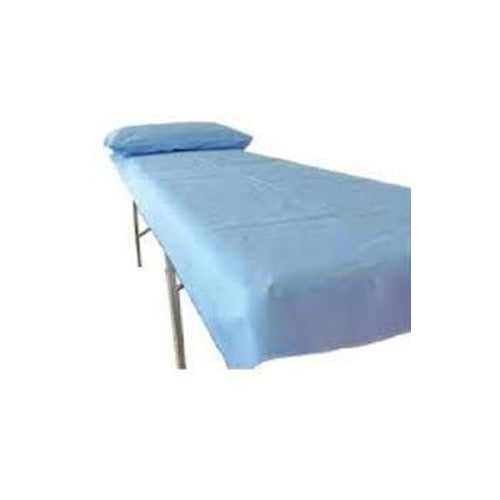
Fitted hospital bed sheets are designed to wrap around the mattress and stay in place. They usually have elastic around the corners or edges, which helps prevent shifting when the bed is adjusted. For many home care situations, fitted sheets are the most convenient bottom layer because they are faster to apply and less likely to come loose than a flat sheet tucked under the mattress.
Hospital bed mattresses may bend at multiple points, so the fitted sheet must move with the bed. If the elastic is weak, the sheet can pull away when the head or knees are raised. If the sheet is too tight, it may strain at the corners. A properly sized fitted sheet should feel secure without being difficult to put on.
Flat hospital sheets
Flat hospital sheets are versatile. They can be used as top sheets, draw sheets, privacy layers, or temporary bottom sheets. In medical settings, flat sheets are often used because they are easy to fold, stack, launder, and replace. They also allow caregivers to tuck and adjust the bed based on patient needs.
For home use, flat sheets are helpful but may not be enough on their own. If used as a bottom sheet, they require careful tucking and may loosen more easily on an adjustable bed. Many people choose a fitted bottom sheet and a flat top sheet for the simplest combination.
Draw sheets and repositioning sheets
A draw sheet is a smaller sheet placed across the middle portion of the bed, usually under the patient’s torso and hips. It can help caregivers reposition a patient or protect the main sheet from moisture and wear. Draw sheets are especially useful when the patient needs assistance turning, sitting up, or moving toward the head of the bed.
Hospital bed slide sheets are different from basic draw sheets. They are made to reduce friction during movement and transfers. They can be useful in care environments where repositioning is frequent, but they should be used properly and stored safely when not needed. The right choice depends on the patient’s mobility level and the caregiver’s training.
Hospital mattress covers
Hospital mattress covers protect the mattress from fluids, spills, and general wear. They are especially important because medical mattresses can be difficult and expensive to replace. A good cover also supports hygiene by creating a cleanable barrier between the mattress and the bedding layers.
Some covers fully encase the mattress, while others fit like a pad or protector. For home use, a waterproof cover under the fitted sheet is often practical. In settings where infection control or bodily fluids are a concern, a more protective cover may be appropriate.
Hospital bedding sets
Hospital bedding sets can simplify the buying process by bundling coordinated pieces. A set may include fitted sheets, flat sheets, pillowcases, and sometimes a blanket or mattress protector. Hospital sheet sets are especially useful when you are setting up a bed for the first time and want compatible linens without selecting every piece separately.
Before buying a set, check what is actually included. Some hospital bedding sets are basic, while others include multiple sheets or protective layers. Also confirm the size, fabric, and mattress depth. A set is only convenient if every piece fits the bed and supports the patient’s needs.
What is the standard size of a hospital bed sheet?
The standard size of a hospital bed sheet depends on the mattress, but many home and medical hospital beds use mattresses close to 36 inches wide by 80 inches long. Because mattress depth, overlays, and specialty surfaces vary, the safest approach is to measure the mattress before buying hospital bed sheets rather than relying only on a label.
Many people search for twin XL hospital bed sheets because a twin XL mattress is also commonly 80 inches long. That can make twin XL a useful reference point, especially for home care beds. However, a typical hospital mattress may be narrower than a regular twin XL mattress, and the depth may differ. If a twin XL fitted sheet is too wide, it may wrinkle or bunch. If it is too shallow, it may slip off.
When measuring for sheets hospital bed users will sleep on daily, take three measurements:
-
Width: Measure from one side of the mattress to the other.
-
Length: Measure from the head of the mattress to the foot.
-
Depth: Measure from the top surface to the bottom edge, including any topper or overlay.
If the bed has a pressure-relief mattress or added pad, measure the bed with that layer in place. A fitted sheet that worked before adding an overlay may no longer have enough pocket depth afterward. This is one of the most common reasons fitted sheets pull loose.
Size and fit checklist before you buy
Use this quick checklist before ordering medical bed sheets:
-
Confirm whether the bed is a standard hospital bed, bariatric bed, pediatric bed, or specialty bed.
-
Measure the mattress width, length, and depth.
-
Account for overlays, toppers, or pressure-relief surfaces.
-
Choose fitted hospital bed sheets with adequate pocket depth.
-
Decide whether you need flat sheets, draw sheets, or slide sheets.
-
Buy enough sets for laundry rotation, not just one bed change.
-
Consider hospital mattress covers if moisture protection is needed.
A sheet that fits properly is easier to keep smooth. That improves comfort and helps caregivers maintain a cleaner, more organized bed.
Can I use regular sheets on a hospital bed?
You can sometimes use regular sheets on a hospital bed, but they may not fit well or perform as reliably as sheets made for medical beds. Regular sheets may be too wide, too short, too shallow, or too loose, especially when the bed is adjusted or when a mattress protector or overlay is added.
If you already have regular twin XL sheets, you may be able to use them temporarily on a home hospital bed. They can work as top sheets, light covers, or backup linens. The concern is usually the fitted bottom sheet. If it wrinkles, slides, or pops off when the bed moves, it is better to switch to hospital fitted bed sheets designed for the mattress size.
The question is not only whether regular sheets can be stretched onto the bed. The better question is whether they stay smooth, safe, and comfortable during real use. A patient who spends most of the day in bed needs bedding that performs consistently, not just bedding that looks acceptable after it is first made.
Regular sheets may be less suitable when:
-
The bed is adjusted often at the head or knees.
-
The mattress is narrower than a household twin XL.
-
The patient uses a pressure-relief overlay.
-
The fitted sheet bunches under the body.
-
Frequent changes are needed because of spills or incontinence.
-
Caregivers need draw sheets or slide sheets for repositioning.
For short-term use, regular sheets can be a stopgap. For ongoing care, purpose-made hospital bed sheets are usually the more practical choice.
Choosing fabric for comfort and health
Many people ask, “What type of bed sheets are the best for health?” The best answer is that healthy bedding should be clean, breathable, smooth, and appropriate for the patient’s skin, temperature preference, and care routine. No single fabric is automatically best for everyone.
For patients with sensitive skin, softness and smoothness matter. Rough fabric can feel irritating, especially when the person has limited mobility and cannot easily shift position. Cotton and cotton-rich blends are popular because they are familiar, breathable, and comfortable for many users. Smooth microfiber can also be comfortable, though warmth and moisture feel can vary by product.
Temperature is another major factor. Some patients feel chilled in bed, especially in cooler rooms or during long rest periods. Hospital flannel sheets can add warmth and a cozy feel. Others may feel overheated and need lighter hospital sheets that allow better airflow. Matching the fabric to the patient’s comfort pattern is more useful than choosing based on fabric name alone.
Cleanability is part of health too. Sheets should be easy to wash, dry, and replace. If laundry is difficult, caregivers may delay changes, which undermines comfort and hygiene. The best healthcare sheets are the ones that support a realistic care routine.
Fabric options at a glance
|
Fabric type |
Why people choose it |
What to consider |
|---|---|---|
|
Cotton |
Soft, breathable, familiar feel |
May wrinkle and can shrink if not cared for properly |
|
Cotton-poly blend |
Durable, easier care, often less wrinkling |
May feel less breathable than all-cotton options |
|
Microfiber |
Smooth feel, quick drying, often lightweight |
Can feel warm for some users |
|
Flannel |
Warm, soft, cozy in cool rooms |
May be too warm for patients who overheat |
|
Specialty medical fabrics |
Designed for specific care needs |
Check instructions, compatibility, and intended use |
This comparison is a starting point. The patient’s comfort, skin condition, care needs, and laundry process should guide the final choice.

Building a complete hospital bedding setup
A complete bedding setup should make daily care easier. Instead of buying one set of sheets and hoping it works, think through a normal week. How often will the bed be changed? Is there a risk of spills or incontinence? Does the patient eat in bed? Is the bed adjusted multiple times a day? Will one caregiver be changing the bed alone?
For most home care situations, you will want more than one set. At minimum, having a clean set available while another is in the laundry prevents delays. If accidents or frequent changes are likely, additional hospital sheet sets can reduce stress. The goal is to avoid running out of clean linens at the exact moment you need them.
A practical home care bedding supply might include:
-
2 to 4 fitted hospital bed sheets for rotation
-
2 to 4 flat sheets for top layers or backup use
-
2 to 4 pillowcases
-
1 to 2 hospital mattress covers or protectors
-
Several absorbent pads if moisture protection is needed
-
Draw sheets or hospital bed slide sheets if repositioning support is needed
-
A lightweight blanket or warmer layer depending on climate
Facilities may need larger quantities, but the principle is the same. Stock enough medical linens to keep beds clean without creating unnecessary storage problems.
When bedding sets make sense
Hospital bedding sets are convenient when you need a coordinated starting point. They can be especially helpful for families setting up a hospital bed at home for the first time. Instead of buying each item separately, a set gives you a base layer of compatible pieces.
However, a set may not include everything you need. Some sets are simple sheet-and-pillowcase combinations. Others include protective items. Read the contents carefully and compare them to the patient’s needs. If the person needs moisture protection or transfer support, you may need to add mattress covers, absorbent pads, or slide sheets separately.
Why backups matter
Even high-quality hospital bed sheets need backups. Bedding can become soiled suddenly. A patient may spill water, sweat through a sheet, or need a change after care routines. If there is no clean sheet ready, the caregiver has to improvise.
Backups also extend the life of the linens. Rotating multiple sets reduces wear on any single sheet. That matters because healthcare bedding is washed often. A small supply of dependable sheets is usually better than one premium set that is used and washed constantly.
Buying considerations beyond size and fabric
Once you know the size and fabric, look at the details that affect daily use. Small features can make a big difference, especially when sheets are changed frequently or used by someone with limited mobility.
Elastic quality is important for fitted hospital bed sheets. Strong elastic helps the sheet stay attached as the bed moves. Corner depth matters too. If the pocket is too shallow, the sheet will pull up. If the pocket is far too deep, extra fabric may bunch.
Seams and texture also matter. A patient bed sheet should feel smooth under the body. Bulky seams, rough labels, or stiff fabric can become irritating over time. If possible, choose sheets that feel comfortable after washing, not just when they are new.
Care instructions should be realistic. Some sheets require special handling, while others are easier to wash and dry. In a busy care routine, simple maintenance is a real benefit. If the bedding cannot be cleaned easily, it may not be the best choice for everyday healthcare use.
A simple decision guide
Use these questions to narrow your options:
-
Who will use the bed? Consider mobility, skin sensitivity, temperature preference, and time spent in bed.
-
What mattress is on the bed? Measure width, length, depth, and any overlay.
-
How often will linens be changed? Frequent changes may require more sets and durable fabrics.
-
Is moisture protection needed? Add hospital mattress covers or absorbent layers if spills or incontinence are likely.
-
Will caregivers reposition the patient? Consider draw sheets or hospital bed slide sheets.
-
Is warmth or breathability more important? Choose flannel for warmth or lighter sheets for airflow.
-
Do you need a set or individual pieces? Hospital bedding sets are convenient, but individual pieces allow more customization.
This kind of planning prevents mismatched purchases. It also helps you choose sheets for a hospital bed based on daily reality rather than product labels alone.
Hospital Bed Sheets & Bedding at Meddey
Explore selected hospital bed sheets, disposable medical sheets, and mattress-protection options for healthcare and home care use.
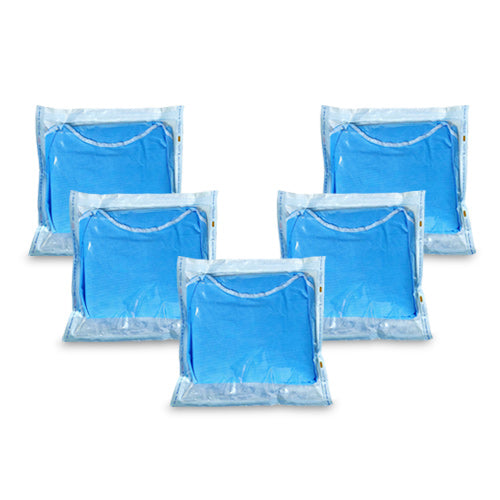
 Disposable Bed Sheet Sterile with Indicator Large Size 160 X 210cm (Pack of 10)₹819View product
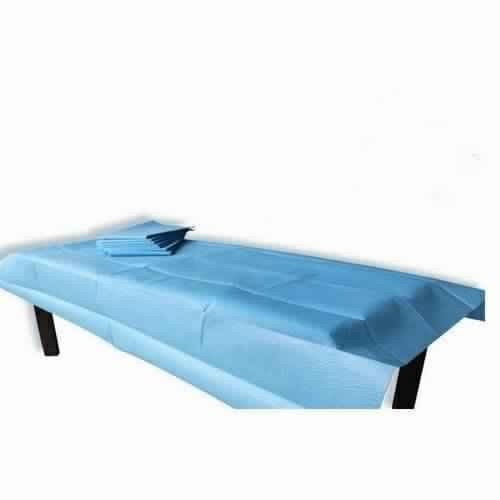
 Disposable Bed Sheet Large Size 160 X 210cm (Pack of 10)₹819View product
 Disposable Bed Sheet Medium Size 100cm x 100cm (Pack of 20)₹1,086View product
 Makintosh Waterproof Mattress Protector Sheet – 10m₹2,061View product
Prices shown are current listed prices at the time of preparation and may change on Meddey.
Where can I buy hospital bed sheets?
You can buy hospital bed sheets from medical supply stores, healthcare linen suppliers, home care retailers, online marketplaces, and some bedding retailers that carry medical bed sizes. The best place to buy depends on whether you need everyday home care sheets, facility-grade medical linens, specialty mattress covers, or complete hospital bedding sets.
If you are buying for a home hospital bed, start by confirming the bed and mattress size. Then look for retailers that clearly list dimensions, pocket depth, fabric content, and care instructions. Avoid choosing only by the words “hospital sheets” if the listing does not explain what size bed the sheets fit.
Medical supply stores can be helpful when you need specialized items such as hospital bed slide sheets, waterproof mattress covers, bariatric sizes, or replacement linens for a specific type of bed. General online retailers may offer more variety and price points, but you will need to check details carefully. For healthcare facilities, linen suppliers may provide bulk options, standardized sizing, and products designed for repeated commercial laundering.
What to check before ordering online
Before clicking buy, review the product information closely:
-
Exact dimensions of the fitted sheet and flat sheet
-
Mattress depth or pocket depth
-
Fabric content and weave
-
Whether the item is sold individually or as a set
-
Care and washing instructions
-
Whether the sheet is intended for adjustable hospital beds
-
Return policy in case the fit is wrong
-
Customer feedback mentioning fit, softness, or durability
This is especially important if you are buying twin XL hospital bed sheets for a medical bed. The length may be right, but the width and depth still need to match.
How much are hospital bed sheets?
Hospital bed sheet pricing varies based on fabric, size, construction, quantity, brand, and whether you are buying individual pieces or hospital bedding sets. Basic sheets may cost less upfront, while more durable healthcare sheets, specialty medical bed sheets, mattress protectors, and slide sheets may cost more because they are designed for specific care needs.
The better way to think about cost is total usefulness. A cheaper sheet that slips off the mattress, feels uncomfortable, or wears out quickly may not be a good value. A more suitable sheet that fits securely and holds up to frequent washing may save time and frustration. For facilities, durability and laundering performance can matter as much as the purchase price. For home care, comfort and easy changes may matter most.
When comparing cost, consider:
-
How many pieces are included
-
Whether the set includes pillowcases or only sheets
-
Whether a mattress cover is included
-
Fabric quality and expected washing frequency
-
Need for specialty items such as slide sheets or waterproof layers
-
Whether you need multiple sets for rotation
If your budget is limited, prioritize the pieces that affect comfort and hygiene the most: a well-fitting bottom sheet, enough backups for laundering, and a protective mattress cover when moisture is a concern.
Matching sheets to different care situations
Not every hospital bed is used the same way. A temporary recovery setup has different needs than long-term bed care. A clinic exam room differs from a home bedroom. Matching the bedding to the situation helps avoid overbuying while still covering essential needs.
Short-term recovery at home
For short-term home recovery, simplicity is usually best. A few fitted hospital bed sheets, flat sheets, pillowcases, and a mattress protector may be enough. If the patient can move independently and does not need frequent repositioning, you may not need specialty transfer layers.
Comfort still matters. Recovery can involve long hours in bed, so choose sheets that feel pleasant and are easy to wash. If the bed is adjustable, make sure the fitted sheet stays secure when the head or legs are raised.
Long-term care or limited mobility
Long-term care requires more planning. Patients who spend most of their time in bed may need smoother sheets, more frequent changes, moisture protection, and repositioning support. Draw sheets and hospital bed slide sheets can be useful when caregivers assist with movement.
In this setting, wrinkles and bunching are more than annoyances. They can make the patient uncomfortable and complicate care. A stable bottom sheet, clean protective layers, and enough medical linens for rotation become essential.
Clinics, care homes, and professional settings
Professional care environments often need durable, standardized healthcare sheets that can be washed repeatedly and stored efficiently. Consistency matters because staff need to make beds quickly and predictably. White or light-colored linens are common because they look clean and make it easier to inspect for stains, though color choice depends on the facility.
Facilities may also separate bedding by function: fitted sheets for mattresses, flat sheets for top layers, draw sheets for repositioning, and specialty linens for certain care tasks. Buying in a coordinated system can reduce confusion and simplify inventory.
Care and laundering tips for longer-lasting sheets
Good hospital bed sheets last longer when cared for properly. Always follow the care label, especially for waterproof covers, specialty fabrics, and slide sheets. Some materials can be damaged by high heat, harsh chemicals, or improper drying.
Washing routines should balance cleanliness with fabric care. Bedding used in healthcare situations may need frequent washing, but overly aggressive laundering can shorten sheet life. If sheets are used in a home care setting, separate heavily soiled items and wash promptly. Keep clean linens dry, folded, and stored away from dust or moisture.
To keep sheets in better condition:
-
Follow the manufacturer’s washing and drying instructions.
-
Avoid overloading the washer, which can prevent proper cleaning.
-
Close zippers or fasteners on mattress covers before washing if directed.
-
Inspect elastic, seams, and fabric thinning after repeated use.
-
Replace sheets that no longer stay fitted or feel rough.
-
Store clean hospital bedding in a dry, accessible place.
A good laundering routine also makes care less stressful. When clean sheets are organized and easy to reach, bed changes are faster and more comfortable for everyone involved.
Signs it is time to replace hospital sheets
Even durable healthcare bedding does not last forever. Sheets wear down from washing, body movement, moisture, and daily handling. Replacing them at the right time protects comfort and keeps the bed looking and feeling clean.
Common signs that hospital bed sheets should be replaced include thinning fabric, persistent stains, rough texture, stretched elastic, holes, frayed seams, or a fitted sheet that will not stay on the mattress. If the sheet bunches no matter how carefully it is applied, it may no longer be suitable for patient use.
Mattress covers also need inspection. A cracked, torn, or worn waterproof cover may no longer protect the mattress. Slide sheets and transfer aids should be checked for damage because they are used for movement and must perform reliably.
A simple inspection routine can help:
-
Check sheets after washing and before folding.
-
Remove damaged linens from the regular rotation.
-
Keep a small reserve supply for sudden replacements.
-
Replace mattress protectors when the barrier is compromised.
-
Label or separate specialty items so they are used correctly.
This habit is especially helpful in homes where one caregiver manages most of the laundry. It prevents worn linens from cycling back onto the bed unnoticed.
Common buying mistakes to avoid
Many sheet problems begin with assumptions. People assume a hospital bed uses ordinary twin sheets, or they buy the softest option without checking dimensions. Others buy only one set, then realize they need backups after the first laundry day.
One common mistake is ignoring mattress depth. A fitted sheet can have the right length and width but still fail because it does not fit over the mattress and overlay. Another mistake is overlooking the bed’s movement. Adjustable beds place different demands on sheets than flat household beds.
Avoid these pitfalls:
-
Buying based only on “twin” or “twin XL” without measuring
-
Forgetting to include mattress toppers or overlays in the depth measurement
-
Choosing fabric without considering heat, moisture, or skin sensitivity
-
Buying one set when frequent laundering is expected
-
Skipping mattress protection when spills or incontinence are possible
-
Assuming all hospital sheet sets include the same pieces
-
Using slide sheets without understanding their purpose and safe handling
A little planning before purchase can prevent most of these issues. The best hospital bed sheets are not necessarily the most expensive. They are the ones that fit, feel good, wash well, and support the care routine.
Final takeaways for choosing hospital bed sheets
Choosing hospital bed sheets is about more than matching a size label. The right bedding supports comfort, cleanliness, caregiver efficiency, and the proper function of an adjustable medical bed. Start with accurate mattress measurements, then choose fabric, sheet style, and protective layers based on the patient’s daily needs.
If you are setting up a bed for home care, focus on the essentials first: fitted hospital bed sheets that stay secure, flat sheets or blankets for comfort, pillowcases, and hospital mattress covers if moisture protection is needed. Add draw sheets, hospital bed slide sheets, or additional medical linens when repositioning or frequent changes are part of the routine.
The simplest rule is this: choose sheets for how the bed will actually be used. A well-fitted patient bed sheet, a clean backup set, and practical healthcare bedding can make every day a little easier for the person in the bed and the people caring for them.
Explore Medical Collections
All Categories
Abdominal & Maternity Support

Accessories

Accu-Chek Instant Strips: Use, Compatibility, Price & Blood Sugar Testing Guide
Accu-Chek Instant Strips: Uses, Features & Complete Guide

accupuncture

Acupuncture Needles & Supplies

Advanced Physiotherapy Machines & Lumbar Physiotherapy

Airways

Ambulance

Anatomy Models
Anesthesia Machine

Anesthesia Products

Ankle Support for Home Use: Braces, Sleeves & Walker Boots

Ankle Weights & Exercise Weights for Home & Rehab

Anti-Bedsore Air Mattresses
You may also need
FOR YOURecommended for you
Save 50%
Save 50%
Save 50%
Save 50%
Save 50%
Save 50%