


Featured ChoiceSave 46%

Save 26%

Save 11%

Save 14%

Save 9%

Save 23%


Save 26%


Save 10%

What customers say
★★★★★ 5.0 · 1 review
Mobility & Daily Living Aids
Mobility & Daily Living Aids – Practical Support for Everyday Life
The Mobility & Daily Living Aids collection offers practical healthcare products that can support movement, comfort, safety and everyday activities. People may need additional assistance at home, during rehabilitation or while managing changes in mobility. With the right aid, many routine activities can become easier to manage.
Daily routines can include walking, sitting, standing, bathing, toileting and reaching for everyday items. For suitable users, daily living aids can provide useful support during these activities. As a result, the right product can help create a more convenient and organised home environment.
Different mobility products serve different purposes. Walkers and rollators can assist with suitable movement, while bathroom aids can support personal-care routines. Other products may help with sitting, standing or completing specific household activities.
Choosing a suitable mobility aid requires attention to the user's needs, product design, available space and intended use. Always review the product specifications and follow the manufacturer's instructions before use.
Mobility & Daily Living Aids Collection Overview
Everyday activities may become difficult when a person experiences reduced mobility or requires additional support. Getting out of bed, moving between rooms, using the bathroom or taking a shower can require greater care. Suitable mobility and daily living aids can provide practical assistance for these situations.
Several product types are available for different needs. Walking aids can support suitable movement, while bathroom products can assist with personal-care activities. Seating and positioning aids may also help users manage selected daily tasks.
Home conditions should also influence product selection. Narrow corridors, doorways, bathroom layouts and available storage space can affect how easily an aid fits into the environment. Measuring the intended area can therefore help users make a more suitable choice.
Professional guidance may be useful when a product is intended for rehabilitation or specific mobility requirements. A qualified healthcare professional can help assess the user's needs and recommend an appropriate type of support.
Types of Mobility & Daily Living Aids
The category includes several types of healthcare products designed for movement and everyday activities. Each product has a specific purpose, so users should select an aid according to the task that requires support.
Walking Aids
Walking aids can provide additional support during suitable movement. Depending on the design, they may help users maintain stability while walking indoors or in appropriate outdoor areas. Correct sizing and setup are important for comfortable use.
Walking aids can provide additional support during suitable movement. Depending on the design, they may help users maintain stability while walking indoors or in appropriate outdoor areas. Correct sizing and setup are important for comfortable use.
Walkers and Rollators
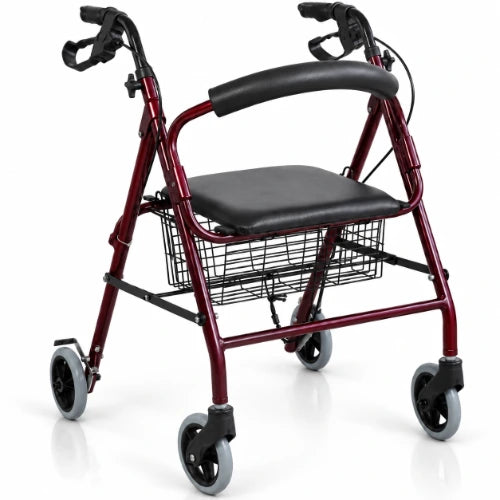
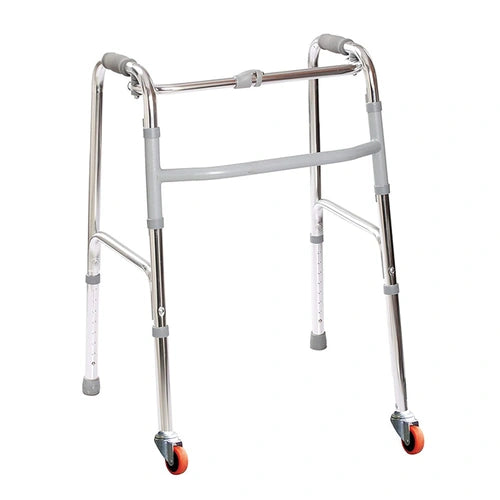
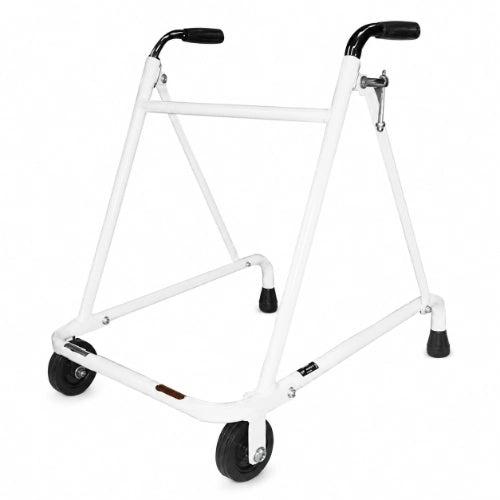
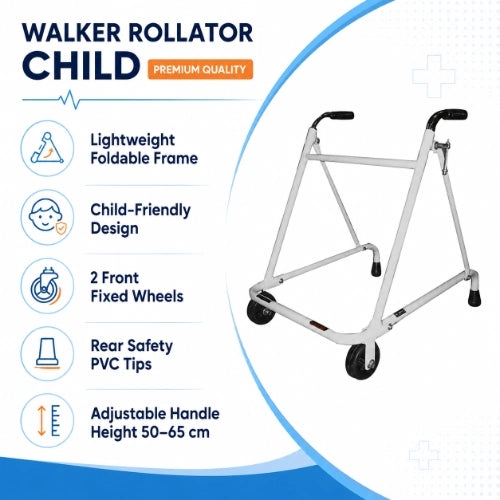
Walkers and rollators can assist people who need additional support while moving. Product designs may include wheels, hand grips, seats or storage features. The right option depends on mobility requirements, balance and intended use.
Walkers and rollators can assist people who need additional support while moving. Product designs may include wheels, hand grips, seats or storage features. The right option depends on mobility requirements, balance and intended use.
Bathroom and Toilet Aids
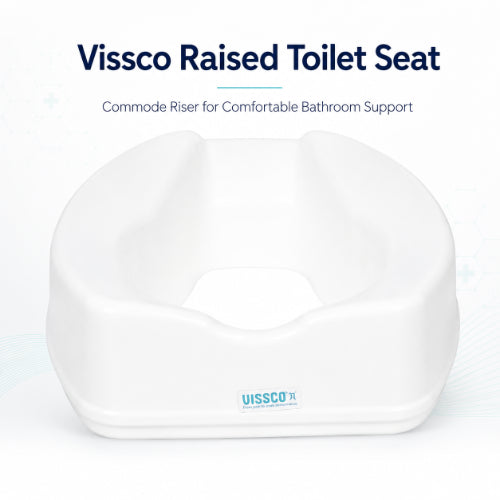
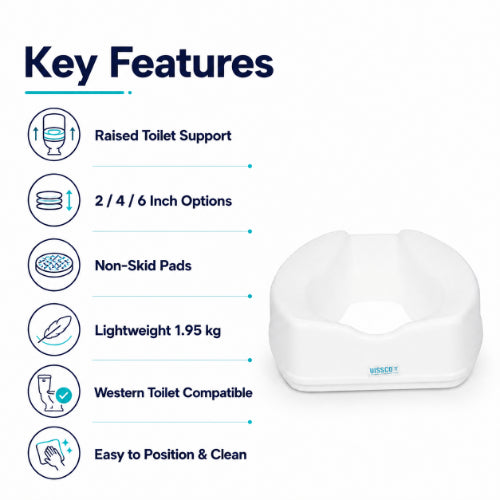
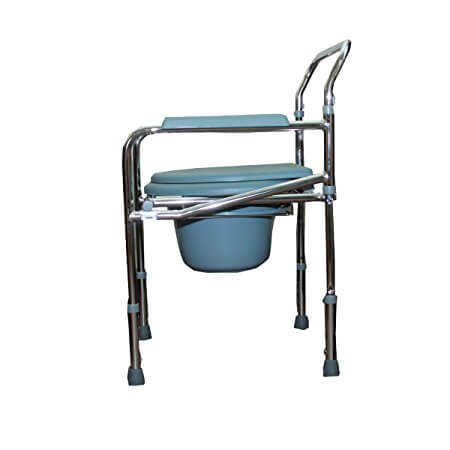
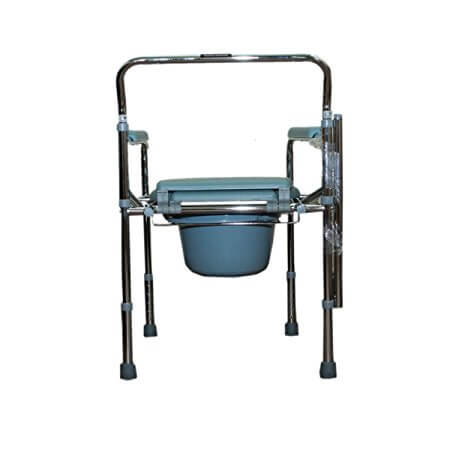
Bathroom aids can make personal-care routines more manageable. Raised toilet seats, commode products, shower supports and similar aids may provide practical assistance during selected bathroom activities.
Bathroom aids can make personal-care routines more manageable. Raised toilet seats, commode products, shower supports and similar aids may provide practical assistance during selected bathroom activities.
Daily Living Support Products
Daily living aids can assist with common activities around the home. Depending on their design, these products may support gripping, reaching, sitting, standing or other routine tasks.
Daily living aids can assist with common activities around the home. Depending on their design, these products may support gripping, reaching, sitting, standing or other routine tasks.
Home Rehabilitation Aids
Some products can form part of a suitable home rehabilitation setup. Their use should match the user's abilities, rehabilitation plan and guidance from an appropriate healthcare professional.
Some products can form part of a suitable home rehabilitation setup. Their use should match the user's abilities, rehabilitation plan and guidance from an appropriate healthcare professional.
Mobility Aids for Everyday Movement
Movement plays an important role in everyday life. However, some people need additional support while walking, standing or changing position. Appropriate mobility aids can provide useful assistance for suitable users.
Different designs offer different forms of support. One person may benefit from a basic walking aid, while another may require a wheeled walker or rollator. Therefore, product selection should focus on the user's actual mobility requirements.
The intended environment also matters. Indoor use may require a compact design for narrow spaces, while outdoor use can involve different surface and handling requirements. Checking the product information can help users understand where an aid is suitable.
Comfort deserves attention as well. Hand grips, frame height, seating features and overall dimensions can influence the user's experience. Always adjust the product according to the manufacturer's instructions.
Daily Living Aids for Home Use
Routine household activities can become challenging when mobility or physical ability changes. Daily living aids focus on practical tasks that people perform regularly. Suitable products can support selected activities and make everyday routines more convenient.
Bathroom equipment represents one important area of daily living support. Users may require assistance while sitting, standing, bathing or using toilet facilities. A suitable product can help organise a more accessible personal-care space.
Seating and positioning products can also support everyday activities. Depending on the design, these aids may provide useful assistance during tasks that require sitting or changing position.
Other daily living products can support activities in bedrooms, living areas and other parts of the home. Consider the user's routine, available space and ability to operate the product before making a selection.
Key Benefits of Mobility & Daily Living Aids
Suitable products can provide practical support for everyday activities. The exact benefits depend on the product design and the user's individual requirements.
- Everyday Support: Appropriate aids can assist with activities such as walking, sitting, standing and personal care.
- Greater Convenience: A suitable daily living product can make selected household activities easier to manage.
- Home Healthcare: Many products can fit into suitable home-care and personal-care routines.
- Mobility Assistance: Walking products can provide additional support for suitable users during movement.
- Caregiver Assistance: Appropriate aids can help caregivers organise certain everyday support activities.
- Product Variety: Different designs are available for different mobility and daily living requirements.
- Flexible Applications: Depending on the product, aids can suit homes, clinics and rehabilitation environments.
- Practical Selection: A category-based collection makes it easier to compare products according to intended use and features.
Mobility & Daily Living Aids for Rehabilitation
Rehabilitation may involve gradual changes in movement, balance and daily activity. During this period, suitable equipment can provide practical support for specific tasks. Mobility and daily living aids may complement a rehabilitation plan when recommended for the user.
A walking aid can support suitable movement practice, while a daily living product may assist with routine household activities. Together, appropriate products can help create a more practical environment during a rehabilitation period.
Every rehabilitation plan remains different. For that reason, users should not assume that one mobility aid will suit every person or every stage of recovery. Product selection should consider individual abilities, environment and professional recommendations.
Regular checks are equally important. Inspect handles, wheels, frames, seats and other components before use. Stop using a product if it shows visible damage or becomes difficult to operate safely.
How to Choose the Right Mobility & Daily Living Aid
Choosing a suitable product begins with understanding the user's actual requirement. Rather than selecting an aid based only on appearance, consider the activity that needs support.
1. Identify the Main Activity
First, determine whether the user needs assistance with walking, standing, sitting, bathing, toileting, reaching or another daily task. This information can narrow the available options.
2. Consider Mobility Requirements
Next, review the user's current mobility and level of support required. Someone who needs light assistance may require a different product from a person who needs greater stability.
3. Check Product Dimensions
Product dimensions can affect usability. Review width, height and length before purchase. Make sure the selected aid fits through doorways and into the intended area.
4. Review Weight Capacity
Where applicable, check the manufacturer's stated weight or load capacity. Never exceed the recommended limit of a mobility or daily living product.
5. Consider the Intended Environment
Think about where the aid will be used. Bedrooms, bathrooms, corridors, rehabilitation areas and outdoor spaces may have different requirements.
6. Check Comfort and Ease of Use
Finally, review handles, seating, adjustment options and overall usability. The user should be able to operate the product according to the supplied instructions.
Safety Considerations for Mobility & Daily Living Aids
Safety should remain a priority when using any mobility or daily living product. Read the manufacturer's instructions before first use. Check handles, wheels, seats, supports and adjustable components before each use where applicable.
Keep walking paths clear when using mobility aids indoors. Bathroom products require additional attention because wet surfaces may increase the risk of slipping. Ensure the product sits securely on the intended surface before use.
Avoid unauthorised modifications to mobility equipment. Changes that the manufacturer does not recommend can affect the product's intended performance and safe operation.
Users with specific medical, balance or rehabilitation requirements should seek suitable professional guidance. A qualified healthcare professional can help determine whether a particular aid matches the user's needs.
Explore Medical Collections
All Categories
Abdominal & Maternity Support

Accessories

Accu-Chek Instant Strips: Use, Compatibility, Price & Blood Sugar Testing Guide
Accu-Chek Instant Strips: Uses, Features & Complete Guide

accupuncture

Acupuncture Needles & Supplies

Advanced Physiotherapy Machines & Lumbar Physiotherapy

Airways

Ambulance

Anatomy Models
Anesthesia Machine

Anesthesia Products

Ankle Support for Home Use: Braces, Sleeves & Walker Boots

Ankle Weights & Exercise Weights for Home & Rehab

Anti-Bedsore Air Mattresses
You may also need
FOR YOURecommended for you
Save 46%
Save 26%
Save 11%
Save 14%
Save 9%
Save 23%
Save 26%
Save 10%