


Featured ChoiceSave 50%
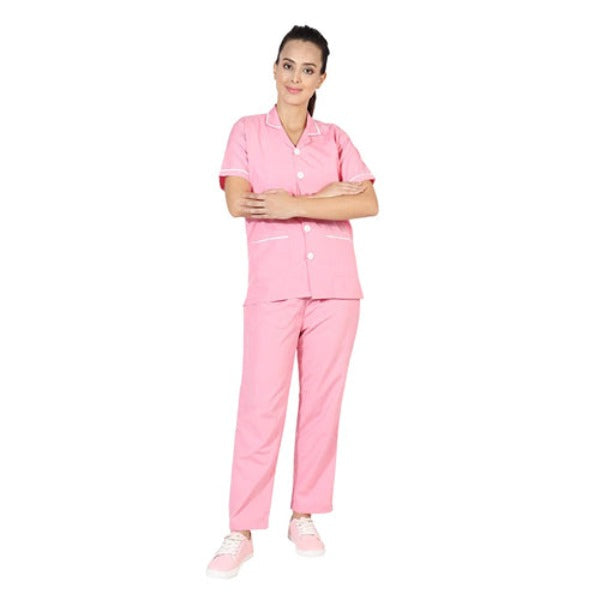
nurse uniform: types, colors, medical scrubs & buying guides
Choosing the Right Nurse Uniform for Comfort
Also, a comfortable nurse uniform does more than meet a workplace dress code. It helps nurses move freely, stay organized, feel confident, and get through demanding shifts with fewer distractions. The right medical scrubs should balance fit, fabric, function, and professional appearance so a nurse in uniform can focus on patient care instead of tugging, overheating, or searching for essentials.
Nurse uniform insights
Nurse comfort, nurse mobility, nurse fit, nurse storage, nurse workflow, and nurse confidence should guide the final uniform choice. A practical uniform should support long shifts without restricting movement or creating extra distractions.
Nurse uniform insights
Nurse uniform fit
A nurse uniform should allow bending, reaching, walking, and sitting without pulling.
Nurse uniform fabric
A nurse uniform should feel breathable, flexible, and suitable for frequent washing.
Nurse uniform storage
A nurse uniform should provide practical pockets without adding too much bulk.
Nurse uniform comfort
A nurse uniform should stay comfortable through long clinical shifts.
Nurse comfort, nurse mobility, nurse organization, and nurse confidence should guide the final choice.
What is the best nursing uniform?
However, the best nursing uniform is the one that fits your role, your body, your facility requirements, and the realities of your shift. For most nurses, that means well-fitting medical scrubs made from breathable, flexible fabric, with enough pockets for daily tools and a cut that stays comfortable through bending, reaching, walking, and long periods on your feet.
Therefore, there is no single nurse uniform that works perfectly for everyone. A nurse working in a busy emergency department may prioritize stretch, durability, and secure pockets, while a nurse in an outpatient clinic may want a polished look that feels professional during patient consultations. A pediatric nurse might prefer cheerful colors or prints if the workplace allows them, while a surgical or procedural setting may require specific scrub suits or hospital uniforms.
For example, comfort should always come before trends. Stylish nurse outfits can be appealing, but the best choice is the uniform you can wear for an entire shift without feeling restricted, too warm, or underprepared. When evaluating nursing clothing, think about what you do repeatedly: lifting, sitting, charting, walking quickly, leaning over beds, sanitizing hands, carrying supplies, and moving between patients. Your uniform should support those movements naturally.

Why comfort matters in a nurse uniform
In addition, nursing is physical work. Even on a “quiet” day, nurses may spend hours standing, walk between rooms, bend to assist patients, reach for equipment, and respond quickly when priorities change. A nurse uniform that pinches, slips, traps heat, or lacks practical storage can turn into a constant source of irritation.
Meanwhile, comfort also affects confidence. When scrubs for nurses fit well and stay in place, nurses can move with ease and maintain a professional appearance. When the fabric is too stiff, the waistband rolls, or the top gaps when bending, the nurse becomes distracted by the clothing instead of the task at hand.
As a result, the right medical scrubs and uniforms help create a sense of readiness. They should feel clean, dependable, and appropriate for the setting. Good nursing scrubs do not need to be complicated, expensive-looking, or overly fashionable. They simply need to work with the nurse throughout the day.
Comfort is more than softness
Instead, soft fabric matters, but it is only one part of comfort. A scrub top can feel pleasant in the dressing room and still become uncomfortable if the shoulders restrict movement or the neckline shifts throughout the day. Scrub pants can look neat when standing still but become frustrating if they slide down during frequent bending.
True comfort comes from the full design of the nurse uniform:
-
Fit: The uniform should follow the body without clinging or pulling.
-
Mobility: The fabric and cut should allow natural movement.
-
Breathability: The material should help prevent overheating during active shifts.
-
Storage: Pockets should support daily tasks without creating bulk.
-
Durability: Scrub clothing should withstand frequent washing and regular wear.
-
Professional appearance: The uniform should look appropriate in a clinical environment.
When these elements work together, a nurse in nurse workwear can move through the day with fewer clothing-related distractions.
Fabric choices that affect all-day wear
Also, fabric is one of the most important decisions when choosing a nurse uniform. Medical uniforms are washed frequently, exposed to movement and friction, and worn for long shifts. The material needs to feel good against the skin while holding up to repeated use.
However, many modern nursing scrubs use blended fabrics rather than a single material. Blends can combine softness, stretch, structure, and easy care. While exact fabric preferences vary, it helps to understand what common fabric qualities mean in real life.
Breathability keeps shifts more manageable
Therefore, breathable nursing clothing allows air to move through the fabric more easily. This can be especially helpful in fast-paced units, warm environments, or roles that involve constant walking. A nurse uniform that traps heat may feel fine at the beginning of a shift but uncomfortable after several hours.
For example, lightweight fabric is often attractive, but it should not be so thin that it feels flimsy or lacks coverage. Good medical scrubs strike a balance: light enough to wear comfortably, yet substantial enough to feel secure and professional.
Stretch supports real nursing movement
In addition, stretch is useful because nurses rarely move in one straight line. They twist, bend, squat, reach, lift, and sometimes move quickly. Scrubs for nurses with built-in stretch can make these movements easier, especially when paired with a thoughtful cut.
However, stretch should not mean the uniform loses shape. If scrub sets become baggy after a few hours, they can look less polished and feel less supportive. Look for scrub clothing that returns to shape after movement and washing.
Easy-care fabric saves time
Meanwhile, a practical nurse uniform should be easy to wash, dry, and wear again. Nurses often need several uniforms in rotation, and high-maintenance fabric can become inconvenient quickly. While care instructions vary by garment, everyday medical scrubs should fit into a realistic laundry routine.
As a result, easy-care does not mean careless. Washing nursing scrubs properly helps preserve color, shape, and fabric performance. Turning garments inside out, separating colors, and avoiding unnecessary heat can help keep medical scrubs and uniforms looking fresh longer.
Fit is the foundation of a better uniform
Instead, the best-looking nurse outfits usually have one thing in common: they fit properly. Fit affects comfort, appearance, and confidence. A nurse uniform that is too tight can restrict movement, while one that is too loose may catch, shift, or look untidy.
Also, fit is also personal. Some nurses prefer a tailored silhouette, while others want a roomier cut. Neither is automatically better. The goal is to find nursing clothing that supports movement without feeling sloppy or restrictive.
Scrub tops should move with the shoulders
However, a scrub top should allow comfortable movement through the shoulders, chest, and arms. If you raise your arms or reach forward and the top pulls tightly across the back, it may not be the right fit. If the neckline shifts or gaps while bending, you may need a different cut or size.
Therefore, length matters too. A top that is too short may ride up during movement, while one that is too long may feel bulky or interfere with pockets on scrub pants. Many nurses prefer tops that provide enough coverage when bending and sitting without adding unnecessary fabric.
Scrub pants should stay secure without digging in
For example, scrub pants are a major part of comfort. A waistband should feel secure but not tight. Drawstring, elastic, knit, and hybrid waistbands all have their place, and the best option depends on personal preference and body shape.
In addition, inseam length matters more than many people expect. Pants that are too long can drag or bunch, while pants that are too short may feel awkward or less professional. Jogger-style scrub pants can solve some length issues because the cuff keeps the hem in place, but classic straight-leg styles may be preferred in more traditional settings.
Sizing should be tested in motion
Meanwhile, trying on a nurse uniform while standing still is not enough. Before committing to a size, move the way you move at work. Sit, squat, reach, bend, and walk. If possible, place a few lightweight items in the pockets to see whether the garment pulls or sags.
Use this quick fit check:
-
Raise both arms: The top should not pull sharply or expose too much.
-
Bend forward: The neckline and waistband should stay comfortable and secure.
-
Sit down: Pants should not dig into the waist or tighten excessively at the thighs.
-
Walk briskly: The fabric should move smoothly without rubbing.
-
Check pocket weight: Loaded pockets should not distort the fit too much.
-
Look in a mirror from all sides: The uniform should feel professional from every angle.
As a result, a good fit may require trying different cuts, not just different sizes. Two scrub sets in the same size can feel completely different depending on design.
What do most nurses wear?
Instead, most nurses wear medical scrubs, often as coordinated scrub sets with a scrub top and scrub pants. Depending on the workplace, nurses may also wear warm-up jackets, underscrub tops, compression socks, supportive shoes, ID badges, and role-specific accessories as part of their daily nursing clothing.
Also, in many healthcare settings, nurse workwear are preferred because they are practical, washable, and easy to standardize across teams. A nurse in uniform may wear a facility-approved color, a department-specific color, or a style that follows general professional guidelines. The exact expectations vary by workplace, so nurses should always check the dress code before buying new medical uniforms.
However, “What do female nurses wear?” is a common question, and the answer is usually the same foundation: women’s scrubs uniforms designed for comfort, movement, and clinical professionalism. Female nurses may choose fitted, relaxed, petite, tall, maternity, jogger, straight-leg, or classic cuts depending on body shape and preference. The key is not whether the uniform is labeled feminine or unisex; it is whether it fits well and supports the job.
Common pieces in modern nursing clothing
Therefore, a complete nurse uniform often includes more than the basic top and pants. The right combination depends on the setting, but these pieces are common:
-
Scrub top: The central piece of most nursing scrubs, available in different necklines, pocket layouts, and fits.
-
Scrub pants: Usually chosen for waistband comfort, pocket placement, length, and leg style.
-
Underscrub top: A lightweight layer worn under a scrub top for warmth or coverage when allowed.
-
Scrub jacket: A professional outer layer that can add warmth while keeping the look clinical.
-
Compression socks: Often chosen by nurses who stand or walk for long hours.
-
Supportive footwear: Not part of the scrub set, but essential to overall comfort.
-
Badge holder and accessories: Small items that help keep identification and tools accessible.
When these pieces work together, the result is a nurse outfit that feels complete without being complicated.
Pockets, storage, and practical details
For example, pockets can make or break a nurse uniform. Nurses often carry pens, report sheets, alcohol swabs, scissors, tape, a phone, gloves, and other small essentials depending on the role. Without practical storage, even a comfortable uniform can become frustrating.
In addition, more pockets are not always better. Too many pockets can add bulk, especially if they are poorly placed. The goal is to choose scrub clothing with storage that matches how you actually work.
Pocket placement matters
Meanwhile, chest pockets are useful for pens and small notes, but they may not be ideal for heavier items. Front pant pockets are convenient for quick access, while cargo pockets can hold larger tools. Back pockets may be less useful during long periods of sitting.
As a result, think about your dominant hand, your workflow, and your facility rules. If you regularly need a penlight, scissors, or folded notes, choose nursing scrubs with secure, reachable pockets. If you prefer a cleaner silhouette, look for fewer pockets with better organization.
Closures and seams affect comfort
Instead, small design details can have a big impact over a long shift. Zippers, snaps, side vents, knit panels, and seam placement all affect how a nurse uniform feels. A seam that rubs under the arm or a waistband tie that creates pressure can become noticeable after hours of movement.
Also, look for smooth interior finishes, flexible side panels if preferred, and closures that do not interfere with bending or sitting. If you wear an underscrub layer, make sure the uniform still fits comfortably over it.
A useful pocket checklist
Before buying a new scrub set, ask:
-
Can I carry my daily essentials without overloading one side?
-
Are the pockets deep enough to keep items from falling out?
-
Are important tools easy to reach with one hand?
-
Does the pocket layout still feel comfortable when I sit?
-
Do cargo pockets add useful storage or unnecessary bulk?
-
Does the top have enough storage if the pants have a slimmer cut?
However, a practical nurse uniform should help you stay organized, not turn into a wearable junk drawer.
Choosing uniforms for different nursing roles
Different nursing roles create different clothing needs. A nurse uniform for a hospital floor may not be the best choice for home health, long-term care, outpatient clinics, school nursing, or procedural areas. The more closely the uniform matches the work environment, the more useful it becomes.
Hospital and acute care settings
Hospital nurses often need durable, flexible, easy-care medical scrubs. Shifts may involve frequent walking, lifting, transfers, and quick changes in pace. Practical pockets, breathable fabric, and secure waistbands are especially valuable.
Color rules may be stricter in hospitals. Some units require specific hospital uniforms or assigned scrub colors. If you are starting a new role, confirm the approved color and style before buying several sets.
Outpatient and clinic settings
Clinic nurses may want nursing clothing that looks especially polished because patient interactions often happen in a more scheduled, face-to-face environment. Comfort still matters, but the style may lean slightly more tailored. Scrub jackets, coordinated layers, and clean silhouettes can help create a professional look.
Some clinics allow more flexibility in color or style than hospitals. Even then, the uniform should remain practical. A long day of rooming patients, assisting providers, administering treatments, or managing calls still requires comfort and mobility.
Which uniform is best for a nurse?
The best uniform for a nurse is a clean, professional, policy-approved scrub set that provides comfort, mobility, coverage, and practical storage. For most nurses, the strongest choice is a pair of medical scrubs that fits correctly, uses breathable stretch fabric, includes useful pockets, and holds up to frequent laundering.
When comparing scrub sets, avoid choosing based only on appearance. A stylish pair of women's scrubs uniforms may look great online, but it still needs to work during a real shift. The same is true for unisex, men's, maternity, petite, tall, jogger, or classic designs. A nurse uniform should earn its place by making the workday easier.
A simple decision framework
Use this framework when narrowing your options:
-
Start with workplace rules. Confirm required colors, style restrictions, logo rules, and whether outside nurse workwear are allowed.
-
Choose the right fit category. Consider relaxed, tailored, petite, tall, maternity, or unisex options based on your body and comfort.
-
Evaluate fabric. Look for breathability, stretch, softness, and durability.
-
Check coverage. Make sure the top and pants stay secure when bending, reaching, and sitting.
-
Test storage. Choose pockets that match what you carry.
-
Think about layering. Consider underscrubs or jackets if your environment changes temperature.
-
Plan your rotation. Buy enough uniforms to support your laundry schedule without wearing out one set too quickly.
This approach keeps the focus on function first, then style.
Signs a nurse uniform is not right for you
Sometimes the wrong uniform reveals itself quickly. Watch for these signs:
-
You keep adjusting the waistband or neckline.
-
The fabric feels hot, scratchy, or stiff after a few hours.
-
The top pulls across the shoulders or chest.
-
The pants restrict bending or climbing stairs.
-
Pocket weight makes the garment sag.
-
The color or style does not meet workplace expectations.
-
The uniform looks worn after only a few washes.
-
You feel less confident wearing it.
If a nurse uniform creates a recurring problem, it is worth trying a different cut, fabric, or size. Small improvements can make a noticeable difference across long shifts.
Building a practical scrub wardrobe
A reliable nurse uniform wardrobe helps reduce stress before work. Instead of scrambling for a clean set or wearing something that does not fit well, you have dependable options ready. Building that wardrobe takes planning, but it does not need to happen all at once.
Start with the basics: a few approved scrub sets in colors you can wear regularly. Then add layers and backups based on your schedule, climate, and role. If you are new to a job, avoid buying too many uniforms before you understand the dress code and daily demands.
Core pieces to own
A practical nursing scrubs wardrobe might include:
-
Several scrub tops in approved colors and preferred cuts.
-
Several scrub pants that match your tops and fit comfortably.
-
One or two scrub jackets if your workplace allows them.
-
Underscrub tops for cooler environments or added coverage.
-
A backup set for spills, unexpected overtime, or schedule changes.
-
Comfortable socks and shoes that support long shifts.
The exact number depends on how often you work and how often you do laundry. The goal is to have enough clean medical scrubs available without overbuying pieces you rarely wear.
Mixing and matching wisely
If your workplace allows it, choosing coordinating colors can make your uniform wardrobe more flexible. Neutral pants with approved tops, or multiple pieces in the same color family, can make it easier to assemble nurse outfits quickly.
Be careful when mixing brands or fabric types. Two navy pieces may not be the same shade, and fabrics may age differently. If a matched look matters to you, buy scrub sets designed to coordinate.
Planning for seasonal comfort
Temperature changes can affect comfort significantly. In warmer months or warm units, breathable lightweight nurse workwear may feel best. In cooler settings, approved layers can help without compromising professionalism.
Layering should never interfere with safety, hygiene, or dress code rules. Choose fitted underscrubs or scrub jackets that do not hang loosely or get in the way while providing care.
Nurse Uniforms & Scrub Suits at Meddey
Explore selected nurse uniform and scrub suit options for hospital, clinic, and healthcare work.
 Premium Scrub Suit for Female Doctors Navy Blue₹999View product
 Premium Scrub Suit for Female Doctors Magenta₹999View product
 Premium Scrub Suit for Female Doctors Green₹999View product
 Premium Scrub Suit Unisex Navy Blue for Doctors₹999View product
Prices shown are current listed prices at the time of preparation and may change on Meddey.
Where to get a nurse's uniform?
You can get a nurse’s uniform from medical uniform stores, healthcare apparel retailers, approved workplace suppliers, campus bookstores for some nursing programs, and online shops that specialize in medical scrubs. The best place to buy depends on your dress code, sizing needs, budget, return preferences, and whether you want to try on scrub sets before purchasing.
If you are buying your first nurse uniform, an in-person fitting can be helpful. Trying on different cuts makes it easier to understand your size and preferred style. Once you know what works, online ordering can be convenient for replacing favorite pieces or adding colors.
Buying in-store
Shopping in-store lets you feel fabric, compare sizes, and test movement before buying. This is especially useful if you are unsure whether you prefer jogger, straight-leg, relaxed, or tailored styles. You can also check pocket placement and coverage in a real mirror.
The downside is selection. A local store may not carry every color, size, or brand you want. Still, it can be a smart starting point when fit is your main concern.
Buying online
Online shopping offers variety. You can compare scrub suits, women's scrubs uniforms, classic scrub sets, and specialty sizes from home. Reviews may help you understand whether an item runs large, small, long, short, stretchy, or stiff.
When buying online, read the size chart carefully. Check the return policy before ordering, especially if you are trying a new brand or cut. If possible, order one set first before purchasing a full work wardrobe.
Buying through a workplace or school
Some employers or nursing programs require specific medical uniforms. They may provide ordering instructions, approved vendors, embroidery requirements, or color rules. In these cases, follow the official guidance rather than guessing.
If the required uniform is not your ideal fit, you may still be able to improve comfort by choosing the best available size, selecting approved layers, and paying attention to shoes and accessories.
Uniform care and longevity
Once you find nursing scrubs you like, caring for them well helps them last. Medical scrubs are working garments, so they need regular washing and sensible handling. Proper care also supports a clean, professional appearance.
Always follow the care label. Different fabrics and finishes may have different needs. If your workplace has specific laundering instructions, those should come first.
Practical care habits
These habits can help protect your nurse uniform:
-
Wash after each wear. Nurse workwear are exposed to clinical environments and should be cleaned regularly.
-
Separate colors. This helps prevent color transfer and dulling.
-
Pretreat stains promptly. Address visible marks before they set.
-
Avoid excessive heat when possible. High heat can affect some fabrics, elastic, and stretch fibers.
-
Close zippers or fasteners. This can reduce snagging.
-
Turn garments inside out. This may help protect color and outer surfaces.
-
Replace worn pieces. A faded or stretched uniform can undermine an otherwise professional look.
Keeping nurse workwear clean and in good condition is part of presenting yourself as prepared for patient care.
When to retire a scrub set
Even favorite scrub sets eventually wear out. Retire pieces when fabric becomes thin, seams fray, elastic fails, stains remain, or the fit no longer feels professional. If a nurse outfit makes you self-conscious or uncomfortable, it may be time to replace it.
Consider keeping one older set for non-clinical tasks if appropriate, but do not rely on worn clothing for patient-facing work. A fresh nurse uniform can improve both appearance and confidence.
A practical nurse uniform buying checklist
Before purchasing your next nurse uniform, review this checklist. It can help you make a confident choice instead of relying on guesswork.
-
Dress code: Is the color, style, and logo policy approved?
-
Role fit: Does the uniform match the physical demands of your job?
-
Fabric: Is it breathable, comfortable, and durable enough?
-
Stretch: Can you bend, reach, squat, and sit easily?
-
Coverage: Does the top stay secure and the pants stay in place?
-
Pockets: Are there enough useful pockets without excess bulk?
-
Length: Are the sleeves, top length, and pant inseam right for you?
-
Layering: Can you add an underscrub or jacket if needed?
-
Laundry: Can the uniform handle your washing routine?
-
Confidence: Do you feel professional wearing it?
If a scrub set checks most of these boxes, it is more likely to become a dependable part of your work wardrobe.
Bringing comfort and professionalism together
The ideal nurse uniform is comfortable enough for long shifts and professional enough for patient care. It should help you move, stay organized, and feel prepared. Whether you prefer classic medical scrubs, jogger scrub sets, tailored women's scrubs uniforms, or simple hospital uniforms, the goal is the same: clothing that supports the work rather than distracting from it.
As you compare medical scrubs and uniforms, keep returning to the basics. Check whether it fits, moves well, breathes comfortably, meets policy, and helps you do your job. Those questions matter more than any trend.
Choosing the right nurse uniform is ultimately about respecting the demands of nursing. A well-chosen uniform will not make a hard shift easy, but it can remove unnecessary discomfort, keep essential tools close, and help you show up looking and feeling ready. Start with comfort, confirm the rules, choose quality where it counts, and build a scrub wardrobe that works as hard as you do.
Explore Medical Collections
All Categories
Abdominal & Maternity Support

Accessories

Accu-Chek Instant Strips: Use, Compatibility, Price & Blood Sugar Testing Guide
Accu-Chek Instant Strips: Uses, Features & Complete Guide

accupuncture

Acupuncture Needles & Supplies

Advanced Physiotherapy Machines & Lumbar Physiotherapy

Airways

Ambulance

Anatomy Models
Anesthesia Machine

Anesthesia Products

Ankle Support for Home Use: Braces, Sleeves & Walker Boots

Ankle Weights & Exercise Weights for Home & Rehab

Anti-Bedsore Air Mattresses
You may also need
FOR YOURecommended for you
Save 50%